How Singapore Vietnam investment structuring actually works: fund domicile, holding companies, and SPV mechanics that route capital into Vietnamese assets.
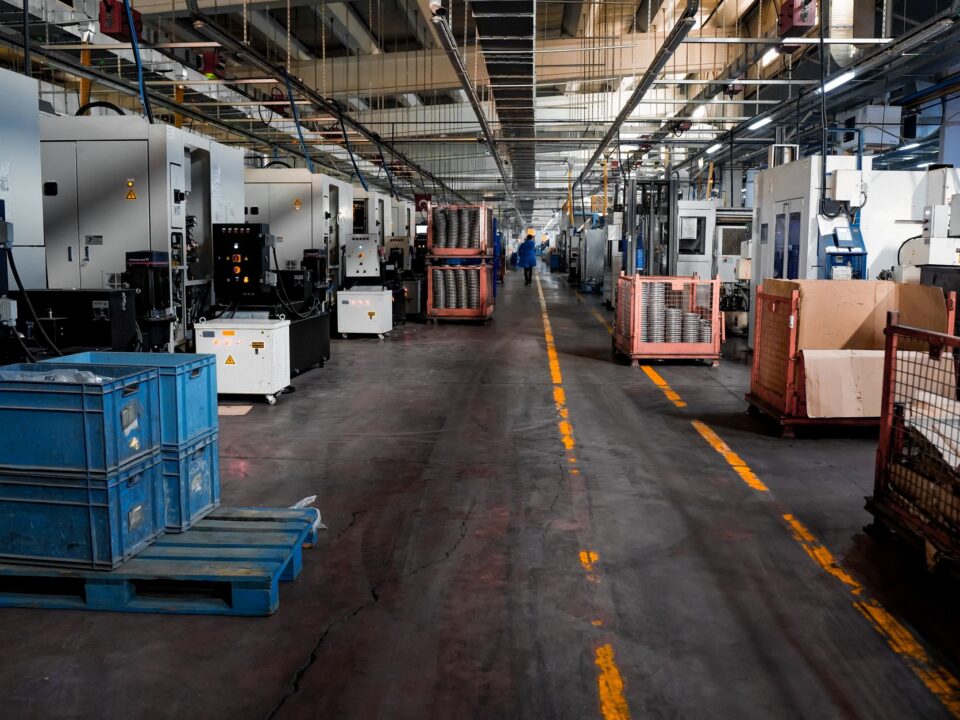
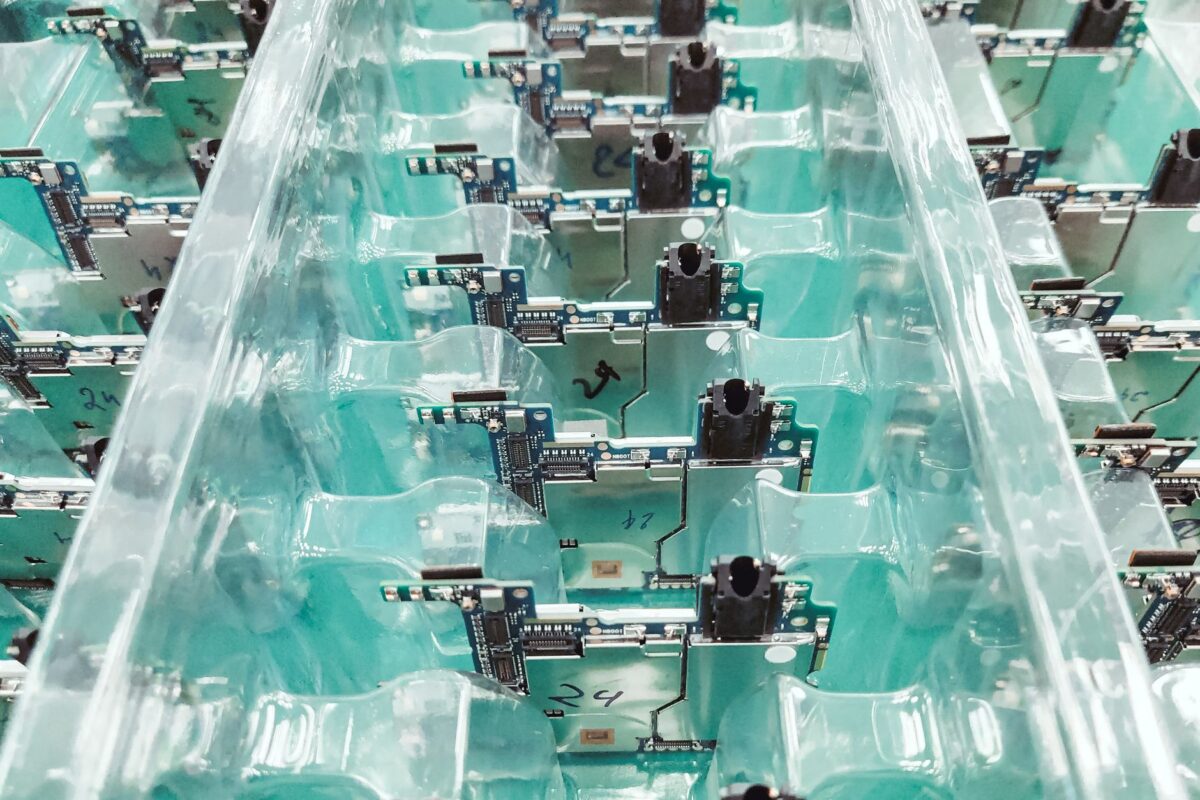
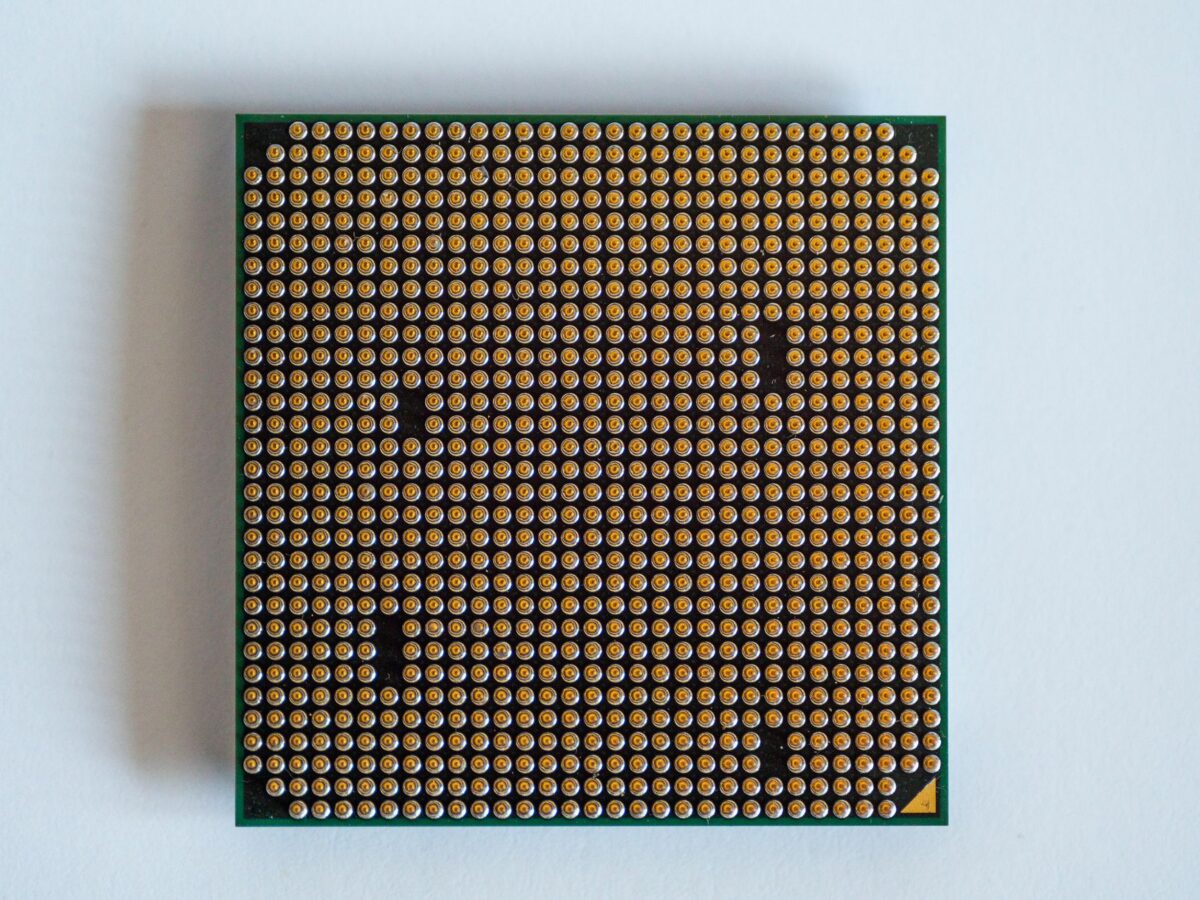
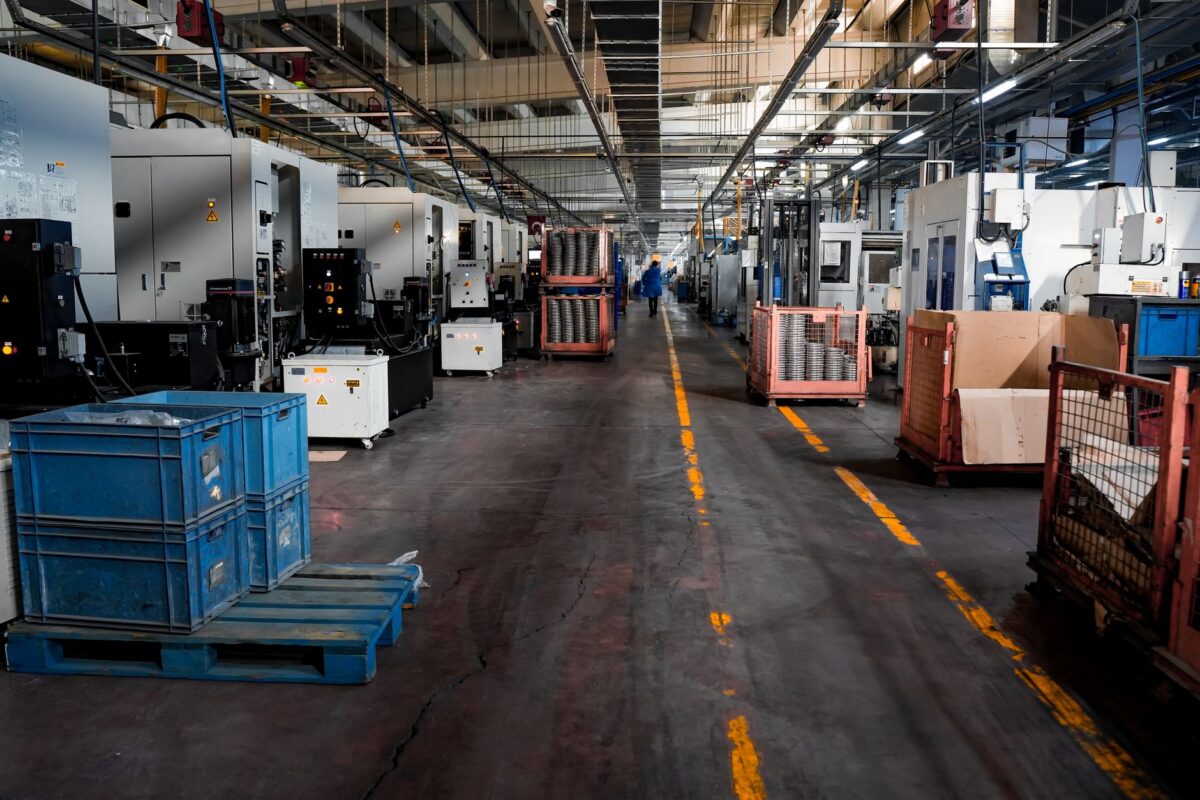
Inside the Vietnam semiconductor supply chain: how phased capital, cleanroom build-out, gas and chemical logistics, tooling imports and yield ramp turn $1bn into a fab.
A $1 billion Dutch chip plant is both a milestone and a real test of Vietnam semiconductor investment readiness — infrastructure, talent and governance.
How Vietnam FDI sovereign risk repricing works: non-debt-creating capital strengthens the external position and balance of payments toward a rating upgrade.
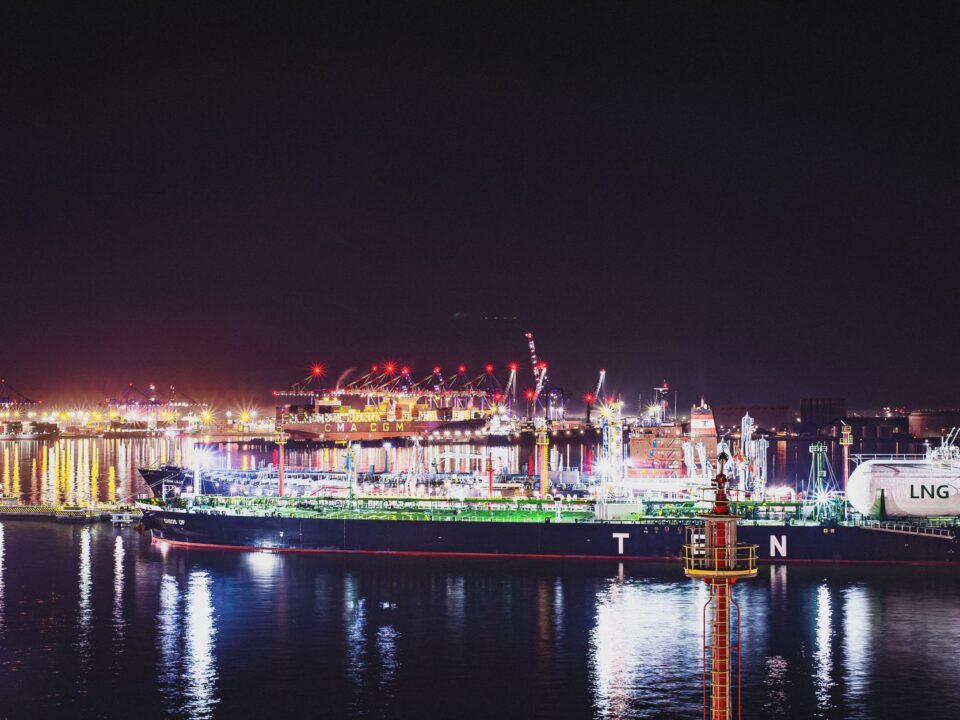
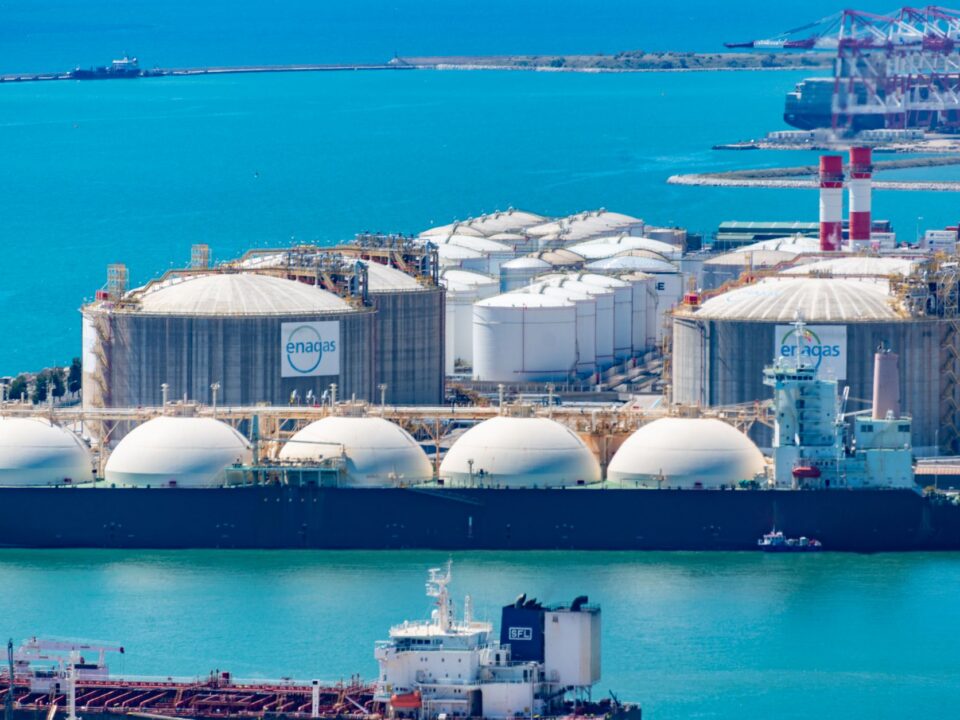
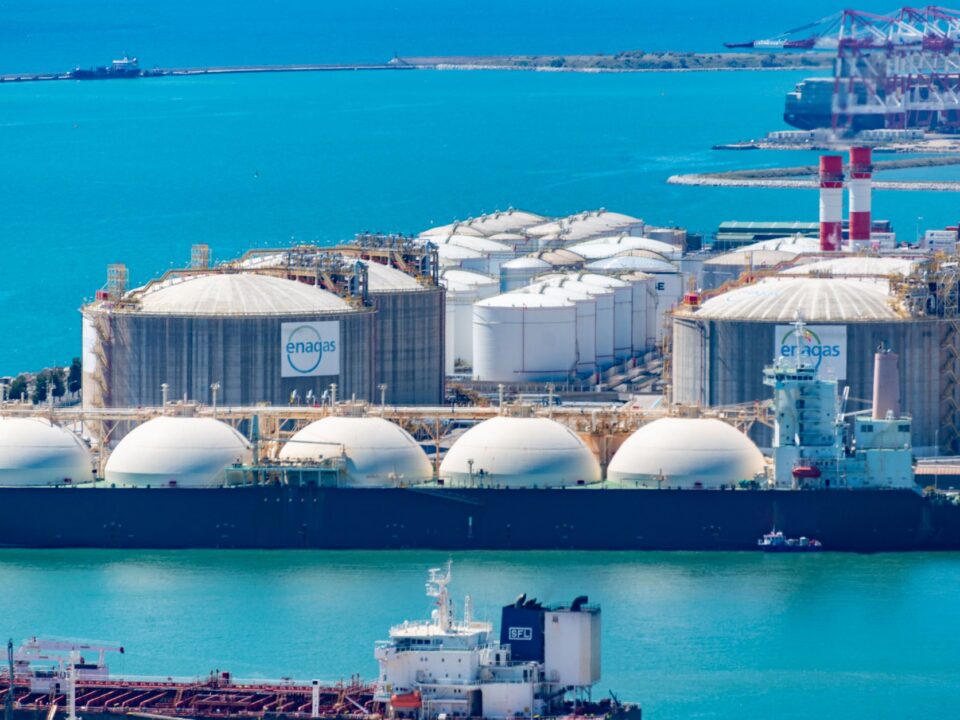
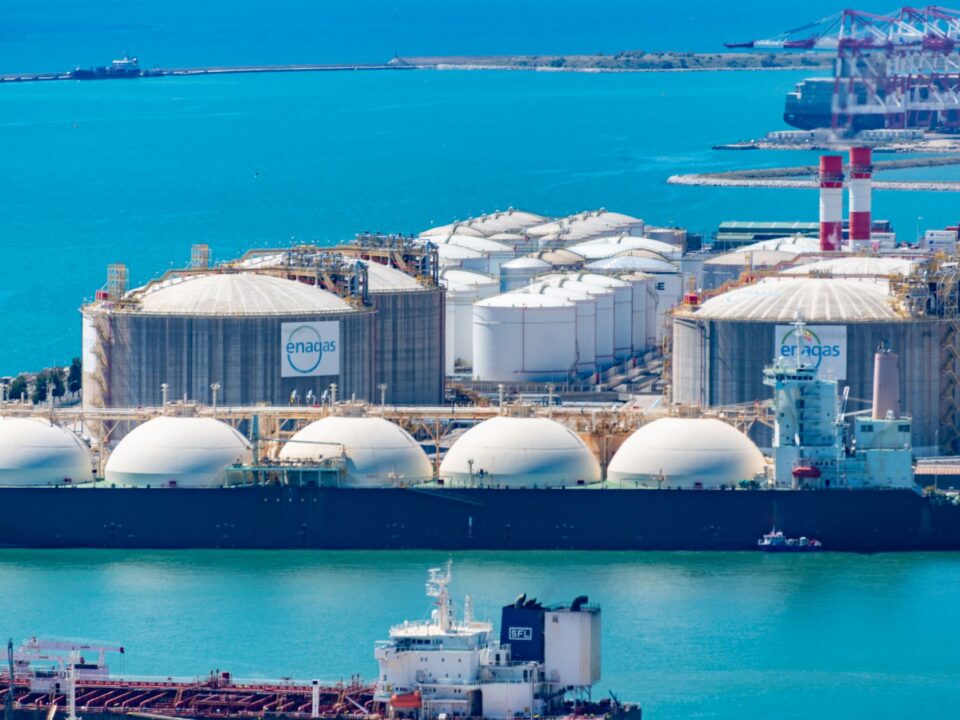
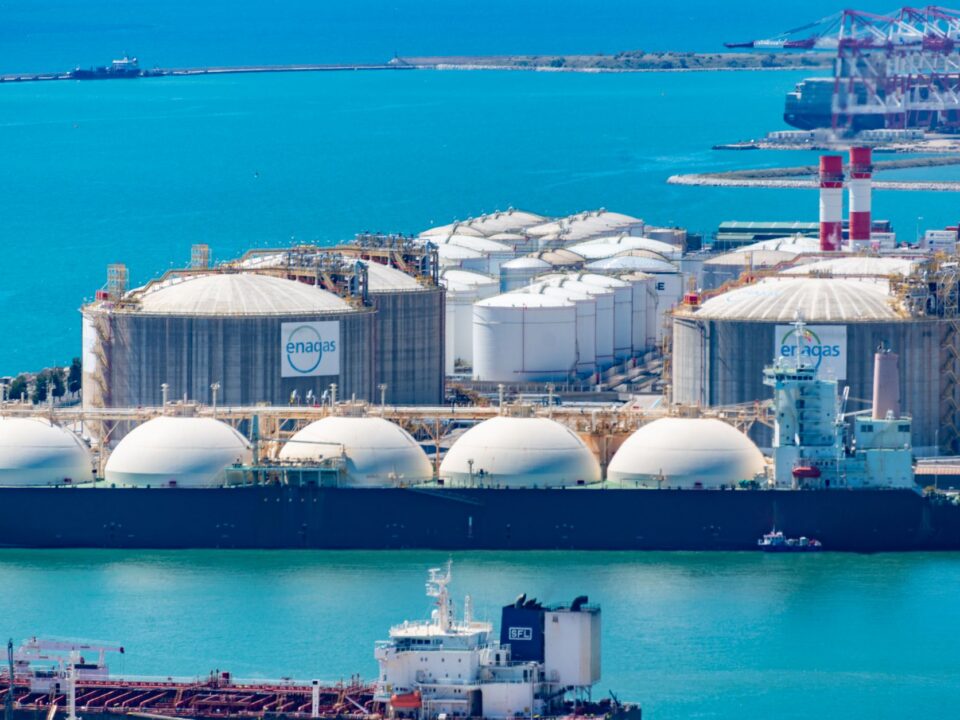
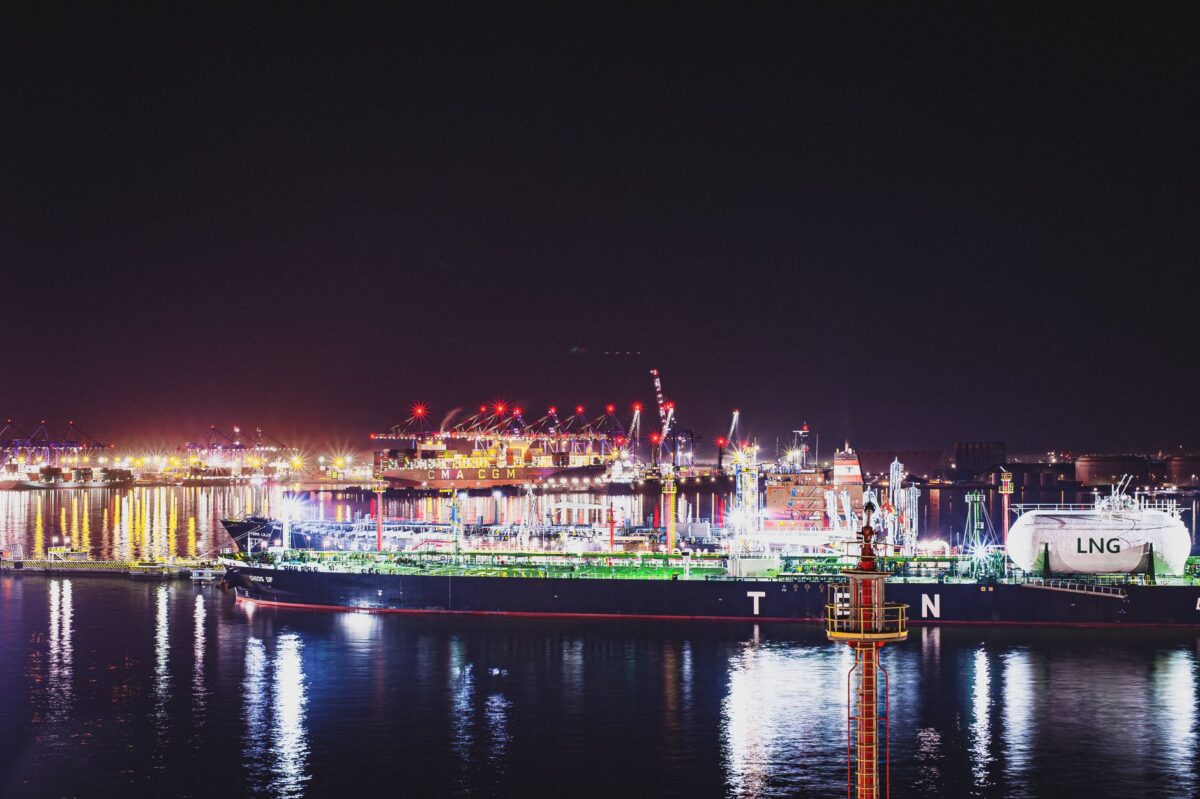
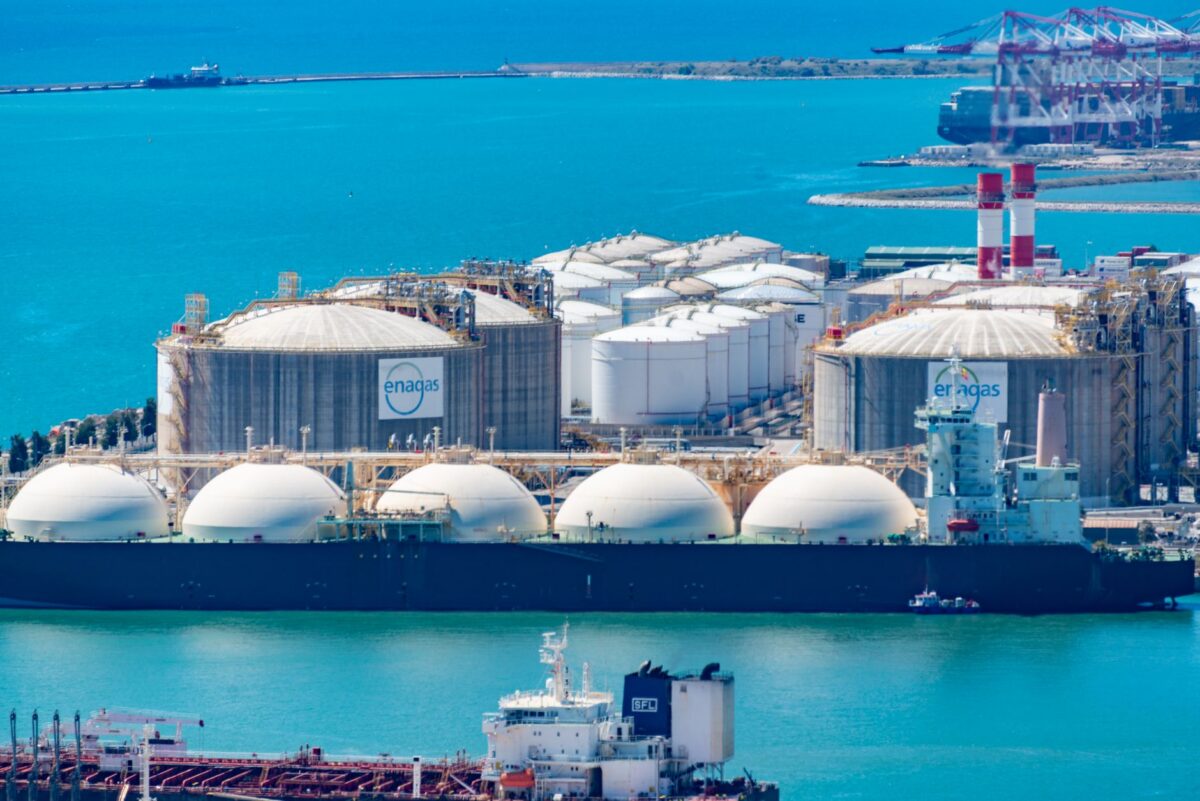
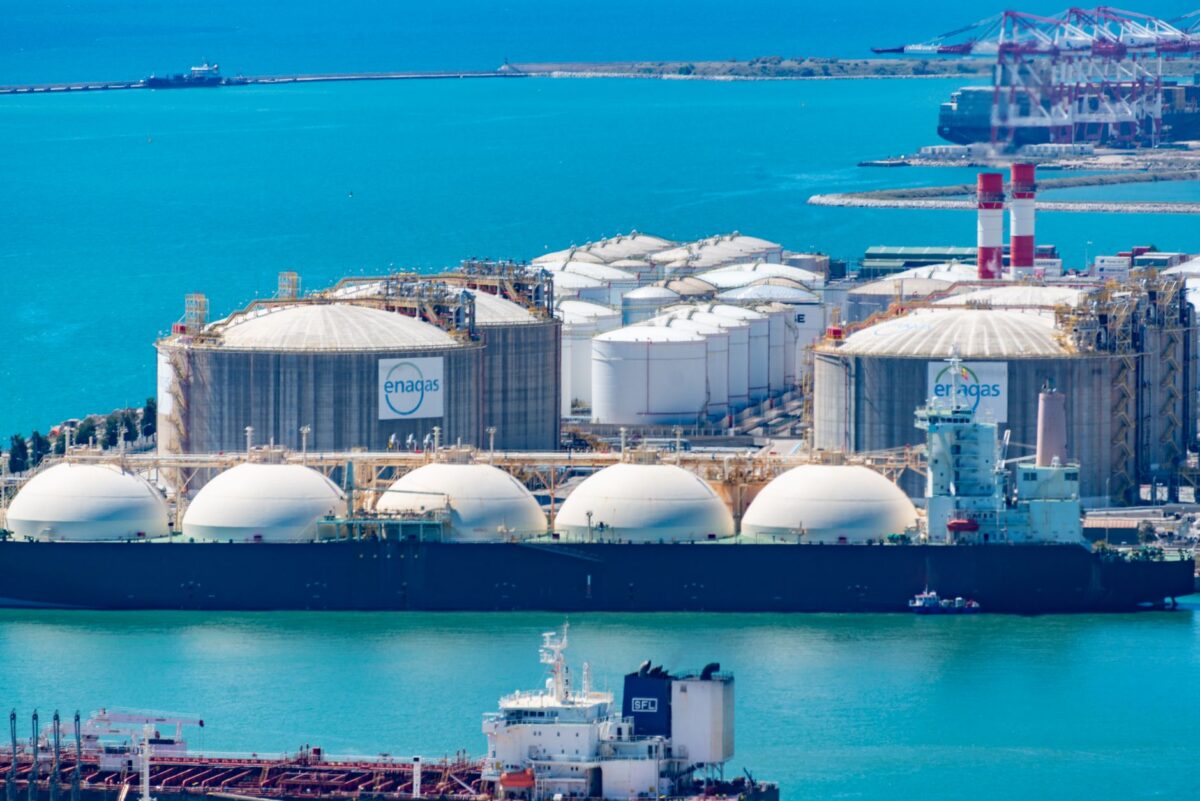
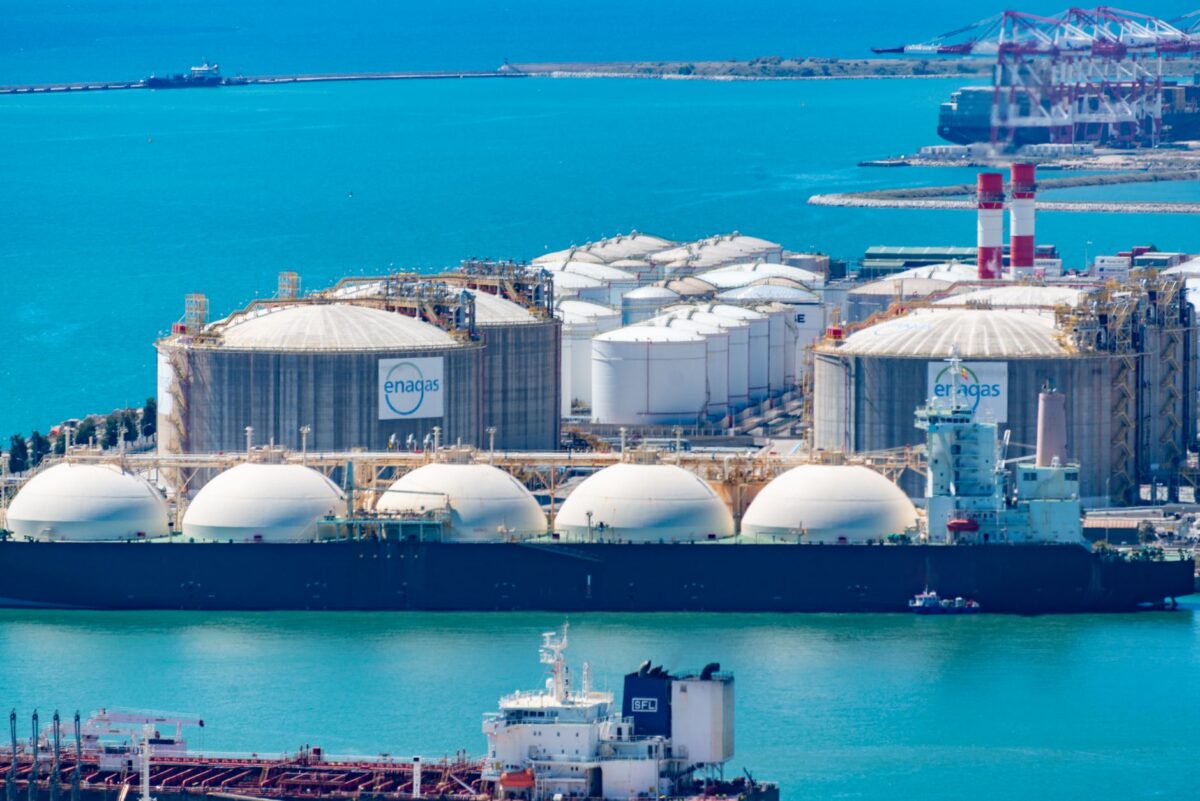
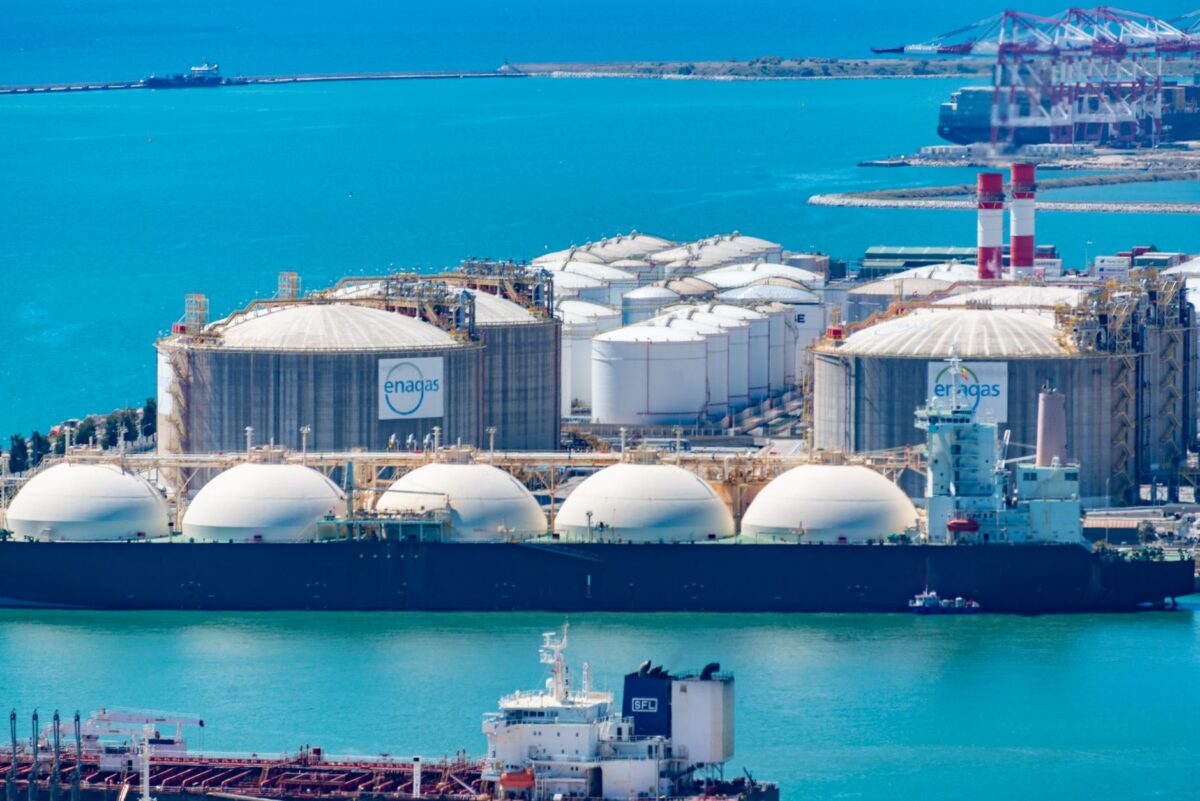
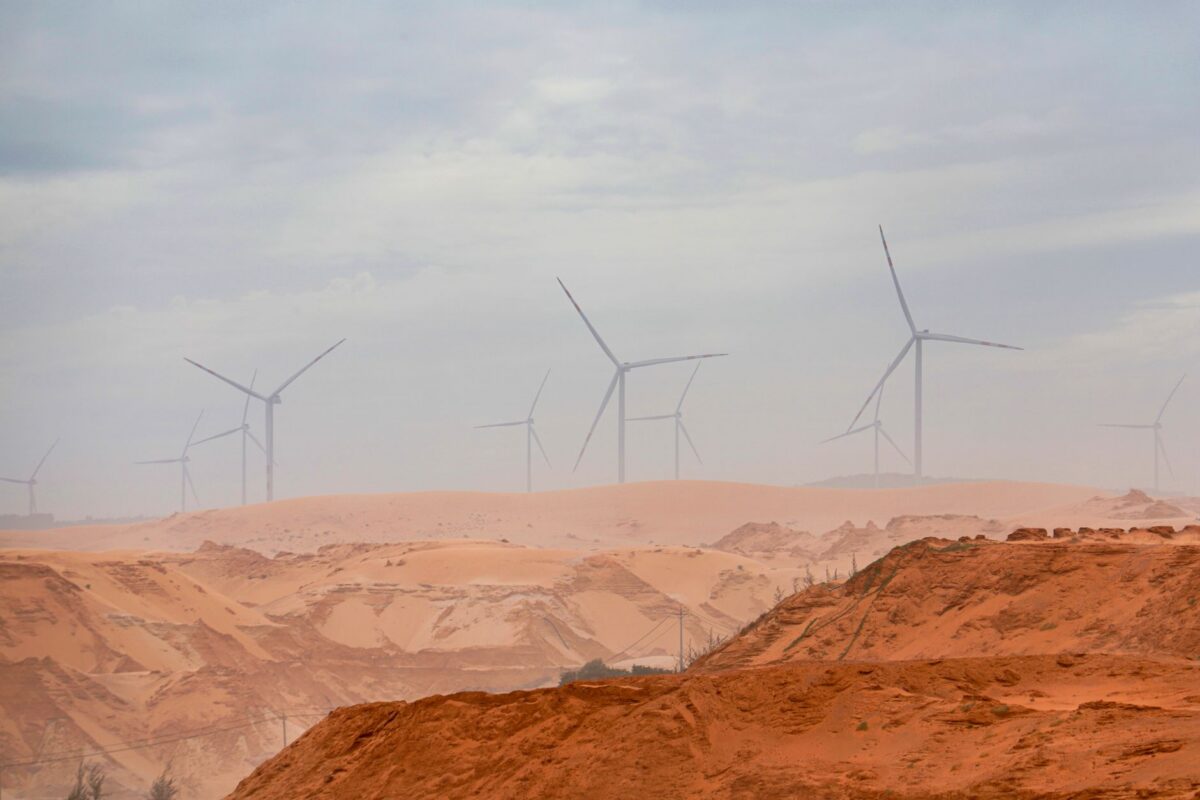
Vietnam LNG energy transition risk read through PDP8 and JETP: how the $2.3bn Nghe An gas project tests the gas-vs-coal bridge bet and stranded-asset exposure.
Inside SK's $2.3 billion SK Quynh Lap LNG award in Nghe An: the Korean group's strategy, the consortium structure, and what Korean capital entering Vietnam power means.
A Vietnam investment law strategy playbook for 2026: how investors should structure deals, sequence market entry and position competitively beyond compliance.
What the Vietnam Law on Investment 2026 actually changes: approval tiers, registration certificates, conditional sectors, incentives, statutory timelines, provincial powers.
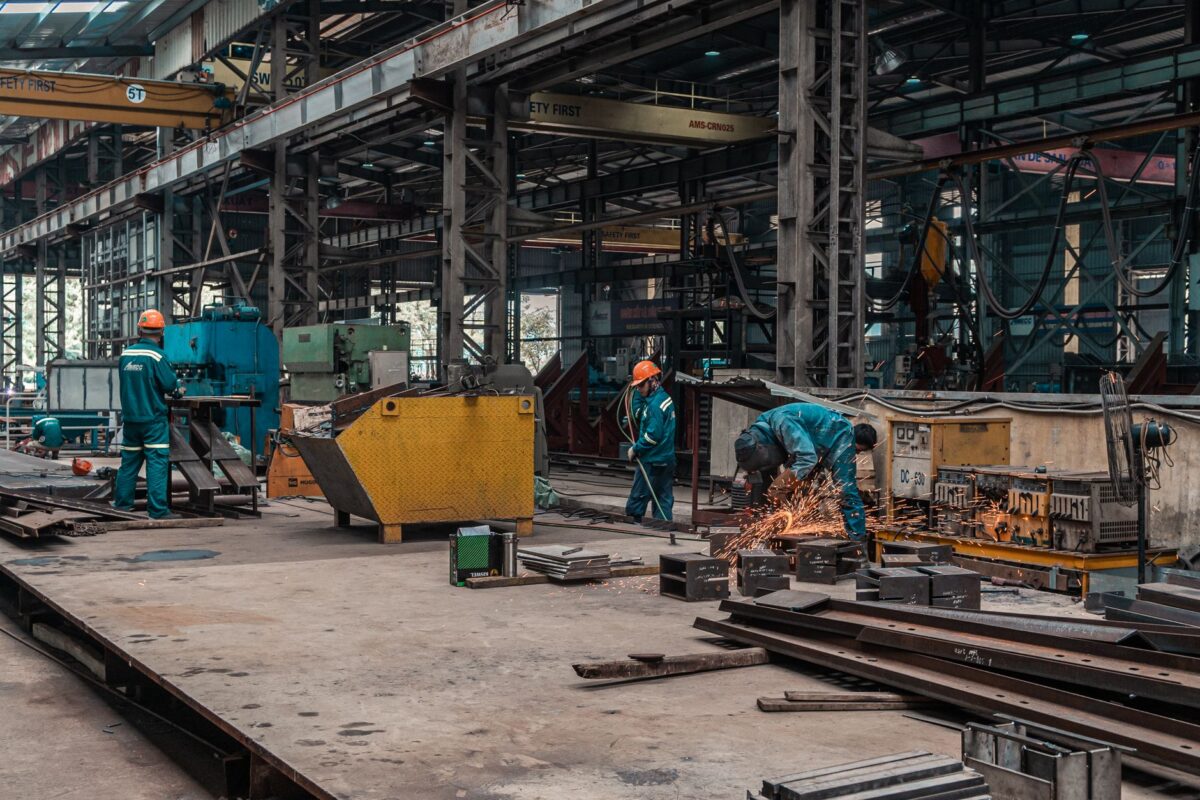
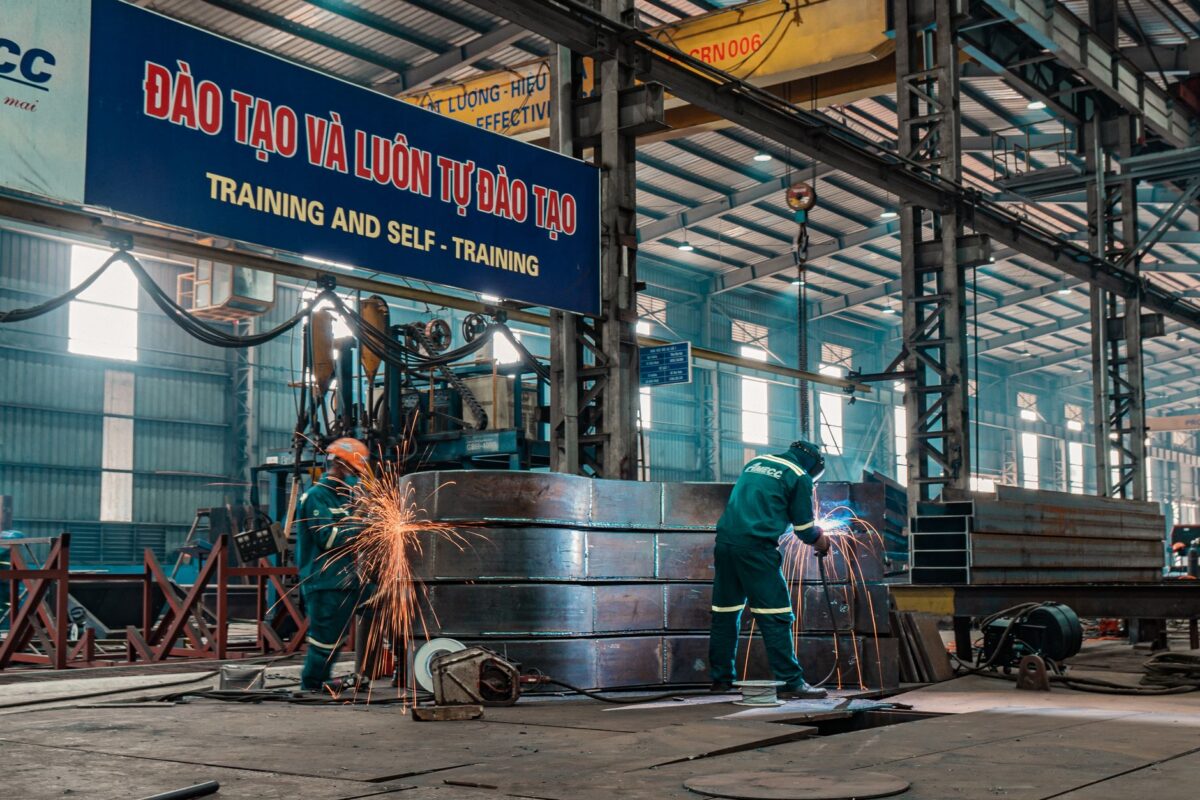
A Vietnam manufacturing value chain upgrade is underway — moving from low-value assembly to localisation depth, supplier capability, and higher value capture.
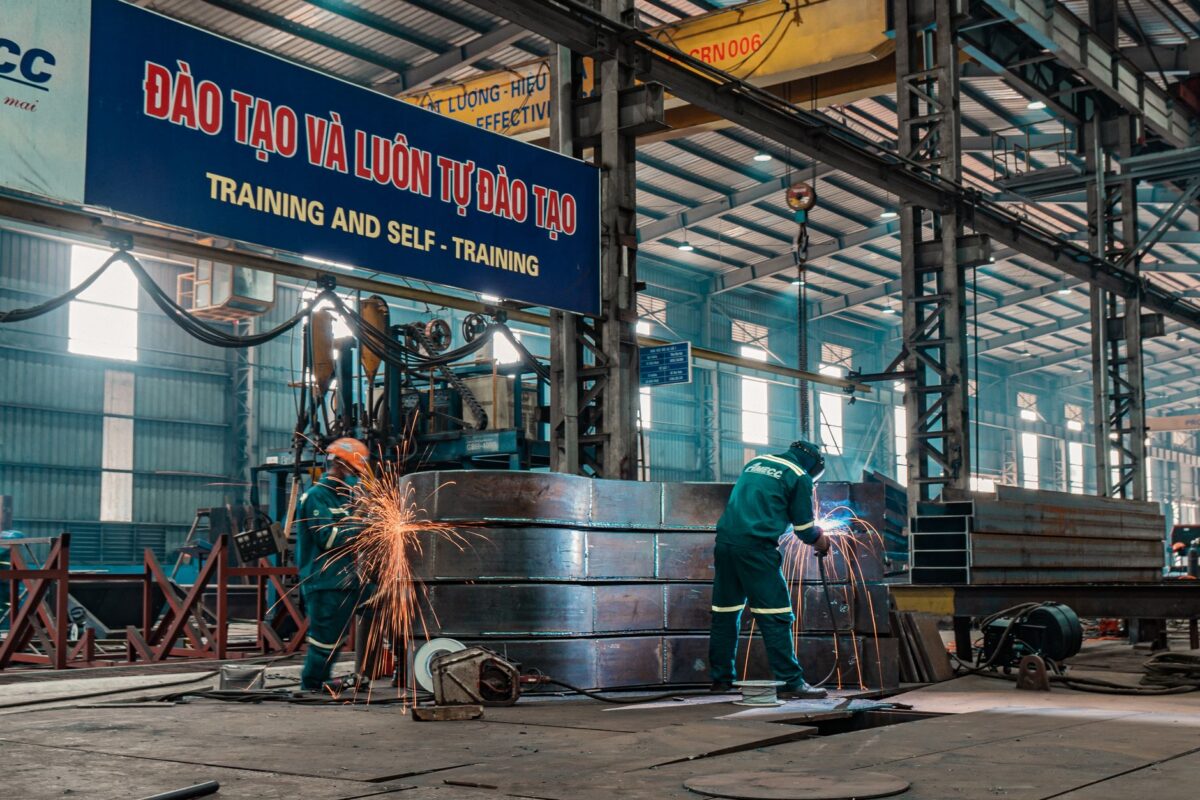
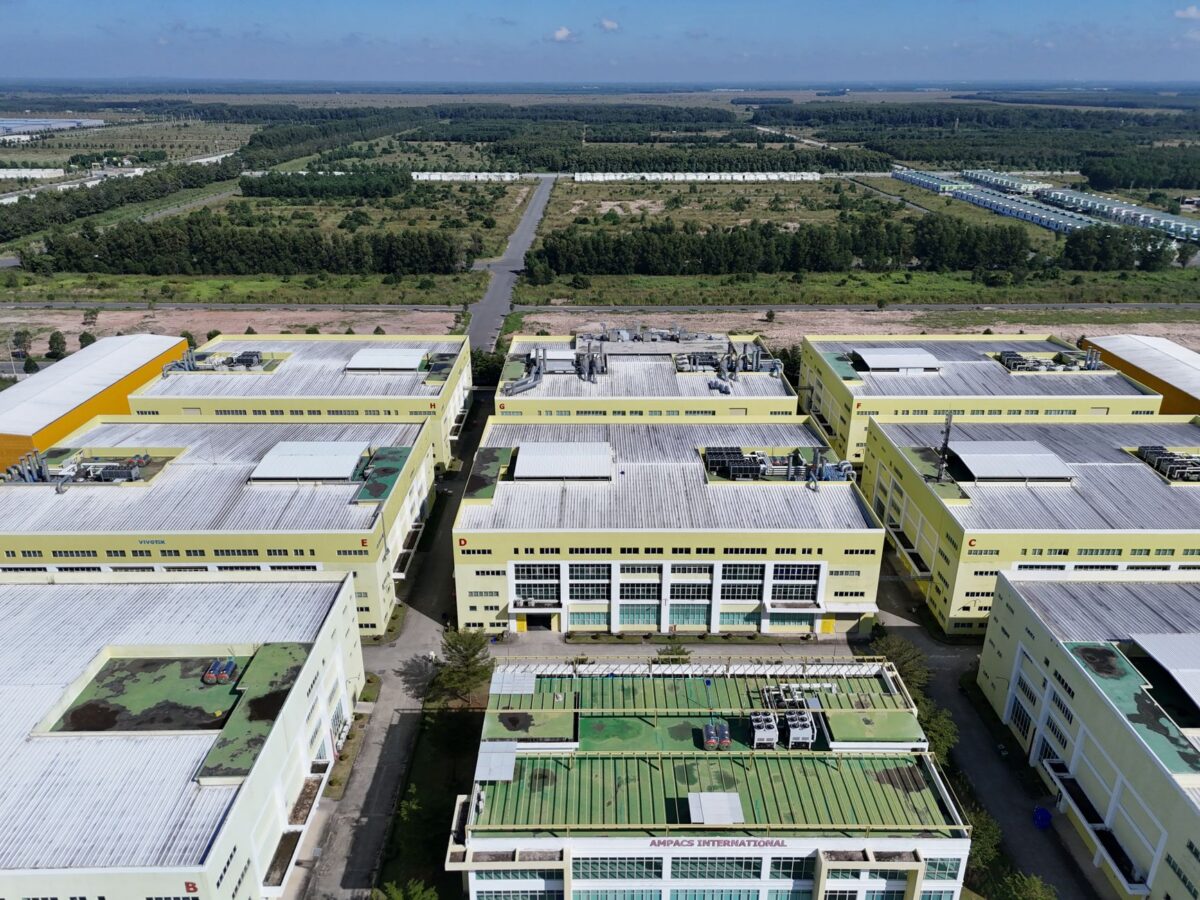
A close look at Thaco's $70 million Danang manufacturing complex: what it builds, where it sits on the central corridor, capital deployment, ramp-up and the skilled jobs it needs.
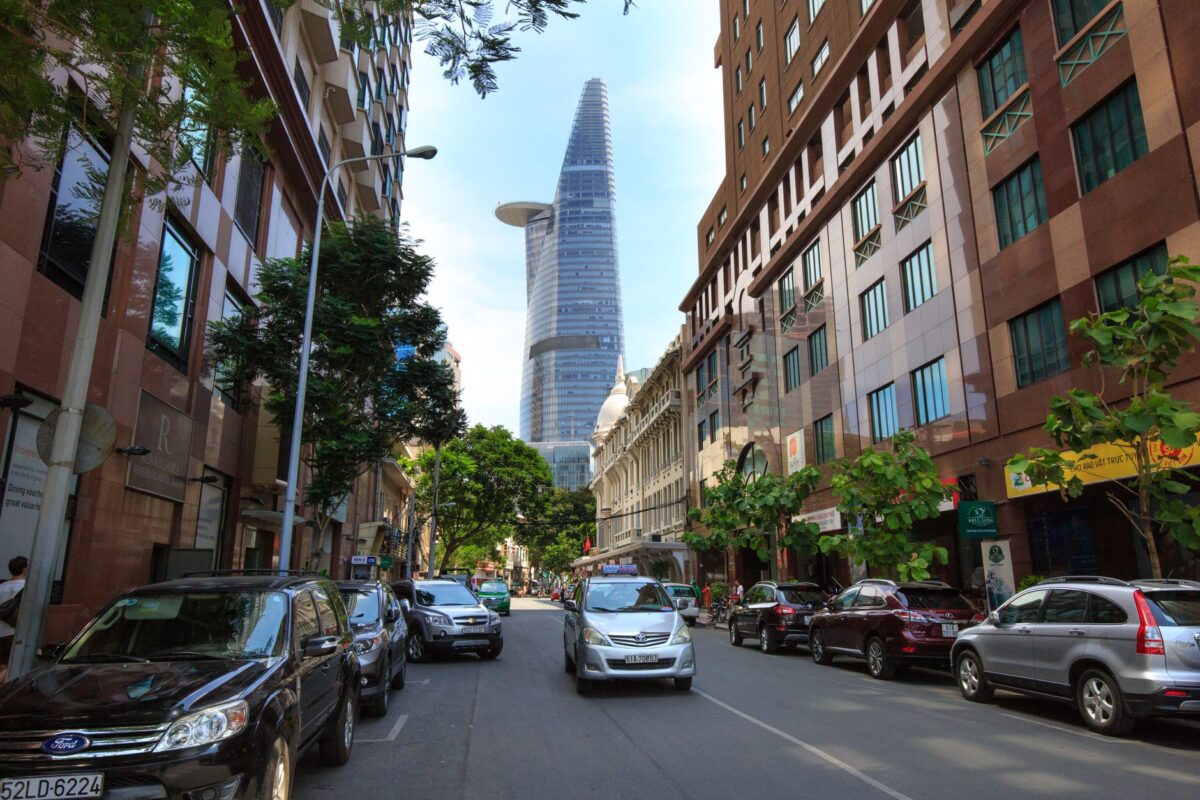
HCMC's nearly $980 million investment in early 2026 signals structural capital consolidation, not just inflow volume — sector quality, macro discipline, absorption.
A $537M hotel deal reclassifies Vietnam hospitality real estate as an institutional asset class — yield compression, leverage discipline and exit liquidity.
The $537 million Vietnam hotel transaction marks institutional capital recycling — yield re-pricing, FX stability and tourism durability across the cycle.
A deeper Hanoi–Jakarta alignment is the core of Vietnam ASEAN rebalancing — shifting the bloc's economic centre through trade, energy and supply chains.
Why Europe's China+1 strategy and strategic-autonomy doctrine pull industrial capital into Vietnam: the geopolitical derisking logic and Vietnam's structural fit.
European investment in Vietnam under EVFTA only matters when trade gains turn into factories. Rules of origin, sectors and the unfinished EVIPA decide it.
Middle power strategy in the Indo-Pacific: why Vietnam and New Zealand align by pooling credibility, defending rules, and hedging without picking sides.
The Vietnam New Zealand trade agenda turns on two-way targets and concrete sectors: dairy, agriculture, education and aviation, plus the to-do list behind them.
Easing foreign equity access is a Vietnam market reform investor signal about intent and credibility. How global allocators should read the commitment behind it.
Vietnam capital market reforms reach past pre-funding: foreign room, a central counterparty, custody, English disclosure and NVDR-style instruments together open the market.
KKR and Singtel's data centre push reframes Vietnam digital sovereignty data as a sovereign asset class, where energy and regulation decide the returns.
The KKR Singtel data centre Vietnam and Southeast Asia push signals capital discipline over expansion hype — platform scale, power access, and regulatory stability.
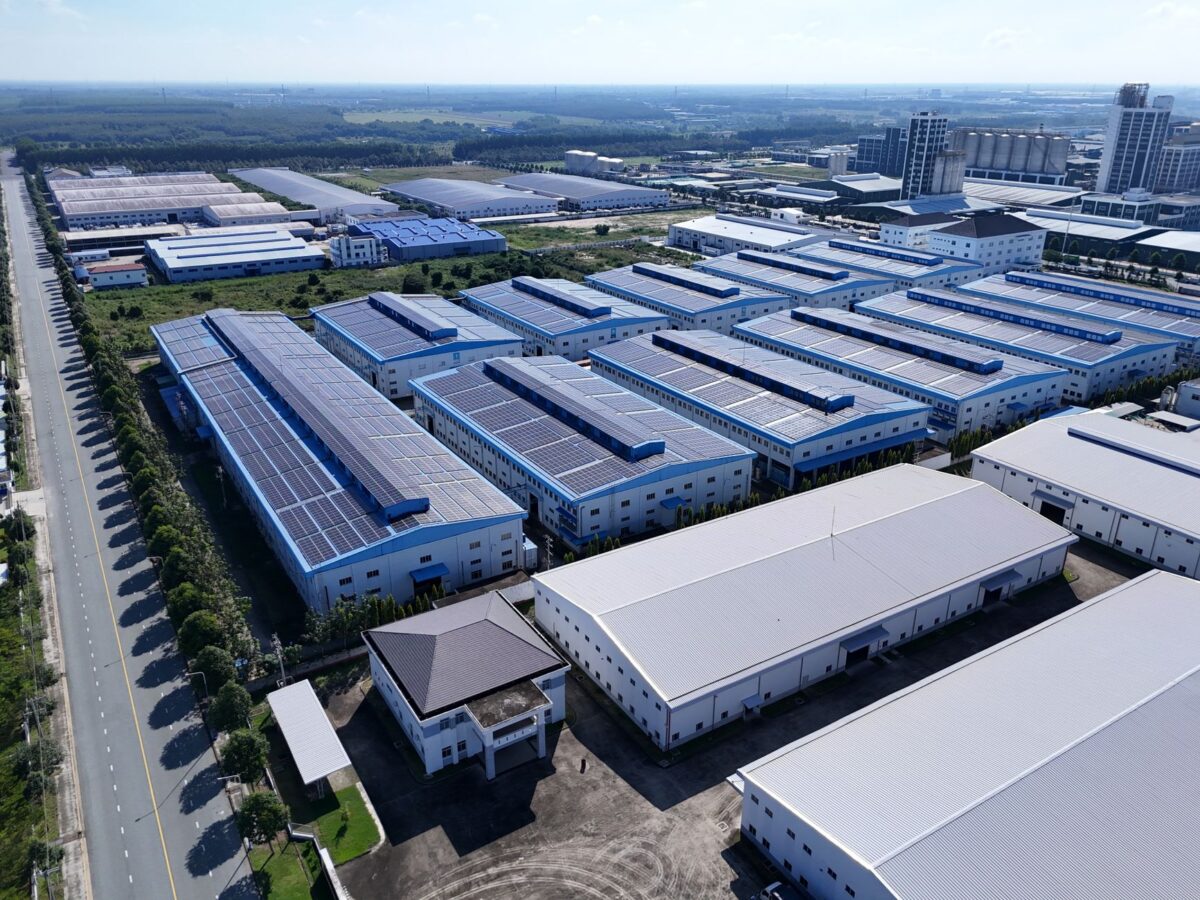
Why Vietnam industrial infrastructure strategy, not tax breaks or cheap labour, is the real strategic moat that decides which regions keep FDI for the long run.
UK Vietnam rail financing decoded: how UK Export Finance, blended capital, PPP risk allocation and land-value capture get urban rail to financial close.
Which Vietnam railway projects UK cooperation reaches: the north-south high-speed line, Hanoi and HCMC metro networks, and freight corridors, and where British firms fit.
Vietnam LNG governance decentralisation at Quynh Lap shifts approval power from central to provincial authority, repricing political risk for energy investors.
Vietnam LNG PDP8 policy comes into focus through Quynh Lap's investor criteria — the priorities they reveal and the pipeline of next LNG projects to 2030.
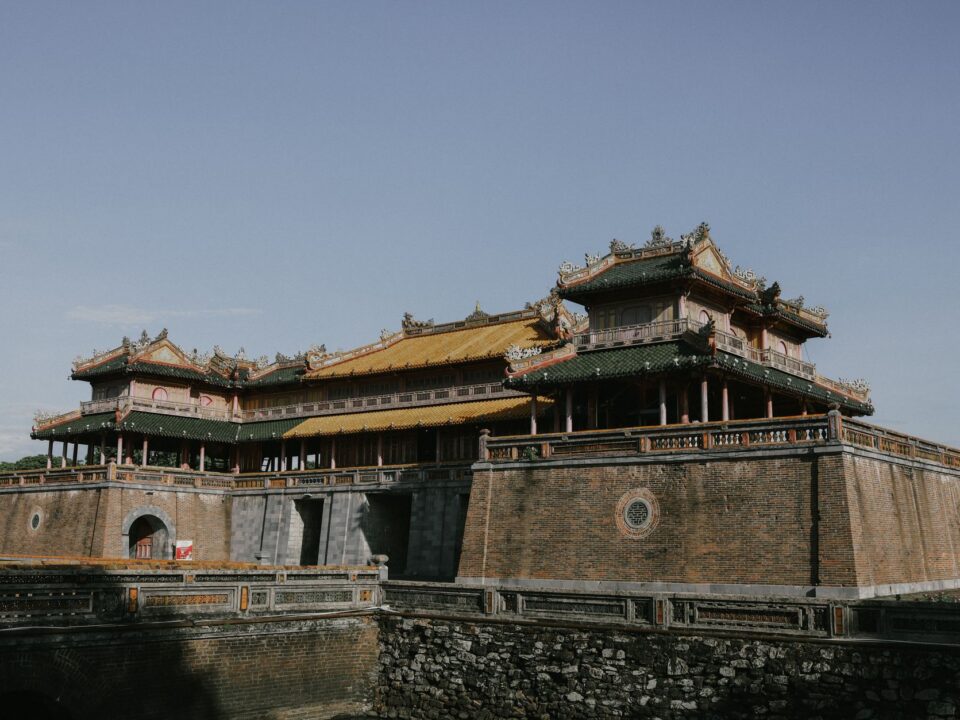
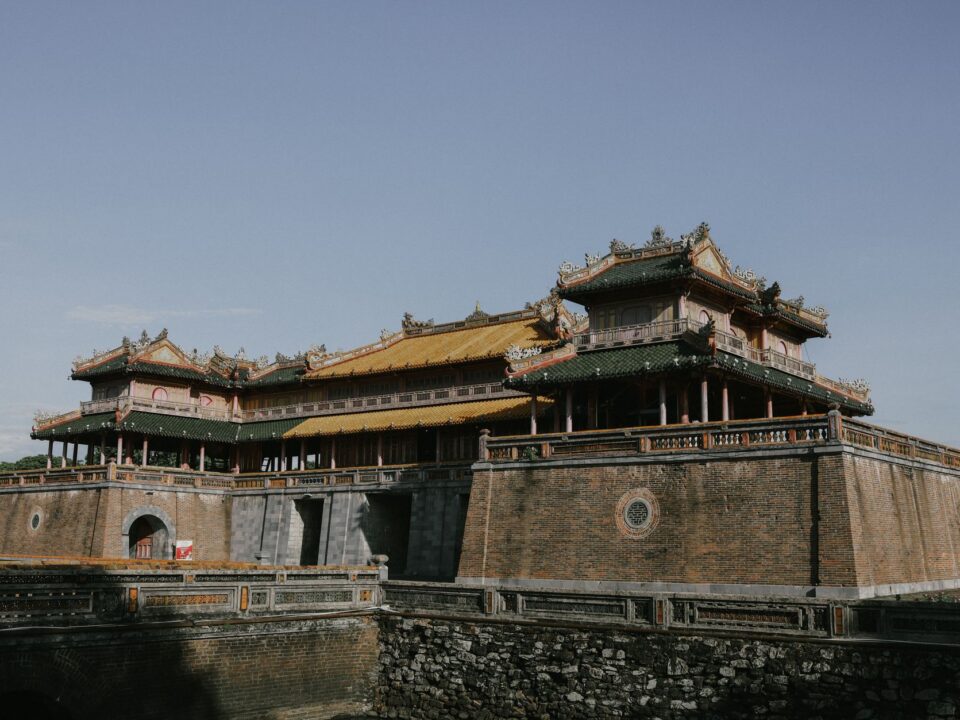
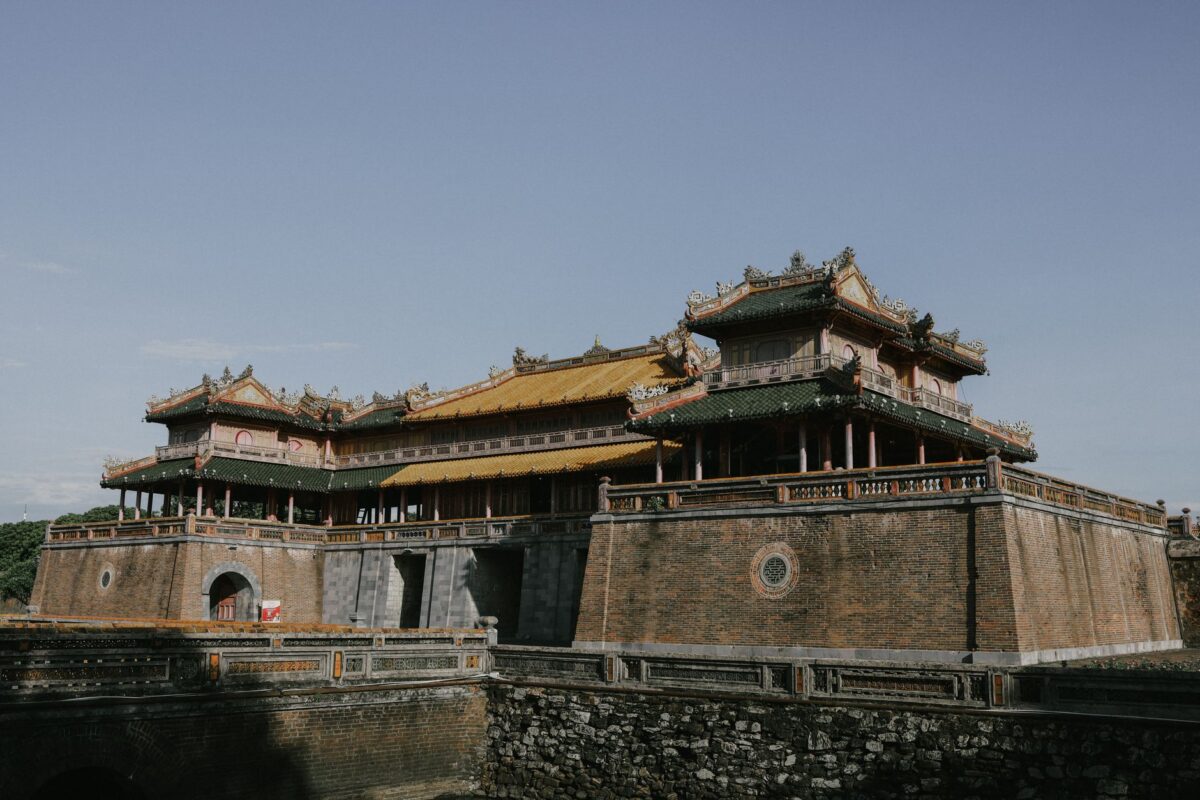
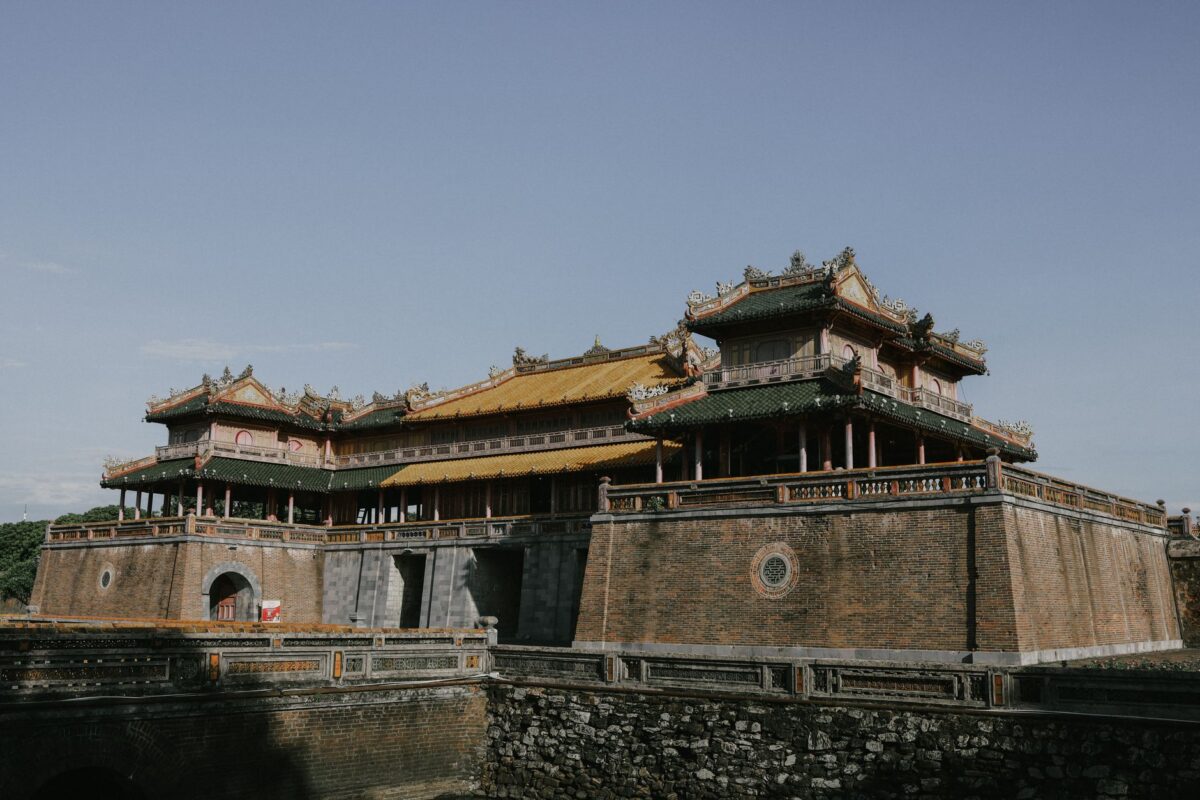
Hue tourism investment economics treats heritage as an asset class: hospitality yields, who supplies the capital, and how to monetise heritage for returns.
Hue cultural tourism strategy hinges on positioning against Hoi An and Da Nang, balancing heritage conservation with development over a multi-decade roadmap.
The Vietnam market upgrade FTSE path: remaining settlement criteria, realistic timeline to emerging-market status, and the passive and active inflows it unlocks.
How Vietnam's non-prefunding rule under Circular 68/2024 actually works: brokers absorb settlement risk so foreign institutions no longer pre-fund trades.
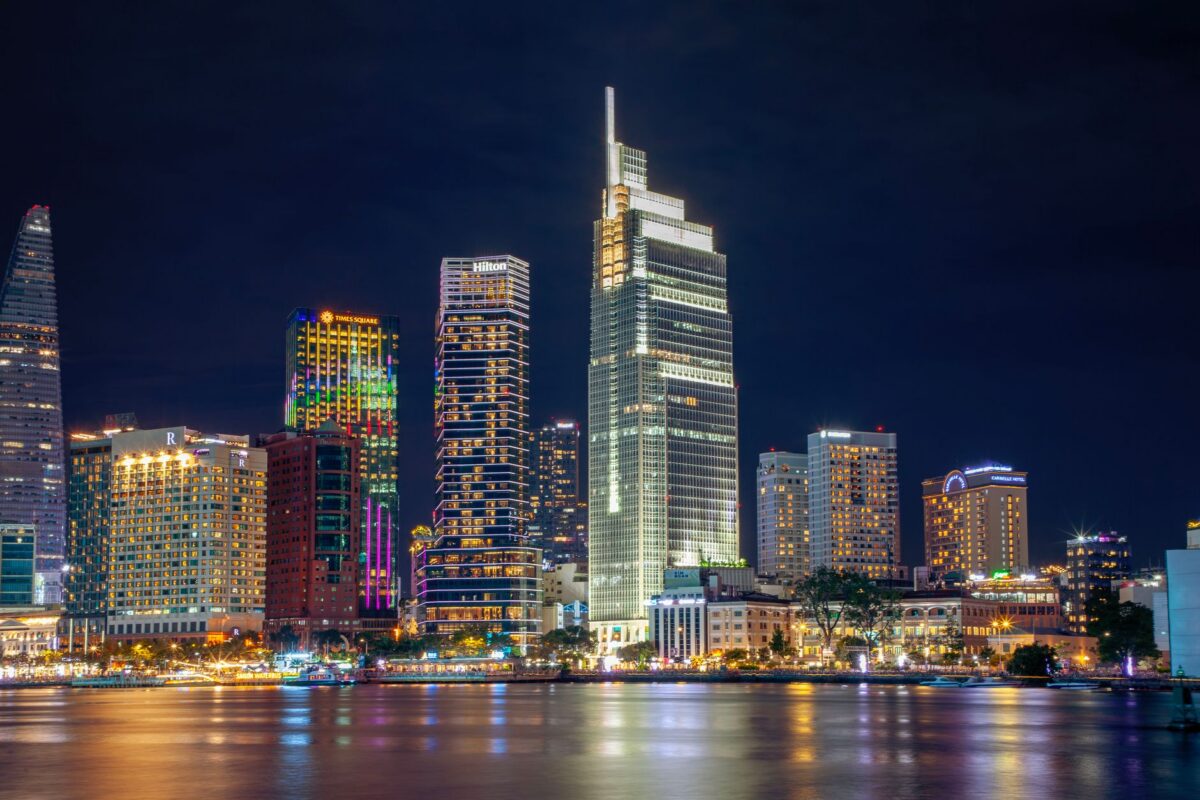
How Vietnam IFC cross-border structuring lets M&A deals be built inside Vietnam — onshore holding vehicles, FX settlement, common-law contracts and repatriation.
How Vietnam's IFC fixes M&A execution — escrow, neutral payment rails, dispute resolution and completion certainty that get a signed deal closed without value leaking.
Breaking down Canada's 81 million Vietnam funding by channel and instrument — Global Affairs grants, FinDev Canada development finance, and the projects it targets.
Canada's pledge marks Canada Vietnam institutional capital — a shift from ad-hoc aid to structured, development-finance-led engagement built on durable frameworks.
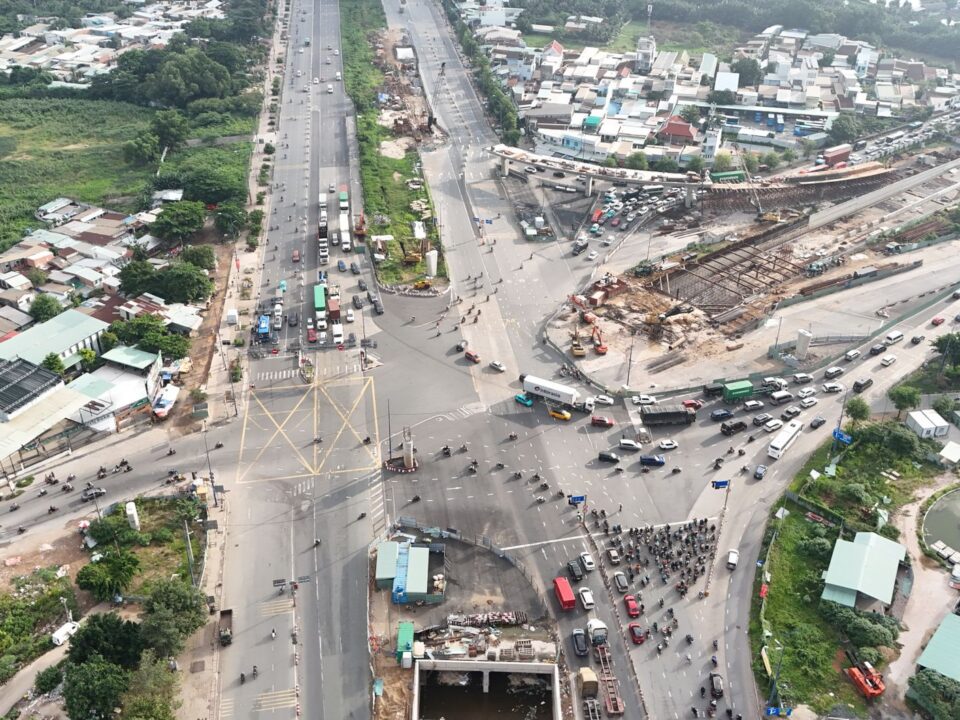
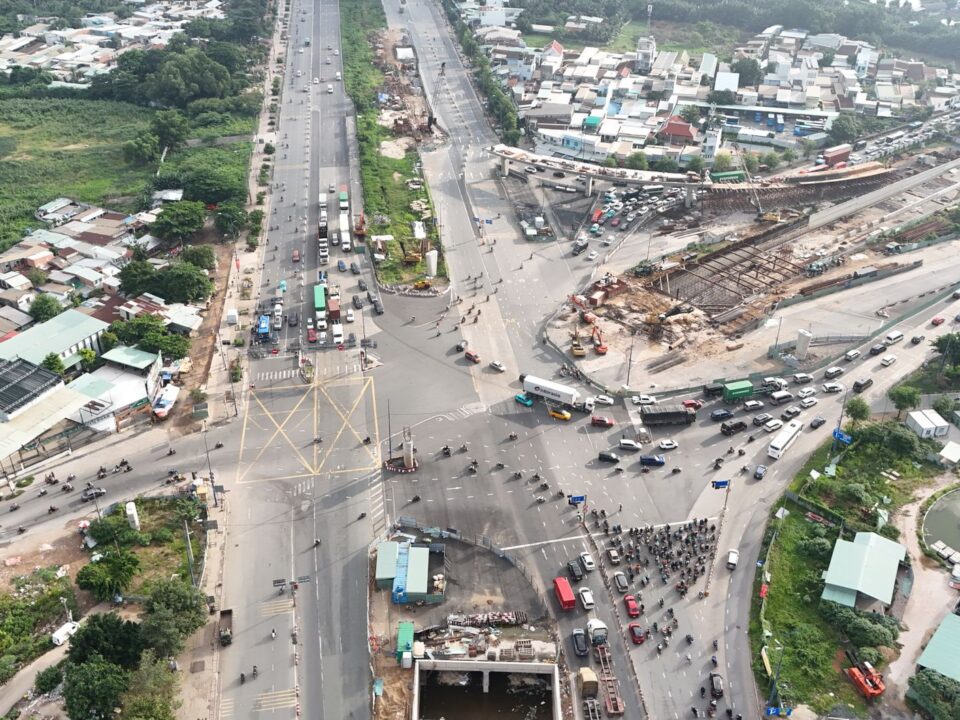
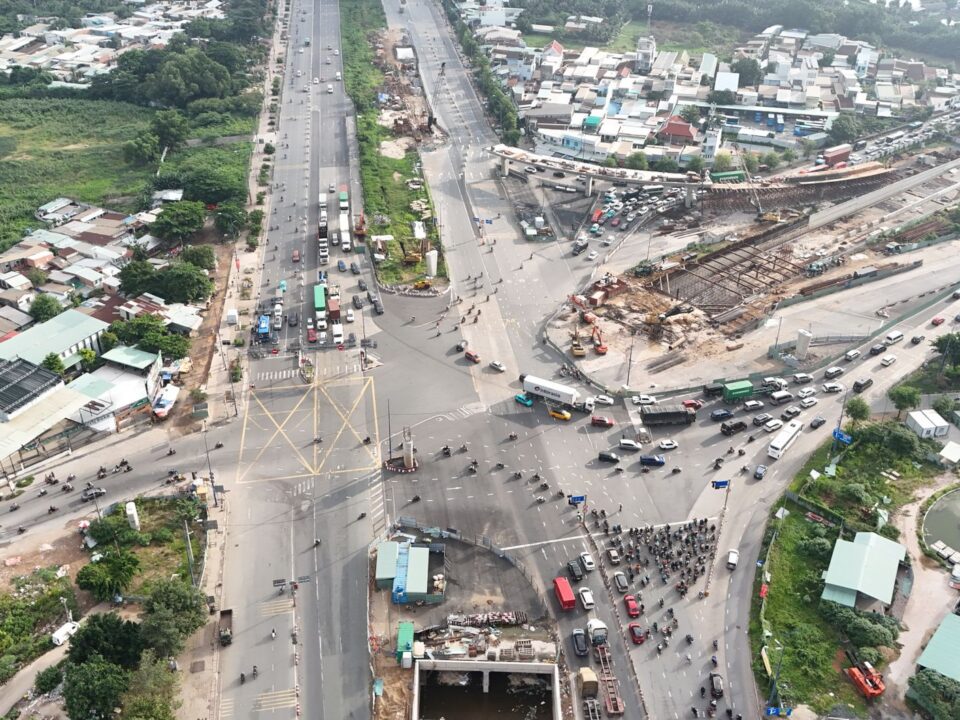
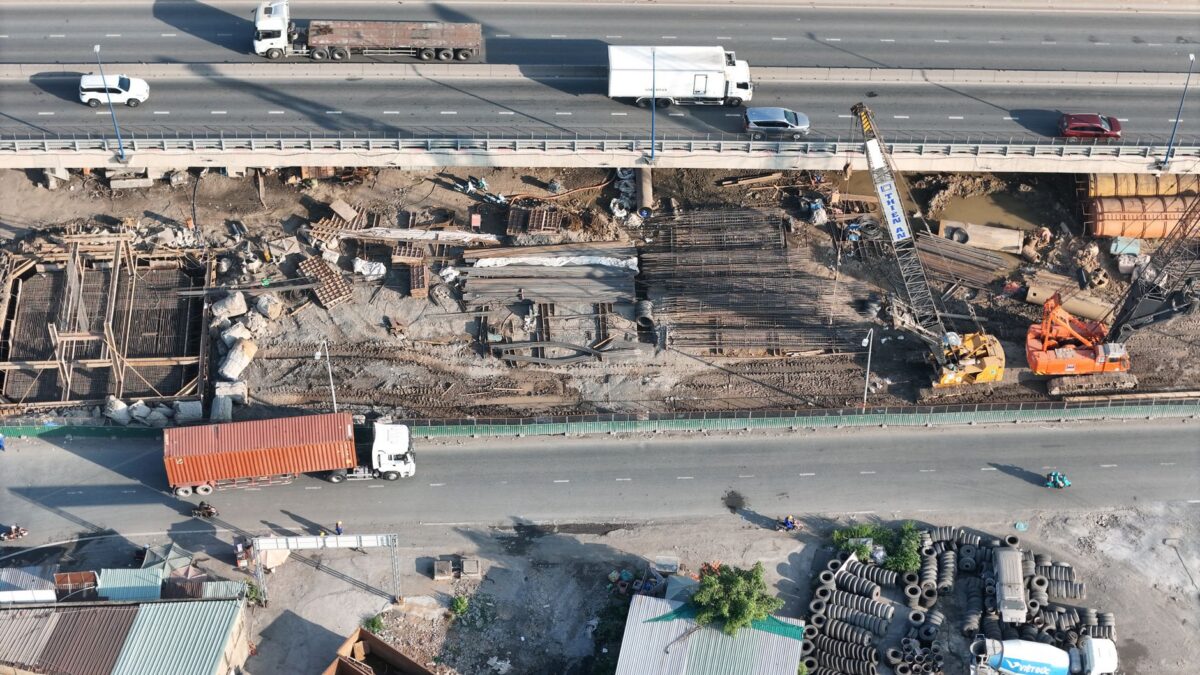
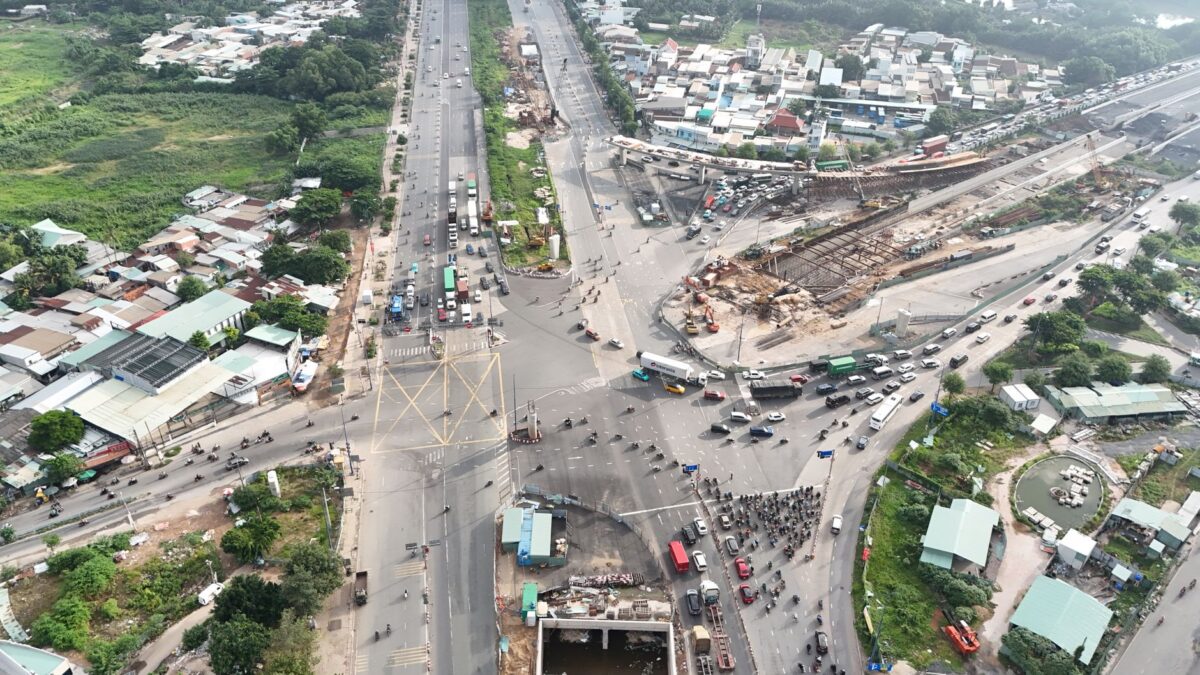
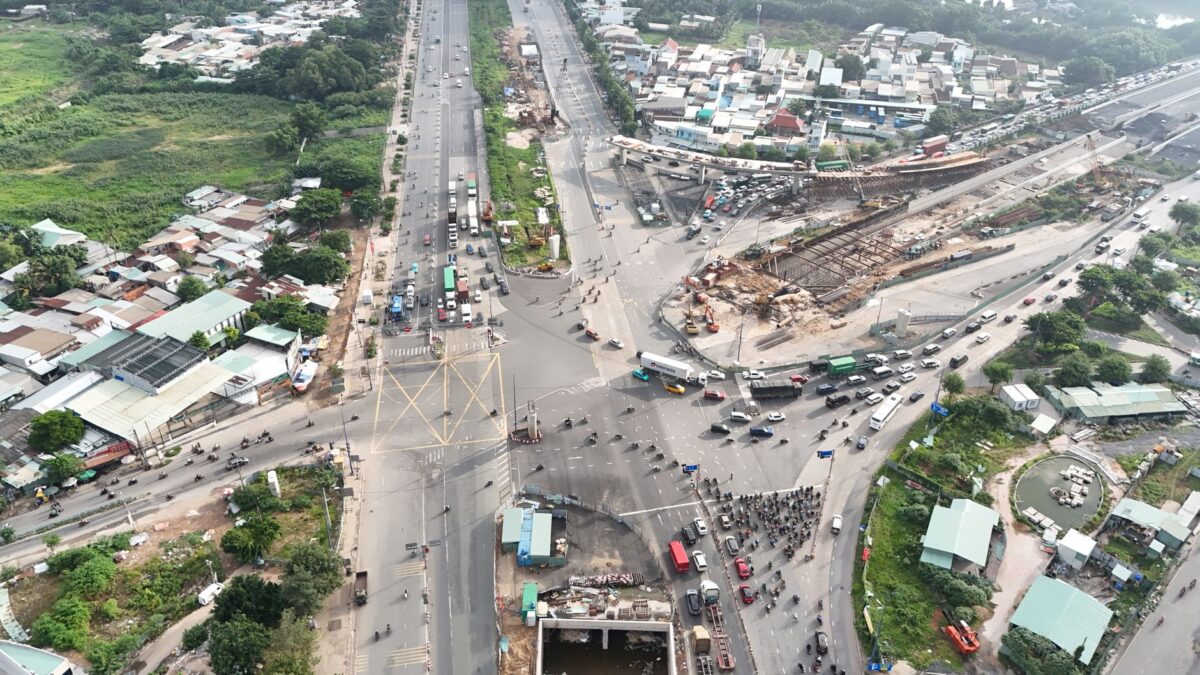
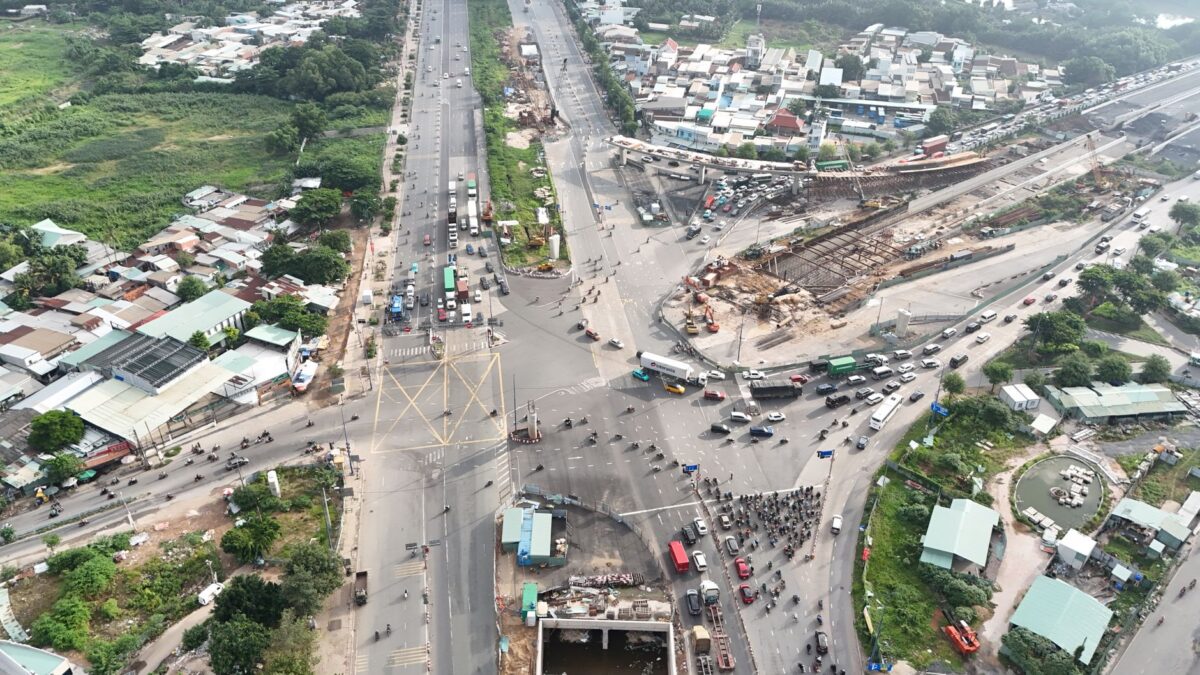
Ho Chi Minh City starts construction of four key projects at once. Here's why HCMC infrastructure construction now defines urban credibility for investors.
Schwalbe's distribution expansion marks a European manufacturing Vietnam shift — supply chains reorganising around compliance, transparency and trade maturity.
Schwalbe Vietnam manufacturing expands into export distribution, signalling Vietnam's shift from low-cost production to a trusted, reliable export platform.
AQUA's 2045 horizon and VND1.54 trillion capital base make Aqua Vietnam manufacturing investment a real test of long-horizon factory confidence in Dong Nai.
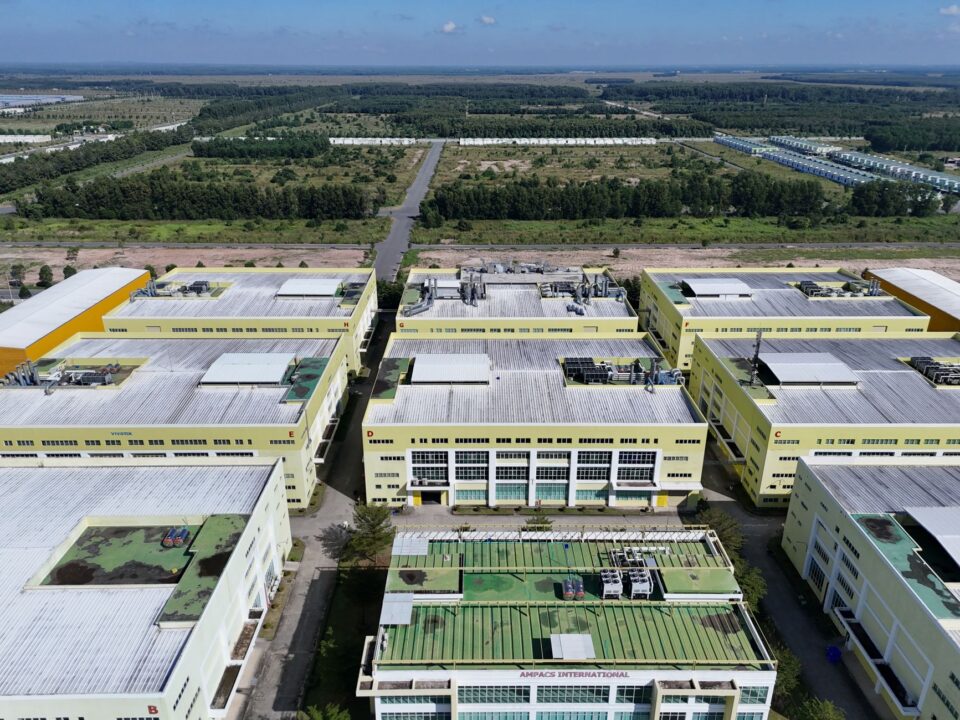
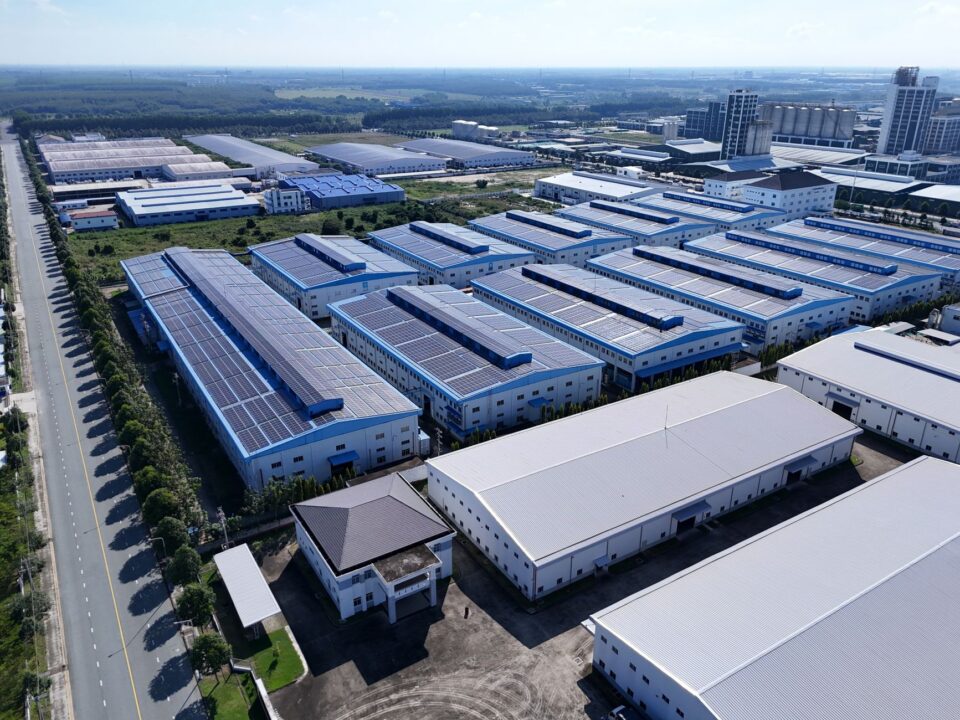
Sumitomo Vietnam industrial parks span three decades and many provinces, run on the Japanese trading-house model that sells an ecosystem, not just land.
Quynh Lap LNG financing bankability turns on the PPA, the Qc offtake floor, the missing government guarantee, foreign versus domestic lenders and blended finance.
Quỳnh Lập marks a shift in Vietnam LNG investor selection — from designating SOEs and insiders to open, criteria-based competition, opening a door for foreign capital.
What Vietnam gains from UK rail cooperation: engineering know-how, training, signalling standards. Why Vietnam rail technology transfer outlasts the trains.
UK Vietnam strategic infrastructure ties run through rail: Britain's Indo-Pacific tilt, CPTPP accession and how infrastructure diplomacy outlasts joint statements.
Vietnam IFC M&A scale is the real story: the IFC lifts deal-size ceilings, deepens the buyer pool and brings sophisticated dealmaking within reach onshore.
Vietnam capital market infrastructure — central counterparty, securities depository, bond settlement and benchmark rates — is the plumbing an IFC needs before scale.
The EU Vietnam strategic partnership is a structural upgrade to Vietnam's investment environment — institutional convergence that reshapes capital and risk.
The EU Vietnam trade investment partnership turns market access into a compliance architecture — reshaping ESG-screened capital, sector readiness and execution risk.
UK Vietnam rail delivery in depth: programme management, systems integration, local-content build, O&M handover and standards adoption that decide execution.
The UK Vietnam rail partnership model is replacing buyer-seller procurement with a lifecycle partnership that reshapes risk, reward and capability for both sides.
How Hue cultural tourism development gets sequenced: conservation first, phased hospitality capital, connectivity, and year-round yield over peak-season volume.
What the 14th National Party Congress designation of Hue as a centrally governed city and cultural hub changes — the Hue centrally governed city policy mechanics.
Closing the Vietnam FDI capability gap takes institutional depth, not just capital — stronger institutions, deeper domestic enterprise, and execution discipline.
Vietnam institutional regional power rests on economic governance, trade-agreement leadership and capital discipline — the institutional, not diplomatic, basis of its weight.
How Vietnam's middle-power neutrality becomes a measurable geopolitical investment premium for FDI, why the China-plus-one premium holds, and what erodes it.
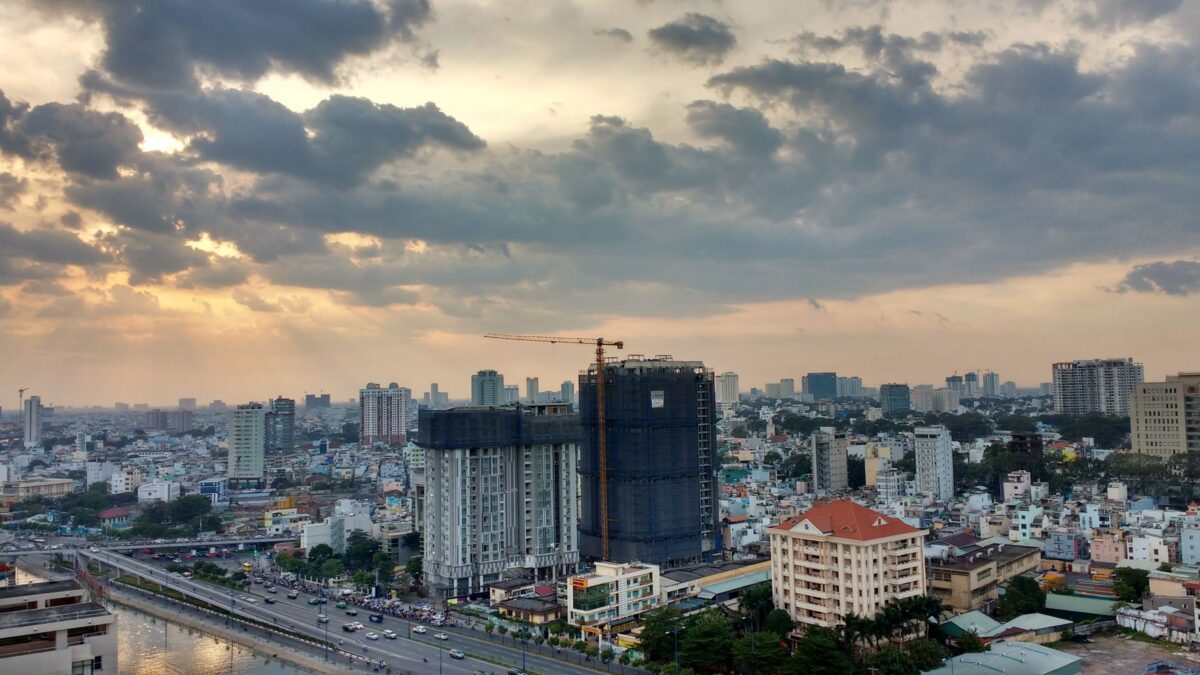
Ho Chi Minh City infrastructure has shifted from planning to construction. Why execution, not ambition, now decides investor confidence and capital flows.
How Ho Chi Minh City infrastructure financing actually works: municipal bonds, PPP, blended ODA, and land-value capture, and the sequencing that ties them together.
From aid to trade: how the Canada Vietnam strategic relationship matured through CPTPP, growing two-way trade, and the sectors Canadian capital now targets.
Vietnam project bankability now decides capital flows more than abundance. Structure, regulatory clarity and execution credibility are what unlock investment.
ASML's Vietnam semiconductor commitment signals confidence in trajectory — institutions, talent and industrial strategy — not an overnight manufacturing shift.
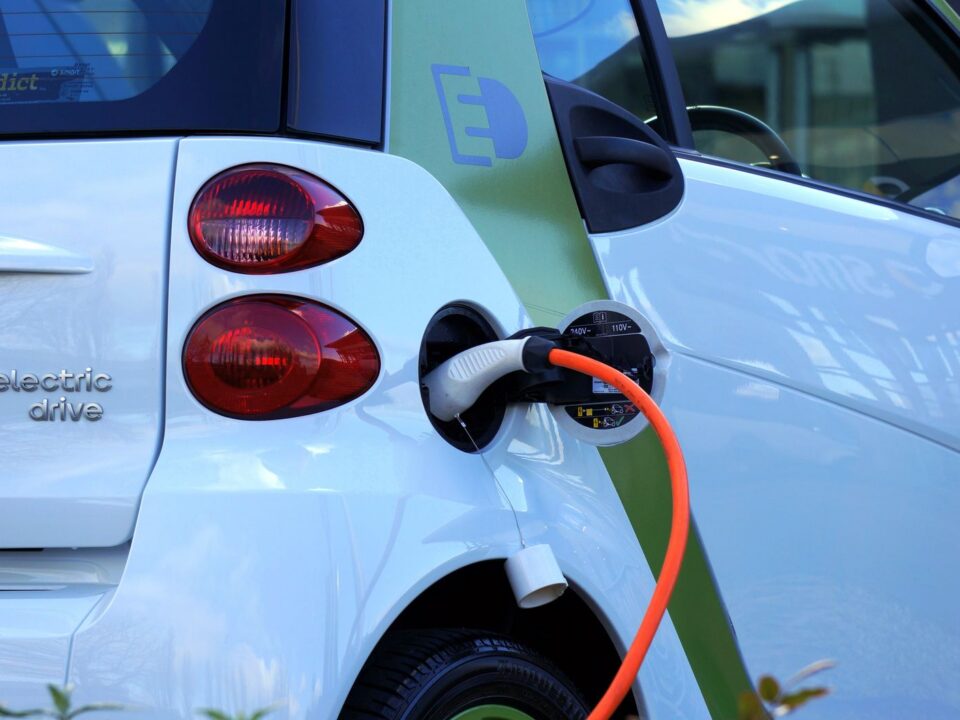
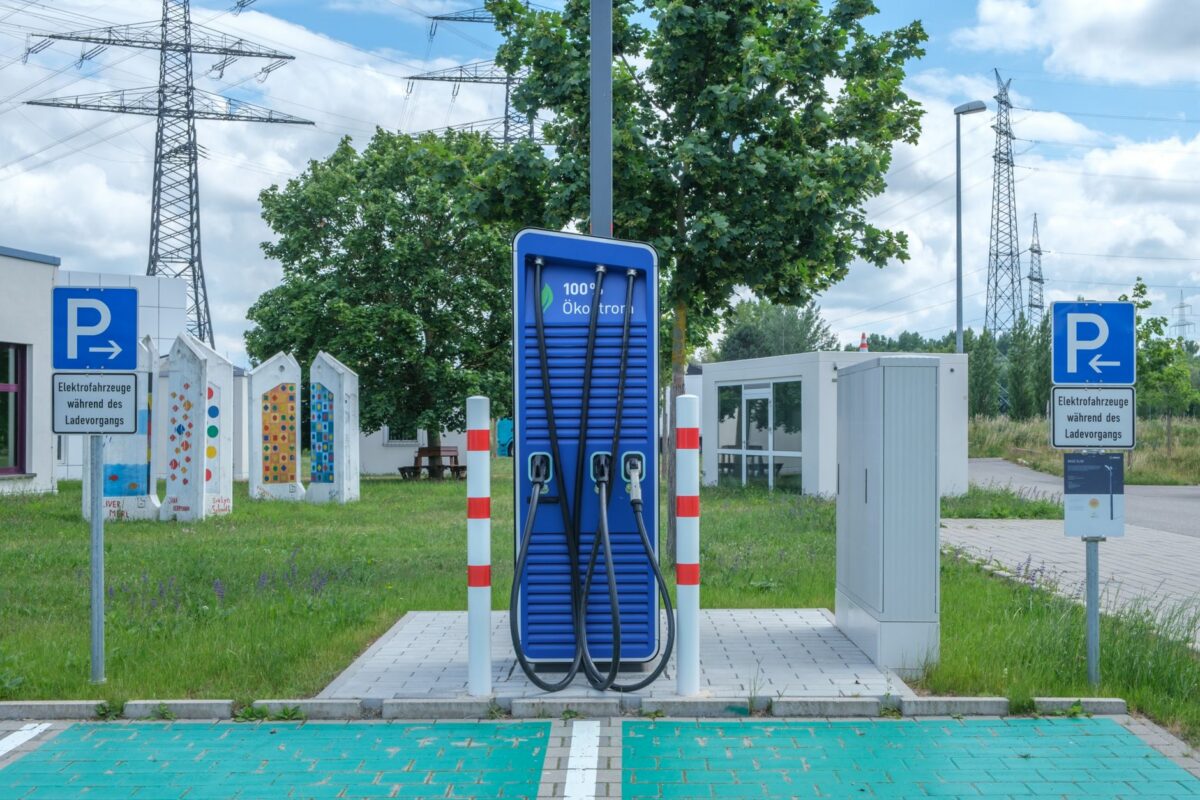
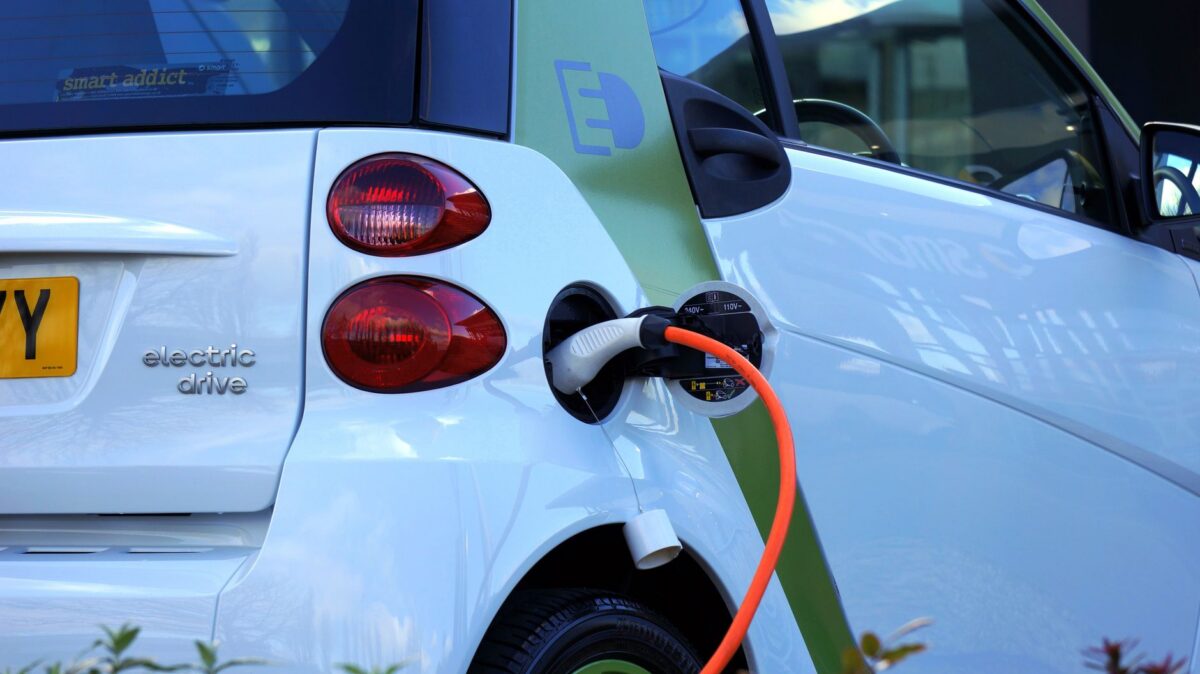
Vietnam ASEAN EV leadership is built on scale and execution, not subsidies — reshaping the region's supply chains, technical standards and capital flows.
Vietnam regional diplomatic influence is re-emerging as a middle power balancing major powers, deepening its ASEAN role and turning neutrality into strategic weight.
What gives Vietnam its regional influence: its ASEAN role, FTA-hub status, and middle-power balancing, read through the diplomatic and economic sources.
Vietnam EV momentum is reshaping ASEAN supply chains, standards and capital flows. Why the region now treats Vietnam's electric-vehicle lead as a template.
Vietnam EV leadership in ASEAN rests on domestic manufacturing, urban demand and energy-transition alignment: structural forces, not temporary momentum.
Vietnam strategic partnerships are becoming the decisive engine of sustainable finance, aligning government, banks, development partners and private capital.
Vietnam's FDI 38 billion inflow in 2025 marks a shift from attracting capital to retaining it — reinvestment, manufacturing consolidation and M&A signal durability.
The $2.1 billion Nghi Son LNG power project has stalled not for lack of demand but bankability — what investor selection really hinges on in Thanh Hoa.
Vietnam's PPP infrastructure model is moving from raising private capital to a governance model built on risk sharing, coordination and execution discipline.
Vietnam Decree 312 PPP finance reform fixes liquidity timing, verification and the 50% payment cap — a financial reset that could reshape PPP bankability.
Vietnam's proposed 1 billion AI data centre network: who's behind it, the global-alliance structure, the missing MW figure, and what this specific deal signals.
How Vietnam investment promotion missions, roadshows, and promotion agencies court foreign capital — the outreach machinery, targeting, and aftercare that win deals.
Ho Chi Minh City FDI stock reached USD 83.7 billion. What cumulative capital, not annual inflow, reveals about the city's sectors, reinvestment and concentration.
Resolution 222/2025/QH15 is Vietnam's IFC establishment resolution: passed 27 June 2025, effective 1 September 2025, it legally creates the financial centre.
Ho Chi Minh City FDI of 83.7 billion is less a milestone than a maturity signal — what scale now means for reinvestment, infrastructure and capital quality.
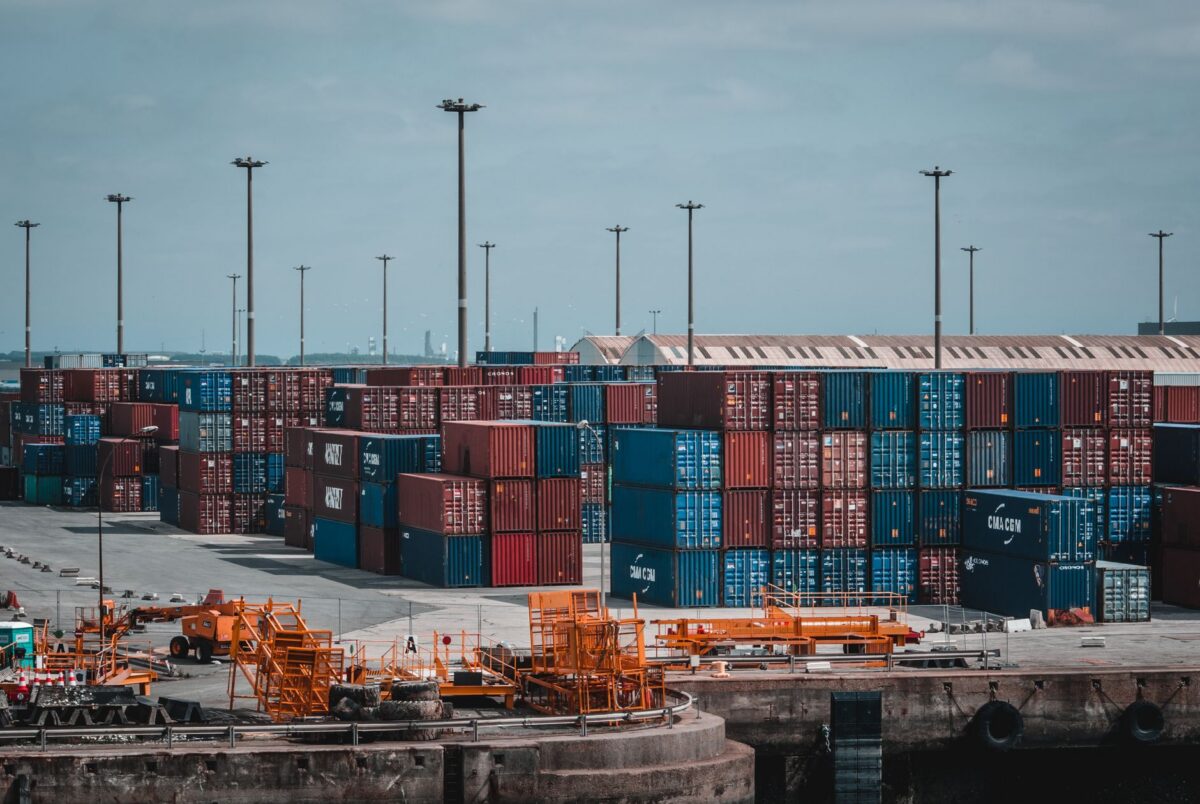
Why Vietnam supply chain strategy now hinges on trade promotion and customs reform as core economic infrastructure for speed, reliability and compliance.
The Vietnam green growth strategy is a structural reset of long-term development, reshaping energy, infrastructure, green finance and investor choices.
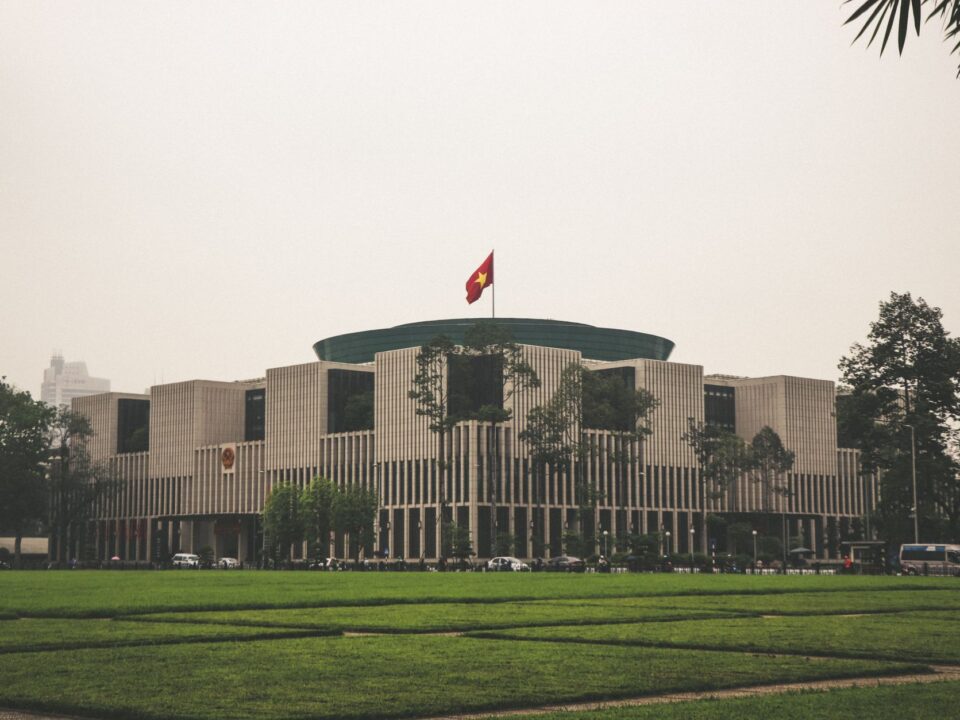
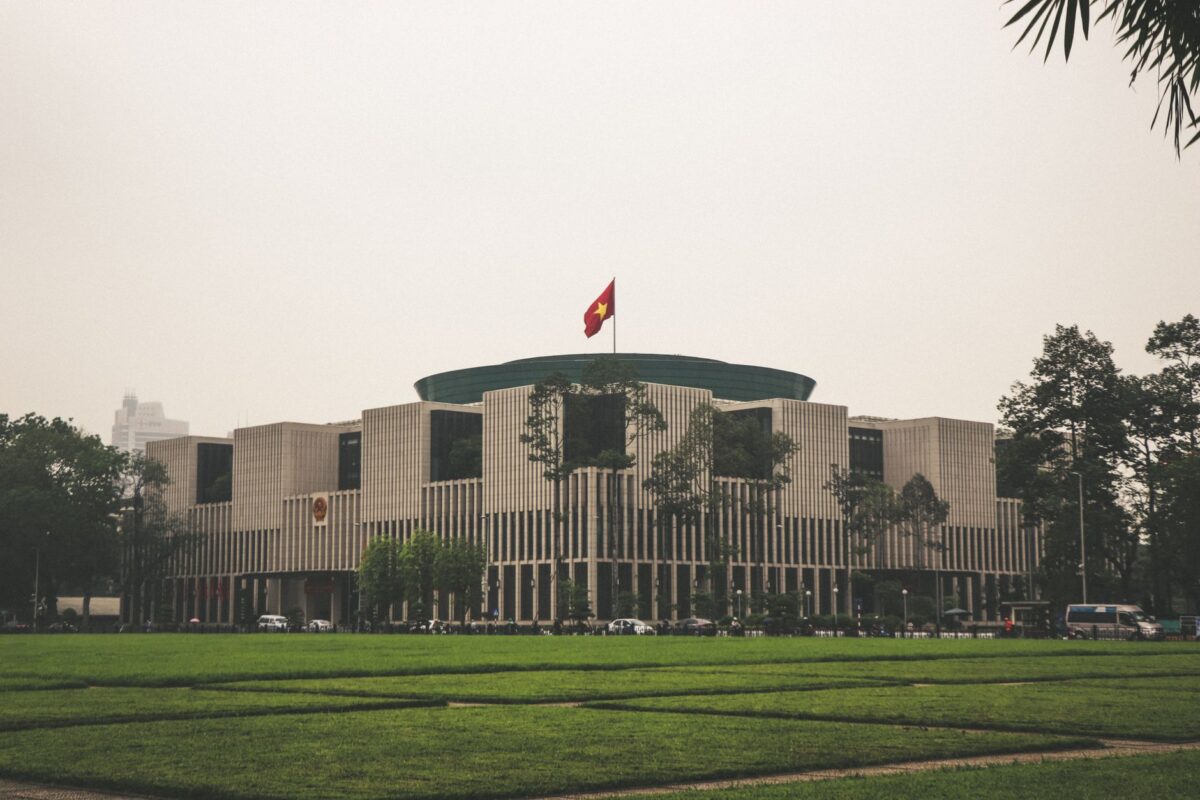
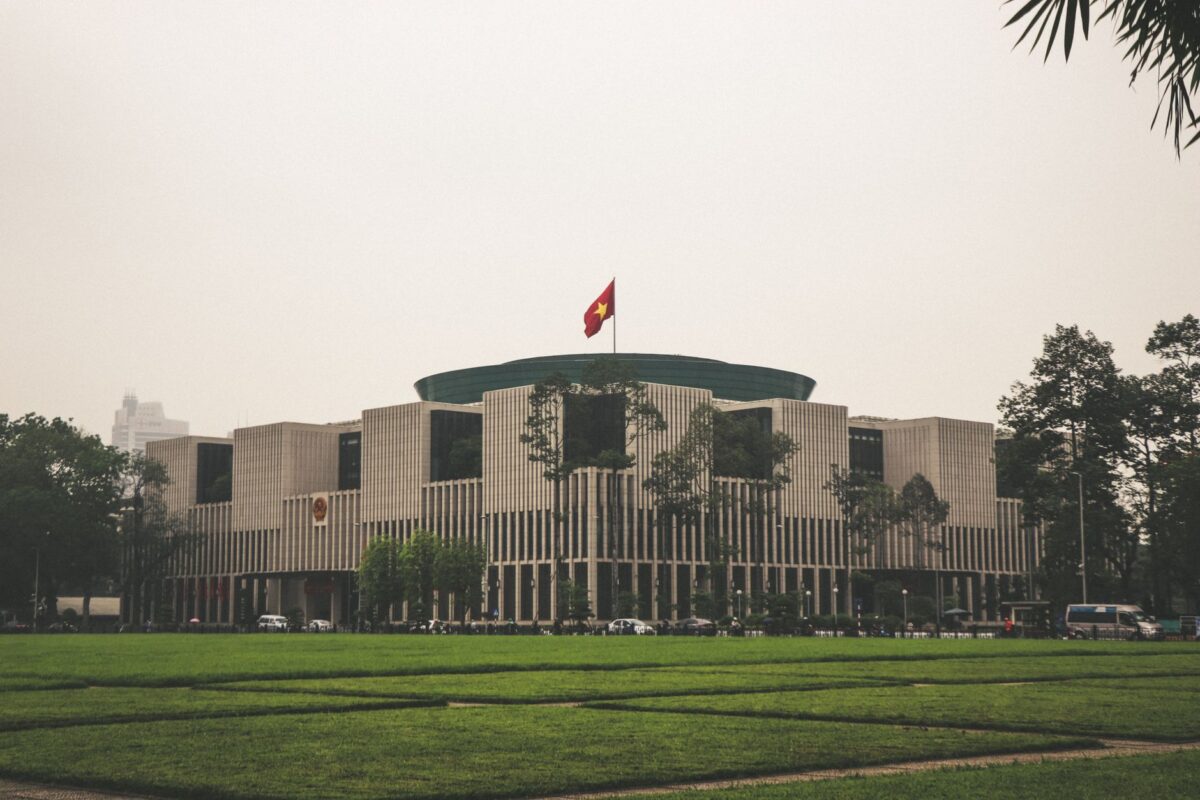
The National Assembly's Vietnam pilot mechanisms reform lets Hanoi accelerate major projects by cutting the delay and uncertainty that wreck project economics.
The HDS Summit reframed Vietnam's supply chain role from peripheral alternative to regional anchor — driven by infrastructure, trade integration and talent.
Vietnam capital efficiency, not expansion speed, now decides the 2026–2030 growth cycle: how the country funds, builds and runs infrastructure and energy.
Vietnam education reform is sharpening governance and welcoming private capital, turning the sector into a durable investment theme for domestic and foreign investors.
Phu Tho digital transformation is reshaping its business climate, infrastructure and competitiveness — a practical case study for investors in secondary provinces.
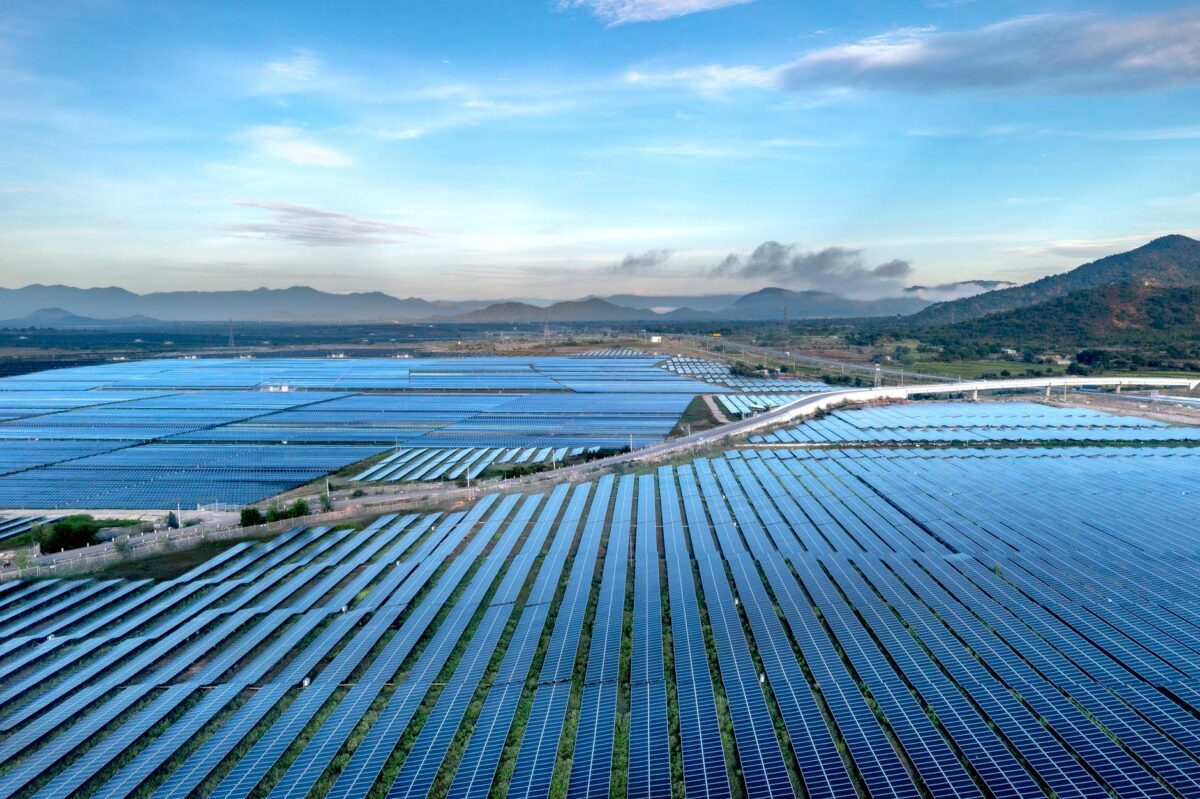
Strong policy, rising investor demand and a 2050 net-zero pledge drive Vietnam green transformation across energy, finance, manufacturing and transport.
Vietnam FDI investor confidence is rising as foreign firms top up capital, raise equity stakes and lengthen commitments in manufacturing and high-tech.