

Vietnam Market Upgrade: The FTSE Path and Inflows
February 16, 2026
Hue Tourism Investment Economics: Yields, Capital and Returns
February 17, 2026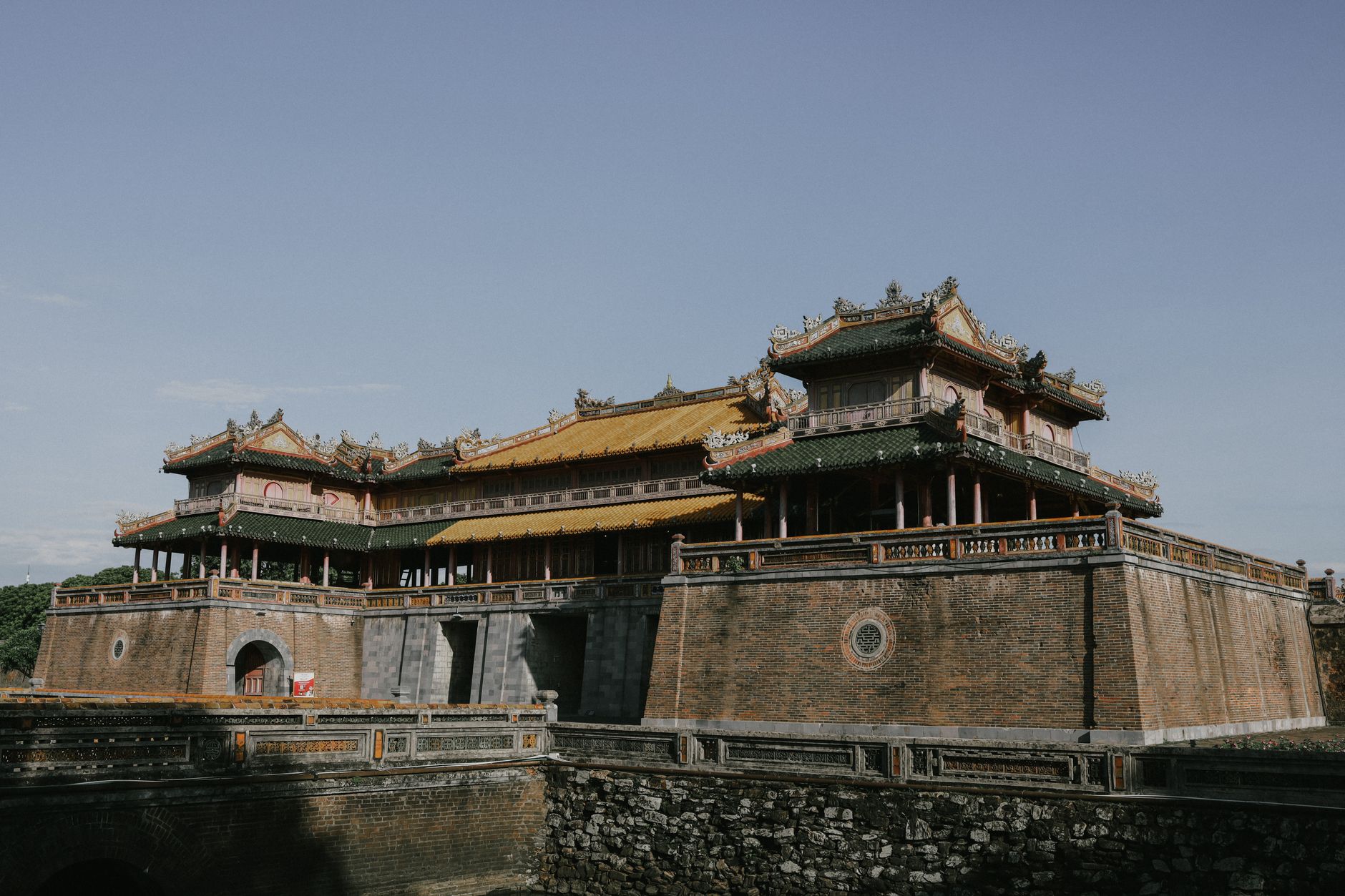
Founder Notes — Lotus Investment Group
Hue Cultural Tourism Strategy: Positioning Beyond Hoi An
Huế định vị thế nào bên cạnh Hội An và Đà Nẵng: bài toán bản sắc cho một lộ trình nhiều thập kỷ
Câu hỏi khó nhất với Huế không phải là thu hút bao nhiêu khách, mà là Huế muốn được nhớ tới như cái gì khi đứng cạnh Hội An và Đà Nẵng. Hội An đã chiếm vị trí phố cổ sống động, Đà Nẵng nắm phân khúc nghỉ dưỡng biển và sự kiện. Huế còn lại một khoảng trống mà chưa nơi nào ở miền Trung lấp được: cố đô, kinh thành, một chiều sâu lịch sử không thể sao chép. Định vị quanh chiều sâu ấy mới là chiến lược, chứ không phải cuộc đua đếm lượt khách.
Một thương hiệu điểm đến không dựng được trong vài mùa du lịch. Nó là lựa chọn tích lũy qua hàng chục năm, và mỗi quyết định quy hoạch hôm nay đều khóa Huế vào một quỹ đạo khó đảo ngược. Cho phép một khu nghỉ dưỡng cao tầng mọc sát kinh thành thì mười năm sau không gỡ được. Đây là chỗ chiến lược định vị tách khỏi câu chuyện kinh tế thuần túy — vốn được bàn riêng ở một bài đồng hành về sức hút đầu tư, còn sự kiện đưa Huế thành trung tâm văn hóa cấp quốc gia thì có phân tích riêng về mặt chính sách.
Bài này chỉ xoáy vào một câu hỏi: Huế cân bằng thế nào giữa giữ gìn di sản và phát triển, để cuối lộ trình nhiều thập kỷ vẫn còn là Huế chứ không thành một bản sao mờ của nơi khác. Đó là bài toán định vị, và nó quyết định mọi thứ còn lại.
Khoảng trống Huế lấp được mà Hội An và Đà Nẵng thì không
Miền Trung không thiếu điểm đến, nên định vị của Huế phải bắt đầu từ chỗ nó khác. Hội An bán cảm giác phố cổ thương cảng, đèn lồng, nhịp sống đường phố nén trong một khu vực nhỏ đi bộ được. Đà Nẵng bán biển, cầu, khu nghỉ dưỡng và hạ tầng sự kiện hiện đại. Hai nơi đã định hình rõ và khó ai lay chuyển. Huế nắm thứ cả hai đều không có: một kinh thành triều Nguyễn còn nguyên trục, hệ thống lăng tẩm, đền đài, một di sản tầng lớp gắn với quyền lực hoàng gia và đời sống cung đình. Đó không phải bối cảnh đẹp để chụp ảnh, mà là một câu chuyện không tái tạo được ở chỗ khác.
Đua với Hội An ở mảng phố cổ nhộn nhịp, hay đua với Đà Nẵng ở mảng nghỉ dưỡng biển, Huế đều ở thế yếu và sẽ tự pha loãng bản sắc của mình. Định vị khôn hơn là nghiêng hẳn về chiều sâu lịch sử và văn hóa cung đình — phân khúc du khách đi tìm sự nguyên bản, ở lại lâu hơn, chi nhiều hơn cho trải nghiệm có chiều dày. Tam giác Huế – Đà Nẵng – Hội An khi đó không phải ba đối thủ giành cùng một dòng khách, mà ba mảnh ghép bổ trợ trên một hành trình miền Trung. Huế có lợi nhất khi là điểm đến chậm và sâu, không phải bản sao của hai người hàng xóm.
Lằn ranh giữa giữ gìn và phát triển
Mọi đô thị di sản đều sống trên một lằn ranh: phát triển đủ để có nguồn lực nuôi di sản, nhưng không phát triển tới mức bào mòn chính cái di sản đó. Huế đứng đúng trên lằn ranh này. Du lịch cần khách sạn, nhà hàng, dịch vụ, hạ tầng đón khách; nhưng nếu những thứ ấy lấn vào không gian kinh thành, chen vào tầm nhìn lăng tẩm, thì thứ du khách trả tiền để đến xem sẽ hỏng dần. Bài học từ nhiều đô thị di sản trên thế giới đã rõ: khi thương mại nuốt mất không gian gốc, danh tiếng sụp nhanh hơn nhiều so với thời gian dựng nó.
Cân bằng không có nghĩa là đóng băng Huế thành bảo tàng. Tái sử dụng thích ứng, tức đưa công năng mới vào kiến trúc cũ mà không phá cấu trúc gốc, là con đường giữ được cả hai. Nhà cổ thành không gian văn hóa, xưởng nghề truyền thống thành điểm trải nghiệm, vùng ven kinh thành dành cho lưu trú thay vì để khối bê tông áp sát di tích. Nguyên tắc định vị ở đây đơn giản mà khắc nghiệt: phát triển phải phục vụ di sản, không phải ngược lại. Mỗi lần đảo ngược thứ tự ưu tiên ấy là một lần Huế vay mượn từ chính thương hiệu tương lai của mình.
Bản sắc là tài sản cạnh tranh, không phải lớp trang trí
Du khách quốc tế tầm cao ngày càng coi tính nguyên bản là tiêu chí chọn điểm đến, và họ nhận ra ngay cái gì là dàn dựng. Một thành phố di sản bị thương mại hóa quá đà sẽ tuột mất chính phân khúc đáng giá nhất — những người sẵn lòng đi xa và trả nhiều để gặp thứ thật. Với Huế, bản sắc cung đình không phải lớp sơn phủ lên một sản phẩm du lịch, nó chính là sản phẩm. Bảo vệ được sự nguyên bản đó là lợi thế cạnh tranh khó bắt chước nhất mà Huế có.
Một bản sắc rõ ràng cũng dễ kể thành câu chuyện, mà câu chuyện mới là thứ bán được ra thế giới. Huế của triều Nguyễn, của nhã nhạc cung đình, của ẩm thực hoàng gia — đó là một định vị mạch lạc, dễ truyền thông, dễ neo vào tâm trí du khách hơn nhiều so với một thông điệp chung chung kiểu ‘điểm đến văn hóa’. Định vị càng sắc, Huế càng ít phải cạnh tranh bằng giá và càng dễ thu hút những hợp tác văn hóa, học thuật quốc tế tìm đúng chiều sâu đó.
Lộ trình phải đo bằng thập kỷ, không bằng mùa khách
Một thương hiệu điểm đến trưởng thành theo nhiều giai đoạn, không bật lên trong một chiến dịch. Giai đoạn đầu là củng cố lõi: bảo tồn nghiêm túc, định hình rõ Huế đại diện cho cái gì, kiểm soát những gì được phép mọc lên quanh di sản. Giai đoạn sau mới là mở rộng có kiểm soát: thêm dịch vụ, thêm trải nghiệm, thêm hạ tầng, nhưng tất cả vẫn neo vào bản sắc đã chốt. Đảo ngược trình tự, bung phát triển trước khi định hình xong bản sắc, là cách nhanh nhất để Huế đánh mất đúng thứ làm nên giá trị của mình.
Tư duy theo thập kỷ buộc người hoạch định phải kỷ luật trước những món lợi ngắn hạn. Một dự án lớn sát di tích có thể đem nguồn thu nhanh, nhưng nếu nó làm rạn bản sắc thì cái giá kéo dài hàng chục năm. Thương hiệu được củng cố khi lời nói và việc làm khớp nhau bền bỉ qua thời gian: tài liệu quy hoạch hứa giữ gìn di sản, thì thực thi trên đất cũng phải đúng như vậy, năm này qua năm khác. Sự nhất quán đó, lặp đi lặp lại đủ lâu, mới là thứ dựng nên một điểm đến đẳng cấp thế giới.
Định vị Huế trong bức tranh phát triển phân tán của Việt Nam
Chiến lược của Huế ăn khớp với hướng đi phân tán của cả nước: thay vì dồn tăng trưởng vào riêng các đô thị lớn, giới hoạch định ngày càng vun cho những bản sắc vùng chuyên biệt. Trong sơ đồ đó, Huế không cạnh tranh với các trung tâm công nghiệp hay với hai người hàng xóm miền Trung, mà đảm nhận một vai riêng — cực văn hóa của khu vực. Vai trò ấy chỉ có giá trị nếu nó khác biệt; một Huế cố giống Đà Nẵng sẽ chẳng đóng góp gì mới cho bản đồ vùng.
Định vị rõ cũng giúp Huế khỏi rơi vào cái bẫy ôm đồm. Một thành phố muốn vừa là trung tâm công nghiệp, vừa nghỉ dưỡng biển, vừa di sản, vừa hội nghị thường kết thúc bằng việc không giỏi cái nào. Chọn một bản sắc và theo đuổi đến cùng là lựa chọn chiến lược khó nhưng đúng. Huế mạnh nhất khi dám hẹp: là nơi Việt Nam gìn giữ và kể câu chuyện cung đình của mình, sâu hơn và thật hơn bất kỳ đâu khác.
Cái giá của định vị mập mờ
Rủi ro lớn nhất với Huế không phải thiếu vốn hay thiếu khách, mà là một định vị nửa vời. Khi mỗi nhiệm kỳ, mỗi dự án lại kéo Huế về một hướng khác, lúc nghiêng nghỉ dưỡng, lúc nghiêng hội nghị, lúc nghiêng giải trí, thì bản sắc loãng dần và du khách không còn hiểu Huế đại diện cho điều gì. Một thương hiệu mơ hồ không thu hút được phân khúc cao cấp, mà cũng chẳng cạnh tranh nổi ở phân khúc giá rẻ. Nó rơi vào khoảng giữa, nơi không ai thắng.
Giữ định vị nhất quán đòi hỏi sự kiên định qua nhiều thế hệ người quản lý, và đó là phần khó nhất. Phát triển quá đà trong ngắn hạn, hay chính sách tiền hậu bất nhất, có thể bào mòn vốn danh tiếng nhanh hơn nhiều so với tốc độ tích lũy nó. Ngược lại, một Huế kiên trì với bản sắc cung đình qua hàng chục năm sẽ tích lũy được thứ tài sản mà tiền không mua nhanh được: một vị trí rõ ràng, không thể nhầm lẫn, trong tâm trí du khách toàn cầu.
Kết luận
Tham vọng đưa Huế thành trung tâm du lịch văn hóa quốc tế, xét cho cùng, là một bài toán định vị hơn là bài toán tăng trưởng. Nó hỏi: Huế muốn được nhớ tới như cái gì, và sẵn lòng từ chối những gì để giữ được điều đó.
Câu trả lời nằm ở sự kiên định với bản sắc cung đình, ở lằn ranh kỷ luật giữa giữ gìn và phát triển, ở một lộ trình đo bằng thập kỷ chứ không bằng mùa khách. Nếu Huế dám hẹp và đi đường dài, nó sẽ chiếm một vị trí không ai giành được trong tam giác miền Trung. Nếu chạy theo từng cơ hội ngắn hạn, nó sẽ tan vào đám đông những điểm đến hao hao nhau. Sức hút đầu tư và khung chính sách phía sau tham vọng này được mổ xẻ ở hai bài đồng hành; còn ở đây, điều quyết định vẫn là một lựa chọn đơn giản mà khó giữ — Huế phải tiếp tục là Huế.
Lotus Investment Group tư vấn M&A xuyên biên giới và FDI vào Việt Nam và Đông Nam Á. Nếu quý vị đang thẩm định một vị thế tại Việt Nam, liên hệ với chúng tôi.
Hue’s hardest question isn’t how many visitors it can pull. It’s what Hue wants to be remembered for while standing next to Hoi An and Da Nang. Hoi An already owns the living-old-town slot; Da Nang owns the beach-resort-and-events one. Hue holds a gap nowhere else in central Vietnam can fill: an imperial capital, a citadel, a depth of history that can’t be copied. Building the strategy around that depth is the real positioning play, not a race to count arrivals.
A destination brand doesn’t get built in a few tourist seasons. It’s the accumulated product of decades, and every planning decision made today locks Hue onto a path that’s hard to reverse. Let a high-rise resort rise against the citadel and you can’t unbuild it ten years on. This is where positioning strategy parts ways with the purely economic story — investment appeal gets its own companion piece, and the policy move that named Hue a national cultural hub has its own analysis.
This piece holds to one question: how does Hue balance heritage conservation against development so that, at the end of a multi-decade roadmap, it’s still Hue and not a faded copy of somewhere else. That’s a positioning problem, and it decides everything downstream.
The gap Hue can fill that Hoi An and Da Nang can’t
Central Vietnam isn’t short of destinations, so Hue’s positioning has to start from where it differs. Hoi An sells the trading-port old town — lanterns, street life, all compressed into a small walkable core. Da Nang sells beaches, bridges, resorts and modern event infrastructure. Both are well defined and hard to dislodge. Hue holds what neither has: a Nguyen-dynasty citadel with its axis intact, a system of royal tombs and temples, a layered heritage tied to imperial power and court life. That isn’t a pretty backdrop for photos. It’s a story that can’t be reproduced elsewhere.
Competing with Hoi An on crowded old-town energy, or with Da Nang on beach resorts, puts Hue in a weak spot and dilutes its own identity. The smarter position leans hard into historical depth and court culture: the segment of travellers chasing authenticity, who stay longer and spend more on experiences with weight to them. The Hue–Da Nang–Hoi An triangle then stops being three rivals fighting over one visitor stream and becomes three complementary pieces of a central-Vietnam journey. Hue gains most as the slow, deep stop, not as a copy of its two neighbours.
The line between conservation and development
Every heritage city lives on a line: develop enough to fund the heritage, but not so much that development erodes the very thing being funded. Hue sits right on that line. Tourism needs hotels, restaurants, services, the infrastructure to receive visitors; but if those things crowd the citadel grounds or break the sightlines around the tombs, the thing visitors paid to see degrades. The lesson from heritage cities elsewhere is plain: when commerce swallows the original fabric, reputation collapses far faster than it took to build.
Balance doesn’t mean freezing Hue into a museum. Adaptive reuse, putting new function into old architecture without gutting its structure, is the path that keeps both. Old houses become cultural spaces, traditional craft workshops become experience stops, the citadel’s periphery takes the lodging rather than letting concrete press against the monuments. The positioning rule here is simple and unforgiving: development serves the heritage, not the reverse. Every time that order gets flipped, Hue borrows against its own future brand.
Identity as a competitive asset, not decoration
High-end international travellers increasingly treat authenticity as a selection criterion, and they spot staging instantly. A heritage city that over-commercialises loses the exact segment worth most — the people willing to travel far and pay more to meet the real thing. For Hue, court-culture identity isn’t a coat of paint over a tourism product. It is the product. Protecting that authenticity is the hardest-to-imitate competitive edge Hue has.
A clear identity is also easier to tell as a story, and the story is what sells abroad. Hue of the Nguyen dynasty, of royal court music, of imperial cuisine — that’s a coherent position, easy to communicate, far easier to anchor in a visitor’s mind than a generic ‘cultural destination’ message. The sharper the position, the less Hue has to compete on price, and the easier it draws the international cultural and academic partnerships that are looking for precisely that depth.
A roadmap measured in decades, not seasons
A destination brand matures in stages; it doesn’t switch on with a campaign. The early stage is consolidating the core: serious conservation, a clear sense of what Hue stands for, control over what’s allowed to rise around the heritage. Only later comes controlled expansion — more services, more experiences, more infrastructure, all of it still anchored to the identity that was settled first. Reverse that sequence, unleashing development before the identity is set, and you find the fastest way to lose the exact thing that gives Hue its value.
Thinking in decades forces discipline against short-term wins. A large project beside a monument can bring quick revenue, but if it cracks the identity the cost runs for decades. A brand strengthens when words and deeds line up consistently over time: if the planning documents promise to protect the heritage, the execution on the ground has to match, year after year. That consistency, repeated long enough, is what builds a world-class destination.
Positioning Hue in Vietnam’s distributed growth picture
Hue’s strategy fits the country’s distributed approach: rather than concentrating growth in the big cities alone, planners increasingly cultivate specialised regional identities. In that scheme, Hue isn’t competing with industrial centres or with its two central-Vietnam neighbours — it takes a distinct role as the region’s cultural pole. That role only has value if it’s differentiated; a Hue trying to look like Da Nang adds nothing new to the regional map.
A clear position also keeps Hue out of the everything-at-once trap. A city that wants to be an industrial centre and a beach resort and a heritage site and a conference hub usually ends up good at none of them. Choosing one identity and pursuing it to the end is the hard but correct strategic call. Hue is strongest when it dares to be narrow: the place where Vietnam preserves and tells its imperial-court story, deeper and more genuine than anywhere else.
The cost of a blurred position
Hue’s biggest risk isn’t a shortage of capital or visitors. It’s a half-committed position. When each administration and each project pulls Hue in a different direction, leaning resort one year, conferences the next, entertainment after that, the identity thins out and visitors no longer grasp what Hue stands for. A blurred brand attracts neither the premium segment nor competes at the budget end. It lands in the middle, where nobody wins.
Holding a consistent position demands resolve across generations of administrators, and that’s the hardest part. Short-term overdevelopment, or inconsistent policy, can erode reputational capital far faster than it accumulates. A Hue that stays loyal to its court identity over decades, by contrast, builds an asset money can’t buy quickly: a clear, unmistakable place in the mind of the global traveller.
Conclusion
The ambition to make Hue an international cultural tourism hub is, in the end, a positioning problem more than a growth one. It asks what Hue wants to be remembered for, and what it’s willing to refuse in order to keep it.
The answer sits in loyalty to the court identity, in a disciplined line between conservation and development, in a roadmap measured in decades rather than seasons. If Hue dares to be narrow and plays the long game, it claims a slot no one else can take in the central-Vietnam triangle. If it chases each short-term opportunity, it dissolves into the crowd of look-alike destinations. The investment appeal and the policy framework behind this ambition get dissected in two companion pieces; here, the deciding factor stays a simple choice that’s hard to keep — Hue has to go on being Hue.
Lotus Investment Group advises on cross-border M&A and FDI into Vietnam and Southeast Asia. If you are underwriting Vietnam exposure, get in touch.
Nguồn / Sources
[1]
Vietnam Investment Review (2026) — 14th National Party Congress: Building Hue into Distinctive International Cultural Tourism Hub.