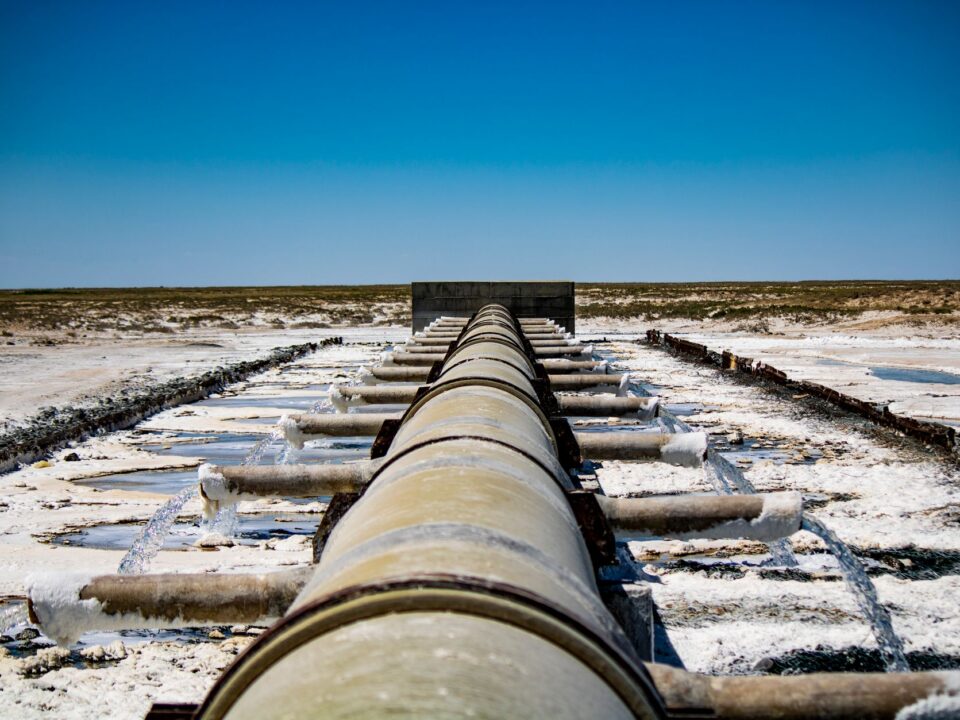
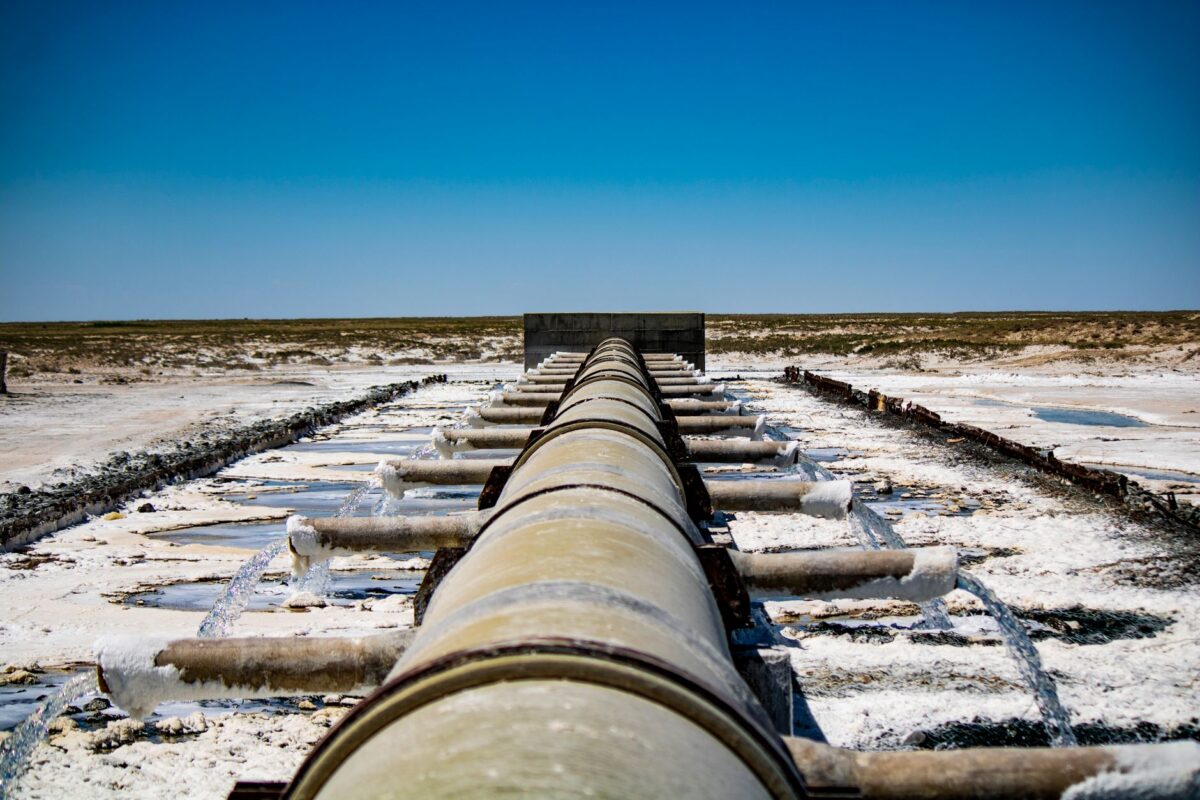
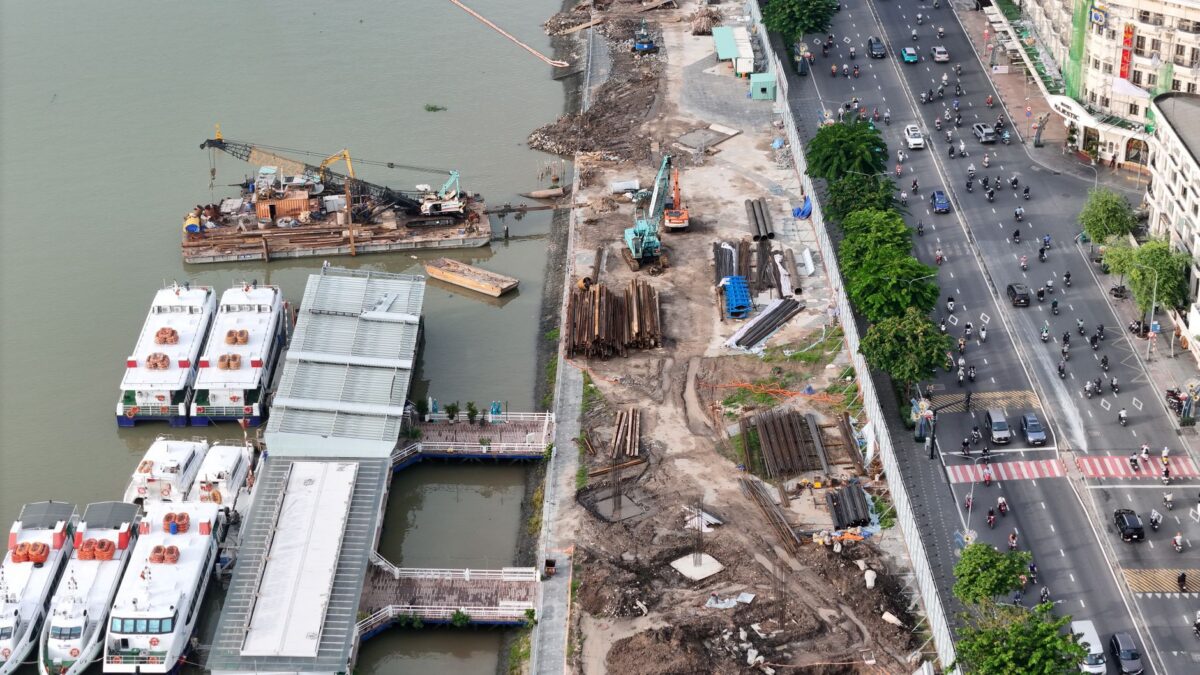
How Vietnam water infrastructure financing actually works: cost-recovery tariff paths, BOT risk-sharing, non-revenue water programmes and climate-resilience capital.
A new plant adds capacity, but Vietnam water infrastructure still faces leaking networks, climate-stressed resources, below-cost tariffs and weak execution.
Vietnamese firms international expansion is a real opportunity, but governance, brand control and execution discipline decide whether it builds durable value.
How to structure legitimate Vietnam outbound investment: the approval chain, FX controls, holding structures and governance that separate strategy from capital flight.
Vietnam consumer finance consolidation promises scale and stronger institutions, but credit quality, liquidity and integration risk decide the real outcome.
How the Japan Vietnam bilateral framework turns intergovernmental agreements and ODA-blended capital into operational projects, and where execution stalls.
Deeper Japan Vietnam economic cooperation lifts industry and capital flows, but concentration, value capture and execution risks decide whether it holds.
How to structure the $227B HCMC university urban area: demand forecasting, public-private models, asset-light capex and enrolment-linked revenue to manage utilisation risk.
A $227B HCMC university urban area reframes Vietnam education infrastructure investment as a strategic asset — talent upside against real utilisation risk.
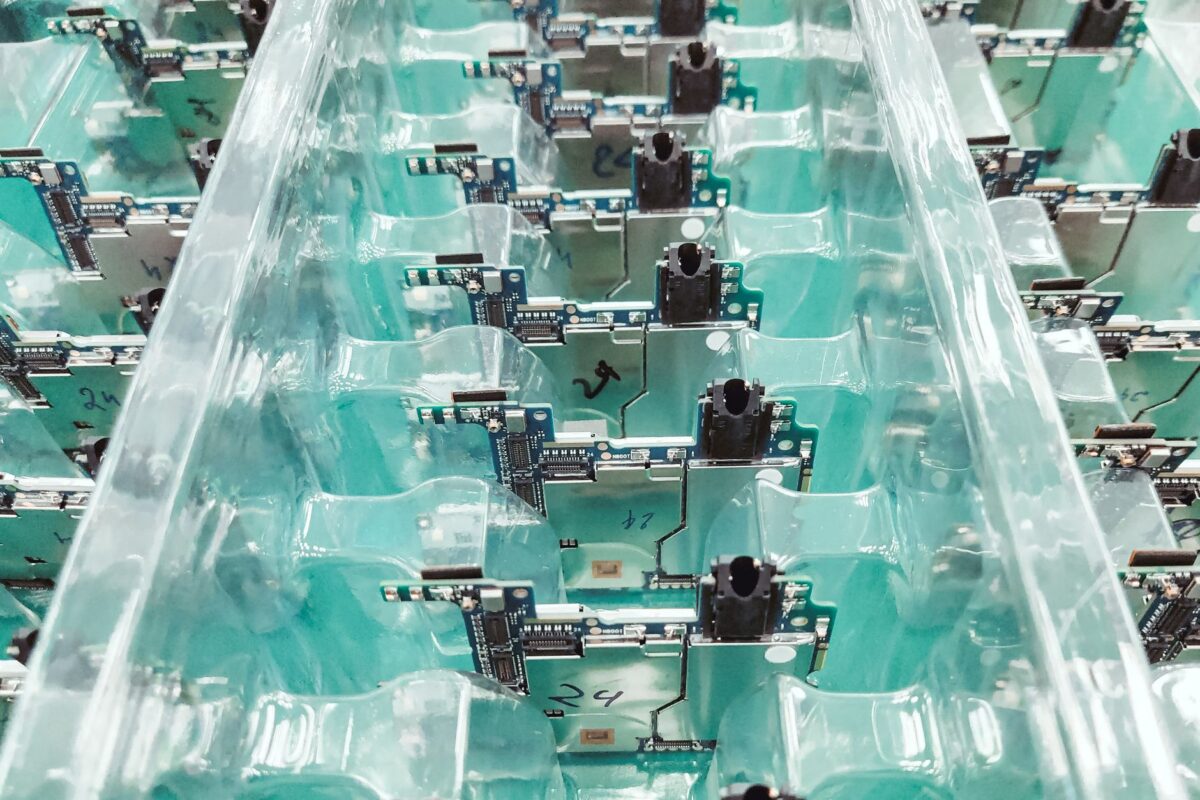
How Vietnam moves up the electronics value chain — local-content rules, component localisation economics and the mechanics of capturing more than assembly margin.
Goertek's Bac Ninh expansion deepens Vietnam electronics manufacturing in global supply chains — but dependency, margins and execution define the payoff.
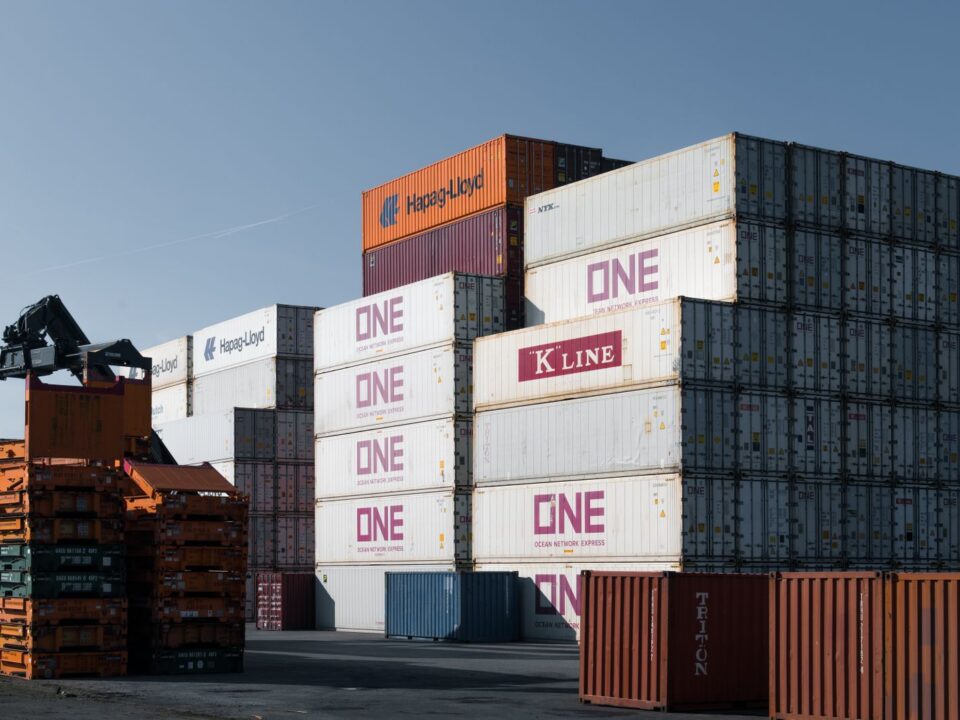
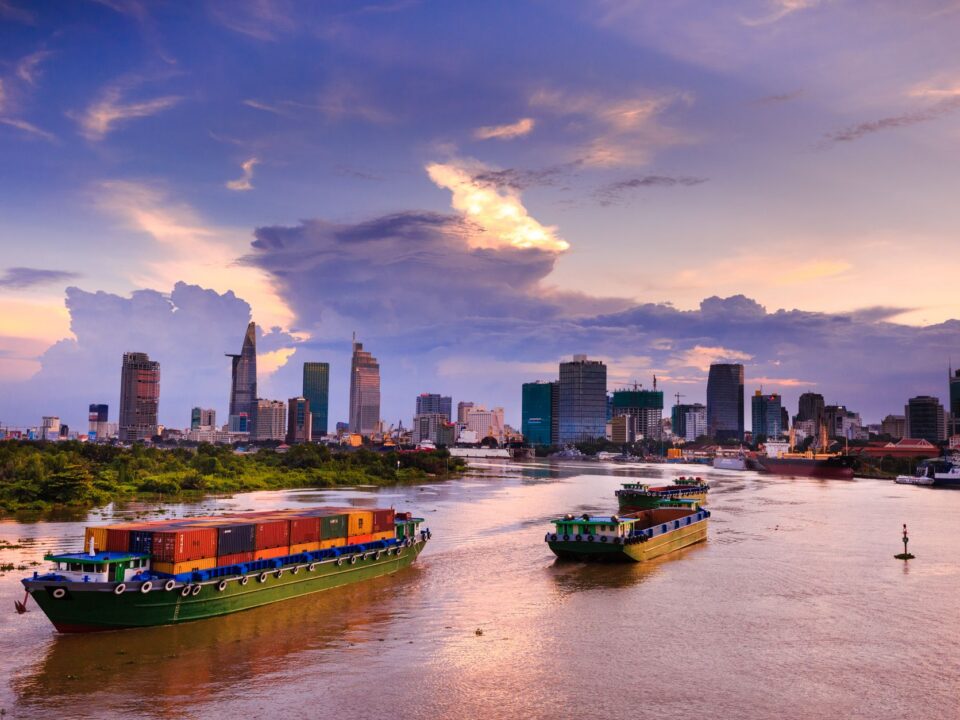
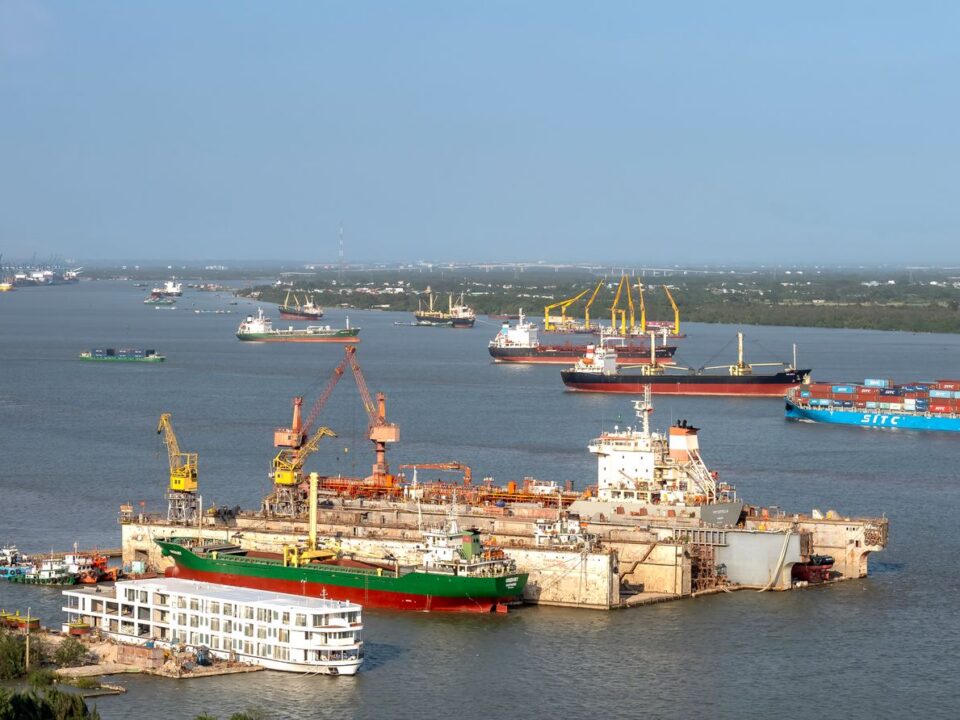
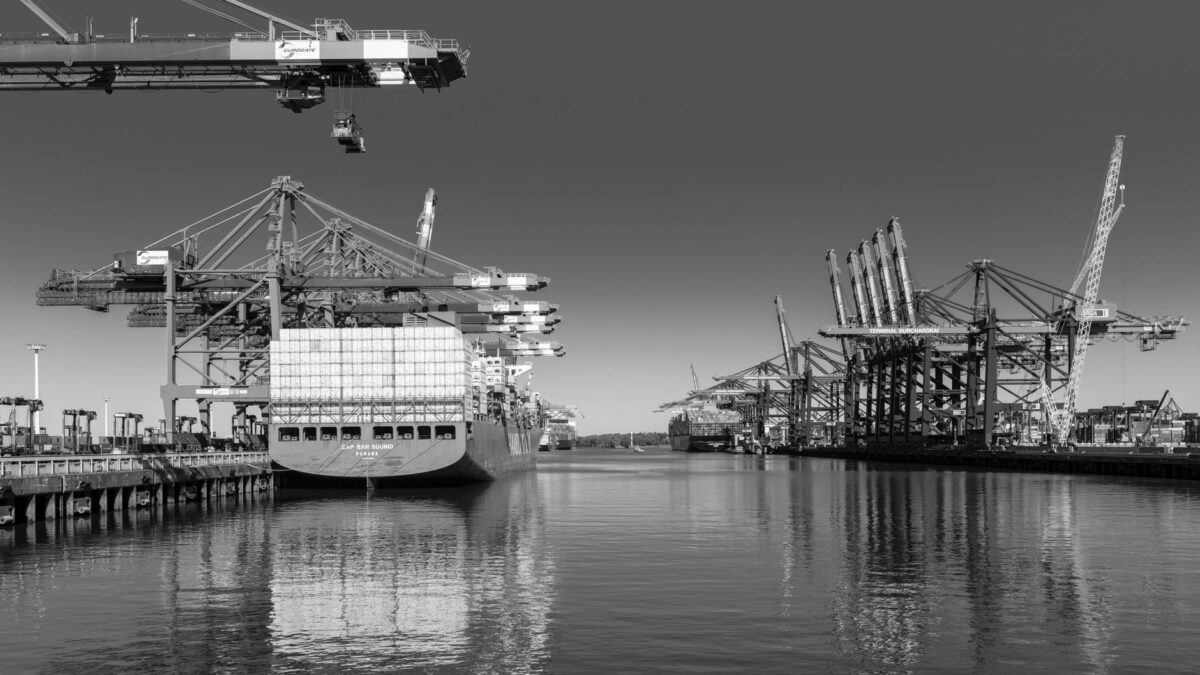
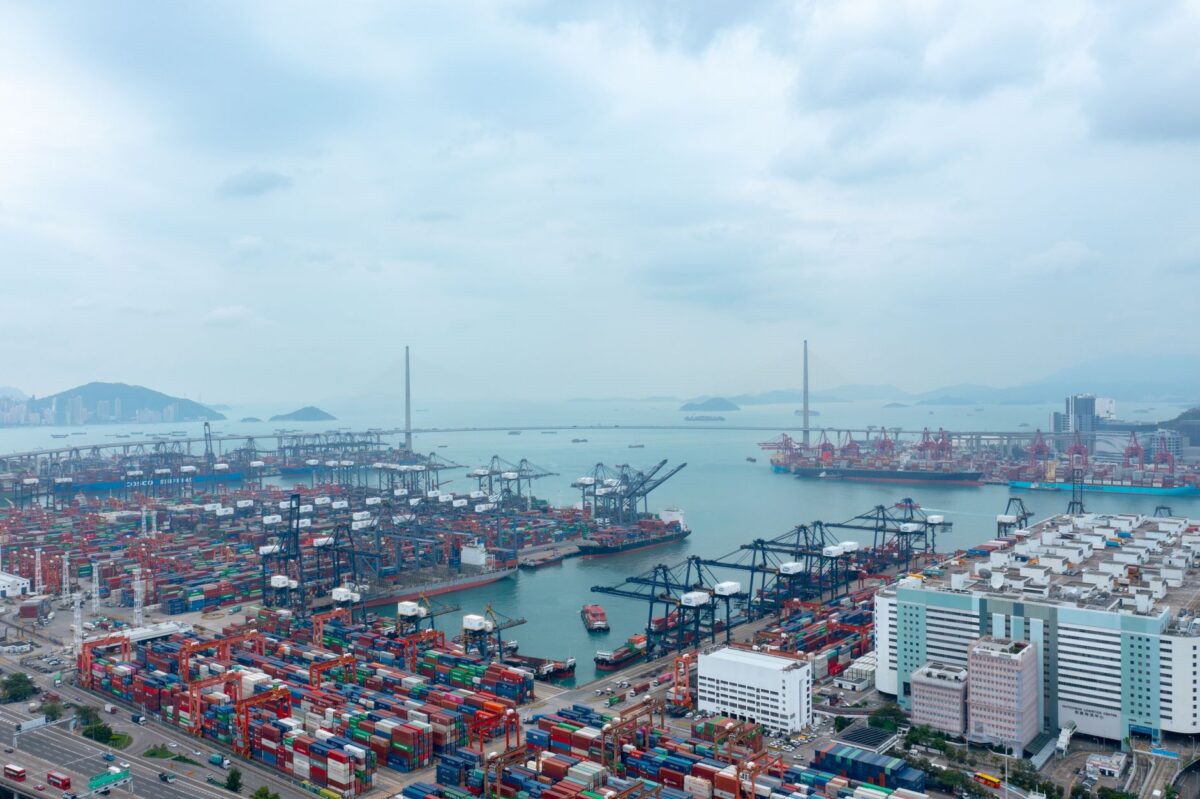
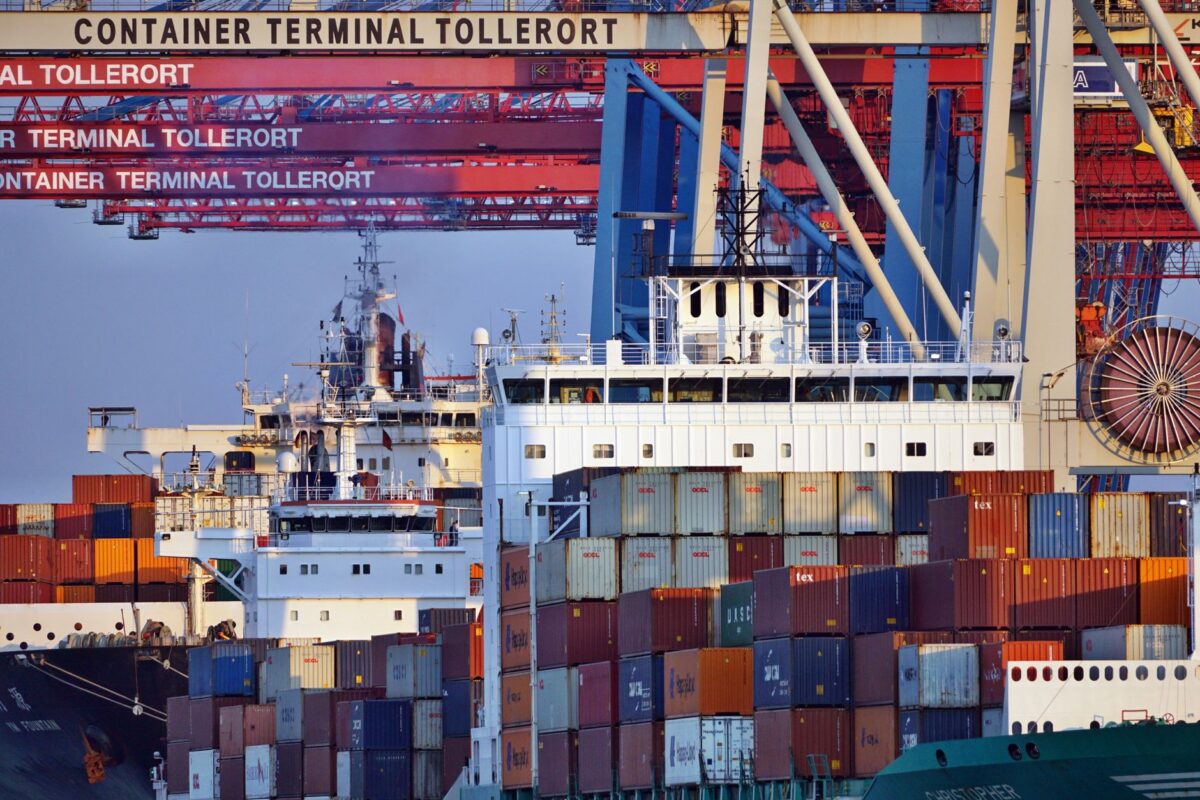
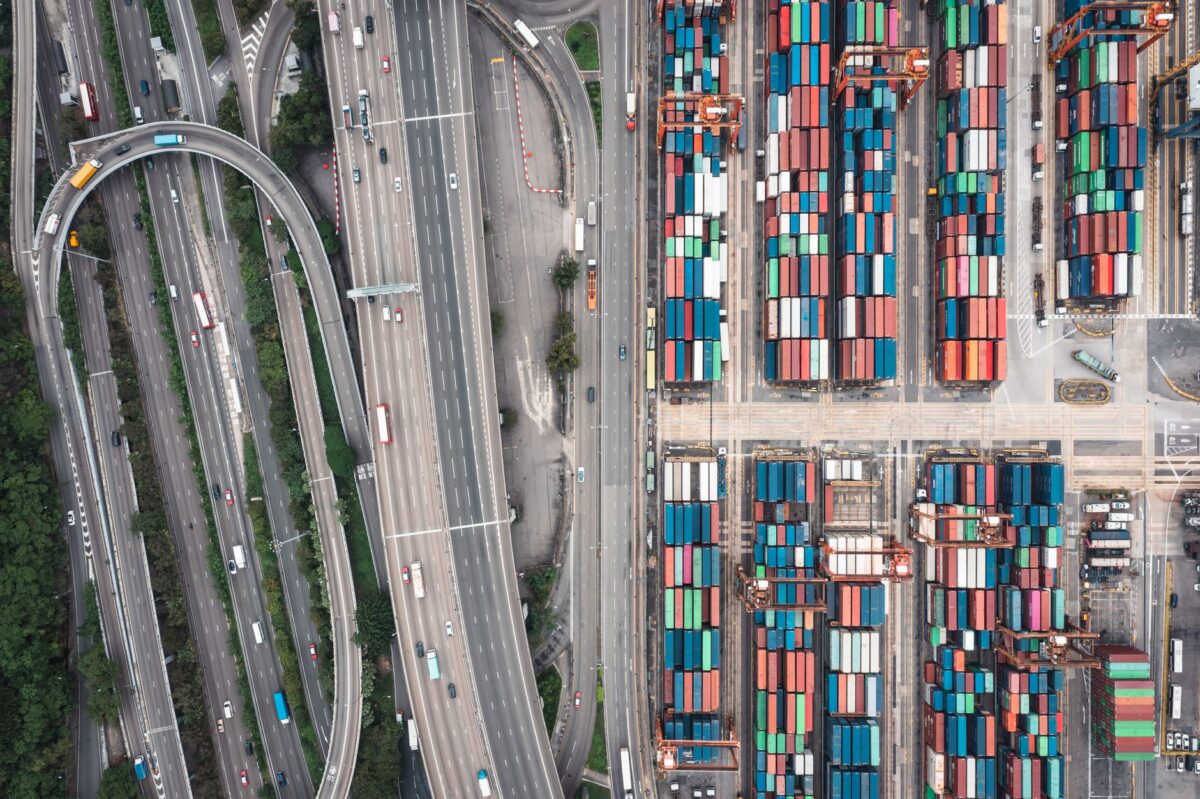
The $1.76bn Lien Chieu deep-sea port is a genuine trade upgrade and a genuine test — demand, inland links, PPP financing and execution all have to hold.
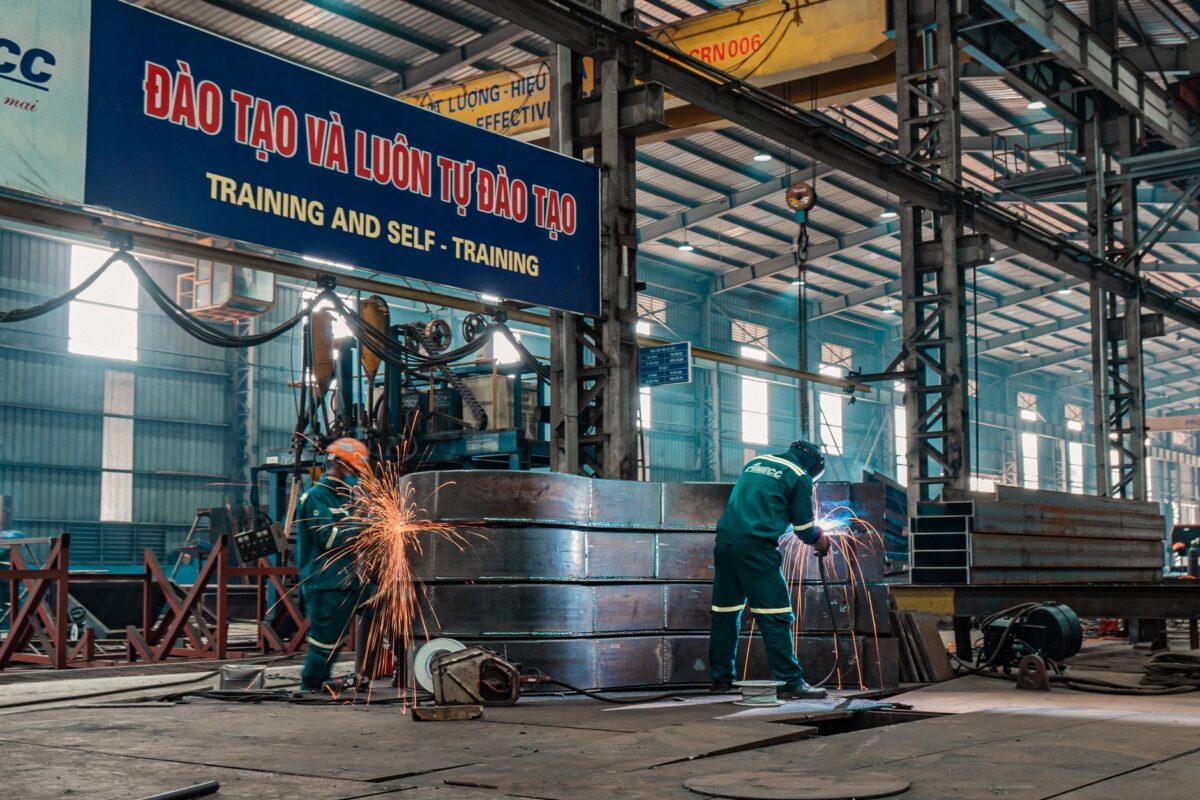
Smart factory execution in Vietnam turns on four things: capex payback discipline, reskilling, IT/OT integration, and avoiding vendor lock-in at the contract stage.
The smart factory Vietnam shift promises real productivity gains, but capital, talent and integration constraints decide whether the upgrade reaches scale.
How a $123bn inflow becomes self-sustaining: Vietnam high-tech cluster formation in Ho Chi Minh City through anchor-supplier graphs, knowledge spillovers and critical density.
A $123bn high-tech inflow puts Ho Chi Minh City at the centre of Vietnam high-tech investment — the move up the value chain, and the real system constraints.
HCMC's $123bn pledge tests Vietnam high-tech absorptive capacity: how fast approvals, supply chains, power and land turn commitments into operating assets.
The $123bn surge makes high-tech capital concentration in Ho Chi Minh City both a strategic opening and a real over-reliance risk — ecosystem, infrastructure, execution.
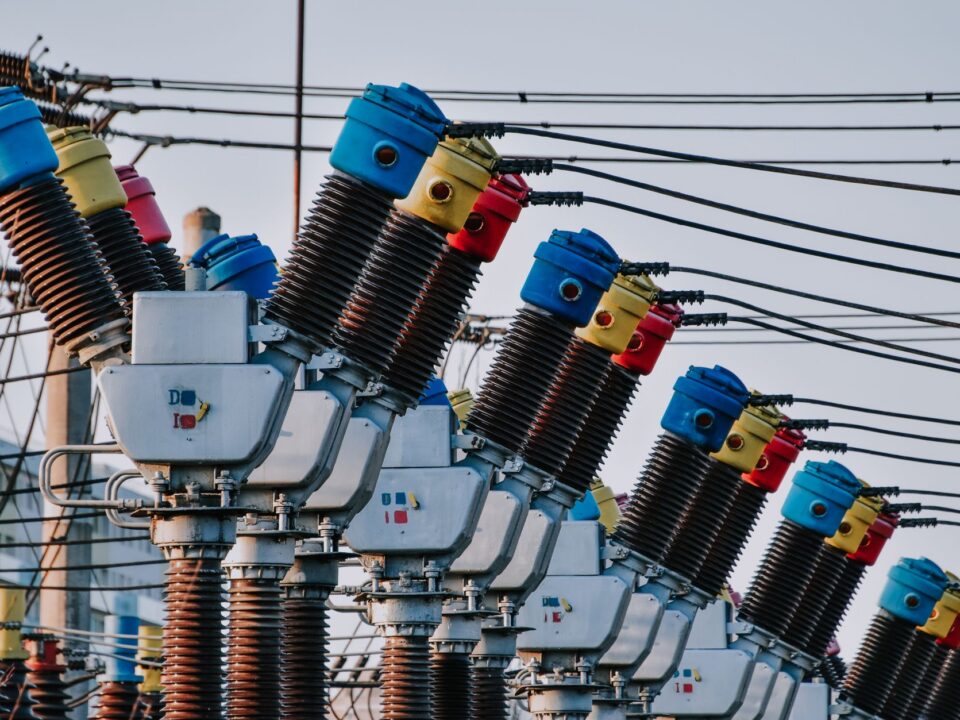
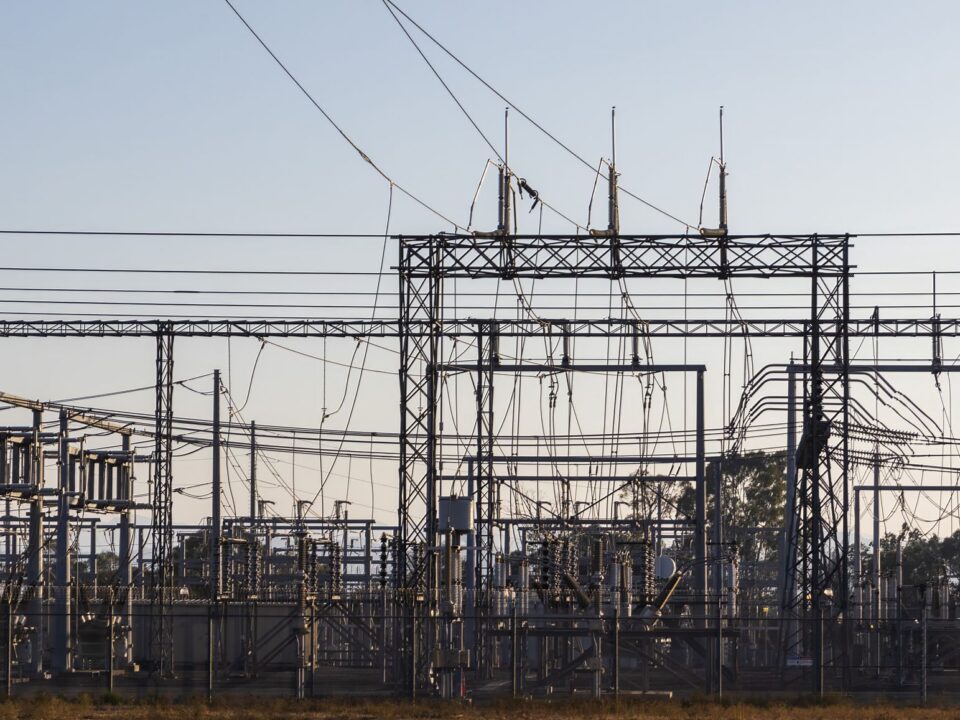
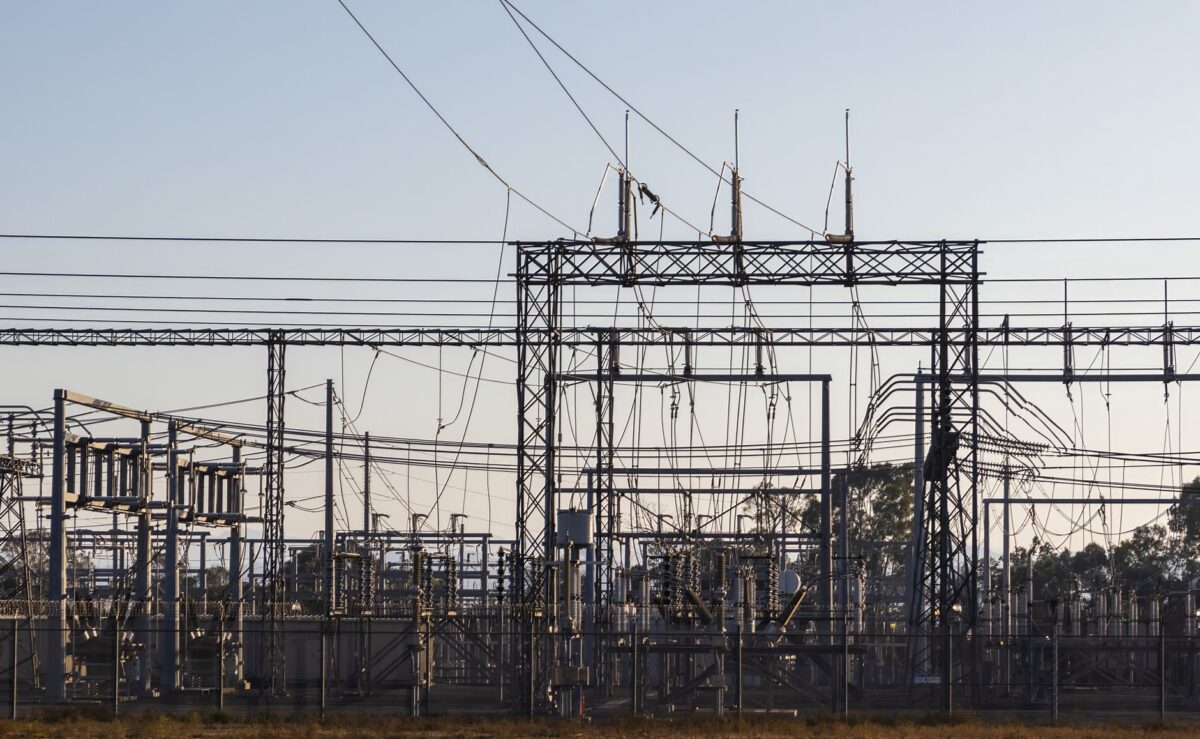
Localising transformers and switchgear in Vietnam hinges on type-testing, T&D capex order flow and the grid-connection queue. Here is the execution map.
How Vietnam's sovereign credit rating is built from fiscal, external and banking metrics, and how each notch transmits into the economy's cost of capital.
The Vietnam agricultural partnership with South Korea promises higher-value agri-investment, but scaling it turns on how risk is shared across the chain.
Vietnam railway execution capacity is the real limit on fast-tracking: EPC contractor depth, rolling-stock localisation, signalling transfer and sequencing.
How contractor capability actually transfers in Vietnam: joint-venture models, fit-out supply chains, on-site skills transfer, and QA/QS systems behind the Sun Group deal.
The $2.3B Sun Group–Gold Mantis deal shows how Vietnam construction partnerships work: foreign execution, layered capital, and the real test of keeping value at home.
European capital reallocation is steering investment flows toward Vietnam. What pulls the money in, what keeps it there, and where the advantage leaks.
How VIFC actually wires Ho Chi Minh City into global capital: cross-border listing, multi-currency settlement, licence recognition and specialist talent.
The VIFC financial centre has drawn $19bn in commitments. Whether Ho Chi Minh City turns pledges into real capital flows rests on structuring and delivery.
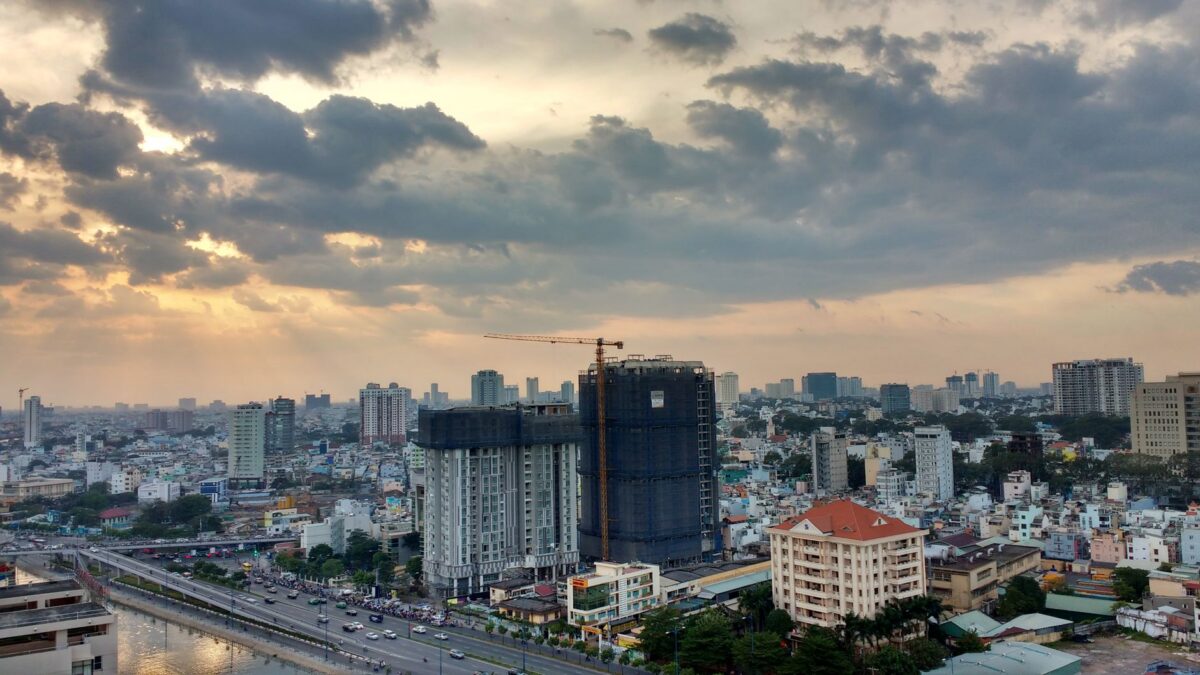
How a Ho Chi Minh City project delivery actually works: land clearance, the approvals critical path, contractor capacity, and financial close in sequence.
A staged Vietnam capital deployment playbook: which layer to enter, how to sequence tranches, and what operationally closes the registered-vs-disbursed gap.
Inside the AI data centre capital stack behind Vietnam's $2.1bn project: how debt and equity tranches are layered, and who earns what return at each level.
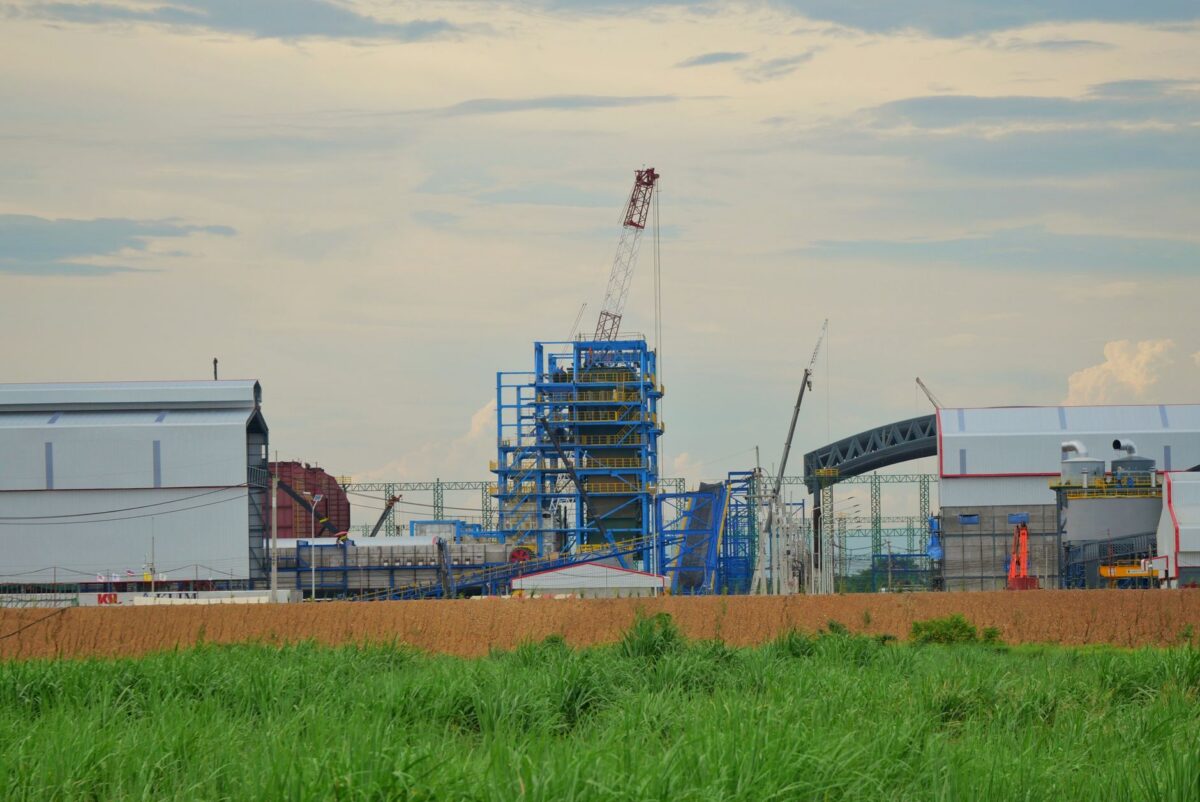
How Vietnam power project finance works: PPA bankability, grid-connection risk, merchant versus contracted revenue, and the cost-of-capital premium lenders price in.
Vietnam power supply security now sets the ceiling on capital deployment — pricing energy-system risk into the cost of capital across industry and data centres.
Inside the Vietnam data centre ecosystem build: power purchase contracts, cooling, subsea cable connectivity, land and permitting, and the capital stack that makes it bankable.
Vietnam data centre investment offers a cost-driven entry point, but power reliability, connectivity and execution decide whether the capital actually stays.
A Vietnam international financial centre is more than a new sector. It tests legal frameworks, market depth and execution against Singapore and Hong Kong.
European market entry Vietnam is shifting from spotting opportunity to executing it — structured access, deal structuring, and the gap that decides outcomes.
Vietnam joint venture structuring decides whether European capital converts: entity setup, licensing sequencing, partner selection, and where deals stall.
Vietnam provincial capital allocation runs on four inputs: land, grid, labour and approvals sequencing. How commitment turns into disbursement, behind the Gia Lai number.
Gia Lai investment inflow hit $3.3 billion, a sign capital is moving out of Vietnam's big cities. The opportunity is real, so are the execution constraints.
How Vietnam public investment mechanism reform works in practice: medium-term frameworks, disbursement gating, performance budgeting and audit feedback loops.
How to measure FDI capital efficiency in Ho Chi Minh City — disbursement ratios, capital-per-job, productivity spillovers, and the policy levers that move them.
Ho Chi Minh City FDI hit nearly $2.9 billion in Q1, but registered capital is only a promise — execution and disbursement decide whether it becomes growth.
A practitioner Vietnam investor playbook to 2030: choosing entry vehicles, hedging political risk in the deal structure, and staging capital by milestone.
Vietnam capital convergence is reshaping the country into a coordination platform. The opportunity, the constraints, and the investor playbook to 2030.
How European infrastructure financing in Vietnam actually works: procurement rules, ESG loan conditions, lender due diligence and the competition for mandates.
European capital Vietnam infrastructure arrives bundled with governance and sustainability standards. Whether it scales depends on institutional alignment.
How RCEP rules of origin, cumulation, tariff staging and customs procedures actually decide which goods capture the preference — the mechanics behind the deal.
Building a Vietnam aerospace supply chain is a sequence: supplier tiering, AS9100 and Nadcap certification, offset agreements, and capex that funds certification before revenue.
Vietnam aerospace manufacturing is a real step up the industrial ladder — but precision, certification, talent and patient capital all have to hold at once.
How Vietnam structurally locks into global innovation alliances: standards harmonisation, joint-venture terms, export-control compliance and talent pipelines.
Vietnam US technology cooperation enters a structured phase across AI, semiconductors and digital infrastructure. The opportunity, and the real constraints.
How an urban rail PPP financing structure reaches financial close: the SPV, revenue-support mechanisms, land-value capture, and the lender security package.
How Chinese capital reaches Vietnam at the plumbing level: correspondent rails, RMB clearing and liquidity, supply-chain finance, and regional bank networks.
How the $1.76bn Lien Chieu port deal is actually structured: public-private split, capital layers, concession economics and the hinterland build sequence.
Hanoi's financial centre plan is less about urban planning than capital-system design. Why institutional depth, enforcement and execution will decide it.
The Lien Chieu port project shifts Vietnam's trade flows toward central Vietnam — but throughput, hinterland links and execution will decide its value.
How US private equity deals into Vietnam are actually built: holding vehicles, DFI co-investment, governance terms, repatriation and exit rights written in early.
US private capital Vietnam strategy is shifting from one-off deals to structured pipelines, platforms and exit discipline. Where the real constraints sit.
Inside the institutional layer turning Japanese industrial capital in Vietnam from intent into committed flows: appraisal, blended finance, guarantees, monitoring.
Sojitz's energy and logistics push marks deepening Japan Vietnam infrastructure investment: the opportunity, the capital stacking, the corridor constraints.
Tier-by-tier look at Vietnam AI hardware supply chain — what thermal value-add is captured locally versus imported, and the upgrade path from assembly to test.
Cooler Master Vietnam investment of $3 billion signals a move up the value chain into AI hardware — the opportunity, and the real constraints on keeping it.
Power, chips and capital decide who builds compute. A structural look at AI data centre financing behind Vietnam's $2.1B centre and the regional contest.
A $2.1 billion AI centre tests Vietnam AI infrastructure ambitions — compute, power, governance and capital coordination decide whether the bet pays off.
How Vietnam's technology policy stack, IP regime, R&D incentives, talent visas and regulatory sandboxes, decides whether it wins Southeast Asia's tech capital.
The Vietnam innovation economy now ranks among Southeast Asia's top three, built on startups, digital infrastructure, venture capital and human capital.
How Europe Vietnam supply chain relocation actually happens: which tiers move first, what ESG and standards conditions travel with the capital, and the sequencing.
How Singapore Vietnam investment structuring actually works: fund domicile, holding companies, and SPV mechanics that route capital into Vietnamese assets.
Inside the Vietnam semiconductor supply chain: how phased capital, cleanroom build-out, gas and chemical logistics, tooling imports and yield ramp turn $1bn into a fab.
A $1 billion Dutch chip plant is both a milestone and a real test of Vietnam semiconductor investment readiness — infrastructure, talent and governance.
How Vietnam FDI sovereign risk repricing works: non-debt-creating capital strengthens the external position and balance of payments toward a rating upgrade.