


Vietnam High-Tech Cluster Formation in Ho Chi Minh City
May 4, 2026
Smart Factory Execution Vietnam: Capex, Skills, Lock-In
May 5, 2026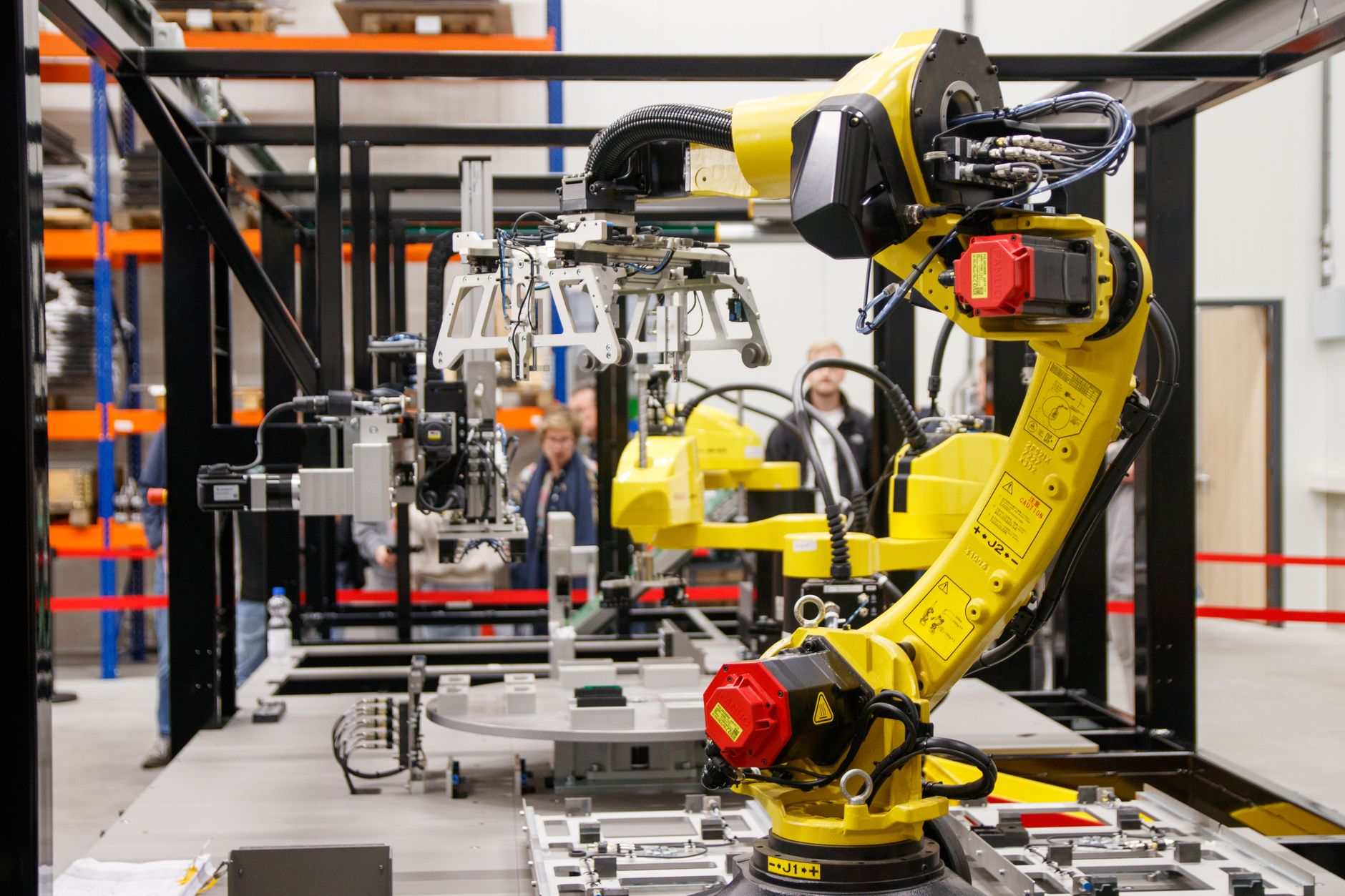
Founder Notes — Lotus Investment Group
Smart Factory Vietnam: Manufacturing Upgrade and Its Cost
Nhà máy thông minh ở Việt Nam: cơ hội nâng cấp năng lực sản xuất và cái giá của chuyển đổi
Làn sóng nhà máy thông minh đang đẩy ngành sản xuất Việt Nam tới một bước ngoặt. Mô hình cạnh tranh cũ dựa vào chi phí lao động rẻ đang nhường chỗ cho năng suất, tự động hóa và mức tích hợp hệ thống. Khi chuỗi cung ứng toàn cầu phức tạp dần lên và áp lực chi phí siết chặt, nhà sản xuất buộc phải nâng hiệu quả, hạ tỷ lệ lỗi và xoay chuyển sản lượng linh hoạt hơn. Nhà máy thông minh, nơi hệ thống số, công nghệ tự động hóa và phân tích dữ liệu thời gian thực hợp lại làm một, mở ra con đường đạt được những mục tiêu đó.
Với Việt Nam, đây không phải lựa chọn có cũng được, không có cũng xong. Nhiều thập niên qua, sức chế tạo của đất nước nằm chủ yếu ở khâu lắp ráp thâm dụng lao động. Giờ nhà đầu tư chấm điểm một cơ sở sản xuất không chỉ ở chi phí mà cả ở độ tinh vi vận hành — liệu nó có chạy được công nghệ cao, có bắt nhịp chuẩn toàn cầu đang đổi thay từng năm. Chậm nâng cấp đồng nghĩa với xói mòn dần năng lực cạnh tranh.
Nhưng câu chuyện có mặt còn lại của nó. Tự động hóa hứa hẹn tăng năng suất, đồng thời đòi vốn lớn, nhân lực kỹ thuật và sự phối hợp hệ thống mà không phải doanh nghiệp nào cũng có. Lao vào nâng cấp mà chuẩn bị chưa kỹ dễ dẫn tới hệ thống vênh nhau, đội chi phí và đứt quãng vận hành. Bài này nhìn cả hai phía: cơ hội thật mà nhà máy thông minh mang lại, và những ràng buộc cấu trúc Việt Nam phải gỡ nếu muốn chuyển đổi diễn ra ở quy mô rộng chứ không phải vài ốc đảo riêng lẻ.
Tự động hóa và tích hợp số nâng năng suất, siết hiệu quả vận hành
Đưa tự động hóa và công nghệ số vào dây chuyền cho phép cải thiện rõ rệt năng suất, kiểm soát chất lượng và hiệu quả vận hành. Nhà máy thông minh dùng phân tích dữ liệu thời gian thực để giám sát sản xuất, nhận diện chỗ kém hiệu quả và tối ưu quy trình. Nhờ đó, thời gian dừng máy giảm, tỷ lệ thành phẩm tăng, sản lượng đều tay hơn. Tự động hóa cũng bớt lệ thuộc lao động thủ công, gỡ được phần nào sức ép thiếu nhân công và lương tăng. Có điều, hiệu quả của nó treo trên khả năng kết nối các công đoạn thành một khối liền mạch.
Việt Nam cần đỡ tiến trình tích hợp này bằng hạ tầng, ưu đãi chính sách và dòng vốn tiếp cận được. Cụ thể là dựng được kết nối giữa máy móc, hệ thống dữ liệu và nền tảng quản lý, để chúng vận hành ăn khớp. Tích hợp mạnh thì năng suất và sức cạnh tranh đi lên; tích hợp lỏng thì lợi ích tự động hóa hao đi, suất sinh lời tụt theo. Đây là chỗ tách doanh nghiệp nâng cấp thật khỏi doanh nghiệp chỉ mua thiết bị về cho có.
Chuỗi cung ứng phản ứng nhanh hơn nhờ dữ liệu thời gian thực
Nhà máy thông minh giúp chuỗi cung ứng nhạy hơn nhờ nhìn thấu quy trình sản xuất và mức tồn kho theo thời gian thực. Nhà sản xuất nhờ vậy điều tiết sản lượng theo cầu, rút ngắn thời gian giao hàng, giữ khách hài lòng. Trong chuỗi cung ứng toàn cầu mà tốc độ và độ linh hoạt ngày càng quan trọng, đó là một lợi thế thực. Mô hình sản xuất truyền thống thường thiếu sự linh hoạt này, nên đuối sức trong môi trường biến động.
Muốn khai thác hết, hệ thống sản xuất phải nối được với mạng lưới chuỗi cung ứng rộng hơn — gắn nhà máy với hệ thống hậu cần và kênh phân phối. Dữ liệu thời gian thực khi đó mới hỗ trợ ra quyết định dọc chuỗi giá trị. Kết nối tốt thì nhanh nhạy và bớt rủi ro; kết nối kém thì sinh ra trễ nải và lãng phí. Đây là phần Việt Nam còn nhiều việc phải làm, vì nó đòi cả hạ tầng số lẫn sự phối hợp giữa các mắt xích.
Vốn đầu tư lớn và lợi suất chưa rõ ghìm chân chuyển đổi
Lắp nhà máy thông minh đòi khoản vốn ban đầu đáng kể: hệ tự động hóa, nền tảng phần mềm, nâng cấp hạ tầng. Các khoản này thường có thời điểm thu hồi không chắc chắn, nhất là trong thị trường toàn cầu chao đảo. Doanh nghiệp phải cân giữa sức ép tài chính trước mắt với mục tiêu chiến lược dài hạn. Khi lợi suất còn mờ, nhiều hãng hoãn hoặc thu hẹp đầu tư — và chính đó là lý do tốc độ chuyển đổi chậm lại dù động lực chiến lược rất mạnh.
Việt Nam cần mở rộng cửa tiếp cận tài chính cho mảng này: ưu đãi có chọn lọc, hỗ trợ tín dụng, hợp tác với nhà cung cấp công nghệ. Khung tài chính nào hạ được rào cản sẽ tăng tốc chuyển đổi và nâng sức cạnh tranh; khung yếu thì tiến trình ì ạch, nâng cấp diễn ra lệch lạc giữa nơi có vốn và nơi không. Cấu trúc tài chính phải khớp với thực tế của ngành, chứ không thể bê nguyên công thức cho vay thông thường.
Khoảng cách năng lực nhân lực bóp hiệu quả của hệ thống tự động
Hệ thống nhà máy thông minh chỉ chạy tốt khi có người vận hành và bảo trì đủ trình. Tự động hóa không xóa nhu cầu lao động; nó dịch nhu cầu sang những vai trò tay nghề cao hơn. Lao động Việt Nam vì thế phải thích nghi với đòi hỏi kỹ thuật và phân tích mới. Thiếu kỹ năng thì hệ thống kém hiệu quả, phần năng suất đáng lẽ có sẽ hao hụt; thiếu đào tạo thì khoản đầu tư tự động hóa chạy dưới công suất.
Bài toán nằm ở đường ống đào tạo: kỹ thuật chuyên ngành, năng lực số, và nâng kỹ năng liên tục bám sát nhu cầu doanh nghiệp. Kỹ năng học từ một nhà máy thông minh chuyển được sang robot, thiết bị năng lượng tái tạo, viễn thông — nên đầu tư vào con người cho lợi ích vượt xa phạm vi một dây chuyền. Nếu Việt Nam xây được đội ngũ kỹ sư và kỹ thuật viên này, phần giá trị cao của ngành mới ở lại trong nước thay vì chảy ra ngoài.
Tích hợp hệ thống: nút thắt thực thi lớn nhất
Nhà máy thông minh đòi máy móc, phần mềm và nền tảng dữ liệu ăn khớp liền mạch. Nhiều nhà sản xuất chật vật ghép hệ thống cũ với công nghệ mới, để rồi vận hành rời rạc. Tích hợp kém sinh ra kém hiệu quả, dữ liệu lệch nhau, hiệu suất tụt. Hệ thống phân mảnh thì lợi ích tự động hóa teo lại, năng suất tổng giảm theo. Đây là một trong những rủi ro thực thi nặng nhất của cả tiến trình.
Việt Nam cần đỡ phần này bằng bộ tiêu chuẩn, hỗ trợ kỹ thuật và phát triển hạ tầng — tạo điều kiện cho các công nghệ nói chuyện được với nhau và nâng độ kết nối số. Tích hợp mạnh thì hiệu quả lên, rủi ro xuống; tích hợp yếu thì sinh ra điểm nghẽn vận hành. Giá trị của khoản đầu tư rốt cuộc hiện ra hay không nằm ở đúng chỗ này: hệ thống phải vận hành như một nền tảng thống nhất.
Kỷ luật thực thi định đoạt chuyển đổi có đạt quy mô hay không
Triển khai nhà máy thông minh đòi năng lực thực thi mạnh trên ba mặt: lắp đặt công nghệ, đào tạo nhân lực, tích hợp quy trình. Dự án phải có mốc thời gian rõ, mục tiêu đo được, các khâu phối hợp nhịp nhàng. Thực thi kém dẫn tới trễ hẹn, đội chi phí, hệ thống chạy không như thiết kế — và lợi ích đầu tư bốc hơi theo. Kỷ luật tốt cho phép nhân rộng đều tay qua nhiều cơ sở; kỷ luật lỏng thì mỗi nơi một kiểu.
Một ràng buộc nữa ít người nhắc: tiến trình này phơi rõ chênh lệch giữa doanh nghiệp lớn và doanh nghiệp vừa và nhỏ. Hãng lớn tiếp cận được vốn và đối tác công nghệ; hãng nhỏ thường kẹt vốn, khó hút chuyên môn. Hệ quả là một bức tranh nâng cấp loang lổ, chỉ một phần ngành đi lên, sức cạnh tranh chung vì thế bị kéo lại. Việt Nam phải gỡ những khoảng trống cấu trúc này để chuyển đổi diễn ra cả khối, vì nâng cấp nửa vời làm chuỗi cung ứng yếu đi và bào mòn chính lợi ích mà nhà máy thông minh hứa hẹn.
Kết luận
Nhà máy thông minh là một thay đổi nền tảng trong mô hình sản xuất của Việt Nam, dịch trọng tâm từ lao động giá rẻ sang năng suất và tích hợp công nghệ. Cơ hội rất thật: năng suất cao hơn, chuỗi cung ứng nhạy hơn, vị thế vững hơn trong mạng lưới sản xuất toàn cầu. Nhưng nó không tự đến. Thành bại treo trên ba thứ phải hội đủ cùng lúc — vốn rót đúng chỗ, nhân lực đủ trình, và hệ thống tích hợp được thành một khối.
Chặng tiếp theo cần ngành và chính sách kéo cùng một hướng, đồng thời gỡ khoảng cách giữa doanh nghiệp lớn với doanh nghiệp nhỏ để nâng cấp không dừng ở vài ốc đảo. Làm được, Việt Nam chắc chân hơn trong chuỗi sản xuất toàn cầu và tăng tốc nâng cấp công nghiệp. Không làm được, những ràng buộc cấu trúc sẽ hiện ra và ghìm tiến trình lại. Suy cho cùng, nhà máy thông minh không phải bài toán mua sắm thiết bị; nó là phép thử xem cả guồng máy công nghiệp có đủ kỷ luật để chuyển mình hay không.
Lotus Investment Group tư vấn M&A xuyên biên giới và FDI vào Việt Nam và Đông Nam Á. Nếu quý vị đang thẩm định một vị thế tại Việt Nam, liên hệ với chúng tôi.
Smart factory adoption is pushing Vietnam’s manufacturing toward an inflection point. The old competitive model, built on cheap labour, is giving way to one built on productivity and system integration. As global supply chains grow more complex and cost pressure tightens, manufacturers have to lift efficiency and flex output faster. Smart factories, where digital systems and real-time data analytics fuse into one operation, open a path to both.
For Vietnam, this is not optional. The country’s manufacturing strength has sat mostly in labour-intensive assembly for decades. Now investors grade a production base on more than cost; they look at operational sophistication — whether it can run advanced technology and keep pace with global standards that shift year to year. Delay the upgrade and competitiveness erodes quietly.
But the story has a second side. Automation promises productivity gains while demanding heavy capital, technical capability and system coordination that not every firm possesses. Rush the upgrade without enough preparation and you get mismatched systems, cost overruns and operational disruption. This piece looks at both: the real opportunity smart factories offer, and the structural constraints Vietnam has to clear if the transition is going to happen at scale rather than in scattered pockets.
Automation and digital integration lift productivity and tighten operations
Bringing automation and digital tools onto the line allows clear gains in productivity, quality control and operational efficiency. Smart factories use real-time data analytics to monitor production, spot inefficiencies and tune workflows. Downtime falls, yield rises, output runs more consistently. Automation also eases reliance on manual labour, taking some pressure off workforce shortages and rising wages. Its effectiveness, though, hangs on connecting production stages into one continuous whole.
Vietnam has to support that integration through infrastructure, policy incentives and accessible capital — wiring machines, data systems and management platforms so they run in concert. Strong integration raises productivity and competitiveness; weak integration bleeds away the gains from automation and drags down returns. This is what separates a firm that actually upgrades from one that merely buys equipment and leaves it idling.
Supply chains respond faster on real-time data
Smart factories make supply chains more responsive by giving real-time visibility into production and inventory. Manufacturers can adjust output to demand, shorten lead times and keep customers satisfied. In global supply chains where speed and flexibility matter more each year, that is a real edge. Traditional production models tend to lack this flexibility, which leaves them exposed in volatile markets.
To capture it fully, production systems have to connect to the wider supply-chain network — tying plants to logistics and distribution channels. Only then does real-time data support decisions across the value chain. Good connectivity buys agility and cuts risk; poor connectivity creates delay and waste. This is where Vietnam still has work to do, because it takes both digital infrastructure and coordination across the links.
High capital and uncertain returns slow the transition
Building a smart factory takes substantial upfront capital: automation systems, software platforms, infrastructure upgrades. Those investments often carry uncertain payback windows, especially in unsettled global markets. Manufacturers have to weigh near-term financial pressure against long-term strategy. When return visibility stays murky, many firms delay or scale back — and that, more than anything, is what slows adoption even where the strategic case is strong.
Vietnam has to widen access to financing here: selective incentives, credit support, partnerships with technology providers. A financial framework that lowers barriers speeds the transition and lifts competitiveness; a weak one leaves progress stalled and adoption uneven between firms with capital and firms without. The financing structure has to fit the realities of the sector rather than borrow a standard lending template.
Workforce gaps cap what automation can deliver
Smart factory systems only run well with people skilled enough to operate and maintain them. Automation does not erase the need for labour; it shifts that need toward higher-skilled roles. Vietnam’s workforce has to adapt to new technical and analytical demands. Skill shortages cut system efficiency and leak away the productivity that was meant to materialise; without training, automation investments run below capacity.
The answer sits in the talent pipeline: technical training, digital literacy and continuous upskilling kept close to what industry actually needs. Skills learned in a smart factory transfer to robotics, renewable-energy equipment and telecoms, so investing in people pays back well past a single line. Build that pool of engineers and technicians, and the high-value share of the sector stays in the country instead of draining out.
System integration is the biggest execution bottleneck
A smart factory needs machines, software and data platforms to mesh cleanly. Many manufacturers struggle to bolt legacy systems onto new technology and end up running fragmented operations. Poor integration breeds inefficiency, inconsistent data and weaker performance. Fragmented systems shrink the benefits of automation and pull down total productivity. This is one of the heaviest execution risks in the whole transition.
Vietnam has to support it through standards, technical support and infrastructure development — letting technologies talk to each other and raising digital connectivity. Strong integration improves efficiency and reduces risk; weak integration creates operational bottlenecks. Whether an investment’s value ever shows up turns on exactly this: the systems have to operate as one unified platform.
Execution discipline decides whether the transition reaches scale
Rolling out a smart factory takes strong execution across three fronts: technology deployment, workforce training and process integration. Projects need clear timelines, measurable targets and coordinated steps. Poor execution brings delays, cost overruns and systems that never run as designed — and the investment’s value evaporates with it. Good discipline lets a firm scale evenly across facilities; loose discipline leaves every site doing its own thing.
One more constraint rarely gets named: this process exposes the gap between large enterprises and small to mid-sized firms. Big companies reach capital and technology partners; smaller ones often run short of both. The result is a patchy upgrade where only part of the sector advances, dragging overall competitiveness with it. Vietnam has to close these structural gaps so the transition happens across the base, because half-finished adoption weakens supply chains and erodes the very benefits smart factories promise.
Conclusion
Smart factory adoption is a fundamental shift in Vietnam’s manufacturing model, moving the centre of gravity from cheap labour to productivity and technological integration. The opportunity is real: higher productivity, more responsive supply chains, a firmer place in global manufacturing networks. But it does not arrive on its own. Success rests on three things holding at once — capital deployed where it counts, a workforce skilled enough, and systems that actually integrate.
The next phase needs industry and policy pulling the same way, and it needs the gap between large and small firms closed so the upgrade reaches past a few pockets. Get it right, and Vietnam firms up its place in global manufacturing while accelerating its industrial upgrade. Get it wrong, and structural constraints surface and pin the process down. In the end, smart factories are not a procurement exercise; they are a test of whether a whole industrial system has the discipline to transform.
Lotus Investment Group advises on cross-border M&A and FDI into Vietnam and Southeast Asia. If you are underwriting Vietnam exposure, get in touch.
Nguồn / Sources
[1]
Vietnam Investment Review (2026) — Smart factories or bust: decision time in 2026.