

Vietnam Agri-Industrial Investment: The Be Milk Test
April 16, 2026
Vietnam FDI Growth: Registered vs Disbursed Capital
April 17, 2026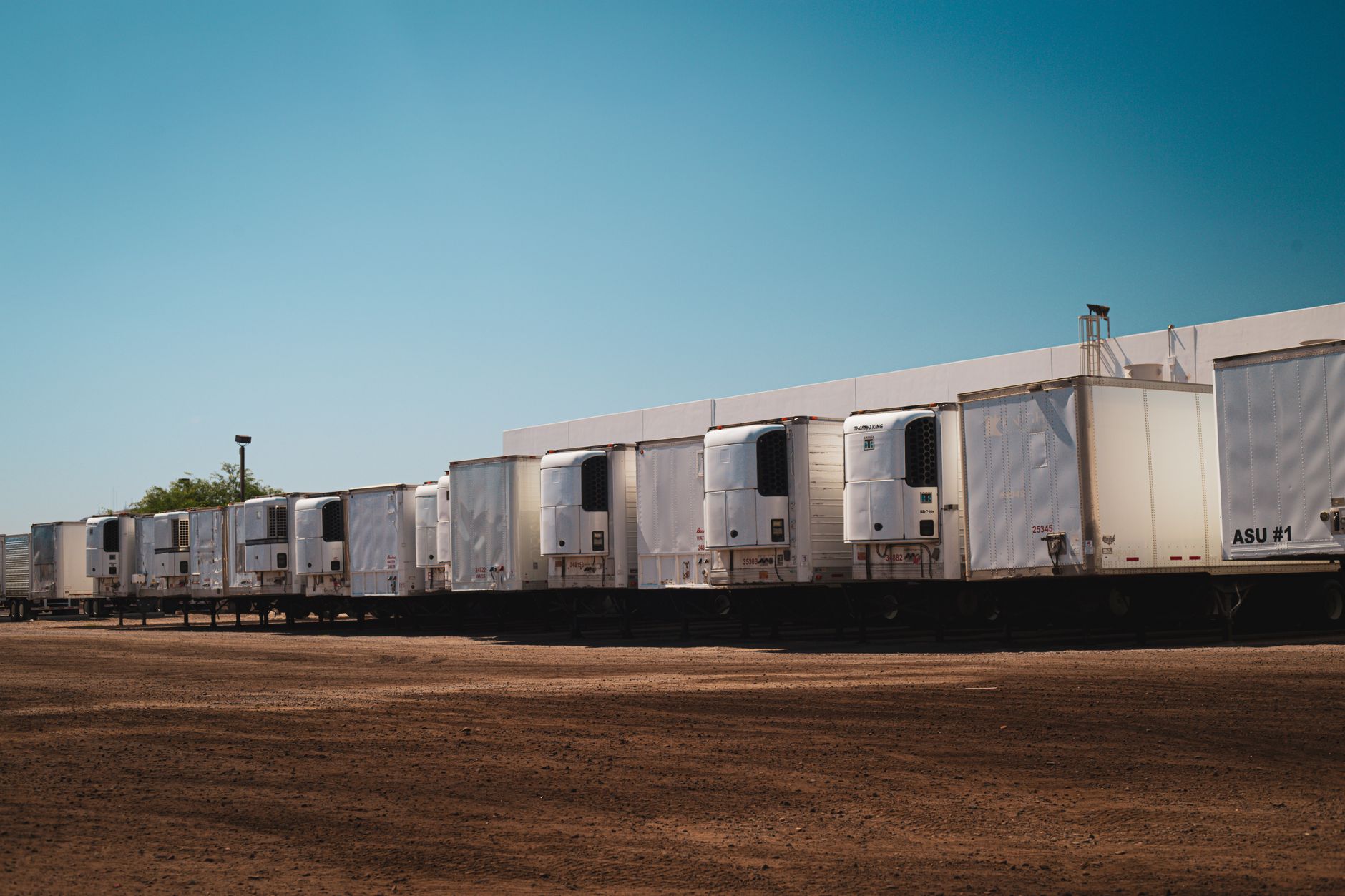
Founder Notes — Lotus Investment Group
Agri-Industrial Deal Structuring: Inside the Be Milk Model
Cấu trúc một thương vụ nông–công nghiệp: vốn cố định, dòng vốn lưu động và hợp đồng bao tiêu
Khoản 100 triệu USD mà Swiss Asia bỏ vào nhà máy sữa Be Milk cùng Prodezi thường được đọc như một câu chuyện cơ hội. Bài này đọc nó như một bản vẽ kỹ thuật. Một dự án sữa tích hợp không sống hay chết vì cầu thị trường; nó sống hay chết vì cách dòng tiền được xếp lớp giữa nhà máy, vùng nguyên liệu và kho lạnh. Câu hỏi thật không phải ‘thị trường có lớn không’, mà ‘tiền nằm ở đâu, quay vòng bao lâu, và ai chịu rủi ro ở từng khúc’.
Khi nhà đầu tư quốc tế cấu trúc một thương vụ chế biến nông sản ở Việt Nam, họ phải tách bài toán làm ba khối tách bạch: vốn cố định cho nhà máy và thiết bị, vốn lưu động cho chu kỳ thu mua đến bán hàng, và cơ chế hợp đồng để cố định nguồn nguyên liệu đầu vào. Mỗi khối có hồ sơ rủi ro riêng, kỳ vọng lợi nhuận riêng và đòi một loại vốn khác nhau. Trộn ba khối vào một dòng tiền duy nhất là cách nhanh nhất để một dự án trên giấy đẹp đẽ bị kẹt thanh khoản giữa chừng.
Bài này đi vào cơ chế chứ không bàn cơ hội. Vốn cố định được rót và khấu hao ra sao, vốn lưu động căng nhất ở khúc nào của mùa vụ, vì sao kho lạnh quyết định cả chất lượng lẫn quy mô vay được, hợp đồng bao tiêu khóa giá đầu vào theo kiểu nào, và làm sao cân tỷ trọng bán nội địa với xuất khẩu để dòng tiền không lệch về một phía. Đây là phần ít ai viết, nhưng là phần định đoạt khoản đầu tư có về đích hay không.
Ba khối vốn của một dự án chế biến, và vì sao phải tách bạch
Một nhà máy như Be Milk cần ba loại tiền làm ba việc khác nhau. Khối thứ nhất là vốn cố định: đất, nhà xưởng, dây chuyền chế biến, hệ thống kho lạnh. Đây là tiền nằm im nhiều năm, khấu hao dần, và cần nguồn vốn dài hạn chấp nhận hoàn vốn chậm — thường là vốn chủ sở hữu hoặc nợ kỳ hạn dài. Khối thứ hai là vốn lưu động: tiền mua sữa tươi, bao bì, năng lượng, trả lương trước khi hàng bán ra và thu được tiền về. Khối thứ ba là cam kết hợp đồng với vùng nguyên liệu, không phải tiền mặt nhưng là một nghĩa vụ tài chính có thật.
Lý do phải tách là vì mỗi khối chịu một loại rủi ro. Vốn cố định sợ nhất công suất chạy non — nhà máy xây cho 100 nhưng chỉ có nguyên liệu cho 60 thì khấu hao ăn mòn lợi nhuận. Vốn lưu động sợ nhất độ vênh giữa lúc chi và lúc thu. Hợp đồng bao tiêu sợ nhất giá thị trường rơi xuống dưới giá đã cam kết. Nhà đầu tư khôn ngoan định giá từng rủi ro riêng rồi mới ghép lại, thay vì nhìn dự án như một cục.
Vốn lưu động: nơi chu kỳ thu mua đến bán hàng quyết định thanh khoản
Phần dễ bị xem nhẹ nhất của một dự án nông–công nghiệp là khoảng cách thời gian giữa lúc tiêu tiền và lúc thu tiền. Sữa tươi phải mua hằng ngày và trả gần như ngay, vì nông hộ không gánh được công nợ dài. Nhưng thành phẩm thì mất hàng tuần để chế biến, đóng gói, đưa vào kênh phân phối, rồi mới về tiền — và nhà bán lẻ thường trả chậm ba mươi đến sáu mươi ngày. Khoảng vênh đó chính là vốn lưu động mà dự án phải tự gánh, ngày này qua ngày khác.
Khoảng vênh này phình to nhất vào mùa cao điểm nguyên liệu, đúng lúc dự án phải mua nhiều nhất. Một cấu trúc vốn bỏ quên điểm này sẽ trông rất khỏe trên bảng kế hoạch nhưng kẹt tiền mặt ngay năm đầu. Đây là lý do nhà đầu tư có kinh nghiệm luôn hỏi về chu kỳ chuyển đổi tiền mặt trước khi hỏi về biên lợi nhuận: một dự án biên đẹp nhưng chôn vốn lưu động sáu tháng vẫn có thể chết khát giữa dòng.
Kho lạnh: vừa là tài sản cố định, vừa là điều kiện để vay được
Trong chuỗi sữa và thực phẩm tươi, kho lạnh và vận chuyển lạnh không phải tiện ích cộng thêm — nó là xương sống. Mất chuỗi lạnh một mắt là mất cả lô hàng, và mất luôn niềm tin của kênh phân phối. Vì thế phần vốn cố định rót vào hệ thống lạnh không đọc đơn thuần là chi phí; nó là điều kiện để dự án giữ được chất lượng ổn định ở quy mô lớn, mà chất lượng ổn định lại là thứ mở cửa cho cả kênh bán lẻ hiện đại lẫn thị trường xuất khẩu.
Kho lạnh còn có một vai ít người để ý: nó thay đổi hồ sơ tín dụng của dự án. Một dự án giữ được hàng trong kho đạt chuẩn có thể dùng chính lượng hàng đó làm tài sản bảo đảm để vay vốn lưu động, thay vì bán tống bán tháo khi giá xuống. Nói cách khác, hạ tầng lạnh vừa bảo vệ biên lợi nhuận, vừa nới khả năng vay. Dự án nào tiết kiệm ở khúc này thường phải trả giá đắt hơn ở khúc thanh khoản.
Hợp đồng bao tiêu: khóa nguồn cung và đẩy rủi ro giá về đâu
Một nhà máy chế biến chỉ chạy đủ công suất khi có nguồn nguyên liệu chắc chắn. Ở một ngành mà vùng nguyên liệu còn phân tán như sữa Việt Nam, cách khóa nguồn cung là hợp đồng bao tiêu với nông hộ và hợp tác xã: cam kết mua một lượng nhất định, ở một mức giá hoặc công thức giá định trước, trong một thời hạn. Cấu trúc này biến một mạng lưới cung ứng rời rạc thành một dòng đầu vào có thể dự báo — điều kiện sống còn để vốn cố định không chạy non.
Nhưng hợp đồng bao tiêu không xóa rủi ro, nó chỉ chuyển rủi ro. Giá cam kết cố định bảo vệ nông hộ khi giá thị trường rơi, nhưng lúc đó dự án ôm phần thiệt. Ngược lại, khi giá thị trường vọt lên, nông hộ có động cơ bán ra ngoài và phá vỡ cam kết. Vì thế cách viết hợp đồng quyết định nó có đứng vững qua một mùa giá biến động hay không: công thức giá linh hoạt, điều khoản chia sẻ rủi ro, cơ chế giám sát. Đây là khâu kỹ thuật pháp lý, nhưng nó định cả độ ổn định của dòng tiền.
Cân tỷ trọng nội địa và xuất khẩu trong chính dòng tiền
Ở tầng cấu trúc, cân giữa bán nội địa và xuất khẩu không phải câu chuyện chiến lược thị trường mà là câu chuyện quản trị dòng tiền. Doanh thu nội địa về đều, bằng nội tệ, ăn khớp với chi phí nội tệ của vùng nguyên liệu — nó là phần neo cho thanh khoản. Doanh thu xuất khẩu thường lớn theo lô, biên cao hơn, nhưng đến không đều và mang theo rủi ro tỷ giá cùng thời hạn thanh toán dài hơn.
Một cấu trúc tốt dùng dòng tiền nội địa đều đặn để gánh chi phí vận hành cố định, rồi coi các lô xuất khẩu như phần biên lợi nhuận cộng thêm chứ không phải nguồn sống. Lệ thuộc xuất khẩu để trả các khoản đến hạn là tự đặt thanh khoản dưới biến động bên ngoài. Tỷ trọng hai kênh, vì thế, phải được thiết kế ngay trong mô hình tài chính từ đầu — không phải điều chỉnh về sau khi tiền đã kẹt.
Khi vốn ngoại áp chuẩn cấu trúc lên năng lực tại chỗ
Vốn từ một định chế như Swiss Asia mang theo một bộ chuẩn cấu trúc: phân lớp vốn rõ ràng, hợp đồng bao tiêu chặt chẽ, hệ thống báo cáo dòng tiền minh bạch, kỷ luật quản trị vốn lưu động. Những chuẩn này là thứ làm một dự án trở nên có thể cấp vốn và có thể nhân rộng. Nhưng chúng chỉ phát huy khi đối tác vận hành trong nước theo kịp: ghi chép thu mua đáng tin, giữ được cam kết với nông hộ, vận hành chuỗi lạnh đúng quy trình.
Đây là điểm gãy thường gặp. Cấu trúc vốn thiết kế đẹp đến mấy cũng vô nghĩa nếu khâu thực thi ở vùng nguyên liệu hay nhà máy không khớp. Khoảng cách giữa chuẩn vốn quốc tế và năng lực vận hành tại chỗ chính là rủi ro thực thi mà nhà đầu tư theo dõi sát nhất — vì nó tách dự án nhân rộng được khỏi dự án mãi mắc kẹt ở quy mô thí điểm. Đóng được khoảng cách đó, cấu trúc mới chuyển hóa thành lợi nhuận thật.
Kết luận
Một thương vụ nông–công nghiệp về đích hay không được quyết ở tầng cấu trúc, không phải ở tầng cơ hội. Vốn cố định phải đủ dài hơi để gánh nhà máy và kho lạnh; vốn lưu động phải đủ dày để vượt qua khoảng vênh giữa lúc chi và lúc thu; hợp đồng bao tiêu phải viết đủ khéo để khóa nguồn cung mà không tự ôm hết rủi ro giá. Be Milk là một lát cắt cho thấy ba khối ấy phải khớp với nhau như thế nào.
Phần khó nhất không nằm ở việc gọi đủ tiền, mà ở việc xếp đúng loại tiền vào đúng chỗ và để năng lực vận hành tại chỗ đỡ được cấu trúc đó. Khi vốn cố định, dòng vốn lưu động, cam kết bao tiêu và tỷ trọng hai thị trường được thiết kế ăn khớp ngay từ đầu, dự án có nền để nhân rộng. Khi không, nó vẫn có thể khởi động đẹp rồi tắt dần ở khúc thanh khoản mà không ai kịp nhận ra cho đến lúc quá muộn.
Lotus Investment Group tư vấn M&A xuyên biên giới và FDI vào Việt Nam và Đông Nam Á. Nếu quý vị đang thẩm định một vị thế tại Việt Nam, liên hệ với chúng tôi.
The $100 million Swiss Asia put into the Be Milk dairy plant alongside Prodezi usually gets read as an opportunity story. This piece reads it as an engineering drawing instead. An integrated dairy project does not live or die on market demand; it lives or dies on how cash is layered across the plant, the raw-material base, and the cold store. The real question is not whether the market is large, but where the money sits, how long it takes to turn over, and who carries the risk at each link.
When an international investor structures a food-processing deal in Vietnam, the problem splits into three distinct blocks: fixed capital for plant and equipment, working capital for the cycle from procurement to collection, and a contractual mechanism to lock down raw-material supply. Each block carries its own risk profile, its own return expectation, and demands a different kind of money. Folding all three into a single cash flow is the fastest way for a project that looks elegant on paper to seize up on liquidity midway through.
This piece works through the mechanics rather than the opportunity. How fixed capital is deployed and depreciated, where the working-capital strain peaks within the crop cycle, why cold storage governs both quality and borrowing capacity, how offtake contracts fix input pricing, and how to balance domestic and export sales so the cash flow does not tilt to one side. It is the part few people write about, yet it is the part that decides whether the investment reaches the finish line.
The three capital blocks of a processing deal, and why they stay separate
A plant like Be Milk needs three kinds of money doing three different jobs. The first is fixed capital: land, buildings, processing lines, the cold-storage system. This money sits still for years, depreciates gradually, and needs a long-horizon source comfortable with slow payback, typically equity or long-tenor debt. The second is working capital: cash to buy fresh milk, packaging, energy, and to pay wages before product ships and revenue returns. The third is the contractual commitment to the raw-material base, not cash but a real financial obligation.
The reason to keep them separate is that each block carries a different risk. Fixed capital fears running below capacity most of all: a plant built for 100 but fed inputs for 60 watches depreciation eat its margin. Working capital fears the gap between when cash goes out and when it comes back. The offtake contract fears the market price falling below the price already committed. A disciplined investor prices each risk on its own before combining them, rather than treating the project as one undifferentiated lump.
Working capital: where the procurement-to-collection cycle governs liquidity
The most underestimated part of an agri-industrial deal is the time gap between spending cash and collecting it. Fresh milk has to be bought daily and paid for almost immediately, because smallholder farmers cannot carry long receivables. The finished product, by contrast, takes weeks to process, package, move into distribution, and only then convert to cash, and modern retailers commonly pay on thirty to sixty days. That gap is the working capital the project has to carry itself, day after day.
The gap swells most at peak input season, exactly when the project has to buy the most. A capital structure that overlooks this looks sound on the planning sheet but runs short of cash in the first year. This is why experienced investors ask about the cash conversion cycle before they ask about margins: a project with an attractive margin but six months of buried working capital can still die of thirst mid-stream.
Cold storage: a fixed asset and a borrowing condition at once
In a dairy and fresh-food chain, cold storage and refrigerated transport are not an add-on utility, they are the backbone. Break the cold chain at one link and the whole lot is lost, along with the distributor’s confidence. The fixed capital poured into the cold system therefore does not read simply as cost; it is the condition that lets the project hold consistent quality at scale, and consistent quality at scale is what opens the door to both modern retail and the export market.
Cold storage also plays a role few notice: it changes the project’s credit profile. A project able to hold product in compliant storage can use that inventory as collateral to borrow working capital, rather than dumping stock when prices fall. In other words, cold infrastructure both protects the margin and widens borrowing capacity. Projects that economise here usually pay a steeper price later, at the liquidity link.
Offtake contracts: locking supply and where the price risk lands
A processing plant only runs at full capacity with a reliable feed of raw material. In a sector where the supply base is still fragmented, as Vietnamese dairy is, the way to lock supply is the offtake contract with farmers and cooperatives: a commitment to buy a set volume, at a pre-agreed price or pricing formula, over a fixed term. This structure turns a scattered supply network into a predictable input stream, the precondition that keeps fixed capital from running below capacity.
But an offtake contract does not erase risk, it only moves it. A fixed committed price protects the farmer when the market falls, but then the project absorbs the loss. Conversely, when the market price spikes, farmers have an incentive to sell elsewhere and break the commitment. So the way the contract is written, the flexible pricing formula, the risk-sharing clauses, the monitoring mechanism, decides whether it survives a volatile season. It is a piece of legal engineering, but it governs the stability of the entire cash flow.
Balancing domestic and export weight inside the cash flow itself
At the structural level, balancing domestic and export sales is not a market-strategy question but a cash-management one. Domestic revenue comes in steadily, in local currency, matched to the local-currency cost of the raw-material base, and it anchors liquidity. Export revenue tends to arrive in larger lots at higher margins, but unevenly, carrying currency risk and longer payment terms.
A sound structure uses the steady domestic cash flow to carry fixed operating costs, then treats export lots as incremental margin rather than the lifeblood. Relying on exports to meet maturing obligations puts liquidity at the mercy of external swings. The weighting of the two channels, therefore, has to be designed into the financial model from the start, not adjusted afterward once the cash has already locked up.
When foreign capital imposes structure on local capacity
Capital from an institution like Swiss Asia brings a set of structuring standards: clear capital layering, tight offtake contracts, transparent cash-flow reporting, working-capital discipline. These standards are what make a project financeable and able to scale. But they only work when the local operating partner keeps pace: reliable procurement records, commitments to farmers held, the cold chain run to procedure.
This is the familiar breaking point. However elegantly the capital structure is designed, it counts for nothing if execution at the raw-material base or the plant does not align. The gap between international capital standards and local operating capacity is precisely the execution risk investors watch most closely, because it separates the project that scales from the one stuck at pilot size. Close that gap, and only then does structure convert into real returns.
Conclusion
Whether an agri-industrial deal reaches the finish line is decided at the structural level, not the opportunity level. Fixed capital has to be patient enough to carry the plant and the cold store; working capital has to be deep enough to bridge the gap between spending and collecting; the offtake contract has to be written deftly enough to lock supply without absorbing all the price risk. Be Milk is a slice showing how those three blocks have to fit together.
The hardest part is not raising enough money but placing the right kind of money in the right place, and letting local operating capacity hold up that structure. When fixed capital, the working-capital cycle, the offtake commitment, and the weighting of the two markets are designed to mesh from the outset, the project has a base to scale on. When they are not, it can still launch well and fade out at the liquidity link, unnoticed until it is too late.
Lotus Investment Group advises on cross-border M&A and FDI into Vietnam and Southeast Asia. If you are underwriting Vietnam exposure, get in touch.
Nguồn / Sources
[1]
Vietnam Investment Review (2026) — Swiss Asia partner SA joins Prodezi on $100 million Be Milk plant.
[2]
Bài liên quan / Related: https://lotusventure.co/2026/04/vietnam-dairy-investment-agri-industrial-scaling/