


Agri-Industrial Deal Structuring: Inside the Be Milk Model
April 16, 2026
Vietnam Capital Deployment: An Investor Playbook
April 17, 2026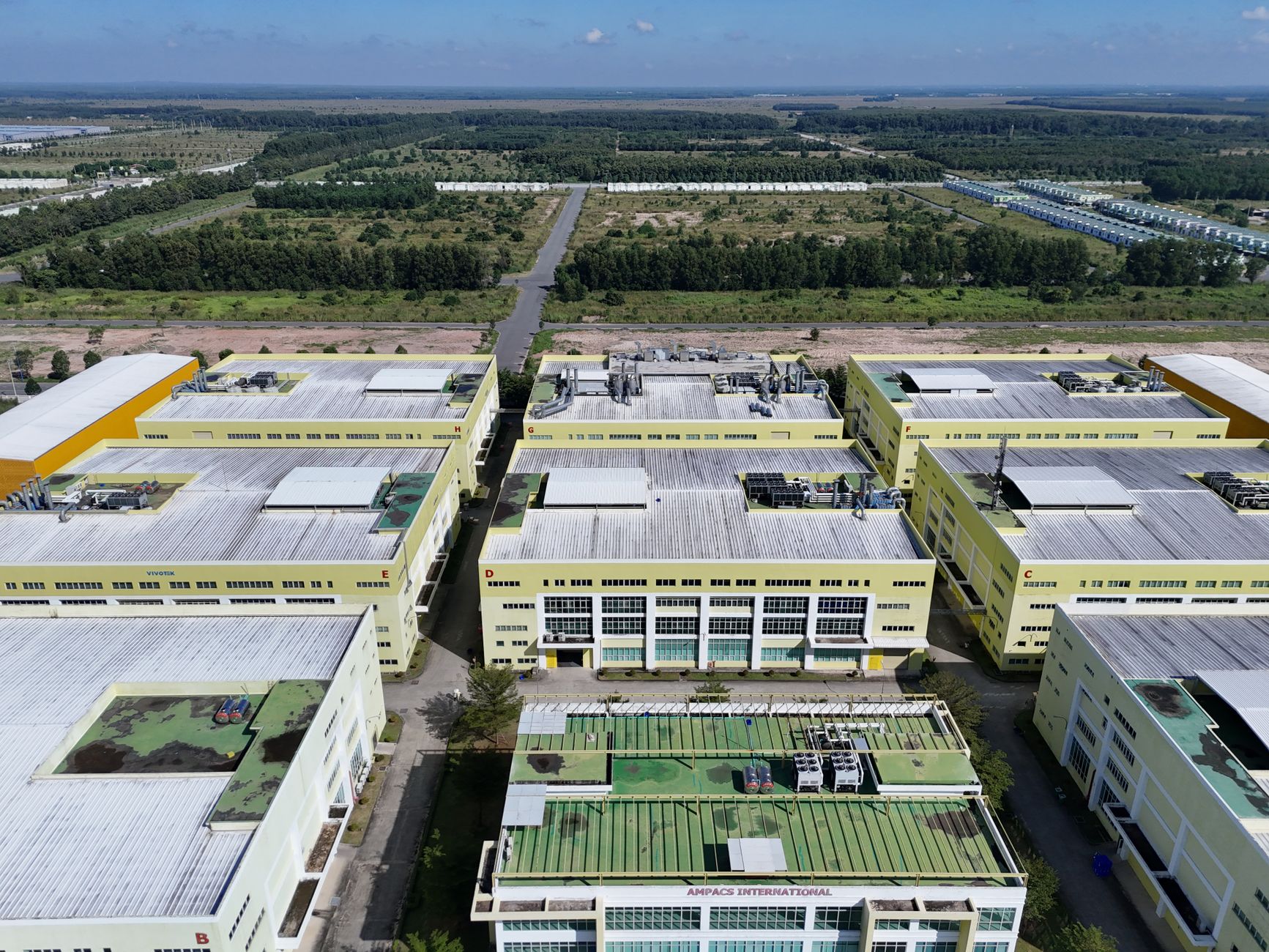
Founder Notes — Lotus Investment Group
Vietnam FDI Growth: Registered vs Disbursed Capital
Vốn FDI tăng tốc vào Việt Nam: khoảng cách giữa vốn đăng ký và vốn giải ngân mới là câu chuyện thật
Vốn FDI đăng ký vào Việt Nam quý đầu năm tăng hơn 40% so với cùng kỳ. Con số nghe ấn tượng, và nó có lý do để ấn tượng: nhà đầu tư từ châu Á, châu Âu và Bắc Mỹ đang cùng nhìn về một thị trường. Nhưng vốn đăng ký không phải vốn chảy vào nhà máy. Khoảng cách giữa hai con số đó, giữa cam kết trên giấy và tiền thực sự giải ngân, mới nói lên Việt Nam đang ở đâu trong chu kỳ vốn lần này.
Dòng vốn lần này không gói gọn trong một chủ đề. Chế tạo vẫn hút phần lớn vì gắn vào chuỗi cung ứng toàn cầu. Hạ tầng số và các dự án liên quan AI mở ra lớp vốn mới. Thực phẩm, bán lẻ và tiêu dùng nội địa kéo về một lớp vốn khác, đặt cược vào sức cầu dài hạn. Mỗi lớp mang một kỳ vọng riêng về quản trị, tốc độ thực thi và lợi suất. Việt Nam vì thế không còn là nơi nhận vốn thụ động; đất nước đang trở thành sàn để vốn được cấu trúc, triển khai và điều phối.
Điều đó thay đổi cả cách đọc con số. Vốn đăng ký đo niềm tin; vốn giải ngân đo năng lực hấp thụ. Khi nhiều lớp vốn cùng đổ về, áp lực dồn lên cùng một hệ thống hạ tầng, năng lượng và pháp lý. Bài viết này nhìn cả hai mặt: cơ hội mà đợt vốn này mở ra, và những nút thắt cấu trúc quyết định bao nhiêu trong số vốn cam kết thật sự thành nhà máy đang chạy.
Vốn đăng ký không phải vốn giải ngân
Đây là điểm dễ bị bỏ qua nhất khi đọc một con số tăng trưởng đẹp. Vốn đăng ký là cam kết — một tập đoàn ghi danh ý định rót tiền. Vốn giải ngân là phần thật sự chuyển thành đất, nhà xưởng, thiết bị và lương công nhân. Trong các chu kỳ FDI trước, hai con số này thường lệch nhau đáng kể, và độ lệch ấy phơi bày năng lực hấp thụ thực của một nền kinh tế. Một quý ghi nhận vốn đăng ký tăng vọt chưa chắc kéo theo giải ngân tương xứng nếu hạ tầng, thủ tục hay nguồn điện chưa theo kịp.
Vậy nên cách đọc tỉnh táo là tách bạch hai con số ngay từ đầu. Tăng trưởng vốn đăng ký cho thấy Việt Nam vẫn nằm trong tầm ngắm của vốn toàn cầu — điều này thật và đáng kể. Nhưng quỹ đạo giải ngân mới cho biết hệ thống có biến cam kết thành sản lượng hay không. Nhà đầu tư tổ chức đã quen nhìn vào tỷ lệ giải ngân trên vốn đăng ký như một chỉ báo chất lượng thị trường. Khi khoảng cách giãn rộng, đó là dấu hiệu của nút thắt thực thi; khi nó thu hẹp, niềm tin được củng cố và vốn mới có cơ sở để theo vào.
Dòng vốn hội tụ theo nhiều lớp, không còn theo một chu kỳ đơn lẻ
Vốn vào Việt Nam giờ phản ánh sự đan xen của nhiều lớp cùng vận hành. Đầu tư chế tạo truyền thống vẫn giữ vai trò trung tâm, được nâng đỡ bởi xu hướng đa dạng hóa chuỗi cung ứng và lợi thế chi phí. Nhưng những lớp mới đang chen vào: vốn cho hạ tầng số, năng lực AI, và dòng vốn tổ chức gắn với chiến lược dài hạn. Các lớp này không chạy độc lập. Một trung tâm dữ liệu phụ thuộc vào nguồn điện; nguồn điện lại chịu sức ép từ nhu cầu công nghiệp rộng hơn. Chúng kéo nhau qua cùng một hệ hạ tầng và cùng một khung chính sách.
Sự đan xen đó khiến điều phối thành chuyện sống còn. Một chính sách ưu đãi cho lớp vốn này không được vô tình bóp nghẹt lớp khác. Quy hoạch hạ tầng phải tính gộp nhu cầu của công nghiệp, lĩnh vực số và đô thị. Nhà đầu tư cân nhắc liệu bộ máy nhà nước có quản nổi những tương tác ấy không. Thị trường nào điều phối kém sẽ sinh ra kém hiệu quả và lợi suất tụt. Việt Nam vì thế cần tiếp cận ở cấp hệ thống chứ không vá từng mảnh. Vốn bây giờ chảy theo logic hệ thống, không còn theo cơ hội rời rạc.
Hạ tầng, năng lượng và năng lực thực thi quyết định hấp thụ được bao nhiêu vốn
Hấp thụ và dùng được vốn FDI cho hiệu quả phụ thuộc vào sức mạnh của hạ tầng và bộ máy thực thi bên dưới. Mạng lưới giao thông, nguồn điện và kết nối số đều phải mở rộng theo nhịp dòng vốn. Nguồn điện vẫn là ràng buộc gắt nhất, đặc biệt với các lĩnh vực ngốn điện như chế tạo và trung tâm dữ liệu. Nút thắt hạ tầng làm chậm dự án, đội chi phí và bào mòn hiệu quả đầu tư. Nhà đầu tư ngày càng cân năng lực hấp thụ khi phân bổ vốn, vì nó tác động thẳng vào lợi suất.
Năng lực thực thi quyết định liệu hạ tầng và chính sách có biến thành kết quả thật hay không. Dự án phải đi từ phê duyệt đến vận hành cho trơn tru thì mới sinh lợi. Chậm trễ hay thiếu nhất quán làm xói mòn niềm tin và bóp dòng vốn tương lai. Việt Nam cần siết điều phối giữa các cơ quan và các bên liên quan để đỡ khâu thực thi. Nhà đầu tư theo dõi sát thành tích triển khai khi cân nhắc mở rộng. Làm tốt thì củng cố niềm tin và hút thêm vốn; làm yếu thì tạo ràng buộc lan ra cả hệ thống. Năng lực hấp thụ định đoạt tính bền của tăng trưởng FDI.
Nhà đầu tư chuyển từ săn cơ hội sang điều hướng hệ thống
Ở các giai đoạn đầu, nhà đầu tư vào Việt Nam chủ yếu săn lợi thế chi phí và tiềm năng tăng trưởng. Những yếu tố ấy vẫn còn giá trị, nhưng đã không còn đủ để bảo đảm lợi suất ổn định. Thị trường phức tạp hơn buộc nhà đầu tư điều hướng qua các hệ thống đan xen thay vì chỉ nhìn từng dự án rời. Họ phải hiểu hạ tầng, chính sách và động lực ngành tương tác ra sao. Bỏ qua những tương tác đó dễ dẫn tới trục trặc thực thi và kết quả dưới kỳ vọng.
Điều hướng hệ thống đòi hỏi năng lực phân tích pháp lý, đánh giá hạ tầng và phối hợp với các bên liên quan. Nhà đầu tư phải tích lũy hiểu biết bản địa và xây quan hệ tại chỗ, thường thông qua đối tác tư vấn và vận hành đã dày dạn thị trường. Thị trường nào tưởng thưởng cho tư duy cấp hệ thống sẽ kéo về dòng vốn tinh tế hơn. Việt Nam đang dịch dần về mô hình ấy, phản ánh mức hội nhập ngày càng sâu vào mạng lưới đầu tư toàn cầu. Ai thích nghi được sẽ nắm cơ hội lớn; ai không thì đối mặt với khó khăn chồng chất.
Cấu trúc vốn phải phản ánh rủi ro và lợi suất đang đổi
Cấu trúc vốn ngày càng quan trọng khi nhà đầu tư phải lèo lái giữa rủi ro và lợi suất biến động. Dự án phải được thiết kế để chịu được bất định về nguồn điện, quy trình pháp lý và sức cầu thị trường. Điều này thường kéo theo việc xếp lớp vốn với các mức rủi ro khác nhau — vốn cổ phần, vốn vay và công cụ lai. Cấu trúc phải đủ linh hoạt để xoay theo điều kiện thay đổi. Dự án bố trí vốn vụng dễ chật vật khi chốt tài chính hoặc khi cố đạt lợi suất kỳ vọng.
Việt Nam cần hỗ trợ phát triển các khung tài chính cho phép cấu trúc vốn tinh vi: pháp lý rõ ràng, tiếp cận nguồn tài trợ và quy trình giao dịch hiệu quả. Nhà đầu tư cân nhắc liệu thị trường có dung được các cấu trúc phức tạp mà không sinh quá nhiều ma sát. Khung mạnh thì giảm rủi ro và cải thiện hiệu quả vốn; khung yếu thì đội chi phí và hạn chế đầu tư. Trong một môi trường bất định, chính thiết kế vốn quyết định sức chống chịu.
Vốn dồn vào vài ngành vừa là cơ hội vừa là rủi ro hệ thống
Nhiều lớp vốn cùng hội tụ tạo dư địa bứt phá, nhưng cũng gài vào những dạng rủi ro hệ thống mới. Đầu tư dồn dập đẩy nhanh phát triển, đồng thời căng cả hạ tầng lẫn năng lực thể chế. Vốn tập trung quá mức vào một vài lĩnh vực như hạ tầng số hay chế tạo dễ tạo mất cân đối nếu không quản khéo. Nhà đầu tư phải xét xem những rủi ro đó có được xử lý qua quy hoạch phối hợp và chính sách đồng bộ hay chưa. Rủi ro hệ thống càng rối khi tương tác giữa các ngành dày lên.
Việt Nam phải cân giữa lợi ích của dòng vốn nhanh và yêu cầu ổn định, bền vững. Muốn vậy phải theo dõi phân bổ theo ngành, mức sử dụng hạ tầng và thành tích thực thi. Quản rủi ro tốt thì củng cố niềm tin và đỡ đầu tư dài hạn; quản kém thì sinh kém hiệu quả và lợi suất tụt. Hội tụ khuếch đại cả mặt được lẫn mặt mất. Sức bền của hệ thống mới là thứ định đoạt kết cục.
Kết luận
Đợt tăng vốn FDI lần này phản ánh sự hội tụ sâu hơn của các dòng vốn toàn cầu muốn bám vào đà tăng trưởng của Việt Nam. Hội tụ cho phép mở rộng trên nhiều ngành, từ chế tạo đến hạ tầng số. Nhưng nó cũng đặt ra thách thức mới về điều phối, hạ tầng và thực thi. Khả năng quản những động lực ấy sẽ định đoạt kết quả dài hạn.
Giai đoạn tới phụ thuộc vào việc Việt Nam khớp được dòng vốn vào với năng lực của hệ thống tới đâu. Quan trọng hơn cả: biến bao nhiêu vốn đăng ký thành vốn giải ngân thật. Nhà đầu tư sẽ ngày càng chấm điểm thị trường theo khả năng cho ra kết quả ổn định và mở rộng được. Khớp được, Việt Nam giữ vững vị thế điểm đến đầu tư hàng đầu; không khớp, các ràng buộc hệ thống sẽ ghìm tăng trưởng lại. Con số đăng ký chỉ là lời hứa. Giải ngân mới định đoạt kết cục.
Lotus Investment Group tư vấn M&A xuyên biên giới và FDI vào Việt Nam và Đông Nam Á. Nếu quý vị đang thẩm định một vị thế tại Việt Nam, liên hệ với chúng tôi.
Vietnam’s registered FDI rose more than 40 per cent year-on-year in the first quarter. The figure looks impressive, and it has reason to: investors from Asia and the West are converging on the same market. But registered capital is not capital in the ground. The gap between the two numbers, between what’s pledged on paper and what’s actually disbursed, tells you where Vietnam really sits in this cycle.
This round of capital doesn’t fit one theme. Manufacturing still draws the bulk of it, tied into global supply chains. Digital infrastructure and AI-linked projects open a new layer. Food, retail and other domestic-consumption plays pull in another, betting on long-run demand. Each layer carries its own expectations around governance, execution speed and returns. So Vietnam is no longer a passive recipient; the country is becoming a platform where capital gets structured and coordinated.
That changes how the headline should be read. Registered capital measures confidence; disbursed capital measures absorption capacity. When several layers of capital arrive together, the pressure lands on the same infrastructure and regulatory systems. This piece looks at both sides: the opportunity this wave opens, and the structural constraints that decide how much of the committed capital actually turns into operating plants.
Registered capital is not disbursed capital
This is the part most easily lost behind a pretty growth figure. Registered capital is a commitment — a corporation logging its intent to invest. Disbursed capital is what actually converts into land, plant and wages on the ground. In earlier FDI cycles the two numbers diverged considerably, and that divergence exposed an economy’s real absorption capacity. A quarter that books a jump in registered capital doesn’t guarantee matching disbursement if approvals or power supply haven’t kept pace.
The sober read, then, separates the two from the start. Growth in registered capital shows Vietnam remains squarely in the sights of global capital — that’s real and significant. But the disbursement trajectory is what reveals whether the system converts commitment into output. Institutional investors have long read the ratio of disbursed to registered capital as a quality signal. When the gap widens, it points to an execution bottleneck; when it narrows, confidence firms up and new capital has grounds to follow.
Capital now converges in layers, not in a single cycle
Capital coming into Vietnam now reflects several layers operating at once. Traditional manufacturing investment holds the centre, supported by supply-chain diversification and cost advantage. But newer layers are pushing in: capital for digital infrastructure, AI capacity, and institutional money tied to long-horizon strategies. These layers don’t run independently. A data centre depends on power supply; power supply in turn faces pressure from broader industrial demand. They pull on each other through the same infrastructure and the same policy framework.
That interlocking raises the stakes on coordination. An incentive for one layer of capital can’t quietly choke another. Infrastructure planning has to net out demand from industry, the digital sector and urban growth. Investors weigh whether the state can manage those interactions at all. Markets that coordinate poorly breed inefficiency and thinner returns. Vietnam needs a system-level approach rather than patching one piece at a time. Capital now flows on system logic, not isolated opportunity.
Infrastructure, energy and execution decide how much capital gets absorbed
Absorbing and using FDI well rests on the strength of the underlying infrastructure and the execution machinery beneath it. Transport networks, power supply and digital connectivity all have to scale with the flow of capital. Power remains the tightest constraint, especially for energy-hungry sectors like manufacturing and data centres. Infrastructure bottlenecks delay projects, push up costs and erode investment efficiency. Investors increasingly price absorption capacity into allocation decisions, because it feeds straight through to returns.
Execution capacity decides whether infrastructure and policy turn into real outcomes. A project has to move cleanly from approval to operation before it earns anything. Delays and inconsistency erode confidence and choke future inflows. Vietnam has to tighten coordination across agencies and stakeholders to support delivery. Investors watch execution track records closely when they weigh expansion. Strong delivery reinforces confidence and draws more capital; weak delivery creates constraints that ripple across the system. Absorption capacity sets the durability of FDI growth.
Investors shift from sourcing opportunities to navigating systems
In the early phases, investors in Vietnam chiefly hunted cost advantage and growth potential. Those factors still matter, but they no longer secure consistent returns on their own. A more complex market forces investors to navigate interlocking systems rather than read isolated deals. They have to understand how infrastructure and policy interact with sector dynamics. Ignoring those interactions invites execution trouble and underperformance.
System navigation calls for capability in regulatory analysis, infrastructure assessment and stakeholder coordination. Investors have to build local knowledge and relationships on the ground, often through advisory and operating partners who know the market well. Markets that reward system-level thinking attract more sophisticated capital. Vietnam is shifting toward that model as it integrates more deeply into global investment networks. Those who adapt capture the larger opportunity; those who don’t run into mounting friction.
Capital structuring has to reflect shifting risk and return
Structuring matters more as investors steer through volatile risk and return. Projects have to be designed to absorb uncertainty around power supply, regulatory process and market demand. That often means layering capital at different risk levels, mixing equity with debt and hybrid instruments. The structure has to stay flexible enough to bend with changing conditions. Poorly arranged projects struggle to reach financial close or to deliver the returns they promised.
Vietnam needs to support financial frameworks that allow sophisticated structuring: regulatory clarity, access to financing, and efficient transaction processes. Investors weigh whether the market can accommodate complex structures without excessive friction. Strong frameworks cut risk and improve capital efficiency; weak ones raise costs and limit investment. In an uncertain environment, capital design is what determines resilience.
Capital crowding into a few sectors is both opportunity and systemic risk
Several layers of capital converging at once opens room for a breakout, but it also wires in new forms of systemic risk. Heavy investment accelerates development while straining both infrastructure and institutional capacity. Capital concentrated in a handful of sectors, mostly digital infrastructure and manufacturing, can breed imbalance if it isn’t managed well. Investors have to judge whether those risks are being handled through coordinated planning and aligned policy. Systemic risk grows knottier as the interactions between sectors thicken.
Vietnam has to balance the upside of fast capital against the need for stability. That means watching sectoral distribution, infrastructure utilisation and execution performance. Sound risk management firms up confidence and supports long-term investment; poor management breeds inefficiency and thinner returns. Convergence amplifies both the upside and the downside. System resilience is what settles the outcome.
Conclusion
Vietnam’s recent FDI surge reflects a deeper convergence of global capital seeking exposure to the country’s growth. Convergence opens room to expand across sectors, from manufacturing to digital infrastructure. It also raises fresh challenges of coordination and execution. The capacity to manage those dynamics will set the long-term result.
The next phase turns on how well Vietnam aligns incoming capital with system capability — and above all, on how much registered capital becomes real disbursement. Investors will increasingly grade markets on their ability to deliver consistent, scalable results. Get the alignment right, and Vietnam holds its place as a leading destination; miss it, and systemic constraints pin growth down. Registered capital opens the opportunity. Disbursement settles the outcome.
Lotus Investment Group advises on cross-border M&A and FDI into Vietnam and Southeast Asia. If you are underwriting Vietnam exposure, get in touch.
Nguồn / Sources
[1]
Vietnam Investment Review (2026) — FDI surges in Vietnam as Q1 capital climbs 43 per cent on-year.