
Vietnam Railway Execution Capacity: The Supply Limit
April 27, 2026
Vietnam Agri-Investment Structuring: Risk & Capital
April 28, 2026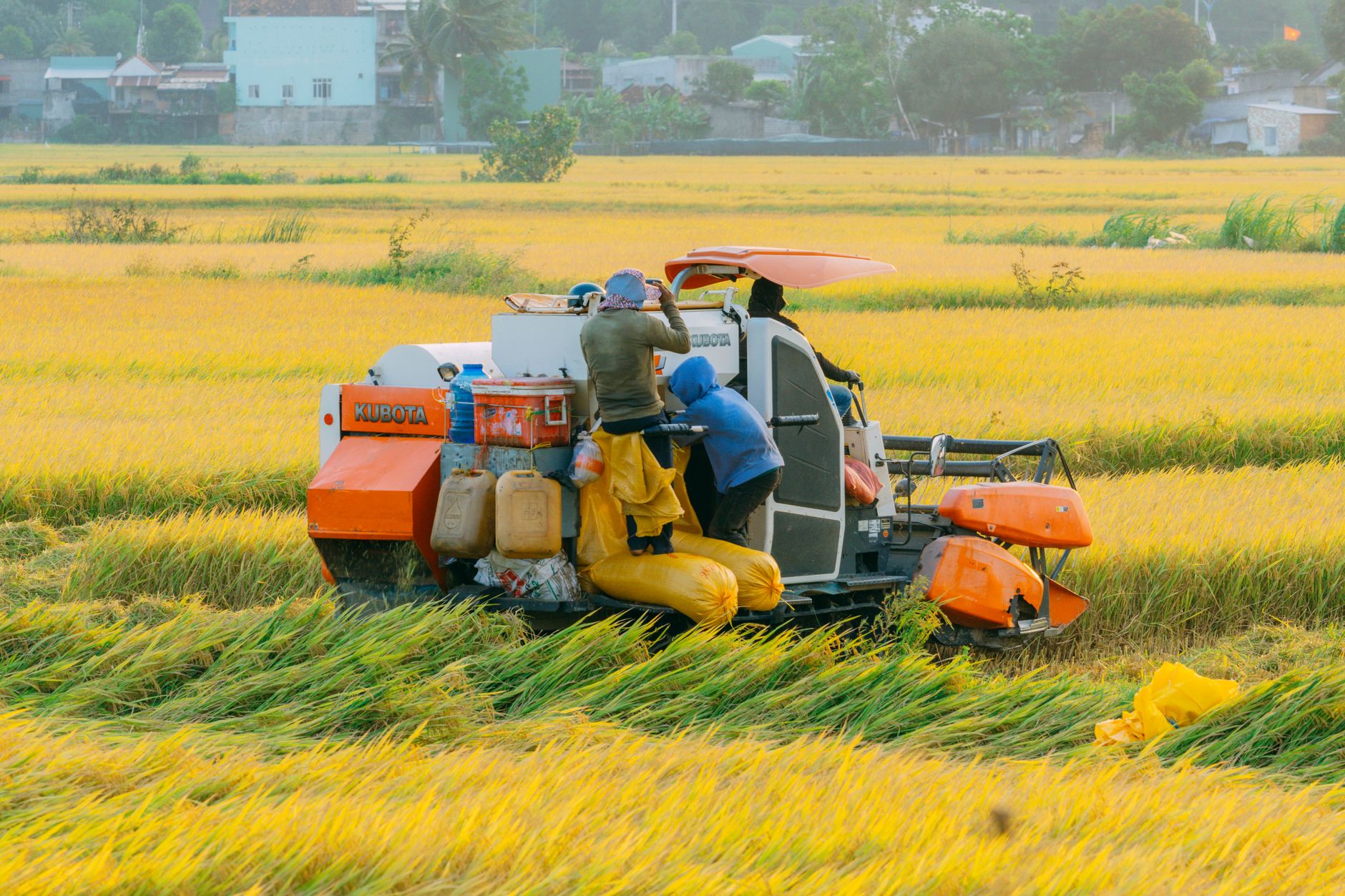
Founder Notes — Lotus Investment Group
Vietnam agricultural partnership: value and risk
Hợp tác nông nghiệp Việt Nam – Hàn Quốc: cơ hội nâng giá trị và bài toán phân bổ rủi ro trong chuỗi cung ứng
Hàn Quốc và Việt Nam đang siết chặt hợp tác nông nghiệp theo một hướng khác hẳn trước. Không còn là chuyện mua bán nông sản thô giá thấp, mà là dựng những mô hình đầu tư công nghệ cao, giá trị lớn, gắn liền cả chuỗi cung ứng. Phía Hàn Quốc mang vào kỹ thuật canh tác chính xác, mô hình sản xuất có cấu trúc, năng lực tổ chức chuỗi. Phía Việt Nam có đất, có lao động, có nhu cầu nâng cấp một ngành lâu nay chủ yếu xuất thô, biên lợi nhuận mỏng.
Điều đáng chú ý là dòng vốn này không chạy theo từng nông trại riêng lẻ nữa. Nhà đầu tư nhắm tới các nền tảng nông nghiệp tích hợp dọc, có thể nhân rộng — nơi khâu trồng trọt, chế biến và phân phối nối liền nhau. Khả năng leo lên những nấc giá trị cao hơn của chuỗi mới là thứ quyết định sức cạnh tranh dài hạn. Nông nghiệp Việt Nam đang được mời gọi dịch chuyển từ sản lượng sang giá trị.
Nhưng cơ hội nào cũng có cái giá của nó. Bài toán khó nhất nằm ở chỗ rủi ro trong chuỗi nông nghiệp đang phân bổ rất lệch. Nông hộ nhỏ chịu sức ép thời tiết, dịch bệnh và biến động giá với năng lực tài chính mỏng manh; doanh nghiệp chế biến và xuất khẩu thì gánh rủi ro về chất lượng và nguồn cung không ổn định. Vốn vào được hay không, vào nhanh hay chậm, phụ thuộc vào việc các bên có chia sẻ rủi ro thoả đáng hay không. Bài viết này nhìn cả hai mặt: sức bật của mô hình và những nút thắt cấu trúc phải gỡ để giữ được nó.
Công nghệ nâng năng suất và kéo cả chuỗi lên giá trị cao
Công nghệ là đòn bẩy trung tâm để đưa nông nghiệp Việt Nam ra khỏi vùng sản lượng lớn, biên lợi nhuận thấp. Đối tác Hàn Quốc mạnh ở canh tác chính xác, tự động hóa và quản lý nông nghiệp dựa trên dữ liệu — những thứ giúp tăng năng suất, dùng tài nguyên hiệu quả hơn và đẩy chất lượng sản phẩm lên. Vấn đề là công nghệ phải được điều chỉnh cho hợp điều kiện bản địa và ăn khớp với tập quán canh tác sẵn có, chứ không thể bê nguyên xi.
Nhà đầu tư nhìn rất kỹ một điểm: công nghệ có triển khai được ở quy mô lớn hay chỉ dừng ở vài dự án thí điểm. Muốn vậy, Việt Nam phải lo phần hạ tầng đào tạo, tập huấn cho nông dân và đội ngũ vận hành tại chỗ tiếp cận được kiến thức lẫn nguồn lực để dùng công nghệ cho ra việc. Một hệ sinh thái hấp thụ và duy trì được nâng cấp công nghệ sẽ kéo năng suất và sức cạnh tranh đi lên. Còn nếu hấp thụ kém, tác động loãng đi và suất sinh lời tụt theo.
Chuỗi cung ứng tích hợp mở đường ra thị trường giá cao
Trong thị trường nông sản hiện đại, giá trị nằm ở chuỗi cung ứng được tổ chức liền mạch chứ không ở từng lô hàng rời rạc. Hợp tác với Hàn Quốc mở cho nông sản Việt Nam cánh cửa vào các mạng lưới phân phối đã thiết lập và những phân khúc thị trường quốc tế có sức trả giá cao hơn. Cái khó là phải đồng bộ từ khâu sản xuất, chế biến đến hậu cần. Một mắt xích yếu đủ kéo cả chuỗi xuống về hiệu quả lẫn chất lượng.
Việt Nam phải củng cố hậu cần và kiểm soát chất lượng để chuỗi vận hành trơn: kho lạnh, mạng lưới vận chuyển, quy trình chứng nhận. Đây cũng là phần nhà đầu tư soi kỹ, vì nó quyết định hàng có đáp ứng nổi yêu cầu của thị trường toàn cầu hay không. Chuỗi mạnh thì nâng được sức cạnh tranh xuất khẩu và dư địa doanh thu; chuỗi yếu thì sinh ra điểm nghẽn và đánh rơi giá trị lẽ ra giữ được.
Đưa nông hộ nhỏ vào hệ thống để ổn định nguồn cung
Kéo được nông hộ nhỏ vào một hệ thống có tổ chức là điều kiện cốt lõi để nguồn cung ổn định và chất lượng đồng đều. Sự manh mún ở khâu sản xuất tạo ra biến động, mà biến động ấy lan xuống chế biến và xuất khẩu. Muốn gỡ, hợp tác phải dựng được cơ chế gắn lợi ích của nông dân với mục tiêu chung của cả chuỗi — hợp đồng bao tiêu, tiếp cận vốn, hỗ trợ kỹ thuật. Thiếu những cơ chế đó, nguồn cung chập chờn sẽ bào mòn suất sinh lời.
Khung chính sách vì thế phải đỡ được nông hộ tham gia: mở rộng tín dụng, đào tạo, kết nối thị trường. Nhà đầu tư đánh giá xem nông dân có giữ được chất lượng và sản lượng đều đặn hay không, bởi đó chính là nền của niềm tin đầu tư. Nông hộ gắn kết tốt thì rủi ro vận hành giảm, mô hình mới nhân rộng được; còn gắn kết lỏng thì biến động trở thành trần chặn tăng trưởng.
Tuân thủ xuất khẩu và tiêu chuẩn chất lượng quyết định cửa vào thị trường cao cấp
Cửa vào các thị trường xuất khẩu giá trị cao phụ thuộc vào năng lực đáp ứng tiêu chuẩn chất lượng và tuân thủ ngặt nghèo. Đối tác Hàn Quốc mở lối vào những thị trường đó, nhưng đồng thời nâng kỳ vọng về truy xuất nguồn gốc, an toàn và chứng nhận. Đạt được mức ấy đòi hỏi phối hợp đồng bộ qua sản xuất, chế biến và hậu cần. Một lần trượt tuân thủ là một lô hàng bị trả về, kéo theo thiệt hại tài chính thật.
Phần này Việt Nam phải nâng khung quản lý và hệ thống giám sát: quy trình chứng nhận, cơ chế kiểm soát chất lượng, năng lực thực thi. Nhà đầu tư cân nhắc xem hệ thống tuân thủ có chạy ổn định ở quy mô lớn hay không. Tuân thủ chặt thì mở rộng được thị trường và sức mạnh định giá; tuân thủ lỏng thì bóp hẹp tiềm năng xuất khẩu và kéo lợi nhuận xuống.
Cấu trúc vốn phải gánh được biến động mà vẫn giữ suất sinh lời
Đầu tư nông nghiệp khác đầu tư công nghiệp hay hạ tầng ở chỗ phơi mình trước nhiều tầng bất định: mùa vụ, chu kỳ sinh học, biến động giá. Những yếu tố này tạo ra dòng tiền lồi lõm, buộc phải có công cụ tài chính linh hoạt để hấp thụ. Nhà đầu tư thường đòi cơ chế chia sẻ rủi ro, chẳng hạn sản phẩm bảo hiểm hay cấu trúc tài chính pha trộn (blended finance), để giảm phơi nhiễm. Mô hình Hàn Quốc mang vào kỷ luật triển khai vốn chặt chẽ hơn, nhưng vẫn phải gọt cho hợp thực địa Việt Nam.
Việt Nam cần phát triển các công cụ tài chính vừa đỡ được đầu tư nông nghiệp vừa quản trị rủi ro hiệu quả: mở rộng bảo hiểm, khơi thông tín dụng, cho phép những mô hình tài trợ mới. Đây là tầng mà phân bổ rủi ro thể hiện rõ nhất — vốn pha trộn và bảo hiểm về bản chất là cách kéo rủi ro ra khỏi vai nông hộ nhỏ và san đều hơn cho cả chuỗi. Cấu trúc tốt thì tăng sức chống chịu và hút được vốn dài hạn; cấu trúc lỏng thì làm cả hệ thống dễ tổn thương trước cú sốc bên ngoài.
Năng lực thực thi đồng đều quyết định mô hình có nhân rộng được không
Một chiến lược hay vẫn chỉ là giấy nếu khâu thực thi không theo kịp. Dự án nông nghiệp cần phối hợp qua nhiều bên, từ nông dân tới đơn vị chế biến và nhà phân phối, mà mỗi mắt xích trễ hay trục trặc đều dội vào kết quả chung. Nhà đầu tư theo dõi sát phần này để biết dự án có vượt được giai đoạn đầu mà mở rộng hay không. Thực thi vững thì đỡ được tăng trưởng và hút thêm vốn.
Muốn vậy, Việt Nam phải nâng năng lực điều phối, quản lý dự án và trách nhiệm giải trình trong toàn ngành. Mỗi công đoạn, từ sản xuất tới chế biến và phân phối, phải chạy đáng tin trong điều kiện thay đổi. Hệ thống cho ra kết quả dự đoán được sẽ xây dựng niềm tin và đỡ cho mở rộng; còn thực thi chập chờn thì chặn ngay đà tăng trưởng, dù tiềm năng có lớn đến đâu.
Kết luận
Hợp tác nông nghiệp Việt Nam – Hàn Quốc đặt lên bàn một cơ hội thật để nâng cấp cả ngành: công nghệ, chuỗi cung ứng tích hợp, thị trường giá trị cao. Nhưng nâng cấp được hay không nằm ở chỗ gỡ các nút thắt cấu trúc, đặc biệt là cách phân bổ rủi ro giữa nông hộ nhỏ, đơn vị trung gian và nhà đầu tư, cùng năng lực thực thi đồng đều suốt chuỗi.
Chặng tiếp theo đòi hỏi một cuộc chuyển hóa ở tầm hệ thống, không phải vài dự án rời rạc: căn chỉnh lợi ích giữa các bên, dựng khung tài chính chịu được biến động, và giữ kỷ luật vận hành. Làm được, Việt Nam tự đặt mình vào vị thế nhà cung ứng nông sản giá trị cao có sức cạnh tranh trong khu vực. Làm không tới, dòng vốn sẽ vẫn dè dặt dù nhu cầu thị trường vẫn đó.
Lotus Investment Group tư vấn M&A xuyên biên giới và FDI vào Việt Nam và Đông Nam Á. Nếu quý vị đang thẩm định một vị thế tại Việt Nam, liên hệ với chúng tôi.
South Korea and Vietnam are deepening their agricultural cooperation along a different line than before. This is no longer about buying low-margin raw produce; it’s about building high-value, technology-driven investment models that run the full length of the supply chain. South Korean partners bring precision farming, structured production models, and the know-how to organise a chain. Vietnam brings land and labour, plus a real need to upgrade a sector that has long shipped raw goods at thin margins.
What stands out is that the capital no longer chases individual farms. Investors are targeting scalable, vertically integrated agri-platforms where production connects through to processing and distribution. The ability to climb to higher rungs of the value chain is what decides long-term competitiveness. Vietnamese agriculture is being invited to move from volume to value.
Every opportunity carries a price, though. The hardest part here is that risk across the agricultural chain sits very unevenly. Smallholder farmers absorb weather and price swings on thin financial cushions, while processors and exporters carry the exposure to inconsistent quality and supply. Whether capital arrives, and how fast, depends on whether the parties share that risk sensibly. This piece looks at both sides: the upside of the model and the structural knots that have to be untied to keep it.
Technology lifts yields and pulls the whole chain up the value curve
Technology is the central lever for moving Vietnamese agriculture out of high-volume, low-margin territory. South Korean partners are strong in precision farming and data-driven, automated management, the tools that raise yields and push product quality higher while using resources better. The catch is that the technology has to be adapted to local conditions and fitted to existing farming practices, not transplanted whole.
Investors watch one thing closely: whether the technology deploys at scale or stalls at a few pilots. For that, Vietnam has to handle the training infrastructure, so farmers and local operators reach both the knowledge and the resources to put the technology to work. An ecosystem that absorbs and sustains technological upgrades will pull productivity and competitiveness up. Weak absorption dilutes the impact and drags returns down with it.
Integrated supply chains open the door to higher-priced markets
In modern agricultural markets, value lives in a tightly organised supply chain, not in scattered shipments. Working with South Korea opens Vietnamese produce a path into established distribution networks and international segments with stronger pricing power. The difficulty is alignment across production, processing and logistics. One weak link is enough to drag the whole chain down on both efficiency and quality.
Vietnam has to strengthen logistics and quality control so the chain runs cleanly: cold storage, transport networks, certification processes. Investors scrutinise this part too, because it decides whether goods can meet what global markets demand. A strong chain lifts export competitiveness and revenue headroom; a weak one breeds bottlenecks and lets slip value that could have been captured.
Bringing smallholders into the system to stabilise supply
Pulling smallholder farmers into an organised system is the core condition for steady supply and even quality. Fragmentation at the production end creates variability, and that variability flows downstream into processing and export. To fix it, the partnership has to build mechanisms that tie farmer incentives to the chain’s shared goals — offtake contracts, access to financing, technical support. Without them, unstable supply will erode returns.
Policy frameworks therefore have to support farmer participation: wider credit, training, market linkages. Investors judge whether farmers can hold quality and volume consistently, because that is the foundation of investment confidence. Well-integrated smallholders cut operational risk and let the model scale; loosely integrated ones turn variability into a ceiling on growth.
Export compliance and quality standards gate access to premium markets
Access to high-value export markets rests on the capacity to meet stringent quality and compliance standards. South Korean partnerships open the way into those markets while raising the bar on traceability, safety and certification. Hitting that bar takes coordinated effort from the field through processing and out to logistics. A single compliance failure means a rejected shipment, and a real financial loss behind it.
Here Vietnam has to upgrade its regulatory and monitoring systems: certification processes, quality control, enforcement capacity. Investors weigh whether the compliance machine can run reliably at scale. Tight compliance widens market access and pricing power; loose compliance narrows export potential and pulls returns down.
Capital structures must absorb volatility while preserving returns
Agricultural investment differs from industrial or infrastructure plays in how many layers of uncertainty it carries: seasons, biological cycles, price swings. These produce lumpy cash flows that demand flexible financing to absorb. Investors usually want risk-sharing, whether insurance products or blended finance structures, to cut their exposure. South Korean models bring tighter discipline to capital deployment, but they still have to be shaped to Vietnamese ground conditions.
Vietnam needs financial instruments that support agricultural investment while managing risk well: wider insurance, freer credit, room for newer financing models. This is the layer where risk allocation shows most plainly — blended capital and insurance are, in effect, ways to lift risk off the smallholder’s shoulders and spread it more evenly across the chain. Sound structuring raises resilience and draws long-term capital; loose structuring leaves the whole system exposed to outside shocks.
Consistent execution decides whether the model scales
A good strategy stays on paper if execution can’t keep up. Agricultural projects need coordination across many parties, from farmers to processors and distributors, and any link that runs late or fails feeds back into the overall result. Investors track this part closely to see whether a project can clear its early stages and expand. Solid execution underwrites growth and draws in more capital.
For that, Vietnam has to lift coordination, project management, and accountability across the sector. Each stage, from production through processing and distribution, has to run reliably under shifting conditions. Systems that deliver predictable outcomes build confidence and support expansion; patchy execution caps growth no matter how large the potential.
Conclusion
The Vietnam–South Korea agricultural partnership opens a genuine chance to upgrade the whole sector: technology, integrated supply chains, higher-value markets. Whether that upgrade lands turns on untying the structural knots, above all how risk is allocated among smallholders, intermediaries and investors, and whether execution holds evenly across the chain.
The next phase calls for system-level transformation, not a handful of isolated projects: aligning incentives across parties, building financial frameworks that can take volatility, and holding operational discipline. Get it right, and Vietnam positions itself as a competitive supplier of high-value agricultural products in the region. Fall short, and capital stays cautious even with demand sitting right there.
Lotus Investment Group advises on cross-border M&A and FDI into Vietnam and Southeast Asia. If you are underwriting Vietnam exposure, get in touch.
Nguồn / Sources
[1]
Vietnam Investment Review (2026) — South Korea and Vietnam deepen strategic agricultural partnership.