

Vietnam AI Hardware Supply Chain: Where Value Is Kept
March 18, 2026
Japanese Trading House Infrastructure Financing in Vietnam
March 19, 2026
Founder Notes — Lotus Investment Group
Japan Vietnam Infrastructure Investment: The Sojitz Move
Sojitz mở rộng: cam kết của Nhật Bản với hạ tầng năng lượng và hậu cần Việt Nam đi vào chiều sâu
Sojitz đang mở rộng địa bàn tại TP. Hồ Chí Minh, trải đều qua năng lượng và hậu cần. Bước đi ấy nói nhiều hơn về cách dòng vốn Nhật Bản đang đọc lại Việt Nam, hơn là về bản thân từng dự án. Điểm đáng chú ý không nằm ở các tài sản, mà ở chỗ chúng được đặt: ngay đường nối giữa nguồn cấp điện và luồng dịch chuyển hàng hóa, hai hệ thống ngày càng quyết định một nền công nghiệp có giữ được sức cạnh tranh hay không.
Quan hệ Nhật Bản với Việt Nam nhiều năm qua đã chuyển dịch, từ hợp tác chế tạo sang các vị thế lấy hạ tầng làm trục, và bước mở rộng của Sojitz nằm đúng trong mạch đó. Họ đặt cược vào những tài sản nâng được hiệu năng ở tầng hệ thống, năng lượng vững một bên và năng lực thông qua một bên, thay vì các nhà máy đứng riêng lẻ.
Việt Nam đã đến giai đoạn mà giới hạn hạ tầng bắt đầu lộ ra. Tăng trưởng chế tạo, đô thị nở rộng, chuyển đổi số đều tựa vào điện ổn định và phân phối hiệu quả, nên vốn tháo được các giới hạn ấy mang sức nặng vượt quá con số đầu tư. Đọc cho ra ý nghĩa của Sojitz, có ba câu hỏi cần đặt: năng lượng và hậu cần nay tương tác ra sao, vốn ngoại cấu trúc những dự án này thế nào, và vì sao hạ tầng tích hợp ngày càng định trần cho tăng trưởng dài hạn. Bài này nhìn cả cơ hội lẫn cái giá đi kèm.
Năng lượng và hậu cần đang hợp về một nền tảng công nghiệp
Lối phân chia cũ tách bạch nguồn điện với luồng hàng. Dự án năng lượng lo phần phát và phân phối; vốn hậu cần đổ vào vận tải và kho bãi. Công nghiệp hiện đại không còn cho phép hai thứ đứng tách. Nhà máy cần điện không gián đoạn để giữ dây chuyền chạy liền, lại cần mạng phân phối hiệu quả để chuyển nguyên liệu và thành phẩm. Hỏng một trong hai, năng suất tổng lập tức gánh hậu quả.
Sojitz rót vốn vào cả hai phía phản chiếu đúng sự hợp nhất đó. Trải vốn theo cách này dựng nên hạ tầng tích hợp thật sự đỡ được vận hành công nghiệp, và nó bám theo một dịch chuyển rộng hơn trong cách triển khai vốn hạ tầng: nhà đầu tư nay săn cộng hưởng liên ngành để cắt rủi ro vận hành, thay vì mua các tài sản rời rạc. Với Việt Nam, hệ thống tích hợp kiểu này mài sắc sức cạnh tranh của nền công nghiệp và nuôi tăng trưởng dài hạn.
Vốn Nhật Bản tiếp tục nắn quỹ đạo hạ tầng
Doanh nghiệp Nhật đã góp phần thúc công nghiệp hóa Việt Nam suốt nhiều thập niên, đổ tiền vào chế tạo, hạ tầng và công nghệ. Hướng nghiêng gần đây là về hạ tầng, và các tập đoàn thương mại như Sojitz mang theo thứ vượt quá tấm séc: kinh nghiệm phát triển dự án, thu xếp tài chính và quản trị vận hành. Kinh nghiệm ấy phát huy giá trị ở những công trình phức tạp, đòi phối hợp giữa cơ quan quản lý, bên cấp vốn và đối tác vận hành.
Khoét sâu hiện diện, Sojitz củng cố vị thế của Nhật Bản như một đối tác hạ tầng cốt lõi, và quan hệ ấy chạy quá phần vốn, sang chuyển giao tri thức và chiều sâu kỹ thuật. Giá trị hiện ra ở những hệ thống tinh vi hơn, vận hành với hiệu suất và độ tin cao hơn. Chừng đó không bảo đảm kết quả, nhưng nó đổi cán cân ở một thị trường mà năng lực thực thi vốn khan hiếm.
Cấu trúc vốn xếp tầng định đoạt dự án có gọi được tài trợ hay không
Tài sản hữu hình mới là một nửa câu chuyện. Hạ tầng quy mô lớn tựa vào cách cấu trúc tài chính, với vốn rút từ ngân sách công, nhà đầu tư tư nhân và bên cho vay quốc tế. Các tầng vốn ấy xếp ra sao, khi mỗi tầng mang khẩu vị riêng về rủi ro, lợi suất và quản trị, sẽ định một dự án có đến được điểm đóng tài chính hay không. Nhà đầu tư Nhật như Sojitz biết cách ráp các tầng này, qua đó thường mở cửa cho dòng vốn dài hạn, gồm cả tài chính phát triển và vốn định chế.
Có vốn vẫn chưa ngã ngũ. Dự án phải gọi được tài trợ: dòng tiền dự đoán được, một khung pháp lý ổn định để vận hành bên trong. Với công trình tích hợp năng lượng và hậu cần, ngưỡng ấy còn cao hơn, bởi doanh thu có thể treo cùng lúc trên nhiều cấu phần: giá điện, phí phân phối, mức hoạt động công nghiệp chảy qua. Khi các mảnh đó thiếu phối hợp, nhà đầu tư tính thêm rủi ro, chi phí tài trợ leo lên, quyết định bị hoãn. Cấu trúc chuẩn rồi thì cũng dự án đó kéo về dòng vốn đáng kể nhờ một hồ sơ doanh thu đa dạng.
Cuộc đua giờ là giữa các hành lang, không phải từng dự án
Khắp Đông Nam Á, cuộc cạnh tranh đã lên một nấc, từ dự án đơn lẻ sang cả hành lang công nghiệp. Các nước đang cố đan hạ tầng, chế tạo và phân phối thành những vùng kinh tế mạch lạc: cụm công nghiệp Indonesia, Hành lang Kinh tế phía Đông của Thái Lan, các trung tâm hậu cần và chế tạo của Malaysia. Mỗi sáng kiến đều dựng lên để hút vốn bền, chứ không phải vài nhà máy đơn lẻ.
Bài toán của Việt Nam là dựng được hành lang trụ vững giữa sân chơi ấy. Đất nước có sức chế tạo thật và mức hội nhập thương mại sâu, song phối hợp hạ tầng vẫn là nút thắt ràng buộc. Sojitz rót vốn xuyên năng lượng và hậu cần gặm đúng vào khoảng hở đó. Nhưng không một nhà đầu tư đơn lẻ nào làm cho hành lang vận hành. Việc ấy đòi đồng bộ chính sách, quy hoạch hạ tầng và phối hợp thể chế trải qua nhiều cấp chính quyền cùng lúc. Nước nào làm được, nước đó giữ được dòng vốn dài hạn chảy về.
Nhu cầu là thật, do đô thị và công nghiệp nở rộng kéo theo
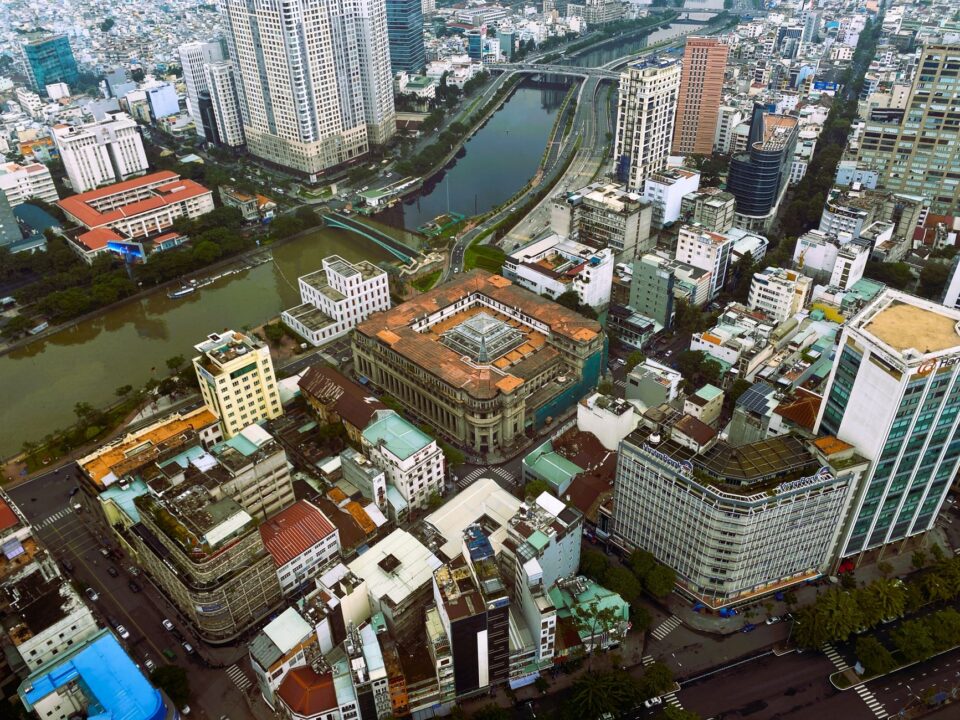
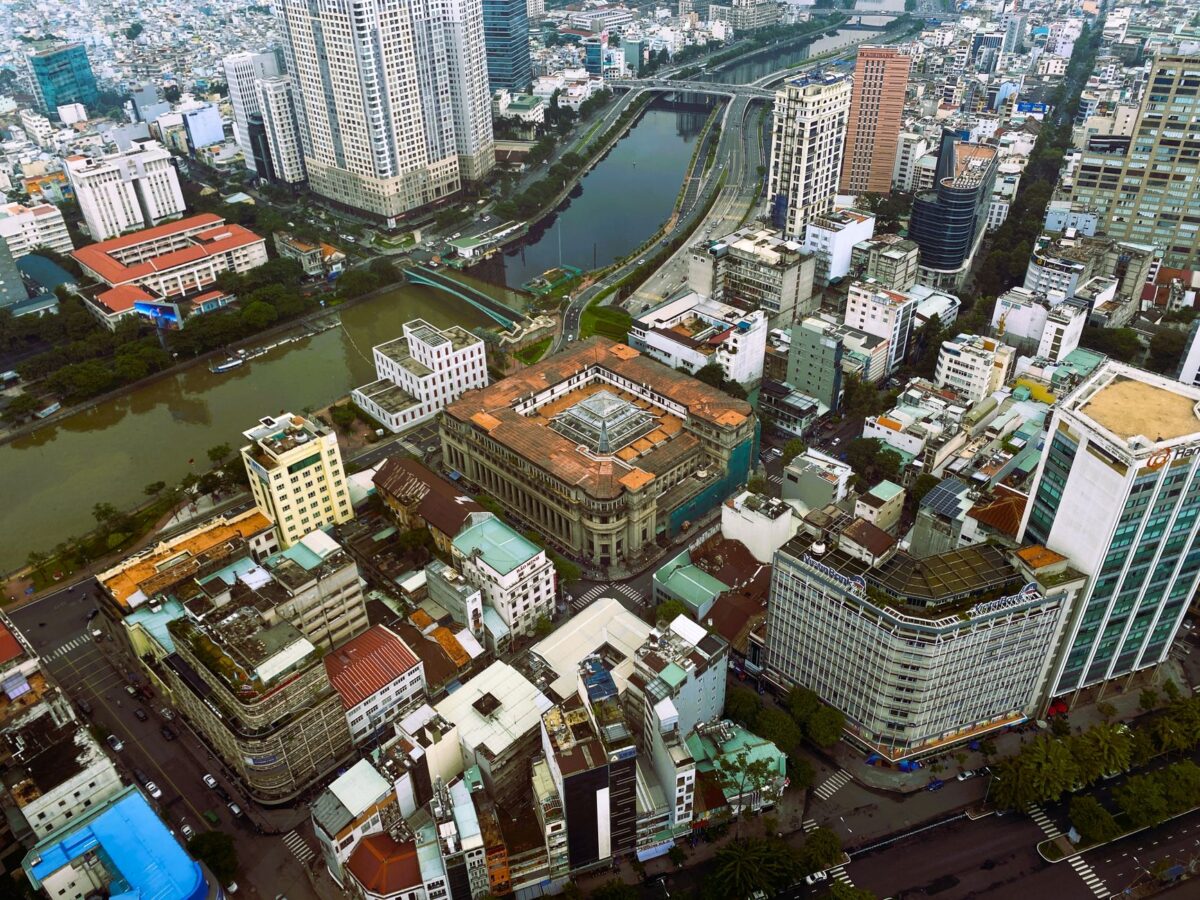
Đô thị hóa và tăng trưởng công nghiệp của Việt Nam liên tục đẩy nhu cầu điện và phân phối. TP. Hồ Chí Minh vẫn mở ra, kéo theo nhu cầu điện, vận tải và mạng phân phối. Khu công nghiệp cùng các cụm chế tạo cần hạ tầng đáng tin để duy trì sản xuất; doanh nghiệp càng mở quy mô càng tựa nặng vào điện ổn định và luồng hàng hiệu quả.
Bước mở rộng của Sojitz đáp lại nhu cầu ấy thay vì đặt cược trước nó, và vốn khớp được nhu cầu thực thường sinh lợi suất ổn định cùng giá trị bền. Sự khớp ấy chạy hai chiều: nó nâng xác suất dự án thành công, lại cho Việt Nam loại hạ tầng đủ sức gánh giai đoạn tăng trưởng kế tiếp, thay vì những công suất bỏ không chẳng ai dùng.
Kỷ luật thực thi định đoạt hành lang nở ra hay tắc lại
Hạ tầng quy mô lớn ôm nhiều tầng phức tạp, đòi phối hợp giữa cơ quan nhà nước, nhà đầu tư tư nhân và đối tác vận hành. Kỷ luật thực thi mới là thứ tách dự án về đích khỏi dự án trôi dạt. Chậm trễ ở khâu phát triển, cấp phép hay xây dựng bào mòn hiệu năng và làm sứt niềm tin nhà đầu tư; dự án năng lượng lỡ tiến độ ghìm lại chính phần hoạt động công nghiệp lẽ ra bám theo nó, còn một điểm nghẽn hậu cần kéo hiệu quả tụt theo.
Hồ sơ của Sojitz ở các công trình phức tạp cho họ một nền móng để thực thi gọn, và điều đó có ích. Nhưng kết quả vẫn xoay quanh điều kiện tại chỗ. Sự minh bạch pháp lý, năng lực thể chế và chất lượng quy hoạch hạ tầng đều nắn cách một dự án vận hành. Việt Nam ráp được các yếu tố này hay không sẽ định những đặt cược năng lượng và hậu cần có chuyển thành lợi ích kinh tế bền hay không, hay đành dừng ở mức thấp hơn lời hứa ban đầu.
Kết luận
Bước mở rộng của Sojitz là một mảnh trong dịch chuyển rộng hơn về phía hạ tầng tích hợp, và về phía những hành lang công nghiệp mà sự tích hợp ấy mở ra. Khi chống đỡ cho các tầng năng lượng và hậu cần nằm dưới sản xuất, khoản đầu tư này đỡ một con đường tăng trưởng phối hợp nhịp nhàng hơn. Các hành lang ấy có thành hay không sẽ tùy vào việc đồng bộ trên nhiều mặt trận cùng lúc: hệ thống hạ tầng, cấu trúc vốn đứng sau, khung chính sách bao quanh. Khi cạnh tranh khu vực gắt lên, nước nào dựng được hệ sinh thái hành lang hữu hiệu sẽ kéo được vốn và giữ được tăng trưởng. Vị trí của Việt Nam trên bản đồ kinh tế Đông Nam Á sẽ do năng lực thực thi chiến lược ấy định đoạt, hơn là do bất kỳ dự án đơn lẻ nào. Và Sojitz là một phép thử sớm cho năng lực đó.
Lotus Investment Group tư vấn M&A xuyên biên giới và FDI vào Việt Nam và Đông Nam Á. Nếu quý vị đang thẩm định một vị thế tại Việt Nam, liên hệ với chúng tôi.
Sojitz is widening its footprint in Ho Chi Minh City across energy and logistics, and the move says more about how Vietnam is being read by Japanese capital than any single project would. The interesting part is not the assets themselves. It is where they sit: at the seam between power supply and goods movement, the two systems that increasingly decide whether an industrial base stays competitive.
Japan’s engagement with Vietnam has shifted over the years from manufacturing partnerships toward infrastructure-led positions, and Sojitz’s expansion fits that arc. The bet is on assets that lift system-level performance, steady energy on one side and throughput capacity on the other, rather than discrete plants that stand alone.
Vietnam has reached the stage where infrastructure limits start to show. Manufacturing growth, urban sprawl and digital transformation all lean on reliable power and efficient distribution, so capital that eases those limits carries weight beyond its dollar size. To read Sojitz properly, three questions matter: how energy and logistics now interact, how foreign capital structures these projects, and why integrated infrastructure increasingly sets the ceiling on long-term growth. This piece takes the opportunity and the constraints that come with it.
Energy and logistics are merging into one industrial platform
The old split treated power and goods movement as separate problems. Energy projects worried about generation and distribution; logistics money went into transport and warehousing. Modern industry no longer lets them sit apart. A factory needs uninterrupted power to hold production continuity, and it needs an efficient distribution network to move inputs and outputs. Break either one and overall productivity takes the hit.
Sojitz investing across both sides reflects that convergence. Spreading capital this way builds integrated infrastructure that actually supports industrial operations, and it tracks a wider shift in how infrastructure money is deployed: investors now hunt for cross-sector synergies that cut operational risk rather than buying isolated assets. For Vietnam, integrated systems of this kind sharpen the competitiveness of the industrial base and feed long-term growth.
Japanese capital keeps shaping the infrastructure trajectory
Japanese firms have helped drive Vietnam’s industrialisation for decades, putting money into manufacturing and, more recently, into the infrastructure that surrounds it. Trading houses such as Sojitz bring something beyond the cheque: hands-on experience in developing projects, financing them, and running them once built. That experience earns its keep on complex builds, where regulators, financiers and operating partners all have to move in step.
By deepening its presence, Sojitz reinforces Japan’s standing as a core infrastructure partner, and the partnership runs past capital into knowledge transfer and technical depth. The value shows up in more sophisticated systems that run with better efficiency and reliability. None of this guarantees an outcome, but it changes the odds in a market where execution capacity is scarce.
Capital stacking decides whether the vision becomes bankable
Physical assets are only half the story. Large infrastructure leans on financial structuring, with capital drawn from public budgets, private investors and the international lenders who top up the rest. How those layers stack, each carrying its own appetite for risk and its own demands on return and governance, determines whether a project reaches financial close. Japanese investors like Sojitz know how to assemble these layers, which often opens the door to long-term money, including development finance and institutional capital.
Capital availability still doesn’t settle the matter. A project has to be bankable: predictable cash flows, a stable regulatory frame to operate inside. For integrated energy-and-logistics builds that bar sits higher, because revenue can hang on several moving parts at once: power tariffs, distribution fees, the level of industrial activity feeding through. When those pieces are not coordinated, investors price in more risk, financing costs climb, and decisions slip. Get the structuring right and the same project draws serious capital on the strength of a revenue profile that pays from several sources at once.
The competition is now between corridors, not single projects
Across Southeast Asia the contest has moved up a level, from individual projects to whole industrial corridors. Countries are trying to knit infrastructure and manufacturing and distribution into coherent economic zones: Indonesia’s industrial clusters, Thailand’s Eastern Economic Corridor, Malaysia’s logistics and manufacturing hubs. Each one is built to pull in sustained investment rather than one-off plants.
Vietnam’s problem is to build corridors that hold their own in that field. It carries real manufacturing strength and deep trade integration, yet infrastructure coordination remains the binding constraint. Sojitz investing across energy and logistics chips at exactly that gap. But no single investor makes a corridor work. That takes policy alignment, infrastructure planning and institutional coordination running across several layers of government at once. The countries that pull it off are the ones that keep long-term capital coming.
Demand is real, driven by urban and industrial expansion
Vietnam’s urbanisation and industrial growth keep pushing demand for power and distribution. Ho Chi Minh City keeps spreading, and with it the need for more power and the transport and distribution networks that carry the rest. Industrial zones and manufacturing clusters need dependable infrastructure to keep producing; as firms scale, they lean harder on consistent energy and efficient goods movement.
Sojitz’s expansion answers that demand rather than betting ahead of it, and investment that meets genuine demand tends to throw off stable returns and durable value. The alignment cuts both ways: it raises the odds the projects succeed, and it gives Vietnam the kind of infrastructure that can carry the next phase of growth instead of stranded capacity nobody uses.
Execution discipline decides whether corridors scale or stall
Large infrastructure carries layers of complexity and demands coordination across government agencies, private investors and operating partners. Execution discipline is what separates the projects that deliver from the ones that drift. A project that slips in development or stalls at permitting or runs late in construction erodes its own returns and dents investor confidence; an energy project that slips holds back the industrial activity meant to ride on it, and a logistics bottleneck drags efficiency down with it.
Sojitz’s record on complex projects gives it a foundation for clean execution, and that helps. But outcomes still turn on local conditions. Regulatory clarity, institutional capacity and the quality of infrastructure planning all shape how a project performs. Whether Vietnam can line up these factors will decide if its energy and logistics bets convert into sustained economic gains, or settle for less than the concept promised.
Conclusion
Sojitz’s expansion is one piece of a broader move toward integrated infrastructure, and toward the industrial corridors that integration makes possible. By backing the energy and logistics layers that sit beneath production, the investment supports a more coordinated path for growth. Whether these corridors deliver will depend on alignment across several fronts at once: the infrastructure systems, the capital structures behind them, the policy frameworks around them. As regional competition sharpens, the countries that build effective corridor ecosystems will draw the capital and hold the growth. Vietnam’s place in Southeast Asia’s economic map will be set less by any single project than by how well it executes that strategy — and Sojitz is an early test of whether it can.
Vietnam Investment Review. (2026). Sojitz Corporation to expand energy and logistics investment in Ho Chi Minh City.
Lotus Investment Group advises on cross-border M&A and FDI into Vietnam and Southeast Asia. If you are underwriting Vietnam exposure, get in touch.
Nguồn / Sources
[1]
Vietnam Investment Review (2026) — Sojitz Corporation to expand energy and logistics investment in Ho Chi Minh City.