

Cooler Master Vietnam Investment: A $3B AI Hardware Bet
March 18, 2026
Japan Vietnam Infrastructure Investment: The Sojitz Move
March 19, 2026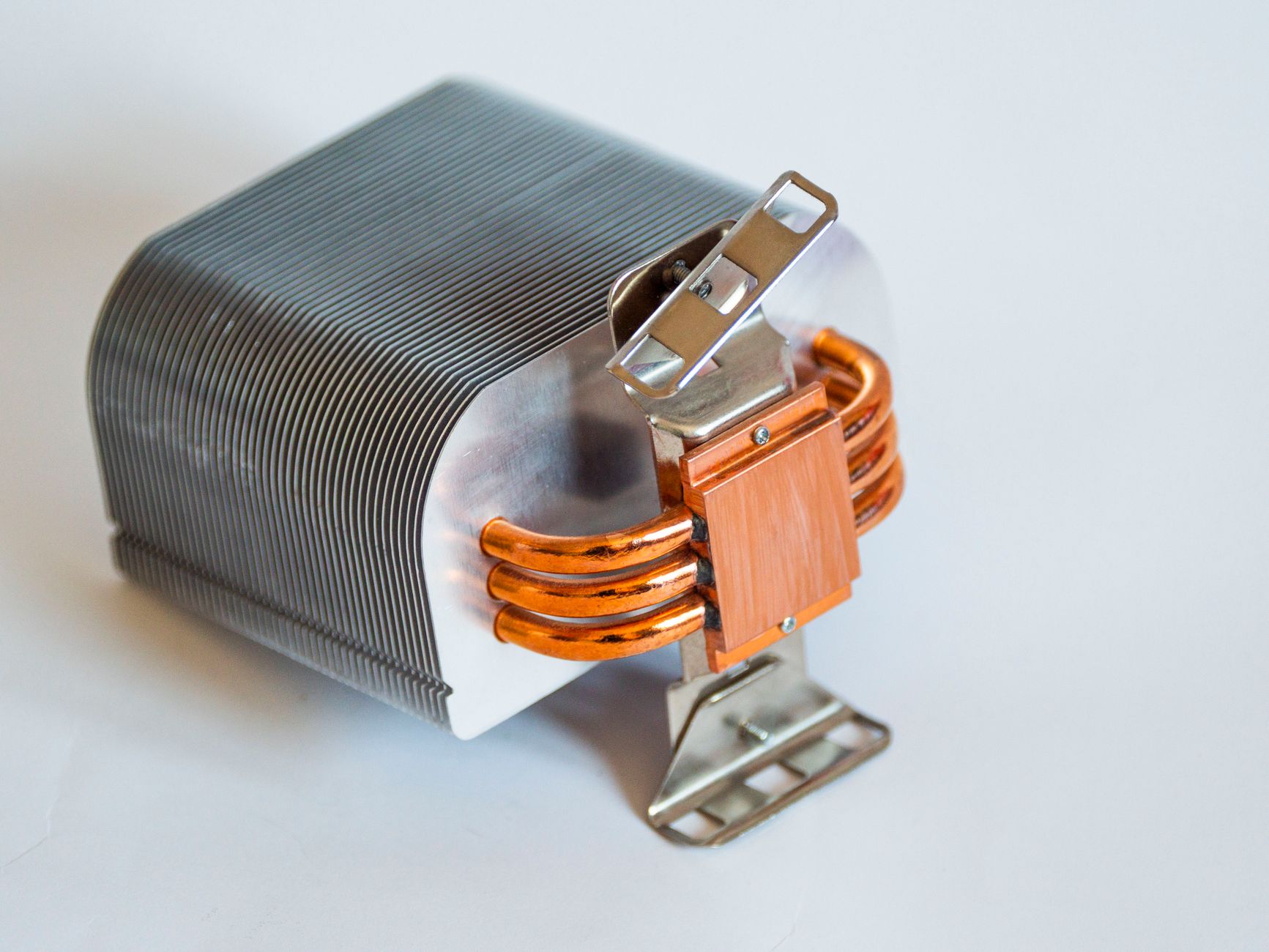
Founder Notes — Lotus Investment Group
Vietnam AI Hardware Supply Chain: Where Value Is Kept
Bóc tầng chuỗi cung ứng phần cứng AI: Việt Nam giữ được giá trị nào tại chỗ
Một bộ tản nhiệt cho máy chủ điện toán hiệu năng cao gộp nhiều lớp giá trị: tấm đồng, ống dẫn nhiệt, quạt, vật liệu dẫn nhiệt, vỏ khung, rồi khâu lắp ráp và kiểm thử cuối. Câu hỏi với Việt Nam không phải có nhà máy hay không, mà lớp nào được làm tại chỗ và lớp nào vẫn phải nhập. Khoản đề xuất của Cooler Master cho một dịp soi đúng đường nối ấy.
Bản tổng quan về khoản 3 tỷ USD đã nói rõ cơ hội: Việt Nam có thể trở thành mắt xích thật trong mạng lưới phần cứng AI. Bài này đi sâu hơn một tầng. Thay vì hỏi cơ hội lớn cỡ nào, nó tách chuỗi cung ứng phần cứng ra từng lớp và xem giá trị thực rơi vào tay ai: phần nào kỹ sư và nhà máy trong nước nắm được, phần nào còn nằm ở thiết kế, vật liệu lõi và linh kiện nhập từ nơi khác.
Cách tách lớp này quan trọng, vì hai dự án cùng quy mô vốn vẫn có thể để lại giá trị rất khác nhau cho nước chủ nhà. Một nhà máy chỉ ráp linh kiện nhập rồi đóng gói thì giá trị giữ lại mỏng. Một cơ sở tự chế ống dẫn nhiệt, gia công khuôn vỏ, tự kiểm thử nhiệt và hiệu chuẩn thì giữ lại dày hơn nhiều. Đường đi từ lớp mỏng lên lớp dày chính là lộ trình nâng cấp mà Việt Nam cần đọc ra trước khi vốn lớn đổ vào.
Một bộ phần cứng làm mát gồm nhiều lớp giá trị chồng lên nhau
Hệ thống làm mát cho máy chủ điện toán hiệu năng cao không phải một món đơn khối. Nó là một chồng lớp. Dưới cùng là vật liệu lõi: đồng, nhôm, vật liệu dẫn nhiệt giao diện, bột kim loại cho ống dẫn nhiệt. Lên một bậc là linh kiện chế tạo: ống dẫn nhiệt, tấm tản, quạt, bơm cho vòng làm mát bằng chất lỏng. Bậc trên nữa là cụm lắp ráp: ghép các linh kiện thành một module hoàn chỉnh khớp với khe máy chủ. Trên cùng là kiểm thử và hiệu chuẩn: đo tải nhiệt, kiểm độ kín, xác nhận sản phẩm chịu được cường độ vận hành mà trung tâm dữ liệu đòi hỏi.
Mỗi lớp đòi một năng lực khác nhau và để lại một phần giá trị khác nhau. Lắp ráp thâm dụng lao động, dễ học, nhưng biên giá trị mỏng. Chế tạo ống dẫn nhiệt hay gia công khuôn vỏ cần thiết bị chuyên biệt và tay nghề kỹ thuật, giá trị giữ lại dày hơn. Kiểm thử nhiệt và hiệu chuẩn gần khâu thiết kế nhất, nắm được nó là nắm phần khó sao chép nhất của chuỗi. Đọc một dự án phần cứng cho đúng là đọc xem nó chạm tới lớp nào, chứ không phải nó to bao nhiêu.
Phần Việt Nam giữ tại chỗ và phần vẫn phải nhập
Theo lối chế tạo điện tử quen thuộc tại Việt Nam, các lớp dễ nội địa hóa trước là lắp ráp, đóng gói và một phần gia công cơ khí vỏ khung. Đây là chỗ lao động trong nước, nhà xưởng và chuỗi hậu cần đã sẵn sàng đỡ. Một nhà máy mới thường khởi động ở đúng các lớp này, rồi mở rộng dần khi tay nghề và nhà cung cấp địa phương trưởng thành.
Phần khó giữ tại chỗ nằm ở hai đầu của chồng lớp. Đầu dưới là vật liệu lõi và linh kiện chính xác: đồng phẩm cấp cao, vật liệu dẫn nhiệt giao diện, ống dẫn nhiệt chế sẵn, quạt và bơm chuyên dụng vẫn chủ yếu đến từ mạng cung ứng khu vực bên ngoài. Đầu trên là thiết kế sản phẩm và quyền sở hữu trí tuệ, thường nằm tại trụ sở hãng. Khoảng giữa, gồm chế tạo linh kiện và kiểm thử, chính là vùng tranh chấp: nội địa hóa được tới đó thì giá trị giữ lại tăng vọt, còn dừng ở lắp ráp thì dự án dù lớn vẫn để phần giá trị cao nhất chảy ra ngoài.
Tản nhiệt là lớp khó thay thế nhất trong chồng phần cứng
Không phải lớp nào trong chuỗi cũng ngang giá trị chiến lược. Phần mềm viết được ở nhiều nơi và dịch chuyển nhanh. Phần cứng làm mát thì ngược lại: nó gắn chặt với năng lực chế tạo vật lý, kiểm soát chất lượng ngặt nghèo và điều phối nhà cung cấp. Khi cường độ xử lý của máy chủ AI tăng, nhiệt sinh ra trở thành ngưỡng chặn hiệu năng. Một module làm mát hỏng hay sai thông số có thể kéo tụt cả giàn máy, nên người mua đòi độ tin cậy và khả năng truy nguồn rất cao.
Đặc tính đó khiến lớp tản nhiệt vừa khó làm vừa đáng làm. Khó, vì nó đòi thiết bị chuyên biệt và quy trình kiểm thử mà khâu lắp ráp đơn thuần không có. Đáng, vì một khi cơ sở trong nước qua được ngưỡng chất lượng mà người mua siêu quy mô chấp nhận, vị thế đó khó bị thay thế trong ngắn hạn. Cooler Master làm đúng mảng này, nên quy mô đề xuất của hãng là một phép thử xem Việt Nam có leo được từ lắp ráp lên chế tạo linh kiện nhiệt thật hay không.
Lộ trình nâng cấp đi từ lắp ráp lên chế tạo và kiểm thử
Nội địa hóa một chồng phần cứng hiếm khi nhảy cóc; nó leo từng bậc. Bậc đầu là làm chủ lắp ráp và đóng gói ở quy mô lớn với tỷ lệ lỗi thấp. Bậc kế là kéo gia công cơ khí, làm khuôn vỏ và một phần linh kiện vào trong nước, thay dần hàng nhập bằng nhà cung cấp địa phương. Bậc sau nữa là tự chủ kiểm thử nhiệt và hiệu chuẩn, tức tiến sát khâu kỹ thuật nhất của sản phẩm. Bậc xa nhất là tham gia thiết kế và cải tiến sản phẩm, chỗ giá trị và quyền sở hữu trí tuệ cô đặc nhất.
Mỗi bậc đòi điều kiện riêng. Lên chế tạo linh kiện cần một lớp nhà cung cấp vật liệu và cơ khí chính xác chịu quần tụ quanh nhà máy. Lên kiểm thử và thiết kế cần đội kỹ sư nắm được công nghệ làm mát phức tạp và kỷ luật chất lượng. Thiếu lớp cung ứng nội địa, dự án sẽ kẹt ở bậc lắp ráp dù chạy nhiều năm. Vì thế giá trị thật của một khoản đầu tư phần cứng đo ở chỗ nó kéo Việt Nam lên được mấy bậc, chứ không phải ở con số vốn ban đầu.
Đo độ sâu nội địa hóa, không chỉ đo dòng vốn
Với nhà hoạch định chính sách, hệ quả của cách đọc theo lớp là phải đổi thước đo. Một dự án nên được đánh giá theo độ sâu nội địa hóa, tức tỷ phần giá trị thực làm trong nước, chứ không chỉ theo tổng vốn cam kết hay số việc làm tạo ra. Hai dự án cùng vốn vẫn để lại giá trị khác hẳn nếu một bên dừng ở lắp ráp còn bên kia chạm tới chế tạo và kiểm thử.
Cách đo này cũng đổi cách thiết kế ưu đãi. Thay vì thưởng theo quy mô vốn, chính sách có thể gắn ưu đãi với tỷ lệ nội địa hóa tăng dần, với việc đặt khâu kiểm thử trong nước, hay với cam kết đào tạo kỹ sư cho các lớp giá trị cao. Khoản đề xuất của Cooler Master vì thế đáng theo dõi không chỉ ở con số 3 tỷ USD, mà ở chỗ bao nhiêu phần của chồng phần cứng cuối cùng được làm trên đất Việt Nam, và đường nối ấy mở lên tới bậc nào.
Kết luận
Cơ hội phần cứng AI của Việt Nam không nằm ở một con số tổng vốn mà ở một câu hỏi cấu trúc: trong chồng giá trị của một bộ làm mát hiệu năng cao, nước chủ nhà giữ được mấy lớp. Hôm nay lớp dễ giữ là lắp ráp và đóng gói; vật liệu lõi, linh kiện chính xác và thiết kế vẫn phần lớn đến từ bên ngoài. Khoảng giữa, gồm chế tạo linh kiện và kiểm thử nhiệt, là vùng quyết định.
Leo được từ lắp ráp lên chế tạo và kiểm thử đòi một lớp nhà cung cấp nội địa biết quần tụ và một đội kỹ sư đủ giỏi cho các khâu giá trị cao. Đặt đúng thước đo độ sâu nội địa hóa và gắn ưu đãi với từng bậc nâng cấp, Việt Nam mới biến những khoản như của Cooler Master thành phần giá trị giữ lại lâu dài, thay vì một địa chỉ lắp ráp khác cho linh kiện làm sẵn ở nơi khác.
Lotus Investment Group tư vấn M&A xuyên biên giới và FDI vào Việt Nam và Đông Nam Á. Nếu quý vị đang thẩm định một vị thế tại Việt Nam, liên hệ với chúng tôi.
A cooling assembly for a high-performance computing server bundles several layers of value: copper plates, heat pipes, fans, thermal interface material, the enclosure, then final assembly and test. The question for Vietnam is not whether it hosts a plant, but which of those layers get made locally and which still arrive as imports. Cooler Master’s proposed investment offers a clean way to read that boundary.
The overview of the $3 billion proposal already set out the opportunity: Vietnam can become a real link in the global AI hardware network. This piece goes one tier deeper. Instead of asking how large the opportunity is, it pulls the hardware supply chain apart layer by layer and asks where the value actually lands. What do domestic engineers and factories capture, and what still sits in product design, core materials, and precision components sourced elsewhere.
That separation matters, because two projects of identical capital size can leave very different value behind. A plant that only assembles imported parts and packages them retains a thin margin. A facility that fabricates its own heat pipes, tools its own enclosures, and runs its own thermal test and calibration retains far more. The path from the thin layer to the thick one is the upgrade route Vietnam needs to read before large capital arrives.
A cooling assembly is a stack of value layers
A cooling system for a high-performance computing server is not a single block. It is a stack. At the base sit core materials: copper, aluminium, thermal interface compounds, sintered powder for heat pipes. One step up are fabricated components: heat pipes, heat sinks, fans, and pumps for liquid-cooling loops. Above that is assembly: combining components into a finished module that fits the server slot. At the top sits test and calibration: measuring thermal load, checking seals, and confirming the unit withstands the operating intensity a data centre demands.
Each layer calls for a different capability and leaves a different share of value behind. Assembly is labour-intensive and quick to learn, but the value margin is thin. Fabricating heat pipes or tooling enclosures requires specialised equipment and engineering skill, and retains more. Thermal test and calibration sit closest to design; mastering them captures the part of the chain hardest to copy. Reading a hardware project correctly means reading which layer it reaches, not how large it is.
What Vietnam keeps onshore, and what it still imports
Following the electronics-manufacturing pattern already familiar in Vietnam, the layers that localise first are assembly, packaging, and some enclosure machining. This is where domestic labour, plant, and logistics chains are already equipped to help. A new factory typically starts at exactly these layers, then broadens as local skill and suppliers mature.
The hard-to-localise parts sit at the two ends of the stack. At the lower end are core materials and precision components: high-grade copper, thermal interface material, pre-formed heat pipes, and purpose-built fans and pumps still arrive largely from regional supply networks abroad. At the upper end are product design and intellectual property, which usually stay at the firm’s headquarters. The middle, component fabrication and test, is the contested zone: localise into it and retained value jumps; stop at assembly and even a large project lets the highest-value share flow out.
Thermal is the least substitutable layer in the stack
Not every layer in the chain carries equal strategic value. Software can be written in many places and shifts quickly. Cooling hardware is the opposite: it is bound to physical manufacturing capability, strict quality control, and supplier coordination. As the processing intensity of AI servers rises, the heat it generates becomes a ceiling on performance. A cooling module that fails or runs out of spec can drag down a whole rack, so buyers demand high reliability and traceability.
That character makes the thermal layer both hard to do and worth doing. Hard, because it requires specialised equipment and test processes that plain assembly does not have. Worth it, because once a domestic facility clears the quality bar hyperscale buyers accept, that position is difficult to displace in the short run. Cooler Master operates precisely in this segment, so the scale of its proposal is a test of whether Vietnam can climb from assembly to genuine thermal-component fabrication.
The upgrade path runs from assembly to fabrication and test
Localising a hardware stack rarely leapfrogs; it climbs step by step. The first step is mastering assembly and packaging at scale with low defect rates. The next is pulling machining, enclosure tooling, and some components onshore, replacing imports with local suppliers. The step after is owning thermal test and calibration, which moves close to the most technical part of the product. The furthest step is participating in product design and refinement, where value and intellectual property concentrate most.
Each step has its own precondition. Climbing into component fabrication needs a layer of materials and precision-machining suppliers willing to cluster around the plant. Climbing into test and design needs an engineering team that masters complex cooling technology and quality discipline. Without a domestic supplier layer, a project stalls at the assembly step even after years of operation. The real value of a hardware investment is therefore measured by how many steps it pulls Vietnam up, not by its headline capital figure.
Measure localisation depth, not just capital flow
For policymakers, the consequence of reading by layer is that the yardstick has to change. A project should be assessed by localisation depth, the share of value genuinely made onshore, rather than by total committed capital or jobs created. Two projects of equal capital still leave very different value behind if one stops at assembly while the other reaches fabrication and test.
This measure also changes how incentives are designed. Rather than rewarding capital size, policy can tie incentives to a rising localisation ratio, to siting the test stage onshore, or to commitments to train engineers for the high-value layers. Cooler Master’s proposal is therefore worth tracking less for its $3 billion figure than for how much of the hardware stack ends up made on Vietnamese soil, and how far up that boundary moves.
Conclusion
Vietnam’s AI hardware opportunity does not rest on a headline capital figure but on a structural question: within the value stack of a high-performance cooling assembly, how many layers does the host country keep. Today the easy layers to hold are assembly and packaging; core materials, precision components, and design still arrive largely from abroad. The middle, component fabrication and thermal test, is the deciding zone.
Climbing from assembly into fabrication and test requires a domestic supplier layer willing to cluster and an engineering team strong enough for the high-value stages. By setting the right yardstick of localisation depth and tying incentives to each rung of the upgrade, Vietnam can turn investments like Cooler Master’s into value retained for the long run, rather than another assembly address for components built elsewhere.
Lotus Investment Group advises on cross-border M&A and FDI into Vietnam and Southeast Asia. If you are underwriting Vietnam exposure, get in touch.
Nguồn / Sources
[1]
Vietnam Investment Review (2026) — Cooler Master eyes $3 billion investment in Vietnam.
[2]
Bài liên quan / Related: https://lotusventure.co/2026/03/vietnam-electronics-manufacturing-cooler-master-investment/