

AI Data Centre Financing: Who Funds Compute in Vietnam
March 17, 2026
Vietnam AI Hardware Supply Chain: Where Value Is Kept
March 18, 2026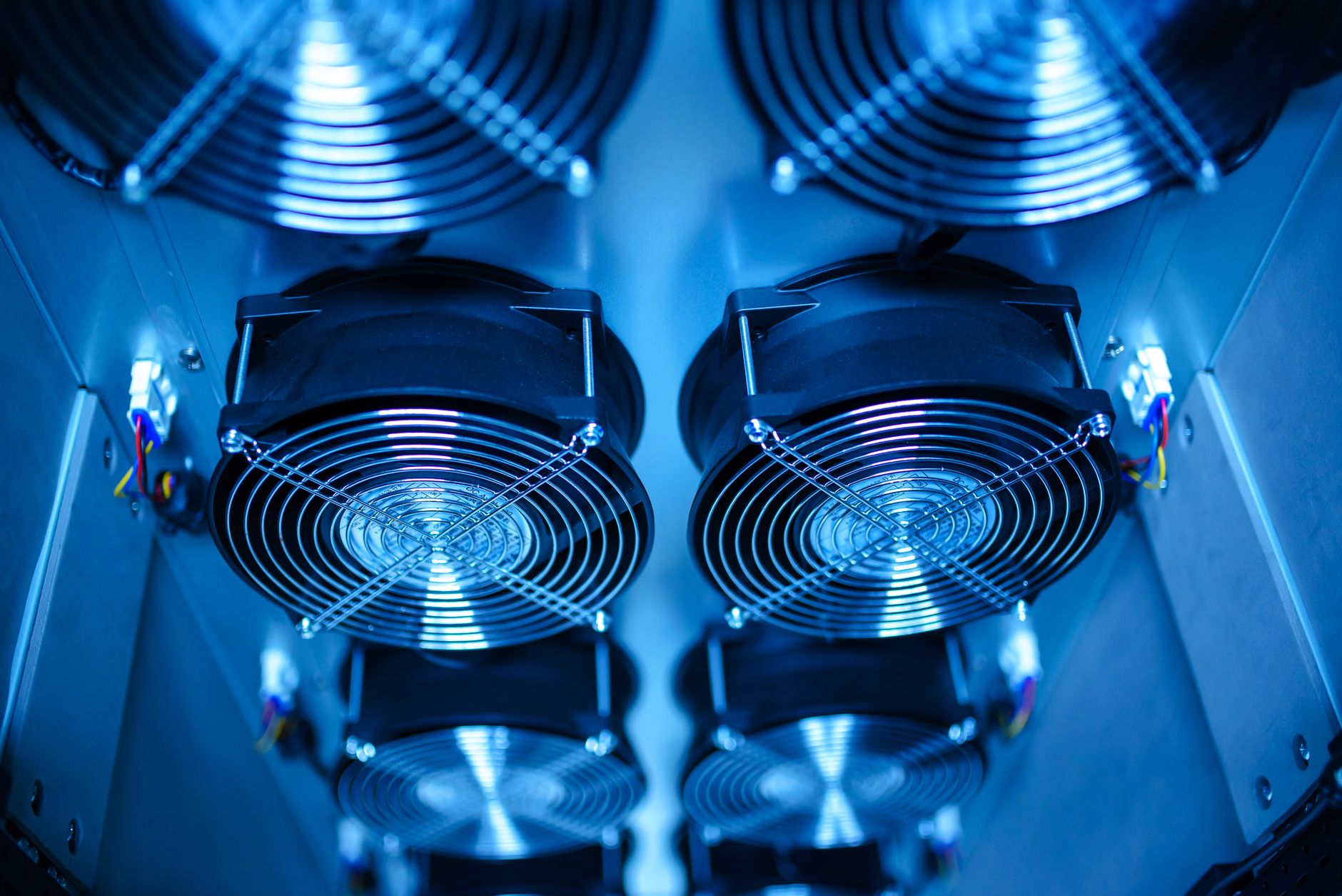
Founder Notes — Lotus Investment Group
Cooler Master Vietnam Investment: A $3B AI Hardware Bet
Canh bạc 3 tỷ USD của Cooler Master: Việt Nam leo lên tầng phần cứng AI
Cooler Master đề xuất rót 3 tỷ USD vào Việt Nam. Đọc đúng, đây không phải một nhà máy lắp ráp nữa, mà là một bước chuyển lên tầng chế tạo giá trị cao trong chuỗi cung ứng công nghệ toàn cầu. Hãng làm hệ thống tản nhiệt, nguồn điện và phần cứng điện toán hiệu năng cao, đúng những linh kiện đang trở thành xương sống vật lý của hạ tầng trí tuệ nhân tạo. Khi một hãng như vậy chọn nơi đặt nhà máy, họ không chỉ rót vốn; họ chấm điểm độ sẵn sàng công nghiệp của nước chủ nhà.
Quy mô khoản đầu tư cho thấy đây không phải chuyện mở thêm công suất theo lối cũ. Nó đánh dấu một sự định vị lại Việt Nam trong thứ bậc chế tạo điện tử. Suốt hai thập niên qua, vai trò của đất nước nằm chủ yếu ở khâu lắp ráp thâm dụng lao động: dựng nhà máy để tận dụng chi phí nhân công cạnh tranh và các hiệp định thương mại thuận lợi, rồi ráp sản phẩm hoàn chỉnh từ linh kiện nhập. Nay cấu trúc của chế tạo điện tử toàn cầu đang đổi. Sản phẩm phức tạp hơn, đòi hỏi hiệu năng cao hơn, và giá trị dịch về phía thiết kế linh kiện, kỹ thuật chính xác, hệ thống sản xuất tích hợp.
Bài này nhìn cả hai mặt. Cơ hội thì rõ: Việt Nam có thể trở thành một mắt xích thật trong mạng lưới phần cứng AI thế giới. Nhưng cái giá để giữ được nó cũng thật không kém — vốn lớn, kỷ luật triển khai, một đội ngũ kỹ sư đủ giỏi, và một hệ sinh thái nhà cung cấp chưa hình thành đầy đủ. Khoản đầu tư của Cooler Master sẽ cho thấy tham vọng leo tầng của Việt Nam đứng vững được tới đâu.
Việt Nam đang leo lên chuỗi giá trị chế tạo điện tử
Phần lớn hai thập niên qua, vai trò của Việt Nam trong chế tạo điện tử xoay quanh lắp ráp. Các tập đoàn đa quốc gia dựng cơ sở sản xuất để tận dụng chi phí lao động cạnh tranh và ưu đãi thương mại, chủ yếu ráp sản phẩm hoàn chỉnh từ linh kiện nhập. Mô hình ấy đang lỗi thời dần. Khi sản phẩm phức tạp lên và ngưỡng hiệu năng cao hơn, giá trị dịch về thiết kế linh kiện, kỹ thuật chính xác và dây chuyền tích hợp. Chỗ trống ấy mở ra cho những nước đủ sức gánh các công đoạn chế tạo giá trị cao.
Khoản đầu tư của Cooler Master phản ánh đúng bước chuyển này. Hãng làm tản nhiệt, hệ thống nguồn và phần cứng điện toán hiệu năng cao — toàn những mảng đòi hỏi năng lực chế tạo cao hơn hẳn lắp ráp truyền thống. Họ mở rộng sản xuất tại Việt Nam, và đó là một tín hiệu tin cậy: nước chủ nhà gánh được các hoạt động giá trị cao hơn, tức tay nghề kỹ thuật, năng lực điều phối chuỗi cung ứng và hạ tầng công nghiệp đã khá lên thật. Nhiều hãng đi theo lối ấy, sức chế tạo của Việt Nam có thể dịch dần sang những phân khúc sinh ra giá trị kinh tế lớn hơn và lan tỏa công nghệ rộng hơn.
Cầu điện toán toàn cầu đang nắn lại chuỗi cung ứng phần cứng
Phải đặt khoản đầu tư này vào bối cảnh cầu hạ tầng điện toán toàn cầu đang tăng vọt. Trí tuệ nhân tạo, điện toán đám mây và phân tích dữ liệu ngốn một khối lượng phần cứng khổng lồ: máy chủ, hệ thống làm mát, giải pháp quản lý nguồn. Cầu này không mang tính chu kỳ theo nghĩa cũ; nó phản ánh tăng trưởng cấu trúc của hạ tầng số. Tản nhiệt nổi lên như một nút thắt thật sự, vì cường độ xử lý càng cao thì nhiệt sinh ra càng lớn, và không có giải pháp làm mát hiệu quả thì hiệu năng tụt, rủi ro vận hành dâng.
Cooler Master làm đúng mảng đó. Mở rộng công suất, hãng tự gắn mình vào một phân khúc nối thẳng với đà bành trướng của hạ tầng số, nơi cầu đến từ các tập đoàn vận hành trung tâm dữ liệu siêu quy mô và mang tính dài hạn chứ không nhất thời. Sự góp mặt của Việt Nam ở đây cho thấy một dịch chuyển rộng hơn của chuỗi cung ứng: chế tạo điện tử không còn chỉ phục vụ hàng tiêu dùng, mà ngày càng đỡ các ứng dụng cấp doanh nghiệp và hạ tầng. Phần cứng AI lại khó thay thế hơn phần mềm nhiều — phần mềm viết được ở nhiều nơi, còn sản xuất phần cứng cần năng lực chế tạo chuyên biệt, điều phối chuỗi cung ứng và kiểm soát chất lượng ngặt nghèo. Nước nào cài được mình vào tầng phần cứng này sẽ giữ được vị thế lâu dài.
Phân tán chuỗi cung ứng đang dẫn dắt quyết định đầu tư
Những gián đoạn gần đây phơi ra cái giá của việc dồn sản xuất vào một chỗ. Hệ quả là các hãng ngày càng rải nơi chế tạo ra nhiều điểm để giảm rủi ro và tăng độ bền chuỗi. Việt Nam nổi lên như một điểm đến chủ chốt của xu hướng ấy: ổn định chính trị, hội nhập thương mại sâu và một nền chế tạo đủ năng lực khiến đất nước thành lựa chọn thay thế hấp dẫn cho những trung tâm sản xuất đang quá tập trung.
Khoản đầu tư của Cooler Master minh họa cách yếu tố phân tán nắn dòng vốn. Thay vì dựa vào một cứ điểm duy nhất, các hãng trải sản xuất ra nhiều nơi để chống đứt gãy và xoay xở nhanh hơn trước biến động cầu lẫn pháp lý. Với riêng phần cứng AI, độ phân tán còn nặng ký hơn: một cú gián đoạn nguồn cung có thể làm chậm việc triển khai hạ tầng, ghìm khả năng mở rộng của chính các hãng công nghệ. Đặt chân vào Việt Nam, Cooler Master vừa bớt phơi nhiễm rủi ro tập trung vừa giữ nguyên đường ra thị trường toàn cầu. Còn với Việt Nam, hút được những khoản đầu tư như vậy giúp củng cố vai trò một nút ổn định, một đối tác chế tạo đáng tin trong mạng lưới cung ứng quốc tế.
Hệ sinh thái công nghiệp quyết định sức cạnh tranh dài hạn
Các khoản đầu tư lớn vào chế tạo điện tử hiếm khi vận hành đơn lẻ. Chúng dựa vào cả một hệ sinh thái công nghiệp rộng hơn: nhà cung cấp, đơn vị hậu cần, lao động lành nghề. Khác với phần mềm vốn dịch chuyển nhanh giữa các nơi, chế tạo phần cứng tạo ra cam kết công nghiệp dài hạn — nhà máy cần vốn lớn, thiết bị chuyên biệt và người giỏi, một khi đã dựng thì sinh ra hiệu ứng cụm. Nhà cung cấp vật liệu, dịch vụ kỹ thuật và hậu cần bám quanh cứ điểm sản xuất, dệt nên mạng lưới công nghiệp tích hợp.
Cooler Master mở rộng có thể tiếp sức cho những cụm như thế ở Việt Nam. Nhà cung cấp chuyên về vật liệu, linh kiện và dịch vụ kỹ thuật có thể mở cơ sở ngay gần nhà máy, và hiệu ứng quần tụ ấy nâng năng suất, thúc đẩy chuyển giao tri thức giữa các doanh nghiệp. Lâu dần, nó dựng nên một nền công nghiệp tinh vi hơn và kéo cả nền kinh tế dịch lên những phân khúc giá trị cao của ngành điện tử. Nhưng phát triển hệ sinh thái đòi sự phối hợp giữa nhà nước và tư nhân: hạ tầng, chương trình đào tạo và khung pháp lý phải khớp nhịp với nhau. Việt Nam nuôi được những cụm này tới đâu sẽ định đoạt tác động dài hạn của các khoản đầu tư chế tạo điện tử.
Cường độ vốn và kỷ luật triển khai sẽ định kết cục
Quy mô khoản đề xuất của Cooler Master làm nổi bật cường độ vốn ngày càng cao của chế tạo tiên tiến. Cơ sở phục vụ điện tử hiệu năng cao đòi đầu tư ban đầu rất lớn vào thiết bị, công nghệ và hạ tầng. Cường độ vốn ấy đặt ra bài toán mới cho cả nhà đầu tư lẫn nhà hoạch định chính sách: dự án phải chứng minh được sức trụ dài hạn, hiệu quả vận hành và sự khớp với cầu thị trường. Kỷ luật triển khai trở thành yếu tố sống còn — chậm xây dựng, đứt gãy chuỗi cung ứng hay thiếu hụt nhân lực đều có thể bào mòn hiệu quả dự án và lợi nhuận.
Với Việt Nam, triển khai thành công nghĩa là giữ một môi trường pháp lý ổn định, tiếp tục đổ vốn vào hạ tầng và đỡ phát triển nguồn nhân lực. Sản xuất phần cứng AI lại cần lực lượng lao động chuyên biệt cao: kỹ sư và kỹ thuật viên phải nắm công nghệ chế tạo phức tạp và giữ kỷ luật kiểm soát chất lượng ngặt nghèo. Bốn yếu tố này khớp được, các khoản đầu tư chế tạo quy mô lớn sẽ sinh lợi ích kinh tế đáng kể: việc làm, tăng trưởng xuất khẩu, nâng cấp công nghệ. Lệch nhịp, dự án vẫn chạy nhưng phần giá trị cao nhất ở lại tay người nước ngoài.
Kết luận
Khoản đề xuất 3 tỷ USD của Cooler Master là một cột mốc thật trong hành trình nâng cấp công nghiệp của Việt Nam. Nó phản ánh bước dịch lên sản xuất giá trị cao và sự hội nhập sâu hơn vào chuỗi cung ứng công nghệ toàn cầu. Khi cầu hạ tầng điện toán còn tăng, những linh kiện phần cứng như hệ thống làm mát và quản lý nguồn sẽ ngày càng then chốt, và năng lực sản xuất chúng đặt Việt Nam vào một phân khúc trọng yếu của chuỗi cung ứng AI thế giới.
Nhưng cơ hội này không miễn phí. Nó treo trên hạ tầng đáng tin, một đội ngũ kỹ sư đủ giỏi, một hệ sinh thái nhà cung cấp biết quần tụ và một bộ máy triển khai có kỷ luật. Củng cố được các cụm công nghiệp, nâng được năng lực kỹ thuật và giữ được kỷ luật triển khai, Việt Nam mới tiếp tục leo lên chuỗi giá trị thay vì dừng lại ở vai trò công xưởng lắp ráp. Việt Nam giữ được vốn ở lại trong ngành này tới đâu sẽ định hình chỗ đứng của đất nước trong nền kinh tế toàn cầu.
Lotus Investment Group tư vấn M&A xuyên biên giới và FDI vào Việt Nam và Đông Nam Á. Nếu quý vị đang thẩm định một vị thế tại Việt Nam, liên hệ với chúng tôi.
Cooler Master has proposed putting $3 billion into Vietnam. Read it right, and this is no longer an assembly play — it’s a step up into higher-value manufacturing inside the global technology supply chain. The company builds thermal systems, power units and high-performance computing hardware, the very components becoming the physical backbone of AI infrastructure. When a firm like this picks a site, it isn’t just deploying capital. It’s grading the host country’s industrial readiness.
The scale of the investment says this is more than the old playbook of bolting on capacity. It marks a repositioning of Vietnam within the electronics manufacturing hierarchy. For two decades the country’s role sat mostly in labour-intensive assembly: build a plant to tap competitive labour costs and favourable trade agreements, then assemble finished products from imported components. Now the structure of global electronics manufacturing is shifting. Products are more complex, performance bars are higher, and value moves toward component design, precision engineering and integrated production systems.
This piece takes both sides. The opportunity is clear: Vietnam could become a genuine link in the world’s AI hardware network. But the price of keeping it is just as real — heavy capital, execution discipline, an engineering workforce good enough to run a fab, and a supplier ecosystem that hasn’t fully formed. Cooler Master’s investment will show how far Vietnam’s ambition to climb actually holds.
Vietnam is moving up the electronics value chain
For much of the past two decades, Vietnam’s role in electronics manufacturing centred on assembly. Multinationals set up facilities to tap competitive labour and trade advantages, mostly assembling finished products from imported components. That model is dating fast. As products grow more complex and performance bars rise, value shifts toward component design, precision engineering and integrated lines. The opening that creates favours countries able to carry higher-value processes.
Cooler Master’s investment reflects exactly this transition. The company works in thermal solutions, power systems and high-performance computing hardware — segments that demand far more than traditional assembly. Expanding production in Vietnam signals confidence that the host can carry these higher-value activities, which in turn implies real gains in technical skill, supply-chain coordination and industrial infrastructure. As more firms follow this route, Vietnam’s manufacturing base may shift toward segments that generate greater economic value and broader technological spillover.
Global compute demand is reshaping hardware supply chains
Set this investment against a surge in global demand for computing infrastructure. Artificial intelligence, cloud computing and data analytics consume enormous quantities of hardware: servers, cooling systems, power management. This demand isn’t cyclical in the old sense; it reflects structural growth in digital infrastructure. Thermal management has become a genuine bottleneck — the more intense the processing, the more heat, and without effective cooling, performance degrades and operational risk climbs.
Cooler Master works precisely in that domain. By expanding capacity, it ties itself to the long-run growth of digital infrastructure, where demand comes from hyperscale data-centre operators and runs structural rather than seasonal. Vietnam’s participation here points to a wider supply-chain shift: manufacturing no longer serves only consumer electronics but increasingly supports enterprise and infrastructure applications. AI hardware is also far harder to substitute than software — software can be written almost anywhere, while hardware needs specialised manufacturing, supply-chain coordination and tight quality control. A country that embeds itself in this layer holds its relevance for the long term.
Supply-chain diversification is driving investment decisions
Recent disruptions exposed the cost of concentrating production in one place. So firms increasingly spread manufacturing across multiple sites to cut risk and build resilience. Vietnam has emerged as a key destination for that move: political stability, deep trade integration and a capable manufacturing base make it an attractive alternative to over-concentrated production hubs.
Cooler Master’s investment shows how diversification steers capital. Rather than leaning on a single hub, firms distribute production to absorb disruption and respond faster to swings in demand and regulation. For AI hardware specifically, the stakes run higher: a supply interruption can delay infrastructure deployment and cap the technology companies’ own ability to scale. By establishing a presence in Vietnam, Cooler Master reduces its exposure to concentration risk while keeping its route to global markets open. For Vietnam, drawing such investment strengthens its standing as a stabilising node and a reliable manufacturing partner within international supply networks.
Industrial ecosystems determine long-term competitiveness
Large investments in electronics manufacturing rarely operate alone. They rely on a wider industrial ecosystem: suppliers, logistics providers, skilled labour. Unlike software, which moves quickly between locations, hardware manufacturing creates long-term industrial commitments — a plant needs heavy capital, specialised equipment and skilled people, and once established it generates clustering effects. Suppliers of materials, engineering services and logistics gather around the hub, weaving an integrated industrial network.
Cooler Master’s expansion could feed exactly these clusters in Vietnam. Suppliers specialising in materials, components and engineering services may set up near the facility, and that clustering lifts productivity and drives knowledge transfer between firms. Over time it builds a more sophisticated industrial base and pulls the wider economy toward higher-value segments of electronics. But ecosystem development demands coordination between public and private actors: infrastructure, training programmes and regulatory frameworks have to move in step. How well Vietnam fosters these clusters will determine the long-run impact of its electronics manufacturing investments.
Capital intensity and execution discipline will define outcomes
The scale of Cooler Master’s proposal underlines the rising capital intensity of advanced manufacturing. Facilities supporting high-performance electronics demand heavy upfront investment in equipment and infrastructure. That intensity raises new questions for investors and policymakers alike: a project has to prove long-term viability, operational efficiency and alignment with market demand. Execution discipline becomes critical — construction delays, supply-chain disruptions or workforce shortages can erode project performance and returns.
For Vietnam, executing well means holding a stable regulatory environment, keeping capital flowing into infrastructure and supporting workforce development. AI hardware production needs a deeply specialised workforce: engineers and technicians who grasp complex fabrication technologies and hold strict quality control. Get these four factors to line up and large-scale manufacturing investment delivers real economic gains — jobs, export growth, technological upgrading. Let them slip and the plant still runs, but the highest-value work stays in foreign hands.
Conclusion
Cooler Master’s proposed $3 billion investment is a genuine milestone in Vietnam’s industrial upgrade. It reflects a move toward higher-value production and deeper integration into the global technology supply chain. As demand for computing infrastructure keeps growing, hardware components such as cooling systems and power management will only matter more, and the capacity to produce them puts Vietnam in a critical segment of the global AI supply chain.
But the opportunity isn’t free. It rides on reliable infrastructure, an engineering workforce good enough to run a fab, a supplier ecosystem that knows how to cluster, and a disciplined execution machine. Strengthen the industrial clusters, lift technical capability and hold execution discipline, and Vietnam keeps climbing the value chain rather than settling for the role of assembly workshop. How far it keeps capital in this sector will shape its place in the global economy.
Lotus Investment Group advises on cross-border M&A and FDI into Vietnam and Southeast Asia. If you are underwriting Vietnam exposure, get in touch.
Nguồn / Sources
[1]
Vietnam Investment Review (2026) — Cooler Master eyes $3 billion investment in Vietnam.