

Vietnam RCEP Strategy: From Access to Real Utilisation
April 1, 2026
European Capital Vietnam Infrastructure: A Standards Test
April 2, 2026
Founder Notes — Lotus Investment Group
RCEP Rules of Origin: Cumulation, Tariffs, Customs
Cơ chế hưởng lợi RCEP: cộng gộp xuất xứ, lộ trình thuế và tích hợp hải quan
Phần khó nhất của RCEP không nằm ở việc thuế giảm bao nhiêu, mà ở chỗ làm thế nào để một lô hàng đủ điều kiện hưởng mức thuế đó. Câu trả lời nằm trong ba bộ máy kỹ thuật: quy tắc cộng gộp xuất xứ, lộ trình cắt giảm thuế theo từng năm, và cách hải quan công nhận chứng từ. Hiểu được ba bộ máy này mới biết giá trị thực sự được rút ra ở đâu.
Bài tổng quan đã bàn cơ hội và rủi ro của RCEP ở tầm chiến lược. Bài này đi xuống tầng vận hành: từng cơ chế cụ thể mà một doanh nghiệp phải xử lý để biến điều khoản trên giấy thành mức thuế thấp hơn trong thực tế. Đây là phần ít được nói tới, nhưng lại là nơi quyết định công ty nào tận dụng được hiệp định và công ty nào không.
Điểm khác biệt lớn nhất của RCEP so với các hiệp định cũ là một quỹ cộng gộp xuất xứ chung cho toàn khối. Linh kiện từ bất kỳ nước thành viên nào đều được tính vào hàm lượng giá trị khu vực của thành phẩm. Cơ chế tưởng kỹ thuật này lại đổi hẳn cách bố trí nhà máy và nguồn cung. Phần dưới mổ xẻ từng tầng: cộng gộp, lộ trình thuế, chứng nhận xuất xứ, và khâu hải quan, hậu cần đứng sau.
Cộng gộp xuất xứ toàn khối: điểm khác biệt lõi của RCEP
Quy tắc xuất xứ trả lời một câu hỏi đơn giản nhưng nặng ký: hàng này có đủ chất khu vực để hưởng thuế ưu đãi không. RCEP đặt ra hai cách chứng minh phổ biến: đạt một tỷ lệ hàm lượng giá trị khu vực, hoặc chuyển đổi mã số thuế, tức nguyên liệu nhập vào và thành phẩm xuất ra rơi vào hai dòng thuế khác nhau. Doanh nghiệp chọn cách nào tùy cấu trúc sản phẩm, nhưng cả hai đều buộc phải theo dõi sát nguồn gốc từng đầu vào.
Cái mới của RCEP là cộng gộp toàn khối. Nguyên liệu hay công đoạn xuất xứ từ bất kỳ nước thành viên nào cũng được cộng vào hàm lượng khu vực của thành phẩm, thay vì chỉ tính phần làm trong nước. Một bộ phận đúc ở Trung Quốc, một mạch in lắp ở Thái Lan, khâu hoàn thiện ở Việt Nam, tất cả gộp chung về một mối. Quỹ cộng gộp rộng hơn này khiến ngưỡng xuất xứ dễ đạt hơn nhiều, và đó chính là đòn bẩy doanh nghiệp cần khai thác trước tiên.
Cộng gộp định hình lại nơi đặt nhà máy và nguồn cung
Vì cộng gộp tính chung cả khối, quyết định mua linh kiện ở đâu không còn bó vào biên giới một nước. Doanh nghiệp có thể đặt công đoạn tốn vốn ở nơi có hạ tầng mạnh, giữ phần thâm dụng lao động ở nơi nhân công rẻ, mà thành phẩm vẫn đạt xuất xứ khu vực. Với Việt Nam, điều này mở ra dư địa hút những công đoạn cuối, lắp ráp và hoàn thiện, nơi giá trị xuất khẩu được ghi nhận, đồng thời vẫn nhận đầu vào từ các nước thành viên khác mà không mất quyền ưu đãi.
Nhưng dao hai lưỡi cũng nằm ở đây. Cộng gộp dễ dãi có thể khiến một nước chỉ làm khâu cuối nhẹ nhàng còn phần giá trị thật chảy về nơi khác trong khối. Muốn lợi ích đọng lại, Việt Nam phải kéo dần các công đoạn sâu hơn về trong nước, phát triển nhà cung cấp nội địa để tự đóng góp vào hàm lượng khu vực thay vì chỉ mượn của láng giềng. Quy tắc cộng gộp là cánh cửa; bước qua được tới đâu lại tùy năng lực công nghiệp bên trong.
Lộ trình cắt giảm thuế: ưu đãi không đến cùng một lúc
Một hiểu lầm phổ biến là RCEP đưa thuế về không ngay khi có hiệu lực. Thực tế, phần lớn dòng thuế giảm dần theo lộ trình trải nhiều năm, có dòng kéo dài cả thập kỷ, và mỗi cặp nước lại có biểu cam kết riêng. Mức thuế áp cho một sản phẩm phụ thuộc vào nước xuất, nước nhập và năm giao hàng. Doanh nghiệp không nắm lịch này dễ tính sai biên lợi nhuận hoặc bỏ lỡ thời điểm mà một mặt hàng vừa chạm ngưỡng đủ rẻ để cạnh tranh.
Vì thế bài toán gói cả thời gian, không riêng xuất xứ. Một chuỗi cung ứng dựng hôm nay phải tính tới mức thuế của vài năm tới, khi lộ trình tiến thêm. Lợi thế của một tuyến cung ứng có thể chưa rõ ở năm đầu nhưng bật lên khi thuế tiếp tục lùi. Đọc kỹ lộ trình giúp doanh nghiệp xếp lịch chuyển nguồn cung và đầu tư cho khớp với từng nấc giảm thuế, thay vì phản ứng muộn khi đối thủ đã đi trước.
Chứng nhận xuất xứ: nơi ưu đãi dễ rơi rụng nhất
Đủ điều kiện xuất xứ là một chuyện, chứng minh được lại là chuyện khác. Muốn hưởng thuế ưu đãi, mỗi lô hàng cần chứng từ xuất xứ hợp lệ mà hải quan nước nhập chấp nhận. RCEP cho phép cả giấy chứng nhận do cơ quan có thẩm quyền cấp lẫn cơ chế tự chứng nhận của doanh nghiệp đủ điều kiện. Tự chứng nhận cắt được thủ tục và thời gian, nhưng dồn trách nhiệm chứng minh và lưu hồ sơ về phía doanh nghiệp, kèm rủi ro bị hậu kiểm.
Đây là khâu ưu đãi dễ rơi rụng nhất trong thực tế. Sai sót chứng từ, hồ sơ truy xuất đầu vào thiếu, hay không theo kịp yêu cầu của nước nhập đều khiến lô hàng bị từ chối ưu đãi dù bản thân nó đủ chuẩn. Doanh nghiệp phải dựng hệ thống lưu trữ truy xuất được toàn bộ nguồn gốc đầu vào, đủ vững để qua hậu kiểm. Cơ quan nhà nước hỗ trợ được phần hướng dẫn và số hóa quy trình cấp chứng nhận; phần kỷ luật hồ sơ thì doanh nghiệp tự lo.
Hải quan và hậu cần: tầng quyết định ưu đãi thành tiền thật
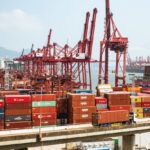
Thuế trên giấy chỉ thành lợi ích thật khi hàng chạy nhanh và tin cậy qua biên giới. Một mặt hàng đủ xuất xứ, đúng lộ trình thuế, vẫn mất lợi thế nếu kẹt ở cảng, vướng thủ tục hải quan rườm rà, hay tuyến vận tải đứt đoạn. Khâu thông quan, kiểm hóa và logistics chính là nơi ưu đãi thương mại được quy đổi thành tiền, hoặc bốc hơi. Đây là tầng Việt Nam còn nhiều việc phải làm, không phải thứ đã xong.
RCEP có những cam kết về thuận lợi hóa thương mại như giải phóng hàng nhanh và thủ tục hải quan minh bạch hơn, nhưng cam kết chỉ thành hiện thực khi hệ thống trong nước theo kịp. Số hóa thủ tục, công nhận trước phân loại hàng hóa, và kết nối dữ liệu hải quan giữa các nước thành viên đều cắt được ma sát. Doanh nghiệp nào phối hợp được quy trình nội bộ với hệ thống hải quan đang nâng cấp sẽ rút được nhiều ưu đãi hơn hẳn so với bên chỉ trông vào điều khoản trên văn bản.
Khớp ba bộ máy lại thành một quy trình tận dụng
Cộng gộp, lộ trình thuế và chứng nhận xuất xứ không chạy rời nhau. Một quyết định nguồn cung làm thay đổi hàm lượng khu vực, qua đó đổi tư cách xuất xứ, kéo theo loại chứng từ cần chuẩn bị và mức thuế áp ở từng năm. Doanh nghiệp tận dụng giỏi là doanh nghiệp xử ba bộ máy này như một quy trình liền mạch, không phải ba khâu tách biệt. Đó là khác biệt giữa hưởng được ưu đãi và để nó nằm yên trên hiệp định.
Với Việt Nam, đây cũng là chỗ chính sách phải bám sát. Hướng dẫn rõ ràng về cộng gộp và lộ trình thuế, hệ thống cấp và hậu kiểm chứng nhận đáng tin, hạ tầng hải quan số hóa, ba mảng này gộp lại mới biến quyền tiếp cận thành dòng giá trị thật chảy về. Hiệp định dựng nên cơ chế; ai vận hành được cơ chế mới là người thắng. Tầng kỹ thuật này, chứ không phải bản thân con số thuế, mới định ai rút được giá trị từ RCEP.
Lotus Investment Group tư vấn M&A xuyên biên giới và FDI vào Việt Nam và Đông Nam Á. Nếu quý vị đang thẩm định một vị thế tại Việt Nam, liên hệ với chúng tôi.
The hardest part of RCEP is not how far tariffs fall. It is how a given shipment actually qualifies for the lower rate. The answer sits inside three pieces of machinery: the cumulation rules behind origin, the year-by-year tariff phase-down schedule, and the way customs recognises proof of origin. Understand those three, and you can see where the value is genuinely captured.
The companion overview weighed RCEP’s opportunity and risk at the strategic level. This piece drops to the operating level: the specific mechanisms a firm must work through to turn a paper provision into a lower rate at the border. It gets discussed far less, yet it is precisely where the line falls between firms that use the agreement and firms that do not.
RCEP’s biggest departure from earlier agreements is a single bloc-wide pool for cumulating origin. Inputs from any member country count toward the regional value content of a finished good. That seemingly technical rule changes how factories and sourcing are arranged. What follows dissects each layer in turn: cumulation, the tariff schedule, origin certification, and the customs and logistics machinery standing behind them.
Bloc-wide cumulation: the core thing RCEP changed
Rules of origin answer a simple but heavy question: does this good carry enough regional content to earn the preferential rate. RCEP sets out two common ways to prove it: meet a regional value content threshold, or pass a change in tariff classification, meaning the imported input and the exported good fall into different tariff lines. Which route a firm takes depends on the product’s structure, but both force close tracking of where each input came from.
What is new in RCEP is bloc-wide cumulation. Materials or processing originating in any member country count toward a finished good’s regional content, rather than only the portion done domestically. A casting from China, a board assembled in Thailand, finishing done in Vietnam, all pool into one figure. That wider cumulation pool makes the origin threshold far easier to clear, and it is the first lever a firm should work.
Cumulation reshapes where factories and sourcing sit
Because cumulation counts the whole bloc, the decision of where to source inputs no longer stops at one country’s border. A firm can place capital-heavy steps where infrastructure is strong, keep labour-intensive steps where wages are low, and still have the finished good clear regional origin. For Vietnam, that opens room to attract the final stages, assembly and finishing, where export value is recorded, while drawing inputs from other members without losing the preference.
The double edge sits here too. Loose cumulation can let a country perform only a light final step while the real value flows elsewhere in the bloc. For the benefit to settle, Vietnam has to pull deeper stages onshore over time and develop domestic suppliers so it contributes to regional content itself rather than borrowing it from neighbours. The cumulation rule is the open door; how far a country walks through it depends on the industrial capacity behind it.
Tariff phase-down: the preference does not arrive all at once
A common misreading is that RCEP zeroes tariffs the moment it takes effect. In practice most lines fall on a schedule stretched over years, some across a full decade, and each pair of countries carries its own commitment list. The rate applied to a product depends on the exporting country, the importing country, and the year of shipment. A firm that does not hold this calendar can misprice a margin or miss the point at which a line first dips low enough to compete.
So the problem folds in timing, not just origin. A supply chain built today has to reckon with the rate several years out, as the schedule advances further. A sourcing route’s advantage may be invisible in year one and surface once the tariff steps down again. Reading the schedule closely lets a firm sequence its sourcing shifts and investment to match each cut, rather than reacting late once a competitor has already moved.
Origin certification: where the preference most often leaks away
Qualifying for origin is one thing; proving it is another. To claim the preferential rate, each shipment needs valid proof of origin that the importing country’s customs will accept. RCEP allows both a certificate issued by a competent authority and self-certification by approved exporters. Self-certification cuts procedure and time, but it shifts the burden of proof and record-keeping onto the firm, along with the risk of a post-clearance audit.
In practice this is where the preference most often leaks. A documentation error, a thin input-traceability file, or failure to keep up with the importing country’s requirements can all see a shipment denied the preference even when the good itself qualified. A firm has to build a record system that traces every input back to source and holds up under audit. The state can help with guidance and by digitising certificate issuance; the discipline of the paperwork is the firm’s own.
Customs and logistics: the layer that turns preference into cash
A rate on paper only becomes a real benefit when goods move fast and reliably across the border. A product with valid origin, on the right tariff schedule, still loses its edge if it sits at the port, snags on heavy customs procedure, or rides a broken transport route. Clearance, inspection and logistics are exactly where a trade preference converts into money, or evaporates. This is the layer where Vietnam has the most left to do, not a settled one.
RCEP carries trade-facilitation commitments such as rapid release of goods and more transparent customs procedure, but a commitment only becomes real once the domestic system keeps pace. Digitised procedure, advance rulings on classification, and customs-data links between members all cut friction. A firm that aligns its internal process with an upgrading customs system pulls more out of the preference than one relying on the text alone.
Fitting the three machines into one utilisation process
Cumulation, the tariff schedule and origin certification do not run in isolation. A sourcing decision changes regional content, which changes origin status, which changes the documentation needed and the rate applied in a given year. The firms that utilise well treat the three as one continuous process, not three separate steps. That is the difference between capturing the preference and leaving it dormant in the agreement.
For Vietnam, this is also where policy has to stay close. Clear guidance on cumulation and the tariff schedule, a trusted issuance-and-audit system for certificates, and digitised customs infrastructure, taken together, are what turn access into a real flow of value. The agreement builds the mechanism; whoever can run the mechanism wins. It is this technical layer, not the tariff number itself, that decides who extracts value from RCEP.
Lotus Investment Group advises on cross-border M&A and FDI into Vietnam and Southeast Asia. If you are underwriting Vietnam exposure, get in touch.
Nguồn / Sources
[1]
Vietnam Investment Review (2026) — Vietnam launches project to boost RCEP utilisation.
[2]
Bài liên quan / Related: https://lotusventure.co/2026/04/vietnam-rcep-trade-strategy-capital-flows/