

Ho Chi Minh City Investment Pipeline: Closing the Gap
April 20, 2026
VIFC Financial Centre: Turning $19bn Into Real Flows
April 21, 2026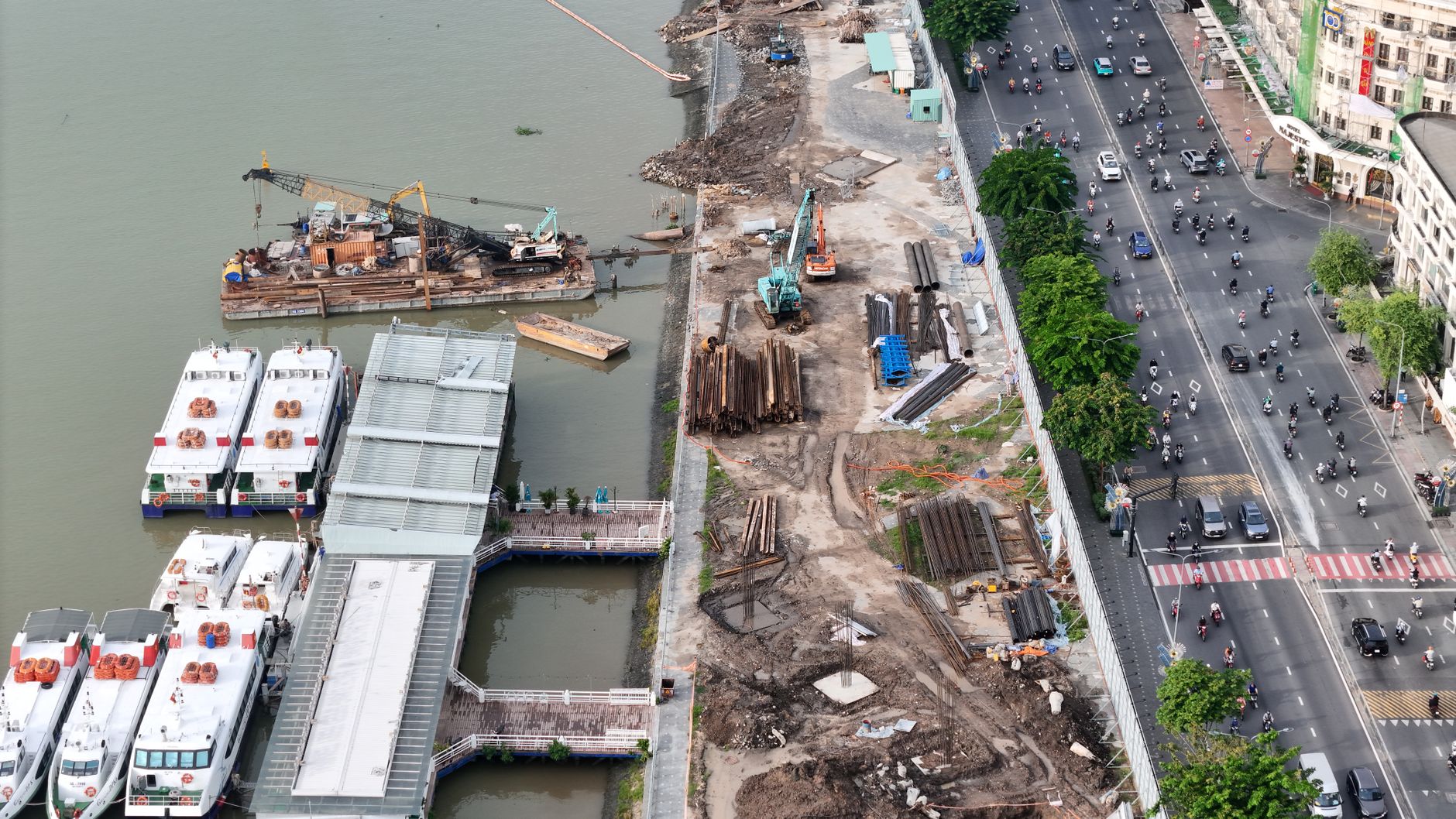
Founder Notes — Lotus Investment Group
Ho Chi Minh City Project Delivery: Inside the Machinery
Bên trong cỗ máy giao dự án ở TP.HCM: giải phóng mặt bằng, đường găng phê duyệt, năng lực nhà thầu và việc đóng vốn
Một danh mục dự án được công bố là một lời hứa. Biến lời hứa đó thành tài sản vận hành lại là việc của một cỗ máy gồm bốn bộ phận: giải phóng mặt bằng, chuỗi phê duyệt theo đường găng, năng lực thi công của nhà thầu, và thời điểm khoản vay được rút. Bài này không bàn dự án có đáng đầu tư hay không. Bài này mổ xẻ cơ chế khiến một dự án đã ghi tên trong danh mục đi được tới ngày bàn giao.
Khi đọc một danh mục đầu tư giai đoạn 2026–2030, nhà đầu tư có kinh nghiệm không dừng ở câu hỏi ngành nào được ưu tiên. Họ hỏi một dự án cụ thể đang nằm ở mắt xích nào của chuỗi giao hàng: đất đã sạch chưa, giấy phép nào còn treo, nhà thầu đủ tải không, và đồng vốn cuối cùng khớp vào lúc nào. Bốn mắt xích này nối tiếp nhau. Một mắt xích kẹt thì cả chuỗi đứng, dù ba mắt xích còn lại đã sẵn sàng.
Điểm mấu chốt là các mắt xích không chạy song song mà ràng buộc lẫn nhau theo trình tự. Đất chưa sạch thì ngân hàng chưa giải ngân. Giấy phép xây dựng chưa có thì nhà thầu chưa vào công trường. Nhà thầu chưa cam kết tiến độ thì bên cho vay chưa chốt điều kiện rút vốn. Hiểu cỗ máy này là hiểu vì sao khoảng cách giữa vốn cam kết và vốn giải ngân ở TP.HCM lại dai dẳng đến vậy, và can thiệp vào đâu thì rút ngắn được nó.
Giải phóng mặt bằng là cánh cửa đầu tiên, và thường là cánh cửa khó nhất
Trước khi bàn tới thiết kế hay tài chính, một dự án phải có đất sạch để bàn giao. Ở một đô thị quỹ đất eo hẹp như TP.HCM, đây là khâu hay làm trật tiến độ nhất. Giải phóng mặt bằng không phải một thủ tục hành chính đơn lẻ mà là một chuỗi việc: kiểm đếm hiện trạng, lập phương án bồi thường, thỏa thuận với từng hộ dân và doanh nghiệp đang chiếm dụng, rồi mới tới bàn giao đất. Mỗi bước có thể vướng, và một hộ chưa đồng thuận đủ để giữ cả khu đất ở trạng thái chưa thể khởi công.
Với nhà đầu tư, tình trạng pháp lý của đất là chỉ báo rủi ro hàng đầu cần thẩm định trước khi xuống tiền. Một dự án ghi trong danh mục nhưng đất chưa giải phóng xong thì về bản chất vẫn là một ý tưởng, chưa phải một công trường. Cách đọc đúng là phân loại dự án theo mức độ sẵn sàng của đất: đất đã sạch và đã bàn giao, đất đang trong quá trình bồi thường, hay đất mới chỉ nằm trên quy hoạch. Ba nhóm này có hồ sơ rủi ro và khung thời gian khác hẳn nhau, dù cùng đứng chung trong một bản công bố.
Đường găng phê duyệt: thứ tự các giấy phép định ra ngày khởi công thật
Sau khi có đất, một dự án còn phải đi qua một chuỗi phê duyệt mà thứ tự của chúng là cố định. Chủ trương đầu tư, quy hoạch chi tiết, đánh giá tác động môi trường, thẩm định thiết kế cơ sở, rồi giấy phép xây dựng — mỗi cửa phụ thuộc vào cửa trước. Đây là đường găng theo nghĩa quản trị dự án: tổng thời gian không bằng tổng thời gian từng việc, mà bằng độ dài của chuỗi dài nhất không thể rút gọn bằng cách làm song song.
Nút thắt thật nằm ở các điểm chuyển giao giữa các cơ quan. Mỗi cơ quan phụ trách một cửa vận hành theo ưu tiên và lịch riêng, nên hồ sơ thường nằm chờ ở khoảng giữa hai cửa nhiều hơn là ở bên trong một cửa. Cách diễn giải quy định khác nhau giữa các cơ quan còn đẩy hồ sơ quay lại từ đầu. Khi thẩm định một dự án, nhà đầu tư nhìn vào việc dự án đã đi tới cửa nào trong chuỗi — chứ không phải nó nằm trong danh mục nào. Một dự án đã qua thẩm định thiết kế cơ sở đứng ở một thế hoàn toàn khác một dự án mới có chủ trương.
Năng lực nhà thầu: nút thắt vật lý ít được nhắc tới
Giả sử đất đã sạch và giấy phép đã đủ, dự án vẫn cần một nhà thầu đủ năng lực và đủ tải để thi công đúng tiến độ cam kết. Đây là ràng buộc vật lý, không phải hành chính, và nó dễ bị bỏ qua khi cả thành phố tung ra một danh mục lớn cùng lúc. Số nhà thầu đủ năng lực làm dự án quy mô lớn là hữu hạn. Nhân lực có tay nghề, thiết bị nặng, dòng tiền để gánh giai đoạn thi công — tất cả đều có trần.
Khi nhiều dự án cùng khởi công trong một cửa sổ thời gian hẹp, chúng cạnh tranh chung một nguồn cung nhà thầu. Hệ quả là giá thầu bị đẩy lên, hoặc các nhà thầu mỏng năng lực trúng những gói vượt quá sức mình, rồi vỡ tiến độ về sau. Nhà đầu tư tinh ý vì thế soi hồ sơ năng lực và lượng việc đang dở của nhà thầu, không chỉ giá bỏ thầu. Một danh mục giao được hay không phụ thuộc một phần vào việc thành phố giãn lịch khởi công sao cho khớp với năng lực thi công thật của thị trường.
Đóng vốn: vì sao tiền chỉ chảy khi ba mắt xích kia đã thông
Đóng vốn là khâu cuối nhưng phụ thuộc vào cả ba khâu trước. Bên cho vay hiếm khi rút vốn khi đất chưa sạch, giấy phép chưa đủ hay nhà thầu chưa chốt. Điều kiện rút vốn trong hợp đồng tín dụng thường gắn thẳng vào các mốc đó: giải phóng mặt bằng xong, có giấy phép xây dựng, ký hợp đồng thi công. Nói cách khác, rủi ro của ba khâu đầu được định giá ngay vào điều khoản tài chính.
Khi rủi ro triển khai cao, bên cho vay phản ứng bằng cách siết: đòi tỷ lệ vốn chủ sở hữu cao hơn, điều kiện rút vốn ngặt hơn, thêm điều khoản dự phòng. Những điều chỉnh đó nâng chi phí vốn và có thể làm một dự án vốn khả thi trở nên không khả thi về mặt tài chính. Đây là chỗ cỗ máy giao dự án khép thành một vòng: thành phố càng thông ba mắt xích đầu dứt khoát và đáng tin bao nhiêu, đồng vốn cuối càng vào nhanh và rẻ bấy nhiêu. Đóng vốn nhanh không phải là thắng lợi của khâu tài chính, mà là phần thưởng cho ba khâu vận hành đứng trước nó.
Đọc một dự án như một chuỗi, không như một dòng trong danh mục
Bốn mắt xích trên gợi ý lối thẩm định khác hẳn cách đọc danh mục thông thường. Thay vì hỏi dự án thuộc ngành nào hay quy mô bao nhiêu, nhà đầu tư lần theo vị trí của nó trên chuỗi giao hàng và tìm mắt xích đang kẹt. Một dự án quy mô khiêm tốn nhưng đất đã sạch, giấy phép đã đủ, nhà thầu đã ký có thể đáng vốn hơn một dự án quy mô lớn còn nằm trên quy hoạch.
Cách đọc theo chuỗi cũng chỉ ra nơi can thiệp đem lại hiệu quả cao nhất. Rút ngắn đường găng phê duyệt bằng cách dọn các điểm chuyển giao giữa cơ quan thường tác động mạnh hơn là dồn thêm vốn vào một dự án đang kẹt ở khâu khác. Với cả thành phố lẫn nhà đầu tư, giá trị nằm ở việc nhận diện đúng mắt xích quyết định trong từng dự án, rồi tác động vào đúng chỗ đó.
Kết luận
Khoảng cách giữa một danh mục công bố và một công trình bàn giao không phải một bí ẩn. Nó là bốn mắt xích vận hành nối tiếp nhau, mỗi mắt xích có thể truy ra và đo được: đất, giấy phép, nhà thầu, vốn. Thành bại của giai đoạn 2026–2030 nằm ở việc thông từng mắt xích theo đúng trình tự, chứ không nằm ở số dự án được xướng tên.
Với nhà đầu tư, ích lợi của cách đọc này là tránh được ảo giác sẵn sàng mà một bản danh mục đẹp dễ tạo ra. Với thành phố, nó chỉ ra rằng cải cách hiệu quả nhất không phải là công bố thêm dự án, mà là rút ngắn quãng đường mỗi dự án phải đi từ trang giấy ra công trường. Cỗ máy giao dự án vận hành trơn hay vấp, rốt cuộc, mới là thứ định đoạt vốn có chảy hay không.
Lotus Investment Group tư vấn M&A xuyên biên giới và FDI vào Việt Nam và Đông Nam Á. Nếu quý vị đang thẩm định một vị thế tại Việt Nam, liên hệ với chúng tôi.
An announced project list is a promise. Turning that promise into an operating asset is the work of a machine with four parts: land clearance, the approvals critical path, contractor capacity, and the moment the loan actually draws. This piece does not ask whether a project is worth backing. It dissects the mechanism that carries a named project from the list to handover.
Reading a 2026–2030 investment list, an experienced investor does not stop at which sectors are favoured. They ask where a specific project sits on the delivery chain: is the land cleared, which permit is still pending, does the contractor have capacity, and when does the final tranche of capital lock in. These four links run in series. One link jams and the whole chain stalls, even where the other three are ready.
The crux is that the links do not run in parallel; they bind each other in sequence. Until land is clear, the bank does not disburse. Without a construction permit, the contractor does not mobilise. Until the contractor commits to a schedule, the lender does not finalise drawdown conditions. Understanding this machine explains why the gap between committed and disbursed capital in Ho Chi Minh City is so persistent, and where intervention actually shortens it.
Land clearance is the first gate, and usually the hardest
Before design or financing enters the conversation, a project needs clear, handover-ready land. In a land-constrained city like Ho Chi Minh City, this is where schedules most often slip. Land clearance is not a single administrative step but a chain of tasks: surveying the existing state, drawing up the compensation plan, negotiating with each household and business in occupation, and only then handing over the parcel. Each step can stall, and one unresolved household can hold an entire parcel in a state that cannot break ground.
For an investor, the legal status of land is the first risk indicator to test before committing capital. A project named in a list but with land clearance unfinished is, in substance, still an idea rather than a construction site. The right reading sorts projects by land readiness: land cleared and handed over, land mid-compensation, or land that exists only on a master plan. These three groups carry sharply different risk profiles and timelines, even when they share the same announcement.
The approvals critical path: permit sequence sets the real start date
Once land is secured, a project still moves through a chain of approvals whose order is fixed. Investment policy, detailed planning, environmental impact assessment, basic-design appraisal, then the construction permit — each gate depends on the one before. This is a critical path in the project-management sense: total duration is not the sum of each task but the length of the longest chain that cannot be compressed by working in parallel.
The real bottleneck sits at the handoffs between agencies. Each agency owning a gate runs on its own priorities and calendar, so a file tends to wait between two gates more than inside any one of them. Divergent interpretation of the same regulation across agencies can also send a file back to the start. Appraising a project, an investor looks at which gate it has reached on the chain — not which list it appears in. A project past basic-design appraisal stands in an entirely different position from one that has only an investment policy.
Contractor capacity: the physical constraint that gets least attention
Assume land is clear and permits are complete; the project still needs a contractor with the competence and the spare capacity to build on the committed schedule. This is a physical constraint, not an administrative one, and it is easy to overlook when an entire city releases a large list at once. The pool of contractors able to handle large-scale work is finite. Skilled labour, heavy equipment, and the cash flow to carry the build phase all have ceilings.
When many projects break ground inside a narrow window, they compete for the same contractor supply. The result is bid prices pushed up, or thin contractors winning packages beyond their reach and missing schedule later. A discerning investor therefore scrutinises a contractor’s track record and current workload, not just the bid price. Whether a list gets delivered depends in part on the city phasing start dates to match the market’s real construction capacity.
Financial close: why capital flows only once the other three links clear
Financial close is the last link but depends on all three before it. A lender rarely draws down while land is uncleared, permits incomplete, or the contractor unsigned. Drawdown conditions in a credit agreement are usually tied directly to those milestones: clearance complete, construction permit in hand, build contract executed. Put differently, the risk in the first three links is priced straight into the financing terms.
Where delivery risk is high, lenders respond by tightening: demanding a higher equity contribution, stricter drawdown conditions, added contingency provisions. Those adjustments raise the cost of capital and can render an otherwise viable project unviable on financial terms. This is where the delivery machine closes into a loop: the more credibly the city clears the first three links, the faster and cheaper the final capital arrives. A quick financial close is not a win for the finance function but a reward for the three operational links standing in front of it.
Read a project as a chain, not a line in a list
These four links suggest a different way to appraise than the usual list reading. Rather than asking which sector a project belongs to or how large it is, an investor traces its position on the delivery chain and finds the link that is jammed. A modest-sized project with land cleared, permits complete, and a contractor signed can deserve capital ahead of a large one still sitting on a master plan.
Reading by chain also shows where intervention pays off most. Shortening the approvals critical path by clearing the inter-agency handoffs usually does more than pouring more capital into a project jammed at a different link. For both the city and the investor, the value lies in correctly identifying the decisive link in each project, then acting precisely there.
Conclusion
The gap between an announced list and a delivered building is no mystery. It is four operational links in series, each traceable and measurable: land, permits, contractor, capital. Success across 2026–2030 lies in clearing each link in the right order, not in the count of projects named.
For an investor, the use of this reading is to avoid the illusion of readiness that a polished list invites. For the city, it shows that the most effective reform is not announcing more projects but shortening the distance each project must travel from the page to the site. Whether the delivery machine runs smoothly or stumbles is, in the end, what decides whether capital flows.
Lotus Investment Group advises on cross-border M&A and FDI into Vietnam and Southeast Asia. If you are underwriting Vietnam exposure, get in touch.
Nguồn / Sources
[1]
Vietnam Investment Review (2026) — Ho Chi Minh City announces 2026–2030 investment projects.
[2]
Bài liên quan / Related: https://lotusventure.co/2026/04/hcmc-investment-projects-capital-readiness/