

Vietnam Capital Deployment: An Investor Playbook
April 17, 2026
Ho Chi Minh City Project Delivery: Inside the Machinery
April 20, 2026
Founder Notes — Lotus Investment Group
Ho Chi Minh City Investment Pipeline: Closing the Gap
Dòng dự án của TP.HCM và khoảng cách thật từ kế hoạch tới triển khai, 2026–2030
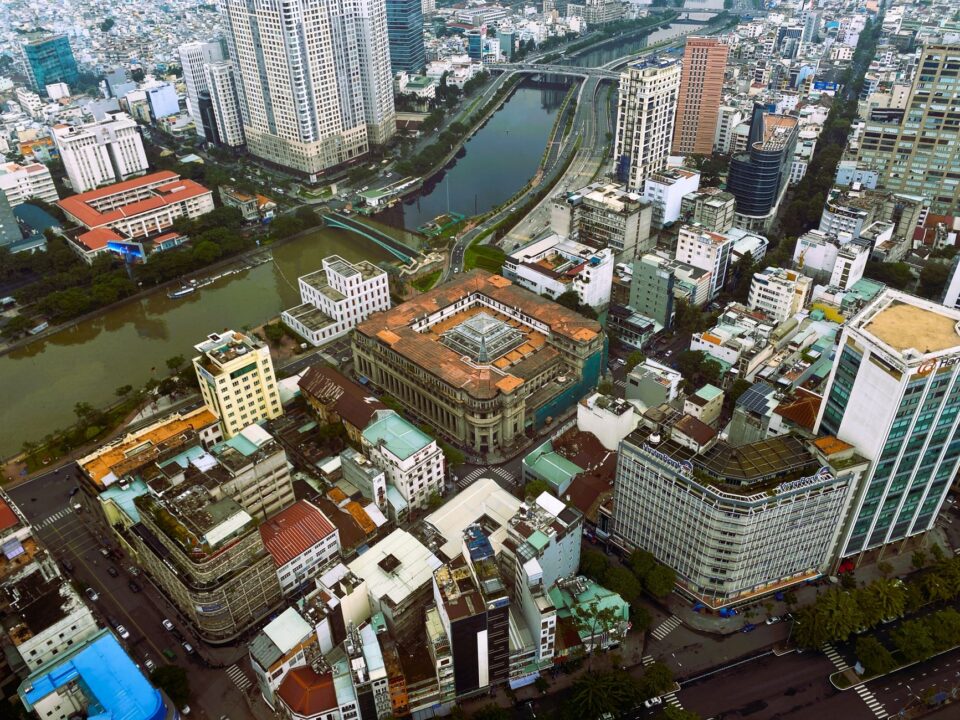
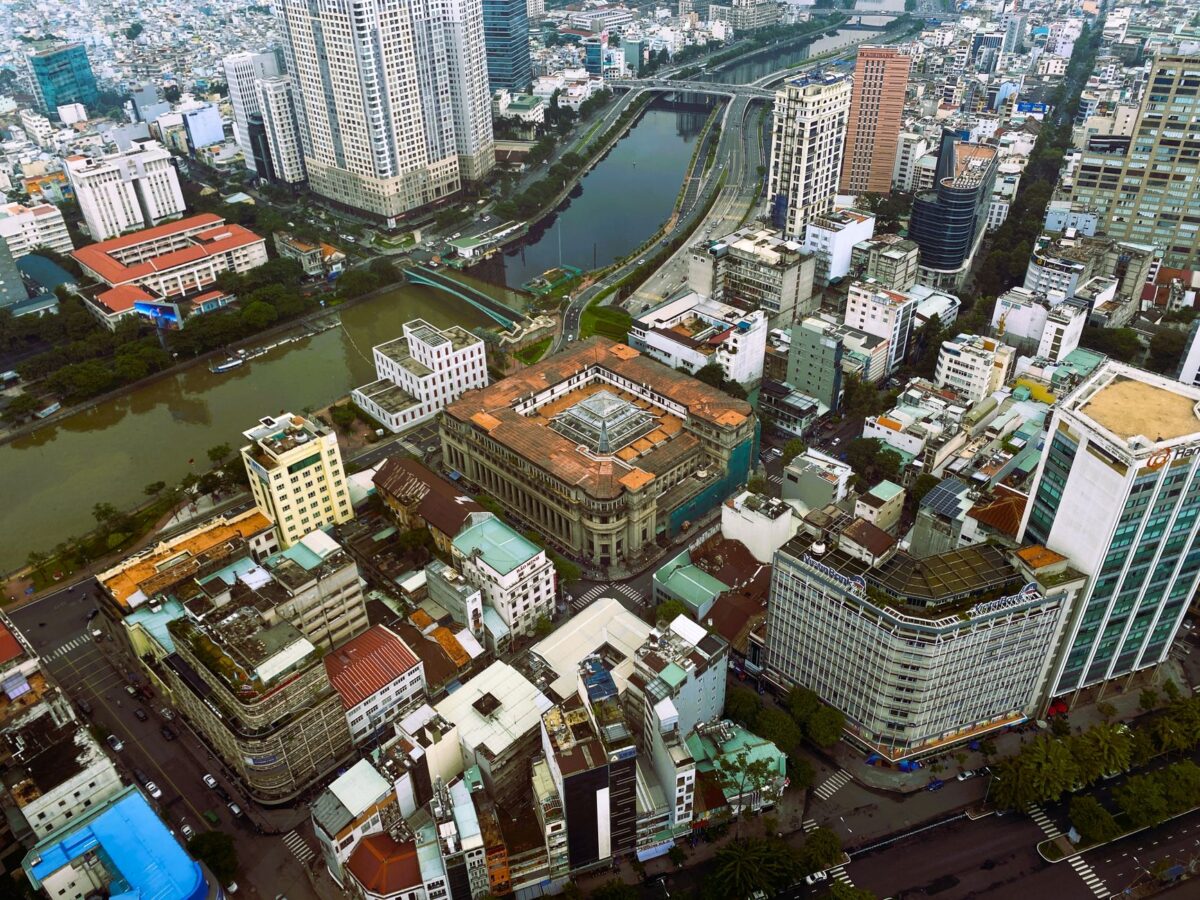
TP.HCM vừa công bố danh mục dự án đầu tư cho giai đoạn 2026–2030. Đọc đúng, đây là bước chuyển từ kiểu phát triển chắp vá, chạy theo từng cơ hội lẻ, sang lối phân bổ vốn có trật tự ở trung tâm kinh tế lớn nhất Việt Nam. Một danh mục công khai giúp nhà đầu tư nhìn thấy không chỉ cơ hội mà cả lộ trình, tuyến pháp lý và mức khả thi của từng dự án. Nhưng nhìn thấy dự án không có nghĩa là dự án đã sẵn sàng nhận vốn.
Vốn FDI và vốn trong nước đổ về thành phố ngày một lớn, và quy mô ấy đòi một cơ chế phân bổ kỷ luật hơn. Một dòng dự án rõ ràng làm giảm khoảng cách thông tin giữa chính quyền và thị trường: nhà đầu tư đánh giá được cơ hội trong một khung mạch lạc thay vì dò dẫm từng thương vụ rời rạc. Đổi lại, danh mục công bố trở thành cam kết. Mỗi dự án ghi tên là một thước đo, và thị trường sẽ theo dõi xem khoảng cách giữa kế hoạch và thực tế rộng hay hẹp.
Đó mới là phần khó. Lịch sử triển khai dự án ở TP.HCM cho thấy nút thắt nằm chủ yếu ở khâu thực thi, không phải khâu lên kế hoạch. Giải phóng mặt bằng chậm, thủ tục pháp lý nhiều tầng, các bên liên quan lệch nhịp — những thứ này kéo dài tiến độ, đội chi phí và bào mòn niềm tin. Bài này nhìn cả hai mặt: cơ hội mà một danh mục có trật tự mở ra, và những ràng buộc thật khiến vốn cam kết chưa chắc thành vốn giải ngân.
Danh mục minh bạch giúp phân bổ vốn tốt hơn, nhưng phải khớp với khâu thực thi
Một danh mục dự án công khai nâng hiệu quả phân bổ vốn bằng cách cho nhà đầu tư lối tiếp cận có cấu trúc. Thay vì tự đi tìm thương vụ rải rác, họ cân nhắc dự án trong một khung đã vạch sẵn thứ tự ưu tiên ngành và mốc thời gian phát triển. Khung này giảm bất định và giúp rót vốn có chiến lược hơn. Vấn đề là tính minh bạch dễ tạo ảo giác sẵn sàng: một dự án trông khả thi trên giấy vẫn có thể vướng pháp lý, mặt bằng hay cấu trúc tài chính chưa thông. Nhà đầu tư vì thế soi độ chuẩn bị thật phía sau mỗi dự án. Chất lượng dòng dự án quan trọng ngang số lượng.
Muốn vậy, danh mục phải gắn chặt với hệ thống thực thi — phối hợp giữa các cơ quan phụ trách đất đai, hạ tầng và cấp phép. Nhà đầu tư xem xét dự án có tuyến triển khai rõ ràng không: mốc tiến độ cụ thể, ai chịu trách nhiệm khâu nào. Phối hợp lỏng thì chậm tiến độ, niềm tin xói mòn. Phối hợp chặt thì đẩy nhanh dòng thương vụ và dùng vốn hiệu quả hơn. Danh mục phải là một lộ trình vận hành, không phải một bản kế hoạch để treo. Nhìn thấy cơ hội chỉ có giá trị khi nó dẫn tới giải ngân.
Thứ tự ưu tiên ngành cho thấy thành phố chọn rót vốn vào đâu
Cơ cấu danh mục cho biết chính quyền đang ưu tiên triển khai vốn theo ngành nào. Hạ tầng, phát triển đô thị và công nghiệp thường chiếm tỷ trọng lớn vì vai trò nền móng cho tăng trưởng. Gần đây trọng tâm dịch chuyển dần sang hạ tầng số và các ngành dịch vụ, phản ánh chuyển dịch cơ cấu kinh tế rộng hơn. Nhà đầu tư đọc thứ tự ưu tiên này để đoán nơi nào sẽ có tăng trưởng và hậu thuẫn chính sách trong vài năm tới.
Chọn ngành khéo là cân giữa nhu cầu trước mắt và vị thế chiến lược dài hạn. Dồn quá nhiều vào vài ngành dễ sinh nút thắt; bỏ bê những lĩnh vực then chốt lại bóp tăng trưởng. Thành phố phải gióng thứ tự ưu tiên ngành với năng lực hạ tầng, nguồn điện sẵn có và khung chính sách. Khi đánh giá cơ hội, nhà đầu tư nhìn đúng vào độ ăn khớp ấy. Chọn trúng ngành kéo được dòng vốn nhắm đích và đỡ cho phát triển bền vững; chọn lệch thì sinh mất cân đối và bào mòn lợi nhuận.
Nút thắt thực thi đến từ pháp lý nhiều tầng và các bên lệch nhịp
Độ phức tạp pháp lý là một trong những nguồn gây tắc lớn nhất của dự án quy mô lớn. Nhiều tầng phê duyệt, cách diễn giải quy định khác nhau giữa các cơ quan, thủ tục hành chính rườm rà — tất cả kéo dài tiến độ. Tình trạng này thường nặng thêm khi các bên lệch nhịp: cơ quan nhà nước, chủ đầu tư và bên cấp vốn vận hành theo ưu tiên và ràng buộc riêng, sinh ra ma sát. Nhà đầu tư phải lèo lái qua mớ phức tạp đó khi cấu trúc và chạy thương vụ, và cả thời gian lẫn chi phí đều đội lên.
Gỡ tắc cần đơn giản hóa quy trình và siết phối hợp liên ngành. Hướng dẫn rõ ràng, diễn giải quy định nhất quán, phê duyệt tinh gọn — những thứ này cắt được phần lớn độ trễ. Khi đánh giá môi trường đầu tư, nhà đầu tư nhìn xem thành phố có đang làm thật những cải cách ấy không. Gióng được các bên về cùng nhịp thì hiệu quả lên, rủi ro xuống; để lệch nhịp thì độ trễ và bất định kéo dài. Tốc độ triển khai dự án rốt cuộc do khâu phối hợp định đoạt.
Mặt bằng và hạ tầng vẫn là ràng buộc cứng lên tiến độ
Quỹ đất sẵn sàng và hạ tầng kết nối là yếu tố nền quyết định tiến độ. Giải phóng mặt bằng chậm hay hạ tầng phụ trợ thiếu có thể làm dự án đứng hình ngay cả sau khi đã có phê duyệt. Ở một đô thị như TP.HCM, nơi quỹ đất eo hẹp, ràng buộc này càng gắt. Nhà đầu tư phải thẩm định độ sẵn sàng của khu đất trước khi rót vốn, vì tình trạng pháp lý đất chưa thông là nguồn gây trễ và đội chi phí phổ biến nhất.
Cải thiện khâu này đòi quy hoạch chủ động và phối hợp liên cơ quan: quy trình giao đất minh bạch, hạ tầng đi trước một bước. Nhà đầu tư chuộng nơi những việc đó được lo từ đầu — quỹ đất sạch và hạ tầng sẵn sàng thì triển khai trơn, rủi ro thấp. Còn để mặt bằng và hạ tầng đi sau, dự án vướng nút thắt và vốn ngần ngại vào. Đất sạch và hạ tầng kết nối định ra khung thời gian thực của cả danh mục.
Rủi ro triển khai phản ánh ngay vào giá vốn và điều kiện tài chính
Rủi ro thực thi đi thẳng vào cách cấu trúc và định giá vốn. Để bù cho khả năng chậm tiến độ, nhà đầu tư siết điều kiện tài chính — đòi tỷ lệ vốn chủ sở hữu cao hơn, điều kiện vay ngặt hơn, hoặc thêm điều khoản dự phòng. Những điều chỉnh ấy nâng chi phí vốn tổng thể và có thể làm một dự án mất tính khả thi. Nơi nào rủi ro triển khai cao thì nhà đầu tư tổ chức thường tham gia dè dặt.
Muốn cải thiện hiệu quả vốn và hút dòng tiền chất lượng hơn, TP.HCM phải kéo rủi ro triển khai xuống bằng tiến độ ổn định và quy trình minh bạch. Nhà đầu tư cân xem mức rủi ro có xứng với lợi nhuận kỳ vọng không: môi trường rủi ro thấp hút thêm vốn và đỡ cho mở rộng quy mô, môi trường rủi ro cao thì bóp tăng trưởng. Cách thành phố thu hẹp khoảng cách giữa danh mục công bố và dự án giao thật sẽ định chi phí vốn mà nó phải trả để giữ chân nhà đầu tư.
Kết luận
Danh mục dự án có trật tự của TP.HCM là một nỗ lực chiến lược nhằm gióng dòng vốn vào với ưu tiên phát triển. Thành bại nằm ở chỗ biến tầm nhìn thành độ sẵn sàng, rồi biến độ sẵn sàng thành dự án giao đúng hẹn. Nhà đầu tư sẽ chấm thành phố trên năng lực giao hàng đều tay và có thể nhân rộng, chứ không trên số dự án công bố.
Giai đoạn tới đòi kỷ luật phối hợp xuyên ngành và xuyên cơ quan, quỹ đất sạch đi trước, và thủ tục pháp lý gọn hơn. Làm được, TP.HCM củng cố vị thế trung tâm đầu tư hàng đầu Việt Nam. Không làm được, danh mục công bố vẫn chỉ là danh mục, còn vốn cam kết treo lại ở khoảng cách giữa kế hoạch và triển khai. Khâu thực thi, chứ không phải bản công bố, mới là thứ quyết định.
Lotus Investment Group tư vấn M&A xuyên biên giới và FDI vào Việt Nam và Đông Nam Á. Nếu quý vị đang thẩm định một vị thế tại Việt Nam, liên hệ với chúng tôi.
Ho Chi Minh City has announced its investment project pipeline for 2026–2030. Read it right, and this is a shift away from fragmented, opportunity-by-opportunity development toward disciplined capital allocation in Vietnam’s largest economic centre. A published pipeline lets investors see the opportunities and, alongside them, the timelines, the regulatory pathways, and how feasible each project really is. Seeing a project, though, is not the same as the project being ready for capital.
Both foreign and domestic flows into the city keep growing, and that scale demands a more disciplined allocation mechanism. A clear pipeline narrows the information gap between government and market: investors can weigh opportunities inside a coherent frame instead of chasing scattered deals. In return, the announced list becomes a commitment. Every named project is a benchmark, and the market will watch how wide the gap runs between plan and reality.
That is the hard part. Ho Chi Minh City’s delivery history shows the bottleneck sits in execution, not planning. Slow land clearance, multi-layered approvals, stakeholders out of step — these stretch timelines, push up costs, and wear down confidence. This piece takes both sides: the opportunity a structured pipeline opens, and the real constraints that keep committed capital from becoming deployed capital.
A transparent pipeline improves capital allocation, but only if it aligns with execution
A published project pipeline raises allocation efficiency by giving investors structured access. Instead of sourcing scattered deals, they weigh projects inside a defined frame that sets out sector priorities and development timelines. That cuts uncertainty and lets capital go in more strategically. The catch is that visibility breeds a false sense of readiness: a project that looks viable on paper can still snag on unresolved land or financing issues. So investors probe the real depth of preparation behind each one. Pipeline quality matters as much as pipeline quantity.
For that, the pipeline has to bind tightly to execution systems — coordination across the agencies that handle land and approvals. Investors look for a clear path to delivery: defined milestones, and someone accountable for each stage. Weak alignment means delays that erode confidence. Strong alignment speeds deal flow and puts capital to better use. The pipeline has to work as an operating roadmap, not a planning document left on a shelf. Seeing the opportunity only counts when it leads to deployment.
Sector priorities reveal where the city chooses to deploy capital
The makeup of the pipeline shows which sectors authorities are prioritising. Infrastructure, urban development, and industry usually take the largest share, given their role underpinning growth. Lately the weight has been shifting toward digital infrastructure and service sectors, tracking a broader economic transition. Investors read these priorities to gauge where growth and policy support are likely to concentrate over the next few years.
Good sector selection balances near-term demand against long-term strategic position. Crowding capital into a few sectors breeds bottlenecks; starving critical areas caps growth. The city has to line up sector priorities with infrastructure capacity, available power, and policy frameworks. When investors assess an opportunity, that fit is what they look at. Strong selection draws targeted capital and supports durable development; weak selection produces imbalances and thinner returns.
Execution bottlenecks come from layered regulation and stakeholders out of step
Regulatory complexity is one of the biggest sources of stalled large-scale projects. Multiple approval layers, varying readings of the same rules across agencies, administrative drag — all of it stretches timelines. The problem worsens when stakeholders fall out of step: government bodies, developers, and financiers each work under their own priorities and constraints, generating friction. Investors have to steer through that complexity when they structure and run a deal, and both time and cost climb.
Clearing the blockage takes simpler processes and tighter cross-agency coordination. Clear guidance, consistent interpretation, streamlined approvals — these cut most of the delay. When investors size up the market, they look for whether those reforms are actually happening. Get the parties onto one rhythm and efficiency rises while risk falls; let them stay out of step and delay and uncertainty persist. Delivery speed, in the end, is set by coordination.
Land and infrastructure remain hard constraints on delivery
Available land and connecting infrastructure are the ground-level factors that set delivery timelines. Slow clearance or thin supporting infrastructure can stall a project even after approvals are in hand. In a city like Ho Chi Minh City, where land is tight, the constraint bites harder. Investors have to test a site’s readiness before committing, because unclear land status is the most common source of delay and cost overrun.
Fixing this takes proactive planning and inter-agency coordination: transparent allocation processes, infrastructure that goes in a step ahead. Investors favour places that handle these upfront — clean land and ready infrastructure mean smooth delivery and lower risk. Leave land and infrastructure to follow later, and projects hit bottlenecks and capital hesitates. Clear land and connecting infrastructure define the real timeline of the whole pipeline.
Execution risk shows up directly in the cost of capital
Execution risk feeds straight into how capital is structured and priced. To cover the odds of delay, investors tighten terms — higher equity requirements, stricter lending conditions, contingency provisions. Those adjustments lift the overall cost of capital and can tip a project out of viability. Where execution risk runs high, institutional investors tend to participate cautiously.
To improve capital efficiency and draw higher-quality flows, the city has to bring execution risk down through consistent delivery and transparent processes. Investors weigh whether the risk level justifies expected returns: lower-risk environments pull in more capital and support scaling, higher-risk ones cap growth. How far Ho Chi Minh City closes the gap between the announced pipeline and projects actually delivered will set the cost of capital it pays to keep investors in.
Conclusion
Ho Chi Minh City’s structured pipeline is a strategic effort to line capital up with development priorities. Success turns on converting visibility into readiness, then readiness into projects delivered on time. Investors will grade the city on consistent, scalable delivery, not on the number of projects announced.
The next phase demands disciplined coordination across sectors and institutions, clean land ahead of need, and leaner regulatory process. Get it right, and the city firms up its place as Vietnam’s leading investment hub. Get it wrong, and the announced list stays just a list, with committed capital stranded in the gap between plan and delivery. Execution, not the announcement, is what decides.
Lotus Investment Group advises on cross-border M&A and FDI into Vietnam and Southeast Asia. If you are underwriting Vietnam exposure, get in touch.
Nguồn / Sources
[1]
Vietnam Investment Review (2026) — Ho Chi Minh City announces 2026–2030 investment projects.