

Vietnam Transport Land Value: Connectivity Reprices Assets
March 10, 2026
Vietnam Semiconductor Supply Chain: How a $1bn Fab Gets Built
March 11, 2026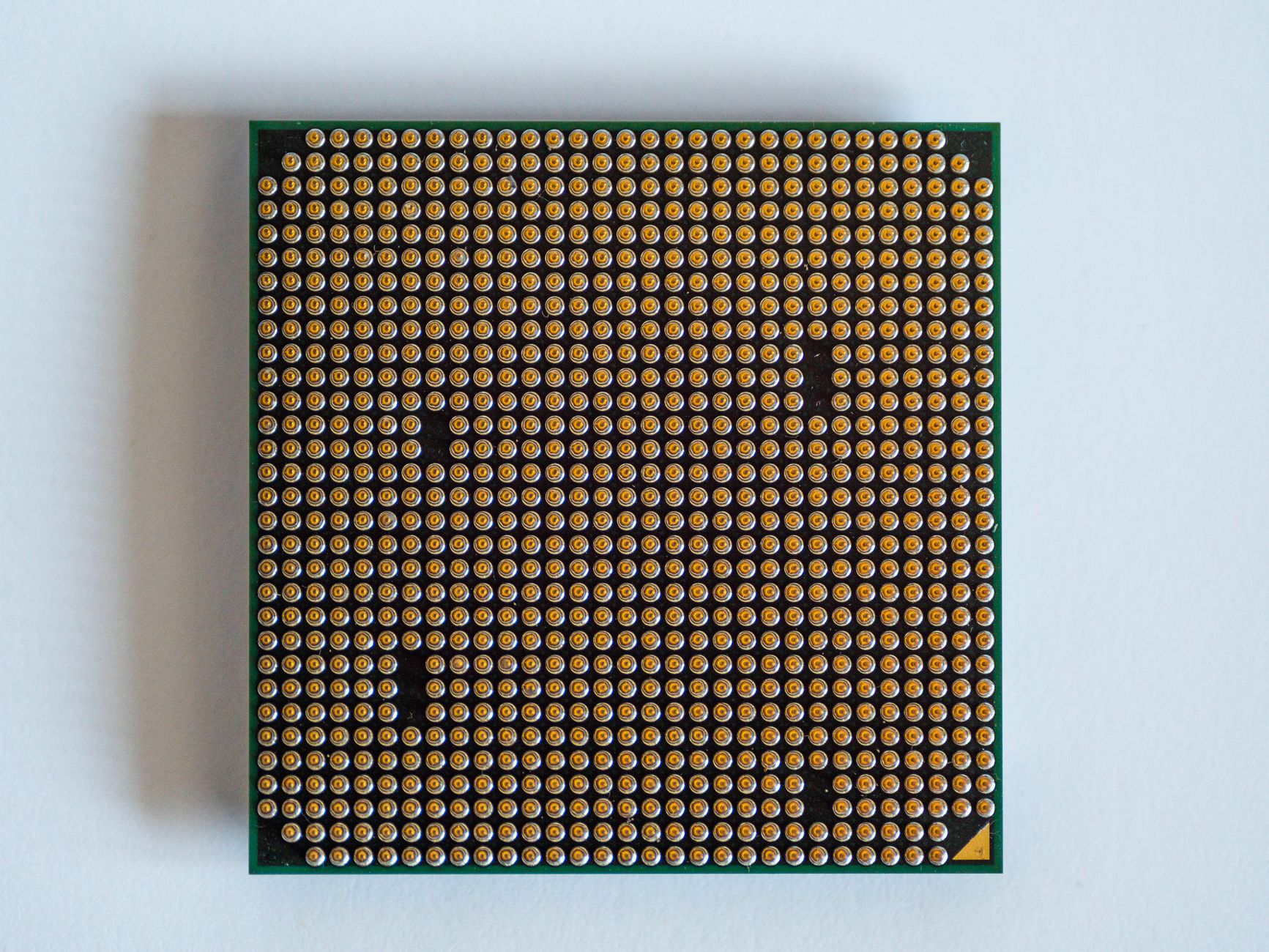
Founder Notes — Lotus Investment Group
Vietnam Semiconductor Investment: The $1B Dutch Test
Một tỷ USD bán dẫn Hà Lan: cơ hội và bài kiểm tra thật cho hệ sinh thái công nghệ Việt Nam
Một hãng bán dẫn Hà Lan quyết định dựng nhà máy 1 tỷ USD tại Việt Nam. Đặt đúng chỗ, đây là cột mốc lớn của chiến lược công nghiệp đất nước. Bán dẫn nằm ở vùng tinh vi nhất của sản xuất hiện đại — cần kỹ thuật chính xác, điện nước không gián đoạn, nhân lực được đào tạo kỹ, và chỗ đứng trong chuỗi cung ứng công nghệ toàn cầu. Khi một hãng như vậy chọn nơi đặt nhà máy, họ không chỉ rót vốn; họ chấm điểm độ sẵn sàng công nghiệp của nước chủ nhà trên nhiều mặt cùng lúc.
Vì thế dự án nặng hơn một nhà máy đơn lẻ. Nó phản ánh cách các tập đoàn công nghệ đa quốc gia đang đọc lại vai trò của Việt Nam trong hệ sinh thái điện tử toàn cầu. Nhiều thập niên qua, sức chế tạo của Việt Nam nằm chủ yếu ở khâu lắp ráp thâm dụng lao động. Giờ đất nước muốn thành một mắt xích chiến lược ở tầng công nghệ cao hơn — và khoản đầu tư này sẽ cho thấy tham vọng ấy đứng vững được tới đâu.
Thành công sẽ củng cố vị thế của Việt Nam như một nút thật sự trong mạng lưới công nghệ thế giới. Thất bại sẽ phơi ra những nút thắt cấu trúc vẫn đang ghìm bước nâng cấp. Đọc cho ra ý nghĩa của dự án, phải soi nó qua bốn chiều quyết định: độ tin của hạ tầng, nhân lực, khung pháp lý và mức hội nhập chuỗi cung ứng. Bài này nhìn cả cơ hội lẫn cái giá phải trả để giữ được nó.
Bán dẫn — cột mốc công nghiệp chiến lược
Bán dẫn là nền tảng của nền kinh tế hiện đại. Nó vận hành điện tử, viễn thông, hệ thống ô tô, máy tính cao cấp. Chính vì vị trí cốt lõi ấy, chính phủ và doanh nghiệp khắp nơi coi chuỗi cung ứng bán dẫn là thứ nhạy cảm chiến lược, canh giữ chặt. Dự án Hà Lan cho thấy Việt Nam đang dần luồn mình vào những chuỗi trọng yếu đó.
Nhưng dựng được năng lực sản xuất bán dẫn cần hơn cả vốn. Phải có điện cấp ổn định, hậu cần hiện đại, lao động kỹ thuật lành nghề. Việt Nam hút được khoản đầu tư cỡ này, tức những điều kiện nền ấy đã mạnh lên đáng kể — khu công nghiệp, hệ thống điện, cơ sở đào tạo ngày một khớp với đòi hỏi của chế tạo công nghệ cao. Mặt kinh tế thì hệ số nhân rất rõ: nhà cung cấp vật liệu chuyên dụng, đơn vị bảo trì thiết bị, dịch vụ hậu cần thường bám quanh nhà máy mà mở rộng, dựng nên cụm công nghiệp mới.
Hạ tầng đáng tin quyết định nhà máy sống hay chết
Đây là chỗ cơ hội va vào thực tế. Sản xuất bán dẫn nhạy với độ tin của hạ tầng hơn gần như mọi ngành khác. Dây chuyền chạy liên tục, đòi điều kiện môi trường chính xác. Chỉ một cú chập điện ngắn hay nước dao động chất lượng cũng đủ làm hỏng mẻ sản xuất và buộc hiệu chỉnh lại thiết bị, tốn kém. Điện phải cấp không gián đoạn, dao động điện áp tối thiểu; nước xử lý phải đạt chuẩn tinh khiết cho công đoạn chế tạo.
Khu công nghiệp đón nhà máy bán dẫn thường tích hợp hệ tiện ích thiết kế riêng cho công nghệ cao, và việc Việt Nam cung được những hệ ấy phản ánh tiến bộ một thập niên hiện đại hóa hạ tầng. Có điều, bán dẫn cũng phơi ra điểm yếu hạ tầng rất nhanh: hễ trục trặc tiện ích lặp lại, chi phí vận hành đội lên, lịch sản xuất vỡ. Giữ được độ tin mới là điều kiện sống còn để vốn ở lại lâu dài. Chiến lược hạ tầng rộng hơn của Việt Nam — mở rộng nguồn điện, nâng cấp hậu cần — sẽ định đoạt có thêm dự án bán dẫn nối theo hay không.
Nhân lực là mặt trận cạnh tranh kế tiếp
Sản xuất bán dẫn cần một lực lượng lao động chuyên biệt cao. Kỹ sư, kỹ thuật viên, thợ vận hành phải hiểu công nghệ chế tạo phức tạp và giữ kỷ luật kiểm soát chất lượng ngặt nghèo. Năng lực nhân lực vì thế là một trong những thứ quyết định khoản đầu tư trụ được bao lâu. Dự án này đẩy phát triển nguồn nhân lực lên hàng đầu: các trường đại học, trung tâm dạy nghề có thể mở rộng chương trình về kỹ thuật điện tử, khoa học vật liệu và tự động hóa.
Những chương trình ấy thiết yếu, bởi hãng bán dẫn sống nhờ chuyên môn kỹ thuật liên tục — bảo trì thiết bị, tối ưu quy trình, cải thiện tỷ lệ thành phẩm đều dựa vào người giỏi. Nước nào dựng được đường ống nhân tài bán dẫn thường kéo theo nâng cấp công nghệ rộng hơn, vì kỹ năng học từ bán dẫn chuyển được sang robot, thiết bị năng lượng tái tạo, viễn thông. Nếu Việt Nam củng cố được đội ngũ kỹ sư, lợi ích dài hạn sẽ vượt xa một nhà máy. Nếu không, dự án vẫn chạy nhưng phần giá trị cao vẫn ở lại tay người nước ngoài.
Kiểm soát xuất khẩu và quản trị công nghệ
Đây là chiều mà cách nhìn lạc quan hay bỏ sót. Chuỗi cung ứng bán dẫn vận hành trong một môi trường quốc tế bị quản chặt. Nhiều chính phủ áp kiểm soát xuất khẩu lên công nghệ chip tiên tiến vì ý nghĩa chiến lược của chúng. Hệ quả là hãng bán dẫn buộc phải bảo đảm nhà máy tuân thủ các khung pháp lý rắc rối — chứng minh quy trình chế tạo, chuyển giao công nghệ và quan hệ chuỗi cung ứng đều khớp đòi hỏi kiểm soát xuất khẩu.
Với Việt Nam, sự khớp ấy vừa là thách thức vừa là cơ hội. Khung tuân thủ phải tiến hóa cho kịp kỳ vọng pháp lý của ngành công nghệ cao. Đổi lại, quản trị công nghệ tốt làm nhà đầu tư yên tâm: khi tập đoàn đa quốc gia thấy nước chủ nhà giữ được hệ thống pháp lý an toàn và minh bạch, họ sẵn lòng chuyển giao năng lực chế tạo tiên tiến hơn. Việt Nam xử khéo phần quản trị này tới đâu sẽ định ngành bán dẫn có mở rộng tiếp những năm tới hay không.
Phân tán địa chính trị mở đường cho điểm sản xuất mới nổi
Ngành bán dẫn toàn cầu ngày càng bị nắn theo toan tính địa chính trị. Chính phủ và doanh nghiệp đều muốn rải nơi sản xuất để bớt lệ thuộc vào một nhúm trung tâm. Dự án Hà Lan phản chiếu đúng xu hướng đó — các tập đoàn đang trải mạng lưới ra nhiều nước để giữ nguồn cung không đứt. Vị trí địa lý và mức hội nhập thương mại biến Việt Nam thành ứng viên hấp dẫn: đất nước tham gia nhiều hiệp định thương mại giúp tiếp cận thị trường toàn cầu trơn tru.
Khi sản xuất bán dẫn diễn ra ngay cạnh ngành lắp ráp điện tử sẵn có, chuỗi cung ứng chạy hiệu quả hơn — linh kiện đi nhanh giữa các nhà máy mà không phải qua biên giới — và hệ sinh thái công nghệ đầy đặn dần lên, kéo thêm nhà cung cấp tới đặt cơ sở gần đó. Nhưng chiến lược phân tán cũng đòi môi trường pháp lý ổn định: nhà đầu tư chuộng nơi chính sách nhất quán, đỡ được phát triển công nghiệp dài hạn. Giữ được sự nhất quán ấy, cộng với tiếp tục đổ vốn vào hạ tầng và giáo dục, bán dẫn mới thành một cấu phần ngày càng quan trọng trong cơ cấu kinh tế.
Kết luận
Khoản đầu tư bán dẫn của Hà Lan là phép thử độ sẵn sàng của Việt Nam cho những phân khúc giá trị cao của sản xuất toàn cầu. Bốn điều kiện phải hội đủ cùng lúc: hạ tầng đáng tin, lao động lành nghề, khung pháp lý khớp chuẩn quốc tế, và mức hội nhập chuỗi cung ứng đủ sâu. Đỡ được dự án này rồi hút thêm dự án khác, Việt Nam sẽ chắc chân hơn trong hệ sinh thái điện tử toàn cầu và tăng tốc nâng cấp năng lực công nghiệp.
Suy cho cùng, bán dẫn không chỉ là một ngành; nó là thước đo độ tinh vi của cả nền kinh tế. Cơ hội thật, nhưng không miễn phí — nó treo trên điện ổn định, kỹ sư đủ giỏi và một bộ máy quản trị biết nói chuyện với luật chơi quốc tế. Việt Nam giữ được vốn ở lại trong ngành này tới đâu sẽ định hình quỹ đạo chuyển mình công nghiệp của đất nước.
Lotus Investment Group tư vấn M&A xuyên biên giới và FDI vào Việt Nam và Đông Nam Á. Nếu quý vị đang thẩm định một vị thế tại Việt Nam, liên hệ với chúng tôi.
A Dutch semiconductor company is putting $1 billion into a new plant in Vietnam. Read it right, and this is a milestone in the country’s industrial strategy. Chipmaking sits at the most exacting edge of modern manufacturing — precise engineering, uninterrupted utilities, a well-trained workforce, a real foothold in global technology supply chains. When a firm like this picks a site, it isn’t just deploying capital. It’s grading the host country’s industrial readiness on several axes at once.
So the project weighs more than a single factory. It reflects how multinational technology firms are re-reading Vietnam’s place in the global electronics ecosystem. For decades the country’s manufacturing strength sat mostly in labour-intensive assembly. Now it wants to be a strategic node at a higher technological tier — and this investment will show how far that ambition actually holds.
Success would cement Vietnam as a genuine node in the world’s technology networks. Failure would expose the structural constraints still pinning down its upgrade. To read the project properly you have to put it against four deciding dimensions: infrastructure reliability, human capital, regulatory alignment, and supply-chain integration. This piece takes the opportunity and the price of keeping it together.
Semiconductors as a strategic industrial milestone
Semiconductors are foundational to a modern economy. They run electronics, telecoms, automotive systems and advanced computing. That centrality is exactly why governments and corporations everywhere treat chip supply chains as strategically sensitive and guard them closely. The Dutch project shows Vietnam gradually threading itself into those critical chains.
Building production capacity, though, takes far more than capital. It demands stable power, modern logistics and skilled technical labour. That Vietnam can attract investment at this scale means those underlying conditions have strengthened markedly — industrial parks, power systems and training institutions increasingly match what high-tech manufacturing requires. The economics carry strong multipliers, too: suppliers of specialised materials, equipment-maintenance providers and logistics services tend to cluster around a fab and expand, forming new industrial clusters.
Reliable infrastructure decides whether a fab lives or dies
This is where the opportunity meets reality. Chip production is more sensitive to infrastructure reliability than almost any other industry. Lines run continuously and demand precise environmental conditions. A brief power dip or a swing in water quality can ruin a production run and force costly equipment recalibration. Power has to arrive uninterrupted with minimal voltage fluctuation; treated water has to hold strict purity standards for fabrication.
Industrial parks that host fabs usually integrate utility systems built specifically for high-tech manufacturing, and Vietnam’s ability to supply them reflects a decade of infrastructure modernisation. But chipmaking also exposes infrastructure weakness fast: repeated utility disruptions push operating costs up and break production schedules. Holding reliability is the condition for keeping capital here long-term. Vietnam’s broader infrastructure strategy — power generation expansion, logistics upgrades — will decide whether more chip investment follows.
Talent is the next competitive frontier
Chip production needs a deeply specialised workforce. Engineers, technicians and operators have to understand complex fabrication technologies and hold strict quality control. Workforce capability is therefore one of the biggest determinants of how long an investment survives. The project pushes human-capital development to the front: universities and technical institutes are likely to widen programmes in electronics engineering, materials science and automation.
Those programmes matter because chip firms run on continuous technical expertise — equipment maintenance, process optimisation and yield improvement all rest on skilled people. Countries that build a semiconductor talent pipeline tend to see broader technological upgrading, since skills learned in chipmaking transfer to robotics, renewable-energy equipment and telecoms. Strengthen the engineering workforce, and the long-term payoff runs well past one factory. Fail to, and the plant still runs — but the high-value work stays in foreign hands.
Export control and technology governance
This is the dimension the upbeat read tends to skip. Chip supply chains operate inside a heavily regulated international environment. Governments often impose export controls on advanced chip technologies because of their strategic weight. So semiconductor firms have to make sure a plant complies with intricate regulatory frameworks — proving that manufacturing processes, technology transfers and supply-chain relationships meet export-control requirements.
For Vietnam, that alignment is both a challenge and an opening. Compliance frameworks have to evolve to meet the regulatory expectations of high-tech industry. In return, sound technology governance buys investor confidence: when multinationals see a host country can run secure, transparent regulatory systems, they grow more willing to transfer advanced manufacturing capability. How well Vietnam handles this governance load will shape whether the chip sector expands further in the coming years.
Geopolitical diversification favours emerging production hubs
The global chip industry is increasingly shaped by geopolitics. Governments and corporations want to diversify production locations to cut dependence on a handful of centres. The Dutch project mirrors that trend — multinationals are spreading networks across countries to keep supply continuous. Geography and trade integration make Vietnam an attractive candidate: it sits in numerous trade agreements that ease access to global markets.
When chipmaking sits next to the country’s existing electronics assembly, supply chains run more efficiently — components move fast between plants without crossing borders — and the technology ecosystem fills out, pulling more suppliers to set up nearby. But diversification also needs a stable regulatory environment: investors favour places where policy stays predictable and supportive of long-term industrial development. Hold that consistency, keep investing in infrastructure and education, and semiconductors become an increasingly important part of the economic structure.
Conclusion
The Dutch chip investment is a test of Vietnam’s readiness for the higher-value segments of global manufacturing. Four conditions have to hold at once: reliable infrastructure, skilled labour, regulatory alignment with international standards, and deep enough supply-chain integration. Support this project, draw in the next, and Vietnam firms up its place in the global electronics ecosystem while accelerating its industrial upgrade.
In the end, semiconductors are more than an industry; they’re a benchmark of how sophisticated an economy really is. The opportunity is real, but it isn’t free — it rides on stable power, good-enough engineers, and a governance apparatus that can talk to international rules. How far Vietnam keeps capital in this sector will shape the trajectory of its industrial transformation.
Lotus Investment Group advises on cross-border M&A and FDI into Vietnam and Southeast Asia. If you are underwriting Vietnam exposure, get in touch.
Nguồn / Sources
[1]
Vietnam Investment Review (2026) — Dutch semiconductor giant to build $1 billion production facility in Vietnam.