

Vietnam Investor Playbook: Positioning Across Capital Systems
April 3, 2026
FDI Capital Efficiency: Measuring Quality in Ho Chi Minh City
April 6, 2026
Founder Notes — Lotus Investment Group
Ho Chi Minh City FDI: From $2.9B Pledged to Real Growth
FDI vào TP.HCM: vốn đăng ký gần 2,9 tỷ USD và bài toán biến dòng vốn thành tăng trưởng thật
Quý I, TP.HCM thu hút gần 2,9 tỷ USD vốn FDI đăng ký. Con số đẹp, nhưng nó mới chỉ là lời hứa rót vốn — chưa phải đồng nào chảy vào nền kinh tế. Khoảng cách giữa vốn đăng ký và vốn giải ngân thực tế mới là câu chuyện đáng đọc. Một thành phố có thể dẫn đầu về cam kết đầu tư mà vẫn loay hoay ở khâu triển khai, và chính khâu đó định đoạt dòng vốn có biến thành nhà máy, việc làm, sản lượng hay không.
Đợt tăng này không đơn thuần là hồi phục theo chu kỳ. Nó cho thấy nhà đầu tư quốc tế đang đọc lại vai trò của TP.HCM trong khu vực. Thành phố không còn được chọn chỉ vì là điểm sản xuất; nó được nhìn như đầu mối điều phối vốn, hậu cần và dịch vụ tài chính cho cả vùng Đông Nam Á. Vốn đổ về theo những quyết định phân bổ dài hạn, gắn với chiến lược định vị, chứ không phải kiểu vào nhanh kiếm lời ngắn hạn.
Nhưng quy mô vốn lớn kéo theo đòi hỏi mới về hạ tầng, quản trị và năng lực triển khai. Nhà đầu tư bây giờ không chỉ hỏi có cơ hội nào, mà hỏi hệ thống hấp thụ vốn của thành phố có chạy trơn không — thủ tục cấp phép, giải phóng mặt bằng, độ tin của điện nước, tính nhất quán của chính sách. Giai đoạn tăng trưởng kế tiếp của TP.HCM phụ thuộc vào việc khớp được dòng vốn vào với năng lực thể chế và vận hành. Bài này nhìn cả cơ hội lẫn những ràng buộc thật đang ghìm phía sau con số gần 2,9 tỷ USD.
Vốn đăng ký và vốn giải ngân: đâu mới là câu chuyện thật
Gần 2,9 tỷ USD là vốn đăng ký — phần cam kết trên giấy. Nó báo hiệu niềm tin, song chưa nói gì về tốc độ tiền thật chảy vào dự án. Vốn giải ngân mới là thước đo mặt đất: bao nhiêu phần trăm cam kết biến thành nhà xưởng dựng lên, dây chuyền lắp đặt, lao động được tuyển. Ở nhiều thị trường mới nổi, độ vênh giữa hai con số này khá lớn, và nó đo đúng năng lực triển khai của địa phương.
Dòng vốn lần này mang tính tái phân bổ cấu trúc của vốn toàn cầu, không phải nhịp phục hồi nhất thời. Các tập đoàn đang dịch chuyển chuỗi cung ứng theo những toan tính địa chính trị và kinh tế mới, Việt Nam hưởng lợi rõ, còn TP.HCM hút phần lớn nhờ hệ sinh thái công nghiệp sẵn có và mức kết nối vùng. Vốn dạng này soi rất kỹ khâu thực thi: nhà đầu tư dài hạn chờ đợi chính sách áp dụng nhất quán, phê duyệt dự án gọn gàng, kết quả pháp lý đoán trước được. Một độ vênh giữa vốn đăng ký và vốn giải ngân kéo dài sẽ làm xói niềm tin và bóp nguồn vốn về sau.
Quy mô kinh tế đô thị củng cố vị thế cửa ngõ vốn
Quy mô kinh tế của TP.HCM là lý do thành phố hút và hấp thụ được lượng vốn lớn. Năng lực chế tạo, sức cầu tiêu dùng và dịch vụ tài chính gói trong một hệ sinh thái, cho phép nhà đầu tư rải vốn qua nhiều ngành mà vẫn giữ được hiệu quả vận hành. Hạ tầng và mạng lưới hậu cần sẵn có làm thành phố vừa là điểm đến, vừa là đầu mối phân phối vốn cho cả vùng. Ít đô thị nào trong khu vực gộp được công nghiệp, dịch vụ và hạ tầng tài chính như vậy.
Có điều, quy mô không tự bảo chứng cho sức cạnh tranh bền. Năng lực hạ tầng, quy hoạch đô thị và hiệu suất hậu cần phải tiến hóa theo kịp dòng vốn. Kẹt xe, nghẽn cảng, chậm trễ thủ tục đều bào mòn hiệu quả đầu tư và chặn khả năng mở rộng. Nhà đầu tư cân nhắc cả quy mô thị trường lẫn hiệu suất hệ thống khi rót vốn. Vị thế cửa ngõ chỉ giữ được nếu năng lực triển khai theo kịp.
Vốn dồn vào ngành nào hé lộ ưu tiên dài hạn
FDI ngày càng dồn vào những ngành gắn với chuyển dịch kinh tế dài hạn. Chế tạo, dịch vụ số và các ngành công nghệ hút phần lớn vốn nhờ khả năng mở rộng và mức độ hội nhập chuỗi. Những ngành này đỡ cho cả xuất khẩu lẫn mở rộng thị trường nội địa. Nhà đầu tư ưu tiên nơi vốn sinh lời bền qua tăng năng suất và phát triển thị trường, nên việc vốn dồn ngành phản ánh một lựa chọn chiến lược chứ không phải dàn trải.
Xu hướng này cho thấy ưu tiên của nhà đầu tư đang khớp với định hướng công nghiệp của Việt Nam. Nhưng dồn vốn vào một số ngành làm tăng sức nặng của hạ tầng chuyên ngành, nguồn nhân lực và khung pháp lý hỗ trợ. Thiếu sự khớp đó, tiềm năng tăng trưởng khó thành kết quả thật. TP.HCM phải bảo đảm phát triển ngành đi kèm chính sách và bộ máy vận hành tương ứng; nhà đầu tư sẽ kiểm xem chiến lược ngành có chạy được trong thực tế hay không. Vốn khớp với năng lực mới định đoạt thành bại dài hạn.
Tính nhất quán thể chế định khung quyết định của nhà đầu tư
Mức độ đoán trước được của thể chế là yếu tố then chốt khi nhà đầu tư cân nhắc TP.HCM. Vốn chuộng môi trường nơi khung pháp lý vận hành nhất quán và quyết định có thể lường trước. Tính đoán trước được giảm bất định, giúp nhà đầu tư mô hình hóa rủi ro và lợi nhuận chính xác hơn. Chính sách rõ ràng, quy trình minh bạch, hợp đồng có hiệu lực thi hành đều góp vào môi trường đó. Thiếu chúng, ngay cả tiềm năng tăng trưởng mạnh cũng khó chuyển thành đầu tư bền.
Thành phố cần củng cố sự nhất quán giữa các cơ quan và các cấp quản lý. Nhà đầu tư đánh giá không chỉ thiết kế chính sách mà cả cách chính sách được thực thi trên thực tế. Mỗi khác biệt trong khâu thực thi tạo ma sát và đội chi phí giao dịch. Thực thi nhất quán cộng truyền thông rõ ràng làm tăng niềm tin và hạ rủi ro cảm nhận. Theo thời gian, thị trường cho ra kết quả đoán trước được sẽ hút vốn chất lượng cao hơn, và sức mạnh thể chế trở thành điểm khác biệt cốt lõi trong cạnh tranh thu hút vốn.
Năng lực triển khai quyết định vốn có thành sản lượng hay không
Dòng vốn tạo ra tiềm năng, nhưng triển khai mới quyết định giá trị thật. Dự án phải đi gọn từ phê duyệt sang thi công, giữ kỷ luật chi phí và tiến độ. Chậm giải phóng mặt bằng, vướng cấp phép hay hạ tầng chưa sẵn đều bào mòn hiệu quả đầu tư. Nhà đầu tư ngày càng soi lịch sử triển khai khi rót vốn; thị trường nào giao hàng đều đặn sẽ hút được vốn ổn định và chất lượng hơn. Đây cũng là nơi hiệu quả sử dụng vốn lộ ra rõ nhất: hai dự án cùng số vốn cam kết, dự án triển khai gọn cho ra giá trị gia tăng cao hơn hẳn.
TP.HCM vì thế phải siết phối hợp giữa các cơ quan nhà nước, chủ đầu tư và nhà đầu tư. Quy trình tinh gọn và trách nhiệm rõ ràng cắt được nút thắt, cải thiện hiệu suất. Năng lực triển khai trở thành yếu tố sống còn để giữ niềm tin nhà đầu tư. Giao hàng tốt củng cố danh tiếng thành phố như một điểm đến đáng tin; triển khai yếu thì dù dòng vốn vào mạnh tới đâu cũng bị hủy hoại. Khả năng giao hàng định nghĩa uy tín.
Kết luận
Đợt tăng FDI của TP.HCM phản ánh một dịch chuyển cấu trúc trong cách vốn chảy vào Việt Nam. Quy mô kinh tế, độ khớp về ngành và mức hội nhập chuỗi cung ứng toàn cầu củng cố vai trò cửa ngõ vốn của thành phố. Nhưng giữ được vị thế ấy đòi hỏi khớp dòng vốn vào với năng lực triển khai. Nhà đầu tư bây giờ chấm hiệu suất hệ thống, không chỉ chấm độ sẵn của cơ hội.
Câu chuyện thật nằm ở khoảng cách giữa vốn đăng ký và vốn giải ngân. Gần 2,9 tỷ USD cam kết là nền móng tốt; biến nó thành tăng trưởng bền hay không tùy vào tính nhất quán thể chế, năng lực hạ tầng và kỷ luật giao hàng. Khớp được ba thứ đó, TP.HCM sẽ chắc chân hơn trong nhóm trung tâm đầu tư dẫn đầu châu Á, và quỹ đạo ấy sẽ định hình cả nền kinh tế Việt Nam. Vốn giờ đi theo hệ thống, không chỉ đi theo thị trường.
Lotus Investment Group tư vấn M&A xuyên biên giới và FDI vào Việt Nam và Đông Nam Á. Nếu quý vị đang thẩm định một vị thế tại Việt Nam, liên hệ với chúng tôi.
Ho Chi Minh City pulled in nearly $2.9 billion of registered FDI in the first quarter. It’s a strong number — but it’s still a pledge, not a dollar in the ground. The real story sits in the gap between registered capital and what actually gets disbursed. A city can lead on commitments and still stall at delivery, and delivery is what decides whether the money turns into factories and jobs.
This surge is not a cyclical bounce. It shows international investors re-reading Ho Chi Minh City’s role in the region. The city is no longer chosen only as a production base; it’s read as a coordination node for capital and logistics across Southeast Asia. The inflows reflect deliberate, long-horizon allocation tied to positioning, not opportunistic entry.
Capital at this scale brings new demands on infrastructure and on the institutions that govern it. Investors no longer ask only what opportunities exist; they ask whether the system that absorbs the capital runs cleanly — permitting, land clearance, utility reliability, policy consistency. The next phase of growth depends on aligning inflows with institutional and operational capacity. This piece takes both the opportunity and the real constraints sitting behind that $2.9 billion.
Registered versus disbursed capital is the real story
Nearly $2.9 billion is registered capital — the commitment on paper. It signals confidence, but says nothing about how fast real money moves into projects. Disbursed capital is the ground-level measure: how much of the pledge becomes plants under construction, lines installed, workers hired. In many emerging markets the gap between the two is wide, and it measures local execution capacity better than the headline.
This round is a structural reallocation of global capital, not a passing recovery. Firms are shifting supply chains in response to new geopolitical and economic pressures, Vietnam benefits clearly, and Ho Chi Minh City captures much of it thanks to an established industrial ecosystem and regional connectivity. Capital of this kind scrutinises execution hard: long-cycle investors expect consistent policy, clean approvals, predictable regulatory outcomes. A persistent gap between registered and disbursed capital erodes confidence and chokes future inflows.
Urban economic scale reinforces the capital-gateway role
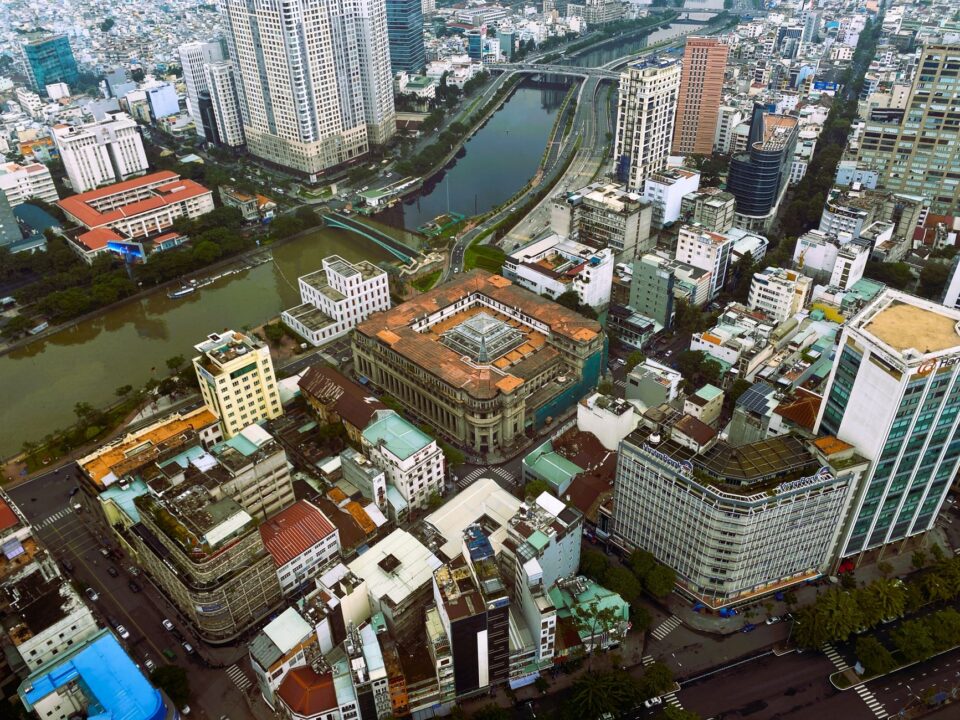
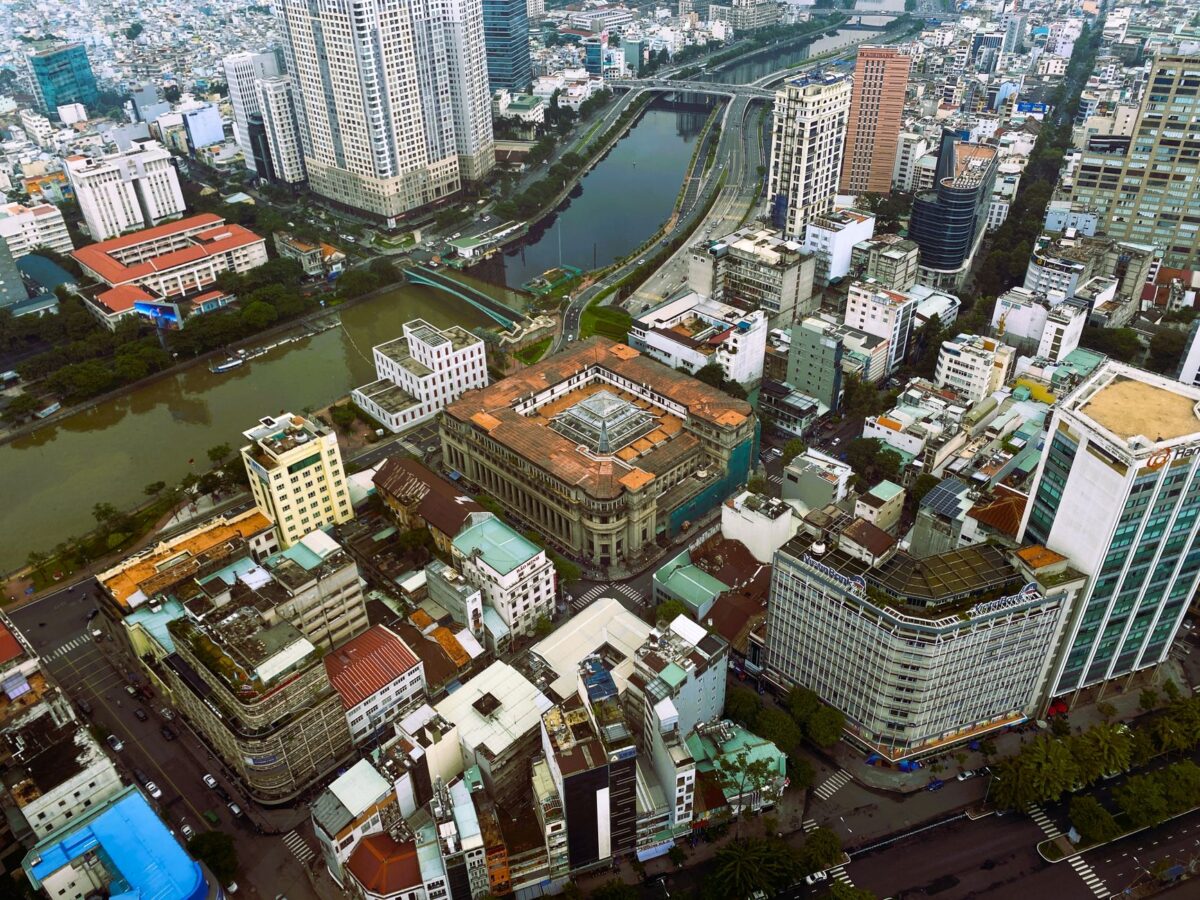
Ho Chi Minh City’s economic scale is why it attracts and absorbs large volumes of capital. Manufacturing capacity, consumer demand and financial services sit inside one ecosystem, letting investors deploy across sectors while keeping operations efficient. Established infrastructure and logistics make the city both a destination and a distribution hub for capital. Few urban centres in the region combine industry and financial infrastructure this way.
Scale alone, though, doesn’t guarantee durable competitiveness. Infrastructure capacity, urban planning and logistics efficiency have to evolve with the inflows. Congestion, port bottlenecks and permitting delays all erode investment effectiveness and cap scalability. Investors weigh both market size and system performance when they allocate. Gateway status holds only if execution capacity keeps pace.
Where the capital concentrates reveals long-term priorities
FDI increasingly concentrates in sectors tied to long-term economic transformation. Manufacturing, digital services and technology industries draw most of the capital for their scalability and supply-chain integration. These sectors support export growth and domestic-market expansion alike. Investors favour areas where capital compounds through productivity gains and market development, so the concentration reflects a strategic choice rather than diversification.
The trend also shows investor priorities aligning with Vietnam’s industrial direction. But concentration raises the weight of sector-specific infrastructure and talent. Without that alignment, growth potential rarely becomes realised output. Ho Chi Minh City has to ensure sector development comes with matching policy and operational frameworks; investors will test whether sector strategies are executable in practice. Capital matched to capability is what decides long-term success.
Institutional consistency shapes investor decision frameworks
How predictable the institutions are is decisive when investors weigh Ho Chi Minh City. Capital favours environments where regulatory frameworks run consistently and decisions can be anticipated. Predictability cuts uncertainty and lets investors model risk and return more accurately. Policy clarity, transparent processes and enforceable contracts all feed that environment. Without them, even strong growth potential struggles to convert into durable investment.
The city has to strengthen consistency across agencies and jurisdictions. Investors judge the design of a policy less than how it’s applied on the ground. Each variation in execution creates friction and raises transaction costs. Consistent enforcement plus clear communication lift confidence and lower perceived risk. Over time, markets that deliver predictable outcomes attract higher-quality capital, and institutional strength becomes a core differentiator in the competition for it.
Execution capacity decides whether inflows become output
Capital creates potential, but execution determines realised value. Projects have to move cleanly from approval to construction while holding cost and timeline discipline. Slow land clearance, permitting friction or unready infrastructure all erode effectiveness. Investors increasingly read execution track records when they allocate, and markets that deliver consistently attract steadier, higher-quality capital. This is also where capital efficiency shows up most clearly: two projects with identical commitments, and the one that executes cleanly yields far more value-added.
Ho Chi Minh City therefore has to tighten coordination between government agencies and the developers they approve. Streamlined processes and clear accountability remove bottlenecks and lift efficiency. Execution capacity becomes critical to holding investor confidence. Strong delivery reinforces the city’s reputation as a reliable destination; weak delivery undermines even strong inflows. Delivery defines credibility.
Conclusion
Ho Chi Minh City’s FDI surge reflects a structural shift in how capital flows into Vietnam. Economic scale, sector alignment and integration into global supply chains reinforce its role as a capital gateway. Holding that position, though, requires aligning inflows with execution capacity. Investors now grade system performance, not just the availability of opportunity.
The real story sits in the gap between registered and disbursed capital. The $2.9 billion in commitments is a solid base; whether it becomes durable growth turns on institutional consistency, infrastructure capacity and delivery discipline. Align those three and Ho Chi Minh City firms up its place among Asia’s leading investment hubs — a trajectory that will shape Vietnam’s wider economy. Capital now follows systems, not just markets.
Lotus Investment Group advises on cross-border M&A and FDI into Vietnam and Southeast Asia. If you are underwriting Vietnam exposure, get in touch.
Nguồn / Sources
[1]
Vietnam Investment Review (2026) — FDI surges in Ho Chi Minh City, reaching nearly $2.9 billion in Q1.