
Vietnam Indonesia Economic Ties: ASEAN’s Corridor
February 27, 2026
Vietnam Hotel Transaction: $537 Million Signal
March 2, 2026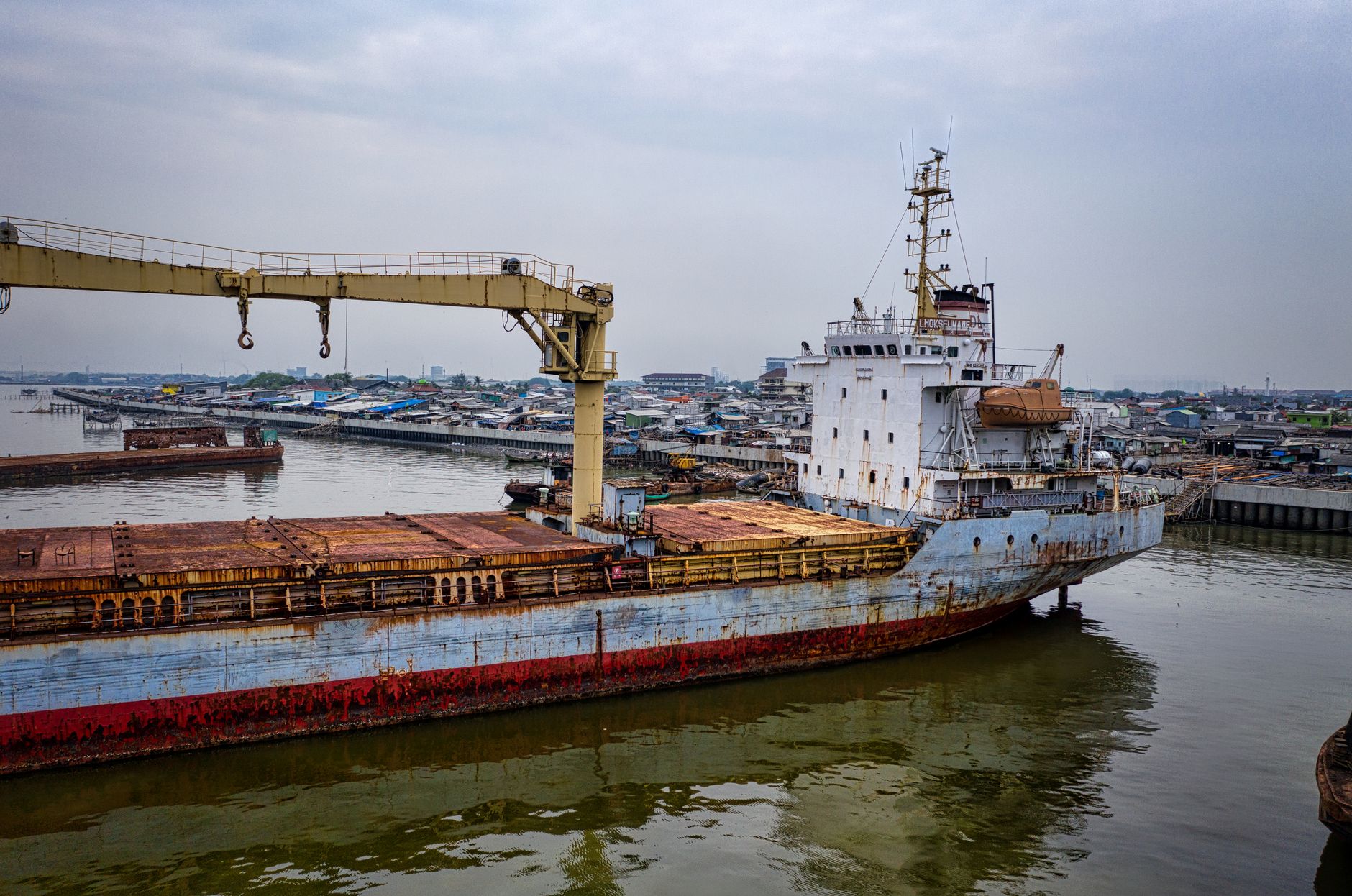
Founder Notes — Lotus Investment Group
Vietnam ASEAN Rebalancing: The Indonesia Axis
Tái cân bằng lõi ASEAN: Việt Nam – Indonesia và bài toán dịch chuyển trọng tâm kinh tế khu vực
Việt Nam và Indonesia là hai nền kinh tế nặng ký nhất ASEAN, nhưng sợi dây nối hai bên lại thuộc hàng mỏng nhất khối. Chính khoảng trống đó mới đáng đọc. Cả hai đều nằm trong nhóm dẫn đầu Đông Nam Á về quy mô sản lượng lẫn dân số, vậy mà mức gắn kết song phương thấp xa so với tầm vóc ấy. Khi thương mại toàn cầu phân mảnh, dòng vốn kén chọn hơn, và cạnh tranh nước lớn gay gắt thêm, một liên kết sâu giữa Hà Nội và Jakarta có thể làm dịch chuyển cán cân kinh tế nội khối ASEAN theo cách mà không một tuyên bố thượng đỉnh nào làm nổi.
Đây không phải câu chuyện ngoại giao khoác áo kinh tế. Nó chạy xuyên qua cấu trúc dòng vốn, quản trị hàng hải, an ninh năng lượng, hội nhập khoáng sản, mật độ chuỗi cung ứng và khả năng liên thông tài chính. Khi hai nền kinh tế bổ trợ nhau về cấu trúc cùng phối hợp trên những mặt trận đó, thứ họ tạo ra không phải tăng trưởng cộng dồn. Họ tạo ra một lực hút khu vực.
Nên câu hỏi thật không nằm ở chỗ quan hệ có nở ra được hay không. Đường thương mại lúc nào cũng nhích lên. Vấn đề là hai bên có đẩy được lên độ sâu cấu trúc hay không — đủ sâu để kéo trọng tâm kinh tế ASEAN về phần lõi của chính nó, thay vì dồn vào cầu bên ngoài.
Dồn trọng lượng, làm dày phần lõi ASEAN
Sức bền dài hạn của ASEAN dựa vào mật độ kinh tế nội khối nhiều hơn là vào chu kỳ cầu bên ngoài. Suốt nhiều thập niên, Đông Nam Á xây tăng trưởng trên thị trường xuất khẩu ngoại vùng và vốn ngoại. Mô hình ấy có hiệu quả, nhưng cũng cài sẵn điểm yếu trước mỗi đợt suy giảm toàn cầu hay siết thanh khoản. Một trục Việt Nam – Indonesia mạnh lên mở ra con đường làm dày phần lõi. Hai nền kinh tế thu nhập trung bình, cấu trúc bổ trợ nhau, nếu hội nhập thật thì giảm được biến động hệ thống giữa hai bên. Việt Nam góp chiều sâu chế tạo, kỷ luật xuất khẩu và một khung pháp lý ổn định. Indonesia góp quy mô dân số, trữ lượng khoáng sản và năng lực năng lượng. Cộng lại, đó là khối lượng đủ để neo thương mại nội khối thay vì cứ chạy theo thị trường bên ngoài.
Mô hình lực hấp dẫn nói thẳng phiên bản trần trụi: dòng chảy song phương thấp hơn mức mà quy mô GDP và khoảng cách địa lý lẽ ra phải tạo ra. Cái hụt đó là tiềm năng đang nằm im. Lấp được một phần thôi, cơ cấu tăng trưởng nội khối ASEAN đã nghiêng về mật độ tự nuôi mình thay vì lệ thuộc bên ngoài. Phối hợp vị thế còn mài sắc đòn bẩy mặc cả trên bàn cờ Ấn Độ Dương – Thái Bình Dương rộng hơn. Không cái nào đòi phải lập một khối. Nó củng cố phần lõi trong khi cả hai thủ đô vẫn giữ quan hệ đối ngoại đa dạng. Mật độ kinh tế tăng, mà trung lập chiến lược vẫn nguyên vẹn.
Quản trị hàng hải như một tín hiệu vốn
Địa lý trao cho cả hai vừa cơ hội vừa nghĩa vụ. Việt Nam và Indonesia nằm trên những nút trọng yếu dọc trục vận tải biển Đông Nam Á, và phối hợp hàng hải chặt hơn sẽ cắt biến động trong vận chuyển, hạ phí bảo hiểm, củng cố niềm tin nhà đầu tư vào độ tin của hành lang. Bài toán hậu cần lạnh lùng đúng kiểu kế toán: chỉ cần cải thiện nhỏ ở khâu thông quan và thời gian quay vòng cảng cũng đẩy được tỷ suất hoàn vốn nội bộ lên thấy rõ trên các danh mục công nghiệp. Thời gian vận chuyển ngắn lại nghĩa là vốn lưu động bị giam ít đi, kéo theo bảng cân đối gọn hơn — và đó đúng là thứ lôi ngành chế tạo thâm dụng vốn về đặt nhà máy.
Có điều, độ tin cậy tựa vào quản trị chứ không chỉ vào cần cẩu với bến bãi. Chứng từ số hài hòa, trọng tài nhất quán và quy định vận tải minh bạch nặng cân ngang công suất cảng. Bên bảo hiểm tính chất lượng quản trị thẳng vào phí — áp luật chỗ chặt chỗ lỏng thì phí vận tải đội lên, còn chuỗi cung ứng dài hạn thì tránh xa. Vậy nên chính sách hàng hải phối hợp tự nó là một dạng hạ tầng kinh tế. Nó mua lấy uy tín hành lang và phát đi tín hiệu trưởng thành về quản trị tới những nhà phân bổ vốn toàn cầu đang cân nhắc bài toán đa dạng hóa vào Đông Nam Á.
Năng lượng, khoáng sản và sự bám rễ công nghiệp
Năng lượng và khoáng sản là xương sống của hành lang. Năng lực LNG cùng trữ lượng nickel của Indonesia đặt đối diện với cầu công nghiệp đang lên và hệ sinh thái xe điện đang nở của Việt Nam — một sự ăn khớp, nếu được dựng có cấu trúc. Hợp đồng LNG dài hạn với điều khoản chỉ số minh bạch sẽ dằn bớt biến động công nghiệp; giá năng lượng ổn định hạ mức phí rủi ro của chế tạo; chi phí đầu vào dự đoán được làm các dự án hạ nguồn vay được vốn. Chính chuỗi liên kết đó phân định ranh giới giữa buôn hàng hóa thô và dựng nên một ngành công nghiệp.
Nickel và câu chuyện khoáng sản trọng yếu rộng hơn dựng thêm một tầng bám rễ. Nhà máy điện tử và pin của Việt Nam có thể hấp thụ nguồn thượng nguồn từ Indonesia, và nếu liên doanh cùng luật chơi dự đoán được điều phối được dòng ấy, hai bên gây dựng một chuỗi cung ứng xe điện gốc ASEAN đủ sức cạnh tranh trong vùng. Độ bền chính sách mới là thứ quyết. Lệnh cấm xuất khẩu, giấy phép bấp bênh hay thực thi môi trường thất thường rút cạn niềm tin nhà đầu tư rất nhanh. Bám rễ công nghiệp chỉ giữ được ở nơi khung pháp lý minh bạch và sống qua được chu kỳ chính trị kế tiếp.
Liên thông thị trường vốn và nén rủi ro
Hội nhập vốn mới là thứ biến một sự gắn kết thành cái cắm rễ thật, thay vì chỉ tuyên bố cho có. Quan hệ sâu lên về cấu trúc khi vốn định chế chảy hai chiều, và chảy dự đoán được. Đối thoại niêm yết chéo, phối hợp pháp lý và trọng tài rõ ràng đều bóc bớt ma sát. Minh bạch tỷ giá đi thẳng vào mô hình ngưỡng sinh lời; cơ chế hồi vốn dự đoán được hạ các giả định nằm trong chi phí vốn; chi phí vốn thấp hơn nới rộng tập các thương vụ chạy được. Phần đường ống này nghe khô khan, mà lại mang tính quyết định.
Khung thị trường vốn hợp tác còn làm cùn bớt mức phơi nhiễm trước những đợt siết thanh khoản toàn cầu. Khi hệ thống ngân hàng trong nước và quỹ định chế phối hợp, các đường ống tài trợ trụ vững hơn qua cú sốc bên ngoài. Theo thời gian, liên thông nâng độ bám của vốn — nhà đầu tư đã cắm chân ở cả hai thị trường phải chịu chi phí chuyển đổi cao hơn, và chính cái ma sát đó làm cho một hành lang trở nên bền.
Ba ngả: lững thững, tăng tốc, hay đứt gãy cấu trúc
Ba kịch bản khuôn lại đường đi sắp tới. Ngả lững thững giữ thương mại nhích nhẹ mà không bám rễ cấu trúc — con đường ít tốn sức nhất. Ngả tăng tốc đào sâu phối hợp hàng hải, hội nhập khoáng sản và đối thoại thị trường vốn, nâng cường độ hành lang từng nấc. Ngả đứt gãy cấu trúc đồng bộ hóa hợp đồng năng lượng, liên doanh công nghiệp và liên thông tài chính thành một trục kinh tế tự nuôi mình.
Chỉ ngả đứt gãy cấu trúc mới thật sự dịch được trọng tâm ASEAN. Nó làm dày mật độ nội khối, làm cứng sức bền chuỗi cung ứng và cắt bớt lệ thuộc vào động lực tăng trưởng bên ngoài. Nhưng nó đòi trình tự kỷ luật, không phải tham vọng ngoại giao. Uy tín thực thi định quỹ đạo: sự dự đoán được trong hành chính, sự rõ ràng pháp lý và độ tin của hậu cần đóng vai số nhân. Chỗ nào những điều kiện ấy mạnh lên, hội tụ tự dồn lại. Chỗ nào phân mảnh thắng thế, tiềm năng nằm im trên giấy.
Kết luận: từ tiềm năng bỏ phí đến điểm tựa của ASEAN
Cặp Việt Nam – Indonesia đã sẵn quy mô, sự bổ trợ và trung lập chiến lược. Hài hòa quản trị hàng hải, phối hợp năng lượng, bám rễ khoáng sản và liên thông thị trường vốn: cộng lại là bộ khung mà một cuộc hội tụ bền vững cần đến. Tăng tốc trình tự thể chế và làm chắc sự dự đoán được về pháp lý, hành lang này có thể vẽ lại thứ bậc nội khối ASEAN. Để phối hợp trễ nải, tiềm năng cấu trúc cứ nằm đó chưa thành. Yếu tố quyết chưa bao giờ là tham vọng. Nó là kỷ luật thực thi.
Lotus Investment Group tư vấn M&A xuyên biên giới và FDI vào Việt Nam và Đông Nam Á. Nếu quý vị đang thẩm định một vị thế tại Việt Nam, liên hệ với chúng tôi.
Vietnam and Indonesia are arguably the most consequential pairing in ASEAN that nobody has bothered to wire up. Both rank among Southeast Asia’s largest economies by output and population, yet their bilateral integration stays shallow relative to that scale. As trade fragments, capital turns selective, and great-power competition sharpens, deeper alignment between Hanoi and Jakarta could move ASEAN’s internal balance of economic power in a way few external shocks can.
This isn’t a diplomatic story. It runs through capital architecture, maritime governance, energy security, mineral integration, supply-chain density and financial interoperability. When two structurally complementary economies coordinate across those domains, they don’t add incremental growth — they create regional gravity. So the real question isn’t whether the relationship can expand. It’s whether it can scale to the structural depth that would reshape ASEAN’s centre of economic mass.
Consolidating strategic weight inside ASEAN
ASEAN’s long-run resilience depends less on external demand cycles than on its own internal economic density. Southeast Asia’s growth model has leaned on extra-regional export markets and outside capital for decades. That delivered expansion, but it also baked in vulnerability to global slowdowns and liquidity squeezes. A deeper Vietnam–Indonesia link offers a route toward internal densification. Integrate two mid-income economies with complementary structures, and you cut systemic volatility. Vietnam brings manufacturing integration, export discipline and regulatory predictability; Indonesia brings demographic scale, mineral reserves and energy capacity. Combined, they form an economic mass capable of anchoring intra-ASEAN trade growth.
Trade-intensity modelling tells the story plainly: bilateral flows underperform gravity-model expectations once you adjust for GDP scale and geographic proximity. That gap is latent potential. Close even part of it and ASEAN’s internal growth composition tilts toward self-reinforcing density rather than external dependency. Coordinated positioning also sharpens bargaining power across the wider Indo-Pacific. None of this requires forming a bloc. It strengthens ASEAN’s core while preserving diversified external relations, so strategic neutrality survives even as density rises.
Maritime governance and corridor reliability as capital signals
Geography hands both economies opportunity and obligation. Vietnam and Indonesia sit on critical maritime nodes along Southeast Asia’s shipping arteries. Tighter maritime coordination cuts transit volatility, lowers insurance premiums and firms up investor confidence in corridor reliability. The logistics maths is direct: even marginal gains in customs processing and port turnaround lift IRR across industrial portfolios. Shorter shipping time means less working capital tied up; leaner working capital means a more efficient balance sheet; and that efficiency draws capital-intensive manufacturing to relocate.
Reliability, though, rests on governance alignment. Harmonised digital documentation, consistent arbitration and transparent shipping rules count for as much as raw port capacity. Underwriters price governance quality straight into freight premiums, and inconsistent enforcement deters anyone weighing a long-term supply-chain commitment. Coordinated maritime policy works, in effect, as economic infrastructure. It builds corridor credibility and signals administrative maturity to the global allocators sizing up Southeast Asian diversification.
Energy security and mineral integration
Energy and minerals form the corridor’s structural backbone. Indonesia’s LNG capacity and nickel reserves sit opposite Vietnam’s rising industrial demand and expanding EV ecosystem. Structured integration across both turns this into resilience rather than a one-off trade exchange. Long-term LNG contracts with transparent indexation reduce industrial volatility, stable energy pricing trims manufacturing risk premiums, and predictable input costs improve bankability for downstream projects.
Nickel and the wider critical-mineral story add a second layer of embedding. Vietnam’s electronics and battery manufacturing can absorb upstream Indonesian output, and if joint ventures and regulatory clarity coordinate that flow, the two build an ASEAN-based EV supply chain that competes regionally. Policy durability decides whether it holds. Export restrictions, licensing uncertainty or erratic environmental enforcement erode capital confidence fast. Industrial embedding works only where regulatory frameworks stay transparent and durable across political cycles.
Capital-market interoperability and risk compression
Capital integration decides whether strategic alignment actually embeds or stays rhetorical. The relationship deepens structurally when institutional capital moves both ways, predictably. Cross-listing dialogue, regulatory coordination and arbitration clarity all lower friction. Foreign-exchange transparency feeds directly into hurdle-rate modelling, and predictable repatriation mechanisms cut the assumptions baked into cost of capital. A lower cost of capital widens the set of investments that pencil out.
Cooperative capital-market frameworks also blunt exposure to global liquidity tightening. When domestic banking systems and institutional funds coordinate, financing pipelines stay steadier through external shocks. Over time, interoperability raises capital stickiness — investors embedded across both jurisdictions face higher switching costs, which reinforces the corridor’s durability.
Three pathways: incremental, accelerated, or a structural break
Three scenarios bound where this goes. The incremental case preserves modest trade growth with no structural embedding. The acceleration case deepens maritime coordination, mineral integration and capital-market dialogue, lifting corridor intensity step by step. The structural-break case synchronises energy contracts, industrial joint ventures and financial interoperability into a self-reinforcing economic axis.
A structural break would shift ASEAN’s centre of gravity for real. It thickens internal economic density, hardens supply-chain resilience and cuts reliance on external growth drivers. But the outcome turns on disciplined sequencing, not diplomatic ambition. Execution credibility sets the trajectory. Administrative predictability, regulatory clarity and logistics reliability act as multipliers: where they strengthen, convergence compounds; where fragmentation persists, the potential stays theoretical.
Conclusion: from underused potential to ASEAN anchor
Vietnam and Indonesia already hold the scale, complementarity and strategic neutrality. Maritime governance alignment, energy coordination, mineral embedding and capital-market interoperability together supply the architecture for durable convergence. Accelerate the institutional sequencing and firm up regulatory predictability, and this corridor could redraw ASEAN’s internal hierarchy. Let coordination lag, and the structural potential stays unrealised. The determinant isn’t ambition. It’s execution discipline.
Lotus Investment Group advises on cross-border M&A and FDI into Vietnam and Southeast Asia. If you are underwriting Vietnam exposure, get in touch.
Nguồn / Sources
[1]
Vietnam Investment Review (2026) — Untapped potential in relations with Indonesia.