

Vietnam Hospitality Real Estate: A $537M Repricing
March 2, 2026
HCMC FDI 2026 Repricing: Urban Capital Platform
March 3, 2026
Founder Notes — Lotus Investment Group
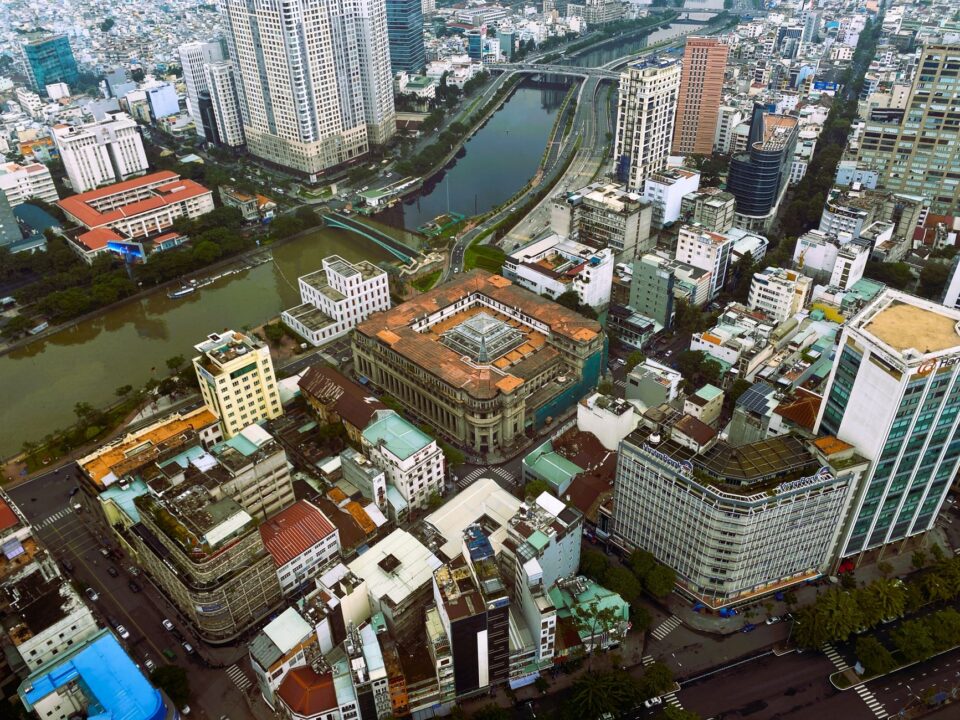
HCMC 980 Million Investment: Structural Capital Signal
Gần 980 triệu USD vốn FDI đầu năm 2026 của TP.HCM: tín hiệu củng cố cơ cấu vốn, không chỉ là con số
Đầu năm 2026, TP.HCM hút gần 980 triệu USD vốn đầu tư trực tiếp nước ngoài. Nhìn qua, con số nói lên niềm tin của nhà đầu tư vẫn còn. Nhưng ở một thị trường đã trưởng thành, cái đáng đọc không phải tổng vốn, mà là vốn ấy đi vào đâu, ngành nào, và chất lượng cơ cấu của nó ra sao. Phải soi khoản này bằng lăng kính thể chế, đừng đọc nó như một con sóng chu kỳ.
Những chu kỳ trước, tin FDI thường xoay quanh quy mô nhà máy hoặc bất động sản mở rộng. Giờ vốn nhắm thẳng vào dịch vụ gắn công nghệ, chế tạo có hàm lượng giá trị gia tăng, hạ tầng tài chính và mức tích hợp hệ sinh thái. Đây là dấu hiệu của củng cố cơ cấu — TP.HCM đang chuyển mình từ một điểm chế tạo sơ cấp thành một nền tảng vốn đủ sức hấp thụ dòng đầu tư chất lượng cao hơn, kỳ hạn dài hơn.
Khoản vốn đầu năm còn rơi vào lúc dòng tiền toàn cầu rất kén. Vốn xuyên biên giới vẫn dè dặt vì lãi suất bất ổn, cục diện địa chính trị tái sắp xếp, chuỗi cung ứng dịch chuyển. Trong môi trường đó, một thị trường gom được gần 1 tỷ USD chỉ trong vài tháng đầu năm không chỉ chứng tỏ đà tăng. Nó chứng tỏ độ tin cậy ở khâu thực thi.
Cơ cấu ngành nói lên chất vốn, không phải lượng vốn
Tổng FDI dễ che đi những chuyển dịch cơ cấu bên dưới. Đọc cơ cấu của dòng vốn năm 2026 cho tín hiệu rõ hơn nhiều so với chỉ nhìn tổng số. Vốn ngoại ngày càng chảy vào linh kiện chế tạo cao cấp, hạ tầng hậu cần, dịch vụ số và chuỗi cung ứng dẫn dắt bằng công nghệ, thay vì lắp ráp biên lợi nhuận mỏng. Điều này quan trọng vì các ngành giá trị gia tăng cắm rễ sâu hơn vào kinh tế trong nước: chế tạo cao cấp đòi tích hợp nhà cung cấp, nâng tay nghề lao động, phối hợp pháp lý; đầu tư dịch vụ số đòi minh bạch quản trị dữ liệu và kỷ luật an ninh mạng. Khi FDI nhắm vào những mảng này, nó đặt cược vào năng lực thể chế, chứ không phải vào nhân công giá rẻ.
Vốn đổ vào dịch vụ và công nghệ còn tạo hệ số nhân vượt xa việc làm trực tiếp. Nó làm dày hệ sinh thái, nuôi các cụm nhà cung cấp, kéo theo nhu cầu dịch vụ tài chính, tư vấn pháp lý và hạ tầng tuân thủ. Theo nghĩa đó, gần 980 triệu USD đầu năm góp phần nâng cấp cơ cấu chứ không phải bành trướng ngắn hạn. Chất ngành cũng quyết định sức chống chịu: xuất khẩu biên mỏng dễ tổn thương trước cú sốc cầu toàn cầu, còn FDI dịch vụ đa dạng cho nền doanh thu ổn hơn và độ linh hoạt cao hơn. Hút được loại vốn này, TP.HCM củng cố thêm vị thế hạt nhân thương mại của cả nước.
FDI luân chuyển vốn trong một đô thị đang mở rộng
Vốn ngoại ngày càng đan vào vốn nội, thay vì thay thế nó. Hệ sinh thái tài chính TP.HCM đã sâu hơn nhiều sau một thập niên. Nhà phát triển trong nước, quỹ đầu tư tư nhân và các tập đoàn giờ đồng đầu tư cùng đối tác ngoại, không còn chỉ làm bên chủ nhà cho dự án. Cách góp vốn này đẩy nhanh luân chuyển vốn: bên ngoại mang chuyên môn, chuẩn quản trị, sức mạnh bảng cân đối; bên nội mang quỹ đất, sự am hiểu pháp lý và kênh phân phối. Kết quả không chỉ là lượng vốn vào, mà là vốn xếp tầng.
Vốn xếp tầng làm dự án bền hơn. Nó rải rủi ro ra nhiều bên và tăng độ đồng thuận. Dự án có cả vốn nội lẫn vốn ngoại thường thực thi liền mạch hơn dự án thuần ngoại. Vốn được tái chế còn khuếch đại hệ số nhân: lợi nhuận từ các dự án FDI thành công thường quay lại tái đầu tư ngay tại chỗ. Vòng tái đầu tư nội bộ ấy giảm lệ thuộc vào dòng vốn ngoại tăng thêm, và làm đô thị tự chủ vốn hơn.
Ổn định vĩ mô và kỷ luật tỷ giá nâng đỡ niềm tin vốn
Quyết định FDI rất nhạy với biến động vĩ mô. Nhà đầu tư cân lạm phát, tính dự đoán được của tỷ giá và sự liền mạch chính sách trước khi rót vốn. Diễn biến năm 2026 cho thấy họ tin kỷ luật vĩ mô của Việt Nam vẫn vững dù thế giới còn nhiều ẩn số. Điều hành tỷ giá đóng vai trò then chốt: những đợt mất giá mạnh xua đuổi vốn dài hạn, còn khi tỷ giá tương đối ổn định, chi phí phòng ngừa rủi ro hạ xuống và làm mô hình tỷ suất hoàn vốn nội bộ đẹp hơn. Ai định giá những cam kết vốn nhiều năm đều phải dựa nặng vào quỹ đạo tỷ giá đoán được.
Chính sách liền mạch càng làm vốn yên tâm. Khi cải cách pháp lý đi theo trình tự thay vì giật cục, vốn được phân bổ nhanh hơn. Nhà đầu tư chuộng mở cửa từ tốn đi kèm thực thi rõ ràng, hơn là những cú xoay nhanh mà khó lường. Trong khung đó, gần 980 triệu USD đầu năm cho thấy TP.HCM vẫn vượt ngưỡng ổn định vĩ mô mà vốn thể chế có kỷ luật đòi hỏi.
Sức chứa hạ tầng và giới hạn hấp thụ của thể chế
FDI bền hay không, khẩu vị nhà đầu tư mới là một nửa; nửa còn lại nằm ở năng lực hấp thụ. Kẹt xe đô thị, độ tin của nguồn điện, nút thắt hậu cần và quỹ nhà ở đều chi phối quyết định rót vốn dài hạn. TP.HCM đã đổ nhiều tiền vào mở rộng giao thông, hạ tầng số và nâng cấp khu công nghiệp. Nhưng giữ được đà FDI thì cần phối hợp thể chế liên tục: tiến độ hạ tầng phải khớp với dòng vốn vào, kẻo ma sát bào mòn niềm tin.
Hấp thụ thể chế còn gồm hiệu quả hành chính. Thời gian cấp phép, duyệt đất, thủ tục tuân thủ đều ảnh hưởng tốc độ triển khai dự án. Thị trường nào rút ngắn được vòng phê duyệt mà không buông giám sát sẽ giữ chân được nhà đầu tư quay lại. Vậy nên gần 980 triệu USD là tín hiệu đáng mừng, nhưng giữ đà thì phải củng cố bộ máy quản trị đô thị sao cho lớn kịp theo lượng vốn.
Hàm ý chiến lược cho vị thế FDI của cả nước
Diễn biến vốn năm 2026 của TP.HCM vượt khỏi ranh giới thành phố. Là đầu tàu kinh tế của cả nước, thành phố đặt chuẩn cho độ tín nhiệm đầu tư quốc gia. Khởi đầu năm mạnh mẽ nâng vị thế của Việt Nam trong cuộc cạnh tranh vốn khu vực.
Nhưng củng cố cơ cấu đòi ưu tiên có kỷ luật. Không phải khoản FDI nào cũng cùng giá trị chiến lược. Người làm chính sách phải phân biệt giữa con sóng vốn ngắn hạn và đầu tư xây hệ sinh thái dài hạn. Vốn làm sâu thêm tích hợp chuỗi cung ứng, chuyển giao công nghệ và năng lực lao động thì đóng góp cho tăng trưởng bền vững; vốn chỉ chăm chăm đầu cơ đất thì không. Dòng vốn đầu năm 2026 xem ra ngả ngày càng rõ về nhóm thứ nhất.
Kết luận
Gần 980 triệu USD vốn FDI đầu năm 2026 của TP.HCM phản ánh niềm tin vào cơ cấu vốn, chứ không phải một con sóng nhất thời. Cơ cấu ngành, vốn xếp tầng, ổn định vĩ mô và năng lực quản trị đô thị cùng nhau định đoạt tính bền vững. Nếu khả năng hấp thụ của thể chế theo kịp khẩu vị nhà đầu tư, TP.HCM sẽ tiếp tục củng cố vai trò nền tảng vốn ngoại số một của Việt Nam.
Khi đó FDI sẽ đi vào chiều sâu, chứ không chỉ phình ra về lượng. Đó mới là khác biệt thật giữa một thị trường đang lớn và một thị trường đang trưởng thành.
Lotus Investment Group tư vấn M&A xuyên biên giới và FDI vào Việt Nam và Đông Nam Á. Nếu quý vị đang thẩm định một vị thế tại Việt Nam, liên hệ với chúng tôi.
Ho Chi Minh City pulled in nearly $980 million of foreign direct investment in the opening months of 2026. At first glance the number reads as continued investor interest. But in a maturing market, what matters isn’t the headline total — it’s where the capital goes, into which sectors, and the structural quality behind it. Read this one through an institutional lens, not a cyclical one.
In earlier cycles, FDI news tended to centre on manufacturing scale or real-estate expansion. Today the capital targets technology-enabled services, value-added manufacturing, financial infrastructure and ecosystem integration. That shift is a marker of structural consolidation: the city is moving from an entry-level manufacturing hub into a capital platform able to absorb higher-quality, longer-duration investment.
The early-2026 figure also lands amid global capital selectivity. Cross-border flows stay disciplined under interest-rate volatility, geopolitical recalibration and supply-chain realignment. In that environment, a market that draws nearly $1 billion within a short window shows more than momentum. It shows execution credibility.
Sector composition reveals capital quality, not quantity
Headline FDI totals can mask the structural shifts underneath them. Composition gives a far clearer signal than aggregate volume. Foreign capital increasingly flows into advanced manufacturing components, logistics infrastructure, digital services and technology-driven supply chains rather than low-margin assembly. That matters because value-added sectors embed deeper into the domestic economy: advanced manufacturing demands supplier integration, workforce upskilling and regulatory coordination; digital-service investment demands data-governance clarity and cybersecurity discipline. When FDI targets these segments, it bets on institutional capability, not wage arbitrage.
Capital allocated to services and technology also generates multipliers well beyond direct jobs. It thickens the ecosystem, feeds supplier clusters and lifts demand for financial services, legal advisory and compliance infrastructure. In that sense the nearly $980 million inflow contributes to structural upgrading rather than short-term expansion. Sector quality drives resilience too: low-margin export manufacturing stays vulnerable to global demand shocks, while diversified service-oriented FDI offers steadier revenue and greater adaptability. Attracting this kind of capital reinforces the city’s standing as Vietnam’s primary commercial nucleus.
FDI as capital recycling within an expanding urban economy
Foreign capital increasingly interacts with domestic capital rather than replacing it. The city’s financial ecosystem has deepened substantially over the past decade. Domestic developers, private equity funds and corporate groups now co-invest alongside foreign partners instead of merely hosting projects. That co-investment dynamic accelerates capital recycling: foreign investors bring expertise, governance standards and balance-sheet strength; domestic partners bring land access, regulatory familiarity and distribution. The result goes beyond inflow volume; it produces capital layering.
Capital layering makes projects more durable. It spreads risk across participants and raises alignment. Ventures structured with both foreign and domestic equity often show stronger execution continuity than purely foreign-owned ones. Recycled capital amplifies the multiplier, too: returns from successful FDI-backed projects frequently reinvest locally. That internal reinvestment cuts dependence on incremental foreign inflows and strengthens the city’s capital self-sufficiency.
Macro stability and currency discipline support capital confidence
FDI decisions stay sensitive to macro volatility. Investors weigh inflation, exchange-rate predictability and policy continuity before committing. The 2026 performance reflects confidence that Vietnam’s macro discipline holds despite global uncertainty. Currency management plays a decisive role: sharp depreciation deters long-term capital, while relative stability lowers hedging costs and improves internal-rate-of-return modelling. Anyone pricing a multi-year commitment leans heavily on a predictable currency path.
Policy continuity adds to that confidence. When reforms are sequenced rather than abrupt, capital allocation speeds up. Investors prefer gradual liberalisation with clear enforcement over fast but unpredictable shifts. On that reading, the nearly $980 million inflow suggests the city still clears the macro-stability thresholds disciplined institutional capital requires.
Infrastructure capacity and institutional absorption limits
FDI sustainability rests on investor appetite and, just as much, on absorption capacity. Urban congestion, energy reliability, logistics bottlenecks and housing availability all shape long-term allocation decisions. The city has invested heavily in transport expansion, digital infrastructure and industrial-park upgrades. Sustained growth, though, needs continuous institutional coordination: infrastructure pipelines have to track inflows so friction doesn’t erode confidence.
Absorption also runs through administrative efficiency. Licensing timelines, land-use approvals and compliance procedures govern how fast projects move. Markets that compress approval cycles without loosening oversight win repeat investors. So the $980 million is encouraging, but holding the momentum means strengthening urban governance frameworks that scale with the capital.
Strategic implications for Vietnam’s wider FDI positioning
The 2026 performance carries weight beyond municipal lines. As Vietnam’s primary economic engine, the city sets the benchmark for national investment credibility. A strong start to the year lifts the country’s standing in regional capital competition.
But structural consolidation demands disciplined prioritisation. Not all FDI carries equal strategic value. Policymakers have to separate short-term capital surges from long-term ecosystem-building investment. Capital that deepens supply-chain integration, technology transfer and workforce capability feeds sustainable growth; capital chasing speculative land arbitrage does not. The early-2026 inflow looks increasingly aligned with the former.
Conclusion
Ho Chi Minh City’s nearly $980 million in early-2026 FDI reflects structural capital confidence, not episodic momentum. Sector composition, capital layering, macro stability and urban governance capacity together define its sustainability. If institutional absorption keeps pace with investor interest, the city will keep consolidating its role as Vietnam’s primary foreign capital platform.
In that case FDI deepens rather than merely expands. That is the real difference between a market that is growing and one that is maturing.
Lotus Investment Group advises on cross-border M&A and FDI into Vietnam and Southeast Asia. If you are underwriting Vietnam exposure, get in touch.
Nguồn / Sources
[1]
Vietnam Investment Review (2026) — Ho Chi Minh City attracts nearly $980 million in FDI in early 2026.