

HCMC 980 Million Investment: Structural Capital Signal
March 3, 2026
Inside the Thaco Danang Manufacturing Complex
March 4, 2026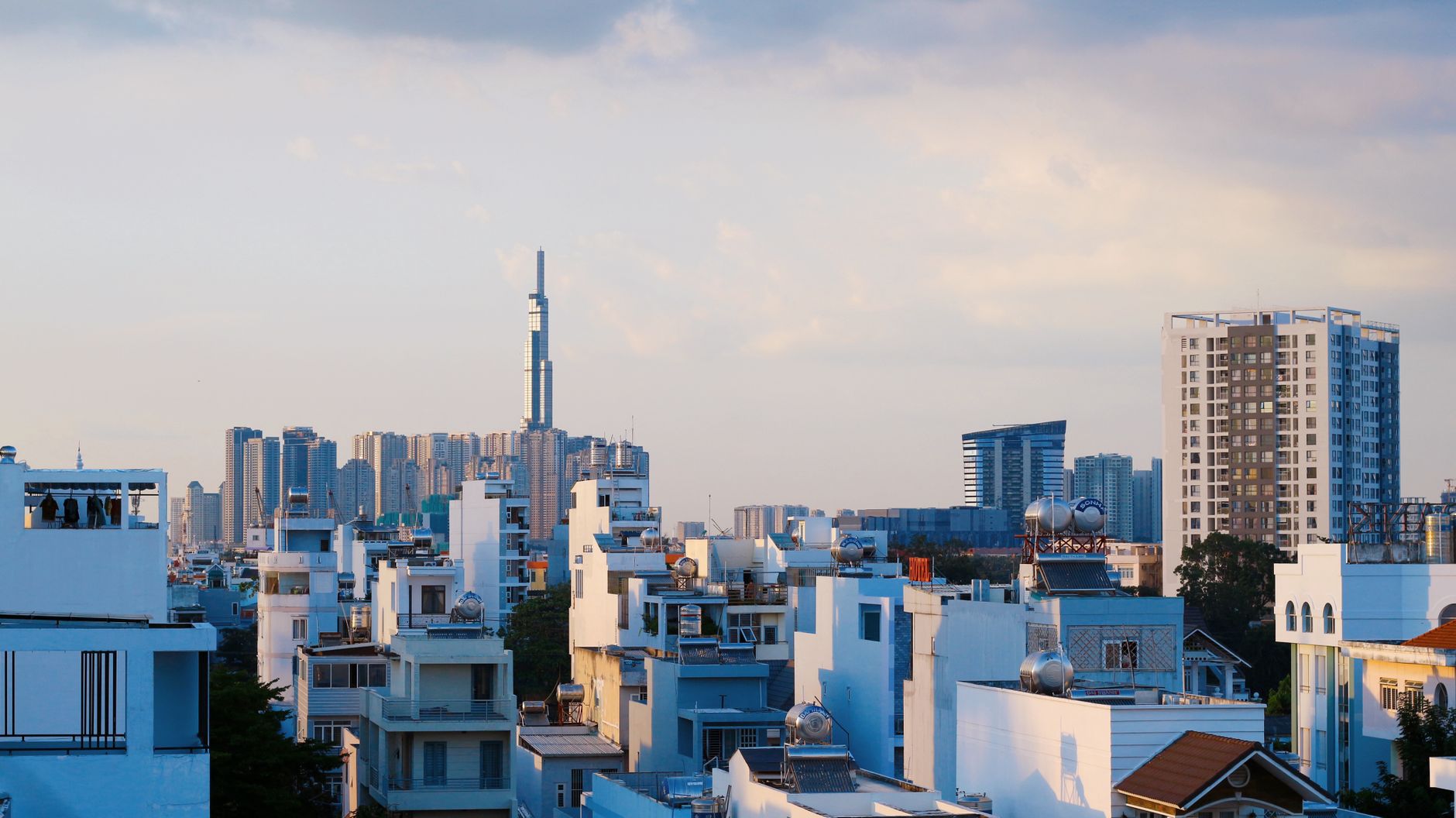
Founder Notes — Lotus Investment Group
HCMC FDI 2026 Repricing: Urban Capital Platform
FDI vào TP.HCM năm 2026: thị trường định giá lại rủi ro của một nền tảng vốn đô thị
Gần 980 triệu USD vốn FDI chảy vào TP.HCM ngay những tháng đầu năm 2026 không nên đọc như một con số dòng vốn ngắn hạn. Khi đầu tư xuyên biên giới khắp nơi đang kén chọn và kỷ luật hơn, việc rót xấp xỉ một tỷ USD vào một nền kinh tế đô thị duy nhất trong khoảng thời gian nén chặt như vậy nói lên điều khác: nhà đầu tư quốc tế đang đặt cược vào năng lực thực thi, khả năng hấp thụ và độ bền của lợi suất. Đây là một sự kiện định giá lại rủi ro, không phải một bản cập nhật theo mùa.
Khác với những chu kỳ mở rộng trước đây vốn chạy theo tăng trưởng về lượng, giai đoạn FDI hiện nay là một cuộc sàng lọc cấu trúc. Vốn không còn tới chỉ vì còn chênh lệch nhân công rẻ. Nhà đầu tư cân nhắc độ dự đoán được của chính sách, mức minh bạch khi tiếp cận đất đai, năng lực hội nhập chuỗi cung ứng, chuẩn quản trị số và tỷ giá có ổn định hay không trước khi cam kết vốn dài hạn. Dòng tiền đầu năm vì thế hé lộ một chuyển dịch sâu hơn: cách thành phố lớn nhất Việt Nam đang được vốn quốc tế định giá đã đổi.
TP.HCM giờ vận hành không còn như một điểm chế tạo mới nổi, mà gần hơn với một nền tảng vốn cấp vùng, đủ sức hấp thụ các cấu trúc đầu tư phức tạp. Để hiểu chuyển dịch này, cần soi qua năm chiều: cấu phần của vốn, cách xếp tầng đòn bẩy, sức hấp thụ của bộ máy thể chế, mức hiệu chỉnh rủi ro vĩ mô, và vị thế cạnh tranh trong khu vực.
Cấu phần của vốn và dịch chuyển sang phân khúc giá trị cao
Chất lượng dòng FDI đầu năm 2026 quan trọng hơn con số tiêu đề. Những chu kỳ trước hút phần lớn là chế tạo lắp ráp, chủ yếu dựa vào chênh lệch chi phí. Nay tỷ trọng vốn nhắm vào linh kiện chế tạo tiên tiến, tích hợp hậu cần, hạ tầng số, chuỗi cung ứng năng lượng tái tạo và dịch vụ dựa trên công nghệ đã lớn hơn hẳn. Sự nâng cấp về cơ cấu này làm đổi cơ chế hệ số nhân. Chế tạo tiên tiến kéo theo tích hợp nhà cung cấp và nâng tay nghề lao động. Đầu tư số đòi khung tuân thủ và chuẩn an toàn dữ liệu. Hạ tầng hậu cần đẩy thông lượng thương mại lên. Mỗi mảng làm dày thêm hệ sinh thái, chứ không đơn thuần tăng sản lượng.
Nâng cấp ngành cũng giảm mức phơi nhiễm với biến động. Lắp ráp biên lợi nhuận mỏng vẫn nhạy với cú sốc cầu toàn cầu. Chế tạo và dịch vụ giá trị cao cho thấy biên lợi nhuận bền hơn và độ bám công nghệ chặt hơn. Hệ quả là vốn rót vào những phân khúc này có chân trời nắm giữ dài hơn, ma sát khi thoái vốn thấp hơn. Khi cơ cấu FDI nghiêng về các ngành chất lượng định chế, thị trường vốn phản ứng bằng cách nén phần bù rủi ro mà họ ước lượng. Chính hiệu ứng định giá lại đó giải thích vì sao gần 980 triệu USD đầu năm không chỉ là sức mạnh thời vụ — nó là một cuộc tái hiệu chỉnh cấu trúc.
Xếp tầng cấu trúc vốn và sự lên ngôi của đồng đầu tư
Dòng vốn đầu năm còn cho thấy cấu trúc vốn ngày một tinh vi. FDI ngày càng đứng cạnh vốn cổ phần trong nước, tín dụng tư nhân và đối tác chiến lược bản địa, thay vì đi một mình. Cách xếp tầng này phân tán rủi ro tốt hơn và đồng bộ quản trị chặt hơn. Trên thị trường vốn hiện đại, sở hữu nước ngoài thuần túy hiếm hơn các khung lai. Nhà tài trợ quốc tế góp sức mạnh bảng cân đối và chuẩn vận hành. Đối tác trong nước góp sự am hiểu đất đai, khả năng xử lý pháp lý và kênh phân phối. Kiến trúc vốn ghép lại làm đứt gãy trong thực thi giảm hẳn.
Cấu trúc vốn nhiều tầng còn mở đường tối ưu đòn bẩy. Nợ ưu tiên có thể đến từ trong nước hoặc khu vực, trong khi tầng mezzanine bắc cầu cho khoảng chênh định giá. Bên góp vốn mô hình hóa lợi suất nội bộ dựa trên khả năng mở rộng vận hành và lựa chọn tái cấp vốn. Kiến trúc ấy đòi niềm tin vào tính cưỡng chế được và sự minh bạch — cả hai chi phối mức tham gia của bên cho vay. Việc vốn nước ngoài sẵn lòng giải ngân ở quy mô lớn trong khung nhiều tầng này cho thấy họ tin vào độ dự đoán được của pháp lý và sự lưu chuyển của dòng vốn. Thiếu lối chuyển vốn về nước đáng tin và cơ chế giải quyết tranh chấp, mức tham gia đòn bẩy sẽ co lại đáng kể.
Hấp thụ thể chế và rủi ro thực thi đô thị
FDI bền hay không tùy thuộc vào sức hấp thụ của bộ máy thể chế. Gần một tỷ USD dồn vào một khoảng thời gian ngắn gây áp lực lên hệ thống hành chính, mạng lưới hạ tầng và thị trường lao động. Nếu năng lực đô thị không lớn theo kịp, ma sát tích lại và bào mòn niềm tin nhà đầu tư. TP.HCM đã đầu tư cho kết nối giao thông, hiện đại hóa khu công nghiệp và nâng cấp quản trị số. Dù vậy, muốn tiếp tục hút vốn thì phải rút ngắn thời gian cấp phép mà vẫn giữ được sự liêm chính trong quản lý. Thị trường nào giảm được bất định trong cấp phép mà không buông lỏng giám sát sẽ kéo về những vòng đầu tư lặp lại.
Độ tin của nguồn điện và thông lượng hậu cần cũng định trần hấp thụ. Nhà đầu tư chế tạo tiên tiến cần điện ổn định và cảng hiệu quả. Trình tự xây hạ tầng vì thế phải khớp với lộ trình giải ngân vốn dự kiến, chứ không thể chạy sau. Hấp thụ thể chế không thuần là chuyện hành chính, nó mang tính hệ thống. Nguồn nhân lực, nguồn cung nhà ở, giao thông đô thị và chuẩn môi trường cùng quyết định FDI biến thành tăng trưởng bền vững hay thành sự kém hiệu quả vì tắc nghẽn. Dòng vốn đầu năm 2026 hàm ý nhà đầu tư đang đánh giá rủi ro hấp thụ là quản lý được, chứ chưa phải vấn đề cấu trúc.
Hiệu chỉnh vĩ mô và sự nén rủi ro tỷ giá
Dòng FDI đầu năm 2026 diễn ra trên nền một cuộc tái hiệu chỉnh tiền tệ toàn cầu. Biến động lãi suất và sự sắp xếp lại địa chính trị đã làm dịu bớt sự hưng phấn của vốn xuyên biên giới. Bởi vậy, thị trường nào hút được dòng vốn lớn phải chứng minh được sức chống chịu vĩ mô. Giữ cho tỷ giá ổn định vẫn là tâm điểm khi mô hình hóa FDI dài hạn. Cú sốc mất giá bào mòn lợi suất thực khi vốn đến từ nước ngoài. Cơ chế điều hành tỷ giá có quản lý của Việt Nam đã giảm bớt biến động cực đoan, để nhà đầu tư dự phóng kịch bản gốc và kịch bản căng thẳng với biên lệch hẹp hơn.
Kỷ luật lạm phát củng cố thêm niềm tin. Lạm phát cao nén lợi suất thực và làm tiền lương chao đảo. Mặt bằng giá tương đối ổn định ở Việt Nam đỡ cho các giả định mô hình dài hạn. Kỷ luật vĩ mô này giảm phần bù rủi ro yêu cầu và mở rộng cửa cho định chế tham gia. Đáng chú ý, bên phân bổ vốn còn để mắt tới mức trung lập địa chính trị. Quan hệ đối ngoại đa dạng của Việt Nam giảm rủi ro lệ thuộc vào một khối. Vị thế ấy làm đất nước hấp dẫn hơn so với các thị trường tập trung về chính trị.
Vị thế khu vực và sự phân bổ lại của vốn
TP.HCM cạnh tranh trong một ma trận khu vực gồm Bangkok, Jakarta, Kuala Lumpur và Manila. Mỗi nền kinh tế đô thị đều tranh phần chế tạo dịch chuyển, hạ tầng số và đầu tư hậu cần. Bởi vậy, dòng FDI đầu năm 2026 nên được nhìn trong tương quan với cuộc phân bổ lại vốn khu vực. Việc đa dạng hóa chuỗi cung ứng để bớt lệ thuộc vào một quốc gia đã giúp Việt Nam về mặt cấu trúc. Nhưng giữ được lợi thế thì phải liên tục tinh chỉnh chính sách. Sự rõ ràng về thuế, kỷ luật phân khu công nghiệp và khả năng tận dụng các hiệp định thương mại cùng chi phối quyết định phân bổ.
Bên phân bổ vốn ngày càng coi ASEAN như một danh mục, không phải một khối đồng nhất. Mô hình phân bổ so sánh độ minh bạch pháp lý, mức sẵn sàng của lao động, chất lượng hạ tầng và mức ổn định chính trị. Sức mạnh của dòng FDI đầu năm 2026 cho thấy Việt Nam hiện chiếm một tỷ trọng thuận lợi trong khung danh mục khu vực này. Dù vậy, vị thế cạnh tranh luôn động. Các thị trường ASEAN khác cũng đang siết chặt quản trị số và nâng cấp hạ tầng công nghiệp. Lợi thế của Việt Nam vì thế tùy thuộc vào việc giữ được đà cải cách, chứ không thể dựa mãi vào riêng chi phí rẻ.
Kết luận: định giá lại là dấu hiệu nền tảng đã chín
Dòng FDI vào TP.HCM đầu năm 2026 là một cuộc định giá lại rủi ro, không phải một cú tăng tốc tạm thời. Gần 980 triệu USD đầu năm phản ánh niềm tin của định chế vào cơ cấu ngành, cách xếp tầng vốn, nền vĩ mô ổn định và năng lực cạnh tranh khu vực.
Nếu sức hấp thụ lớn theo kịp tốc độ giải ngân và kỷ luật vĩ mô được giữ nguyên, TP.HCM sẽ tiếp tục củng cố vị trí nền tảng vốn đô thị hàng đầu của Việt Nam. Trong môi trường đó, FDI đào sâu về cấu trúc chứ không chỉ phình ra theo chu kỳ — và chính sự khác biệt giữa hai điều ấy mới là thứ nhà đầu tư thật sự trả tiền.
Lotus Investment Group tư vấn M&A xuyên biên giới và FDI vào Việt Nam và Đông Nam Á. Nếu quý vị đang thẩm định một vị thế tại Việt Nam, liên hệ với chúng tôi.
Ho Chi Minh City pulled in close to $980 million of FDI in the first months of 2026, and the right way to read that figure is as a repricing of capital, not a routine inflow update. In a world where cross-border investment stays selective and disciplined, nearly $1 billion landing in one metropolitan economy inside a tight window says something about institutional confidence — in execution, in absorption, in how durable the returns look.
Earlier expansion cycles chased volume. This phase is doing the opposite: it filters. Capital no longer shows up just because wage arbitrage exists. Investors now weigh policy predictability, clarity on land access, supply-chain integration, digital governance and currency stability before they commit long-duration money. So the early-2026 numbers point to a deeper change in how international capital prices Vietnam’s biggest city.
The city reads less like an emerging manufacturing node now and more like a regional capital platform that can absorb sophisticated investment structures. To make sense of the shift, it helps to take it across five dimensions: what the capital is made of, how it layers, whether the city can absorb it, how macro risk is calibrated, and where Ho Chi Minh City sits against its regional rivals.
Capital composition and the shift toward higher-value allocation
What the inflows are made of matters more than the headline. Earlier cycles drew assembly-focused manufacturing, mostly chasing cost. Today a larger share targets advanced manufacturing components, logistics integration, digital infrastructure, renewable-energy supply chains and technology-enabled services. That changes the multiplier math. Advanced manufacturing embeds supplier integration and workforce upskilling; digital investments demand compliance frameworks and data-security standards; logistics infrastructure lifts trade throughput. Each one thickens the ecosystem rather than simply adding output.
Sectoral upgrading also cuts volatility exposure. Low-margin assembly stays hostage to global demand shocks, while higher-value manufacturing and services show stronger margin resilience and technological stickiness — longer hold horizons, lower exit friction. When the composition of FDI tilts toward institutional-quality sectors, capital markets respond by compressing the risk premium they attach to the place. That repricing is why nearly $980 million this early in the year reads as structural recalibration, not seasonal strength.
Capital-stack layering and the rise of co-investment
The 2026 inflows also show a more sophisticated capital stack. Foreign direct investment increasingly sits alongside domestic equity, private credit and local strategic partners rather than going in alone. That layering spreads risk and aligns governance. Pure foreign-ownership structures are rarer now than blended ones: international sponsors bring balance-sheet strength and operating standards, domestic partners bring land familiarity, regulatory navigation and distribution. The joint architecture reduces execution discontinuity.
Layered stacks let sponsors optimise leverage. Senior debt may originate locally or regionally while mezzanine bridges valuation gaps, and equity sponsors model their returns on operational scaling and refinancing optionality. None of that works without confidence in enforceability and transparency, both of which shape how willing lenders are to participate. Foreign capital deploying at scale inside this framework signals trust in legal predictability and capital mobility. Take away credible repatriation pathways and dispute-resolution mechanisms, and leverage participation would narrow fast.
Institutional absorption and urban execution risk
Whether FDI sticks depends on absorption capacity. Nearly $1 billion deployed in a short window pressures administrative systems, infrastructure and labour markets all at once. If the city can’t scale in parallel, friction builds and confidence erodes. Ho Chi Minh City has put money into transport connectivity, industrial-park modernisation and digital governance. The harder task ahead is compressing approval timelines without loosening regulatory integrity. Markets that cut licensing uncertainty while holding oversight are the ones that earn repeat investment.
Energy reliability and port efficiency set the ceiling too. Advanced manufacturers need stable power and throughput, so infrastructure has to be sequenced ahead of projected deployment, not behind it. Absorption is systemic, not just administrative: workforce availability, housing, urban mobility and environmental standards together decide whether capital turns into sustainable growth or congestion. The early-2026 inflow implies investors currently judge that absorption risk as manageable rather than structural.
Macro calibration and FX risk compression
The inflows land against a backdrop of global monetary recalibration. Rate volatility and geopolitical repositioning have drained the exuberance out of cross-border capital, so any market drawing serious money has to show macro resilience. Currency stability is central to how long-duration FDI gets modelled — when capital originates offshore, a depreciation shock erodes the effective return. Vietnam’s managed currency regime has held extreme volatility down, letting investors forecast base and stress cases inside narrower bands.
Inflation discipline adds to the confidence. High inflation compresses real returns and feeds wage volatility; relative price stability supports long-duration modelling and lowers the risk premium investors demand. Geopolitical neutrality factors in as well. Vietnam’s diversified external relations reduce bloc-dependency risk, and that positioning lifts its appeal against more politically concentrated markets.
Regional positioning and capital reallocation
Ho Chi Minh City competes inside a regional matrix that runs through Bangkok, Jakarta, Kuala Lumpur and Manila, each chasing manufacturing realignment, digital infrastructure and logistics investment. So the early-2026 inflows are best read against regional capital redistribution. Supply-chain diversification away from single-country dependency has helped Vietnam structurally, but holding the edge takes continual policy refinement: tax clarity, industrial-zoning discipline and trade-agreement utilisation all feed allocation decisions.
Allocators increasingly treat ASEAN as a portfolio, not a monolith, comparing regulatory transparency, workforce readiness, infrastructure quality and political stability across markets. The strength of the 2026 numbers suggests Vietnam currently holds a favourable weighting in that framework. The positioning stays dynamic, though. Other ASEAN markets are sharpening their own digital governance and industrial infrastructure, so Vietnam’s advantage rests on sustaining reform momentum rather than leaning on cost alone.
Conclusion: repricing signals platform maturity
The 2026 performance is capital repricing, not a temporary spurt. Nearly $980 million in early-year inflows reflects institutional confidence in sector composition, capital layering, macro stability and regional competitiveness.
If absorption scales alongside deployment and macro discipline holds, Ho Chi Minh City will keep consolidating its position as Vietnam’s primary urban capital platform. In that environment FDI deepens structurally rather than simply expanding with the cycle — and the distinction between the two is what investors are actually paying for.
Lotus Investment Group advises on cross-border M&A and FDI into Vietnam and Southeast Asia. If you are underwriting Vietnam exposure, get in touch.
Nguồn / Sources
[1]
Vietnam Investment Review (2026) — Ho Chi Minh City attracts nearly $980 million in FDI in early 2026.