

HCMC FDI 2026 Repricing: Urban Capital Platform
March 3, 2026
Vietnam Manufacturing Value Chain Upgrade: Beyond Assembly
March 4, 2026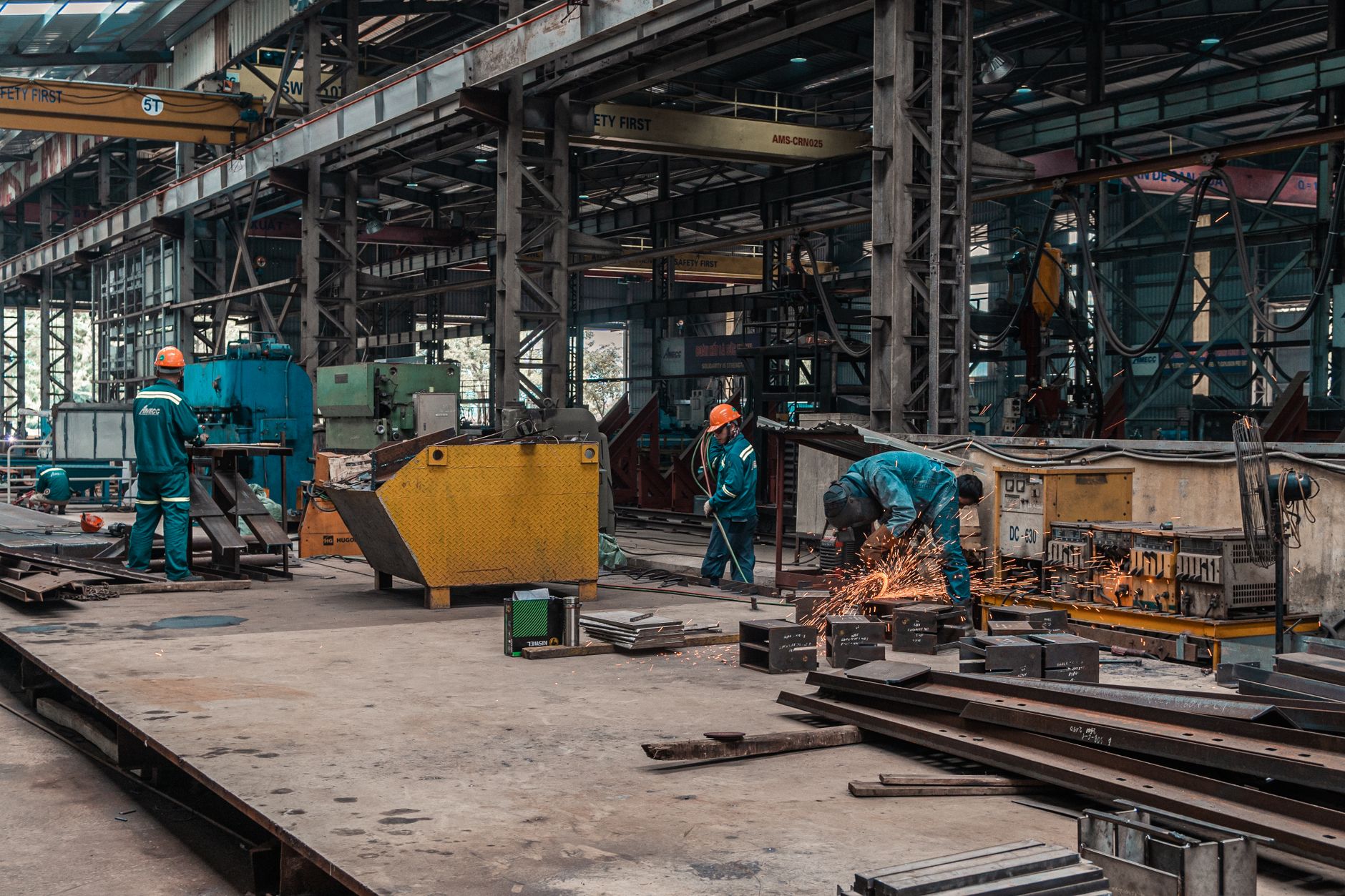
Founder Notes — Lotus Investment Group
Inside the Thaco Danang Manufacturing Complex
Bên trong tổ hợp chế tạo 70 triệu USD của Thaco tại Đà Nẵng
Thaco vừa rót 70 triệu USD dựng một tổ hợp chế tạo ở Đà Nẵng. Đây là nhà sản xuất ô tô và cơ khí lớn nhất Việt Nam, nên câu hỏi đáng đặt ra không phải khoản tiền có lớn không, mà nó dựng nên cái gì: nhà máy này làm ra sản phẩm gì, đặt ở đâu trong thành phố, kéo theo những ai về quanh nó, và bao lâu thì chạy hết công suất.
Thaco, tên đầy đủ là Công ty cổ phần Tập đoàn Trường Hải, đi lên từ lắp ráp ô tô rồi mở dần sang linh kiện, cơ khí và máy nông nghiệp. Một tổ hợp mang tên Thaco ở Đà Nẵng vì thế không phải một phân xưởng đơn lẻ mà là cụm sản xuất gắn vào chuỗi sẵn có của tập đoàn: chế tạo linh kiện, lắp ráp và các dịch vụ phụ trợ đặt cạnh nhau trên cùng một mặt bằng được điều phối.
Bài này soi thẳng vào bản thân cơ sở. Một bài khác trong loạt bàn về bức tranh lớn hơn — chuyện Việt Nam bước từ nền kinh tế lắp ráp sang nền tảng công nghiệp, sức bền xuất khẩu và vị thế trong ASEAN. Ở đây thì cụ thể hơn: 70 triệu USD ấy biến thành nhà xưởng, dây chuyền, người làm và lớp nhà cung cấp đi theo ra sao.
Tổ hợp này làm ra cái gì
Cốt lõi của một cơ sở Thaco là chế tạo cơ khí và lắp ráp. Ở thế hệ nhà máy mới, tập đoàn đặt sản xuất linh kiện cạnh khâu lắp ráp cuối trên cùng một mặt bằng, thay vì mua linh kiện rời từ nhà cung cấp rải rác rồi gom về. Tổ hợp Đà Nẵng đi theo đúng khuôn đó. Khi xưởng linh kiện nằm sát dây chuyền lắp ráp, chi phí vận chuyển nội bộ co lại, chu kỳ sản xuất ngắn đi và khâu kiểm soát chất lượng nằm gọn trong tay một chủ thể.
Đặt cụm chế tạo cạnh lắp ráp còn cho phép tập đoàn co giãn cơ cấu sản phẩm theo cầu thị trường mà không phải xé hợp đồng với bên thứ ba. Cái nhà máy bán ra là sản phẩm hữu hình, từ phương tiện đến cụm linh kiện và thiết bị cơ khí, chứ không phải kỳ vọng tài sản tăng giá. Doanh thu khởi động ngay khi dây chuyền khởi động.
Vì sao đặt ở Đà Nẵng
Đà Nẵng nằm giữa hai cực công nghiệp Bắc và Nam, trên hành lang miền Trung. Cảng biển, hạ tầng giao thông đang mở rộng và lối ra ven biển miền Trung cho cơ sở một thế hậu cần mà các cụm phía Nam đã đông đúc khó cấp. Với một nhà sản xuất phải đưa hàng nặng ra cảng đều đặn, khoảng cách tới cầu cảng và chất lượng đường nối là yếu tố chọn địa điểm, không phải chi tiết phụ.
Quy hoạch của thành phố cũng đỡ cho nhà máy. Phân khu ở Đà Nẵng ngày càng đan công nghiệp với dân cư và thương mại, nên người lao động không phải đi quá xa giữa chỗ ở và chỗ làm. Với một cơ sở cần giữ lực lượng tay nghề ổn định nhiều năm, quãng đường đi làm ngắn là một lợi thế giữ người thực chất.
70 triệu USD chảy vào đâu
Một khoản 70 triệu USD cho tổ hợp chế tạo thường chia ra nhà xưởng, máy móc dây chuyền, thiết bị tự động hóa và hạ tầng phụ trợ. Phần lớn nằm ở thiết bị: máy gia công, dây chuyền lắp ráp, hệ thống kiểm định. Đây là loại vốn bắt đầu sinh ra sản phẩm ngay khi lắp đặt xong và chạy thử đạt, khác hẳn vốn bất động sản phải chờ tài sản lên giá.
Con số trên bảng còn nói thiếu phần dấu chân thật. Một nhà máy điểm tựa kéo theo cả một vòng quanh nó: xưởng khuôn mẫu, đơn vị hậu cần, dịch vụ bảo trì, các nhà cung cấp cấp hai dời về cho gần. Phần vốn đi kèm ấy không nằm trong con số 70 triệu USD, nhưng nó mới định hình quy mô thật của cụm sản xuất khi cơ sở chạy ổn định.
Mốc thời gian và đường chạy lên công suất
Với cơ sở chế tạo, điều đáng theo dõi sau lễ khánh thành là tốc độ lên công suất. Một nhà máy đạt khoảng 80 phần trăm công suất trong vòng ba năm cho hiệu quả vận hành tốt hơn hẳn phương án nhích lên chậm rãi, bởi công suất cao phân bổ chi phí cố định trên nhiều sản phẩm hơn và rút ngắn thời gian hoàn vốn.
Đường chạy lên ấy phụ thuộc vào cầu, cả nội địa lẫn xuất khẩu, và vào việc tuyển đủ người vận hành dây chuyền. Vài quý đầu thường là chạy thử, tinh chỉnh dây chuyền và đào tạo. Giai đoạn sản xuất ổn định đến sau, khi tỷ lệ sản phẩm đạt chuẩn lên cao và nhịp ra hàng đều. Bám sát đường chạy này là cách đọc tổ hợp Đà Nẵng sát thực tế hơn nhiều so với chỉ nhìn con số vốn ngày khởi công.
Việc làm và đội ngũ tay nghề mà nhà máy cần
Một tổ hợp chế tạo cỡ này cần kỹ thuật viên và kỹ sư, cùng những quản lý vận hành đủ tay nghề chạy máy móc tiên tiến và dây chuyền số hóa. Tự động hóa, giám sát theo dữ liệu và bảo trì dự báo đòi người có kỹ năng cao hơn công nhân lắp ráp thuần túy, nên cơ sở phải đầu tư đào tạo ngay từ đầu. Việc làm nhà máy tạo ra vì thế nghiêng về nhóm có tay nghề, không phải lao động giá rẻ thuần.
Đội ngũ ấy không tự có. Các trường đại học và trung tâm dạy nghề ở Đà Nẵng là nguồn cung tại chỗ, và một nhà máy lớn thường kéo theo việc khớp chương trình giảng dạy với những kỹ năng nó cần. Theo thời gian, mối liên kết giữa cơ sở và trường nghề bồi thêm mật độ nhân lực tay nghề cho cả vùng — một tài sản ở lại lâu hơn bản thân nhà máy.
Kết luận
Bỏ qua lớp lý thuyết, tổ hợp Thaco Đà Nẵng là một cơ sở cụ thể: chế tạo cơ khí và lắp ráp trên một mặt bằng được điều phối, đặt trên hành lang miền Trung gần cảng, dựng bằng 70 triệu USD đổ phần lớn vào thiết bị, cần một đội ngũ tay nghề mà thành phố phải góp phần đào tạo. Thước đo của nó là tốc độ lên công suất và lượng việc làm chất lượng nó giữ được.
Ý nghĩa rộng hơn của khoản đầu tư này với sức công nghiệp Việt Nam là chuyện của bài đồng hành trong loạt. Còn ở tầng cơ sở, đây đơn giản là một nhà máy được chọn địa điểm tốt, cấp vốn tỉnh táo và dựng để chạy.
Lotus Investment Group tư vấn M&A xuyên biên giới và FDI vào Việt Nam và Đông Nam Á. Nếu quý vị đang thẩm định một vị thế tại Việt Nam, liên hệ với chúng tôi.
Thaco has put $70 million into a manufacturing complex in Danang. This is Vietnam’s largest automotive and engineering maker, so the question worth asking isn’t whether the cheque is big. It’s what the cheque builds: what the plant produces, where it sits in the city, who it pulls in around it, and how long before it runs at full capacity.
Thaco, or Truong Hai Corporation, grew from car assembly into components and engineering, and later into agricultural machinery. A Thaco complex in Danang is therefore not a standalone workshop but a production cluster bolted onto the group’s existing chain, with component manufacturing and assembly placed side by side on one coordinated site.
This piece looks straight at the facility itself. A companion article in the series takes the wider view — Vietnam’s shift from an assembly economy toward an industrial platform, export resilience, the ASEAN standing. Here the focus is narrower: how that $70 million turns into buildings, lines, hires and the suppliers that follow.
What the complex actually makes
A Thaco facility is built around mechanical fabrication and assembly. In the group’s newer plants, component production sits next to final assembly on a single site, rather than buying parts from scattered suppliers and trucking them in. The Danang complex follows that template. When the component shop sits beside the assembly line, internal transport costs shrink, production cycles tighten, and quality control stays in one set of hands.
Placing fabrication next to assembly also lets the group flex its product mix with demand without tearing up third-party contracts. What the plant sells is tangible, from vehicles to component assemblies and mechanical equipment, not the prospect of an asset appreciating. Revenue starts the moment the line starts.
Why Danang
Danang sits between the northern and southern industrial poles, on the central corridor. The seaport, expanding transport infrastructure and central-coast access give the facility a logistics position the crowded southern clusters can no longer offer cheaply. For a manufacturer that has to move heavy goods to port regularly, distance to the quay and the quality of the connecting roads are siting criteria, not footnotes.
The city’s planning helps the plant too. Danang’s zoning increasingly weaves industrial use together with residential and commercial, so workers don’t travel far between home and the line. For a facility that needs to keep a skilled workforce in place for years, a short commute is a real retention advantage.
Where the $70 million goes
A $70 million budget for a manufacturing complex usually splits across buildings, line machinery, automation equipment and supporting infrastructure. Most of it goes into equipment: machine tools, assembly lines, inspection systems. This is capital that begins producing the moment it’s installed and commissioned — unlike property capital that waits on appreciation.
The headline figure understates the real footprint. An anchor plant pulls its own orbit: tooling shops, logistics operators, maintenance services, second-tier suppliers relocating to be close. That accompanying capital sits outside the $70 million, but it’s what defines the true scale of the cluster once the facility settles into steady operation.
Timeline and the ramp to full capacity
For a manufacturing facility, the thing to watch after the ribbon-cutting is the speed of the ramp. A plant that reaches roughly 80 percent capacity within three years runs far more efficiently than one that inches up, because high utilisation spreads fixed costs across more units and shortens the payback period.
That ramp depends on demand, domestic and export, and on hiring enough people to run the lines. The first few quarters are usually commissioning, line tuning and training. Steady-state production comes later, when the share of parts that pass inspection climbs and output settles into rhythm. Tracking this curve reads the Danang complex far more accurately than the capital figure quoted on opening day.
The jobs and the skilled team the plant needs
A complex this size needs technicians and engineers, plus operations managers who can run advanced machinery and digitalised lines. Automation, data-driven monitoring and predictive maintenance demand higher skill than pure assembly labour, so the facility has to invest in training from the start. The jobs it creates lean toward the skilled end, not cheap labour.
That team doesn’t appear on its own. Danang’s universities and vocational centres are the local supply, and a large plant usually drives curriculum alignment toward the skills it needs. Over time, the link between facility and training school thickens the region’s pool of skilled workers — an asset that outlasts the plant itself.
Conclusion
Strip away the theory and the Thaco Danang complex is a concrete facility: mechanical fabrication and assembly on one coordinated site, placed on the central corridor near port, built with $70 million weighted mostly toward equipment, needing a skilled team the city has to help train. Its measure is the speed of the ramp and the quality jobs it sustains.
What this investment means for Vietnam’s wider industrial strength belongs to the companion piece in the series. At the level of the facility, this is simply a plant sited well, funded soberly, and built to run.
Lotus Investment Group advises on cross-border M&A and FDI into Vietnam and Southeast Asia. If you are underwriting Vietnam exposure, get in touch.
Nguồn / Sources
[1]
Vietnam Investment Review (2026) — Thaco opens $70 million manufacturing complex in Danang.