

Quynh Lap LNG Financing: Bankability Without a Guarantee
February 5, 2026
Can Tho Mekong Delta Industrial Shift: Why Sumitomo Moved
February 6, 2026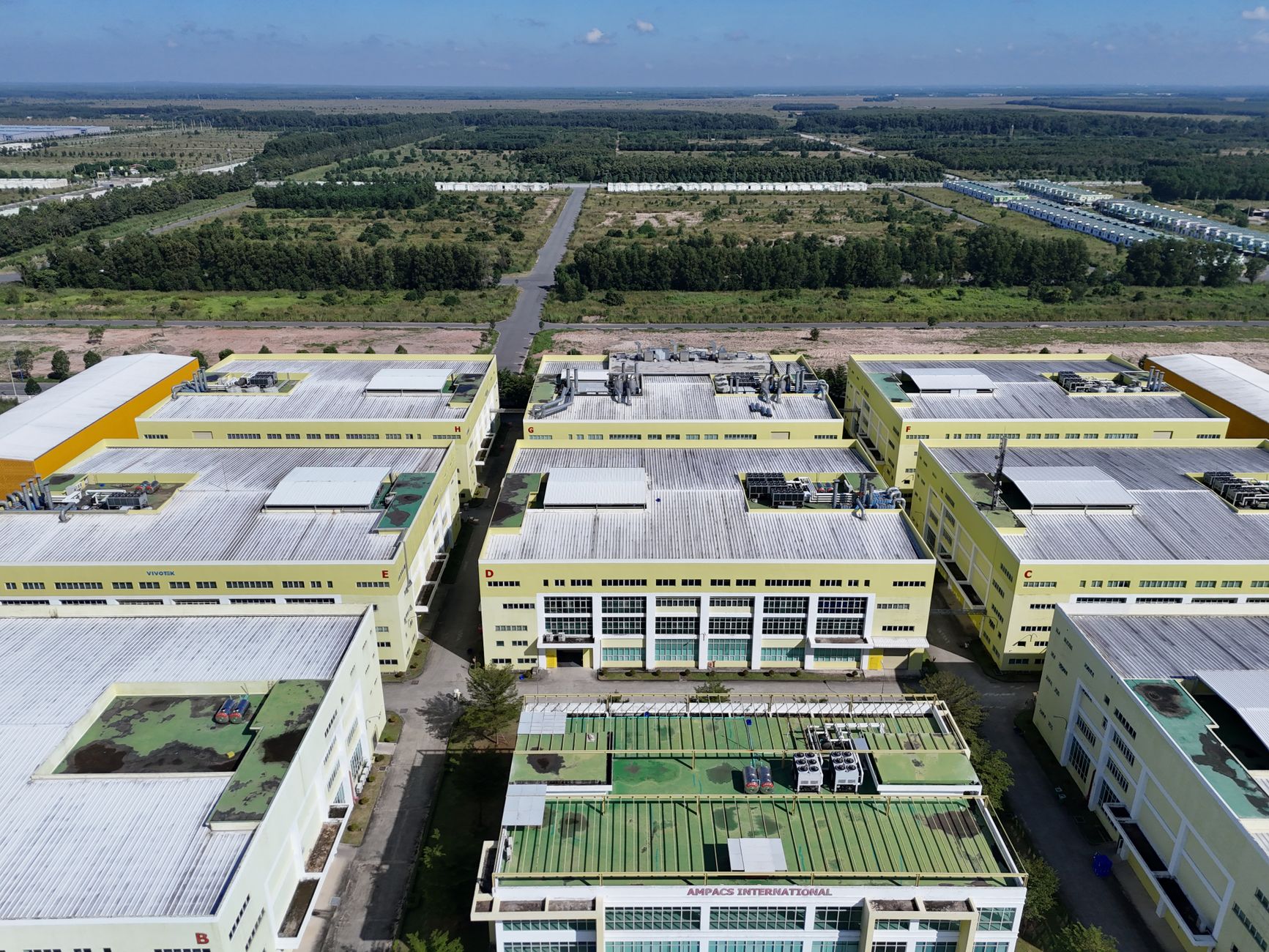
Founder Notes — Lotus Investment Group
Sumitomo Vietnam Industrial Parks: A 30-Year Platform
Nền tảng hạ tầng công nghiệp của Sumitomo tại Việt Nam: ba thập niên một chiến lược nhiều khu
Trước khi Cần Thơ xuất hiện trên bàn họp, Sumitomo đã có gần ba mươi năm vận hành khu công nghiệp ở Việt Nam. Đó mới là gốc rễ của câu chuyện. Một bước đi ở Đồng bằng sông Cửu Long chỉ đáng đọc khi đặt cạnh cả mạng lưới mà tập đoàn đã dựng từ Bắc vào Nam, theo đúng lối làm ăn của một thương xã tổng hợp Nhật Bản. Vào sớm, ở lại lâu, và bán cả một hệ sinh thái chứ không bán đất.
Cái khiến Sumitomo khác phần lớn nhà đầu tư bất động sản công nghiệp nằm ở chỗ họ không coi khu công nghiệp là sản phẩm bán một lần. Với một sogo shosha, tức thương xã tổng hợp, khu công nghiệp là điểm neo để kéo theo cả chuỗi: nhà sản xuất Nhật thuê đất, rồi hậu cần, tiện ích, dịch vụ, rồi đến những thương vụ thương mại và đầu tư mà tập đoàn vẫn làm song song. Khu đất chỉ là cửa ngõ.
Hiểu được lối nghĩ ấy thì mới đọc đúng mọi nước đi mới của Sumitomo ở Việt Nam, kể cả khoản đặt cược vào Cần Thơ. Bài viết này tập trung vào chính nền tảng đó: tập đoàn đã xây gì qua nhiều tỉnh, vì sao mô hình thương xã Nhật lại bền đến vậy, và điều đó nói lên gì về cách một nhà đầu tư có thâm niên chấm điểm một quốc gia. Hướng dịch chuyển về Đồng bằng sông Cửu Long, cùng cách hạ tầng trở thành đòn bẩy chiến lược, được bàn riêng trong hai phân tích đồng hành.
Thăng Long: khu công nghiệp đầu tiên đặt nền cho cả một chiến lược
Dấu chân công nghiệp của Sumitomo tại Việt Nam khởi đầu từ Khu công nghiệp Thăng Long ở ngoại thành Hà Nội, vận hành từ cuối thập niên 1990 qua liên doanh với phía Việt Nam. Đây là một trong những khu công nghiệp do nhà đầu tư Nhật phát triển sớm nhất ở miền Bắc, và nó nhanh chóng trở thành địa chỉ quen của các nhà sản xuất Nhật tìm cứ điểm gần Hà Nội.
Thăng Long thành công không nhờ giá đất rẻ mà nhờ một thứ khó sao chép: sự yên tâm. Doanh nghiệp Nhật bước vào một khu do chính một tập đoàn Nhật vận hành, nói cùng ngôn ngữ kinh doanh, hiểu cùng chuẩn chất lượng, xử lý thủ tục theo cách họ quen. Tiện ích chạy ổn định, hậu cần thông suốt, quan hệ với chính quyền địa phương đã được tập đoàn dày công vun. Với nhà sản xuất, đó là rủi ro thực thi được kéo xuống mức thấp nhất.
Chính khuôn mẫu Thăng Long mới là thứ Sumitomo nhân rộng về sau, chứ không phải một địa điểm cụ thể. Mỗi khu công nghiệp tiếp theo lặp lại cùng công thức: hạ tầng nền chất lượng cao, cụm khách thuê chủ yếu là người Nhật, và một nhà vận hành chịu ở lại nhiều thập niên thay vì bán xong rồi rút.
Từ một khu thành một mạng lưới trải dọc đất nước
Sau Thăng Long, Sumitomo không dừng ở một điểm mà mở rộng theo cụm. Mô hình Thăng Long được nối dài qua các giai đoạn phát triển kế tiếp ở khu vực phía Bắc, rồi vươn xuống các tỉnh khác khi nhu cầu của nhà sản xuất Nhật lan rộng. Mỗi lần mở rộng là một lần đặt thêm cứ điểm vào bản đồ công nghiệp, gắn với hành lang nơi khách thuê của tập đoàn muốn hiện diện.
Cách rải địa bàn ấy phục vụ một mục tiêu rõ ràng. Nhà sản xuất Nhật ở Việt Nam cần lựa chọn về vị trí — gần Hà Nội, gần TP. Hồ Chí Minh, gần cảng, gần thị trường tiêu dùng. Bằng cách hiện diện ở nhiều địa bàn, Sumitomo tự biến mình thành một bến đỗ mặc định cho khách Nhật, dù họ chọn vùng nào. Mạng lưới ấy tự nuôi nhau: một khu đầy lên thì khu kế tiếp đã sẵn sàng đón phần tràn.
Khoản đặt cược mới vào hạ tầng công nghiệp Cần Thơ là chương kế tiếp của chính lối mở rộng đó, lần này hướng về Đồng bằng sông Cửu Long. Ý nghĩa riêng của bước đi vùng ấy được mổ xẻ trong một phân tích đồng hành; ở đây, điều đáng giữ trong đầu là nó khớp với một thói quen đã ba thập niên, chứ không phải một canh bạc rời rạc.
Mô hình thương xã Nhật: bán hệ sinh thái, không bán lô đất
Để hiểu vì sao Sumitomo bền bỉ với hạ tầng công nghiệp đến vậy, phải nhìn vào bản chất một sogo shosha. Thương xã tổng hợp Nhật Bản kiếm tiền bằng cách kết nối thương mại, hậu cần, tài chính và đầu tư trên nhiều ngành cùng lúc. Khu công nghiệp với họ không phải một dòng doanh thu đơn lẻ mà là cái trục để gắn nhiều dòng vào.
Khi một nhà sản xuất Nhật thuê đất trong khu của Sumitomo, quan hệ hiếm khi dừng ở tiền thuê. Tập đoàn có thể cung ứng nguyên liệu, lo hậu cần, thu xếp tài chính thương mại, hay làm cầu cho thương vụ tiếp theo. Khu công nghiệp trở thành kênh thu nạp khách hàng cho cả phần còn lại của hệ thống. Logic ấy lý giải vì sao tập đoàn sẵn lòng chôn vốn vào hạ tầng nền có hoàn vốn chậm: lợi nhuận thực không chỉ nằm ở đất.
Đó cũng là lý do thời gian gắn bó dài bất thường so với chủ đầu tư công nghiệp thuần túy. Một quỹ bất động sản tính bằng dăm năm; một thương xã tính bằng nhiều thập niên. Sumitomo ở lại đủ lâu để vun quan hệ địa phương, học hệ thống pháp lý, và xây niềm tin mà đối thủ vào sau khó mua bằng tiền.
Thâm niên là tài sản: vì sao bề dày tại Việt Nam tự nó là lợi thế
Gần ba mươi năm ở một thị trường để lại thứ vốn không hiện trên bảng cân đối: hiểu biết tích lũy. Sumitomo đã đi qua nhiều chu kỳ chính sách, nhiều nhịp lên xuống của kinh tế, nhiều lần đổi khung pháp lý ở Việt Nam. Vốn kinh nghiệm ấy hạ chi phí và rủi ro cho từng dự án kế tiếp.
Bề dày đó cũng định hình cách tập đoàn chọn nơi đi tiếp. Một nhà đầu tư lần đầu phải đoán xem một vùng mới có vận hành nổi không; một nhà vận hành kỳ cựu thì đọc tín hiệu sắc hơn, biết hỏi đúng câu, và đo độ sẵn sàng của địa phương dựa trên những lần phối hợp đã có. Khi một tập đoàn loại này cam kết vốn ngoài các cụm quen thuộc, sức nặng của bước đi đến từ chính cái lịch sử đứng sau.
Với Việt Nam, một nhà đầu tư bám trụ lâu như vậy là cái neo cho lòng tin. Vốn ở lại qua nhiều chu kỳ phát đi tín hiệu khác hẳn dòng tiền đầu cơ đến rồi đi. Nó nói rằng tập đoàn xem Việt Nam là cứ điểm dài hạn trong mạng lưới khu vực, chứ không phải một ván cược cơ hội.
Mạng lưới hạ tầng đặt Sumitomo vào đâu trên bản đồ FDI Nhật
Sumitomo không hành động đơn độc mà là một mắt xích trong làn sóng FDI Nhật bền bỉ đổ vào Việt Nam suốt nhiều năm. Nhật Bản nằm trong nhóm nguồn vốn nước ngoài lớn và ổn định nhất của Việt Nam, và những thương xã như Sumitomo vừa là kênh dẫn, vừa là người hưởng lợi từ dòng chảy đó. Khu công nghiệp họ vận hành chính là cửa vào cho hàng loạt nhà sản xuất Nhật nối gót.
Nền tảng nhiều khu vì thế mang ý nghĩa lớn hơn một danh mục bất động sản. Nó là một phần hạ tầng mềm cho mối quan hệ kinh tế Việt — Nhật: nơi doanh nghiệp Nhật hạ cánh, mở rộng, kết nối vào chuỗi cung ứng nội địa. Mỗi khu mới Sumitomo dựng lên lại nới thêm sức chứa cho quan hệ song phương đó.
Đặt trong bức tranh ấy, các bước đi của tập đoàn vượt khỏi tầm vóc một dự án đơn lẻ. Chúng cho thấy vốn công nghiệp Nhật đọc Việt Nam ra sao theo thời gian — những hành lang nào đáng tin, vùng nào sắp chín. Đó là lý do giới quan sát theo dõi nơi một nhà vận hành thâm niên như Sumitomo chọn mở rộng kế tiếp.
Kết luận
Mọi nước đi mới của Sumitomo tại Việt Nam đều nên đọc qua lăng kính nền tảng: một mạng lưới khu công nghiệp dựng suốt gần ba thập niên, vận hành theo lối thương xã Nhật coi khu công nghiệp là điểm neo cho cả hệ sinh thái chứ không phải một thương vụ đất đai. Chính bề dày ấy, chứ không phải bất kỳ một địa điểm nào, mới là tài sản thật.
Khi một tập đoàn như vậy bước tiếp, nó mang theo ba mươi năm hiểu biết về chu kỳ chính sách và quan hệ địa phương. Tập đoàn chọn mở rộng tới đâu, theo nhịp nào, vẫn sẽ là một trong những phong vũ biểu đáng tin nhất cho thấy vốn công nghiệp Nhật nhìn về tương lai Việt Nam ra sao. Hướng dịch chuyển vùng và vai trò đòn bẩy chiến lược của hạ tầng được luận riêng trong các bài đồng hành.
Lotus Investment Group tư vấn M&A xuyên biên giới và FDI vào Việt Nam và Đông Nam Á. Nếu quý vị đang thẩm định một vị thế tại Việt Nam, liên hệ với chúng tôi.
Long before Can Tho reached the boardroom, Sumitomo had spent almost thirty years running industrial parks in Vietnam. That is the root of the story. A single move in the Mekong Delta only reads clearly against the wider network the group has built from north to south, in the way a Japanese general trading house operates: arrive early, stay long, and sell a whole ecosystem rather than land.
What sets Sumitomo apart from most industrial-property investors is that it never treats an industrial park as a one-time product. For a sogo shosha, a general trading house, the park is an anchor that pulls in a whole chain: Japanese manufacturers as tenants, then logistics, then the trade and investment deals the group runs alongside. The land is just the doorway.
Grasp that logic and every fresh Sumitomo move in Vietnam reads correctly, including the Can Tho bet. This piece stays on that platform itself: what the group has built across provinces, and why the Japanese trading-house model proves so durable. The shift toward the Mekong Delta, and the way infrastructure turns into strategic leverage, are taken up in two companion analyses.
Thang Long: the first park that set the template for a strategy
Sumitomo’s industrial footprint in Vietnam began with Thang Long Industrial Park on the outskirts of Hanoi, operating since the late 1990s through a joint venture with a Vietnamese partner. It was one of the earliest Japanese-developed industrial parks in the north, and it quickly became a familiar address for Japanese manufacturers looking for a base near Hanoi.
Thang Long succeeded not on cheap land but on something harder to copy: reassurance. A Japanese firm entered a park run by a Japanese group, speaking the same business language, holding to the same quality standards, handling procedures the way it already knew. Utilities ran reliably, logistics flowed, and relationships with local government had been carefully cultivated by the operator. For a manufacturer, that meant execution risk pulled down to a minimum.
It was the Thang Long template, not any single location, that Sumitomo went on to replicate. Each subsequent park repeated the same formula: high-quality foundational infrastructure, a tenant cluster heavily weighted toward Japanese firms, and an operator willing to stay for decades rather than sell and exit.
From one park to a network stretching across the country
After Thang Long, Sumitomo did not stop at a single point but expanded in clusters. The Thang Long model was extended through successive development phases in the north, then reached toward other provinces as Japanese manufacturers’ needs spread. Each expansion planted another foothold on the industrial map, tied to the corridors where the group’s tenants wanted to be.
That geographic spread served a clear purpose. Japanese manufacturers in Vietnam need choices on location — near Hanoi, near Ho Chi Minh City, near ports, near consumption markets. By being present across several locations, Sumitomo made itself a default landing point for Japanese clients whatever region they chose. The network feeds itself: as one park fills, the next stands ready to absorb the overflow.
The fresh bet on industrial infrastructure in Can Tho is the next chapter of exactly that expansion, this time toward the Mekong Delta. The specific meaning of that regional move is dissected in a companion analysis; here, what matters is that it fits a three-decade habit, not a stray gamble.
The Japanese trading-house model: selling an ecosystem, not a plot
To understand why Sumitomo stays so committed to industrial infrastructure, look at what a sogo shosha actually is. A Japanese general trading house makes money by connecting trade, logistics and finance across many industries at once. An industrial park, for such a firm, is not a standalone revenue line but the axis to which several lines attach.
When a Japanese manufacturer leases land in a Sumitomo park, the relationship rarely stops at rent. The group may supply raw materials, handle logistics, arrange trade finance, or broker the next deal. The park becomes a customer-acquisition channel for the rest of the system. That logic explains why the group is willing to sink capital into slow-paying foundational infrastructure: the real return does not sit in the land alone.
It also explains a holding period unusually long for a pure industrial developer. A real-estate fund counts in a handful of years; a trading house counts in decades. Sumitomo stays long enough to cultivate local relationships, learn the regulatory system, and build trust that later entrants struggle to buy with money.
Tenure as an asset: why depth in Vietnam is itself an advantage
Nearly thirty years in one market leaves a kind of capital that never shows on a balance sheet: accumulated knowledge. Sumitomo has worked through multiple policy cycles, several economic ups and downs, and repeated revisions of Vietnam’s legal framework. That experience lowers the cost and risk of each new project.
That depth also shapes where the group goes next. A first-time investor has to guess whether a new region can actually function; a seasoned operator reads the signals more sharply, knows the right questions to ask, and gauges local readiness against past collaborations. When a group of this kind commits capital outside the familiar hubs, the weight of the move comes from the history standing behind it.
For Vietnam, an investor this firmly rooted is an anchor for confidence. Capital that stays across multiple cycles sends a different signal from money that arrives and leaves on opportunity. It says the group treats Vietnam as a long-term base within its regional network, not an opportunistic punt.
Where the infrastructure network places Sumitomo on the Japanese FDI map
Sumitomo does not act alone but as one link in a steady wave of Japanese FDI into Vietnam over many years. Japan ranks among Vietnam’s largest and most stable sources of foreign capital, and trading houses like Sumitomo are both conduit and beneficiary of that flow. The parks they run are the entry point for a long line of Japanese manufacturers following behind.
The multi-park platform therefore means more than a property portfolio. It is part of the soft infrastructure of the Vietnam–Japan economic relationship: where Japanese firms land, expand, and plug into domestic supply chains. Each new park Sumitomo builds widens the capacity for that bilateral relationship.
Set against that backdrop, the group’s moves outgrow the scale of any single project. They reveal how Japanese industrial capital reads Vietnam over time — which corridors it trusts, which regions look ready to ripen. That is why observers watch where a long-tenured operator like Sumitomo chooses to expand next.
Conclusion
Every fresh Sumitomo move in Vietnam should be read through the lens of the platform: a network of industrial parks built over almost three decades, run on the Japanese trading-house logic that treats a park as an anchor for an ecosystem rather than a land deal. It is that depth, not any single location, that is the real asset.
When a group like this steps forward, it carries thirty years of hard-won understanding of policy cycles and local relationships. Where it chooses to expand, and at what pace, will remain one of the more reliable barometers of how Japanese industrial capital sees Vietnam’s future. How that regional shift plays out, and why infrastructure carries such strategic weight, are argued separately in the companion pieces.
Lotus Investment Group advises on cross-border M&A and FDI into Vietnam and Southeast Asia. If you are underwriting Vietnam exposure, get in touch.
Nguồn / Sources
[1]
Vietnam Investment Review (2026) — Sumitomo sets eyes on industrial infrastructure in Can Tho.