

HCMC 2 Billion AI Data Centre: The Capacity Bet
January 12, 2026
Vietnam FDI 38 Billion Inflow: From Attraction to Commitment
January 14, 2026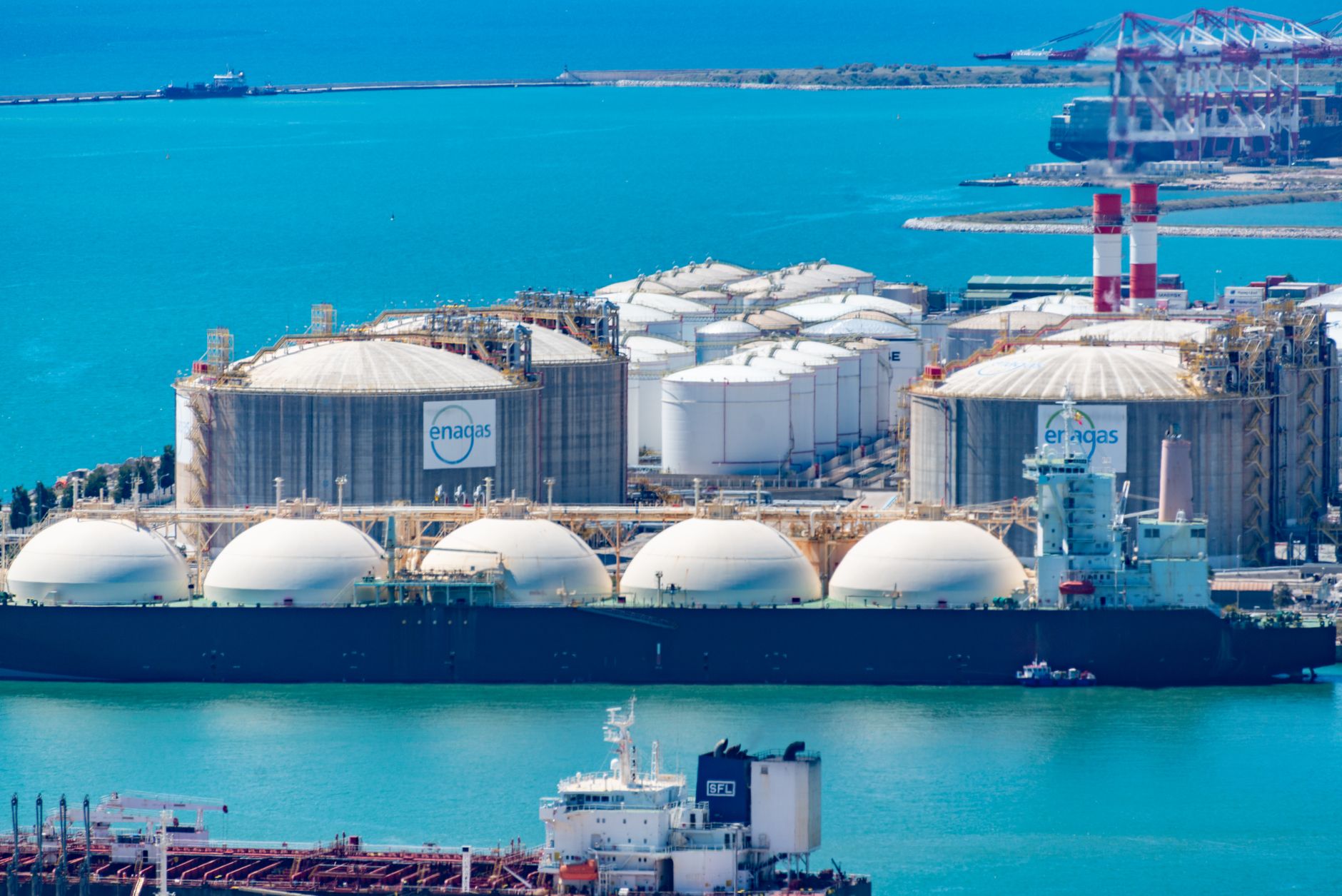
Founder Notes — Lotus Investment Group
Nghi Son LNG Power Project: A Bankability Test
Nhà máy điện khí LNG Nghi Sơn 2,1 tỷ USD: phép thử về khả năng huy động vốn cho giai đoạn năng lượng kế tiếp của Việt Nam
Nhà máy điện khí LNG Nghi Sơn không đình trệ vì Việt Nam thiếu cầu điện. Đất nước cần lượng điện đó. Nó đình trệ vì điện khí LNG nằm đúng nơi giao nhau của ba thứ: độ rõ chính sách, đòi hỏi kỹ thuật và biến động thị trường — và bộ máy thực thi hiện nay vẫn chưa khớp được ba đầu vào ấy đủ nhanh để chọn ra nhà đầu tư. Mô-típ này quen thuộc ở các dự án hạ tầng lớn: dự án vẫn được dán nhãn “cấp bách” về chiến lược, nhưng tiến trình đầu tư lại bò ở tốc độ mà dòng vốn hiện đại không chấp nhận.
Lãnh đạo Thanh Hóa nay đã đưa vấn đề lên bàn chính thức. Tại cuộc họp ngày 5 tháng 1 rà soát tiến độ các dự án điện, chủ tịch Ủy ban nhân dân tỉnh yêu cầu Ban Quản lý Khu kinh tế Nghi Sơn và các Khu công nghiệp báo cáo tình hình triển khai, đề xuất phương án lựa chọn nhà đầu tư, đặt quyết định này vào diện cấp bách cho an ninh năng lượng và đà thu hút vốn. Câu trả lời của Ban Quản lý đi xa hơn chuyện chậm trễ thủ tục đơn thuần: nó chỉ ra điểm nghẽn quy trình, đòi hỏi kỹ thuật đặc thù của dự án điện khí LNG, và một thị trường năng lượng toàn cầu chao đảo. Chẩn đoán ấy đáng lưu ý. Bài toán chọn nhà đầu tư thật ra không nằm ở tốc độ đấu thầu — nó nằm ở chỗ hệ thống có chào được khả năng huy động vốn đáng tin cho bên tài trợ và bên cho vay hay không, trong một ngành mà việc định giá rủi ro đã siết lại.
Bối cảnh thời điểm làm vấn đề thêm sắc. Thanh Hóa mở lại đấu thầu vào tháng 4 năm 2025 sau khi cơ quan chức năng hủy quy trình trước đó vào tháng 10 năm 2024 theo khung pháp lý cập nhật, vậy mà tỉnh vẫn chưa chọn được nhà đầu tư. Vài bên dự thầu đáng tin đã bày tỏ quan tâm, trong đó có những doanh nghiệp năng lượng lớn của khu vực và các liên danh. Quan tâm thì có. Việc chưa khép được khâu lựa chọn cho thấy nút thắt ràng buộc nằm ở độ sẵn sàng của dự án, phân bổ rủi ro và độ chắc chắn về thủ tục, chứ không phải ở khẩu vị nhà đầu tư.
Vì sao điện khí LNG đặt ra một phép thử huy động vốn khác hẳn
Nhà máy Nghi Sơn nhắm công suất 1.500MW và mốc vận hành thương mại năm 2030, với hệ thống tái hóa khí, kho hàng, cầu cảng và khu neo đậu tàu trải trên khu đất 68 héc-ta phía nam cảng Nghi Sơn. Chính các hợp phần đó cho thấy vì sao LNG hành xử khác hẳn những tài sản điện đơn giản hơn. Đây không phải “nhà máy” thuần túy, mà là hệ thống nhiên liệu-tới-điện tích hợp, đòi cấp phép, lập kế hoạch xây dựng, hậu cần hàng hải và hợp đồng cung nhiên liệu dài hạn cùng chạy ăn khớp. Bên tài trợ phải điều phối giao diện thi công và trách nhiệm vận hành qua nhiều hạng mục; bên cho vay đòi hồ sơ rõ ai nắm rủi ro nào.
Độ phức tạp ấy nâng cao ngưỡng cho khâu lựa chọn. Khi cơ quan quản lý để đòi hỏi kỹ thuật mơ hồ, bên dự thầu nhồi giả định thận trọng vào mô hình, kéo giá điện lên hoặc làm nguội nhiệt huyết của bên tài trợ. Ngược lại, định đòi hỏi quá cứng mà không đi kèm điều khoản thương mại huy động vốn được, bên dự thầu sẽ rút vì cán cân rủi ro-lợi nhuận không còn bõ. Đằng nào, sự bất định cũng tốn tiền.
Nghi Sơn nói lên một điểm mang tính cấu trúc. Điện khí LNG đòi mức điều phối gần với triển khai siêu dự án công nghiệp hơn là mua sắm hạ tầng nội địa thông thường. Đó là lý do các rào cản của dự án “không thể tháo gỡ bằng giải pháp tạm thời”, như đại diện Ban Quản lý nói. Nhà đầu tư và bên cho vay soi xem dự án có nền pháp lý rõ ràng, trình tự đáng tin và phân bổ rủi ro thực tế hay không. Hệ thống không cấp được sớm những thứ ấy thì khâu lựa chọn trôi tuột, và dự án rốt cuộc bắt bên dự thầu gánh rủi ro chính sách mà chẳng có gì che chắn.
Rủi ro tái lập chính sách: khi cập nhật pháp lý làm khựng quyết định rót vốn
Điểm lộ rõ nhất trong dòng thời gian Nghi Sơn là việc hủy quy trình tháng 10 năm 2024 theo khung pháp lý cập nhật, rồi mở lại đấu thầu tháng 4 năm 2025. Trình tự ấy bắt đúng một mâu thuẫn cứ lặp lại ở các thị trường hạ tầng mới nổi: cập nhật pháp lý giúp quản trị dài hạn tốt lên, nhưng lại bơm vào sự bất định ngắn hạn làm chậm triển khai. Nhà đầu tư nhìn chung chấp nhận Việt Nam sẽ còn tinh chỉnh khung pháp lý. Cái họ không định giá nổi là thời điểm và cách diễn giải vận hành những thay đổi ấy ngay giữa lúc đang đấu thầu.
Cập nhật pháp lý có thể đổi điều kiện gói thầu, thẩm quyền phê duyệt và yêu cầu tuân thủ. Nó cũng đổi cách cơ quan diễn giải tư cách nhà đầu tư và cấu trúc dự án. Hành lang pháp lý còn lửng lơ giữa lúc thầu đang chạy, bên dự thầu phải đuổi theo một mục tiêu di động. Nhiều bên phản ứng bằng cách dừng lại, xin làm rõ, hoặc đòi phần bù rủi ro. Bên cho vay trả lời thẳng hơn: chưa thu xếp được gói tài chính huy động vốn nào chừng nào cơ sở pháp lý chưa ổn định và chưa cưỡng chế thi hành được.
Thế là Nghi Sơn thành bài kiểm tra năng lực thực thi giữa lúc chính sách còn chuyển động. Chương trình chuyển dịch năng lượng và an ninh năng lượng của Việt Nam cần vốn tư nhân quy mô lớn, mà vốn tư nhân trong điện khí LNG lại cần một bộ máy quản trị đoán định được. Câu hỏi thực sự là liệu đất nước có tiếp thu được những cải tiến pháp lý mà không đẩy dự án quay về vạch tái lập thủ tục mỗi lần như vậy hay không. Cứ mỗi cập nhật lại kích một lần khởi động lại, hệ thống đốt thời gian, tiền bạc và thiện chí, dù bản thân dự án vẫn mang tính chiến lược.
Quan tâm thì có, nhưng thị trường muốn rõ về phân bổ rủi ro
Tại thời điểm mở lại thầu, có năm bên dự thầu được cho là đã bày tỏ quan tâm: liên danh giữa JERA của Nhật và Tập đoàn Sovico của Việt Nam; liên danh gồm Korea Southern Power Company, Korea Gas Corporation, Daewoo Engineering & Construction và Công ty Đầu tư Xây dựng và Thương mại Anh Phát; Gulf Energy Development của Thái Lan; SK E&S của Hàn Quốc; và liên danh giữa PV Power với Tập đoàn T&T. Cấu thành ấy đáng để mổ xẻ. Nó trải từ những đơn vị vận hành điện và LNG dày dạn, các tập đoàn khu vực, cho tới những bên trong nước rành điều kiện thực thi tại chỗ.
Nhưng quan tâm không bảo đảm sẽ có hồ sơ thầu huy động vốn được. Bên dự thầu sành sỏi muốn rõ ba mặt trước khi cam kết vốn: đòi hỏi kỹ thuật và ranh giới phạm vi; bài toán kinh tế của nhiên liệu và bao tiêu, gồm cách chi phí chuyển thành doanh thu; và trách nhiệm của nhà nước về đất đai, phê duyệt cùng hạ tầng kết nối. Chỗ nào còn mờ, bên dự thầu sẽ định giá cao tay, gắn thêm điều kiện, hoặc trì hoãn. Việc Ban Quản lý nhắc tới “đòi hỏi kỹ thuật” và “thị trường năng lượng chao đảo” hàm ý bên dự thầu đang đối mặt bất định thật khi cấu trúc nguồn cung LNG và bài toán vận hành dưới điều kiện luôn xê dịch.
Khả năng huy động vốn ở đây còn tùy cách Việt Nam chia rủi ro giữa bên tài trợ và nhà nước. Ngay cả khi không cần hỗ trợ ngân sách trực tiếp, dự án vẫn dựa vào nhà nước để có phê duyệt, đất sạch và trình tự hành chính mạch lạc. Bắt nhà đầu tư gánh các rủi ro ấy mà không có chế tài bù đắp rõ ràng, bên cho vay sẽ nâng mức vốn chủ yêu cầu và siết điều khoản nợ. Riêng điều đó đã đủ chặn việc đóng tài chính, bất kể bên tài trợ trông mạnh tới đâu trên giấy.
Quy mô và vị trí: một lợi thế cũng là sức ép
Vị trí Nghi Sơn ở Thanh Hóa, phía nam cảng Nghi Sơn, mang lợi thế chiến lược rõ rệt: kề một khu kinh tế lớn, tiếp cận hậu cần hàng hải, và có thể tích hợp với nhu cầu công nghiệp. Khu đất 68 héc-ta cùng gói hạ tầng dự kiến đọc lên như một tài sản nền tảng chứ không phải nhà máy đơn lẻ. Hồ sơ ấy có thể hút bên tài trợ nghiêm túc, bởi nó cho vai trò chạy nền tải gốc đời dài và gắn được vào tăng trưởng công nghiệp vùng.
Chính hồ sơ đó lại chất thêm sức ép thực thi. Hạng mục kết nối cảng, hệ tái hóa khí và hạ tầng hàng hải đều đòi cấp phép và điều phối kỹ thuật cẩn trọng. Chúng cũng nhân số bên liên quan lên, dễ làm nghẽn phê duyệt trừ khi có một đầu mối điều phối giữ được trật tự. Đó là lý do chủ tịch tỉnh Thanh Hóa yêu cầu Ban Quản lý báo cáo triển khai và đề xuất phương án lựa chọn. Tỉnh dường như đã thấm rằng phải chuyển từ cấp bách chung chung sang thực thi có cấu trúc.
Đây là chỗ các tỉnh ngày càng tách biệt nhau. Thị trường thôi trả công cho tham vọng suông. Nhà đầu tư muốn quy trình đoán định được và sự điều phối có trách nhiệm, nhất là với dự án vốn đầu tư lớn và thời gian chuẩn bị dài. Nếu Thanh Hóa biến được sự cấp bách thành một lộ trình lựa chọn kỷ luật, tỉnh vừa đẩy Nghi Sơn đi tới vừa củng cố uy tín cho các khoản đầu tư hạ tầng về sau. Bằng không, dự án có nguy cơ thành một “ưu tiên chiến lược” lặp đi lặp lại mà không có sản phẩm, dần bào mòn niềm tin nhà đầu tư trên cả chuỗi dự án của tỉnh.
Một lộ trình lựa chọn nhà đầu tư đáng tin trông sẽ ra sao
Khi Ban Quản lý kêu gọi một “cách tiếp cận hệ thống, khoa học, dựa trên cơ sở pháp lý rõ ràng”, họ đang phác chính các yêu cầu cho một quy trình mua sắm huy động vốn được. Trên thực tế, điều đó nghĩa là một khung đấu thầu ổn định, minh bạch, chốt rõ phạm vi kỹ thuật và tiêu chí chấm; một trình tự phê duyệt xác định với cơ quan chịu trách nhiệm nêu đích danh; và một dòng thời gian nhà đầu tư mô hình hóa được. Nó cũng cần một quy trình giải quyết sớm những bất định then chốt, để bên dự thầu khỏi phải gánh rủi ro chính sách còn bỏ ngỏ.
Nhà đầu tư hưởng lợi không kém từ việc phân định rõ trách nhiệm về hạ tầng kết nối và hỗ trợ cấp phép. Dự án LNG dính nhiều giao diện vốn dễ đẻ ra chậm trễ — đấu nối lưới, hạng mục cảng, giải phóng mặt bằng, phê duyệt môi trường. Một lộ trình đáng tin sẽ giảm khả năng các giao diện ấy biến thành điểm thương lượng sau khi đã chọn xong, đúng chỗ mà nhiều siêu dự án đánh mất thời gian và uy tín tài chính.
Nghi Sơn mang một bài học cho cả chuỗi dự án năng lượng rộng hơn của Việt Nam. Dự án lớn cần một lớp vỏ quản trị tương xứng độ phức tạp của nó. Muốn hút và giữ được bên tài trợ toàn cầu ở quy mô lớn, đất nước phải chào một hệ thống mua sắm và triển khai biết giảm bất định trước khi bên tài trợ cam kết vốn và trước khi bên cho vay khóa điều khoản tài chính. Cách tỉnh đọc sự cấp bách là đúng. Nhưng cấp bách chỉ hóa thành đầu tư khi hệ thống cấp được khả năng huy động vốn, chứ không chỉ là ý định.
Kết luận: phép thử huy động vốn, không phải phép thử nhu cầu
Nhà máy điện khí LNG Nghi Sơn 2,1 tỷ USD vẫn quan trọng với an ninh năng lượng và đà thu hút vốn của Thanh Hóa. Song sự chậm trễ của nó phản ánh những nút thắt cấu trúc vượt khỏi chuyện nhà đầu tư có quan tâm hay không. Điện khí LNG đòi thực thi ăn khớp qua khung pháp lý, đòi hỏi kỹ thuật và thị trường nhiều biến động. Khi mua sắm và phê duyệt không bắt kịp độ phức tạp ấy, khâu lựa chọn chậm lại, và lịch triển khai ngày càng khó biện hộ.
Thông điệp trung tâm đã rõ. Thị trường hạ tầng Việt Nam đang bước vào giai đoạn mà chất lượng thực thi của thể chế quyết định sức hút vốn. Sự quan tâm của các bên dự thầu ở Nghi Sơn cho thấy thị trường vẫn mở. Sự chậm trễ cho thấy khả năng huy động vốn dựa trên quản trị có hệ thống và nền pháp lý rõ ràng, chứ không phải trên tham vọng. Dựng được một lộ trình lựa chọn và triển khai đáng tin, lặp lại được, Thanh Hóa có thể biến dự án này từ một ưu tiên đình trệ thành minh chứng cho giai đoạn kế tiếp về uy tín hạ tầng năng lượng của Việt Nam.
Lotus Investment Group tư vấn M&A xuyên biên giới và FDI vào Việt Nam và Đông Nam Á. Nếu quý vị đang thẩm định một vị thế tại Việt Nam, liên hệ với chúng tôi.
The Nghi Son LNG-fired power plant has not stalled for lack of demand. Vietnam needs the electricity. It has stalled because LNG power sits where policy clarity, technical demands and market volatility all meet, and the country’s execution machinery still cannot line those inputs up fast enough to pick an investor. The pattern is familiar in large infrastructure: the project stays strategically “urgent,” yet the investment process moves at a pace modern capital won’t accept.
Thanh Hoa’s leadership has now put the issue on the record. At a January 5 meeting reviewing power-plant progress, the chairman of the provincial People’s Committee asked the Nghi Son Economic Zone and Industrial Parks Management Board to report on implementation and propose a way to select an investor, casting the decision as urgent for energy security and investment momentum. The board’s answer pointed past simple administrative delay. It cited procedural bottlenecks, the technical demands of LNG-fired projects, and a swinging global energy market. That diagnosis matters. The investor-selection problem isn’t really about tender speed — it’s about whether the system can offer credible bankability to sponsors and lenders in a sector where risk pricing has tightened.
The timing sharpens the point. Thanh Hoa reopened bidding in April 2025 after authorities cancelled the earlier process in October 2024 under updated legal frameworks, and the province still has no investor. Several credible bidders have shown interest, including major regional energy players and consortia. Interest, then, exists. The failure to conclude selection says the binding constraints lie in project readiness, risk allocation and procedural certainty rather than appetite.
Why LNG power sets a different bankability test
The Nghi Son plant targets 1,500MW and a 2030 commercial operation date, with a regasification system, warehouse, wharf and ship-anchoring zone spread across a 68-hectare site south of Nghi Son port. Those components explain why LNG behaves unlike simpler power assets. These are not just “plants.” They are integrated fuel-to-power systems that need synchronised permitting, construction planning, marine logistics and long-term fuel supply, all moving together. Sponsors have to coordinate construction interfaces and operating responsibilities across several workstreams; lenders need clear documentation on who controls which risk.
That complexity raises the bar for selection. When authorities leave technical requirements vague, bidders load conservative assumptions into their models, which tends to push tariffs up or cool sponsor interest. Define the requirements too rigidly without bankable commercial terms, and bidders walk because the risk-return profile no longer pays. Either way, uncertainty costs money.
Nghi Son makes a structural point. LNG power demands a level of coordination closer to industrial megaproject delivery than to conventional domestic procurement. That is why the project’s barriers “cannot be removed by temporary solutions,” as the board’s representative put it. Investors and lenders look for clear legal grounding, credible sequencing and realistic risk allocation. If the system can’t supply those early, selection drifts, and the project effectively asks bidders to underwrite policy risk with no protection.
Policy reset risk: when legal updates pause capital decisions
The most telling feature of the Nghi Son timeline is the October 2024 cancellation under updated legal frameworks, followed by the April 2025 reopening. That sequence captures a recurring tension in emerging infrastructure markets: legal updates improve long-term governance yet can inject short-term uncertainty that delays delivery. Investors generally accept that Vietnam will keep refining its legal framework. What they can’t price is the timing and the operational reading of those changes while procurement is live.
Legal updates can shift tender conditions, approval authority and compliance requirements. They can also change how agencies interpret investor eligibility and project structure. With the regulatory pathway unsettled mid-tender, bidders chase a moving target. Many respond by pausing, asking for clarification or demanding a risk premium. Lenders answer more bluntly: no bankable financing package until the legal basis is stable and enforceable.
So Nghi Son becomes a test of execution under policy evolution. Vietnam’s energy-transition and security agenda needs large-scale private capital, and private capital in LNG needs predictable governance. The real question is whether the country can adopt legal improvements without forcing projects back into procedural reset each time. If every update triggers a restart, the system burns time, money and goodwill even when the underlying project stays strategic.
Interest is there; the market wants clarity on risk
At the reopening, five bidders reportedly expressed interest: a joint venture between Japan’s JERA and Vietnam’s Sovico Group; a consortium of Korea Southern Power Company, Korea Gas Corporation, Daewoo Engineering & Construction and Anh Phat Construction and Trading Investment; Thailand’s Gulf Energy Development; South Korea’s SK E&S; and a joint venture between PV Power and T&T Group. The mix is instructive. It spans seasoned LNG and power operators, regional conglomerates and domestic players who can work the local execution conditions.
But interest doesn’t guarantee bankable bids. Sophisticated bidders want clarity on three fronts before they commit capital: technical requirements and scope boundaries; fuel and offtake economics, including how costs feed into revenue; and the government’s responsibilities on land, approvals and interface infrastructure. Where those stay unclear, bidders price aggressively, attach conditions or delay. The board’s reference to “technical requirements” and “fluctuating energy markets” suggests bidders face genuine uncertainty in structuring LNG supply and operating economics under shifting conditions.
Bankability here also turns on how Vietnam shares risk between sponsor and state. Even without direct fiscal support, the project leans on the state for approvals, land readiness and coherent administrative sequencing. Make the investor carry those risks without defined remedies, and lenders raise required equity buffers and tighten debt terms. That alone can block financial close, however strong the sponsor looks on paper.
Scope and location: an advantage that doubles as pressure
Nghi Son’s position in Thanh Hoa, south of Nghi Son port, carries clear strategic advantages: proximity to a major economic zone, access to marine logistics and integration potential with industrial demand. The 68-hectare footprint and the planned infrastructure package read like a platform asset rather than a standalone plant. That profile can draw serious sponsors, since it offers a long-life base-load role and ties into regional industrial growth.
The same profile loads on execution pressure. Port interface works, regasification systems and marine infrastructure all need careful permitting and engineering coordination. They also multiply the stakeholders, which can stall approvals unless one coordinating authority holds the line. That is why Thanh Hoa’s chairman asked the board to report on implementation and propose selection plans. The province seems to grasp that it has to move from general urgency to structured execution.
This is where provinces increasingly separate from one another. The market no longer pays for ambition by itself. Investors want predictable processes and accountable coordination, above all on high-capex projects with long lead times. If Thanh Hoa can turn urgency into a disciplined selection pathway, it advances Nghi Son and strengthens its credibility for future infrastructure. If it can’t, the project risks becoming another recurring “strategic priority” without delivery, slowly eroding investor confidence across the province’s pipeline.
What a credible path to selection would look like
When the board calls for a “systematic, scientific approach based on clear legal grounds,” it is sketching the requirements for bankable procurement. In practice that means a stable, transparent tender framework that fixes technical scope and evaluation criteria, a defined approval sequence with named accountable authorities, and a timeline investors can actually model. It also means an early process for resolving key uncertainties, so bidders don’t have to underwrite unresolved policy risk.
Investors gain just as much from a clear split of responsibility on interface infrastructure and permitting. LNG projects involve several interfaces that breed delay — grid connection, port works, land clearance, environmental approvals. A credible pathway cuts the odds that those interfaces turn into post-selection negotiations, the exact point where many megaprojects lose time and financing credibility.
Nghi Son carries a lesson for Vietnam’s wider energy pipeline. Large projects need a governance wrapper that matches their complexity. To attract and keep global sponsors at scale, the country has to offer a procurement and delivery system that cuts uncertainty before sponsors commit capital and before lenders lock financing terms. The province’s read on urgency is right. But urgency only becomes investment once the system can deliver bankability, not just intent.
Conclusion: a bankability test, not a demand test
The $2.1 billion Nghi Son LNG-fired power plant still matters for energy security and investment momentum in Thanh Hoa. Its delay, though, reflects structural constraints that run past investor interest. LNG power demands coordinated execution across legal frameworks, technical requirements and volatile markets. When procurement and approvals fail to match that complexity, selection slows, and the schedule gets harder to defend.
The central message is clear. Vietnam’s infrastructure market is entering a phase where institutional execution quality decides capital attraction. The bidder interest at Nghi Son shows the market stays open. The delay shows that bankability rests on systematic governance and clear legal grounding, not on ambition. Build a credible, repeatable pathway to selection and delivery, and Thanh Hoa can turn this project from a stalled priority into a proof point for the next phase of Vietnam’s energy-infrastructure credibility.
Lotus Investment Group advises on cross-border M&A and FDI into Vietnam and Southeast Asia. If you are underwriting Vietnam exposure, get in touch.
Nguồn / Sources
[1]
Vietnam Investment Review (2026, ngày 6 tháng 1) — $2.1 billion Nghi Son LNG-fired thermal power plant waits for investor.