

Haiphong Supporting Industry: Depth Over Cost Advantage
February 20, 2026
KKR Singtel Data Centre Vietnam: Capital Discipline
February 23, 2026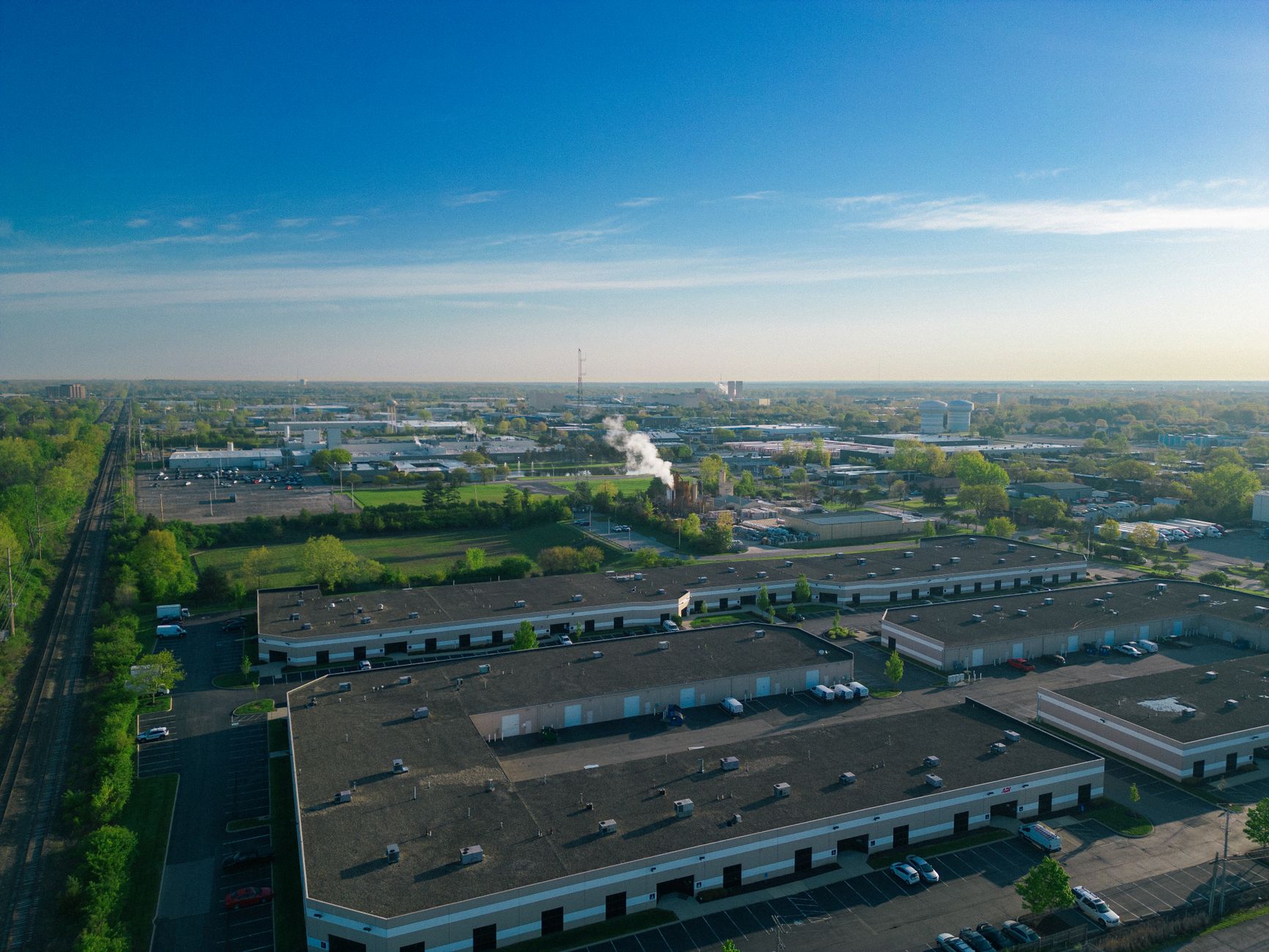
Founder Notes — Lotus Investment Group
Vietnam Industrial Infrastructure Strategy: The FDI Moat
Hạ tầng công nghiệp như một chiến lược: vì sao chính khu công nghiệp mới là con hào giữ chân FDI
Trong cuộc cạnh tranh hút vốn chế tạo, người ta hay đếm ưu đãi thuế và giá nhân công. Nhưng thứ thật sự níu được một nhà máy ở lại nhiều thập niên lại nằm ở chỗ ít ai chụp ảnh: chất lượng và độ tin của khu công nghiệp dưới chân nó. Hạ tầng công nghiệp không phải dịch vụ đi kèm. Nó là con hào chiến lược — lợi thế khó sao chép quyết định một vùng chỉ thắng được vài dự án thoáng qua hay giữ được cả một hệ sinh thái chế tạo bền lâu.
Luận điểm này không hiển nhiên với mọi người. Suốt một thời gian dài, mô hình cạnh tranh FDI của khu vực chạy theo giá: vùng nào đất rẻ hơn, lương thấp hơn, ưu đãi hào phóng hơn thì thắng. Cách đó hút được dòng vốn dễ dịch chuyển, nhưng cũng để mất nó dễ y như vậy — chỉ cần một nơi khác chào rẻ hơn. Con hào hạ tầng vận hành theo logic ngược lại: nó tốn thời gian để dựng, tốn kỷ luật để giữ, và chính vì khó nên một khi đã có thì khó bị cướp mất.
Bài này tách rời luận điểm ấy khỏi bất kỳ thương vụ đơn lẻ nào. Trước tiên xét vì sao độ tin của hạ tầng, chứ không phải chi phí, mới là thứ phân loại người thắng kẻ thua trong cuộc đua FDI. Sau đó dùng vài lát cắt để cho thấy con hào ấy được dựng lên ra sao và vì sao nó dễ vỡ đến thế: các hành lang công nghiệp đã định hình của Việt Nam, các đối thủ trong khu vực, và bước thử nghiệm gần đây của Sumitomo ở Cần Thơ như một minh họa trong số nhiều.
Vì sao chi phí thấp là con hào dễ thủng nhất
Lợi thế chi phí thu hút sự chú ý vì nó dễ đo. Một bảng tính so giá đất, mức lương, thuế suất giữa các vùng cho ra câu trả lời gọn gàng, và nhiều quyết định chọn địa điểm đời đầu dừng ngay ở đó. Vấn đề là mọi con số trong bảng ấy đều có thể bị một nơi khác đè giá. Vốn nào vào vì rẻ thì cũng đi vì có chỗ rẻ hơn.
Hạ tầng công nghiệp đáng tin tạo ra một kiểu dính chặt khác. Khi điện chạy ổn, nước xử lý đủ, đường ra cảng thông và thủ tục không vỡ vụn, nhà máy bắt đầu cắm rễ: nhà cung cấp dọn về quanh đó, lao động được đào tạo theo nhu cầu của cụm, hợp đồng dài hạn được ký dựa trên kỳ vọng vận hành ổn định. Mỗi lớp như vậy nâng chi phí ra đi. Đó mới là con hào — không phải vì nó chặn cạnh tranh, mà vì nó khiến rời đi đắt hơn ở lại.
Hạ tầng là một lời hứa, và lời hứa phải đáng tin
Cái nhà đầu tư công nghiệp thật sự mua không phải mấy hecta đất, mà là một lời hứa kéo dài hàng chục năm: điện sẽ có, nước sẽ sạch, giấy phép sẽ ra đúng hạn, luật chơi sẽ không đổi giữa chừng. Hạ tầng vật lý chỉ là phần thấy được của lời hứa đó. Phần khó hơn là độ tin — niềm tin rằng bộ máy đứng sau sẽ giữ nhịp suốt cả vòng đời tài sản.
Chính vì vậy hạ tầng công nghiệp là một bài kiểm tra quản trị trá hình thành bài toán kỹ thuật. Một khu có thể trông hoàn hảo trên bản vẽ rồi chết dần vì cấp phép tắc nghẽn, tiện ích thiếu phối hợp, hay ưu tiên chính sách đổi theo nhiệm kỳ. Nhà phát triển dày dạn đọc thấu chỗ đó: họ định giá độ rõ pháp lý và độ ổn định thể chế nặng ngang gì đổ bê tông. Một con hào hạ tầng vững phải được đúc bằng cả hai.
Các hành lang định hình của Việt Nam: con hào trông thế nào khi đã trưởng thành
Hà Nội, Hải Phòng, Bắc Ninh và TP. Hồ Chí Minh là minh chứng sống cho con hào này khi đã chín. Các hành lang ấy thắng không chỉ nhờ cảng gần hay đông lao động, mà nhờ nhiều thập niên hạ tầng được bồi đắp dồn lại thành một thứ khó bắt chước: mật độ nhà cung cấp, độ sâu tay nghề, và một bộ máy hành chính đã quen chạy nhịp công nghiệp. Một nhà sản xuất cắm ở Bắc Ninh không trả tiền cho đất rẻ — họ trả cho việc mọi mảnh ghép đã sẵn ở đó.
Nhưng cùng câu chuyện ấy hé lộ giới hạn của con hào. Tập trung càng sâu, cái giá càng cao: đất leo thang, hạ tầng quá tải, kẹt xe biến giao hàng thành một dòng rủi ro. Con hào từng giữ chân vốn dần thành bức tường đẩy nó đi tìm chỗ khác. Bài học rút ra cho người làm chính sách rất rõ: con hào hạ tầng không phải tài sản đúc một lần rồi hưởng mãi, mà là thứ phải tái đầu tư liên tục, và đôi khi phải nhân bản ở vùng mới trước khi vùng cũ nghẹt thở.
Một con hào khu vực: vì sao Việt Nam không tự đặt luật chơi
Con hào hạ tầng không dựng trong chân không. Việt Nam cạnh tranh trực tiếp với Thái Lan, Indonesia, Ấn Độ và những nơi khác đang đua giành cùng làn sóng dịch chuyển chuỗi cung ứng. Mỗi nước chào một tổ hợp riêng giữa độ chín hạ tầng, chiều sâu quản trị và lợi thế chi phí, và nhà đầu tư xếp các tổ hợp ấy cạnh nhau mà chấm.
Đặt trong bức tranh đó, lợi thế chi phí của Việt Nam là điều kiện đầu vào, không phải đích đến. Cái nâng Việt Nam lên trên một điểm lắp ráp giá rẻ là độ tin của hạ tầng — bằng chứng cho thấy vốn rót vào hôm nay sẽ vận hành như hứa qua nhiều chu kỳ. Đó là lý do nâng cấp hạ tầng công nghiệp không phải khoản chi tùy hứng mà là đầu tư vào sức cạnh tranh quốc gia. Vùng nào trong nước củng cố được con hào ấy sẽ giành phần lớn hơn của dòng vốn mà cả khu vực đang giành nhau.
Sumitomo ở Cần Thơ: con hào đang được dựng từ con số không
Bước thử nghiệm gần đây của Sumitomo vào hạ tầng công nghiệp ở Cần Thơ là một lát cắt cho thấy con hào hình thành ra sao ở nơi chưa từng có nó. Đồng bằng sông Cửu Long lâu nay đóng vai đầu mối nông sản và hậu cần, gần như không có tiền lệ công nghiệp nặng. Một nhà phát triển kén chọn chịu đặt cược ở đó, đọc ra là một lá phiếu thầm lặng cho thấy những mảnh ghép nền tảng đang chắc dần: đất sạch pháp lý, tiện ích điều phối, giao thông kết nối.
Điều đáng rút ra không phải bản thân địa điểm, mà là khuôn mẫu. Con hào hạ tầng không tự nhiên xuất hiện ở vùng cấp hai; nó phải được một nhà vận hành dài hạn dựng lên trước khi dòng vốn rộng hơn dám theo. Cơ chế tài chính và phép tính riêng của bước đi này được mổ xẻ trong một bài đồng hành; ở đây nó chỉ là một minh họa trong số nhiều cho luận điểm rằng người đi trước không đuổi theo con hào có sẵn — họ đúc ra nó, và bằng cách đó định đoạt nhà máy cùng nhà cung cấp rốt cuộc tụ về đâu.
Vì sao con hào dễ vỡ: kỷ luật thực thi mới giữ được nó
Hạ tầng công nghiệp như con hào có một điểm yếu chí mạng: nó chỉ vững bằng sự liên tục đứng sau. Một dự án thừa vốn vẫn có thể rỗng ruột nếu cấp phép tắc giữa các cơ quan, quy hoạch sử dụng đất lệch pha với kết nối giao thông, hay ưu tiên chính sách đổi theo nhiệm kỳ. Con hào không bị san phẳng trong một cú; nó rỉ mòn vì những lần thực thi bỏ dở.
Vì thế khả năng phòng thủ thật sự nằm ở chỗ vô hình. Vùng nào ghép được tham vọng với một bộ máy biết phối hợp sẽ dựng được con hào trụ qua nhiều chu kỳ: cấp phép đúng hạn, đào tạo nhân lực khớp nhu cầu cụm, gắn vào quy hoạch hậu cần quốc gia. Vùng nào coi hạ tầng là dự án cắt băng khánh thành rồi buông sẽ thấy con hào rạn ngay khi áp lực ập tới. Vốn dài hạn, nhất là vốn Nhật, thưởng đúng cho sự bền bỉ ấy, và phạt sự đứt quãng còn nặng hơn.
Kết luận: con hào quyết định ai trụ lại
Hạ tầng công nghiệp xứng đáng được đối xử như hạng mục chiến lược, không phải dòng chi phí. Nó là con hào ngăn cách một vùng chỉ thắng được vài dự án dễ dịch chuyển với một vùng giữ được cả hệ sinh thái chế tạo bền lâu. Lợi thế chi phí mở được cánh cửa, nhưng độ tin của hạ tầng mới quyết định ai chịu bước qua và ở lại.
Với người làm chính sách lẫn nhà đầu tư, hệ quả là một: con hào phải được đúc, rồi phải được giữ. Đúc nó đòi vốn kiên nhẫn và một nhà vận hành dài hạn chịu đi trước. Giữ nó đòi kỷ luật thực thi không gián đoạn suốt nhiều năm. Vùng nào làm được cả hai sẽ định nghĩa giai đoạn công nghiệp hóa kế tiếp của Việt Nam. Vùng nào hụt một trong hai sẽ chứng kiến vốn của mình lặng lẽ trôi sang nơi có con hào sâu hơn.
Lotus Investment Group tư vấn M&A xuyên biên giới và FDI vào Việt Nam và Đông Nam Á. Nếu quý vị đang thẩm định một vị thế tại Việt Nam, liên hệ với chúng tôi.
In the contest to attract manufacturing capital, the easy things to count are tax breaks and labour costs. But what actually keeps a factory rooted for decades sits in a place few people photograph: the quality and credibility of the industrial park beneath it. Industrial infrastructure is not a support service. It is a strategic moat — the hard-to-copy advantage that decides whether a region wins a few passing projects or holds a durable manufacturing ecosystem.
This argument is not obvious to everyone. For a long time the region’s FDI competition ran on price: whichever location offered cheaper land, lower wages and more generous incentives won. That approach attracts mobile capital, and it loses it just as easily — all it takes is somewhere else quoting a lower number. The infrastructure moat runs on the opposite logic. It takes time to build and discipline to hold, and precisely because it is hard, once it exists it is hard to take away.
What follows separates the argument from any single deal. It first looks at why infrastructure credibility, not cost, sorts winners from losers in the FDI race. It then uses a few illustrations to show how the moat gets built and why it is so fragile: Vietnam’s established industrial corridors, its regional rivals, and Sumitomo’s recent test in Can Tho as one example among several.
Why low cost is the easiest moat to breach
Cost advantage draws attention because it is easy to measure. A spreadsheet comparing land prices, wages and tax rates across regions gives a clean answer, and plenty of first-pass siting decisions stop right there. The trouble is that every number on that sheet can be undercut somewhere else. Capital that arrives because a place is cheap leaves once another place is cheaper.
Credible industrial infrastructure creates a different kind of stickiness. When power runs steadily, water treatment is sufficient, the road to port stays clear and permitting holds together, factories start to put down roots: suppliers cluster nearby, workers get trained to the cluster’s needs, long-term contracts get signed against an expectation of stable operations. Each of those layers raises the cost of leaving. That is the moat — not because it blocks competition, but because it makes departure more expensive than staying.
Infrastructure is a promise, and the promise has to be credible
What an industrial investor actually buys is not a few hectares of land but a promise stretching across decades: the power will be there, the water clean, the permits on time, the rules unchanged mid-course. Physical infrastructure is only the visible part of that promise. The harder part is credibility — the belief that the machinery behind it will hold its rhythm across the asset’s whole life.
That is why industrial infrastructure is a governance test disguised as an engineering problem. A zone can look flawless on the drawing board and then die slowly from permitting bottlenecks, uncoordinated utilities, or policy priorities that shift with each term of office. Seasoned developers read straight through to that layer: they price regulatory clarity and institutional stability as heavily as poured concrete. A solid infrastructure moat has to be cast from both.
Vietnam’s established corridors: what the moat looks like when it matures
Hanoi, Haiphong, Bac Ninh and Ho Chi Minh City are living proof of this moat once it has matured. Those corridors won on decades of compounding infrastructure that hardened into something hard to imitate: supplier density, depth of skills, and an administration used to running at industrial tempo. Port proximity and labour supply mattered, but they were never the whole story. A manufacturer planted in Bac Ninh isn’t paying for cheap land — it’s paying for the fact that every piece is already in place.
But the same story exposes the moat’s limits. The deeper the concentration, the higher the bill: land climbs, infrastructure strains, congestion turns delivery into a risk line. A moat that once held capital becomes a wall that pushes it to look elsewhere. The lesson for policymakers is clear. An infrastructure moat is not an asset you cast once and harvest forever, but something you have to reinvest in continuously, and sometimes replicate in a new region before the old one chokes.
A regional moat: why Vietnam doesn’t set the rules alone
The infrastructure moat isn’t built in a vacuum. Vietnam competes directly with Thailand, Indonesia, India and others racing for the same wave of supply-chain relocation. Each offers its own blend of infrastructure maturity, governance depth and cost advantage, and investors line those blends up side by side to score them.
Set against that picture, Vietnam’s cost advantage is an entry condition, not a destination. What lifts Vietnam above a cheap assembly point is infrastructure credibility — the evidence that capital committed today will operate as promised across several cycles. That is why upgrading industrial infrastructure is not discretionary spending but an investment in national competitiveness. Whichever region inside the country strengthens that moat takes the larger share of the capital the whole neighbourhood is fighting over.
Sumitomo in Can Tho: a moat being built from zero
Sumitomo’s recent test of industrial infrastructure in Can Tho is one illustration of how the moat forms where none existed. The Mekong Delta has long worked as a farm and logistics hub with almost no heavy-industry precedent. A selective developer choosing to bet there reads as a quiet vote that the foundational pieces are firming up: clear land titles, coordinated utilities, connecting transport.
The point to take away isn’t the site itself but the pattern. An infrastructure moat doesn’t appear on its own in a secondary region; a long-horizon operator has to build it before broader capital dares to follow. The financing mechanics and the specific arithmetic of this move are dissected in a companion piece; here it serves only as one illustration among several for the argument that the first mover doesn’t chase an existing moat — it casts one, and in doing so decides where the factories and their suppliers eventually settle.
Why the moat is fragile: only execution discipline holds it
Industrial infrastructure as a moat has one fatal weakness: it is only as solid as the continuity behind it. A well-capitalised project can still hollow out if permitting jams across agencies, land-use planning falls out of sync with transport links, or policy priorities turn over with each term. The moat is rarely levelled in one blow; it erodes through abandoned execution.
So the real defensibility sits in the invisible layer. A region that pairs ambition with an administration that can coordinate builds a moat that survives multiple cycles: permits on time, workforce training matched to the cluster, integration into national logistics planning. A region that treats infrastructure as a ribbon-cutting project and then lets go will watch the moat crack the moment pressure arrives. Long-term capital, Japanese capital especially, rewards exactly that persistence, and penalises the breaks even harder.
Conclusion: the moat decides who stays
Industrial infrastructure deserves to be treated as a strategic line item, not a cost line. It is the moat that separates a region winning a few mobile projects from one holding a durable manufacturing ecosystem. Cost advantage opens the door, but infrastructure credibility decides who walks through it and stays.
For policymakers and investors alike the implication is the same: the moat has to be cast, then it has to be held. Casting it takes patient capital and a long-horizon operator willing to move first. Holding it takes uninterrupted execution discipline over years. The region that manages both will define Vietnam’s next phase of industrialisation. The region that misses either will watch its capital drift quietly toward somewhere with a deeper moat.
Lotus Investment Group advises on cross-border M&A and FDI into Vietnam and Southeast Asia. If you are underwriting Vietnam exposure, get in touch.
Nguồn / Sources
[1]
Vietnam Investment Review (2026) — Sumitomo sets eyes on industrial infrastructure in Can Tho.