

Vietnam Pilot Mechanisms Reform: Hanoi’s New Model
December 25, 2025
Vietnam Supply Chain Strategy: Customs Is Now Core
December 29, 2025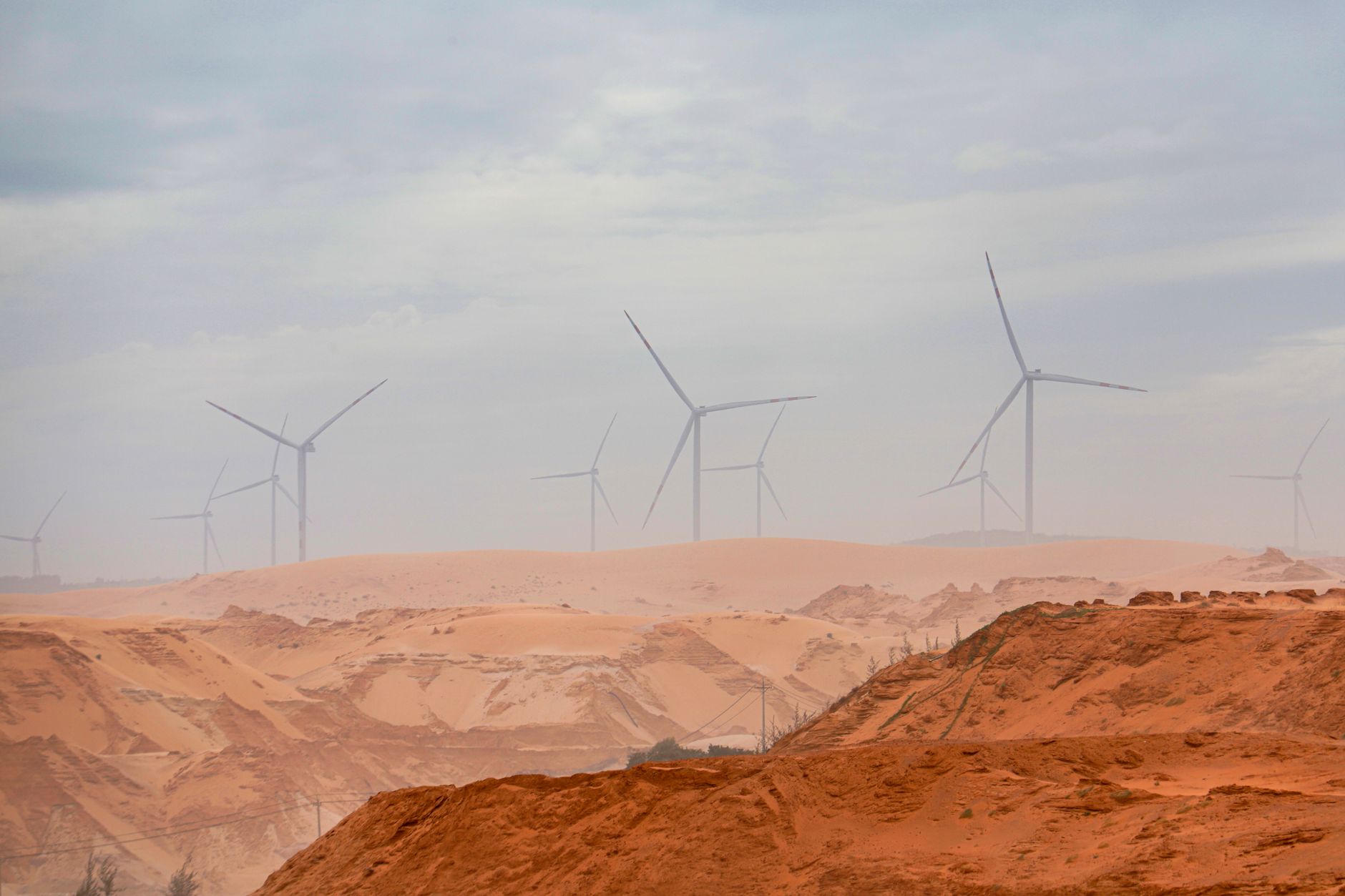
Founder Notes — Lotus Investment Group
Vietnam Green Growth Strategy: A Structural Reset
Chiến lược tăng trưởng xanh: cuộc tái cân chỉnh cấu trúc cho phát triển dài hạn của Việt Nam
Chiến lược tăng trưởng xanh của Việt Nam đã rời khỏi rìa các cuộc tranh luận chính sách để vào thẳng lõi quy hoạch phát triển quốc gia. Thứ từng được đọc như một chương trình môi trường hay tuân thủ khí hậu nay định hình cách đất nước cân đo chất lượng tăng trưởng, hiệu suất sử dụng vốn và sức cạnh tranh dài hạn. Bước chuyển này đáp lại sức ép từ hai phía cùng lúc. Bên trong nền kinh tế, cường độ năng lượng và độ phơi nhiễm khí hậu đã bắt đầu cắn vào tăng trưởng. Bên ngoài, thị trường vốn và bạn hàng thương mại ngày càng tính yếu tố bền vững vào chuyện ai được tài trợ và ai được tiếp cận thị trường.
Với nhà đầu tư, phần đáng chú ý không nằm ở khẩu hiệu, mà ở cách chiến lược nắn lại các quyết định trải khắp hạ tầng, công nghiệp và tài chính. Người làm chính sách đã nói thẳng rằng tăng trưởng tương lai phải có sức chống chịu, phải đầu tư được, và phải khớp với kỳ vọng bền vững toàn cầu. Vậy nên đây là một cuộc tái cân chỉnh cấu trúc, không phải điều chỉnh nhất thời.
Tiền đề khởi đầu khá thẳng thắn về giới hạn. Mô hình tăng trưởng cũ của Việt Nam dựa vào công nghiệp hóa nhanh, sản xuất hướng xuất khẩu và xây dựng hạ tầng trải rộng. Cách ấy tạo ra quy mô suốt nhiều thập niên, nhưng đồng thời đẩy cường độ năng lượng, áp lực môi trường và độ phơi nhiễm trước các cú sốc khí hậu lên cao. Ngập lụt, nắng nóng cực đoan, chất lượng không khí xuống cấp và nguồn điện chập chờn nay đều đo đếm được bằng chi phí kinh tế. Trong khi đó, bối cảnh bên ngoài đã đổi rõ rệt: dòng vốn toàn cầu tính rủi ro khí hậu vào định giá, còn bạn hàng cài cường độ phát thải và truy xuất nguồn gốc vào điều kiện tiếp cận thị trường. Không khớp được tăng trưởng với phát triển bền vững, Việt Nam sẽ tự bào mòn khả năng hút vốn, giữ sức cạnh tranh xuất khẩu và đi lên trong chuỗi giá trị.
Chuyển dịch năng lượng là nền móng
Chuyển dịch năng lượng nằm bên dưới toàn bộ chiến lược. Nhu cầu điện cứ leo theo đà mở rộng công nghiệp, số hóa và đô thị hóa. Cùng lúc, tựa vào nhiên liệu hóa thạch khiến nền kinh tế phơi mình trước biến động giá nhiên liệu, lệ thuộc nhập khẩu và áp lực phát thải. Thế nên năng lượng tái tạo, hiện đại hóa lưới điện và sử dụng năng lượng hiệu quả đã thôi là chủ đề chính sách tùy chọn, mà thành ưu tiên kinh tế cốt lõi.
Một thập niên qua, Việt Nam mở rộng điện mặt trời và điện gió rất nhanh. Giai đoạn đầu phơi ra điểm yếu về hòa lưới và phối hợp quy hoạch, nhưng tốc độ học hỏi rất gắt. Trọng tâm nay chuyển sang ổn định lưới, đầu tư truyền tải, lưu trữ và quản lý phía cầu. Khó khăn thực thi vẫn còn, song hướng đi chiến lược không lung lay. Cải cách năng lượng giờ được đọc như đòn bẩy cho sức cạnh tranh công nghiệp, chứ không phải một nhượng bộ vì môi trường.
Hạ tầng nhìn qua lăng kính bền vững
Hạ tầng đang được cân lại theo bộ tiêu chí mới. Nó vẫn là động lực tăng trưởng cốt lõi, nhưng cách xếp thứ tự ưu tiên dự án đã khác. Dự án mới được chấm ở công suất, rồi thêm sức chống chịu, hiệu quả vòng đời và mức phát thải. Quy hoạch giao thông nghiêng về đường sắt đô thị, vận tải công cộng và tối ưu hậu cần thay vì chỉ mở thêm đường bộ. Công trình cấp nước, chống ngập được thiết kế cho những kiểu thời tiết cực đoan hơn. Hạ tầng số đỡ phần hiệu quả cho sản xuất, dịch vụ và quản lý công.
Với nhà đầu tư, bước chuyển này đáng giá vì hạ tầng theo hướng xanh thường cho dòng lợi nhuận dài hạn đều tay hơn. Vốn ban đầu có thể cao hơn, nhưng chi phí vận hành thường thấp hơn, tuổi thọ tài sản dài hơn và rủi ro pháp lý nhẹ đi. Những đặc tính ấy khớp với khẩu vị của định chế đầu tư muốn nắm tài sản bền, trụ qua nhiều chu kỳ.
Thị trường vốn và tài chính xanh
Thị trường vốn mới là chỗ biến tham vọng thành thực thi. Riêng nguồn lực công không đủ tài trợ quy mô đầu tư cần thiết, nên huy động vốn tư nhân và vốn định chế là điều kiện sống còn. Tài chính xanh vì thế thành một trọng tâm chính sách đang lớn dần. Trái phiếu xanh, khoản vay gắn mục tiêu bền vững và các khung tài trợ theo hướng khí hậu đang dần có chỗ. Thị trường còn non, nhưng độ rõ ràng pháp lý và chuẩn công bố thông tin đang khá lên.
Mức ăn khớp giữa mục tiêu chính sách và công cụ tài chính quyết định hiệu suất. Vốn chảy mượt hơn khi tiêu chí dự án, yêu cầu báo cáo và tín hiệu pháp lý đồng bộ với nhau. Tài chính xanh càng chín, nó càng cắt bớt ma sát giao dịch và hạ chi phí vốn cho dự án đạt chuẩn — đó là khác biệt giữa một danh mục chạy được và một danh mục mắc kẹt.
Nâng cấp công nghiệp và sức cạnh tranh
Nâng cấp công nghiệp là một trụ cột trung tâm khác. Tăng trưởng xanh không có nghĩa phi công nghiệp hóa; nó chỉ về phía năng suất cao hơn, sản xuất sạch hơn và trình độ công nghệ tinh hơn. Nền sản xuất Việt Nam nay chịu sức ép tăng dần từ người mua toàn cầu, đòi giảm phát thải, dùng năng lượng hiệu quả và siết truy xuất nguồn gốc. Doanh nghiệp thích nghi sớm thì giành được thị trường cao cấp và lượng cầu ổn định. Kẻ chậm chân đối mặt với biên lợi nhuận teo lại và nguy cơ bị loại khỏi cuộc.
Cơ chế khuyến khích chính sách ngày càng thưởng cho quy trình sạch, giảm phế thải và thực hành kinh tế tuần hoàn. Trên thực tế, những biện pháp ấy nâng năng suất chứ không bó nó lại. Với nhà đầu tư, xu hướng nghiêng về các nền tảng đủ sức nâng cấp vận hành và đạt chuẩn quốc tế — và phạt những bên coi tuân thủ là chuyện tính sau.
Đô thị hóa và bền vững xã hội
Đô thị hóa nắn lại các ưu tiên theo cách riêng. Thành phố gom cả cơ hội kinh tế lẫn áp lực môi trường, và khi dân số đô thị phình ra, mức đáng sống trở thành một yếu tố định đoạt sức cạnh tranh dài hạn. Quy hoạch đô thị ngày càng cài thêm không gian xanh, khả năng chống ngập, vận tải công cộng và công trình tiết kiệm năng lượng. Những thứ đó cắt chi phí hạ tầng về dài, đồng thời cải thiện sức khỏe cộng đồng và năng suất lao động.
Ở cấp tài sản, bất động sản và hạ tầng khớp với phát triển đô thị bền vững giữ giá tốt hơn qua các chu kỳ. Những dự án phớt lờ sức chống chịu môi trường gánh rủi ro pháp lý và rủi ro lỗi thời cao hơn — khoản chiết khấu ấy lộ ra lúc thoái vốn.
Quản lý rủi ro khí hậu là mệnh lệnh kinh tế
Quản lý rủi ro khí hậu đã thành mối lo kinh tế được nói thẳng, không còn là hồ sơ phụ. Việt Nam nằm trong nhóm quốc gia phơi nhiễm rủi ro khí hậu cao nhất. Ngập lụt ven biển, thời tiết cực đoan và nhiệt độ tăng đe dọa hạ tầng, nông nghiệp và khu công nghiệp. Vì thế chính sách ngày càng ghép thích ứng đi cùng giảm nhẹ: đầu tư vào hạ tầng chống chịu, hệ cảnh báo sớm và quy hoạch tính tới khí hậu nhằm bảo vệ tài sản kinh tế và bớt gián đoạn.
Nhìn từ phân bổ vốn, sức chống chịu giảm độ biến động ở chiều xuống. Dự án bỏ qua rủi ro khí hậu vật lý sẽ chịu phí bảo hiểm cao hơn, ràng buộc tài trợ chặt hơn và bất định vận hành lớn hơn. Ngược lại, thích ứng khí hậu làm dày thêm độ tin cậy tài chính của các khoản đầu tư dài hạn.
Phối hợp thể chế và phân hóa cấp tỉnh
Phối hợp vẫn là một trong những thách thức thực thi gai góc nhất. Chính sách năng lượng, giao thông, công nghiệp và tài chính gắn chặt vào nhau, nên sự cát cứ giữa các bộ, hay giữa trung ương và địa phương, làm chậm triển khai và loãng tác động. Việt Nam đã bắt đầu xử bằng khung quy hoạch liên bộ và phân định trách nhiệm rõ hơn. Tiến độ chưa đều, song hướng đi nghiêng về phối hợp ngang mạnh hơn. Những cải thiện này ít lộ diện hơn các thông báo đầu tư giật tít, nhưng chúng quyết định hiệu suất vốn — dự án đổ vỡ ít vì độ phức tạp kỹ thuật mà nhiều vì trục trặc phối hợp.
Tăng trưởng xanh cũng sẽ không trải ra đồng đều. Các tỉnh khác nhau về cơ cấu công nghiệp, tài nguyên năng lượng, sức ngân sách và năng lực thực thi. Nơi tập trung vào năng lượng tái tạo và giảm phát thải công nghiệp; nơi ưu tiên hậu cần bền vững, đô thị hóa xanh hay nông nghiệp chống chịu khí hậu. Đó là lợi thế so sánh, không phải sự thiếu nhất quán. Dự án khớp với ưu tiên địa phương thì kéo được hậu thuẫn hành chính và chạy nhanh hơn, khiến chiến lược chọn địa điểm quan trọng ngang chọn ngành.
Vị thế quốc tế và vốn dài hạn
Vị thế quốc tế thêm một chiều nữa. Khi các biện pháp thương mại gắn carbon lan rộng, thành tích bền vững ngày càng ảnh hưởng tới khả năng tiếp cận thị trường. Bằng việc cài tăng trưởng xanh vào quy hoạch quốc gia, Việt Nam củng cố độ tin cậy với bạn hàng chủ chốt và nhà đầu tư toàn cầu. Tài sản khớp chuẩn ESG quốc tế có triển vọng tái cấp vốn tốt hơn và đường thoái vốn sạch hơn.
Khi thị trường chín dần, tài sản xanh còn nuôi các thị trường vốn kỳ hạn dài. Năng lượng tái tạo, hạ tầng chống chịu và tài sản đô thị bền vững tạo dòng tiền đều suốt thời gian dài, hợp với hãng bảo hiểm và quỹ gắn lương hưu vốn cần khớp dòng tiền với nghĩa vụ chi trả. Chính ở chỗ đó, vốn kiên nhẫn và tăng trưởng xanh bắt đầu nâng đỡ lẫn nhau.
Kết luận
Chiến lược tăng trưởng xanh của Việt Nam không thuần túy phòng thủ. Nó vận hành như một thế đứng trong môi trường mà vốn, thương mại và chuỗi cung ứng đều đang được soi lại qua lăng kính bền vững. Nước nào thích nghi sớm thì có lợi thế hút vốn chất lượng cao.
Hơn cả, chiến lược đổi cách đo thành công của phát triển. Tăng trưởng không còn được định nghĩa chỉ bằng tốc độ hay quy mô; hiệu quả, sức chống chịu và tính bền vững nay nặng ngang nhau. Với nhà đầu tư, tín hiệu khá rõ. Quỹ đạo dài hạn của Việt Nam ngày càng ưu ái những dự án khớp với chuyển dịch năng lượng, chống chịu khí hậu và đô thị hóa bền vững. Ai vào sớm, với kỳ vọng thực tế và đối tác thực thi mạnh, người đó có cơ may lớn nhất nắm được giá trị bền khi chiến lược chín dần.
Lotus Investment Group tư vấn M&A xuyên biên giới và FDI vào Việt Nam và Đông Nam Á. Nếu quý vị đang thẩm định một vị thế tại Việt Nam, liên hệ với chúng tôi.
Vietnam’s green growth strategy has moved from the edges of policy debate into the centre of national planning. What once read as an environmental or climate-compliance agenda now shapes how the country judges growth quality, capital efficiency and long-term competitiveness. The shift answers pressures from two directions at once. Inside the economy, energy intensity and climate exposure are starting to bite. Outside it, capital markets and trade partners increasingly price sustainability into who gets financed and who gets market access.
For an investor, the interesting part isn’t the rhetoric. It’s how the strategy reshapes decisions across infrastructure and industry, and across finance. Policymakers have grown explicit that future growth has to be resilient and investable, and has to satisfy what global capital now expects on sustainability. That makes this a structural recalibration, not a passing adjustment.
The starting premise is honest about limits. Vietnam’s old model of rapid industrialisation, export-led manufacturing and extensive infrastructure build-out delivered scale for decades, but it raised energy intensity, environmental stress and exposure to climate shocks. Flooding, heat stress, deteriorating air quality and chronic power-supply volatility now carry measurable economic costs. Meanwhile the external setting has changed materially: global capital prices climate risk into valuations, and trade partners embed carbon intensity and traceability into market-access rules. Failing to align growth with sustainability would directly undercut Vietnam’s ability to attract capital, hold export competitiveness and move up value chains.
Energy transition as the foundation
Energy transition sits underneath the whole strategy. Electricity demand keeps climbing as industry expands and the economy digitalises and urbanises. At the same time, leaning on fossil fuels exposes the economy to fuel-price swings, import dependence and emissions pressure. So renewable energy, grid modernisation and energy efficiency have stopped being optional policy themes and become central economic priorities.
Over the past decade Vietnam expanded solar and wind capacity at pace. Early deployment exposed weaknesses in grid integration and planning coordination, but the learning curve was steep. Attention has since shifted toward grid stability, transmission investment, storage and demand-side management. Execution challenges remain, yet the strategic direction holds steady. Energy reform now reads as an enabler of industrial competitiveness rather than an environmental concession.
Infrastructure through a sustainability lens
Infrastructure is being reassessed against new criteria. It remains a core growth driver, but the basis for prioritising projects is changing. New ones get judged on capacity, but also on resilience, lifecycle efficiency and emissions impact. Transport planning leans toward urban rail, public transit and logistics optimisation rather than road expansion alone. Water and flood-control projects are designed for more extreme climate patterns. Digital infrastructure lifts efficiency across manufacturing and services, and inside public administration too.
For investors, the shift matters because green-aligned infrastructure tends to deliver steadier long-term returns. Upfront capital can run higher, but operating costs are often lower, asset lives longer and regulatory risk reduced. Those traits line up with institutional appetite for durable, multi-cycle exposure.
Capital markets and green finance
Capital markets are what turn ambition into execution. Public resources alone cannot fund the scale of investment required, so mobilising private and institutional capital is essential. Green finance has become a growing policy focus in response. Green bonds, sustainability-linked loans and climate-aligned financing frameworks are gaining traction. The market sits early-stage, but regulatory clarity and disclosure standards are improving.
Alignment between policy goals and financial instruments decides efficiency. Capital moves more smoothly when project eligibility, reporting requirements and regulatory signals cohere. As green finance matures, it should cut transaction friction and lower the cost of capital for compliant projects — the difference between a pipeline that clears and one that stalls.
Industrial upgrading and competitiveness
Industrial upgrading is another central pillar. Green growth doesn’t mean deindustrialisation; it points toward higher productivity, cleaner production and greater technological sophistication. Vietnam’s manufacturing base now faces rising pressure from global buyers to cut emissions, improve energy efficiency and strengthen traceability. Firms that adapt early win access to premium markets and steadier demand. Laggards face margin compression and possible exclusion.
Policy incentives increasingly reward cleaner processes, waste reduction and circular-economy practice. In practice these measures lift productivity rather than constrain it. For investors, the trend favours platforms able to upgrade operations and meet international standards — and penalises those that treat compliance as an afterthought.
Urbanisation and social sustainability
Urbanisation reshapes priorities in its own way. Cities concentrate both economic opportunity and environmental stress, and as urban populations grow, livability becomes a determinant of long-term competitiveness. Urban planning increasingly folds in green space, flood resilience, public transit and energy-efficient buildings. These cut long-term infrastructure costs while improving public health and workforce productivity.
At the asset level, real estate and infrastructure aligned with sustainable urban development hold value better across cycles. Developments that ignore environmental resilience carry higher regulatory and obsolescence risk — a discount that shows up at exit.
Climate risk as an economic imperative
Climate risk management has become an explicit economic concern, not a side file. Vietnam ranks among the countries most exposed to climate-related risk. Coastal flooding and extreme weather threaten infrastructure and farmland, and rising temperatures press on industrial zones. So policy increasingly pairs adaptation with mitigation: investment in resilient infrastructure, early-warning systems and climate-informed planning aims to protect economic assets and reduce disruption.
From a capital-allocation view, resilience reduces downside volatility. Projects that ignore physical climate risk face higher insurance costs, financing constraints and operational uncertainty. Adaptation, in turn, strengthens the financial credibility of long-term investments.
Institutional coordination and provincial differentiation
Coordination remains one of the hardest execution challenges. Policy on energy, transport, industry and finance is deeply interdependent, and fragmentation between ministries or between central and provincial authorities slows implementation and dilutes impact. Vietnam has begun answering this through cross-ministerial planning and clearer assignment of responsibility. Progress is uneven, but the direction points toward stronger horizontal coordination. These improvements are less visible than headline investment announcements, yet they decide capital efficiency — projects fail less often from technical complexity than from coordination breakdowns.
Green growth also won’t unfold uniformly. Provinces differ in industrial structure, energy resources, fiscal capacity and execution capability. Some focus on renewable energy and industrial decarbonisation; others prioritise sustainable logistics, green urbanisation or climate-resilient agriculture. That reflects comparative advantage, not inconsistency. Projects matched to local priorities draw administrative support and move faster, which makes location strategy as important as sector selection.
International positioning and long-term capital
International positioning adds a further dimension. As carbon-related trade measures expand, sustainability performance increasingly affects market access. By embedding green growth into national planning, Vietnam strengthens credibility with key trading partners and global investors. Assets aligned with international ESG norms enjoy stronger refinancing prospects and cleaner exit optionality.
As markets mature, green assets also support long-duration capital markets. Renewable energy, resilient infrastructure and sustainable urban assets generate steady cash flows over extended periods, which suits insurers and pension-linked funds looking to match liabilities. That fit is where patient capital and green growth start to reinforce each other.
Conclusion
Vietnam’s green growth strategy is not merely defensive. It works as positioning in an environment where capital and trade, and the supply chains that link them, are all being re-evaluated through a sustainability lens. Countries that adapt early gain an edge in attracting high-quality investment.
Most of all, the strategy changes how development success gets measured. Growth is no longer defined by speed or scale alone; efficiency, resilience and sustainability now carry equal weight. For investors the signal is clear. Vietnam’s long-term trajectory increasingly favours projects aligned with energy transition, climate resilience and sustainable urbanisation. Those who position early, with realistic expectations and strong execution partners, stand the best chance of capturing durable value as the strategy matures.
Lotus Investment Group advises on cross-border M&A and FDI into Vietnam and Southeast Asia. If you are underwriting Vietnam exposure, get in touch.
Nguồn / Sources
[1]
Vietnam Investment Review (2025) — Vietnam steps up green transformation with strong policies and rising investment demand.