

European Manufacturing Vietnam Shift: Schwalbe’s Signal
February 10, 2026
HCMC Infrastructure Projects Pipeline: Execution Now Decides
February 11, 2026
Founder Notes — Lotus Investment Group
HCMC Infrastructure Construction Signals Execution-Led Growth
TP.HCM khởi công bốn dự án hạ tầng trọng điểm: tín hiệu tăng trưởng dựa trên thực thi
TP.HCM khởi công bốn dự án hạ tầng trọng điểm vào đúng lúc quỹ đạo tăng trưởng của Việt Nam ngày càng phụ thuộc vào việc làm được, chứ không phải việc tuyên bố. Nhiều năm qua, các bản quy hoạch, cam kết đầu tư và thông cáo chính sách định hình kỳ vọng quanh chuyện phát triển đô thị. Nhưng khoảng cách giữa phê duyệt và triển khai vẫn là nỗi lo dai dẳng của nhà đầu tư, nhà vận hành lẫn người dân. Loạt khởi công lần này đánh dấu một bước rẽ dứt khoát: rời khỏi tình trạng bão hòa quy hoạch để bước sang tiến độ thật.
Điều đáng chú ý không nằm ở quy mô từng dự án, mà ở chỗ chúng cùng khởi động một lúc. Đẩy nhiều công trình lớn vào thi công đồng thời đòi hỏi sự phối hợp hành chính, đồng thuận chính trị và độ sẵn sàng tài chính vượt xa lô-gic của từng dự án riêng lẻ. Với TP.HCM, đây là phép thử năng lực thể chế, đồng thời là cơ hội khẳng định lại vai trò đầu tàu thực thi của cả nước.
Bài này lý giải vì sao khởi công nói lên nhiều hơn một thông cáo, vì sao thi công song song định hình lại niềm tin nhà đầu tư, và vì sao năng lực hoàn thành đều đặn giờ mới là thước đo uy tín đô thị tại trung tâm thương mại lớn nhất Việt Nam.
Vì sao thi công nói lên nhiều hơn một thông cáo hạ tầng
Thị trường mới nổi nào cũng dư thừa thông cáo hạ tầng, nhưng khởi công thật thì hiếm. Phê duyệt không tự nó giảm kẹt xe, rút ngắn giờ đi lại hay hạ chi phí hậu cần. Chỉ thi công thật mới biến tham vọng quy hoạch thành tác động kinh tế. Nhà đầu tư vì thế ngày càng phân biệt rạch ròi nơi nói được với nơi làm được.
Khi TP.HCM khởi công bốn dự án cùng lúc, đó là dấu hiệu các nút thắt chuẩn bị then chốt đã được gỡ. Giải phóng mặt bằng, huy động nhà thầu, thu xếp vốn, phê duyệt liên ngành — tất cả đã rời bàn đàm phán để bước vào triển khai. Mỗi khâu đều ẩn chứa rủi ro, và gỡ được chúng đồng thời cho thấy năng lực thể chế đang khá lên.
Với người phân bổ vốn, công trường đang chạy là thông tin đáng tin hơn lời tuyên bố chính sách. Nó chứng minh mốc thời gian khả tín, ngân sách được cam kết và bộ máy hành chính theo đến cùng. Trên thực tế, điều đó kéo giảm phần phụ phí bất định vốn đính kèm các quyết định rót vốn vào giao thông, hậu cần, bất động sản và mở rộng công nghiệp. Tác động vừa thuộc về kinh tế vừa thuộc về tâm lý: thi công làm đổi kỳ vọng, neo lại niềm tin và định hình lại cảm nhận về những gì khả thi trong một khuôn khổ quản trị nhất định.
Thi công song song nâng năng lực thực thi hạ tầng của thành phố
Triển khai nhiều dự án lớn cùng lúc dồn áp lực khác thường lên các cơ chế phối hợp. Nhà thầu, đơn vị cấp tiện ích, cơ quan giao thông và chính quyền quận phải vận hành trong cùng một lịch trình và bộ tiêu chuẩn kỹ thuật. Phối hợp yếu thường lộ ra qua chậm tiến độ, đội vốn và xáo trộn đời sống người dân.
Việc thành phố đẩy được nhiều dự án vào thi công một lúc cho thấy năng lực phối hợp đang cải thiện. Thay vì né phức tạp bằng cách làm tuần tự, thành phố tỏ ra sẵn lòng gánh áp lực thực thi để đổi lấy tác động hệ thống nhanh hơn.
Cách làm này quan trọng vì hạ tầng hiếm khi đứng một mình. Các trục giao thông cộng hưởng lẫn nhau khi hoàn thành cùng thời điểm; hiệu ứng mạng lưới chỉ xuất hiện khi điểm nghẽn được xử lý đồng bộ chứ không nhỏ giọt. Thi công song song vì thế tăng khả năng lợi ích đến sớm hơn và trải đều hơn khắp hệ thống đô thị. Qua nhiều lần làm như vậy, bộ máy rèn được cơ bắp thể chế: cơ quan học cách quản lý các ràng buộc đan xen, nhà thầu thích nghi với lịch phối hợp chặt hơn, các đường dẫn xử lý vướng mắc trở nên rõ ràng. Những năng lực này còn lại sau khi từng dự án đã xong.
Hạ tầng củng cố vòng xoáy đầu tư của TP.HCM
Sức hút đầu tư của TP.HCM ngày càng dựa vào độ sẵn sàng hạ tầng chứ không chỉ quy mô thị trường. Nhà sản xuất, đơn vị hậu cần và nhà cung cấp dịch vụ coi độ tin cậy của tiến độ là biến số vận hành cốt lõi. Kẹt xe triền miên hay mốc thời gian bấp bênh chuyển thẳng thành chi phí cao hơn.
Công trường đang chạy trấn an nhà đầu tư rằng các ràng buộc cấu trúc đang được tháo gỡ — rằng tình trạng nghẽn giao thông sẽ dịu dần thay vì xấu đi khi dân số và hoạt động kinh tế phình to. Niềm tin ấy chi phối quyết định rót vốn từ rất lâu trước khi công trình hoàn thành.
Khi uy tín thực thi tăng lên, một vòng tự khuếch đại hình thành. Tiến độ hạ tầng hút dòng vốn chất lượng cao hơn, vốn đó lại củng cố lý lẽ để nâng cấp tiếp. Qua từng vòng, vòng xoáy đầu tư của thành phố tăng tốc, kéo phần phụ phí rủi ro xuống và cải thiện điều kiện tài trợ. Chính động lực này phân tách những đô thị giữ được sức nặng dài hạn với những nơi chững lại sau giai đoạn bứt phá ban đầu. Yếu tố làm nên khác biệt là thực thi, không phải tham vọng.
Hiệu ứng lan tỏa vượt ra ngoài các trục giao thông
Tác động của hạ tầng vượt xa các chỉ số giao thông. Kết nối tốt hơn ảnh hưởng đến dịch chuyển lao động, cách dùng đất và hiệu quả chuỗi cung ứng. Doanh nghiệp tính lại bài toán chọn địa điểm khi thời gian di chuyển giảm và khả năng tiếp cận cải thiện.
Hiệu ứng đón đầu thường nảy ra ngay cả trước khi công trình xong. Nhà phát triển tái định vị tài sản, đơn vị hậu cần điều chỉnh tuyến đường, doanh nghiệp công nghiệp sửa lại kế hoạch mở rộng dựa trên cải thiện được kỳ vọng. Những điều chỉnh nhìn về phía trước này khuếch đại suất sinh lời của khoản đầu tư hạ tầng.
Ở TP.HCM, quy mô thi công đang chạy làm tăng khả năng các hiệu ứng lan tỏa hiện ra trên nhiều ngành. Thay vì chỉ làm lợi cho vài khu biệt lập, hạ tầng triển khai đồng bộ định hình lại cả nền kinh tế đô thị. Theo thời gian, lan tỏa nâng năng suất, dùng đất hiệu quả hơn và chuỗi cung ứng bền hơn. Hạ tầng nhờ vậy thành bệ phóng cho nâng cấp cấu trúc, chứ không còn là một can thiệp đơn lẻ.
Chuẩn thực thi định hình quản trị hạ tầng cả nước
Quỹ đạo thực thi của TP.HCM ngày càng đóng vai trò chuẩn so chiếu cho các tỉnh khác. Nhà đầu tư và nhà hoạch định quan sát xem đà thi công tác động ra sao đến niềm tin, dòng vốn và kết quả kinh tế. Khi thành phố cho thấy tiến độ hữu hình, kỳ vọng ở nơi khác cũng dâng theo. Tỉnh nào muốn hút vốn đều chịu sức ép lớn hơn để vượt qua khâu phê duyệt mà cho ra kết quả. Áp lực cạnh tranh đó thúc đẩy quá trình học hỏi thể chế trên diện rộng.
Ở tầm quốc gia, những mô hình thực thi thành công có xu hướng lan ra. Các cách làm về quản lý dự án, phối hợp và làm việc với bên liên quan truyền giữa các địa phương, nâng chất lượng quản trị hạ tầng nói chung. Hiểu theo nghĩa đó, đà thi công của TP.HCM góp vào cải thiện cả hệ thống, chứ không dừng ở một thành công đơn lẻ.
Kết luận
TP.HCM khởi công bốn dự án hạ tầng trọng điểm không phải như những sáng kiến rời rạc, mà là một phần của bước chuyển rộng hơn sang tăng trưởng dẫn dắt bằng thực thi. Việc đặt trọng tâm vào làm được phản ánh niềm tin thể chế đang lên và bộ máy hành chính chín hơn.
Với nhà đầu tư, thông điệp rõ ràng: làm được giờ quan trọng hơn nói được. Đô thị nào biến quy hoạch thành tiến độ sẽ giành được vốn, nhân tài và sức nặng dài hạn. Nếu giữ được đà thực thi, hạ tầng sẽ chuyển từ điểm nghẽn thành chất xúc tác — và trong kịch bản đó, TP.HCM củng cố vị thế là nền tảng khả tín nhất của Việt Nam cho tăng trưởng có quy mô, sẵn sàng đón vốn.
Lotus Investment Group tư vấn M&A xuyên biên giới và FDI vào Việt Nam và Đông Nam Á. Nếu quý vị đang thẩm định một vị thế tại Việt Nam, liên hệ với chúng tôi.
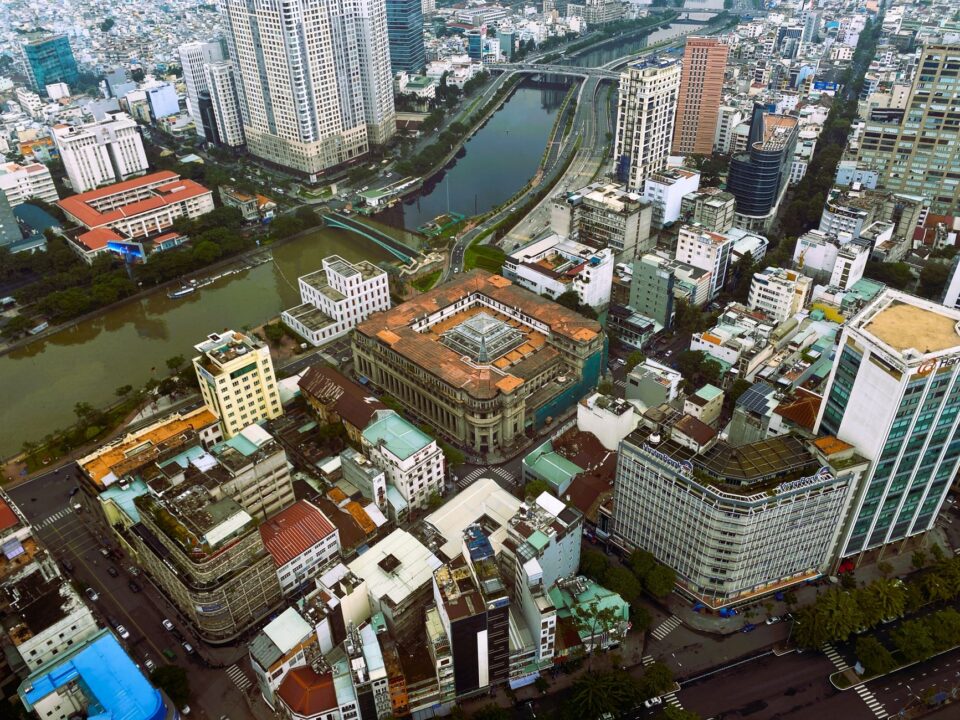
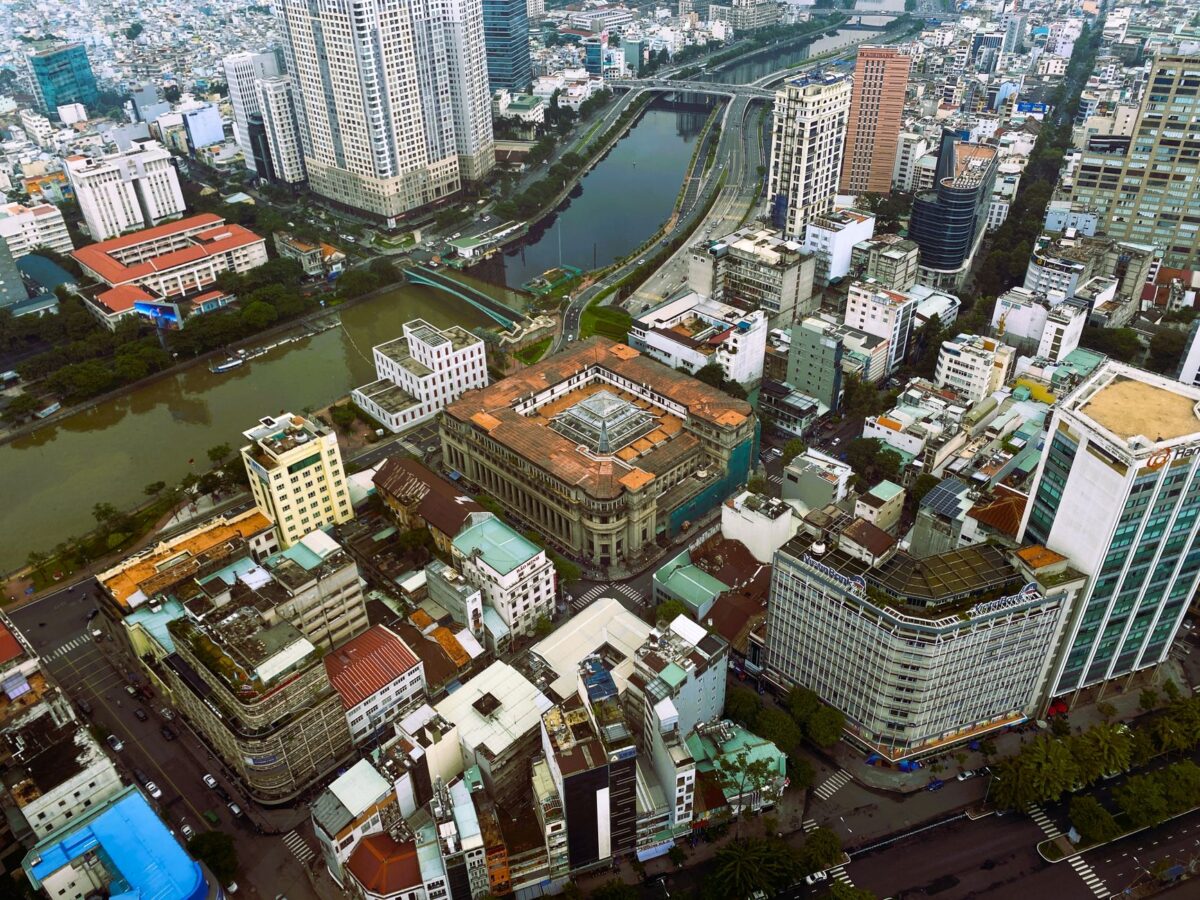
Ho Chi Minh City starts construction of four key infrastructure projects at a moment when Vietnam’s growth depends on execution rather than intent. For years, master plans, investment commitments and policy announcements set expectations around urban development. The gap between approval and delivery stayed a persistent worry for investors, operators and residents alike. This wave of construction marks a decisive turn — away from planning saturation, toward tangible progress.
What stands out isn’t the scale of any single project, but the fact they break ground together. Pushing several major works into construction at once demands administrative coordination, political alignment and financial readiness that go well beyond the logic of any one project. For HCMC, this is a test of institutional capacity and a chance to reassert its role as the country’s primary execution engine.
This piece explains why a construction start says more than an announcement, why parallel delivery reshapes investor confidence, and why steady completion now defines urban credibility in Vietnam’s largest commercial centre.
Why construction says more than an infrastructure announcement
Infrastructure announcements are abundant across emerging markets; construction starts stay comparatively rare. Approvals alone don’t ease congestion, shorten commutes or lower logistics costs. Only physical execution turns planning ambition into economic impact. Investors increasingly tell apart the jurisdictions that announce from the ones that build.
When HCMC breaks ground on four projects at once, it signals that the key preparatory barriers have been cleared. Land clearance, contractor mobilisation, financing alignment and inter-agency approvals have all moved off the negotiating table and into delivery. Each stage carries risk, and clearing them together points to improving institutional capacity.
For capital allocators, an active site is more reliable information than a policy declaration. It demonstrates credible timelines, committed budgets and an administration that follows through. In practice, that trims the uncertainty premium baked into decisions tied to transport, logistics, real estate and industrial expansion. The effect is economic and psychological at once: construction shifts expectations, anchors confidence and reshapes what people believe is achievable within a given governance framework.
Parallel delivery strengthens the city’s execution capacity
Running several large projects concurrently puts unusual strain on coordination mechanisms. Contractors, utility providers, transport authorities and district governments have to operate within shared schedules and technical standards. Weak coordination usually shows up as delays, cost overruns and public disruption.
That HCMC can push several projects into construction simultaneously suggests its coordination capacity is improving. Rather than dodging complexity through sequential delivery, the city looks increasingly willing to absorb execution pressure in exchange for faster systemic impact.
This matters because infrastructure rarely works in isolation. Transport corridors reinforce one another when delivered together; network effects emerge only when bottlenecks are tackled comprehensively rather than piecemeal. Parallel delivery therefore raises the odds that benefits land sooner and spread more evenly across the urban system. Repeated over time, it builds institutional muscle: agencies learn to manage interdependencies, contractors adapt to tighter coordination, and escalation paths become clearer. Those capabilities outlast any single project.
Infrastructure reinforces HCMC’s investment flywheel
HCMC’s investment appeal increasingly rests on infrastructure readiness rather than market size alone. Manufacturers, logistics operators and service providers treat delivery reliability as a core operating variable. Persistent congestion or uncertain timelines translates straight into higher costs.
Active construction reassures investors that structural constraints are being addressed — that transport inefficiencies will ease over time rather than worsen as population and economic activity grow. That confidence shapes capital decisions long before any project is finished.
As execution credibility improves, a reinforcing cycle takes hold. Infrastructure progress attracts higher-quality investment, which in turn strengthens the case for further upgrades. Cycle after cycle, the city’s investment flywheel accelerates, lowering risk premiums and improving financing conditions. This is what separates cities that hold long-term relevance from those that plateau after an initial spurt. The differentiator is execution, not ambition.
Economic spillovers reach beyond the transport corridors
Infrastructure’s impact runs well past transport metrics. Better connectivity shapes labour mobility, land-use patterns and supply-chain efficiency. Businesses reassess location decisions as travel times fall and access improves.
Anticipatory effects often appear before completion. Developers reposition assets, logistics operators recalibrate routes, and industrial users revise expansion plans on the strength of expected improvements. These forward-looking adjustments amplify the return on infrastructure investment.
In HCMC, the scale of ongoing construction raises the odds that these spillovers materialise across multiple sectors. Instead of benefiting isolated zones, coordinated delivery reshapes the broader urban economy. Over time, the spillovers lift productivity, sharpen land-use efficiency and make supply chains more resilient. Infrastructure thus becomes a platform for structural upgrading rather than a standalone intervention.
Execution benchmarks shape national infrastructure governance
HCMC’s execution trajectory increasingly sets the benchmark for other provinces. Investors and policymakers watch how construction momentum feeds confidence, capital flows and economic outcomes. As the city shows tangible progress, expectations rise elsewhere. Provinces chasing capital face sharper pressure to move past approvals and deliver results. That competitive dynamic supports institutional learning on a wide front.
At the national level, successful execution models tend to diffuse. Practices in project management, coordination and stakeholder engagement spread between jurisdictions, lifting infrastructure governance overall. In that sense, HCMC’s construction momentum feeds systemic improvement rather than isolated success.
Conclusion
Ho Chi Minh City starts construction of four key infrastructure projects not as isolated initiatives, but as part of a wider shift toward delivery-led growth. The emphasis on execution reflects rising institutional confidence and a maturing administration.
For investors, the message is plain: delivery now matters more than declarations. Cities that turn plans into progress will capture capital, talent and long-term relevance. If the momentum holds, infrastructure shifts from constraint to catalyst — and in that scenario, HCMC reinforces its position as Vietnam’s most credible platform for scalable, investment-ready growth.
Lotus Investment Group advises on cross-border M&A and FDI into Vietnam and Southeast Asia. If you are underwriting Vietnam exposure, get in touch.
Nguồn / Sources
[1]
Vietnam Investment Review (2026) — phản ánh về hoạt động xây dựng hạ tầng tại TP.HCM.