

Vietnam M&A Fundamentals: Winning in a Tougher Market
December 12, 2025
Phu Tho Digital Transformation: A Province Upgrade Test
December 16, 2025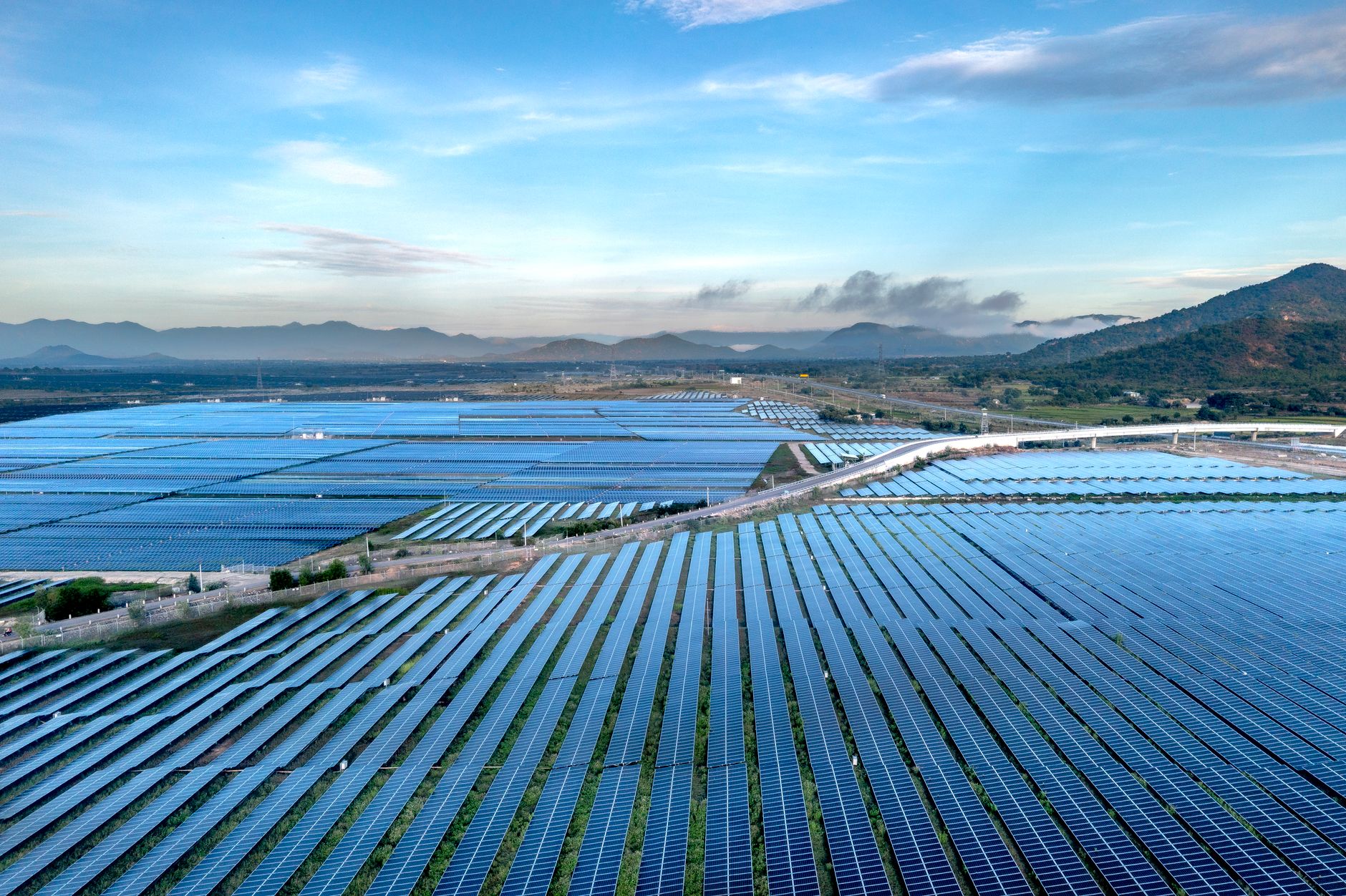
Founder Notes — Lotus Investment Group
Vietnam Green Transformation: Policy Meets Capital
Việt Nam tăng tốc chuyển đổi xanh: chính sách dẫn đường, dòng vốn theo sau
Việt Nam đang đẩy nhanh bước chuyển sang một nền kinh tế xanh hơn, bền vững hơn, khi vốn toàn cầu, chính sách trong nước và nhu cầu thị trường cùng dồn về một hướng. Cam kết trung hòa carbon vào năm 2050 không còn là khẩu hiệu — nó đã cụ thể hơn, khả thi hơn, hiện diện rõ trong các văn bản quy hoạch và các kênh đầu tư. Nhà đầu tư giờ không xem tính bền vững là mối bận tâm phụ; họ coi đó là chủ đề trung tâm chi phối việc phân bổ vốn dài hạn.
Người làm chính sách hiểu rằng chuyển đổi xanh cần cả ba chân kiềng: quy định đủ mạnh, ưu đãi đủ rõ, tín hiệu thị trường đủ tin. Họ đang dựng những cơ chế gắn kết quy hoạch hạ tầng, an ninh năng lượng, chính sách công nghiệp và chuẩn môi trường vào một mạch. Phía nhà đầu tư đáp lại bằng cách rót vốn vào năng lượng tái tạo, hiệu quả năng lượng, kinh tế tuần hoàn và công nghệ giảm phát thải. Sự ăn khớp ấy tạo đà cho cả tiến trình và đưa Việt Nam vào nhóm thị trường bền vững đang lên của khu vực.
Nền chính sách vững mở đường cho vốn xanh
Khung chính sách tăng trưởng xanh của Việt Nam đã mở rộng nhanh trong vài năm qua. Chính phủ ban hành Chiến lược quốc gia về tăng trưởng xanh, cập nhật lộ trình chuyển dịch năng lượng, siết quy định về phát thải, hiệu quả tài nguyên và bảo vệ môi trường. Những chính sách này tạo nền cho cả tiến trình bằng cách định hướng cách các ngành thích nghi và cách dòng vốn phản ứng.
Việc phối hợp giữa các bộ và các tỉnh cũng đang tốt lên. Mục tiêu xanh nay được lồng vào quy hoạch giao thông, công nghiệp, năng lượng và quản lý đất đai. Sự tích hợp đó giảm phân mảnh, khớp các dự án lại với nhau, và giúp nhà đầu tư đoán trước ưu tiên pháp lý chính xác hơn. Bên cạnh đó là các khung mới cho thí điểm định giá carbon, trái phiếu xanh và hệ phân loại tài chính bền vững. Khi những công cụ này chín dần, Việt Nam hấp dẫn hơn với nhà đầu tư hướng tới khí hậu, những người tìm cam kết dài hạn đáng tin.
Nhu cầu điện tăng nhanh đẩy năng lượng tái tạo lên hàng đầu
Nhu cầu điện của Việt Nam tiếp tục đi lên vì mở rộng công nghiệp, xuất khẩu mạnh hơn và số hóa nhanh. Nguồn điện truyền thống một mình không gánh nổi đà tăng đó. Năng lượng tái tạo vì thế giữ vai trò ngày càng trung tâm. Điện mặt trời và điện gió hút sự chú ý nhiều nhất; dù giai đoạn đầu vấp nút thắt pháp lý, nhà đầu tư vẫn lạc quan bởi nền tảng dài hạn còn nguyên. Chính phủ đang sửa các văn bản quy hoạch để tạo môi trường có cấu trúc hơn cho phát triển tái tạo, qua đó ổn định kỳ vọng và phục hồi niềm tin.
Điện gió ngoài khơi đang nổi lên thành ưu tiên chiến lược. Đường bờ biển Việt Nam có tiềm năng đáng kể, và các nhà phát triển giai đoạn đầu đã chuẩn bị đề xuất quy mô lớn. Loại dự án này cần thời gian dẫn dắt dài, nhưng một khi vận hành sẽ thay đổi cơ cấu nguồn điện của cả nước. Các dự án tái tạo nay còn hưởng lợi từ kỹ thuật tiên tiến, công nghệ lưới điện tốt hơn và sự quan tâm tăng lên của các tập đoàn điện lực quốc tế.
Sản xuất xanh trở thành lợi thế cạnh tranh
Ngành chế tạo của Việt Nam buộc phải thích nghi với kỳ vọng bền vững toàn cầu. Thị trường xuất khẩu ngày càng đòi minh bạch về phát thải, dấu chân chuỗi cung ứng và tác động môi trường. Áp lực đó đẩy doanh nghiệp nâng cấp công nghệ, cải thiện hiệu quả năng lượng và giảm chất thải. Người mua toàn cầu nay chấm nhà cung cấp theo tiêu chí ESG; công ty nào đầu tư vào sản xuất sạch hơn sẽ được ưu tiên tiếp cận chuỗi cung ứng quốc tế và hút được vốn chất lượng cao hơn từ những đối tác tìm kiếm hoạt động tuân thủ, lâu bền.
Các khu công nghiệp cũng đang dịch sang mô hình xanh hơn. Một số khu tích hợp điện mặt trời áp mái, tái sử dụng nước thải, vận tải bền vững và hệ thống giám sát số. Những nâng cấp này cải thiện hiệu quả vận hành, đồng thời giúp doanh nghiệp thuê đáp ứng yêu cầu tuân thủ toàn cầu — một chỉ dấu cho thấy chế tạo xanh không còn là chi phí, mà là điều kiện để ở lại trong cuộc chơi xuất khẩu.
Tài chính xanh thành động lực chuyển đổi dài hạn
Các công cụ tài chính xanh ngày càng phổ biến trên thị trường vốn Việt Nam. Ngân hàng và các định chế phát triển dần áp dụng chính sách cho vay gắn với tính bền vững, đưa vốn về các dự án phục vụ chuyển đổi xanh. Trái phiếu xanh và trái phiếu liên kết bền vững cho phép doanh nghiệp tiếp cận vốn với chi phí cạnh tranh hơn; nhiều doanh nghiệp Việt đã phát hành những công cụ như vậy, cho thấy khẩu vị thị trường thực sự mạnh.
Cùng lúc, các ngân hàng đưa đánh giá rủi ro môi trường vào quyết định tín dụng — cách làm này kéo Việt Nam sát chuẩn quốc tế và củng cố ổn định tài chính dài hạn. Các cấu trúc tài chính hỗn hợp cũng giúp giảm rủi ro cho dự án xanh giai đoạn đầu: đối tác phát triển đứng ra bảo lãnh, hỗ trợ kỹ thuật và cấp vốn ưu đãi, qua đó kéo vốn tư nhân vào những sáng kiến phức tạp hoặc quy mô lớn vốn khó tự thân huy động.
Giao thông và đô thị chuyển sang mô hình bền vững
Tốc độ đô thị hóa của Việt Nam đòi đầu tư lớn vào hệ thống giao thông sạch và hiệu quả. Mở rộng vận tải công cộng, giảm ùn tắc và nâng cấp mạng lưới hậu cần đều hạ phát thải và cải thiện chất lượng sống. Giao thông điện cũng đang lấy đà: chính phủ thúc đẩy xe điện qua ưu đãi, phát triển hạ tầng và hỗ trợ sản xuất trong nước. Doanh nghiệp Việt đầu tư vào ô tô điện, xe buýt điện và hạ tầng sạc, trong khi nhà đầu tư nước ngoài dò tìm cơ hội ở chuỗi cung ứng xe điện, sản xuất pin và giải pháp trạm sạc.
Các thành phố ngày càng áp dụng khung quy hoạch đô thị xanh, lồng không gian xanh công cộng, khu đi bộ, thiết kế nhạy với nước và công trình phát thải thấp. Nhiều đô thị nay ưu tiên chiếu sáng đường phố tiết kiệm năng lượng, lắp điện mặt trời áp mái và hệ thống quản lý chất thải tiên tiến.
Kinh tế tuần hoàn và dịch vụ môi trường hút nhà đầu tư
Nền công nghiệp đang lớn của Việt Nam làm tăng nhu cầu xử lý chất thải, tái chế và sử dụng tài nguyên hiệu quả. Các lĩnh vực này hút nhà đầu tư tìm nguồn thu dài hạn, ổn định, kèm lợi ích môi trường rõ rệt. Doanh nghiệp trong bao bì, dệt may và điện tử đang tìm cách giảm chất thải và thu hồi vật liệu — hướng đi vừa khớp xu thế bền vững toàn cầu, vừa chuẩn bị cho nhà xuất khẩu Việt trước các quy định quốc tế ngày một ngặt.
Nhà cung cấp dịch vụ môi trường cũng thấy nhu cầu tăng với xử lý nước thải, giám sát phát thải và công nghệ kiểm soát ô nhiễm. Những giải pháp này trở nên thiết yếu khi hoạt động công nghiệp mở rộng và chuẩn môi trường siết lại.
Công nghệ số tăng tốc tiến trình
Chuyển đổi số bổ trợ cho chuyển đổi xanh. Hệ thống thông minh, công cụ giám sát và ra quyết định dựa trên dữ liệu giúp doanh nghiệp tối ưu lượng năng lượng dùng và cắt phát thải. Bản sao số, cảm biến IoT và công cụ tối ưu bằng AI giúp cơ sở công nghiệp nâng hiệu quả vận hành; dự án tái tạo hưởng lợi từ bảo trì dự đoán, dự báo lưới và cân bằng phụ tải tốt hơn.
Các nền tảng số công cũng giúp cơ quan quản lý theo dõi tuân thủ môi trường, tăng minh bạch và hỗ trợ phân bổ nguồn lực hợp lý hơn. Khi dữ liệu thay cho phỏng đoán, chính sách xanh có cơ sở để đi từ mục tiêu trên giấy sang kết quả đo đếm được.
Nhà đầu tư nước ngoài nhìn thấy cơ hội dài hạn
Nhà đầu tư quốc tế ngày càng xem Việt Nam là một điểm dẫn dắt về bền vững trong khu vực, bị hút bởi tăng trưởng mạnh, định hướng chính sách rõ và một danh mục dự án xanh dồi dào. Nhật Bản, Hàn Quốc, Singapore, Liên minh châu Âu và Hoa Kỳ đều đang mở rộng hiện diện — từ năng lượng tái tạo tới chế tạo bền vững, khu công nghiệp xanh, dự án biến rác thành năng lượng và giải pháp giao thông sạch.
Các quan hệ đối tác xuyên biên giới còn đẩy nhanh chuyển giao công nghệ và xây dựng năng lực. Doanh nghiệp Việt tiếp cận kỹ thuật tiên tiến, lựa chọn tài chính và phương thức quản trị mới, qua đó nâng chất lượng chung của cả hệ sinh thái công nghiệp.
Thách thức còn đó, nhưng cải cách thể chế đang gỡ dần
Dù tiến bộ rõ, Việt Nam vẫn vướng nhiều nút thắt. Công suất lưới điện, phân bổ đất và thủ tục cấp phép rườm rà có thể làm chậm dự án tái tạo. Sản xuất xanh đòi vốn lớn và chuyên môn kỹ thuật. Việc thực thi tuân thủ môi trường còn không đều giữa các tỉnh. Những điểm này đang được xử qua cải cách có trọng tâm: chính phủ tiếp tục cập nhật kế hoạch năng lượng, cải thiện quy trình phê duyệt dự án và thực thi chuẩn môi trường chặt hơn.
Chính quyền địa phương cũng dần đặt ra tiêu chí bền vững rõ ràng hơn cho dự án đầu tư, giảm bất định và giúp nhà đầu tư lập kế hoạch hiệu quả hơn. Khi cấp tỉnh tích lũy kinh nghiệm triển khai chính sách xanh, môi trường đầu tư chung sẽ dễ đoán hơn — và chính sự dễ đoán đó, chứ không phải tham vọng trên giấy, mới giữ được vốn ở lại.
Kết luận
Chuyển đổi xanh của Việt Nam không phải trào lưu ngắn hạn. Đó là một dịch chuyển cấu trúc, bị đẩy bởi áp lực toàn cầu, nhu cầu nội địa và tiến bộ công nghệ. Khi nhà đầu tư tìm những thị trường có tiềm năng bền vững, sự kết hợp giữa tăng trưởng, độ rõ chính sách và năng lực công nghiệp của Việt Nam trở nên rất hấp dẫn. Năng lượng tái tạo, sản xuất xanh, giải pháp kinh tế tuần hoàn và giao thông bền vững nhiều khả năng dẫn dắt làn sóng đầu tư trong thập niên tới, và ai đi sớm sẽ giành được chỗ đứng dài hạn.
Chặng tới, Việt Nam phải tiếp tục siết chặt phối hợp giữa các bộ ở trung ương và chính quyền cấp tỉnh. Nâng năng lực quy hoạch, chuẩn bị dự án và giám sát sẽ tăng tốc thực thi và giảm trễ. Tiến trình chuyển mình xanh, suy cho cùng, sẽ được đo bằng tốc độ biến cam kết thành công trình vận hành — và đó vẫn là chỗ phần lớn công việc còn phía trước.
Lotus Investment Group tư vấn M&A xuyên biên giới và FDI vào Việt Nam và Đông Nam Á. Nếu quý vị đang thẩm định một vị thế tại Việt Nam, liên hệ với chúng tôi.
Vietnam is accelerating its shift toward a greener, more sustainable economy as global capital, domestic policy and market demand all move the same way. The pledge to reach carbon neutrality by 2050 has stopped being a slogan — it’s now more detailed, more actionable and more visible across planning documents and investment channels. Investors no longer treat sustainability as a secondary concern. They read it as a central theme guiding how long-term capital gets allocated.
Policymakers know green transformation needs all three legs: strong regulation, clear incentives and reliable market signals. They’re building mechanisms that tie infrastructure planning, energy security, industrial policy and environmental standards into one thread. Investors answer those signals by deploying capital into renewables, energy efficiency, the circular economy and carbon-reduction technology. That alignment is what gives the shift its momentum, and it’s putting Vietnam among the region’s rising sustainability markets.
Strong policy foundations open clearer pathways for green capital
Vietnam’s policy framework for green growth has widened fast over the past few years. The government launched its National Green Growth Strategy, updated energy-transition pathways and tightened rules on emissions, resource efficiency and environmental protection. These policies set the foundation by guiding how industries adapt and how capital responds.
Coordination between ministries and provinces is improving too. Green targets are now written into transport and energy planning, and into how land gets allocated. That integration cuts fragmentation and lets investors anticipate regulatory priorities more accurately. Alongside it sit new frameworks for carbon-pricing pilots, green bonds and sustainable-finance taxonomies. As those tools mature, Vietnam grows more attractive to climate-focused investors looking for credible long-term commitments.
Rising power demand pushes renewables to the front
Vietnam’s electricity demand keeps climbing on industrial expansion, stronger exports and rapid digitalisation. Traditional power sources alone can’t carry that growth. Renewables therefore play an increasingly central role. Solar and wind draw the most attention; early phases hit regulatory bottlenecks, but investors stay optimistic because the long-term fundamentals hold. The government is revising planning documents to create a more structured environment for renewable development, which stabilises expectations and restores confidence.
Offshore wind is emerging as a strategic priority. Vietnam’s coastline offers significant potential, and early-stage developers are already preparing large-scale proposals. These projects need long lead times, yet once operational they can reshape the country’s energy mix. Renewable projects now also benefit from advanced engineering, better grid technology and rising interest from international utilities.
Green manufacturing becomes a competitive edge
Vietnam’s manufacturing sector has to adapt to global sustainability expectations. Export markets increasingly demand transparency on emissions, supply-chain footprints and environmental impact. That pressure pushes companies to upgrade technology, improve energy efficiency and cut waste. Global buyers now grade suppliers on ESG criteria; firms that invest in cleaner production win preferential access to international supply chains and attract higher-quality capital from partners seeking compliant, durable operations.
Industrial parks are shifting to greener models as well. Some integrate rooftop solar, wastewater recycling, sustainable transport and digital monitoring. These upgrades raise operating efficiency and help tenants meet global compliance requirements — a sign that green manufacturing has moved from cost to a condition for staying in the export game.
Green finance turns into a long-term driver
Green financing instruments are spreading across Vietnam’s capital markets. Banks and development institutions increasingly adopt sustainability-linked lending, channelling capital toward projects that support the transition. Green bonds and sustainability-linked bonds let companies access capital at more competitive rates; several Vietnamese corporates have already issued such instruments, showing real market appetite.
At the same time, banks are folding environmental-risk assessment into credit decisions — a practice that aligns Vietnam with global standards and reinforces long-term financial stability. Blended-finance structures also reduce risk for early-stage green projects: development partners offer guarantees, technical support and concessional financing, crowding in private capital for the complex or large-scale initiatives that struggle to fund themselves.
Transport and urban planning shift toward sustainable models
Vietnam’s pace of urbanisation demands large-scale investment in clean, efficient transport. Expanding public transit, easing congestion and upgrading logistics all lower emissions and improve quality of life. Electric mobility is gaining ground too: the government promotes EV adoption through incentives and infrastructure, plus support for domestic manufacturing. Vietnamese companies invest in electric cars and buses along with the charging networks behind them, while foreign investors probe opportunities in EV supply chains and battery production.
Cities are increasingly adopting green-urban planning frameworks that fold in public green space, walkable zones, water-sensitive design and low-carbon buildings. Many urban areas now prioritise energy-efficient street lighting, rooftop solar deployment and advanced waste management.
Circular economy and environmental services draw investors
Vietnam’s growing industrial base lifts demand for waste management, recycling and resource efficiency. These sectors attract investors seeking predictable, long-term revenue with clear environmental upside. Companies across packaging, textiles and electronics keep finding new ways to cut waste and recover materials — a direction that tracks global sustainability trends and prepares Vietnamese exporters for tighter international regulation.
Environmental-services providers also see rising demand for wastewater treatment, emissions monitoring and pollution-control technology. These solutions become critical as industrial activity expands and environmental standards rise.
Digital technology accelerates the shift
Digital transformation complements the green one. Smart systems, monitoring tools and data-driven decisions help companies optimise energy use and cut emissions. Digital twins, IoT sensors and AI-based optimisation help industrial facilities run more efficiently; renewable projects gain from predictive maintenance, grid forecasting and better load balancing.
Public digital platforms also help regulators track environmental compliance, improving transparency and supporting smarter resource allocation. When data replaces guesswork, green policy has a basis to move from paper targets to measurable results.
Foreign investors see long-term opportunity
International investors increasingly view Vietnam as a regional sustainability leader, drawn by strong growth, clear policy direction and a deep pipeline of green projects. Japan, South Korea, Singapore, the European Union and the United States are all expanding engagement — from renewable energy to sustainable manufacturing, green industrial parks, waste-to-energy projects and clean transport.
Cross-border partnerships also accelerate technology transfer and capability building. Vietnamese companies gain access to advanced engineering, financing options and management practices, raising the overall quality of the industrial ecosystem.
Challenges remain, but institutional reform is closing the gap
For all the progress, Vietnam still hits constraints. Grid capacity, land allocation and complex permitting can delay renewable projects. Green manufacturing demands heavy capital and technical expertise. Environmental-compliance enforcement stays uneven across provinces. These are being worked through targeted reform: the government keeps updating energy plans, improving project approvals and enforcing stricter environmental standards.
Local governments are also setting clearer sustainability criteria for investment projects, cutting uncertainty and helping investors plan more effectively. As provincial authorities gain experience implementing green policy, the overall investment climate grows more predictable — and that predictability, not paper ambition, is what keeps capital in place.
Conclusion
Vietnam’s green transformation isn’t a short-term trend. It’s a structural shift driven by global pressure, domestic demand and technological progress. As investors hunt for markets with sustainability potential, Vietnam’s blend of growth, policy clarity and industrial capability looks highly attractive. Renewable energy, green manufacturing, circular-economy solutions and sustainable transport will likely lead the next decade of investment, and the firms that move early will hold the long-term ground.
From here, Vietnam has to keep tightening coordination between national ministries and provincial authorities. Stronger capacity for planning, project preparation and monitoring will speed implementation and reduce delays. In the end, the transformation will be measured by how fast commitments turn into operating assets — and that’s where most of the work still lies.
Lotus Investment Group advises on cross-border M&A and FDI into Vietnam and Southeast Asia. If you are underwriting Vietnam exposure, get in touch.
Nguồn / Sources
[1]
Vietnam Investment Review (2025) — Vietnam steps up green transformation with strong policies and rising investment demand.