We find that the binding constraint on recapitalizing Vietnam's banks is not the appetite of foreign capital but the interaction of a rising capital standard with a 30% aggregate foreign-ownership ceiling. At end-2024 the system's capital-adequacy ratio was 12.5%, roughly eight percentage points bel
Founder Notes — Lotus Investment Group Hoa Phat (HPG): Corporate Profile & Investability Estimate Hòa Phát — hồ sơ doanh nghiệp và ước lượng đầu tư […]
Founder Notes — Lotus Investment Group Phat Dat (PDR): Corporate Profile and Investability Estimate Phát Đạt — hồ sơ doanh nghiệp và ước lượng đầu tư […]
Founder Notes — Lotus Investment Group REE Corporation: Deep-Dive and the Lotus Investability Verdict REE — hồ sơ phân tích chuyên sâu tại thời khắc chuyển […]
From a 1997 repair shop to a $61bn high-speed-rail bid: THACO's scale, leverage and ambition, scored on Lotus's new Investability framework (LIS 53/100).
Vietnam 10 percent growth is the 2026 target no forecaster endorses. This checklist turns the gap into five verifiable jobs: power, capital, institutions, value, measurement.
The HCMC supercity now holds 23.5% of Vietnam's GDP. For investors the merger is a deal-flow funnel — and the counterweight forming in Dong Nai is the place to watch.
Vietnam capital allocation is the real constraint: private credit runs at 125% of GDP yet flows to land, and 69% of 2024 bond issuance was banks funding themselves.
We document that the two series routinely reported as 'Southeast Asian FDI' diverged over 2020-2024 in both direction and composition. Announced greenfield project value (fDi Markets) rose to a record USD 175.1 billion in 2023, up 55.8% on 2022, in the same year that realized balance-of-payments inf
We examine where foreign direct investment enters Southeast Asia's food economy and find it concentrated almost entirely downstream, in processing and beverages, with primary farming reached only at the margin. The pattern is the local form of a global rule: worldwide, food, beverage and tobacco man
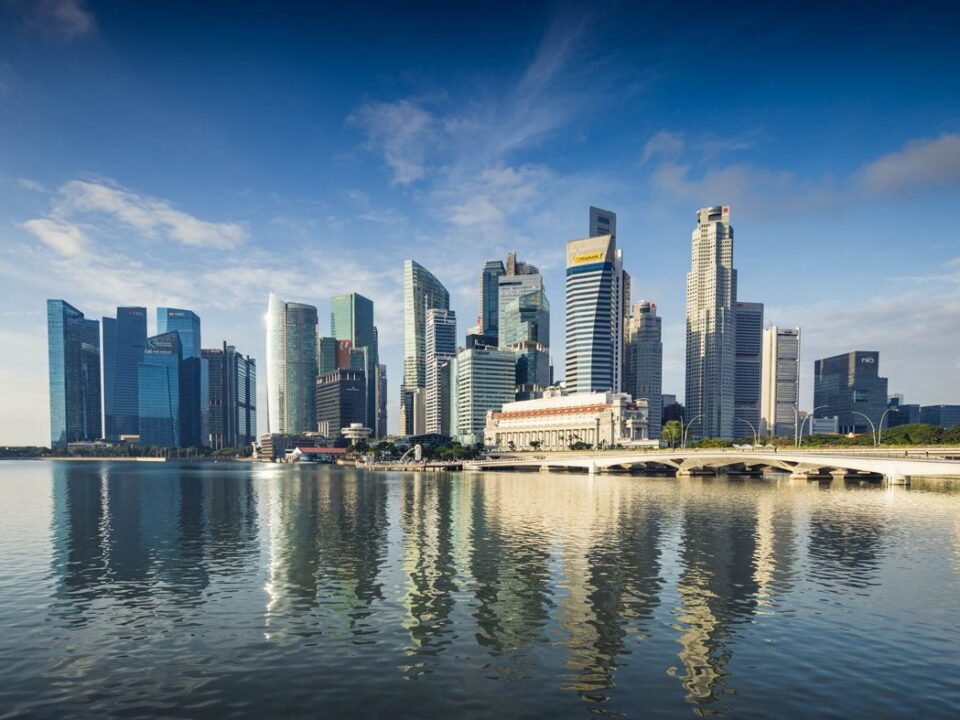
We read Singapore's place in Asian capital flows from both sides of its direct-investment balance sheet. At end-2023 the inward stock stood at S$2,858.8 billion, or 4.2 times GDP and about 1.9 times the S$1,535.8 billion Singapore held abroad, and more than half of it (56%, S$1,610.9 billion) sat in