

Nam Long Corporate Profile and Strategic Outlook
September 1, 2025
Binh Son Refining BSR: Corporate Profile & Outlook 2030
September 3, 2025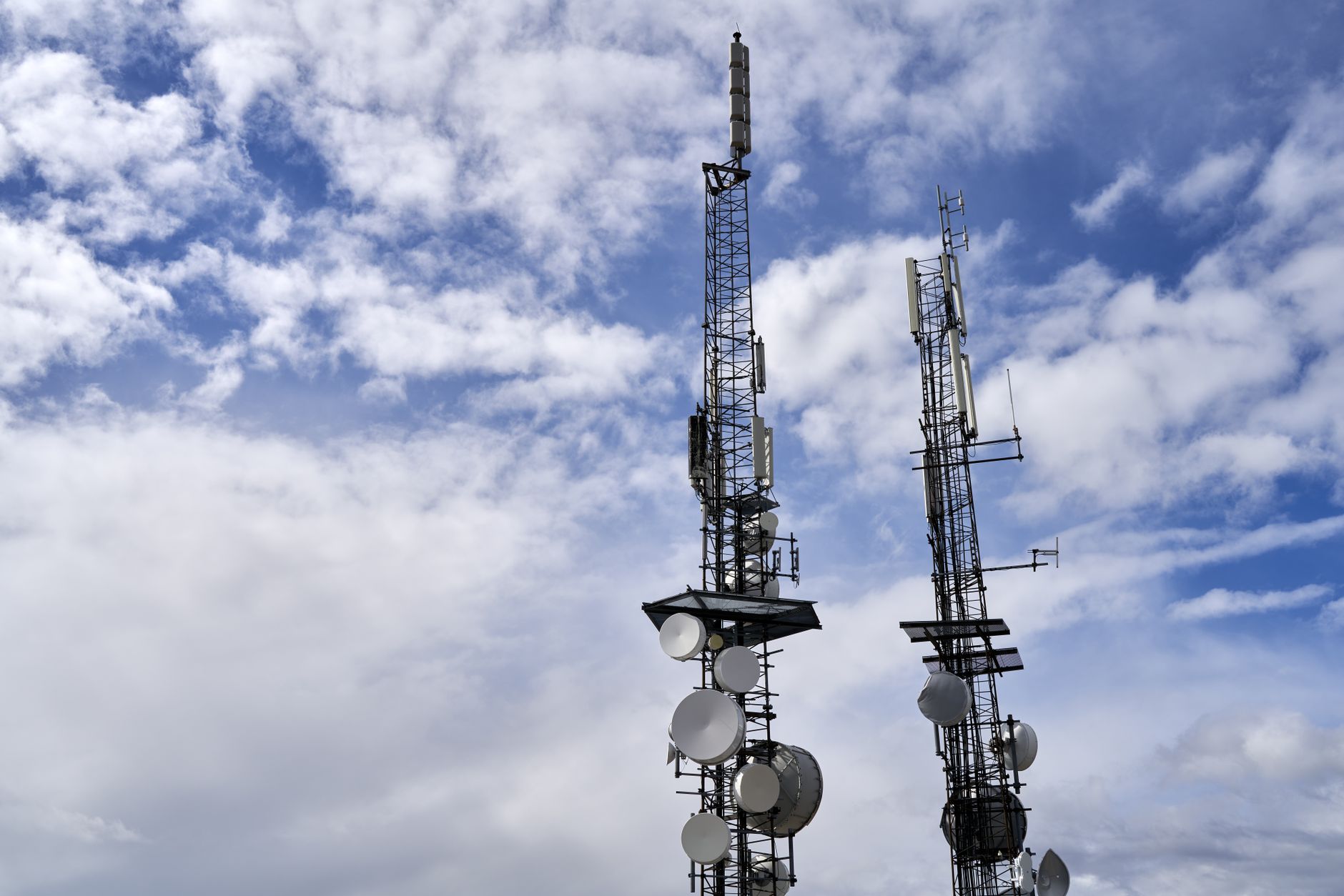
Founder Notes — Lotus Investment Group
Viettel Corporate Profile: Vietnam’s Telecom Champion
Tập đoàn Viettel — Hồ sơ doanh nghiệp và định hướng chiến lược đến 2030
Viettel là doanh nghiệp viễn thông và công nghệ lớn nhất Việt Nam, do Bộ Quốc phòng sở hữu toàn bộ. Hoạt động của tập đoàn trải khắp mạng di động, hạ tầng băng rộng, dịch vụ đám mây, điện tử quốc phòng và các dự án viễn thông quốc tế. Viettel vừa là một nhà vô địch quốc gia, vừa là động lực then chốt cho công cuộc chuyển đổi số của đất nước. Hồ sơ này phác họa cơ cấu doanh nghiệp, vai trò chiến lược, kết quả tài chính, đà tăng trưởng của các nền tảng số, rủi ro và triển vọng dài hạn của Viettel đến năm 2030.
70 triệu+
người dùng di động và băng rộng trong nước; hơn 40 triệu thuê bao quốc tế qua Bitel, Lumitel và các thương hiệu khác.
169 nghìn tỷ VND
doanh thu hợp nhất (~7 tỷ USD), tăng 7%; biên EBITDA bình quân trên 40%.
25 triệu
người dùng Viettel Money năm 2024 — phép thử cho các mảng số ngoài viễn thông.
Tổng quan doanh nghiệp
Thành lập năm 1989 và bắt đầu kinh doanh thương mại từ năm 2004, Viettel vận hành theo mô hình doanh nghiệp nhà nước, chịu sự giám sát trực tiếp của Bộ Quốc phòng. Tập đoàn tích hợp theo chiều dọc, gồm 12 công ty con trong nước và 10 thị trường quốc tế. Các đơn vị nòng cốt gồm Viettel Telecom, Viettel Post, Viettel Construction, Viettel High Tech, Viettel Solutions và Viettel Global. Mỗi đơn vị đảm nhiệm một mảng riêng, từ kết nối di động đến nghiên cứu phát triển cấp quốc phòng và hạ tầng đám mây.
Khác với nhiều doanh nghiệp nhà nước, Viettel duy trì các chuẩn so sánh cạnh tranh nội bộ và trách nhiệm giải trình thương mại. Tập đoàn công bố báo cáo tài chính hợp nhất, tuân thủ chuẩn quốc tế (ISO, IFRS) và chạy kiểm toán nội bộ qua cả giám sát quân sự lẫn dân sự. Cấp tập đoàn không phát hành cổ phiếu ra công chúng, dù vài công ty con (như CTR, VTP) đã niêm yết trên Sở Giao dịch Chứng khoán TP. Hồ Chí Minh.
Quy mô địa lý và nền tảng tài sản
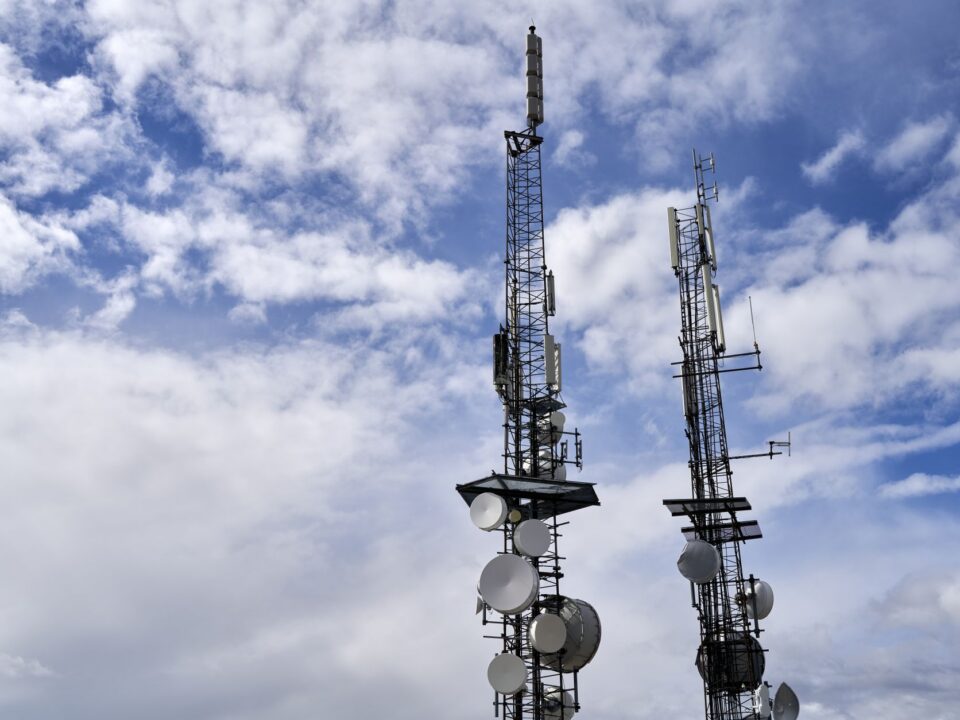
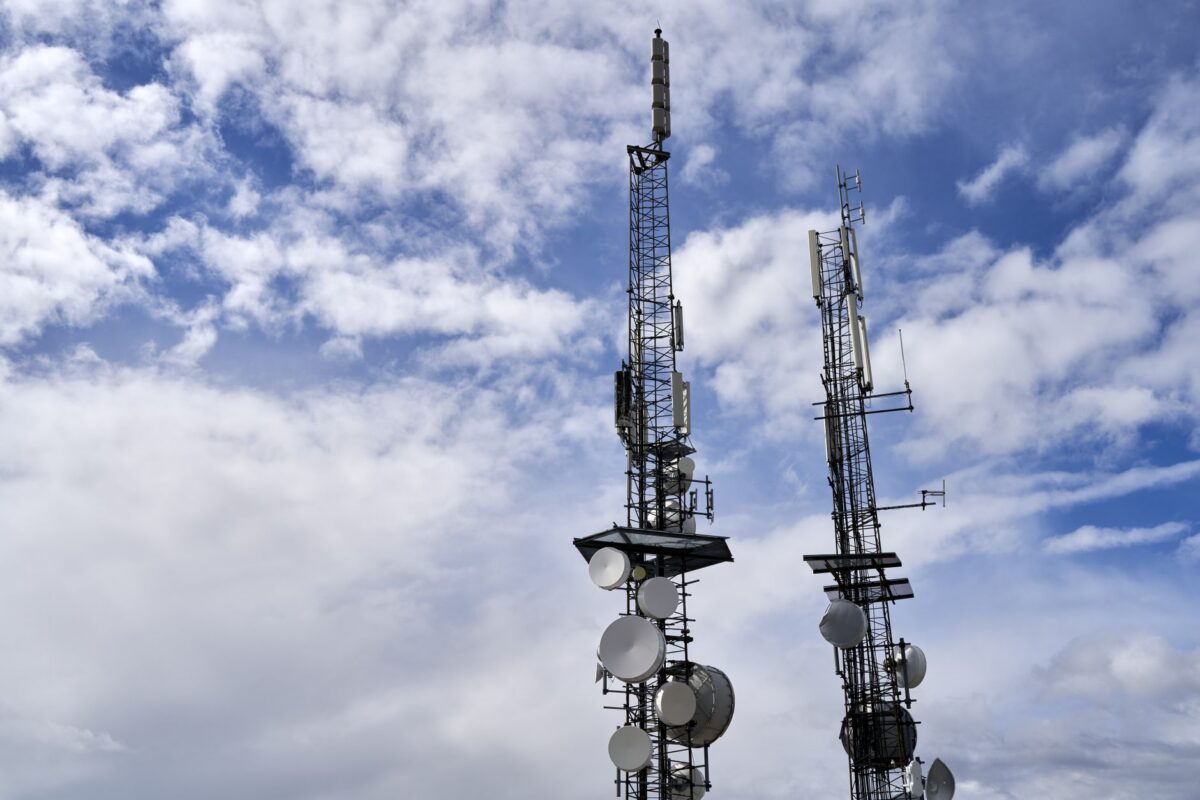
Trong nước, Viettel cung cấp dịch vụ di động và băng rộng cho hơn 70 triệu người dùng. Tập đoàn vận hành mạng cáp quang lớn nhất Việt Nam, với hơn 130.000 km cáp và 180.000 trạm phát sóng, bao gồm vùng phủ 4G rộng nhất nước và vùng phủ 5G đang hình thành. Mạng trung tâm dữ liệu của Viettel gồm các cơ sở đạt và sẵn sàng đạt chuẩn Tier III, Tier IV tại Hà Nội, Đà Nẵng và TP. Hồ Chí Minh.
Ở quốc tế, Viettel có mặt tại 10 quốc gia, trong đó có Peru, Mozambique, Tanzania, Campuchia, Lào, Myanmar và Haiti. Qua các thương hiệu như Bitel và Lumitel, tập đoàn phục vụ hơn 40 triệu thuê bao quốc tế. Viettel sở hữu băng tần, trạm phát sóng và tài sản cáp quang tại những thị trường này, thường ở vị thế người đi đầu. Tập đoàn cũng đồng đầu tư với chính phủ sở tại để xây hạ tầng xương sống quốc gia và các chương trình phủ sóng toàn dân.
Bối cảnh thị trường và ngành
Kinh tế số Việt Nam vượt 20 tỷ USD năm 2024 và được dự báo tăng trưởng kép 20% mỗi năm đến 2030. Với dân số trẻ, tỷ lệ dùng điện thoại thông minh cao, cùng các nhiệm vụ chính phủ điện tử và y tế số đang mở rộng, Viettel nằm ngay lõi của hạ tầng quốc gia. Viễn thông vẫn là ngành chiến lược chịu sự quy hoạch của nhà nước và kiểm soát chủ quyền, càng củng cố lợi thế đồng hành chính sách của Viettel.
Ở dịch vụ di động, Viettel dẫn đầu với hơn 50% thị phần. Chính sách giá, vùng phủ nông thôn và các gói dịch vụ số đi kèm giúp giữ chân người dùng trước sức ép từ các nền tảng OTT. Ở băng rộng, tập đoàn đầu tư vào công nghệ GPON và XGS-PON để phục vụ hộ gia đình đô thị và khu công nghiệp. Ở mảng đám mây, an ninh mạng và AI, Viettel cạnh tranh với cả doanh nghiệp khởi nghiệp trong nước lẫn các nhà cung cấp siêu quy mô toàn cầu, tận dụng lợi thế niềm tin nội địa để giành hợp đồng doanh nghiệp và chính phủ.
Kết quả tài chính
Năm 2024, Viettel ghi nhận doanh thu hợp nhất 169 nghìn tỷ đồng (khoảng 7 tỷ USD), tăng 7% so với năm trước. Viễn thông trong nước đóng góp 65%, hoạt động quốc tế 20%, còn dịch vụ số và sản xuất chiếm 15%. Các mảng tăng trưởng gồm lưu lượng dữ liệu, dịch vụ công nghệ thông tin cho doanh nghiệp và lượng người dùng Viettel Money đang mở rộng. Doanh số sản xuất tăng nhờ xuất khẩu khí tài quốc phòng và hợp đồng thiết bị băng rộng.
Lợi nhuận trước thuế vượt 44 nghìn tỷ đồng, với biên EBITDA bình quân trên 40%. Các thị trường quốc tế biên cao và hợp đồng phần mềm là chỗ dựa cho sức bền của lợi nhuận.
Viettel High Tech báo lãi tăng nhờ hệ thống radar và thiết bị trạm phát sóng 5G. Trong khi đó, Viettel Solutions giữ được lợi nhuận nhờ triển khai trên cả nước hạ tầng đô thị thông minh và nền tảng chính phủ điện tử. Dù Viettel Money và dịch vụ đám mây vẫn trong giai đoạn đầu tư, cả hai mảng đều có lượng người dùng tăng mạnh.
Viettel giữ bảng cân đối lành mạnh, không có nợ vay đại chúng ở cấp tập đoàn. Vốn đầu tư năm 2024 vượt 35 nghìn tỷ đồng, tập trung vào triển khai 5G, nghiên cứu phát triển AI và hạ tầng quốc tế. Dòng tiền từ hoạt động kinh doanh đủ trang trải vốn đầu tư, phần dư được tái đầu tư vào các dự án chiến lược. Hậu thuẫn từ nhà nước bảo đảm cho Viettel khả năng tiếp cận thanh khoản và niềm tin tín dụng.
Chỉ số vận hành và năng lực
Viettel vận hành hơn 180.000 trạm phát sóng di động và kết nối băng rộng cho 30 triệu hộ gia đình. Tập đoàn duy trì 18.000 km cáp quang biển và đất liền liên kết. Viettel Money vượt mốc 25 triệu người dùng năm 2024, với doanh thu bình quân trên mỗi người dùng (ARPU) đi lên. Ở mảng sản xuất, tập đoàn làm ra hơn 500.000 bộ định tuyến băng rộng và khởi động các chương trình thí điểm sản xuất chip 5G trong nước.
Viettel cũng xây và quản lý hơn 1.200 điểm dịch vụ đô thị thông minh, gồm giám sát giao thông, xác thực định danh số và mạng ứng phó khẩn cấp. Thời gian hoạt động liên tục của trung tâm dữ liệu vượt 99,98% trên các cơ sở đạt chuẩn Tier III trở lên. Bộ phận an ninh mạng của Viettel xử lý hơn 250 triệu cảnh báo an ninh trong năm 2024 và bảo vệ nhiều hệ thống quốc gia.
Vị thế chiến lược và động lực tăng trưởng
Lợi thế chiến lược của Viettel nằm ở sự đồng hành chủ quyền, mô hình tích hợp theo chiều dọc và chiều sâu nghiên cứu phát triển. Khác với các hãng viễn thông toàn cầu, Viettel tự phát triển phần mềm lõi, chip và điện tử quốc phòng của riêng mình. Sự gắn kết sâu giữa di động, cố định, đám mây, công nghệ tài chính và quốc phòng tạo nên quy mô khó sao chép và mức đa dạng hóa vững chắc.
Tăng trưởng sẽ đến từ mở rộng triển khai 5G, Viettel Cloud, các dịch vụ số (Viettel Money, Viettel AI) và xuất khẩu công nghệ quốc phòng. Bộ phận AI của tập đoàn phát triển xử lý ngôn ngữ tiếng Việt, nhận diện khuôn mặt và sinh trắc giọng nói. Viettel đặt mục tiêu trung tâm dữ liệu Tier IV và nền tảng đám mây quốc gia cho khối lượng công việc của chính phủ. Các hình thức hợp tác công–tư (PPP) trong đô thị thông minh và hạ tầng số công cộng sẽ tiếp tục mở rộng.
Rủi ro và biện pháp ứng phó
Các rủi ro chính gồm mối đe dọa an ninh mạng, bất ổn địa chính trị ở các thị trường quốc tế và tốc độ lỗi thời công nghệ. Việc gắn nhiều với dự án nhà nước cũng có thể làm chậm thanh toán hoặc khiến doanh thu dồn quá mức vào một nhóm khách. Viettel ứng phó bằng trung tâm chỉ huy rủi ro tập trung, giám sát mối đe dọa toàn cầu và đa dạng hóa nguồn doanh thu. Tập đoàn cũng duy trì hệ thống kiểm toán nội bộ chặt chẽ và tuân thủ chuẩn mực quốc gia lẫn quốc tế.
Dù không niêm yết, tính minh bạch được cải thiện qua công bố thông tin theo quý, đối chiếu hiệu quả hoạt động và việc niêm yết một phần các công ty con. Năng lực an ninh mạng là cốt lõi cho thế phòng thủ của tập đoàn, với phản ứng tức thời trước mối đe dọa, bộ giải pháp an ninh tự phát triển và sự điều phối ở tầm quốc gia.
Định giá và cân nhắc cho nhà đầu tư
Là một thực thể chưa niêm yết, Viettel không mở trực tiếp cho nhà đầu tư cổ phiếu đại chúng. Tuy vậy, các công ty con như Viettel Construction (CTR) và Viettel Post (VTP) đã niêm yết và phản ánh một phần hoạt động thương mại của tập đoàn. Liên doanh và các thỏa thuận cấp phép công nghệ vẫn là cơ chế ưu tiên cho hợp tác bên ngoài.
Nhà đầu tư tổ chức cũng có thể tìm cách tham gia các dự án hạ tầng số của Viettel qua hình thức công–tư, đồng đầu tư cùng nhà nước, hoặc qua các công cụ nợ liên kết. Kỷ luật vốn và sứ mệnh nhà nước, cộng với mạch đổi mới đều đặn, tạo cơ sở cho một mức định giá cao trong bối cảnh thị trường tư nhân — nhất là với các mảng đám mây, an ninh mạng và AI.
Tầm nhìn về phía trước (2025–2030)
Đến năm 2030, Viettel đặt mục tiêu nhân đôi tỷ trọng doanh thu số, dẫn đầu các chương trình thí điểm 6G và xuất khẩu nền tảng đám mây cùng quốc phòng ra khắp Đông Nam Á. Tập đoàn muốn lọt vào nhóm ba nhà cung cấp dịch vụ đám mây hàng đầu ASEAN, mở rộng số lượng trung tâm dữ liệu Tier IV và nâng cao năng lực AI cùng sản xuất chip trong nước.
Tập đoàn cũng sẽ phát triển Viettel Money thành nền tảng ngân hàng mở và thanh toán, ra mắt các sản phẩm AI và dữ liệu lớn mới, đồng thời đẩy sâu các dịch vụ đô thị thông minh và chính phủ điện tử. Vốn đầu tư sẽ hướng vào đám mây chủ quyền, nghiên cứu phát triển, xuất khẩu công nghệ quốc phòng và hạ tầng công nghệ thông tin xanh.
Kết luận
Viettel không chỉ là một nhà cung cấp viễn thông. Đây là nền tảng công nghệ số và quốc phòng chiến lược bậc nhất của Việt Nam, mang lại hạ tầng chủ quyền, năng lực AI và quy mô quốc tế. Mô hình tích hợp theo chiều dọc, sự đồng hành về an ninh và sức mạnh tài chính đặt Viettel vào vị thế dẫn dắt cuộc chuyển đổi số của đất nước đến năm 2030.
Với các đối tác tổ chức và nhà đầu tư hạ tầng, Viettel là một nhân tố trung tâm trong công cuộc dựng nền kinh tế số của Đông Nam Á. Tuy đường tiếp cận cổ phần trực tiếp còn hạn chế, hợp tác qua liên doanh, hạ tầng công–tư và quan hệ đối tác công nghệ vẫn mở ra mức gắn kết chiến lược đáng kể.
Lotus Investment Group tư vấn M&A xuyên biên giới và FDI vào Việt Nam và Đông Nam Á. Nếu quý vị đang thẩm định một vị thế tại Việt Nam, liên hệ với chúng tôi.
Viettel Group is Vietnam’s largest telecommunications and technology enterprise, wholly owned by the Ministry of National Defence. Its operations span mobile networks, broadband infrastructure, cloud services, defense electronics and international telecom ventures. Viettel is both a national champion and a critical engine of the country’s digital transformation. This profile sets out the group’s corporate structure, strategic role, financial performance, digital-platform growth, risks and long-term outlook through 2030.
70 million+
domestic mobile and broadband users; 40 million+ international subscribers via Bitel, Lumitel and other brands.
VND 169 trillion
consolidated revenue (~$7 billion), up 7%; average EBITDA margin above 40%.
25 million
Viettel Money users in 2024 — the test of the digital lines beyond telecom.
Company Overview
Established in 1989 and commercialized in 2004, Viettel operates under a state-owned enterprise model, overseen directly by the Ministry of National Defence. The group is vertically integrated, with 12 domestic subsidiaries and 10 international operations. Core units include Viettel Telecom, Viettel Post, Viettel Construction, Viettel High Tech, Viettel Solutions and Viettel Global. Each unit handles a specific mandate, from mobile connectivity to defense-grade R&D and cloud infrastructure.
Unlike many SOEs, Viettel maintains internal competitive benchmarks and commercial accountability. It reports consolidated financials, follows international standards (ISO, IFRS) and runs internal audits via both military and civilian oversight. No public shares are issued at group level, though several subsidiaries (e.g., CTR, VTP) are listed on the Ho Chi Minh City Stock Exchange.
Geographic Footprint and Asset Base
Domestically, Viettel provides mobile and broadband services to over 70 million users. It operates the largest fiber optic network in Vietnam, with 130,000+ km of cables and 180,000 base stations, including the nation’s most extensive 4G coverage and emerging 5G. Its data center network includes Tier III and Tier IV-ready facilities in Hanoi, Da Nang and Ho Chi Minh City.
Internationally, Viettel operates in 10 countries including Peru, Mozambique, Tanzania, Cambodia, Laos, Myanmar and Haiti. Through brands such as Bitel and Lumitel, it serves over 40 million international subscribers. The group owns spectrum, base stations and fiber assets in these markets, often with first-mover status. It also co-invests with local governments to deliver national backbone infrastructure and universal coverage programs.
Market and Sector Context
Vietnam’s digital economy passed USD 20 billion in 2024 and is projected to grow at a 20% CAGR through 2030. With a youthful population, high smartphone penetration and expanding e-government and digital-health mandates, Viettel sits at the core of national infrastructure. Telecom remains a strategic sector subject to state planning and sovereign control, which reinforces Viettel’s policy-alignment advantages.
In mobile services, Viettel leads with over 50% market share. Its pricing, rural coverage and bundled digital offerings help retain user loyalty despite OTT competition. In broadband, it is investing in GPON and XGS-PON technologies to serve urban households and industrial zones. In cloud, cybersecurity and AI, Viettel competes with both local startups and global hyperscalers, leaning on its local trust advantage to win enterprise and government contracts.
Financial Performance
In 2024, Viettel Group recorded consolidated revenue of VND 169 trillion (~USD 7 billion), up 7% year-on-year. Domestic telecom contributed 65%, international operations 20%, and digital services and manufacturing 15%. Growth areas included data traffic, enterprise ICT and Viettel Money’s expanding user base. Manufacturing sales rose on defense exports and broadband device contracts.
Pre-tax profit exceeded VND 44 trillion, with an average EBITDA margin above 40%. High-margin international markets and software contracts underpinned the resilience.
Viettel High Tech reported profit growth driven by radar systems and 5G base station equipment. Viettel Solutions held profitability through nationwide rollouts of smart city infrastructure and e-government platforms. Viettel Money and cloud services remain in the investment phase, yet both segments are seeing strong user expansion.
Viettel maintains a strong balance sheet with no group-level public debt. Capital expenditures in 2024 exceeded VND 35 trillion, focused on 5G rollout, AI R&D and international infrastructure. Cash flow from operations covered capex, and surpluses were reinvested in strategic ventures. Viettel’s sovereign backing ensures liquidity access and credit confidence.
Operational Metrics and Capacity Profile
Viettel operates over 180,000 mobile base stations and connects 30 million households via broadband. It maintains 18,000 km of undersea and terrestrial fiber interconnects. Viettel Money surpassed 25 million users in 2024, with rising average revenue per user (ARPU). In manufacturing, it produced over 500,000 broadband routers and launched domestic 5G chipset production pilots.
It also built and manages 1,200+ smart city service points, including traffic monitoring, digital ID verification and emergency response networks. Data center uptime exceeded 99.98% across Tier III+ certified facilities. Viettel’s cybersecurity division handled over 250 million security alerts in 2024 and protects multiple national systems.
Strategic Position and Growth Drivers
Viettel’s strategic advantage rests on sovereign alignment, a vertically integrated model and R&D depth. Unlike global telcos, it develops its own core software, chips and defense electronics. Deep integration across mobile, fixed, cloud, fintech and defense creates defensible scale and diversification.
Growth will come from expanded 5G rollout, Viettel Cloud, digital services (Viettel Money, Viettel AI) and exports of defense tech. Its AI division develops Vietnamese-language NLP, facial recognition and voice biometrics. It is targeting Tier IV data centers and national cloud platforms for government workloads. Public–private partnerships in smart cities and digital public infrastructure will expand.
Risks and Mitigation
Key risks include cyberthreats, geopolitical instability in international markets and rapid tech obsolescence. Heavy exposure to state projects can delay payments or overconcentrate revenue. Viettel mitigates this through centralized risk command, global threat monitoring and diversification of revenue streams. It also maintains strong internal audit systems and compliance with national and international standards.
While not publicly traded, transparency is improved through quarterly disclosures, performance benchmarking and partial listings of subsidiaries. Cybersecurity capability is core to its defense, with real-time threat response, an in-house security stack and national-level coordination.
Valuation and Deal Considerations
As a non-listed entity, Viettel is not directly accessible to public equity investors. Subsidiaries like Viettel Construction (CTR) and Viettel Post (VTP) are listed, however, and reflect aspects of the group’s commercial activities. Joint ventures and technology licensing deals remain the preferred mechanism for external partnerships.
Institutional investors can also explore participation in Viettel’s digital infrastructure projects via PPPs, sovereign co-investments, or affiliated debt instruments. Viettel’s capital discipline and state mandate, paired with a steady innovation pipeline, support a valuation premium in private-market contexts — particularly for its cloud, cybersecurity and AI businesses.
Forward View (2025–2030)
By 2030, Viettel targets doubling its digital revenue share, leading 6G pilots, and exporting its cloud and defense platforms across Southeast Asia. It aims to become one of ASEAN’s top three cloud service providers, expand its Tier IV data center footprint, and advance domestic AI and chip manufacturing capabilities.
The group will also scale Viettel Money into an open banking and payments platform, launch new AI and big data products, and deepen smart city and e-government offerings. Capital investment will focus on sovereign cloud, R&D, defense tech exports and green ICT infrastructure.
Conclusion
Viettel Group is more than a telecom provider. It is Vietnam’s most strategic digital and defense technology platform, delivering sovereign infrastructure, AI capacity and international scale. Its vertically integrated model, security alignment and financial strength position it to lead Vietnam’s digital transformation through 2030.
For institutional partners and infrastructure investors, Viettel is a central actor in Southeast Asia’s digital economy buildout. While direct equity access is limited, collaboration via joint ventures, public–private infrastructure and technology partnerships offers meaningful strategic alignment.
Lotus Investment Group advises on cross-border M&A and FDI into Vietnam and Southeast Asia. If you are underwriting Vietnam exposure, get in touch.