

Hoa Phat Group Profile: Vietnam’s Steel Leader to 2030
August 29, 2025
Viettel Corporate Profile: Vietnam’s Telecom Champion
September 2, 2025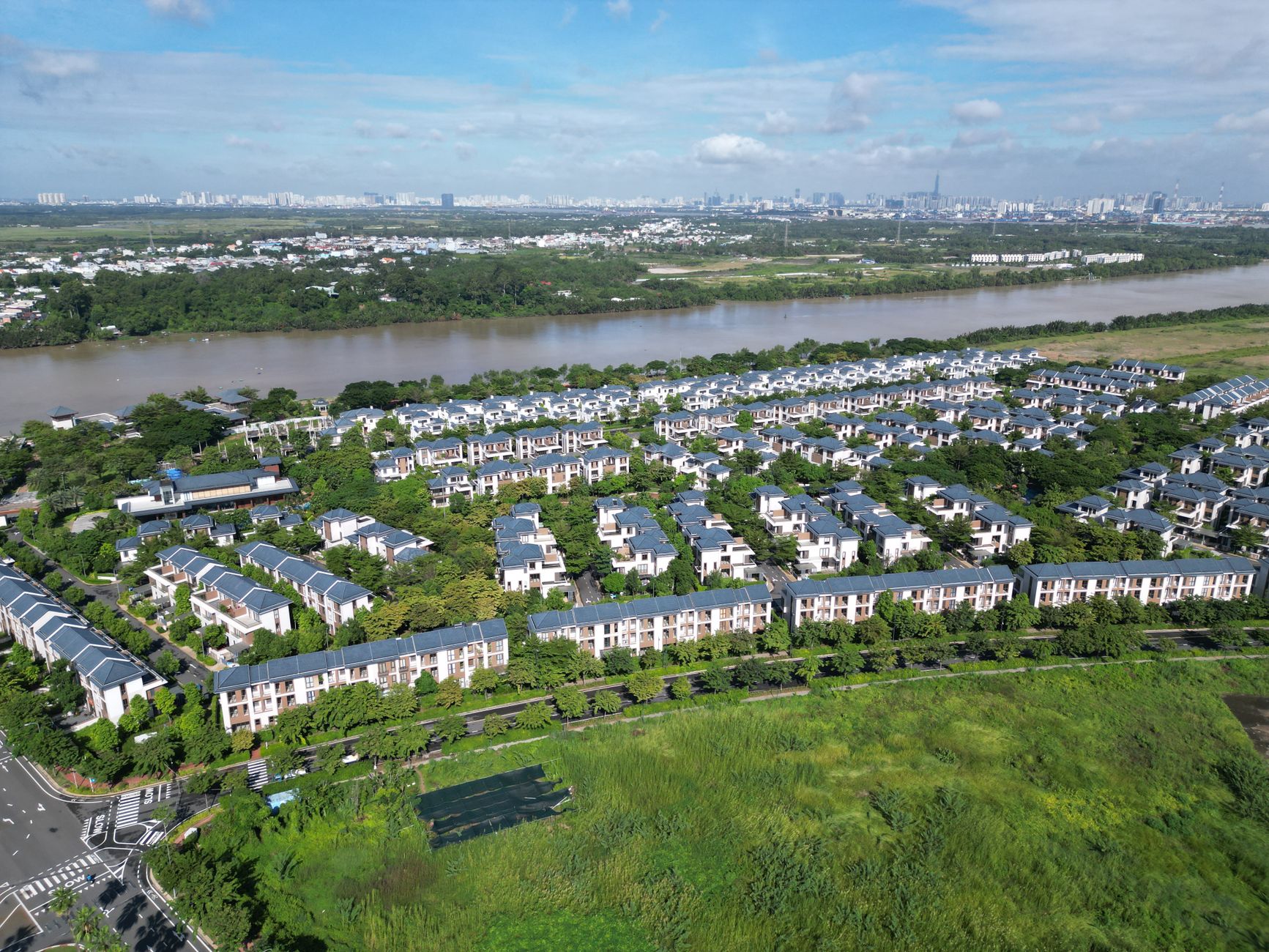
Founder Notes — Lotus Investment Group
Nam Long Corporate Profile and Strategic Outlook
Nam Long – Hồ sơ doanh nghiệp và triển vọng chiến lược
Công ty Cổ phần Đầu tư Nam Long (HOSE: NLG) là một trong những nhà phát triển nhà ở phân khúc trung – cao cấp ổn định nhất Việt Nam. Lấy mô hình khu đô thị quy mô lớn làm trục, cộng thêm bề dày hợp tác với đối tác ngoại, Nam Long đã dựng được một nền tảng đáng tin cho nhu cầu nhà ở của người mua để ở thật. Doanh nghiệp đặt trọng tâm vào khả năng chi trả, quy hoạch đô thị và minh bạch với nhà đầu tư, mở ra một lựa chọn bền cho ai muốn gắn dài hạn với chu kỳ bất động sản Việt Nam.
Tổng quan doanh nghiệp
Thành lập năm 1992, Nam Long đặt trụ sở tại TP. Hồ Chí Minh và niêm yết trên Sở Giao dịch Chứng khoán TP. Hồ Chí Minh. Công ty vận hành theo mô hình tập đoàn mẹ – con, với các công ty con cốt lõi hoạt động ở mảng phát triển nhà ở, quản lý dự án, xây dựng và dịch vụ tài chính.
Tính đến năm 2024, cơ cấu cổ đông của Nam Long có mặt các nhà đầu tư ngoại chiến lược như Keppel Land, Gamuda và Nishi-Nippon Railroad. Nhà sáng lập Nguyễn Xuân Quang vẫn giữ vị trí Chủ tịch và tiếp tục dẫn dắt chiến lược. Cổ đông tổ chức chiếm hơn 60% lượng cổ phiếu tự do chuyển nhượng — con số nói lên niềm tin dài hạn của giới đầu tư.
Phạm vi địa lý và quỹ tài sản
Trọng tâm chính của Nam Long là miền Nam, đặc biệt TP. Hồ Chí Minh và các tỉnh lân cận như Long An, Đồng Nai. Công ty còn nắm quỹ đất chiến lược ở Cần Thơ và Hải Phòng, mở lối vào các thị trường cấp 2 đang lên. Mô hình khu đô thị của Nam Long tích hợp căn hộ tầm trung, nhà thấp tầng, trường học, bán lẻ và không gian xanh trong cùng một quần thể.
Các dự án tiêu biểu gồm Mizuki Park (26 ha), Akari City (8,5 ha) và Waterpoint (355 ha) — một trong những khu đô thị do tư nhân phát triển lớn nhất Việt Nam. Những dự án này thường đi theo mô hình mở bán và thi công theo giai đoạn, gắn với chu kỳ huy động vốn và sức hấp thụ của thị trường.
Nam Long kiểm soát hơn 650 ha đất sạch trải dọc các hành lang chiến lược. Công ty đã đầu tư hạ tầng nội khu (đường, thoát nước, điện) và áp dụng quy trình xây dựng đạt chuẩn ISO cùng công cụ mô hình hóa số (BIM, ERP) trên toàn bộ dự án.
Bối cảnh thị trường và ngành
Thị trường nhà ở Việt Nam vẫn đang chuyển mình. Tỷ lệ đô thị hóa vượt 38% và được dự báo chạm 50% vào năm 2035. Số hộ gia đình mới hình thành ngày một tăng, kéo theo một tầng lớp trung lưu đang lớn dần và khao khát sở hữu nhà. Dù vậy, việc siết tín dụng và những nút thắt pháp lý gần đây đã làm chậm nhịp mở bán dự án trên cả nước.
Việc Nam Long tập trung vào người mua để ở thật giúp công ty bớt chịu những cơn biến động gắn với đầu cơ. Phần lớn khách hàng là người mua ở thực, có vốn vay thế chấp hỗ trợ. Ngay trong các giai đoạn thị trường đi xuống, công ty vẫn giữ được nhịp bán nhờ điều chỉnh cơ cấu sản phẩm, mức trả trước và chính sách ưu đãi.
Nam Long cạnh tranh trong phân khúc có sự góp mặt của Vinhomes, Novaland và Khang Điền, nhưng tạo khác biệt bằng quy mô khu đô thị, thương hiệu và thiết kế. Các khu công nghiệp hướng xuất khẩu ở Long An và Bình Dương càng làm dày thêm nhu cầu thực với nhà ở phân khúc khởi điểm và nâng cấp.
Kết quả tài chính
Nam Long ghi nhận doanh thu hợp nhất 7.196 tỷ đồng trong năm 2024, tăng 126% so với năm trước. Cú bật mạnh này đến từ việc bàn giao tại Akari City và Nam Long II Central Lake. Sau một năm 2023 trầm lắng, công ty nối lại các giao dịch khối lượng lớn ở những giai đoạn then chốt, khôi phục đà tăng doanh thu.
Khoảng 97% doanh thu cả năm đến từ bán nhà ở, gồm căn hộ, nhà phố và đất nền. 3% còn lại do các mảng phụ trợ tạo ra — cụ thể là dịch vụ xây dựng, quản lý dự án và thu nhập cho thuê bất động sản thương mại. Mức tập trung này phản ánh việc Nam Long vẫn bám chặt nhu cầu nhà ở của người mua để ở thật.
Nam Long báo lỗ ròng 137 tỷ đồng năm 2024, lần đầu sau hơn một thập niên. Nhưng đây chủ yếu là vấn đề thời điểm, gắn với việc ghi nhận doanh thu bị trễ. EBITDA điều chỉnh vẫn dương ở mức 389 tỷ đồng. Ban lãnh đạo kỳ vọng lợi nhuận hồi phục trong năm 2025 khi các giai đoạn của Waterpoint và Mizuki Park được bàn giao.
Trên chặng 5 năm, tập đoàn duy trì ROE bình quân 9,6% và giữ vững chính sách cổ tức. Chi phí vận hành ở mức gọn, với chi phí bán hàng và quản lý chiếm 13,2% doanh thu năm 2024.
Nam Long khép lại năm 2024 với tổng tài sản 24,8 nghìn tỷ đồng và vốn chủ sở hữu 10,3 nghìn tỷ đồng. Hệ số nợ ròng đứng ở 0,34 lần — tương đối thận trọng so với chuẩn mực ngành. Dự trữ tiền mặt vượt 2,3 nghìn tỷ đồng, bảo đảm dư địa cho việc tiếp tục triển khai dự án.
Dòng tiền hoạt động âm do đầu tư vào dự án, song tập đoàn đã giãn các kỳ đáo hạn nợ và có nguồn tài trợ dự án dài hạn từ các định chế như IFC và Vietcombank. Cấu trúc vốn cho phép phân bổ vốn linh hoạt giữa các giai đoạn, tránh dồn rủi ro quá mức vào một chỗ.
Chỉ số vận hành và năng lực triển khai
Nam Long bàn giao 1.230 căn trong năm 2024, chủ yếu từ Akari và Mizuki. Doanh số đặt mua đạt 4,9 nghìn tỷ đồng, cho thấy người mua vẫn quan tâm bất chấp vĩ mô mềm yếu. Waterpoint vẫn là điểm tựa chiến lược, với hơn 5.000 ha đất xung quanh đang được cân nhắc cho mở rộng đô thị về sau.
Công ty áp dụng nền tảng bán hàng số, công cụ quản lý quan hệ khách hàng (CRM) và hệ thống theo dõi thi công tích hợp. Nam Long duy trì chứng nhận ISO 9001 và 14001, đồng thời theo đuổi chứng nhận EDGE cho các giai đoạn mới. Mỗi giai đoạn thi công kéo dài bình quân 18–24 tháng, với phần bán trước được khớp theo kế hoạch huy động vốn.
Vị thế chiến lược và động lực tăng trưởng
Lợi thế cốt lõi của Nam Long nằm ở mô hình khu đô thị. Bằng cách dựng những cộng đồng đa chức năng quy mô lớn, công ty hứng được nhu cầu trọn vòng đời, từ phân khúc khởi điểm đến tầm trung. Mô hình mở bán theo giai đoạn giảm rủi ro chọn sai thời điểm thị trường và khớp dòng tiền với tiến độ giải ngân thi công.
Hợp tác với đối tác ngoại nâng chất thiết kế sản phẩm, quản trị và khả năng tiếp cận vốn. Keppel, Nishitetsu và Gamuda đã đồng phát triển các giai đoạn tại Akari, Mizuki và Waterpoint. Những liên doanh này còn mở đường cho nợ vay ở cấp dự án, giúp giảm gánh đòn bẩy ở cấp tập đoàn.
Tăng trưởng sẽ đến từ 300 ha còn lại của Waterpoint, quỹ đất mới ở Hải Phòng và Cần Thơ, cùng việc đa dạng hóa sang định dạng căn hộ tầm trung vừa túi tiền. ESG và chuyển đổi số đang dần bén rễ. Tập đoàn đặt mục tiêu số hóa toàn bộ khâu cấp phép và tiếp nhận khách hàng vào năm 2026.
Rủi ro và biện pháp hóa giải
Lĩnh vực bất động sản nhà ở Việt Nam chịu các rủi ro vĩ mô, gồm độ nhạy với lãi suất, chậm phê duyệt đất đai và hạn chế về vốn. Những đợt chuyển tiếp pháp lý, nhất là theo Luật Đất đai sửa đổi và Nghị định 10, càng làm tiến độ dự án thêm phức tạp. Giới hạn sở hữu nước ngoài với tài sản nhà ở buộc phải lập các cấu trúc hợp tác, thường qua nhiều lớp pháp nhân để bảo đảm tuân thủ. Những yếu tố này cộng lại tác động đến tốc độ bán, mức giá và khả năng tiếp cận vốn, đặc biệt trong các giai đoạn vĩ mô thắt chặt.
Nam Long hóa giải các rủi ro này bằng đòn bẩy thấp, phát triển theo giai đoạn và quan hệ đối tác tổ chức bền chắc. Bảng cân đối của công ty giữ mức vay thận trọng, trong khi những liên minh lâu năm với nhà đầu tư Nhật Bản và Singapore hỗ trợ kỷ luật giải ngân vốn. Tập đoàn trao đổi sớm với cơ quan quản lý cấp tỉnh và điều chỉnh quy hoạch để khớp với khung pháp lý mới. Rủi ro tỷ giá và chi phí xây dựng được giảm nhẹ nhờ nguồn cung trong nước và doanh số định giá bằng đồng nội tệ, giúp ổn định dòng tiền trong môi trường nhiều biến động.
Định giá và cân nhắc giao dịch
Tính đến quý 2/2025, Nam Long giao dịch ở mức khoảng 1,1 lần giá trị sổ sách. Hệ số P/E trượt tạm thời bị nén do khoản lỗ một lần năm 2024, gắn với việc ghi nhận doanh thu chậm và bàn giao bị trễ vì thị trường. Dù vậy, quỹ đất sạch quy mô lớn, hệ số nợ ròng thấp và sự hậu thuẫn liên tục của các nhà đầu tư ngoại dài hạn đều ủng hộ kịch bản được định giá lại theo hướng tích cực. Cổ đông tổ chức đã giữ nguyên hoặc tăng tỷ trọng qua các đợt phát hành riêng lẻ và giao dịch thỏa thuận khối, cho thấy niềm tin vào nền tảng của Nam Long bất chấp biến động chung của ngành.
Nam Long duy trì chiến lược phân bổ vốn kỷ luật. Công ty tránh dùng đòn bẩy quá mức, giữ chính sách cổ tức ổn định và triển khai dự án theo nhịp khớp với sức hấp thụ thị trường cùng nguồn vốn sẵn có. Tuy thận trọng với việc mở rộng quỹ đất, công ty vẫn để ngỏ các thương vụ thâu tóm chiến lược — nhất là ở mảng dịch vụ xây dựng, hạ tầng liên quan đến nhà ở, hoặc nền tảng công nghệ giúp nâng chất khâu triển khai dự án. Các ngành liền kề như tiện ích xanh hay bất động sản gắn với hậu cần cũng có thể được cân nhắc nếu việc tích hợp với khu đô thị tạo ra cộng hưởng. Cách đầu tư chừng mực này hỗ trợ sự linh hoạt tài chính của Nam Long, đồng thời đẩy tiếp tăng trưởng dài hạn trong bức tranh phát triển đô thị Việt Nam.
Tầm nhìn phía trước (2025–2030)
Nam Long đặt mục tiêu bàn giao hơn 20.000 căn tại Waterpoint, Mizuki và Akari đến năm 2030. Giai đoạn 3 của Waterpoint sẽ tích hợp trường học, hậu cần và hạ tầng y tế. Quỹ đất mới ở Hải Phòng và Cần Thơ sẽ hỗ trợ đa dạng hóa theo trục Bắc – Nam.
Số hóa và tuân thủ ESG sẽ tiếp tục định hình các bước nâng cấp vận hành. Công ty đang thử nghiệm nhà ở lắp ghép theo mô-đun, tìm hiểu phát hành trái phiếu xanh và mở rộng sang mô hình nhà cho thuê. Hợp tác quốc tế có thể vươn tới các khoản đồng đầu tư trong ASEAN. Tựu trung, tăng trưởng của Nam Long sẽ tập trung vào những cộng đồng đô thị có khả năng nhân rộng và huy động được vốn ngân hàng.
Kết luận
Công ty Cổ phần Đầu tư Nam Long giữ một vị thế riêng trong lĩnh vực bất động sản Việt Nam, đặc biệt qua mô hình phát triển lấy khu đô thị làm trọng tâm. Quy mô vận hành, các quan hệ đối tác tổ chức và việc đặt nặng tính tích hợp đô thị tạo nên một mức ổn định nhất định trong một thị trường đang đối mặt với cơn gió ngược về pháp lý và tài chính.
Nhìn về phía trước, tăng trưởng của công ty sẽ phụ thuộc vào năng lực triển khai trên quỹ đất hiện có, khả năng thích ứng với khung pháp lý đang đổi thay, và mức độ bám sát nhu cầu nhà ở tại các hành lang đô thị then chốt. Dù biến động ngành còn dai dẳng, chiến lược phát triển và kỷ luật tài chính của Nam Long đủ sức giữ công ty ở vị thế một tay chơi còn nguyên giá trị trong bức tranh nhà ở Việt Nam.
Lotus Investment Group tư vấn M&A xuyên biên giới và FDI vào Việt Nam và Đông Nam Á. Nếu quý vị đang thẩm định một vị thế tại Việt Nam, liên hệ với chúng tôi.
Nam Long Investment Corporation (HOSE: NLG) is one of Vietnam’s most consistent mid-to-high-end residential developers. Built on township-scale projects and a long track record of foreign partnerships, it has become a trusted platform for genuine end-user housing demand. The company leans hard on affordability, urban planning and investor transparency, offering a stable way to take long-term exposure to Vietnam’s real estate cycle.
Company Overview
Established in 1992, Nam Long is headquartered in Ho Chi Minh City and listed on the Ho Chi Minh Stock Exchange. It runs a holding-company model, with core subsidiaries working across residential development, project management, construction and financial services.
As of 2024, Nam Long’s shareholder base includes strategic foreign investors such as Keppel Land, Gamuda and Nishi-Nippon Railroad. Founder Nguyen Xuan Quang remains Chairman and continues to set strategic direction. Institutional shareholders hold more than 60% of the float, a sign of durable long-term confidence.
Geographic Footprint and Asset Base
Nam Long’s primary focus is southern Vietnam, particularly Ho Chi Minh City and neighbouring provinces such as Long An and Dong Nai. It also holds strategic land banks in Can Tho and Hai Phong, opening access to growing Tier 2 markets. Its township model integrates mid-rise apartments, landed housing, schools, retail and green space within a single community.
Key projects include Mizuki Park (26 ha), Akari City (8.5 ha) and Waterpoint (355 ha), one of Vietnam’s largest privately developed townships. These projects typically follow a phased launch and construction model, aligned with financing cycles and market absorption.
Nam Long controls over 650 hectares of clean land across strategic corridors. The company has invested in internal infrastructure (roads, drainage, electricity) and applies ISO-certified construction and digital modelling tools (BIM, ERP) across its sites.
Market and Sector Context
Vietnam’s residential market keeps evolving. Urbanisation exceeds 38% and is forecast to reach 50% by 2035. Household formation is rising, with a growing middle class hungry for homeownership. Recent credit tightening and regulatory bottlenecks have nonetheless slowed project launches nationwide.
Nam Long’s end-user focus shields it from speculation-linked volatility. Most buyers are owner-occupiers, supported by mortgage financing. Even through downturns, the firm has held sales momentum by adjusting product mix, down payments and incentives.
It competes in a segment that includes Vinhomes, Novaland and Khang Dien, but differentiates on township scale, branding and design. Export-oriented labour zones in Long An and Binh Duong add further underlying demand for entry-level and upgrade housing.
Financial Performance
Nam Long reported consolidated revenue of VND 7,196 billion in 2024, a 126% year-on-year jump. The sharp rebound came from handovers at Akari City and Nam Long II Central Lake. After a subdued 2023, the company resumed high-volume transactions across key phases and restored topline momentum.
Roughly 97% of the year’s revenue came from residential sales — apartments, townhouses and land plots. The remaining 3% came from ancillary businesses: construction services, project management and rental income from commercial real estate. That concentration reflects Nam Long’s continued focus on end-user residential demand.
Nam Long posted a net loss of VND 137 billion in 2024, its first in over a decade. The loss was largely timing-driven, tied to delayed revenue recognition. Adjusted EBITDA stayed positive at VND 389 billion. Management expects profitability to rebound in 2025 as Waterpoint and Mizuki Park phases are handed over.
Over a 5-year horizon the group has maintained average ROE of 9.6% and held to a dividend policy. Operational overheads stay lean, with SG&A at 13.2% of revenue in 2024.
Nam Long closed 2024 with total assets of VND 24.8 trillion and equity of VND 10.3 trillion. Net gearing stood at 0.34x — relatively conservative by sector standards. Cash reserves exceeded VND 2.3 trillion, securing runway for continued project buildout.
Operating cash flow was negative because of project investment, but the group has staggered debt maturities and long-term project finance from institutions such as IFC and Vietcombank. Its capital structure allows flexible allocation between phases and avoids overexposure to any single one.
Operational Metrics and Capacity Profile
Nam Long delivered 1,230 units in 2024, mainly from Akari and Mizuki. Sales bookings reached VND 4.9 trillion, signalling continued buyer interest despite macro softness. Waterpoint remains the strategic anchor, with 5,000+ hectares of surrounding land under consideration for future urban expansion.
The company runs digital sales platforms, CRM tools and integrated construction tracking. It holds ISO 9001 and 14001 certifications and is pursuing EDGE certification for new phases. Construction cycles average 18–24 months per phase, with pre-sales aligned to funding plans.
Strategic Position and Growth Drivers
Nam Long’s core advantage is its township model. By offering large-scale, mixed-use communities, it captures lifecycle demand from entry to mid-tier. The phased launch model cuts market-timing risk and aligns cash flow with construction drawdowns.
Foreign partnerships sharpen product design, governance and access to capital. Keppel, Nishitetsu and Gamuda have co-developed phases in Akari, Mizuki and Waterpoint. These ventures also open project-level debt, easing leverage at the corporate level.
Growth will come from Waterpoint’s remaining 300 hectares, new land in Hai Phong and Can Tho, and diversification into affordable mid-rise formats. ESG and digital transformation are gaining ground. The group aims for full digital permitting and customer onboarding by 2026.
Risks and Mitigation
Vietnam’s residential real estate sector is exposed to macro risks: interest rate sensitivity, land approval delays and capital constraints. Regulatory transitions, particularly under the revised Land Law and Decree 10, add further complexity to project timelines. Foreign ownership limits on residential assets require structured partnerships, often involving layered vehicles to ensure compliance. Together these factors affect sales velocity, pricing and funding access, especially during macro tightening.
Nam Long manages these risks through low leverage, phased development and strong institutional partnerships. Its balance sheet stays conservatively geared, while long-standing alliances with Japanese and Singaporean investors support disciplined capital deployment. The group engages provincial regulators early and adjusts planning to align with new legal frameworks. Currency and construction cost risks are mitigated through domestic sourcing and VND-denominated sales, helping stabilise cash flows in volatile periods.
Valuation and Deal Considerations
As of Q2 2025, Nam Long trades at roughly 1.1 times book value. Its trailing P/E is temporarily compressed by a one-off 2024 loss tied to deferred revenue recognition and market-driven handover delays. Even so, the company’s large clean land bank, low net gearing and continued backing from long-term foreign investors support the case for eventual re-rating. Institutional shareholders have held or increased positions through private placements and negotiated block trades, a vote of confidence in Nam Long’s fundamentals despite broader sector volatility.
Nam Long keeps a disciplined capital allocation strategy. It avoids overleveraging, sticks to a stable dividend policy, and phases projects in line with market absorption and available funding. Cautious on land expansion, the company stays open to strategic acquisitions — particularly in construction services, housing-related infrastructure, or technology platforms that improve project delivery. Adjacent sectors such as green utilities or logistics-linked real estate may also be explored where integration with townships creates synergy. This measured approach protects Nam Long’s financial flexibility while advancing long-term growth in Vietnam’s urban development landscape.
Forward View (2025–2030)
Nam Long aims to hand over more than 20,000 units across Waterpoint, Mizuki and Akari by 2030. Phase 3 of Waterpoint will integrate schools, logistics and health infrastructure. New land banks in Hai Phong and Can Tho will support north–south diversification.
Digitisation and ESG compliance will keep defining operational upgrades. The firm is testing modular housing pilots, exploring green bond issuance and expanding into rental housing models. International partnerships may extend to ASEAN co-investments. Overall, Nam Long’s growth will focus on scalable, bankable urban communities.
Conclusion
Nam Long Investment Corporation holds a distinct position in Vietnam’s real estate sector, particularly through its township-focused development model. Its operational scale, institutional partnerships and emphasis on urban integration provide a measure of stability in a market facing regulatory and financial headwinds.
Looking ahead, the company’s growth will hinge on execution across its existing land bank, adaptability to evolving legal frameworks, and alignment with housing demand in key urban corridors. Sector volatility persists, but Nam Long’s development strategy and financial discipline position it to stay a relevant player in Vietnam’s residential landscape.
Lotus Investment Group advises on cross-border M&A and FDI into Vietnam and Southeast Asia. If you are underwriting Vietnam exposure, get in touch.