

Viettel Corporate Profile: Vietnam’s Telecom Champion
September 2, 2025
Agribank: Strategic Profile and Rural Banking Outlook
September 4, 2025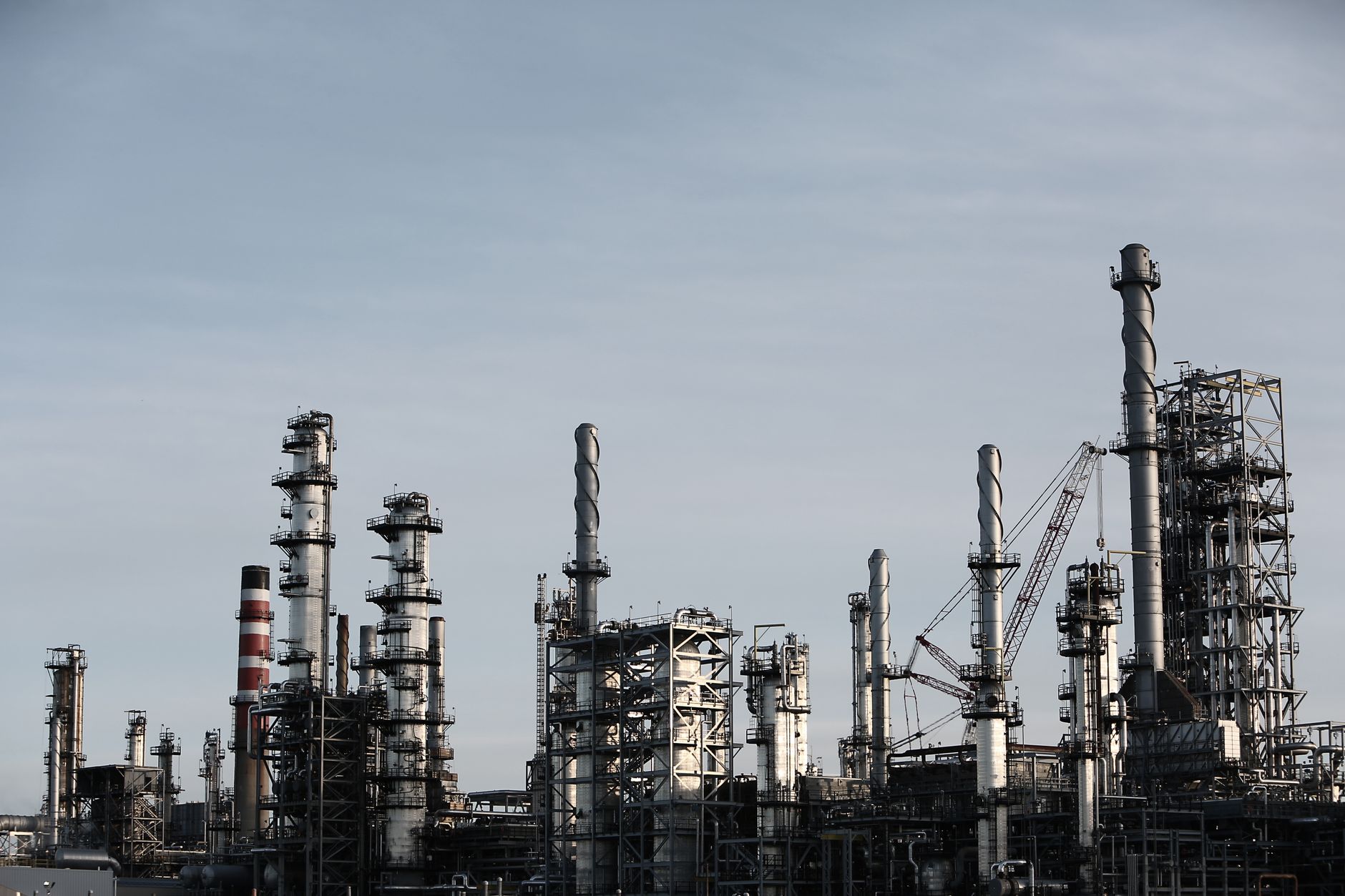
Founder Notes — Lotus Investment Group
Binh Son Refining BSR: Corporate Profile & Outlook 2030
Lọc hóa dầu Bình Sơn (BSR): hồ sơ doanh nghiệp và triển vọng chiến lược tới 2030
Công ty Cổ phần Lọc hóa dầu Bình Sơn (BSR) vận hành Nhà máy Lọc dầu Dung Quất — nhà máy lọc dầu đầu tiên và duy nhất đang hoạt động của Việt Nam — và nhờ đó là đơn vị lọc dầu lớn nhất nước. Là doanh nghiệp nhà nước chiến lược thuộc PetroVietnam, BSR đứng ở tâm điểm của an ninh năng lượng, năng lực tự chủ hóa dầu và phát triển công nghiệp quốc gia. Hồ sơ này trình bày cơ cấu, nền tài sản, kết quả tài chính, động lực chiến lược và triển vọng đầu tư của công ty tới năm 2030.
Tổng quan doanh nghiệp
Thành lập năm 2008 và chuyển thành công ty cổ phần năm 2018, BSR là công ty con của Tập đoàn Dầu khí Việt Nam (PetroVietnam). Nhà nước nắm cổ phần chi phối khoảng 92%; phần còn lại thuộc các nhà đầu tư đại chúng sau khi BSR phát hành cổ phiếu lần đầu (IPO) trên sàn UPCoM với mã BSR.
Nhiệm vụ cốt lõi của công ty là vận hành, bảo dưỡng và nâng cấp Nhà máy Lọc dầu Dung Quất, chế biến dầu thô thành nhiên liệu, khí dầu mỏ hóa lỏng (LPG) và nguyên liệu hóa dầu phục vụ tiêu dùng trong nước. Theo thời gian, BSR mở rộng phạm vi kỹ thuật sang nghiên cứu phát triển (R&D), tái sinh xúc tác và tối ưu công đoạn lọc. Là đơn vị tích hợp theo chiều dọc, công ty kiểm soát từ nguồn nguyên liệu, kỹ thuật quá trình, phối trộn sản phẩm đến tiếp thị tại miền Trung và miền Nam Việt Nam.
Vị trí địa lý và nền tài sản
Trụ sở và cơ sở vận hành chính của BSR nằm trong Khu kinh tế Dung Quất, tỉnh Quảng Ngãi. Vị trí ven biển miền Trung cho phép tiếp nhận dầu thô qua cảng nước sâu và giữ nhà máy gần vùng tiêu thụ đang lớn dần ở dải trung — nam.
Nhà máy Lọc dầu Dung Quất đi vào vận hành thương mại năm 2009 với công suất thiết kế 6,5 triệu tấn mỗi năm. Quá trình nâng cấp liên tục đã đẩy sản lượng thực tế lên trên 7,0 triệu tấn một năm. Nhà máy gồm 92 phân xưởng thuộc 21 cụm công nghệ, cùng hệ thống bồn chứa, tiện ích, tổ hợp cảng và trung tâm xử lý nước thải công nghiệp.
Mạng lưới phân phối của BSR phủ cả nước qua hợp tác với PV Oil, Petrolimex và các đầu mối tư nhân. Công ty vẫn là đơn vị một tài sản, nhưng đã nghiên cứu phương án mở rộng tại tổ hợp Hóa dầu Long Sơn và qua các liên doanh quốc tế.
Bối cảnh thị trường và ngành
Nhu cầu sản phẩm xăng dầu trong nước tăng đều, vượt 20 triệu tấn năm 2024 và dự báo vượt 30 triệu tấn vào năm 2030. Công nghiệp hóa nhanh, xe cơ giới tăng và tiêu thụ hóa dầu lớn dần là những lực kéo đường cong ấy. Khi chưa có nhà máy lọc dầu lớn nào khác trong nước vận hành thương mại đầy đủ cho tới lúc Nghi Sơn ổn định, BSR giữ vị thế thị trường then chốt.
Trên toàn ASEAN, biên lọc dầu đã thu hẹp vì giá dầu thô biến động, quy định lưu huỳnh IMO 2020 và cạnh tranh gay gắt hơn từ các nhà máy Trung Quốc và Trung Đông. BSR né được phần lớn áp lực đó nhờ hậu cần nội địa, lợi thế mua sắm của khối nhà nước và sự bảo hộ chính sách. Công ty cũng vận hành theo cơ chế chi phí cộng lãi (cost-plus) trong khung bình ổn giá của Việt Nam, vốn làm dịu các cú dao động biên lợi nhuận.
BSR đang dồn mạnh hơn vào sản phẩm giá trị gia tăng như polypropylene, hydrocarbon thơm (aromatics) và lưu huỳnh. Hoạt động R&D nhắm tới nhiên liệu sinh học, lọc dầu phát thải thấp và chế biến linh hoạt các loại dầu ngọt — chua. Hướng đi này khớp với lộ trình chuyển dịch năng lượng của Việt Nam, vốn đặt mục tiêu trung hòa carbon vào năm 2050 và nâng cấp năng lực lọc dầu trong nước tới năm 2035.
Kết quả tài chính
Năm 2024, BSR ghi nhận doanh thu hợp nhất 156,7 nghìn tỷ đồng (~6,4 tỷ USD), phục hồi sau đợt giá dầu thô thế giới hạ nhiệt năm 2023. Xăng và dầu diesel chiếm gần 80%; hóa dầu, LPG và sản phẩm phụ chiếm phần còn lại. Doanh số xuất khẩu sang Lào và Campuchia tăng 18% so với năm trước, góp phần đa dạng hóa cơ cấu sản phẩm.
Bất chấp áp lực giá, BSR đạt lợi nhuận trước thuế 9,2 nghìn tỷ đồng và giữ biên lợi nhuận gộp quanh mức 7,3%. Chênh lệch giá chế biến (crack spread) thuận lợi, kiểm soát chi phí nội bộ và hiệu suất sản lượng cải thiện đã đỡ kết quả này. Biên EBITDA thấp hơn các doanh nghiệp thuần thượng nguồn hay hạ nguồn, nhưng quy mô vận hành và cơ chế giá gắn với nhà nước giữ lợi nhuận ổn định. Chi phí mỗi thùng cũng giảm nhờ tỷ lệ sản phẩm nhẹ cao hơn và thời gian dừng máy bảo dưỡng ngắn lại.
Bảng cân đối vẫn vững, tổng tài sản trên 35 nghìn tỷ đồng và cơ cấu nợ thận trọng. Nợ dài hạn dưới 7 nghìn tỷ đồng, chủ yếu gắn với dự án. Dòng tiền hoạt động năm 2024 vượt 12 nghìn tỷ đồng, đủ sức tài trợ các hạng mục nâng cấp Giai đoạn II đã hoạch định. Cổ tức được nối lại sau giai đoạn tạm ngừng vì đại dịch, dù lợi nhuận giữ lại vẫn được ưu tiên cho đầu tư tài sản.
Chỉ tiêu vận hành và năng lực sản xuất
Nhà máy Lọc dầu Dung Quất chế biến 7,03 triệu tấn dầu thô trong năm 2024, công suất huy động trên 107%. Rổ sản phẩm trải từ xăng và dầu diesel đạt chuẩn Euro 5 đến LPG, naphtha, dầu nhiên liệu (FO) và lưu huỳnh. Tối ưu hiệu suất đã nâng tỷ lệ sản phẩm nhẹ lên 75,2%, phản ánh mức chuyển hóa giá trị cao hơn.
BSR vận hành 15 bồn chứa dầu thô với dung tích trên 1 triệu mét khối và duy trì các bến xuất nhập có thể tiếp nhận tàu trọng tải 150.000 DWT. Hệ thống phòng thí nghiệm nội bộ đạt chuẩn kiểm nghiệm ASTM và ISO. Lực lượng lao động vượt 1.500 người, hơn 70% có bằng kỹ thuật hoặc kỹ sư. Công ty con BSR-Lab cung cấp dịch vụ kiểm nghiệm độc lập và tái chế xúc tác cho các đơn vị khác thuộc PetroVietnam.
Vị thế chiến lược và động lực tăng trưởng
Sức mạnh của BSR nằm ở nền tài sản tích hợp, vai trò năng lượng quốc gia và khả năng thích ứng vận hành. Là nhà máy lọc dầu quy mô lớn duy nhất đang hoạt động của Việt Nam, công ty hưởng sự bảo hộ pháp lý, nguồn dầu thô an toàn qua PetroVietnam và các nhiệm vụ phân phối do nhà nước giao. BSR cũng dẫn đầu R&D lọc dầu trong nước, thử nghiệm đồng xử lý nguyên liệu tái tạo.
Hai sáng kiến cốt lõi sẽ dẫn dắt tăng trưởng. Một, dự án nâng cấp Giai đoạn II của Dung Quất trị giá 1,8 tỷ USD, nâng công suất lên 8,5 triệu tấn mỗi năm, bổ sung công nghệ hydrocracking và cho phép sản xuất nhiên liệu lưu huỳnh siêu thấp. Hai, bước vào các phân khúc hóa dầu biên cao hơn — polypropylene, LAB và hydrocarbon thơm — thông qua hợp tác hoặc đặt nhà máy chung tại Long Sơn hoặc Vũng Rô.
Song song, BSR đặt mục tiêu cắt 20% phát thải khí nhà kính vào năm 2030 nhờ thu hồi khí đuốc, chuyển đổi nhiên liệu và nâng cấp hiệu quả năng lượng. Chuyển đổi số cũng tiếp diễn: tự động hóa quy trình, phân tích dữ liệu thời gian thực và mô hình hóa bản sao số (digital twin).
Rủi ro và biện pháp ứng phó
Rủi ro chính là giá dầu thô biến động, tiêu chuẩn môi trường toàn cầu siết chặt và cạnh tranh từ các siêu nhà máy lọc dầu trong khu vực. Việc dựa vào một tài sản duy nhất thêm rủi ro tập trung vận hành, và cơ chế giá có quản lý có thể bóp biên lợi nhuận trong những cú sốc dầu hay điều chỉnh tài khóa.
BSR xử lý các rủi ro này bằng nguyên liệu linh hoạt, phòng ngừa rủi ro chuỗi cung ứng và hợp đồng bao tiêu dài hạn. Bảo dưỡng theo chu kỳ dừng máy lớn năm năm một lần, kết hợp chẩn đoán dự báo. Dự trữ chiến lược cùng hợp đồng nguồn dầu thô với PVEP và đối tác bên ngoài giúp giảm các cú sốc nguồn cung. Công ty cũng kiến nghị làm rõ khung pháp lý về mua bán phát thải và thuế xanh để bảo vệ năng lực cạnh tranh dài hạn.
Định giá và cân nhắc thương vụ
BSR giao dịch trên sàn UPCoM với mã BSR, vốn hóa thị trường khoảng 65 nghìn tỷ đồng (~2,6 tỷ USD) tính tới giữa năm 2025. Sở hữu nhà nước khiến lượng cổ phiếu tự do chuyển nhượng còn mỏng. Công ty đang cân nhắc chuyển sang sàn HOSE và để PetroVietnam thoái thêm vốn — cả hai đều có thể cải thiện thanh khoản và độ hiện diện với nhà đầu tư tổ chức.
Nhà đầu tư tư nhân có thể tham gia BSR qua các thỏa thuận cung ứng sản phẩm có cấu trúc, liên doanh hóa dầu hoặc cấp phép công nghệ lọc dầu xanh. Các quỹ hạ tầng có thể xem xét tiếp cận qua tài trợ hợp vốn cho dự án nâng cấp Giai đoạn II, vốn đã thu hút sự quan tâm của JICA và các ngân hàng trong nước. Mối liên kết với khối nhà nước, lợi nhuận ổn định và vai trò hạ tầng chiến lược giữ BSR hấp dẫn với những nhà phân bổ vốn dài hạn, dù lượng cổ phiếu tự do còn hạn chế.
Tầm nhìn 2025–2030
Tới năm 2030, BSR đặt mục tiêu nâng công suất lên 8,5 triệu tấn, sẵn sàng nhiên liệu chuẩn Euro 6 và bước vào chuỗi hóa dầu vượt khỏi naphtha. Công ty cũng dự kiến số hóa 25% các quy trình lõi, cắt 20% phát thải và tăng độ linh hoạt nguồn dầu thô qua thử nghiệm các loại dầu Tây Phi và Trung Đông.
Ban điều hành đang tìm hiểu khả năng xuất khẩu trong khu vực sang Indonesia và Philippines, nơi vẫn còn khoảng trống năng lực lọc dầu nội địa. Về dài hạn, BSR có thể là đơn vị trụ cột cho tổ hợp lọc — hóa dầu phía Nam mà PetroVietnam đề xuất. Khả năng gộp lọc dầu, chuyển dịch năng lượng và ưu tiên chính sách công nghiệp vào một nhiệm vụ vận hành duy nhất sẽ định hình vai trò của công ty trong giai đoạn năng lượng tiếp theo của Việt Nam.
Kết luận
BSR không chỉ là một nhà máy lọc dầu. Nó là xương sống năng lượng của Việt Nam, đỡ an ninh nhiên liệu, tăng trưởng công nghiệp hạ nguồn và các mục tiêu chuyển dịch xanh. Sức bền, lộ trình hiện đại hóa và vai trò nhà nước gắn chặt trong cơ cấu cho công ty một độ ổn định hiếm có trong ngành đầy biến động. Với nhà đầu tư theo các chủ đề hạ tầng chủ quyền, chuyển dịch năng lượng và an ninh khu vực, BSR mở ra mức tiếp cận chiến lược qua cả cổ phiếu niêm yết lẫn các quan hệ đối tác tư nhân có cấu trúc.
Khi Việt Nam đào sâu chương trình tự chủ năng lượng và nâng cấp công nghiệp, BSR vẫn là một nhân tố trung tâm có sức nặng quốc gia và tầm tác động liên ngành. Định giá hôm nay có thể chưa phản ánh hết các quyền chọn tiềm năng, nhưng luận điểm đầu tư dài hạn vẫn vững về mặt cấu trúc.
Lotus Investment Group tư vấn M&A xuyên biên giới và FDI vào Việt Nam và Đông Nam Á. Nếu quý vị đang thẩm định một vị thế tại Việt Nam, liên hệ với chúng tôi.
Binh Son Refining and Petrochemical Joint Stock Company (BSR) runs Dung Quat, Vietnam’s first and only operating refinery, which makes it the country’s largest oil refiner. As a strategic state-owned enterprise under PetroVietnam, BSR sits at the centre of national energy security, petrochemical self-sufficiency and industrial development. This profile lays out the company’s structure, asset base, financial performance, strategic drivers and investment outlook through 2030.
Company Overview
Established in 2008 and converted into a joint stock company in 2018, BSR operates as a subsidiary of Vietnam Oil and Gas Group (PetroVietnam). The state holds a controlling stake of roughly 92%; the rest sits with public investors following the IPO on UPCoM under ticker BSR.
Its core mandate is to operate, maintain and upgrade the Dung Quat Oil Refinery, turning crude into fuel, LPG and petrochemical feedstocks for domestic consumption. Over time BSR has widened its technical scope into R&D, catalyst regeneration and refining optimisation. As a vertically integrated operator it controls feedstock sourcing, process engineering, product blending and marketing across central and southern Vietnam.
Geographic Footprint and Asset Base
BSR’s headquarters and main operating site sit in the Dung Quat Economic Zone, Quang Ngai Province. The location along Vietnam’s central coast gives deepwater access for crude imports and keeps the refinery close to the growing central-southern demand belt.
The Dung Quat Refinery began commercial operations in 2009 with a design capacity of 6.5 million tons per year. Continuous upgrading has lifted actual throughput above 7.0 million tons a year. The facility comprises 92 units across 21 technological clusters, plus integrated storage, utilities, a port complex and an industrial wastewater treatment centre.
BSR’s distribution reaches nationwide through partnerships with PV Oil, Petrolimex and private distributors. It remains a single-asset operator, but it has studied expansion options at the Long Son Petrochemical complex and through international joint ventures.
Market and Sector Context
Vietnam’s domestic demand for petroleum products has climbed steadily, topping 20 million tons in 2024 and projected to exceed 30 million tons by 2030. Rapid industrialisation, rising motorisation and growing petrochemical use drive that curve. With no other major domestic refinery in full commercial operation until Nghi Son stabilises, BSR holds a critical market position.
Across ASEAN, refinery margins have tightened on volatile crude prices, the IMO 2020 sulfur rules and stiffer competition from Chinese and Middle Eastern refiners. BSR works around much of that pressure: localised logistics, state procurement advantages and policy protection. It also operates on a cost-plus basis under Vietnam’s price stabilisation framework, which cushions margin swings.
The company is leaning harder into value-added outputs such as polypropylene, aromatics and sulfur products. Its R&D targets biofuels, low-emission refining and flexible processing of sweet and sour crude blends. That direction tracks Vietnam’s energy transition roadmap, which envisions carbon neutrality by 2050 and domestic refining upgrades by 2035.
Financial Performance
In 2024 BSR posted consolidated revenue of VND 156.7 trillion (~USD 6.4 billion), recovering from the global crude price softness of 2023. Gasoline and diesel made up nearly 80%, with petrochemicals, LPG and byproducts filling the rest. Export sales to Laos and Cambodia grew 18% year-on-year, helping diversify the product mix.
Pricing headwinds notwithstanding, BSR delivered a pre-tax profit of VND 9.2 trillion and held a gross margin near 7.3%. Favourable crack spreads, internal cost controls and better throughput efficiency carried that result. EBITDA margins trail those of pure upstream or downstream peers, yet operational scale and state-aligned pricing keep earnings steady. Cost per barrel also improved on higher light-product yields and reduced maintenance downtime.
The balance sheet stays strong, with total assets above VND 35 trillion and a conservative debt profile. Long-term liabilities remain under VND 7 trillion, mostly project-linked. Operating cash flow in 2024 exceeded VND 12 trillion, funding the planned Phase II upgrades. Dividends have resumed after pandemic-era suspensions, though retained earnings are prioritised for capex.
Operational Metrics and Capacity Profile
The Dung Quat Refinery processed 7.03 million tons of crude in 2024 at a utilisation rate above 107%. Its product slate ran from Euro 5-grade gasoline and diesel to LPG, naphtha, fuel oil and sulfur. Yield optimisation pushed the light-product ratio to 75.2%, a shift toward higher-value conversion.
BSR runs 15 crude storage tanks with capacity above 1 million cubic metres and maintains import-export terminals able to handle 150,000 DWT vessels. Internal labs meet ASTM and ISO testing standards. The workforce tops 1,500, with over 70% holding engineering or technical degrees. Its BSR-Lab subsidiary provides third-party testing and catalyst recycling for other PetroVietnam units.
Strategic Position and Growth Drivers
BSR’s strength rests on an integrated asset base, a national energy role and operational adaptability. As Vietnam’s only large-scale operational refinery, it gains regulatory protection, secure crude access via PetroVietnam and state-driven distribution mandates. It also leads domestic refining R&D, piloting co-processing of renewable feedstocks.
Two core initiatives will drive growth. First, the USD 1.8 billion Phase II upgrade of Dung Quat, which lifts capacity to 8.5 million tons per year, adds hydrocracking and enables ultra-low sulfur fuel. Second, a push into higher-margin petrochemical segments — polypropylene, LAB and aromatics — through partnerships or co-location at Long Son or Vung Ro.
In parallel, BSR is targeting a 20% cut in greenhouse-gas emissions by 2030 through flare gas recovery, fuel switching and energy efficiency upgrades. Digital transformation continues as well: process automation, real-time data analytics and digital twin modelling.
Risks and Mitigation
The main risks are crude price volatility, tightening global environmental standards and competition from regional mega-refineries. Reliance on a single asset adds operational concentration risk, and regulatory pricing schemes can compress margins during oil shocks or fiscal adjustments.
BSR manages these through feedstock flexibility, supply chain hedging and long-term offtake agreements. Its maintenance follows a five-year major shutdown cycle paired with predictive diagnostics. Strategic reserves and crude sourcing contracts with PVEP and external partners blunt supply shocks. The company is also pressing for regulatory clarity on emission trading and green tax frameworks to protect long-term competitiveness.
Valuation and Deal Considerations
BSR trades on UPCoM under ticker BSR, with a market capitalisation of roughly VND 65 trillion (~USD 2.6 billion) as of mid-2025. State ownership keeps the float thin. The company is weighing a move to the HOSE exchange and further divestment by PetroVietnam, either of which could improve liquidity and institutional visibility.
Private investors can engage BSR through structured product supply deals, joint petrochemical ventures or green refining technology licensing. Infrastructure funds may look at exposure via syndicated financing for the Phase II upgrade, which has already drawn JICA and local-bank interest. Sovereign linkages, stable earnings and a strategic infrastructure role keep BSR attractive to long-term capital allocators despite the limited free float.
Forward View (2025–2030)
By 2030 BSR aims to expand capacity to 8.5 million tons, reach Euro 6 fuel readiness and move into the petrochemical chain beyond naphtha. It also plans 25% digitalisation of core processes, a 20% emissions cut and greater crude flexibility through West African and Middle Eastern blend trials.
Management is exploring regional exports to Indonesia and the Philippines, where domestic refining gaps persist. Longer term, BSR could anchor PetroVietnam’s proposed southern refining-petrochemical hub. Its capacity to fold refining, energy transition and industrial policy into one operating mandate will define its role in Vietnam’s next energy phase.
Conclusion
BSR is more than a refinery. It is Vietnam’s energy backbone, supporting fuel security, downstream industrial growth and green transition goals. Its resilience, modernisation roadmap and embedded state role give it rare stability in a volatile sector. For investors aligned with sovereign infrastructure, energy transition and regional security, BSR offers strategic exposure through both listed equity and structured private partnerships.
As Vietnam deepens its energy self-reliance and industrial upgrade agenda, BSR stays a central actor with national weight and cross-sector reach. Valuation may not capture its full optionality today, but the long-term investment case holds together structurally.
Lotus Investment Group advises on cross-border M&A and FDI into Vietnam and Southeast Asia. If you are underwriting Vietnam exposure, get in touch.