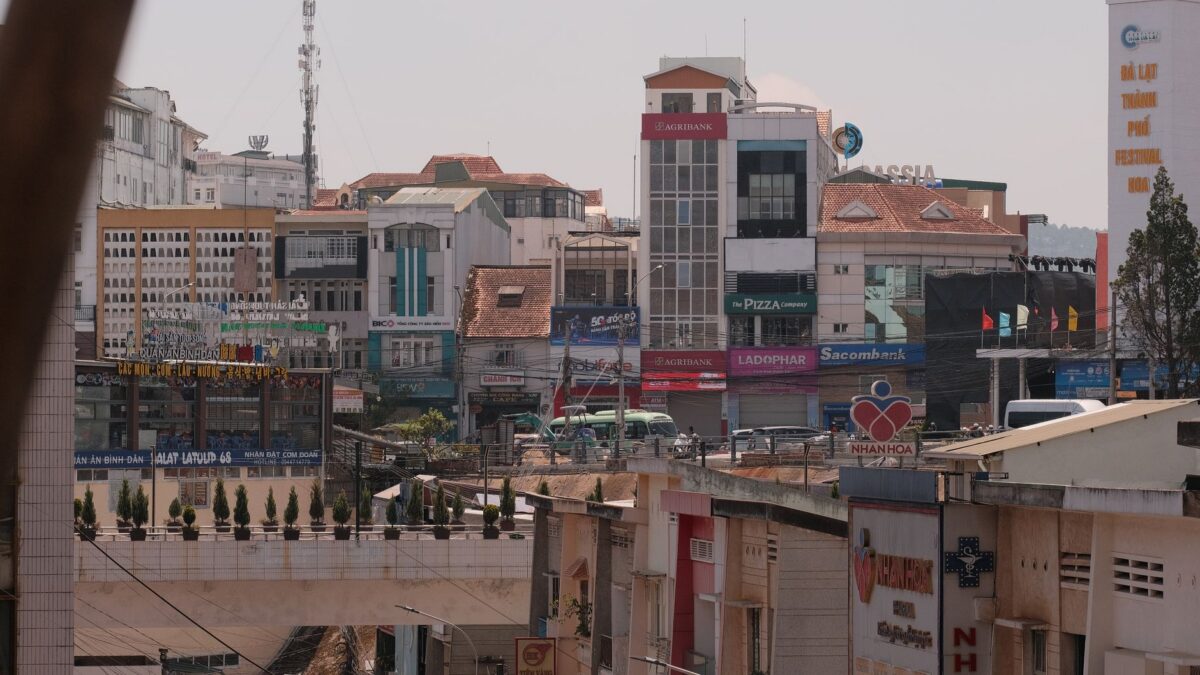


Vinh Hoan Corporate Profile: Vietnam Seafood Leader
September 19, 2025
Vietnam EPC Capabilities: Steel and Engineering Edge
September 23, 2025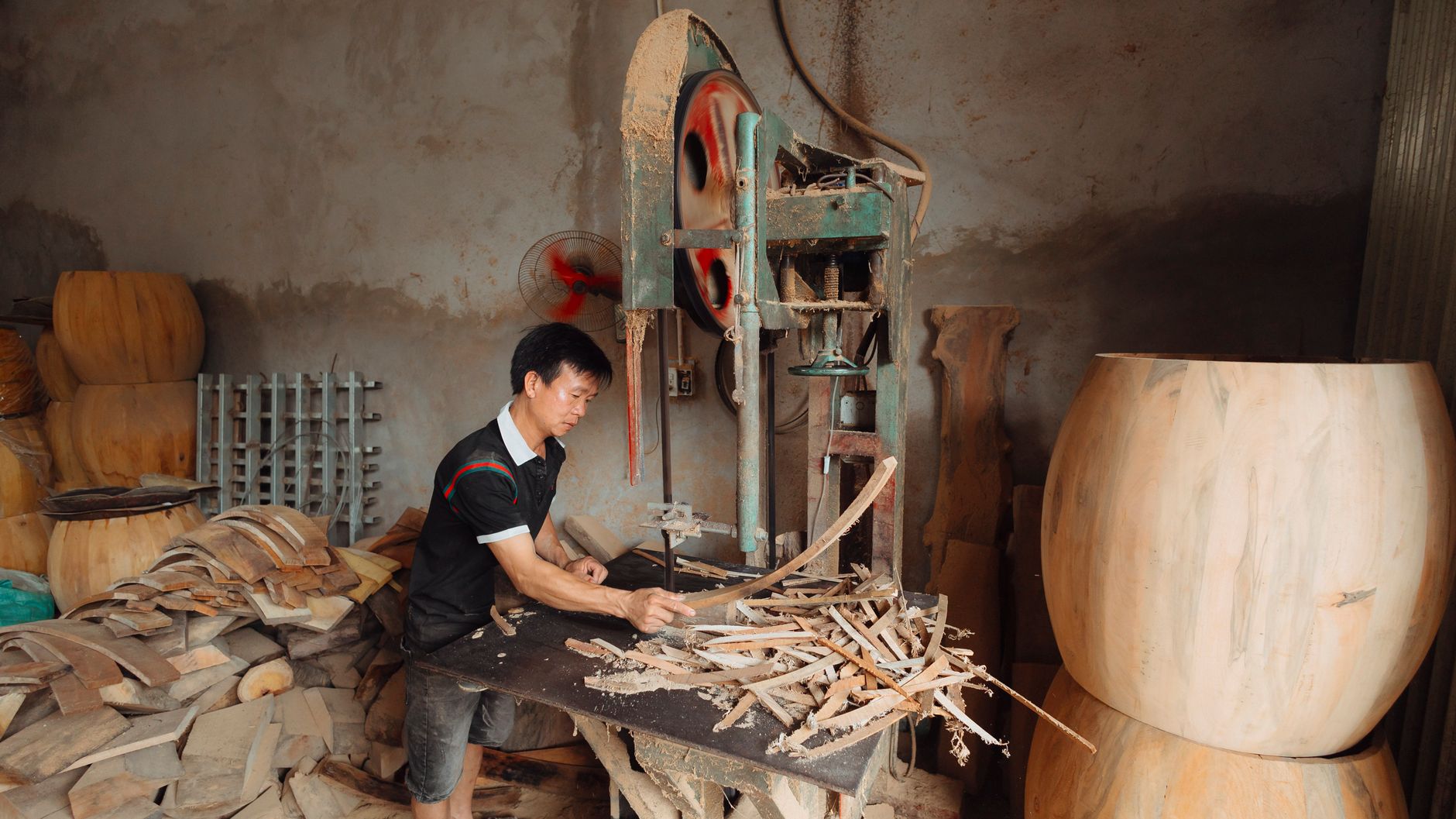
Founder Notes — Lotus Investment Group
Vietnam Furniture Industry: From Export to Global Brand
Gỗ và nội thất Việt Nam: từ cường quốc xuất khẩu đến thương hiệu toàn cầu
Ngành gỗ và nội thất đã trở thành một trong những câu chuyện xuất khẩu thành công rõ ràng nhất của Việt Nam. Đến năm 2025, nước ta đứng thứ hai thế giới về xuất khẩu gỗ, chỉ sau Trung Quốc. Hơn 6.000 doanh nghiệp và nửa triệu lao động vận hành ngành này, với kim ngạch chạm gần 17 tỷ USD năm 2024 và còn đi lên trong năm 2025. Câu hỏi để ngỏ: liệu Việt Nam có chuyển được từ nhà xuất khẩu sản lượng lớn sang vị thế dẫn dắt thương hiệu toàn cầu?
Quy mô lớn và khoảng cách giá trị bên dưới
Ít ngành nào phô được đà đi lên của công nghiệp Việt Nam rõ như gỗ và nội thất. Với 82,8% doanh nghiệp do người trong nước sở hữu, ngành sống nhờ tinh thần khởi nghiệp nội địa. Nhưng con số nổi bật ấy che một sự lệch pha. Khối có vốn đầu tư nước ngoài chỉ chiếm 13,2% số doanh nghiệp, lại tạo ra gần một nửa tổng giá trị xuất khẩu. Doanh nghiệp Việt áp đảo về số lượng nhưng thua về phần tạo giá trị — khoảng cách cấu trúc này chi phối mọi thứ còn lại.
Đến tháng 9/2025, giới lãnh đạo ngành đã lên tiếng gắt hơn. Lập luận của họ thẳng thừng: thiếu hậu thuẫn mạnh cho thương hiệu, công nghệ và định vị thị trường, doanh nghiệp nội sẽ mãi đậu ở tầng thấp của chuỗi giá trị. Quy mô là thật, nhưng riêng quy mô không mua nổi ảnh hưởng toàn cầu. Cạnh tranh ở đỉnh nghĩa là bước khỏi gia công theo hợp đồng để nắm thương hiệu và dẫn dắt thiết kế.
Thiếu hụt thương hiệu
Thương hiệu là điểm yếu cấp bách nhất của ngành. Sản phẩm gỗ Việt nằm trên kệ khắp Hoa Kỳ, châu Âu, châu Á, nhưng hiếm người mua ở nước ngoài gọi được tên một thương hiệu nội thất Việt Nam. Hàng đi qua các công ty thương mại nước ngoài hoặc bán dưới nhãn quốc tế. Kết cục là hàng Việt chịu chiết khấu đều đặn, ngay cả khi chất lượng ngang ngửa đối thủ.
Tại Diễn đàn Kinh tế tư nhân Việt Nam 2025, các lãnh đạo doanh nghiệp đề nghị dựng một thương hiệu quốc gia cho gỗ và nội thất. Danh mục mong muốn của họ trải từ xúc tiến thương mại đồng bộ, hiện diện đều đặn ở các hội chợ toàn cầu, đến những chiến dịch truyền thông định vị Việt Nam như một nhà cung ứng đáng tin. Thiếu nỗ lực chung đó, nhà xuất khẩu vẫn vô hình ở những phân khúc giá trị cao của thị trường.
Cũng đã có mầm xanh. Vài doanh nghiệp nội bắt đầu gây dựng tên tuổi ở các thị trường ngách như nội thất thân thiện môi trường và thiết kế nội thất theo yêu cầu. Đây vẫn là ngoại lệ chứ chưa thành thông lệ. Muốn ngành xoay chuyển, thương hiệu phải lớn lên từ việc làm riêng của vài người tiên phong thành chiến lược quốc gia chung tay.
Khoảng trống công nghệ và đổi mới
Công nghệ là rào kế tiếp. Nhiều doanh nghiệp Việt vẫn chạy máy móc lỗi thời và dựa vào lao động giá rẻ. Mô hình ấy trụ được ở sản xuất sản lượng lớn, nhưng nó kìm năng suất và đổi mới. Khối đầu tư nước ngoài thường triển khai công nghệ tiên tiến, nhờ đó đạt chuẩn ngặt hơn và tùy biến sản xuất cho những thị trường khó tính.
Lấp khoảng cách này đòi đầu tư bền bỉ. Giới lãnh đạo ngành đã thúc chính phủ ưu đãi thuế cho nâng cấp công nghệ và mở tín dụng dễ hơn cho doanh nghiệp nhỏ và vừa. Họ cũng muốn các chương trình đào tạo dựng nên đội ngũ biết vận hành thiết bị hiện đại và dùng công cụ thiết kế số. Bỏ qua đầu tư, Việt Nam có nguy cơ nhường sân cho đối thủ ở Đông Âu, Mỹ Latinh và Đông Nam Á.
Thiết kế là chỗ thấm đòn nặng nhất. Nhu cầu nội thất toàn cầu đang nghiêng về sản phẩm dạng mô-đun, bền vững, tích hợp số. Doanh nghiệp Việt có tay nghề và quy mô chế tạo nhưng thường thiếu năng lực thiết kế — thứ đem lại biên lợi nhuận cao. Dựng trung tâm đổi mới, nối đại học với doanh nghiệp, hút nhân tài thiết kế quốc tế đều đang được bàn khi ngành cố leo lên bậc cao của chuỗi giá trị.
Rào cản chính sách và thủ tục
Tại diễn đàn 2025, các lãnh đạo doanh nghiệp còn chỉ ra những vướng mắc chính sách bào mòn sức cạnh tranh. Thủ tục thẩm duyệt phòng cháy rối rắm, hoàn thuế giá trị gia tăng chậm, quy định giữa các tỉnh thiếu nhất quán — tất cả đội thêm chi phí và thời gian. Với nhà xuất khẩu, những trở ngại thủ tục này ăn vào biên lợi nhuận và làm chậm khả năng đáp ứng khách quốc tế.
Các đề xuất tháo gỡ khá thực tế: đơn giản hóa quy định phòng cháy, rút ngắn thời gian hoàn thuế, và tạo môi trường pháp lý dễ lường hơn giữa các tỉnh. Các hiệp hội ngành lập luận rằng những cải cách này vừa đỡ nhà xuất khẩu, vừa tăng minh bạch và cắt chi phí phi chính thức. Thông điệp gửi nhà hoạch định chính sách rất rõ — hiệu quả thủ tục quan trọng ngang ưu đãi tài khóa đối với tham vọng vươn ra toàn cầu của ngành.
Một số thí điểm đã chạy. Bình Dương và Đồng Nai, nơi tập trung nhiều nhà sản xuất nội thất, đã thử cơ chế phê duyệt nhanh, và phản hồi ban đầu từ doanh nghiệp là tích cực. Khó nằm ở khâu nhân rộng ra cả nước. Phép thử thật sự là Việt Nam có biến những thắng lợi cục bộ thành nếp làm chung của cả nước hay không.
Cạnh tranh toàn cầu và lý do phải khác biệt
Thị trường gỗ và nội thất thế giới rất chật. Lợi thế chi phí của Việt Nam đang mỏng dần khi lương tăng và chi phí tuân thủ môi trường đắt lên. Cùng lúc, Indonesia và Malaysia, rồi cả Ba Lan, đẩy mạnh xuất khẩu nội thất của chính họ. Muốn tăng trưởng tiếp, Việt Nam phải khác biệt bằng chất lượng, thương hiệu và tính bền vững, thay vì đua giá.
Bền vững đã thành yêu cầu bắt buộc. Người mua ở châu Âu và Bắc Mỹ ngày càng đòi sản phẩm có chứng nhận FSC và bằng chứng nguồn gốc bền vững. Doanh nghiệp không đáp ứng được sẽ mất cửa vào các thị trường giá trị cao này, còn ai chịu đầu tư chứng nhận và thực hành bền vững thì chốt được giá cao và hợp đồng dài hơn.
Vài doanh nghiệp nội đã thích nghi, ra dòng sản phẩm xanh và giành chứng nhận quốc tế. Phần lớn doanh nghiệp nhỏ và vừa vẫn vướng rào cản — chi phí chứng nhận và hiểu biết mỏng về chuẩn quốc tế. Đây đúng là chỗ mà hỗ trợ ngành đồng bộ, có thể kèm trợ cấp của nhà nước, sẽ tạo chuyển biến.
Hàm ý chiến lược cho nhà đầu tư
Với nhà đầu tư M&A, ngành này cho cả cơ hội lẫn rủi ro, cân nhau. Cơ hội nằm ở quy mô, đà tăng xuất khẩu và quỹ đạo nhu cầu rõ ràng. Khi tiêu thụ nội thất toàn cầu được dự báo tăng đều, nền tảng sẵn có của Việt Nam là bệ phóng vững. Rủi ro vẫn là những thứ ngành liên tục nhắc: thiếu hụt thương hiệu, khoảng trống công nghệ và sự kém hiệu quả về chính sách.
Nhà đầu tư chiến lược nên xem đây là cuộc chơi chuyển hóa, chứ không chỉ một trung tâm gia công. Mua lại hoặc bắt tay với doanh nghiệp Việt là cơ hội đẩy nhanh hành trình leo lên chuỗi giá trị. Nhà đầu tư góp giá trị bằng cách đem vào năng lực thiết kế, bí quyết xây thương hiệu toàn cầu và công nghệ — giúp doanh nghiệp nội giành biên lợi nhuận cao hơn trong khi bảo đảm lợi suất dài hạn cho chính mình.
Sáp nhập là góc còn lại đáng để ý. Với hơn 6.000 doanh nghiệp, phần lớn nhỏ và phân mảnh, có dư địa dựng những nhà vô địch quốc gia qua chiến lược thâu gom. Nhà đầu tư đủ kiên nhẫn để thực thi sáp nhập và đủ chuyên môn để chuyên nghiệp hóa vận hành có thể tạo ra những nền tảng cạnh tranh ở tầm khu vực và toàn cầu.
Kết luận
Ngành gỗ và nội thất Việt Nam đã chạm điểm bước ngoặt. Chuyện có nở được về quy mô hay không đã ngã ngũ — nó đã nở rồi. Câu hỏi còn nóng là liệu nó chuyển được từ quy mô sang thương hiệu, từ sản xuất giá rẻ sang ảnh hưởng toàn cầu hay không. Tiến triển trong năm 2025 đáng khích lệ: các sáng kiến thương hiệu mạnh hơn, cải cách chính sách bước đầu, ý thức về bền vững dâng lên. Phần việc còn lại nằm ở công nghệ, thủ tục và định vị toàn cầu.
Với nhà đầu tư, bài học đã rõ. Đây không phải câu chuyện đã khép mà là một cuộc chuyển hóa đang diễn ra. Ai vào cuộc lúc này, đem theo vốn, chuyên môn và đường tiếp cận thị trường toàn cầu, có thể góp phần định hình bước chuyển của Việt Nam từ nhà xuất khẩu thành người dẫn dắt thương hiệu. Cơ hội thì lớn, và phần việc giữ cho ngành cạnh tranh được về dài hạn cũng lớn không kém. Những năm tới sẽ định đoạt ngành này còn là một cường quốc lặng lẽ hay vươn lên thành một thế lực hữu hình, có thương hiệu trên thị trường thế giới.
Lotus Investment Group tư vấn M&A xuyên biên giới và FDI vào Việt Nam và Đông Nam Á. Nếu quý vị đang thẩm định một vị thế tại Việt Nam, liên hệ với chúng tôi.
Vietnam’s wood and furniture industry has become one of the country’s clearest export success stories. By 2025 it ranked as the world’s second-largest wood exporter, behind only China. More than 6,000 enterprises and half a million workers drive the sector, with exports reaching nearly US$17 billion in 2024 and climbing further in 2025. The open question is whether Vietnam can move from high-volume exporter to global brand leader.
Scale, and the value gap beneath it
Few sectors show off Vietnam’s industrial rise as plainly as wood and furniture. With 82.8 percent of enterprises locally owned, the industry runs on domestic entrepreneurship. But the headline number hides an imbalance. Foreign-invested firms make up just 13.2 percent of the sector, yet they generate nearly half of total export value. Vietnamese companies dominate in count and trail in value creation — a structural gap that shapes everything else.
By September 2025, industry leaders had grown vocal about it. Their argument is blunt: without stronger backing for branding and the technology and market positioning behind it, local firms stay parked in the lower tiers of the value chain. Scale is real, but scale alone doesn’t buy global influence. Competing at the top means moving past contract manufacturing into brand ownership and design leadership.
The branding deficit
Branding is the sector’s most pressing weakness. Vietnamese wood products sit on shelves across the United States, Europe and the rest of Asia, yet few buyers abroad could name a single Vietnamese furniture brand. Exports get routed through foreign trading houses or sold under international labels. The result is a steady discount on Vietnamese output, even when the product matches its rivals on quality.
At the Vietnam Private Sector Forum in 2025, executives called for a national brand for wood and furniture. Their wish list runs to coordinated trade promotion, a steady presence at global fairs, and public campaigns that position Vietnam as a credible supplier. Without that joined-up effort, they warn, exporters stay invisible in the higher-value segments of the market.
There are green shoots. Several domestic companies have started building recognition in niches like eco-friendly furniture and custom interiors. These remain the exception, not the rule. For the industry to turn the corner, branding has to grow from the project of a few pioneers into a shared national strategy.
Technology and innovation gaps
Technology is the next constraint. Many Vietnamese firms still run outdated machinery and lean on low-cost labour. That model has held up in volume production, but it caps productivity and innovation. Foreign-invested firms tend to deploy advanced technology that lets them meet stricter standards and tailor production for demanding markets.
Closing the gap takes sustained investment. Industry leaders have pressed the government for tax incentives on technology upgrades and easier credit for small and medium-sized enterprises. They also want training programmes that build a workforce capable of running advanced equipment and using digital design tools. Skip the investment, and Vietnam risks ceding ground to rivals in Eastern Europe, Latin America, and Southeast Asia.
Design is where it bites hardest. Global furniture demand is shifting toward modular, sustainable, digitally integrated products. Vietnamese firms have the craftsmanship and the production scale but often lack the design capability that earns higher margins. Building innovation hubs, linking universities to industry, and drawing in international design talent are all on the table as the sector tries to climb the value ladder.
Policy and procedural barriers
Executives at the 2025 forum also flagged policy frictions that drag on competitiveness. Tangled fire-safety approvals, slow VAT refunds, and inconsistent provincial rules all pile on cost and delay. For exporters, these procedural hurdles eat into margins and slow their response to international buyers.
The proposed fixes are practical: simpler fire-safety rules, faster VAT refunds, and a more predictable regulatory regime across provinces. Industry groups argue these reforms would help exporters while improving transparency and cutting informal costs. The message to policymakers is plain — procedural efficiency matters as much as fiscal incentives to the sector’s global ambitions.
Some pilots are already running. Binh Duong and Dong Nai, home to many furniture makers, have tested fast-track approval systems, and early feedback from firms is positive. Scaling them nationwide is the hard part. The real test is whether Vietnam can turn local wins into national practice.
Global competition and the case for differentiation
The global wood and furniture market is crowded. Vietnam’s cost edge has been thinning as wages rise and environmental compliance gets pricier. Indonesia, Malaysia and Poland are pushing their own furniture exports at the same time. To keep growing, Vietnam has to differentiate on quality and branding and on sustainability, not on price.
Sustainability has turned into a hard requirement. Buyers in Europe and North America increasingly demand FSC-certified products and proof of sustainable sourcing. Firms that can’t comply lose access to these high-value markets, while those that invest in certification and sustainable practice can lock in premium pricing and longer contracts.
Several domestic firms have already adapted, launching green product lines and earning international certifications. Most small and medium firms still face barriers — the cost of certification and thin knowledge of international standards. This is exactly where coordinated industry support, perhaps with government subsidies, could move the needle.
Strategic takeaways for investors
For M&A investors, the sector offers opportunity and risk in equal measure. The opportunity sits in scale, export growth, and a clear demand trajectory. With global furniture consumption set to grow steadily, Vietnam’s established base is a strong platform. The risks are the same ones the industry keeps naming: the branding deficit, the technology gap, and policy inefficiency.
Strategic investors should treat this as a transformation play, not just a contract-manufacturing hub. Acquiring or partnering with Vietnamese firms is a chance to speed their climb up the value chain. Investors add value by bringing design capability, global branding know-how, and technology — helping local firms capture higher margins while securing their own long-term returns.
Consolidation is the other angle worth noting. With more than 6,000 enterprises, many small and fragmented, there’s room to build national champions through roll-up strategies. Investors with the patience to execute consolidation and the expertise to professionalise operations could create platforms that compete regionally and globally.
Conclusion
Vietnam’s wood and furniture industry has hit an inflection point. Whether it can scale is settled — it already has. The live question is whether it can move from scale to brand, from low-cost production to global influence. Progress in 2025 was encouraging: stronger branding initiatives, early policy reforms, rising awareness of sustainability. The work that remains is in technology and procedure, and in global positioning.
For investors, the lesson is clear. This isn’t a finished story but a transformation in motion. Those who engage now, bringing capital and expertise along with global market access, can help shape Vietnam’s shift from exporter to brand leader. The opportunity is large, and so is the work of keeping the sector competitive for the long run. The coming years will decide whether the industry stays a silent powerhouse or emerges as a visible, branded force in global markets.
Lotus Investment Group advises on cross-border M&A and FDI into Vietnam and Southeast Asia. If you are underwriting Vietnam exposure, get in touch.