
CP Vietnam Livestock Profile: Strategy to 2030
September 18, 2025
Vietnam Furniture Industry: From Export to Global Brand
September 22, 2025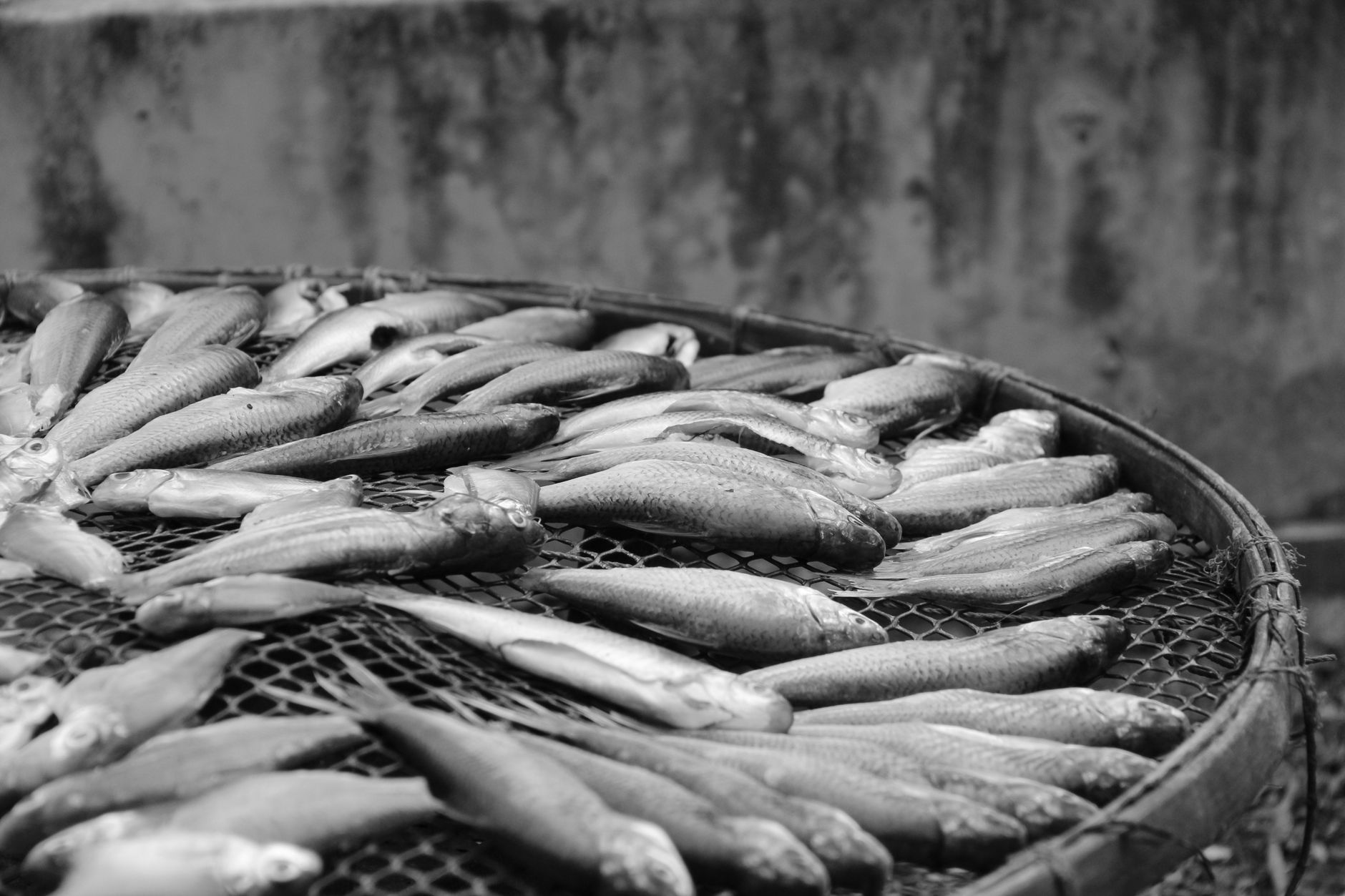
Founder Notes — Lotus Investment Group
Vinh Hoan Corporate Profile: Vietnam Seafood Leader
Vĩnh Hoàn: hồ sơ doanh nghiệp và triển vọng chiến lược tới 2030
Vĩnh Hoàn là doanh nghiệp xuất khẩu thủy sản lớn nhất Việt Nam, dựng nên từ chế biến cá tra (basa) và nuôi trồng. Đặt trụ sở tại tỉnh Đồng Tháp, công ty vận hành mô hình tích hợp trải khắp khâu giống, nuôi, chế biến, chiết xuất collagen và các dòng giá trị gia tăng. Hơn hai thập niên, Vĩnh Hoàn đã chuyển từ một nhà xuất khẩu chạy theo sản lượng thành nền tảng nông nghiệp tích hợp dọc phục vụ thị trường toàn cầu. Hồ sơ này trình bày cơ cấu, nền tài sản, bối cảnh ngành, tài chính, năng lực vận hành, rủi ro và quỹ đạo của công ty tới năm 2030.
Tổng quan doanh nghiệp
Thành lập năm 1997, Vĩnh Hoàn chuyển thành công ty cổ phần năm 2001 và niêm yết trên Sở Giao dịch Chứng khoán TP. Hồ Chí Minh năm 2007, mã VHC. Tính đến năm 2024, công ty đặt trụ sở tại Cao Lãnh, với các cơ sở vệ tinh khắp Đồng bằng sông Cửu Long và miền Nam. Chủ tịch Trương Thị Lệ Khanh vẫn là nhân vật chiến lược trung tâm, dẫn dắt hoạch định dài hạn và định hướng phát triển bền vững. Nhà đầu tư tổ chức nắm tỷ trọng đáng kể, bên cạnh nhà đầu tư cá nhân và cổ đông sáng lập.
Cơ cấu doanh nghiệp chạy qua nhiều công ty con và công ty liên kết, mỗi đơn vị giữ một mảng của chuỗi giá trị — Vĩnh Phước ở khâu nuôi, Vĩnh Hoàn Collagen, và Feed One vừa hợp nhất. Tập đoàn đạt các chứng nhận ISO, BAP, ASC và Global GAP trên toàn bộ hoạt động. Công ty cũng áp tiêu chuẩn truy xuất nguồn gốc và môi trường ở cả khâu thức ăn lẫn khâu nuôi, qua đó củng cố vị thế ESG tại các thị trường xuất khẩu chủ lực.
Dấu chân địa lý và nền tài sản
Hoạt động tập trung ở Đồng Tháp và các tỉnh lân cận thuộc Đồng bằng sông Cửu Long. Công ty quản lý hơn 600 héc-ta vùng nuôi và kiểm soát nhiều nhà máy chế biến với công suất vượt 1.000 tấn mỗi ngày. Mô hình nuôi trên đất giúp kiểm soát dịch bệnh và xử lý nước, trong khi tích hợp ngược dòng bảo đảm nguồn nguyên liệu đầu vào. Việc Feed One mở rộng bổ sung năng lực sản xuất thức ăn nội bộ, cắt bớt biến động chi phí và rủi ro chất lượng.
Ở nước ngoài, Vĩnh Hoàn phục vụ hơn 50 thị trường, gồm Hoa Kỳ, châu Âu, Trung Quốc và Nhật Bản. Công ty con tại Mỹ, Vinh Hoan USA, lo phân phối, tuân thủ nhập khẩu và bán trực tiếp cho khách bán lẻ và dịch vụ ẩm thực. Tập đoàn tiếp tục đầu tư vào chuỗi lạnh, các dòng giá trị gia tăng và sản phẩm chiết xuất từ collagen để mở rộng danh mục. Gần đây công ty đẩy xuất khẩu sang Trung Đông và tăng hiện diện ở Hàn Quốc cùng Đông Nam Á.
Bối cảnh thị trường và ngành
Ngành cá tra Việt Nam giữ được sức cạnh tranh toàn cầu nhờ hiệu quả chi phí, quy mô và được pháp lý hậu thuẫn. Dù vậy, nuôi trồng thủy sản thế giới đang chịu soi xét ngày càng gắt về truy xuất nguồn gốc, dùng kháng sinh và dấu vết carbon. Trong bối cảnh đó, mô hình tích hợp và chứng chỉ ESG cho Vĩnh Hoàn một lợi thế. Thuế chống bán phá giá của Mỹ vẫn là rủi ro thường trực của ngành, song công ty hưởng lợi nhờ được công nhận thuế suất riêng và mức thuế bằng không theo một số cơ chế hạn ngạch.
Nhu cầu cá thịt trắng đang tăng, nhất là khi các sản phẩm thay thế như cá tuyết và cá minh thái vướng giới hạn nguồn cung. Người tiêu dùng chú trọng sức khỏe cũng đẩy tăng trưởng collagen và thực phẩm chức năng, còn danh mục đa dạng của Vĩnh Hoàn được dựng để bắt đúng những chuyển dịch ấy. Thị trường nội địa thêm dư địa riêng, khi tiêu thụ đạm tăng, đô thị hóa nhanh và dịch vụ ẩm thực mở rộng cùng nuôi nhu cầu cho sản phẩm giá trị gia tăng.
Hiệu quả tài chính
Đường doanh thu năm năm cho thấy cả độ phơi nhiễm chu kỳ lẫn sức bật thích ứng. Năm 2024, công ty đạt tăng trưởng doanh thu 24,7%, bật mạnh sau khi co lại -24,2% trong năm 2023. Đà hồi phục bám theo việc thị trường xuất khẩu ổn định trở lại, giá cá tra chắc hơn và doanh số giá trị gia tăng tăng lên. Vượt qua gián đoạn vì đại dịch và lạm phát toàn cầu, hướng xoay trục vận hành cùng chiến lược đa dạng hóa đã giúp Vĩnh Hoàn lấy lại đà tăng trưởng doanh thu.
Quỹ đạo tăng trưởng chẳng hề êm. Doanh thu co -10,5% năm 2020 vào đỉnh COVID-19, bật lại 28,7% năm 2021, rồi vọt 46,1% năm 2022 giữa cơn khan hiếm nguồn cung đạm toàn cầu. Những cú dao động ấy cho thấy công ty nhạy với nhu cầu thủy sản thế giới, biến động tỷ giá và chính sách thương mại. Ban điều hành nay nghiêng về các phân khúc bồi đắp biên lợi nhuận và hàng đã chế biến để tách tăng trưởng khỏi chu kỳ giá cá nguyên liệu.
Năm 2024 là bước ngoặt rõ về lợi nhuận sau một năm 2023 nhọc nhằn. Biên lợi nhuận ròng cải thiện từ 9,2% năm 2023 lên 9,8% năm 2024, còn biên lợi nhuận gộp nhích từ 14,9% lên 15,1%. Vẫn dưới đỉnh 2022, nhưng đà hồi phục phản ánh hiệu quả vận hành tốt hơn, kiểm soát chi phí kỷ luật và nhu cầu xuất khẩu ổn định giữa giá thế giới chập chờn.
Tỷ suất sinh lời trên tài sản (ROA) tăng từ 7,8% năm 2023 lên 10,1% năm 2024, còn tỷ suất sinh lời trên vốn chủ sở hữu (ROE) mạnh lên từ 11,6% lên 14,4%, cho thấy tài sản và vốn được dùng hiệu quả hơn. Cả hai vẫn dưới đỉnh 2022 là 19,4% và 29,7%, nhưng xu hướng đi lên khẳng định sức bền của công ty và thành quả từ tái cấu trúc. Những bước tiến này đặt Vĩnh Hoàn vào thế tạo giá trị dài hạn bền vững.
Cuối năm 2023, công ty báo tổng tài sản 9,3 nghìn tỷ đồng và vốn chủ sở hữu 6,1 nghìn tỷ đồng. Tiền và tương đương tiền vượt 1,8 nghìn tỷ đồng, cho lớp đệm thanh khoản vững. Nợ ở mức tối thiểu, hệ số nợ trên vốn chủ sở hữu dưới 0,2 lần. Cơ cấu thận trọng ấy giúp chịu được cú sốc hàng hóa và dao động tỷ giá.
Dòng tiền từ hoạt động kinh doanh giữ dương, nhờ điều chỉnh tồn kho và thu hồi công nợ. Đầu tư năm 2023 dồn vào nâng cấp Feed One, kho lạnh và hạ tầng công nghệ thông tin. Kế hoạch đầu tư năm 2024 gồm nghiên cứu phát triển mảng chăm sóc sức khỏe, thí điểm điện mặt trời và khả năng M&A ở khâu chế biến hạ nguồn. Tỷ lệ chi trả cổ tức giữ ở 20%, phần lợi nhuận giữ lại dành cho tái đầu tư và mục tiêu ESG.
Chỉ số vận hành và năng lực
Năm 2023, Vĩnh Hoàn chế biến hơn 200.000 tấn cá nguyên liệu. Năng suất nuôi bình quân 350 tấn mỗi héc-ta, với hệ số chuyển đổi thức ăn cải thiện nhờ tự phối trộn thức ăn. Sản lượng collagen vượt 3.800 tấn, xuất khẩu sang Nhật Bản và EU tăng dần. Cơ sở giá trị gia tăng xử lý 25.000 tấn sản phẩm cắt khẩu phần và tẩm gia vị, tăng 7% so với năm trước.
Tập đoàn vận hành bảy nhà máy chế biến, tất cả đạt chuẩn HACCP và BRC hiện đại. Công ty triển khai giám sát IoT trên các ao nuôi, chạy hệ truy xuất nguồn gốc số và áp mô hình kiểm soát chất lượng nước dựa trên AI. Feed One sản xuất 90.000 tấn trong năm vận hành đầy đủ đầu tiên và đặt mục tiêu tăng sản lượng 30% trong năm 2024. Năng lực chuỗi lạnh mở rộng thêm 8.000 vị trí pallet tại Đồng bằng sông Cửu Long.
Vị thế chiến lược và động lực tăng trưởng
Sức cạnh tranh của Vĩnh Hoàn nằm ở chuỗi giá trị khép kín, sự minh bạch trong vận hành và quan hệ khách hàng lâu năm. Công ty cung cấp cho các nhà bán lẻ toàn cầu lớn, nhà phân phối dịch vụ ẩm thực và các thương hiệu chăm sóc sức khỏe. Đổi mới sản phẩm là trục của chương trình tăng trưởng, với các trung tâm nghiên cứu phát triển tập trung vào thực phẩm chức năng, peptide collagen và bao bì bền vững.
Động lực tăng trưởng chính gồm mở rộng thị trường nội địa, tăng xuất khẩu collagen và thâm nhập sâu hơn vào dịch vụ ẩm thực ở Mỹ và Nhật Bản. Công ty cũng theo đuổi chuyển đổi xanh — lắp điện mặt trời áp mái và giảm cường độ dùng nước ngọt. Việc tích hợp Feed One được kỳ vọng siết chặt kiểm soát đầu vào, an toàn sinh học và biên chi phí. Tích hợp dọc cho phép công ty giữ lại biên lợi nhuận xuyên suốt khâu nuôi, chế biến và các dòng sản phẩm tiêu dùng hạ nguồn.
Rủi ro và biện pháp ứng phó
Rủi ro chính gồm dịch bệnh bùng phát, bảo hộ thương mại và biến động khí hậu. Vĩnh Hoàn ứng phó bằng cách đầu tư giám sát sức khỏe đàn cá, đa dạng hóa thị trường xuất khẩu và áp quy trình nuôi gắn với ESG — hệ nuôi đa ao với xử lý nước bằng tia UV và chu kỳ không kháng sinh, khớp tiêu chí BAP và ASC.
Biến động tỷ giá và chi phí hậu cần cũng đè lên kết quả kinh doanh. Công ty dùng phòng ngừa rủi ro một phần và làm việc với nhiều đối tác cảng để quản chi phí. Rủi ro pháp lý, nhất là ở EU và Mỹ, được giảm nhẹ qua việc tuân thủ các chuẩn nhãn mác, truy xuất nguồn gốc và bền vững đang thay đổi. Đóng góp của Feed One làm giảm phụ thuộc vào các nhà cung cấp đầu vào bên thứ ba vốn thất thường.
Định giá và góc nhìn thương vụ
Vĩnh Hoàn giao dịch trên Sở Giao dịch Chứng khoán TP. Hồ Chí Minh với vốn hóa thị trường quanh 10 nghìn tỷ đồng. Công ty thuộc nhóm doanh nghiệp thủy sản minh bạch và có tỷ lệ sở hữu tổ chức cao bậc nhất Việt Nam. Tỷ lệ cổ phiếu tự do chuyển nhượng tương đối cao đỡ cho thanh khoản sôi động và mời gọi khối ngoại tham gia. Giới phân tích định giá doanh nghiệp dựa trên tăng trưởng lợi nhuận, quỹ đạo biên lợi nhuận và động thái thị trường xuất khẩu.
Với nhà đầu tư, Vĩnh Hoàn mở cửa tiếp cận nuôi trồng bền vững, đổi mới collagen và dòng thương mại đạm Á–Mỹ. Vốn chiến lược có thể hậu thuẫn tích hợp dọc, phát triển thương hiệu chăm sóc sức khỏe và các sáng kiến giảm phát thải. Bội số định giá nhạy với giá cá tra, nhưng chiến lược đa dạng hóa cho lớp đệm khi đi xuống và dư địa được định giá lại.
Tầm nhìn 2025–2030
Tới năm 2030, Vĩnh Hoàn hướng đến trở thành tập đoàn nông nghiệp – tiêu dùng đầy đủ phổ, trải khắp thủy sản, chăm sóc sức khỏe, thức ăn và dịch vụ ẩm thực. Công ty dự định nhân đôi công suất collagen, mở rộng Feed One để phục vụ cả khách bên ngoài, và nới hiện diện sản phẩm nội địa qua hợp tác bán lẻ. Công ty cũng nhắm đưa năng lượng tái tạo vào tất cả cơ sở lớn và cắt 40% cường độ phát thải Phạm vi 2.
Hướng tăng trưởng gồm M&A có chọn lọc, đồng thương hiệu với các công ty dinh dưỡng chức năng, và mở rộng vào ASEAN cùng thị trường Trung Đông. Công ty sẽ dựa vào sự nhanh nhạy trong vận hành, nghiên cứu phát triển sản phẩm và truy xuất nguồn gốc số để theo kịp các chuẩn thực phẩm toàn cầu đang hình thành. Mô hình tích hợp được kỳ vọng giữ được biên lợi nhuận ngay cả khi nhu cầu chao đảo.
Kết luận
Vĩnh Hoàn là một tên tuổi dẫn đầu trong ngành nông nghiệp và xuất khẩu của Việt Nam. Mô hình tích hợp, cam kết ESG và đổi mới sản phẩm cho công ty sức bền và đà tiến. Những cơn gió ngược toàn cầu vẫn còn, nhưng công ty đứng ở vị thế dẫn dắt giai đoạn kế tiếp của nguồn cung đạm bền vững từ Đông Nam Á.
Với nhà đầu tư dài hạn, Vĩnh Hoàn là một pha trộn hiếm: kiểm soát vận hành, năng lực xuất khẩu và chiến lược sản phẩm gắn với chăm sóc sức khỏe. Khi vai trò của Việt Nam trong chuỗi cung ứng thực phẩm toàn cầu thay đổi, công ty giữ được vị thế phòng thủ vững và còn dư địa để mở rộng quy mô.
Lotus Investment Group tư vấn M&A xuyên biên giới và FDI vào Việt Nam và Đông Nam Á. Nếu quý vị đang thẩm định một vị thế tại Việt Nam, liên hệ với chúng tôi.
Vinh Hoan Corporation is Vietnam’s largest seafood exporter, built on pangasius (basa) processing and aquaculture. Headquartered in Dong Thap province, it runs an integrated model that spans hatchery, farming, processing, collagen extraction and value-added lines. Over more than two decades it has shifted from a volume exporter to a vertically integrated agribusiness platform serving global markets. This profile sets out the company’s structure, asset base, sector context, financials, operating capacity, risks and trajectory through 2030.
Company Overview
Founded in 1997, Vinh Hoan became a joint stock company in 2001 and listed on the Ho Chi Minh Stock Exchange in 2007 under the ticker VHC. As of 2024 it keeps its headquarters in Cao Lanh, with satellite operations across the Mekong Delta and southern Vietnam. Chairwoman Truong Thi Le Khanh remains a central strategic figure, steering long-term planning and the sustainability agenda. Institutional investors hold a meaningful share alongside retail participation and founding shareholders.
The corporate structure runs through several subsidiaries and affiliates, each owning a different slice of the value chain — Vinh Phuoc in farming, Vinh Hoan Collagen, and the newly consolidated Feed One. The group holds ISO, BAP, ASC and Global GAP certifications across its operations. It also applies traceability and environmental standards in both feed and farming, which sharpens its ESG positioning in key export markets.
Geographic Footprint and Asset Base
Operations center on Dong Thap and neighbouring Mekong Delta provinces. The company manages over 600 hectares of aquaculture farms and controls several processing facilities with capacity above 1,000 tons a day. A land-based model gives it disease control and water treatment, while upstream integration secures input supply. Feed One’s expansion adds in-house feed milling, which cuts cost volatility and quality risk.
Abroad, Vinh Hoan serves more than 50 markets, including the United States, Europe, China and Japan. Its US subsidiary, Vinh Hoan USA, handles distribution, import compliance and direct sales to retail and foodservice buyers. The group keeps investing in cold chain, value-added lines and collagen derivatives to widen the product mix. It has lately pushed exports into the Middle East and scaled up its presence in Korea and Southeast Asia.
Market and Sector Context
Vietnam’s pangasius sector stays globally competitive on cost efficiency, scale and regulatory support. Even so, global aquaculture faces rising scrutiny over traceability, antibiotic use and carbon impact. Against that backdrop, Vinh Hoan’s integrated model and ESG credentials give it an edge. US anti-dumping tariffs remain a standing industry risk, though the company benefits from separate-rate recognition and zero-duty treatment under certain quota regimes.
Demand for whitefish is climbing, especially as substitutes such as cod and pollock run into supply constraints. Health-conscious buyers are also driving growth in collagen and functional foods, and Vinh Hoan’s diversified portfolio is set up to catch those shifts. The domestic market adds upside of its own, with rising protein consumption, urbanisation and foodservice expansion all feeding demand for value-added products.
Financial Performance
The five-year revenue path shows both cyclical exposure and adaptive resilience. In 2024 the company posted 24.7% revenue growth, a sharp rebound after a -24.2% contraction in 2023. The recovery tracks the stabilisation of export markets, firmer pangasius pricing and stronger value-added sales. Through pandemic disruption and global inflation, Vinh Hoan’s operational pivot and diversification helped it recapture topline momentum.
The growth pattern has been anything but smooth. Revenue shrank -10.5% in 2020 at the peak of COVID-19, rebounded 28.7% in 2021, then surged 46.1% in 2022 amid a global protein supply crunch. Those swings underline the company’s sensitivity to global seafood demand, FX moves and trade policy. Management is now leaning into margin-accretive segments and processed goods to decouple growth from raw fish price cycles.
2024 marked a clear turnaround in profitability after a hard 2023. Net profit margin improved from 9.2% in 2023 to 9.8% in 2024, and gross profit margin edged up from 14.9% to 15.1%. Still short of the 2022 peak, the recovery reflects operational efficiency gains, disciplined cost control and steady export demand against volatile global prices.
Return on assets rose from 7.8% in 2023 to 10.1% in 2024, while return on equity strengthened from 11.6% to 14.4%, pointing to more efficient use of assets and capital. Both remain below the 2022 highs of 19.4% and 29.7%, but the upward trend confirms the company’s resilience and the payoff from its restructuring. These gains set Vinh Hoan up for durable long-term value creation.
At year-end 2023 the company reported total assets of VND 9.3 trillion and equity of VND 6.1 trillion. Cash and equivalents stood above VND 1.8 trillion, giving strong liquidity cover. Debt is minimal, with debt-to-equity below 0.2x. That conservative structure cushions against commodity shocks and FX swings.
Operating cash flow stayed positive, helped by inventory adjustments and receivables collection. 2023 capex focused on Feed One upgrades, cold storage and IT. Planned 2024 investments cover wellness R&D, solar power pilots and possible M&A in downstream processing. The dividend payout ratio held at 20%, with retained earnings earmarked for reinvestment and ESG alignment.
Operational Metrics and Capacity Profile
Vinh Hoan processed over 200,000 tons of raw fish in 2023. Farming productivity averaged 350 tons per hectare, with better feed conversion thanks to in-house feed formulation. Collagen output topped 3,800 tons, with rising exports to Japan and the EU. The value-added facility handled 25,000 tons of portioned and seasoned products, up 7% year-on-year.
The group runs seven processing plants, all under modern HACCP and BRC compliance. It deploys IoT monitoring across farm ponds, runs digital traceability and applies AI-driven water quality modelling. Feed One produced 90,000 tons in its first full year and is targeting 30% output growth in 2024. Cold chain capacity grew by 8,000 additional pallet spaces in the Mekong Delta.
Strategic Position and Growth Drivers
Vinh Hoan’s competitive strength rests on a closed-loop value chain, operational transparency and long-standing buyer relationships. It supplies major global retailers, foodservice distributors and wellness brands. Product innovation sits at the core of the growth agenda, with R&D hubs working on functional food, collagen peptides and sustainable packaging.
The main growth drivers are domestic market expansion, higher collagen exports and deeper foodservice penetration in the US and Japan. The firm is also pursuing green transformation — rooftop solar installations and lower freshwater intensity. Feed One integration should tighten input control, biosecurity and cost margins. Vertical integration lets the company retain margin across farming, processing and downstream consumer lines.
Risks and Mitigation
The key risks are disease outbreaks, trade protectionism and climate volatility. Vinh Hoan counters them by investing in health monitoring, diversifying export markets and applying ESG-linked farming protocols — multi-pond systems with UV water treatment and antibiotics-free cycles, aligned with BAP and ASC criteria.
Currency swings and logistics costs also weigh on performance. The company uses partial hedging and works with multiple port partners to manage cost exposure. Regulatory risk, particularly in the EU and US, is mitigated through compliance with evolving labelling, traceability and sustainability standards. Feed One’s contribution reduces exposure to volatile third-party input suppliers.
Valuation and Deal Considerations
Vinh Hoan trades on the Ho Chi Minh Stock Exchange with a market capitalisation of around VND 10 trillion. It ranks among the most transparent and institutionally held seafood companies in Vietnam. A relatively high free float supports active trading and foreign participation. Analysts value the firm on earnings growth, margin trajectory and export market dynamics.
For investors, Vinh Hoan offers exposure to sustainable aquaculture, collagen innovation and Asia-US protein trade flows. Strategic capital could back vertical integration, wellness brand development and decarbonisation. Valuation multiples are sensitive to pangasius prices, but the firm’s diversification offers downside cushion and re-rating potential.
Forward View (2025-2030)
By 2030 Vinh Hoan aims to be a full-spectrum agri-consumer group spanning seafood, wellness, feed and foodservice. It plans to double collagen capacity, scale Feed One to serve external customers, and widen its domestic product presence through retail partnerships. It also targets renewable energy across all major facilities and a 40% cut in Scope 2 emissions intensity.
The growth playbook includes selective M&A, co-branding with functional nutrition companies, and expansion into ASEAN and Middle Eastern markets. The company will lean on operational agility, product R&D and digital traceability to keep pace with emerging global food standards. Its integrated model should let it hold margin even when demand turns volatile.
Conclusion
Vinh Hoan Corporation is a leading name in Vietnam’s agribusiness and export sector. Its integrated model, ESG commitment and product innovation give it resilience and forward momentum. Global headwinds persist, but the firm is positioned to lead the next phase of sustainable protein supply from Southeast Asia.
For long-term investors, Vinh Hoan offers a rare mix of operational control, export capability and wellness-linked product strategy. As Vietnam’s role in global food supply chains evolves, the company holds defensible positioning with room to scale.
Lotus Investment Group advises on cross-border M&A and FDI into Vietnam and Southeast Asia. If you are underwriting Vietnam exposure, get in touch.