
Vietnam Furniture Industry: From Export to Global Brand
September 22, 2025
Vietnam Private Sector Globalisation: Roadmap Beyond 2025
September 24, 2025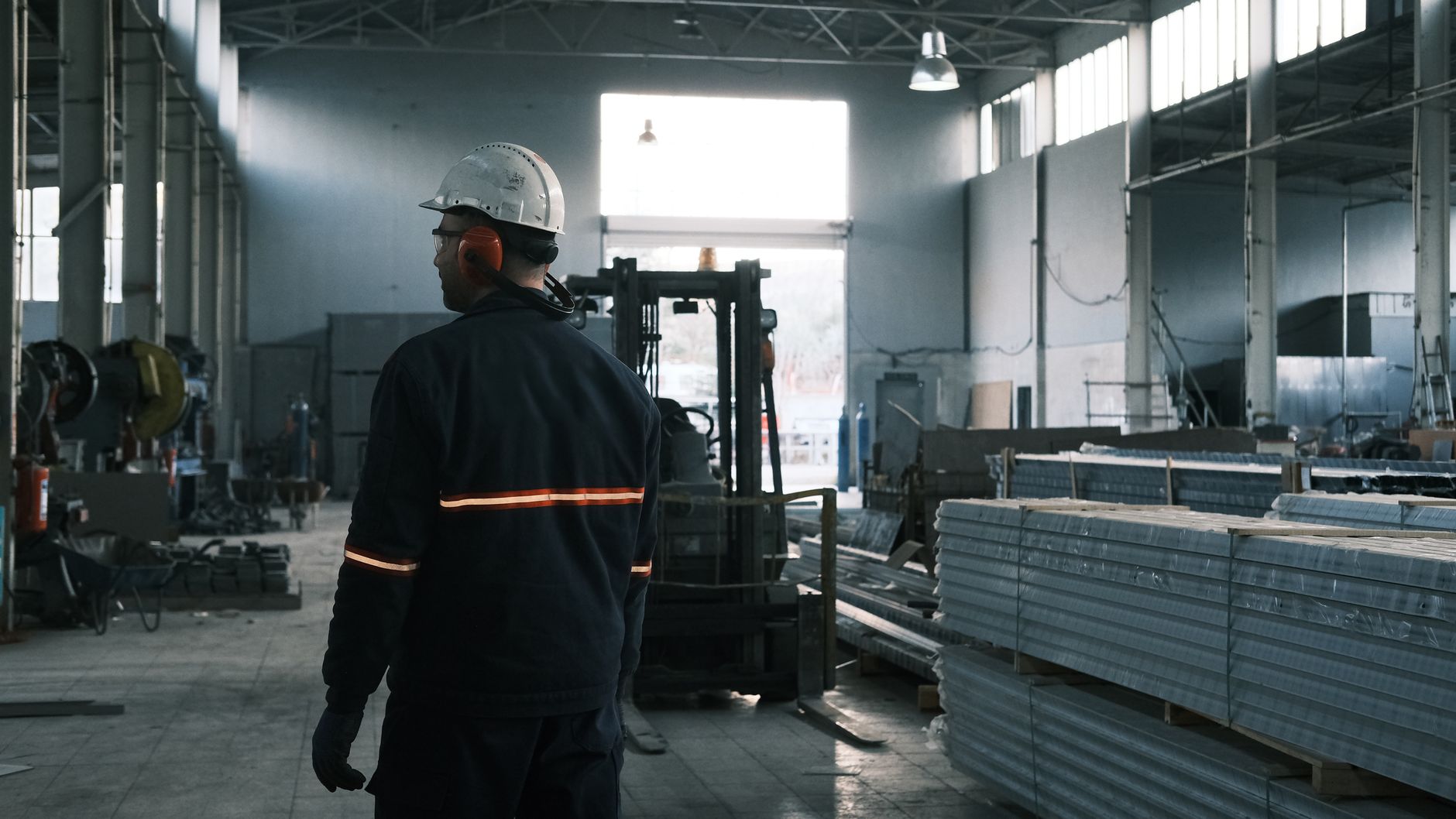
Founder Notes — Lotus Investment Group
Vietnam EPC Capabilities: Steel and Engineering Edge
Thép và cơ khí: năng lực EPC sẽ định đoạt sức cạnh tranh của Việt Nam
Ngành thép và cơ khí chế tạo Việt Nam đang đến một khúc quanh trong năm 2025. Suốt nhiều thập niên, ngành là chỗ dựa cho công nghiệp hóa. Nhưng giới lãnh đạo doanh nghiệp giờ nói thẳng: sức cạnh tranh sắp tới không nằm ở sản lượng, mà ở khả năng đứng vai tổng thầu EPC — thiết kế, mua sắm và thi công trọn gói. Tại Diễn đàn Kinh tế Tư nhân Việt Nam, lãnh đạo các doanh nghiệp đề nghị một chương trình cấp quốc gia để nâng năng lực và giảm lệ thuộc vào nhà thầu ngoại trong những dự án hạ tầng chiến lược.
Khoảng cách EPC chính là điểm nóng của cuộc tranh luận. Tổng thầu EPC nhận trách nhiệm toàn bộ chuỗi: thiết kế, cung ứng, đến bàn giao công trình. Ở Việt Nam, vị trí ấy gần như nằm trọn trong tay nhà thầu nước ngoài tại mọi dự án hạ tầng lớn. Doanh nghiệp trong nước thường chỉ làm thầu phụ — cung cấp kết cấu thép hay cấu kiện cơ khí, hiếm khi cầm trịch điều hành dự án.
Cấu trúc ngành và vị thế hiện tại
Thép Việt Nam đã vươn lên thành một trong những ngành sản xuất năng động nhất Đông Nam Á. Xuất khẩu sản phẩm thép năm 2024 vượt 11 tỷ USD, và công suất vẫn đang nới rộng. Doanh nghiệp nội cung cho cả công trình xây dựng lẫn dự án công nghiệp, trong khi một nhóm nhỏ tập đoàn nắm phần thượng nguồn luyện thép. Cơ khí chế tạo thì ngược lại, vẫn manh mún — hàng nghìn doanh nghiệp nhỏ đứng cạnh vài tập đoàn lớn.
Thành tích là vậy, nhưng sức cạnh tranh không đều. Nhiều doanh nghiệp nội cung được vật liệu hoặc cấu kiện, lại thiếu năng lực tích hợp mà một hợp đồng EPC quy mô lớn đòi hỏi. Hệ quả: nhà thầu ngoại thống lĩnh những hạ tầng trọng yếu như metro, nhà máy điện, tổ hợp hóa dầu. Giới lãnh đạo ngành cảnh báo nếu thiếu chính sách hỗ trợ chủ động, Việt Nam sẽ cứ lệ thuộc nhà thầu bên ngoài ở chính những dự án chiến lược nhất của mình.
Khoảng cách EPC và cái giá của sự lệ thuộc
Sự lệ thuộc này tạo ra những điểm yếu chiến lược. Chi phí cao hơn, chuyển giao công nghệ ít ỏi, và phần giá trị nắm bắt được lại rơi ra ngoài nền kinh tế nội địa. Với nhà hoạch định chính sách, nó còn nghĩa là ít quyền kiểm soát những dự án vốn là cốt lõi của phát triển quốc gia. Bởi vậy lãnh đạo ngành xem việc dựng năng lực EPC không thuần túy là chuyện kinh tế, mà còn là bài toán chủ quyền và sức chống chịu.
Năm 2025 cho vài ví dụ rõ. Ở dự án mở rộng metro TP. Hồ Chí Minh, tổng thầu EPC nước ngoài cầm phần lớn khối lượng, doanh nghiệp Việt chỉ góp mặt ở các gói thầu phụ. Trong năng lượng, nhà cung cấp nội cấp thiết bị cho dự án điện mặt trời và điện gió, nhưng khâu thiết kế và tích hợp vẫn do nhà thầu ngoại dẫn dắt. Khuôn mẫu này lặp đi lặp lại khắp các ngành — và đó chính là lý do nhu cầu thay đổi trở nên cấp bách.
Đề xuất chính sách và chương trình quốc gia
Tại diễn đàn 2025, lãnh đạo doanh nghiệp đề xuất một chương trình nâng sức cạnh tranh quốc gia cho thép và cơ khí, gồm ba trụ. Một là đầu tư hạ tầng vào cảng nước sâu, trung tâm hậu cần và khu công nghiệp, nhằm hạ chi phí và làm chuỗi cung ứng tin cậy hơn cho nhà sản xuất nội. Hai là phát triển nhân lực qua đào tạo nghề và hợp tác với các trường đại học nhằm bồi đắp kỹ năng kỹ thuật. Ba là cải cách pháp lý để doanh nghiệp Việt đủ tư cách dự thầu EPC trong các dự án công lớn.
Đại diện ngành còn đề nghị áp hạn ngạch nội địa hóa. Theo đó, dự án hạ tầng lớn buộc phải dành một tỷ lệ tối thiểu cho nhà thầu và nhà cung cấp trong nước. Cách làm này đã được nhiều nước dùng để gây dựng năng lực bản địa. Người ủng hộ lập luận rằng thiếu những biện pháp như vậy, doanh nghiệp Việt khó lòng lớn lên và cạnh tranh.
Chính phủ tỏ thái độ ủng hộ thận trọng. Các bộ thừa nhận cần củng cố công nghiệp nội, song vẫn nhấn mạnh hiệu quả và chất lượng. Trước mắt, các dự án thí điểm đang được bàn — nơi doanh nghiệp Việt dẫn dắt hợp đồng EPC dưới sự giám sát, gây dựng năng lực dần dần. Vài năm tới sẽ là phép thử xem hướng đi này có cho kết quả thực chất hay không.
Bài toán công nghệ và đổi mới
Công nghệ là rào cản lớn với sức cạnh tranh EPC. Nhiều doanh nghiệp thép và cơ khí Việt vận hành thiết bị tầm trung, hợp cho sản xuất nhưng không hợp cho tích hợp dự án trình độ cao. Muốn đọ với các EPC quốc tế, họ phải đầu tư phần mềm thiết kế, hệ thống quản lý dự án và quy trình bảo đảm chất lượng — những khoản tốn vốn và đòi cam kết dài hạn.
Năm 2025 có vài bước tiến. Các doanh nghiệp lớn đã bắt đầu áp dụng mô hình thông tin công trình (BIM) và công cụ quản lý dự án số. Một số bắt tay với nhà cung cấp công nghệ nước ngoài để nâng cấp năng lực. Nhưng mức độ áp dụng vẫn chênh lệch: doanh nghiệp nhỏ tiếp tục dựa vào phương pháp truyền thống, hạn chế khả năng tham gia dự án phức tạp. Thu hẹp khoảng cách công nghệ này là điều kiện then chốt để doanh nghiệp nội bước vào vai EPC.
Đổi mới sản phẩm cũng quan trọng không kém. Thép cường độ cao, kỹ thuật thi công mô-đun, vật liệu bền vững ngày càng được thị trường quốc tế đòi hỏi. Doanh nghiệp Việt nào làm chủ được những thứ đó sẽ đứng ở vị thế cạnh tranh tốt hơn trên toàn cầu. Dựng quan hệ hợp tác nghiên cứu và đầu tư vào trung tâm đổi mới nằm trong số các hướng đang được bàn.
Cạnh tranh toàn cầu và định vị chiến lược
Doanh nghiệp thép và cơ khí Việt không cạnh tranh trong khoảng trống. Các đối thủ trong khu vực như Hàn Quốc, Nhật Bản, Trung Quốc đã có hàng chục năm kinh nghiệm dẫn đầu EPC. Đối đầu trực diện với họ là việc khó. Cơ hội của Việt Nam có lẽ nằm ở việc tập trung vào những ngách cụ thể — dự án hạ tầng quy mô vừa, khu công nghiệp địa phương, nền tảng năng lượng tái tạo. Làm chủ những mảng ấy, doanh nghiệp Việt có thể mở rộng dần năng lực lẫn uy tín.
Thị trường nội địa là bệ đỡ vững. Nhu cầu hạ tầng của Việt Nam mênh mông, từ hệ thống giao thông đô thị đến phát điện. Nếu doanh nghiệp nội giành được dù chỉ một phần khiêm tốn các hợp đồng EPC, họ sẽ tích lũy được bề dày kinh nghiệm cần thiết để cạnh tranh ở nước ngoài. Theo nghĩa đó, con đường ra thế giới bắt đầu từ thành công ngay trên sân nhà.
Hợp tác quốc tế cũng có vai trò. Bắt tay với các tổng thầu EPC giàu kinh nghiệm, doanh nghiệp Việt tiếp cận được cách làm chuẩn mực và dần gánh trách nhiệm lớn hơn. Vài liên doanh công bố trong năm 2025 đi theo hướng này, ghép các nhóm kỹ thuật Việt với những EPC ngoại trong dự án điện và giao thông. Quan hệ ấy chưa bình đẳng, nhưng là bước đáng kể trên đường gây dựng năng lực.
Góc nhìn nhà đầu tư và vai trò của M&A
Với nhà đầu tư, thép và cơ khí vừa là cơ hội vừa là bài toán hóc búa. Mặt cơ hội: cơn bùng nổ hạ tầng của Việt Nam bảo đảm nhu cầu vật liệu và dịch vụ; doanh nghiệp nào leo được lên cao trong chuỗi giá trị sẽ tăng trưởng mạnh. Mặt phức tạp: rủi ro thực thi còn cao, và dựng năng lực EPC cần thời gian lẫn dòng vốn bền bỉ.
M&A có thể đóng vai quyết định trong cuộc chuyển mình này. Nhà đầu tư mua lại hoặc bắt tay với doanh nghiệp cơ khí nội có thể giúp họ phát triển nhanh hơn, rót vốn và năng lực quản trị để đưa các doanh nghiệp ấy đến chỗ giành hợp đồng lớn. Hợp nhất là một khả năng khác. Với nhiều bên chơi nhỏ và phân tán, ngành chín muồi cho chiến lược gom mua tạo nên những nhà vô địch quốc gia đủ sức đọ với đối thủ ngoại.
Giá trị dài hạn của ngành không nằm ở sản lượng thép, mà ở năng lực tích hợp. Nhà đầu tư nào nhận ra bước dịch chuyển ấy và đứng cùng những doanh nghiệp quyết tâm chuyển mình sẽ ở vị thế tốt. Số còn lại đối diện rủi ro mắc kẹt mãi với sản xuất hàng hóa cơ bản, biên lợi nhuận mỏng.
Kết luận
Nhìn lại 2025, ba bài học hiện rõ. Một, quy mô thôi chưa đủ — Việt Nam sản xuất thép mạnh, nhưng thiếu năng lực EPC thì phần giá trị nắm được vẫn hạn chế. Hai, hỗ trợ chính sách là thiết yếu; vắng chương trình quốc gia và yêu cầu nội địa hóa, doanh nghiệp nội khó đọ với nhà thầu ngoại đã bám rễ. Ba, công nghệ và đổi mới là yếu tố quyết định. Tựu trung, chính sách công nghiệp Việt Nam đang chuyển từ lượng sang chất: không còn chỉ là sản xuất nhiều thép hơn, mà là dựng năng lực tích hợp tạo nên thế độc lập chiến lược.
Ngành thép và cơ khí đứng ở một ngã rẽ quan trọng. Nó có quy mô, có nhu cầu, có nền tảng nội địa vững — nhưng thiếu chính những năng lực EPC làm nên sức cạnh tranh toàn cầu. Tiến triển đã bắt đầu, song thử thách còn nguyên. Với cả nhà đầu tư lẫn nhà hoạch định chính sách, thông điệp rõ ràng: chặng tiếp theo của công cuộc chuyển mình công nghiệp Việt Nam tùy thuộc vào việc đất nước có dựng được những nhà vô địch EPC của riêng mình hay không. Thành công nghĩa là bớt lệ thuộc nhà thầu ngoại, giữ lại nhiều giá trị hơn, và có nền móng để vươn ra thế giới. Thất bại sẽ để Việt Nam mãi làm người cung ứng, thay vì người dẫn dắt trong chính những dự án định hình tương lai mình.
Lotus Investment Group tư vấn M&A xuyên biên giới và FDI vào Việt Nam và Đông Nam Á. Nếu quý vị đang thẩm định một vị thế tại Việt Nam, liên hệ với chúng tôi.
Vietnam’s steel and mechanical engineering sector is reaching a turning point in 2025. For decades it has underpinned industrialisation. But industry leaders now argue plainly that future competitiveness won’t rest on output. It will rest on the ability to act as EPC contractors handling engineering, procurement and construction end to end. At the Vietnam Private Sector Forum, executives called for a national programme to strengthen capabilities and cut dependence on foreign contractors in strategic infrastructure projects.
The EPC gap sits at the heart of the debate. An EPC contractor owns the whole chain: design, supply, project delivery. In Vietnam, foreign firms hold that position in nearly every major infrastructure project. Domestic firms usually work as subcontractors — supplying steel structures or mechanical components, rarely leading execution.
Industry structure and current position
Vietnam’s steel sector has grown into one of Southeast Asia’s most dynamic producers. Exports of steel products topped US$11 billion in 2024, and capacity keeps expanding. Domestic companies supply both construction and industrial projects, while a handful of conglomerates control upstream steelmaking. Mechanical engineering, by contrast, stays fragmented — thousands of small enterprises beside a few larger groups.
The achievements are real, but competitiveness is uneven. Many domestic firms supply materials or components yet lack the integrated capabilities a large-scale EPC contract demands. The result: foreign firms dominate critical infrastructure such as metro systems, power plants and petrochemical complexes. Industry leaders warn that without deliberate policy support, Vietnam will stay dependent on outside contractors for its most strategic projects.
The EPC gap and the cost of dependence
This reliance creates strategic vulnerabilities. Costs run higher, technology transfer stays limited, and value capture lands outside the domestic economy. For policymakers it also means less control over projects central to national development. So industry leaders treat building EPC capacity as more than an economic priority — it’s a matter of sovereignty and resilience.
2025 offers clear examples. In Ho Chi Minh City’s metro expansion, foreign EPC contractors handled most of the work while Vietnamese firms took only secondary packages. In energy, domestic suppliers provided equipment for solar and wind projects, but foreign contractors still led design and integration. The pattern repeats across industries — and that is precisely why the need for change has turned urgent.
Policy proposals and national programmes
At the 2025 forum, executives proposed a national competitiveness programme for steel and engineering, built on three pillars. First, infrastructure investment in deepwater ports, logistics hubs and industrial parks, to cut costs and make supply chains more reliable for domestic manufacturers. Second, workforce development through vocational training and university partnerships to build engineering skills. Third, regulatory reform so Vietnamese firms can qualify as EPC contractors in major public projects.
Industry representatives also called for localisation quotas. Under such rules, large infrastructure projects would have to reserve a minimum share for domestic contractors and suppliers. Other countries have used the approach to build local capability. Advocates argue that without these measures, Vietnamese firms will struggle to scale up and compete.
The government has signalled cautious support. Ministries recognise the need to strengthen domestic industry but still stress efficiency and quality. For now, pilot projects are under discussion — Vietnamese firms leading EPC contracts under supervision, building capability gradually. The coming years will test whether this approach delivers real results.
Technology and innovation needs
Technology is a major barrier to EPC competitiveness. Many Vietnamese steel and engineering firms run mid-level equipment suited to manufacturing but not to advanced project integration. To match international EPCs, they have to invest in design software, project management systems and quality assurance processes — costly commitments that demand capital and a long-term horizon.
Some progress came in 2025. Larger firms have started adopting Building Information Modeling (BIM) and digital project management tools. Several are partnering with foreign technology providers to upgrade. But adoption stays uneven: smaller firms keep relying on traditional methods, which limits their ability to take on complex projects. Closing this technology gap is the condition for domestic firms to step into the EPC role.
Product innovation matters just as much. High-strength steel, modular construction techniques and sustainable materials are increasingly demanded in international markets. Vietnamese firms that can deliver them will compete better globally. Building R&D partnerships and investing in innovation hubs are among the strategies now on the table.
Global competition and strategic positioning
Vietnam’s steel and engineering firms don’t compete in a vacuum. Regional rivals like South Korea, Japan and China carry decades of experience as EPC leaders, and competing head-on with them is hard. Vietnam’s opening may lie in specific niches — mid-sized infrastructure projects, regional industrial parks, renewable-energy platforms. Master those, and domestic firms can widen their capabilities and reputation over time.
The home market is a strong foundation. Vietnam’s infrastructure needs are vast, from urban transit to power generation. If domestic firms win even a modest share of EPC contracts, they build the track record needed to compete abroad. In that sense, the road to global competitiveness starts with success at home.
International partnerships also play a part. Working with established EPC contractors, Vietnamese firms gain exposure to best practice and gradually take on larger responsibilities. Several joint ventures announced in 2025 follow this route, pairing Vietnamese engineering groups with foreign EPC leaders in power and transport projects. The partnerships aren’t equal yet, but they’re meaningful steps toward capability building.
The investor view and the role of M&A
For investors, steel and engineering offer both opportunity and complexity. On the opportunity side, Vietnam’s infrastructure boom guarantees demand for materials and services; firms that move up the value chain will grow strongly. On the complexity side, execution risk stays high, and building EPC capability takes time and sustained capital.
M&A can play a decisive role in this transformation. Investors who acquire or partner with domestic engineering firms can speed their development, injecting the capital and management expertise that positions them for larger contracts. Consolidation is another path. With many small, fragmented players, the sector is ripe for roll-ups that create national champions able to take on foreign rivals.
The sector’s long-term value lies not in steel production but in integrated capabilities. Investors who see that shift and align with firms committed to transformation will be well placed. The rest risk staying tied to commodity production with thin margins.
Conclusion
Looking back at 2025, three lessons stand out. First, scale alone isn’t enough — Vietnam has strong steel production, but without EPC capability, value capture stays limited. Second, policy support is essential; absent national programmes and localisation requirements, domestic firms will struggle against entrenched foreign contractors. Third, technology and innovation are decisive. The broader theme: Vietnam’s industrial policy is shifting from quantity to quality. The point is no longer to produce more steel, but to build the integrated capabilities that create strategic independence.
The steel and engineering sector stands at an important crossroads. It has scale, strong demand and a solid domestic base. What it lacks is the very EPC capabilities that define global competitiveness. Progress is beginning, though the challenges remain. For investors and policymakers alike, the message is clear: the next phase of Vietnam’s industrial transformation depends on whether the country can build its own EPC champions. Success means less dependence on foreign contractors, stronger value capture, and a foundation for global expansion. Failure would leave Vietnam a supplier rather than a leader in the very projects that define its future.
Lotus Investment Group advises on cross-border M&A and FDI into Vietnam and Southeast Asia. If you are underwriting Vietnam exposure, get in touch.