
Vietnam FDI Transition: From Incentives to Quality
October 30, 2025
Vietnam Administrative Reform and Investor Confidence
November 3, 2025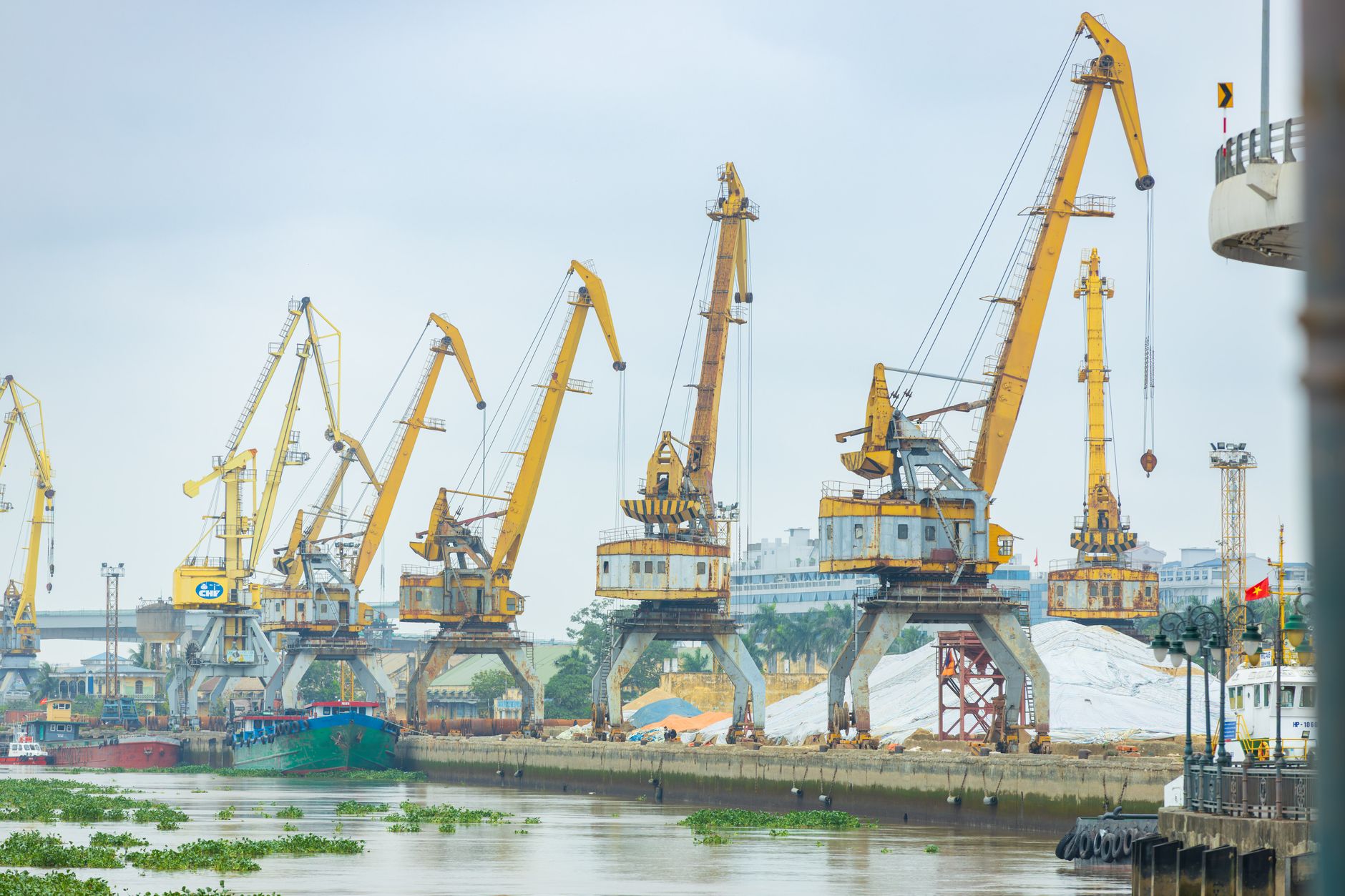
Founder Notes — Lotus Investment Group
Vietnam FDI Outlook: Sustaining Momentum to 2030
Giữ đà dòng vốn: triển vọng FDI của Việt Nam giữa cuộc tái sắp xếp toàn cầu
Năm 2024, Việt Nam giải ngân kỷ lục 18,8 tỷ USD vốn đầu tư nước ngoài — ngược hẳn nhịp chững đang ghìm chân hầu hết các nền kinh tế mới nổi ở châu Á. Trong lúc dòng vốn xuyên biên giới rạn vỡ và nhà đầu tư siết chặt khung ESG lẫn tuân thủ, Việt Nam vẫn hút được dòng tiền đều đặn. Kết quả ấy không phải may rủi. Nó phản ánh một lựa chọn chính sách có chủ đích, dựng trên hai cam kết song hành: mở cửa thị trường và cải cách thể chế.
Điều đáng chú ý nằm ở chỗ so sánh. Tổng vốn FDI toàn cầu sụt gần 10%, còn dòng vào Việt Nam giữ nguyên độ ổn định — một bằng chứng rằng trong quyết định của nhà đầu tư hôm nay, độ tin của chính sách đã nặng hơn các ưu đãi. Khi chuỗi cung ứng thế giới sắp xếp lại và yếu tố bền vững trở thành điều kiện không thể thương lượng, vị trí địa lý chiến lược cộng với cách điều hành kỷ luật của Việt Nam tiếp tục cho ra kết quả đo đếm được.
Bài này nhìn triển vọng FDI Việt Nam qua một lăng kính tỉnh táo: vì sao dòng vốn còn trụ, đâu là những trụ đỡ thật, và đâu là các nút thắt có thể chặn bước nâng cấp nếu không xử lý dứt điểm. Câu chuyện sắp tới không còn xoay quanh con số tổng vốn, mà quanh chất lượng của những gì vốn ấy tạo ra.
Bối cảnh toàn cầu: phân mảnh và sự thích ứng chính sách
Dòng đầu tư thế giới đang dịch chuyển dưới sức ép của chủ nghĩa bảo hộ lên cao, nhu cầu đa dạng hóa chuỗi cung ứng và sự ra đời của cơ chế thuế tối thiểu toàn cầu do OECD chủ trì. Các tập đoàn đa quốc gia giờ tìm sự đáng tin và tuân thủ, không còn chạy theo lợi thế chi phí đơn thuần. Trong môi trường đó, sự rõ ràng về chính sách cùng đường lối đối ngoại cân bằng đã đổi hẳn sức hấp dẫn đầu tư của Việt Nam. Đất nước không chỉ mở cửa thị trường khu vực; nó cung được một nền thể chế đủ sức gánh các công đoạn chế tạo phức tạp và dịch vụ giá trị cao.
Việc tham gia các hiệp định như CPTPP, RCEP và khung thương mại Mỹ – Việt mới củng cố thế đứng này. Những hiệp định đó bảo đảm tiếp cận đa dạng tới hơn năm mươi thị trường toàn cầu, giữ Việt Nam ở vị trí trung tâm các mạng lưới sản xuất khu vực. Quan trọng không kém, Việt Nam tránh được phản xạ bảo hộ vốn rất phổ biến trong cách hoạch định chính sách thời hậu đại dịch. Đó là một tín hiệu ổn định mà nhà đầu tư quốc tế đặt giá cao. Vì thế, dù chịu những cơn gió ngược theo chu kỳ, triển vọng FDI của Việt Nam vẫn thuộc nhóm vững nhất châu Á.
Độ tin thể chế: động lực tăng trưởng cốt lõi
Nét định hình chiến lược FDI của Việt Nam là độ chín của thể chế. Suốt thập niên qua, cải cách dịch dần từ các ưu đãi giật tít sang sự mạch lạc trong quản trị. Việc đơn giản hóa cấp phép theo Nghị định 29/2024, cộng với hệ thống đăng ký đầu tư số hóa, đã cắt giảm mạnh ma sát hành chính. Nhờ kết nối liên thông giữa cấp tỉnh và cấp quốc gia, nhà đầu tư nay xin được chủ trương dự án và giấy phép vận hành trong vài tuần thay vì vài tháng.
Quỹ Hỗ trợ Đầu tư ra đời năm 2024 chuyển trọng tâm khuyến khích từ miễn thuế đại trà sang hỗ trợ gắn với kết quả. Dự án nào chứng minh được đóng góp đo đếm được vào chuyển giao công nghệ, đào tạo nhân lực hay đa dạng hóa xuất khẩu thì nhận trợ lực tài chính có địa chỉ. Cách tiếp cận lấy kết quả làm gốc vừa giữ kỷ luật ngân sách, vừa phục vụ mục tiêu phát triển quốc gia. Nó cũng trấn an nhà đầu tư rằng khung ưu đãi của Việt Nam có cấu trúc, dựa trên luật chơi minh bạch, chứ không tùy tiện hay bị chi phối bởi toan tính chính trị.
Đa dạng hóa công nghiệp và chuyển đổi xanh
Đa dạng hóa công nghiệp vẫn là nền của chiến lược kinh tế Việt Nam. Thế mạnh truyền thống ở dệt may và hàng tiêu dùng đang dịch lên điện tử, bán dẫn và năng lượng tái tạo. Các tỉnh phía Bắc như Bắc Giang, Thái Nguyên hút những nhà lắp ráp công nghệ cao và nhà cung cấp linh kiện gắn với chuỗi giá trị Hàn Quốc, Nhật Bản. Trong khi đó, các vùng phía Nam như Bình Dương, Long An tập trung vào hậu cần, phụ tùng ô tô và các cụm chế tạo xanh.
Yếu tố môi trường giờ nằm sẵn trong chính sách công nghiệp. Chiến lược Tăng trưởng Xanh của chính phủ buộc các khu công nghiệp giảm phát thải, tích hợp điện tái tạo và áp dụng mô hình kinh tế tuần hoàn. Chủ đầu tư rót tiền vào điện mặt trời áp mái, xử lý chất thải và hệ thống nước thông minh, biến việc tuân thủ thành lợi thế cạnh tranh. Hướng đi này cũng khớp với cam kết của Việt Nam trong khuôn khổ Đối tác Chuyển dịch Năng lượng Công bằng (JETP), nơi tài chính quốc tế đã được huy động để nâng cấp lưới điện và tích hợp năng lượng tái tạo.
Khi các nhà sản xuất toàn cầu chịu sức ép phải công bố dấu chân các-bon, năng lực cung công suất phát thải thấp của Việt Nam trở thành một lợi thế quyết định. Việc các khu công nghiệp lột xác thành hệ sinh thái đạt chuẩn ESG đánh dấu một bước tiến hóa then chốt — đưa Việt Nam từ một điểm đến vì hiệu suất sang một trung tâm phát triển bền vững. Triển vọng FDI vì thế ngày càng phản ánh cả sự khớp về môi trường lẫn độ tinh vi công nghiệp.
Hạ tầng, nhân lực và những đòn bẩy nâng cấp
Hạ tầng vật chất là nền đỡ sức cạnh tranh. Năm 2025, Việt Nam hoàn thành hơn 3.000 km cao tốc mở rộng, song hành cùng các dự án hiện đại hóa cảng lớn ở Hải Phòng, Cái Mép – Thị Vải và Long An. Những hành lang hậu cần này rút mạnh thời gian và chi phí vận tải, nhất là cho các ngành xuất khẩu thâm dụng. Kết nối đa phương thức, liên kết đường bộ, cảng biển và đường sắt, đỡ cho sản xuất đúng-lúc và quản lý chuỗi cung ứng liền mạch.
Hạ tầng số tiến song song. Đầu tư vào trung tâm dữ liệu, phủ sóng 5G và số hóa hải quan đã làm gọn thủ tục thương mại, đồng thời tăng độ minh bạch cho nhà đầu tư. Chương trình Chuyển đổi Số Quốc gia đặt mục tiêu cấp phép đầu tư trực tuyến hoàn toàn vào năm 2026, dựng một hệ hành chính minh bạch và truy vết được. Những bước tiến này vừa giảm rủi ro tham nhũng, vừa đưa Việt Nam vào các khuôn khổ thương mại số toàn cầu.
Nhưng đòn bẩy bền nhất lại nằm ở con người. Lợi thế nhân khẩu của Việt Nam, tức lực lượng lao động trẻ và dễ thích nghi, đang được chuyển hóa thành lợi thế về kỹ năng. Các trường kỹ thuật và cơ sở dạy nghề nay phối hợp với nhà đầu tư nước ngoài để khớp đào tạo với chuẩn ngành; nhiều hợp tác giữa nhà sản xuất Hàn Quốc và viện đào tạo Việt Nam đang cho ra đội kỹ thuật viên đạt chứng chỉ cho ngành điện tử và ô tô. Sự dịch chuyển từ lao động giá rẻ sang lao động có năng lực mới là điều kiện để Việt Nam leo lên những nấc cao hơn của chuỗi giá trị và giữ thế trước các đối thủ khu vực như Thái Lan, Indonesia.
Tài chính xanh và sự bền vững vĩ mô
Thị trường vốn đang tiếp sức cho quá trình chuyển đổi. Tài chính xanh đã đi từ giai đoạn thí điểm thành dòng chính trong hệ sinh thái đầu tư của Việt Nam. Phát hành trái phiếu xanh, các cấu trúc tài chính pha trộn và khoản vay gắn với mục tiêu bền vững đang tăng tốc. Các ngân hàng trong nước, với sự hậu thuẫn của bên cho vay quốc tế, đang xây khung tín dụng ESG khớp chuẩn công bố toàn cầu — cho phép các dự án năng lượng tái tạo, hậu cần và hạ tầng công nghệ tiếp cận nguồn vốn ưu đãi hoặc chi phí thấp hơn. Với nhà đầu tư nước ngoài, khả năng tiếp cận vốn xanh vừa giảm rủi ro dự án dài hạn vừa giúp họ tròn cam kết bền vững của chính mình.
Nền tảng vĩ mô là chiếc neo đáng tin nhất. Lạm phát được giữ dưới 4% nhờ điều hành tiền tệ thận trọng và chi tiêu tài khóa có trọng điểm. Đồng Việt Nam ổn định đáng kể so với các đồng tiền trong khu vực, phản ánh cách tiếp cận vừa cẩn trọng vừa linh hoạt của ngân hàng trung ương. Dự trữ ngoại hối vượt 100 tỷ USD là tấm đệm lớn trước nguy cơ vốn rút ra hay cú sốc toàn cầu. Với những dự án hạ tầng và chế tạo có chân trời cả thập niên, một mặt bằng lạm phát, tỷ giá và hành xử pháp lý ổn định thường còn quan trọng hơn cả ưu đãi tức thời. Triển vọng FDI của Việt Nam, vì thế, bám rễ vào sự vững vàng chính sách chẳng kém gì quy mô cơ hội.
Cạnh tranh khu vực và điểm khác biệt của Việt Nam
Cuộc đua hút vốn vẫn khốc liệt. Indonesia, Malaysia và Ấn Độ đều giành cùng những dòng dịch chuyển sản xuất từng chảy gần như riêng về Việt Nam. Lợi thế của Việt Nam nằm ở tốc độ cải cách và độ tin: khung pháp lý được triển khai nhanh, thực thi nhất quán. Mạng lưới hiệp định thương mại nhiều tầng tạo độ dự phòng trước cú sốc bên ngoài, còn đường lối đối ngoại thực dụng cho phép Việt Nam bắt tay với mọi khối lớn mà không lệ thuộc bên nào.
Bề dày thực thi dự án mới là thứ làm Việt Nam khác biệt. Khu công nghiệp thường đạt mức lấp đầy gần như tối đa, dự án hạ tầng tiến đúng tiến độ, quan hệ lao động ổn định. Nhà đầu tư đều đặn báo cáo mức ma sát vận hành thấp hơn so với các lựa chọn khác trong khu vực. Những hiệu quả ở tầng vi mô ấy dồn lại thành niềm tin ở tầng vĩ mô — một tài sản cạnh tranh vô hình nhưng có sức nặng quyết định trong một thế giới đầy phân mảnh.
Rủi ro và thách thức thực thi
Dẫu vậy, các thách thức chưa biến mất. Giải phóng mặt bằng vẫn rối, nhất là với dự án hạ tầng quy mô lớn trải qua nhiều tỉnh. Nguồn điện, nhất là ở miền Bắc vào mùa khô, đặt ra ràng buộc tạm thời cho công nghiệp nặng. Sự chồng lấn thẩm quyền giữa các bộ ngành có thể làm chậm phê duyệt dự án. Cam kết tích hợp số của chính phủ nhắm xử lý các điểm nghẽn phối hợp này, nhưng để đạt hiệu quả trọn vẹn còn cần thực thi bền bỉ.
Một mối lo khác nằm ngay trong cuộc đua giành vốn xanh. Khi ngày càng nhiều nền kinh tế áp định giá các-bon và yêu cầu bền vững, Việt Nam phải bảo đảm các cơ chế xác minh của mình chịu được sự soi xét quốc tế. Nhà đầu tư nay đòi minh bạch không chỉ trong báo cáo tài chính mà cả ở dữ liệu môi trường. Củng cố hệ thống kiểm toán ESG và lồng nó vào báo cáo đầu tư quốc gia sẽ là điều kiện thiết yếu để giữ độ tin trên thị trường toàn cầu.
Kết luận: từ lượng sang chất
Chương FDI kế tiếp của Việt Nam sẽ ưu tiên tạo giá trị thay vì mở rộng quy mô. Giới hoạch định chính sách thừa nhận công nghiệp hóa của đất nước đã chạm ngưỡng chín, nơi chất lượng, đổi mới và bền vững quan trọng hơn tăng trưởng về con số. Khi cạnh tranh bằng ưu đãi thuế mất dần ý nghĩa, chính bản thân khung thể chế trở thành sức hút hàng đầu. Với nhà đầu tư, điều đó nghĩa là ít bất ngờ hành chính hơn và độ dự đoán về quản trị cao hơn.
Sức bền của dòng FDI giữa cuộc tái sắp xếp toàn cầu cho thấy nhiều hơn một sự dẻo dai; nó báo hiệu một bước tiến hóa chiến lược. Khi vốn ngày càng đặt sự chắc chắn và tuân thủ lên trên hết, Việt Nam đã thành cả một câu chuyện tăng trưởng lẫn một chuẩn mực quản trị. Thập niên tới sẽ không được định nghĩa bằng các ưu đãi, mà bằng sự chính trực và tầm nhìn chiến lược, bằng năng lực biến mỗi đồng vốn thành sức cạnh tranh trụ lại lâu dài. Với nhà đầu tư tổ chức, quỹ hạ tầng và doanh nghiệp, cơ hội nằm không chỉ ở mở rộng chế tạo, mà ở tự động hóa hậu cần, hạ tầng số và tài chính tái tạo.
Lotus Investment Group tư vấn M&A xuyên biên giới và FDI vào Việt Nam và Đông Nam Á. Nếu quý vị đang thẩm định một vị thế tại Việt Nam, liên hệ với chúng tôi.
In 2024 Vietnam disbursed a record USD 18.8 billion in foreign investment, defying the slowdown that has constrained peers across emerging Asia. As cross-border capital fragments and investors tighten their ESG and compliance frameworks, the country keeps drawing steady inflows. That result was no accident. It reflects a deliberate policy choice built on two parallel commitments: market openness and institutional reform.
The telling figure is the comparison. Global FDI volumes fell by nearly 10% while Vietnam’s inflows held flat — evidence that in today’s investor calculus, policy credibility now outweighs incentives. As global supply chains reorganise and sustainability becomes non-negotiable, Vietnam’s strategic geography paired with disciplined governance keeps producing measurable results.
This piece reads the Vietnam FDI outlook through a clear-eyed lens: why inflows still hold, where the real pillars sit, and which bottlenecks could choke the upgrade if they go unaddressed. The story ahead turns less on headline volume than on the quality of what that capital builds.
Global context: fragmentation and policy adaptation
Global investment patterns are shifting under rising protectionism, supply-chain diversification, and the arrival of the OECD’s global minimum tax regime. Multinationals now want reliability and compliance, not bare cost efficiency. In that environment, Vietnam’s clarity of policy and balanced diplomacy have reshaped its investment proposition. The country offers more than access to regional markets; it offers an institutional environment able to absorb complex manufacturing and high-value service functions.
Its participation in agreements such as the CPTPP, RCEP and the new US–Vietnam trade framework reinforces that position. These deals guarantee diversified access to over fifty global markets, keeping Vietnam central to regional production networks. Just as important, it has avoided the protectionist reflexes common in post-pandemic policymaking — a signal of stability that international investors price highly. So despite cyclical headwinds, the Vietnam FDI outlook stays among the strongest in Asia.
Institutional credibility as a growth driver
The defining feature of Vietnam’s FDI strategy is institutional maturity. Over the past decade, reform has moved steadily from headline incentives toward governance coherence. Simplified licensing under Decree 29/2024, combined with digital investment registration portals, has cut administrative friction sharply. With provincial and national systems now integrated, investors can secure project approval and operating licenses in weeks rather than months.
The Investment Support Fund, introduced in 2024, shifts incentives from blanket tax exemptions toward performance-based support. Projects that show measurable contributions in technology transfer, workforce training or export diversification receive targeted financial assistance. This outcome-oriented approach keeps fiscal responsibility intact while serving national development goals. It also reassures investors that Vietnam’s incentive framework is structured and rules-based, not arbitrary or politically driven.
Industrial diversification and the green transition
Industrial diversification remains the cornerstone of Vietnam’s economic strategy. Traditional strengths in textiles and consumer goods have moved toward electronics, semiconductors and renewable energy. Northern provinces such as Bắc Giang and Thái Nguyên are attracting high-tech assemblers and component suppliers tied to Korean and Japanese value chains, while southern regions like Bình Dương and Long An focus on logistics, automotive parts and green manufacturing clusters.
Environmental sustainability is now embedded in industrial policy. The government’s Green Growth Strategy mandates carbon reduction, renewable power integration and circular-economy practices across industrial parks. Developers are investing in rooftop solar, waste treatment and smart water systems, turning compliance into competitive advantage. These efforts also align with Vietnam’s commitments under the Just Energy Transition Partnership (JETP), which has mobilised international finance for grid upgrades and renewable integration.
As global manufacturers face investor pressure to disclose carbon footprints, Vietnam’s capacity to supply low-carbon production has become a decisive advantage. Turning industrial parks into ESG-compliant ecosystems marks a critical evolution — moving Vietnam from an efficiency location toward a sustainability hub. The Vietnam FDI outlook increasingly reflects both environmental alignment and industrial sophistication.
Infrastructure, human capital and the levers of upgrading
Physical infrastructure underpins competitiveness. In 2025 the country is completing over 3,000 kilometres of expressway expansion alongside major port modernisation in Hải Phòng, Cái Mép–Thị Vải and Long An. These logistics corridors cut transport time and cost sharply, particularly for export-heavy sectors. Multimodal connectivity, linking roads, ports and rail, supports just-in-time manufacturing and integrated supply-chain management.
Digital infrastructure advances in parallel. Investments in data centres, 5G rollout and customs digitalisation have streamlined trade facilitation and sharpened investor visibility. The National Digital Transformation Program targets 100% online investment licensing by 2026, building a transparent and traceable administrative system. These developments lower corruption risk and integrate Vietnam into global digital trade frameworks.
But the most durable lever is people. Vietnam’s demographic advantage, a young and adaptive workforce, is being converted into a skill-based one. Technical universities and vocational schools now work with foreign investors to align training with industry standards; partnerships between South Korean manufacturers and Vietnamese institutes are producing certified technicians for the electronics and automotive sectors. This shift from labour cost to labour capability is what lets Vietnam climb the value chain and hold its ground against regional peers such as Thailand and Indonesia.
Green finance and macroeconomic resilience
Capital markets are reinforcing the transition. Green finance has moved from pilot stage to mainstream strategy within Vietnam’s investment ecosystem. Green-bond issuance, blended-finance structures and sustainability-linked loans are accelerating. Local banks, backed by international lenders, are building ESG credit frameworks aligned with global disclosure standards — letting projects in renewable energy, logistics and technology infrastructure attract concessional or lower-cost capital. For foreign investors, access to green capital de-risks long-term projects while satisfying their own sustainability mandates.
The macroeconomic foundation is the most reliable anchor of all. Inflation has stayed below 4%, held by prudent monetary management and targeted fiscal spending. The Vietnamese đồng has been notably stable against regional currencies, a mark of the central bank’s cautious yet flexible approach. Foreign reserves above USD 100 billion provide a large buffer against capital outflows or global shocks. For infrastructure and manufacturing projects with decade-long horizons, predictability in inflation, currency and regulatory behaviour often matters more than immediate incentives. The Vietnam FDI outlook is therefore rooted as much in policy steadiness as in the scale of opportunity.
Regional competition and Vietnam’s differentiation
The contest for global capital remains fierce. Indonesia, Malaysia and India all chase the same manufacturing relocations that once flowed almost exclusively to Vietnam. Vietnam’s edge lies in reform velocity and credibility: regulatory frameworks are implemented quickly and enforced consistently. Its multi-layered trade agreements create redundancy against external shocks, while a pragmatic foreign policy lets it engage every major bloc without dependency.
Its track record of execution is what sets it apart. Industrial zones typically reach near-full occupancy, infrastructure projects progress on schedule, and labour relations stay stable. Investors consistently report lower operational friction than at regional alternatives. These micro-level efficiencies accumulate into macro-level trust — an intangible but decisive competitive asset in a fragmented world.
Risks and implementation challenges
Challenges nonetheless persist. Land clearance remains complex, particularly for large-scale infrastructure spanning multiple provinces. Energy availability, especially in the north during dry seasons, poses temporary constraints for heavy industry. Overlapping jurisdiction among ministries can delay project approvals. The government’s commitment to digital integration aims to address these coordination problems, but full efficiency will require sustained enforcement.
Another concern sits inside the race for green capital. As more economies adopt carbon pricing and sustainability mandates, Vietnam must ensure its verification mechanisms can withstand international scrutiny. Investors now expect transparency in environmental data, well beyond the financial statements. Strengthening ESG audit systems and folding them into national investment reporting will be essential to hold credibility in global markets.
Conclusion: from volume to value
Vietnam’s next FDI chapter will prioritise value creation over volume expansion. Policymakers recognise that industrialisation has reached a maturity threshold where quality and sustainability matter more than numerical growth. As tax-based competition loses relevance, the institutional framework itself becomes the primary attraction. For investors, that means fewer administrative surprises and higher governance predictability.
Sustained FDI through global realignment signals more than resilience; it signals strategic evolution. With capital now seeking certainty and compliance above all, Vietnam has become both a growth story and a governance benchmark. Its next decade will be defined not by incentives but by integrity and strategic foresight, and by its capacity to convert each unit of capital into lasting competitiveness. For institutional investors, infrastructure funds and corporates, the opportunity runs past manufacturing expansion into logistics automation, digital infrastructure and renewable finance.
Lotus Investment Group advises on cross-border M&A and FDI into Vietnam and Southeast Asia. If you are underwriting Vietnam exposure, get in touch.
Nguồn / Sources
[1]
Vietnam Investment Review (2025, 27 tháng 10) — Vietnam’s FDI outlook amid worldwide shifts.