

Vietnam FDI Outlook: Sustaining Momentum to 2030
October 31, 2025
Ho Chi Minh City FDI Leadership: $141B, 152 Nations
November 4, 2025
Founder Notes — Lotus Investment Group
Vietnam Administrative Reform and Investor Confidence
Cải cách hành chính và niềm tin nhà đầu tư ở TP. Hồ Chí Minh
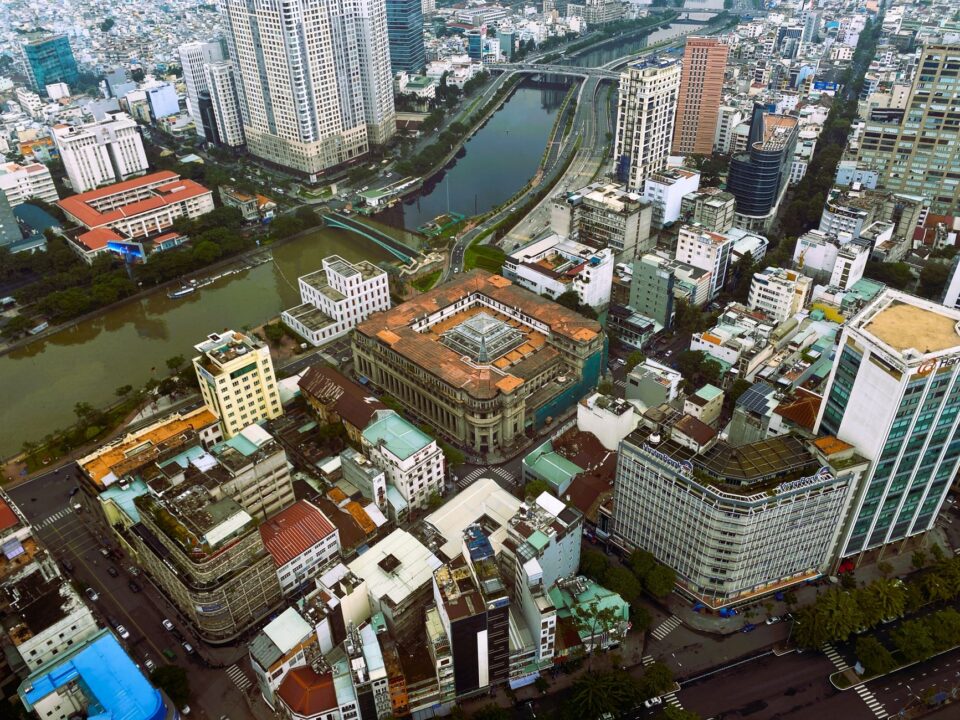
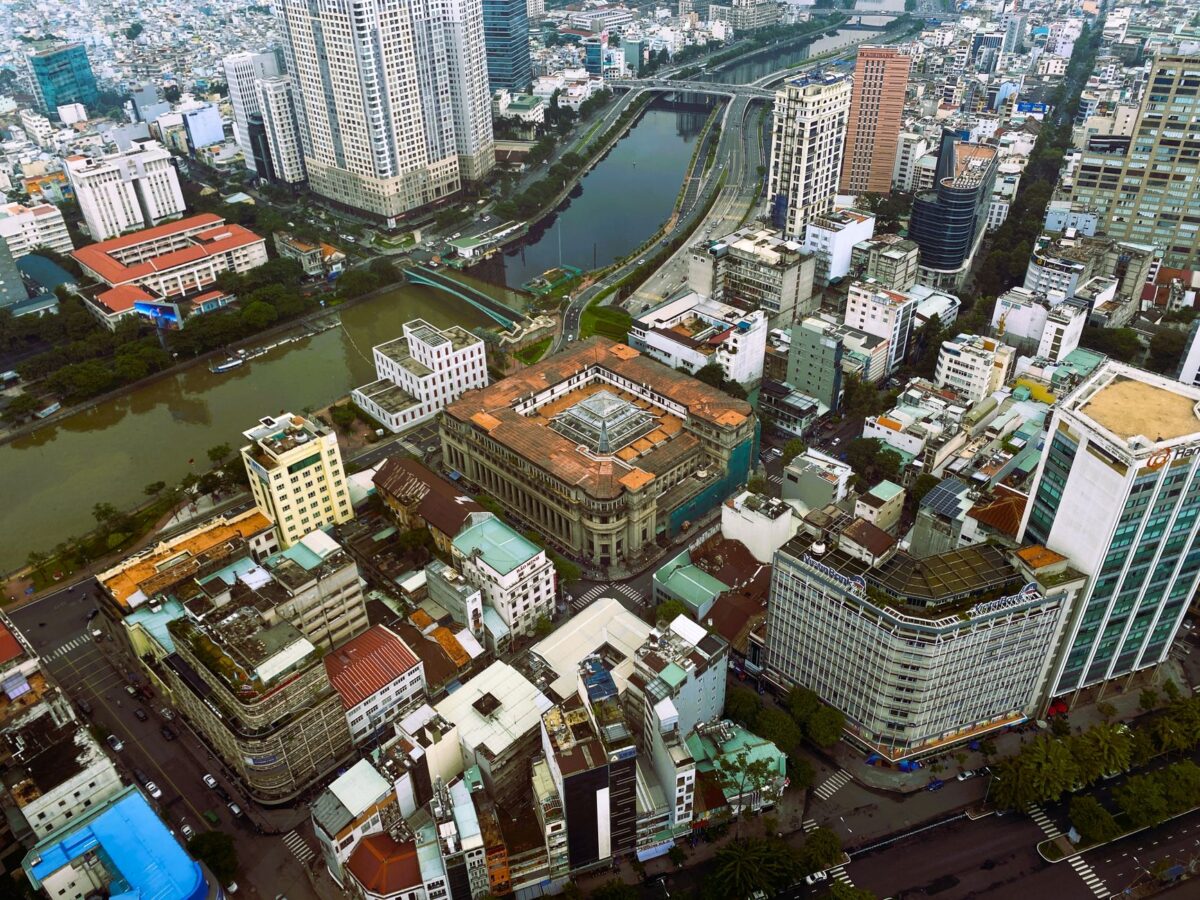
TP. Hồ Chí Minh đang đổi vai. Từ một đô thị chạy theo tăng trưởng, thành phố tự đặt mình vào kỷ luật thể chế của một trung tâm đầu tư. Chính quyền siết lại bộ máy hành chính, nâng chất lượng dịch vụ công, đẩy mạnh tinh thần “chính quyền phục vụ”. Cải cách này, gắn với minh bạch và số hóa, đã thành trục chính để khôi phục niềm tin nhà đầu tư và giữ vai trò đầu tàu kinh tế của thành phố.
Con số nói rõ vì sao chuyện này hệ trọng. Năm 2024, TP. Hồ Chí Minh đóng hơn 22% GDP cả nước và gần 15% tổng thu ngân sách nhà nước. Nhưng lãnh đạo thành phố hiểu rằng tăng trưởng bền vững giờ phụ thuộc vào năng lực quản trị nhiều hơn. Khi nhà đầu tư toàn cầu đòi sự rõ ràng về pháp lý, việc chuyên nghiệp hóa cách hành xử hành chính đánh dấu một điểm rẽ: từ mở rộng quy mô sang xây dựng uy tín thể chế.
Chương trình cải cách do Ủy ban nhân dân thành phố triển khai dưới chỉ đạo của Chủ tịch Phan Văn Mãi — một bước chuyển có chủ đích sang một khu vực công lấy hiệu quả làm thước đo. Ở đây hiệu quả không còn là khẩu hiệu; nó được coi như một dạng năng lực cạnh tranh.
Từ thủ tục sang văn hóa phục vụ
Điểm cốt lõi của đợt cải cách lần này là thay đổi trong tinh thần khu vực công. Bộ máy hành chính TP. Hồ Chí Minh đang định nghĩa lại cách tiếp xúc với người dân và doanh nghiệp — từ người canh cửa thủ tục sang người tạo điều kiện cho phát triển. Tinh thần “phục vụ trước” được thể chế hóa qua các khung đánh giá mới: công chức bị chấm cả ở mức chính xác về thủ tục lẫn ở khả năng phản hồi và xử lý vấn đề. Hướng đi này khớp với chương trình hiện đại hóa nền hành chính công cả nước đến năm 2030.
Quan trọng hơn khẩu hiệu là những cơ chế có thật đang chạy. Các sở ngành về quy hoạch, xây dựng, cấp phép nay phải công bố thời gian xử lý trung bình lên mạng, cho nhà đầu tư thấy ngay hiệu suất hành chính theo thời gian thực. Thời hạn giải quyết khiếu nại cũng được giám sát bằng công cụ số, ràng trách nhiệm ở từng tầng. Sự minh bạch nhìn thấy được ấy làm tăng tính tiên liệu — thứ tài sản thiết yếu khi muốn hút vốn nước ngoài.
Quan chức thành phố thừa nhận ma sát hành chính từng là rào cản lớn với các dự án quy mô. Bằng cách đụng thẳng vào văn hóa phục vụ, TP. Hồ Chí Minh biến việc cải thiện quản trị thành một lợi thế cạnh tranh. Hiệu quả thu về rút ngắn thủ tục đăng ký đầu tư, và báo hiệu thành phố đang tiến tới chuẩn mực của một trung tâm kinh doanh quốc tế.
Quản trị số và hiện đại hóa cấp phép
Chuyển đổi số nằm ở trung tâm cải cách. Sở Thông tin và Truyền thông đã đẩy nhanh triển khai nền tảng chính quyền điện tử, cho phép nộp, theo dõi và phê duyệt hồ sơ đầu tư trực tuyến. Đến năm 2025, hơn 80% thủ tục hành chính có thể thực hiện qua cổng số, trải từ giấy phép xây dựng đến điều chỉnh sử dụng đất. Cách làm này giảm sự tùy nghi của con người, cắt chi phí giao dịch và củng cố lòng tin của nhà đầu tư vào tính nhất quán của pháp lý.
Việc kết nối với cổng dịch vụ công quốc gia cho phép cơ quan trung ương và sở ngành địa phương chia sẻ dữ liệu liền mạch, bỏ được khâu giấy tờ trùng lặp. Khi dữ liệu đầu tư của một doanh nghiệp đã được một cơ quan xác thực, nó tự động có hiệu lực ở các cơ quan liên quan. Số hóa vì thế không chỉ là tiện lợi; nó là tấm chắn cấu trúc chống lại sự kém hiệu quả và tham nhũng.
Thành phố còn đầu tư vào phân tích dữ liệu lớn để theo dõi hiệu suất hành chính. Các bảng điều khiển bám sát điểm nghẽn, cảnh báo chậm trễ, giúp người quản lý phát hiện chỗ ách tắc theo thời gian thực. Cải cách ở đây không dừng ở lời nói; nó được chống đỡ bằng công nghệ quản trị đo lường được. Sự minh bạch nằm trong cấp phép số trực tiếp củng cố niềm tin nhà đầu tư, nhất là với doanh nghiệp nước ngoài phải lần qua môi trường pháp lý phức tạp.
Phối hợp thể chế và kỷ luật hiệu suất
Cải cách hành chính ở TP. Hồ Chí Minh vượt khỏi số hóa — nó định nghĩa lại trách nhiệm giải trình. Ủy ban nhân dân thành phố đưa vào cơ chế rà soát hiệu suất định kỳ giữa các sở ngành, gắn điều kiện đề bạt với kết quả đo được như thời gian phản hồi, mức hài lòng về dịch vụ và tỷ lệ tuân thủ. Cách quản trị này tạo động lực cho một bộ máy chủ động, thay vì hành chính thụ động.
Thành phố cũng phân cấp mạnh quyền quyết định cho cấp quận huyện, trao cho địa phương thẩm quyền phê duyệt các dự án và giấy phép hạ tầng quy mô nhỏ mà không cần thông qua trung ương. Phân cấp này giảm ùn tắc thủ tục và đẩy nhanh việc đáp ứng nhu cầu nhà đầu tư. Kết quả là thời gian cấp các giấy phép trọng yếu đã giảm tới 30% so với mốc năm 2020.
Để giữ kỷ luật, một Ban Chỉ đạo cải cách liên ngành thường xuyên kiểm toán hiệu suất thủ tục và báo cáo thẳng lên Văn phòng Chủ tịch, để cơ chế giải trình không bị thiên vị nội bộ chi phối. Mô hình quản trị này tiệm cận thông lệ quốc tế, nơi hiệu suất hành chính được coi là một yếu tố chiến lược quyết định tăng trưởng kinh tế.
Niềm tin nhà đầu tư đến từ tính tiên liệu
Niềm tin nhà đầu tư sống nhờ tính tiên liệu. Với tập đoàn đa quốc gia hoạch định những cam kết vốn kéo dài nhiều năm, sự chắc chắn về thủ tục quan trọng ngang ổn định vĩ mô. Cải cách của thành phố đụng thẳng vào đòi hỏi đó bằng cách giảm phần diễn giải tùy tiện các quy định. Thủ tục cấp phép nay theo hướng dẫn chuẩn hóa công bố trên mạng, kèm danh mục kiểm tra và biểu phí công khai. Nhà đầu tư không còn cần đến trung gian không chính thức để lần qua bộ máy — một dạng kém hiệu quả cấu trúc tồn tại dai dẳng ở nhiều thị trường mới nổi.
Nhờ vậy, tiến độ dự án rút ngắn đáng kể. Các nhà phát triển công nghiệp cho biết phê duyệt sử dụng đất nay trung bình 45 ngày, so với hơn 70 ngày trước cải cách. Đăng ký kinh doanh giảm xuống còn ba ngày làm việc, còn chứng nhận đầu tư nước ngoài hoàn tất trong chưa đầy hai tuần. Những cải thiện đo được ấy chuyển thẳng thành chi phí giữ vốn thấp hơn và triển khai năng lực sản xuất nhanh hơn.
Với các định chế tài chính và nhà đầu tư quốc tế, những cột mốc hành chính này hoạt động như dấu hiệu uy tín. Chúng cho thấy không chỉ tiến bộ kỹ thuật mà cả ý chí chính trị thể chế hóa cải cách. Cảm nhận đang hình thành nơi nhà đầu tư là bộ máy hành chính của TP. Hồ Chí Minh, lâu nay bị coi là điểm nghẽn, đã trở thành nơi tiếp sức cho năng lực cạnh tranh.
Cải cách cũng không thể thành nếu thiếu niềm tin của dân. Vì thế thành phố đặt minh bạch và quyền tham gia của người dân ngang hàng với hiệu quả. Người dân nay đánh giá dịch vụ công qua hệ thống phản hồi trực tuyến, và cơ quan phải công bố kết quả hoạt động theo quý. Song song, lãnh đạo thành phố đưa đạo đức công vụ vào đào tạo cán bộ, biến tính chuyên nghiệp thành một đầu ra đo được chứ không phải mục tiêu ao ước.
Gắn với chiến lược đầu tư và tham vọng IFC
Cải cách hành chính còn đóng vai trò chiến lược trong tham vọng đưa TP. Hồ Chí Minh thành Trung tâm Tài chính Quốc tế (IFC) đầu tiên của Việt Nam. Một bộ máy quản trị hiệu quả, vận hành theo luật lệ, là điều kiện tiên quyết cho bất kỳ vùng tài phán nào muốn xử lý các hoạt động tài chính phức tạp. Bằng cách nâng kỷ luật thủ tục, thành phố đang dựng xương sống hành chính cần thiết để quản lý tự do hóa tài chính, hoạt động ngoại tệ và giám sát pháp lý.
Bản thiết kế IFC hình dung cấp phép gọn cho định chế tài chính, báo cáo tuân thủ bằng công cụ số và cơ chế trọng tài riêng. Những thứ ấy đòi một văn hóa hành chính đủ chín để ra quyết định nhanh mà vẫn minh bạch. Cải cách hiện nay vì thế là nền móng thể chế cho công cuộc hiện đại hóa ngành tài chính rộng hơn của Việt Nam. Nhà đầu tư quốc tế đọc sự khớp này như bằng chứng rằng tầm nhìn kinh tế dài hạn của thành phố đặt trên quản trị, không phải đầu cơ.
Hiệu suất hành chính tốt hơn cũng củng cố vị thế thành phố như điểm đến cho đầu tư hạ tầng và hậu cần. Các dự án quy mô lớn như cảng trung chuyển Cần Giờ, đường sắt Bàu Bàng–Mộc Bài và mở rộng các tuyến metro đều phụ thuộc vào phê duyệt đúng hạn và phối hợp liên ngành. Giảm được ma sát thủ tục, cải cách làm các dự án dễ vay vốn hơn và đẩy nhanh thực thi ở những lĩnh vực then chốt cho hội nhập toàn cầu của thành phố.
Tác động lên FDI và năng lực cạnh tranh dài hạn
Ảnh hưởng của cải cách lên dòng FDI đã thấy rõ. Năm 2024, TP. Hồ Chí Minh hút vốn từ hơn 150 quốc gia, với tổng vốn đăng ký lũy kế vượt 141 tỷ USD. Chế tạo, hậu cần và dịch vụ công nghệ cao chiếm phần lớn nhất. Nhà đầu tư nêu rõ ràng hành chính, phối hợp tốt hơn và thời gian phản hồi nhanh hơn là yếu tố quyết định khi họ chọn mở rộng. Những yếu tố này gộp lại làm giảm bất định giao dịch và cải thiện lợi suất đã điều chỉnh rủi ro.
Về dài hạn, độ tin cậy thể chế này nâng uy tín đầu tư của cả Việt Nam. Khi các tỉnh khác học theo mô hình TP. Hồ Chí Minh, cải cách hành chính thành một lợi thế cạnh tranh cấp quốc gia. Với tập đoàn đa quốc gia quản lý danh mục trải khắp khu vực, tính tiên liệu của Việt Nam ngày càng bù lại được chi phí vận hành cao hơn đến từ lương tăng và nghĩa vụ tuân thủ.
Triển vọng chiến lược: quản trị như hạ tầng vốn
Cải cách hành chính ở TP. Hồ Chí Minh cho thấy quản trị có thể vận hành như một dạng hạ tầng. Đường sá và cảng biển giúp hậu cần chạy trơn thế nào, thủ tục minh bạch giúp vốn luân chuyển trơn thế ấy. Bằng cách cấy kỷ luật phục vụ vào nền hành chính công, thành phố bảo đảm dòng đầu tư được chống đỡ bởi thể chế đáng tin, thay vì phụ thuộc vào quan hệ cá nhân.
Với người làm chính sách, bước chuyển này định nghĩa lại năng lực cạnh tranh từ gốc — từ ưu đãi sang liêm chính, từ lượng tăng trưởng sang chất quản trị. Với nhà đầu tư, nó báo hiệu đô thị lớn nhất Việt Nam đã sẵn sàng vận hành theo chuẩn quốc tế về trách nhiệm giải trình và hiệu suất. Sự chuyển mình của văn hóa hành chính ở đây vì thế cho nhiều hơn hiệu quả nội địa; nó dựng một khuôn mẫu cho cách các thị trường mới nổi thể chế hóa niềm tin nhà đầu tư.
Kết luận
Cải cách hành chính đã đi từ nhu cầu thủ tục thành mệnh lệnh chiến lược. Lãnh đạo TP. Hồ Chí Minh hiểu quản trị hiệu quả không phải mục tiêu trừu tượng mà là động lực cụ thể của hiệu quả kinh tế. Bằng cách hợp nhất số hóa, phân cấp và trách nhiệm phục vụ, thành phố đang dựng lại nền móng cho niềm tin nhà đầu tư. Khi Việt Nam đào sâu hội nhập toàn cầu, cam kết cải cách này bảo đảm TP. Hồ Chí Minh vừa là đầu tàu kinh tế của đất nước, vừa là chuẩn mực quản trị cho thập niên tới.
Lotus Investment Group tư vấn M&A xuyên biên giới và FDI vào Việt Nam và Đông Nam Á. Nếu quý vị đang thẩm định một vị thế tại Việt Nam, liên hệ với chúng tôi.
Ho Chi Minh City is changing roles. From a metropolis chasing growth, it is putting itself under the institutional discipline of an investment hub. The leadership has tightened the administrative apparatus, lifted public-service quality, and pushed the government’s “serving mindset”. This reform, anchored in transparency and digitalisation, has become the main lever for restoring investor confidence and holding the city’s place as Vietnam’s economic engine.
The numbers explain why this matters. In 2024 Ho Chi Minh City contributed more than 22% of national GDP and nearly 15% of total state budget revenue. Yet local leaders understand that growth sustainability now leans more on governance capacity. As global investors demand regulatory clarity, professionalising administrative behaviour marks an inflection point: from expanding scale to building institutional credibility.
The reform agenda, run by the People’s Committee under the direction of Chairman Phan Văn Mãi, is a deliberate shift toward a public sector that measures itself by results. Here efficiency is no longer a slogan; it is treated as a form of competitiveness.
From procedures to a service culture
The defining feature of this reform is a shift in public-sector ethos. Ho Chi Minh City’s administration is redefining how it meets citizens and businesses — from a gatekeeper of procedures to a facilitator of development. The “service-first” mindset has been institutionalised through new evaluation frameworks, where civil servants are judged on responsiveness and problem-solving, not just procedural accuracy. The direction aligns with the nationwide agenda to modernise public administration by 2030.
What matters more than slogans are the mechanisms now running. Departments across planning, construction and licensing must publish average processing times online, giving investors real-time visibility into administrative efficiency. Complaint-resolution timelines are monitored digitally, tying accountability to each layer. That visible transparency raises predictability — an essential currency for attracting foreign capital.
City officials acknowledge that administrative friction was once a major deterrent to large projects. By addressing service culture head-on, Ho Chi Minh City turns governance improvement into a competitive advantage. The payoff doesn’t just accelerate investment registration; it signals that the city is moving toward the standards expected of an international business hub.
Digital governance and licensing modernisation
Digital transformation sits at the centre of the reform. The Department of Information and Communications has accelerated the city’s e-government platform, letting investors file investment applications online and follow each one through to approval. As of 2025, more than 80% of administrative procedures are accessible through digital portals, spanning construction permits to land-use adjustments. This cuts human discretion, lowers transaction costs and builds investor trust in regulatory consistency.
Integration with the national public-service portal lets central agencies and provincial departments share data seamlessly, removing duplicate paperwork. Once a company’s investment data is verified by one authority, it is automatically valid across related agencies. Digitisation here isn’t about convenience; it is a structural safeguard against inefficiency and corruption.
The city is also investing in big-data analytics to monitor administrative performance. Dashboards track bottlenecks and flag delays, letting managers spot trouble spots in real time. Reform here doesn’t stop at rhetoric; it is backed by measurable governance technology. The transparency built into digital licensing directly strengthens investor confidence, especially for foreign enterprises navigating a complex regulatory environment.
Institutional coordination and performance discipline
Reform in Ho Chi Minh City reaches past digitisation — it redefines accountability. The People’s Committee has introduced periodic performance reviews across departments, linking promotion eligibility to measurable outcomes such as response time, service satisfaction and compliance rates. The approach rewards proactive governance over passive administration.
The city has also delegated greater decision-making autonomy to district-level offices, letting local authorities approve smaller projects and infrastructure permits without central clearance. That decentralisation eases bureaucratic congestion and speeds up responses to investor needs. As a result, time-to-approval for key licenses has fallen by as much as 30% against 2020 benchmarks.
To hold the line, a cross-agency Reform Steering Committee audits procedural performance regularly and reports straight to the Chairman’s office, keeping accountability insulated from departmental bias. The model tracks international practice, where administrative performance counts as a strategic determinant of economic growth.
Investor confidence through predictability
Investor confidence runs on predictability. For multinationals planning multi-year capital commitments, procedural certainty matters as much as macroeconomic stability. The reform addresses that head-on by reducing discretionary interpretation of regulations. Licensing now follows standardised guidelines published online, with public checklists and fees. Investors no longer need informal intermediaries to navigate the bureaucracy — a structural inefficiency that lingers across many emerging markets.
Project timelines have shortened sharply as a result. Industrial developers report that land-use approval now averages 45 days, against more than 70 before reform. Business registration is down to three working days, while foreign-investment certification can finish in under two weeks. These measurable gains translate directly into lower capital holding costs and faster deployment of production capacity.
For financial institutions and international investors, these milestones work as credibility markers. They show technical progress, and the political will to institutionalise reform. The emerging perception is that the city’s bureaucracy, long seen as a constraint, has become an enabler of competitiveness.
Reform also can’t hold without public trust. So the city places transparency and civic participation on equal footing with efficiency. Citizens now rate public services through online feedback systems, and agencies must publish performance results quarterly. Alongside that, the leadership has folded ethical governance into civil-service training, making professionalism a measurable output rather than an aspiration.
Tied to investment strategy and the IFC ambition
Reform also plays a strategic role in the city’s ambition to host Vietnam’s first International Financial Centre (IFC). Efficient, rules-based governance is a prerequisite for any jurisdiction aiming to handle complex financial operations. By raising procedural discipline, the city is building the administrative backbone needed to manage financial liberalisation, foreign-currency operations and regulatory supervision.
The IFC blueprint envisions streamlined licensing for financial entities, digital compliance reporting and dedicated arbitration mechanisms. Those demand an administrative culture mature enough to deliver fast yet transparent decisions. The current reform therefore serves as the institutional foundation for Vietnam’s wider financial-sector modernisation. International investors read this alignment as evidence that the city’s long-term economic vision rests on governance, not speculation.
Better administrative performance also strengthens the city as a destination for infrastructure and logistics investment. Large projects such as the Cần Giờ transshipment port, the Bàu Bàng–Mộc Bài railway and metro line expansions all depend on timely approval and cross-agency coordination. By cutting procedural friction, the reform improves project bankability and accelerates delivery across sectors vital to the city’s global integration.
FDI implications and long-term competitiveness
The effect of reform on FDI is already visible. In 2024 Ho Chi Minh City drew investment from over 150 countries, with cumulative registered capital exceeding USD 141 billion. Manufacturing and logistics hold the largest shares, alongside high-tech services. Investors cite administrative clarity, better coordination and faster response times as decisive factors in choosing to expand. Together these reduce transaction uncertainty and improve risk-adjusted returns.
Over the long run, this institutional reliability lifts Vietnam’s wider investment reputation. As other provinces adopt the Ho Chi Minh City model, administrative reform becomes a national competitive differentiator. For multinationals managing diversified regional portfolios, Vietnam’s predictability increasingly offsets the higher operating costs that come with rising wages and compliance obligations.
Strategic outlook: governance as capital infrastructure
Ho Chi Minh City’s reform shows that governance can function as infrastructure. Just as roads and ports keep logistics moving, transparent procedures keep capital moving. By embedding service discipline into public administration, the city ensures investment flows are supported by credible institutions rather than dependent on personal relationships.
For policymakers, this shift redefines competitiveness at the root — from incentives to integrity, from quantity of growth to quality of governance. For investors, it signals that Vietnam’s largest metropolis is ready to operate under international standards of accountability and performance. The transformation of administrative culture here offers more than domestic efficiency; it sets a template for how emerging markets can institutionalise investor trust.
Conclusion
Administrative reform has moved from bureaucratic necessity to strategic imperative. Ho Chi Minh City’s leadership understands that efficient governance is not an abstract goal but a concrete driver of economic performance. By integrating digitalisation, decentralisation and service accountability, the city is rebuilding the foundation of investor confidence. As Vietnam deepens its global integration, this commitment ensures Ho Chi Minh City stays both the country’s economic powerhouse and its governance benchmark for the decade ahead.
Lotus Investment Group advises on cross-border M&A and FDI into Vietnam and Southeast Asia. If you are underwriting Vietnam exposure, get in touch.
Nguồn / Sources
[1]
Trung tâm Báo chí TP. Hồ Chí Minh (10/2025) — TP.HCM đẩy mạnh cải cách thái độ phục vụ của chính quyền.