
Vietnam Administrative Reform and Investor Confidence
November 3, 2025
Vietnam Legal Reform: Protecting Honest Business
November 5, 2025
Founder Notes — Lotus Investment Group
Ho Chi Minh City FDI Leadership: $141B, 152 Nations
TP.HCM dẫn đầu FDI: 141 tỷ USD vốn từ 152 quốc gia đối tác
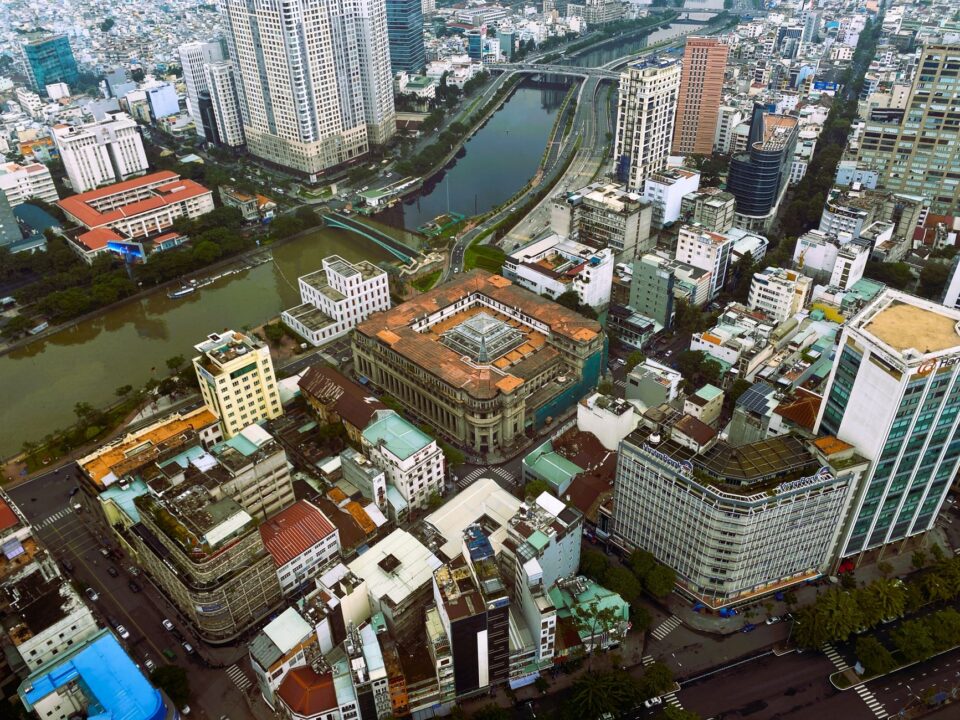
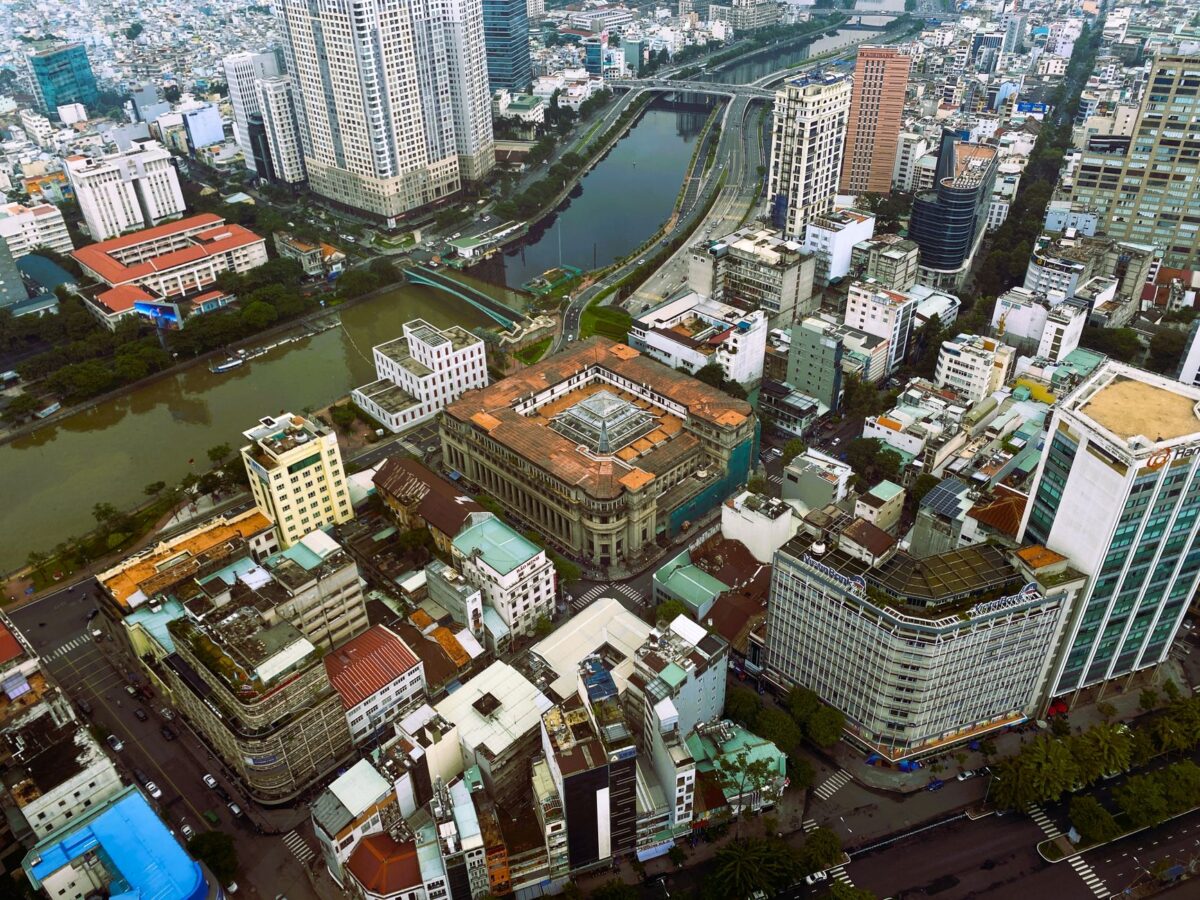
Tới năm 2025, TP.HCM thu hút hơn 141 tỷ USD vốn đầu tư trực tiếp nước ngoài lũy kế từ 152 quốc gia, dẫn đầu cả nước về điểm đến đầu tư. Nhưng con số chỉ là phần nổi. Điều đáng đọc nằm bên dưới: một thập niên cải cách hành chính bền bỉ, bộ máy quản trị số hóa, và cách thành phố biến chính sách nhất quán thành lợi thế cạnh tranh mà phần lớn thị trường mới nổi trong khu vực vẫn chưa có được.
Với nhà đầu tư, câu chuyện của TP.HCM cho thấy kỷ luật cải cách, quản trị số và quy hoạch minh bạch có thể biến một thị trường mới nổi thành điểm tụ vốn đáng tin tới đâu. Sức hấp dẫn của thành phố hôm nay không còn nằm ở quy mô kinh tế đơn thuần, mà ở độ tin cậy, hiệu quả và khả năng dự báo — những phẩm chất ngày càng định nghĩa năng lực cạnh tranh toàn cầu.
Quy mô và cơ cấu dòng vốn
Hệ sinh thái đầu tư của TP.HCM vừa rộng ra vừa sâu thêm. Đến cuối năm 2024, hơn 11.600 dự án FDI còn hiệu lực đang hoạt động trên địa bàn, chiếm gần một phần ba số dự án có vốn nước ngoài của cả nước. Quy mô bình quân mỗi dự án đang lớn dần khi nhà đầu tư chuyển từ lắp ráp nhỏ lẻ sang sản xuất và dịch vụ giá trị cao. Tổng vốn đăng ký 141 tỷ USD phản ánh niềm tin bền vững của giới đầu tư và sự liên tục của chính sách.
Singapore, Hàn Quốc, Nhật Bản và Hà Lan vẫn là những nhà đầu tư lớn nhất. Nhưng góp mặt từ châu Âu, Bắc Mỹ và Úc đã mở rộng nhanh chóng. Số nền kinh tế tham gia tăng từ 125 năm 2015 lên 152 năm 2025, cho thấy xu hướng đa dạng hóa và phân tán rủi ro trên phạm vi toàn cầu. Nền tảng rộng hơn này làm tăng sức chống chịu và gắn TP.HCM chặt hơn vào mạng lưới vốn quốc tế.
Cơ cấu đầu tư đã dịch chuyển dứt khoát. Chế tạo và bất động sản vẫn giữ vai trò lớn, song dịch vụ tài chính, hậu cần và hạ tầng số đang chiếm tỷ trọng ngày một cao. Bước chuyển này xác nhận thành phố đang rời nền tảng công nghiệp để trở thành nền kinh tế dẫn dắt bằng dịch vụ và đổi mới sáng tạo.
Cải cách thể chế và niềm tin nhà đầu tư
Đằng sau những con số là một thập niên cải cách nhất quán. Lãnh đạo thành phố sớm nhận ra năng lực cạnh tranh giờ phụ thuộc vào độ tin cậy của bộ máy hành chính hơn là khối lượng ưu đãi. Năm năm qua, thủ tục cấp phép được tinh gọn, thời gian xử lý rút ngắn, hệ thống dữ liệu kết nối liên thông. Nhà đầu tư nhờ vậy ít vướng chậm trễ và đối mặt với quy định rõ ràng hơn.
Việc lập đầu mối điều phối FDI tạo ra một cửa duy nhất cho nhà đầu tư, thay cho quy trình rời rạc giữa các sở ngành. Cấu trúc này bảo đảm trao đổi minh bạch và ra quyết định nhanh hơn. Song song, số hóa thủ tục hải quan, đất đai và thuế đã cắt mạnh chi phí giao dịch. Với nhà đầu tư quản lý danh mục trải nhiều khu vực pháp lý, minh bạch ấy là bảo chứng cho lợi nhuận có thể dự báo.
Khả năng dự báo về thể chế vì thế trở thành điểm khác biệt mạnh nhất của TP.HCM. Nhà đầu tư liên tục viện dẫn bộ máy hành chính hiệu quả, phê duyệt nhanh và thực thi nhất quán như những yếu tố quyết định khi mở rộng. Giữa một khu vực còn nhiều biến động pháp lý, độ tin cậy trong quản trị của thành phố nổi lên như một tài sản cạnh tranh.
Động lực ngành: chế tạo, tài chính và công nghệ
Chế tạo vẫn là trụ cột FDI của thành phố, nhưng diện mạo đang thay đổi. Các dự án công nghệ cao, sản xuất xanh và chế tạo chính xác đang thay thế lắp ráp giá rẻ. Tập đoàn đa quốc gia trong điện tử và tự động hóa công nghiệp mở rộng công suất tại Khu Công nghệ cao Sài Gòn và vùng đổi mới sáng tạo Thủ Đức. Những cụm này hút nhà cung cấp toàn cầu tìm kiếm an ninh chuỗi cung ứng và nhân lực kỹ thuật.
Cùng lúc, ngành tài chính giành trọng lượng chiến lược. Nỗ lực xây dựng Trung tâm Tài chính Quốc tế (IFC) đầu tiên của Việt Nam đã kích hoạt dòng vốn chảy vào ngân hàng, công nghệ tài chính và dịch vụ đầu tư. Ngân hàng quốc tế và công ty quản lý tài sản đang mở rộng hoạt động tại chỗ để đón cơ hội trong tài trợ thương mại, quản lý gia sản và tín dụng gắn với ESG. Hệ thống tuân thủ số và sự đồng bộ pháp lý giúp đà mở rộng ấy bền vững.
Đầu tư dẫn dắt bằng công nghệ cũng tăng tốc. Doanh nghiệp khởi nghiệp và công ty phần mềm hưởng lợi từ khả năng tiếp cận vốn mạo hiểm và hạ tầng số đã được cải thiện. Sự cộng hưởng giữa chế tạo, công nghệ tài chính và dịch vụ công nghệ thông tin báo hiệu một chuyển dịch cấu trúc, từ sản lượng vật chất sang năng suất trí tuệ.
Hạ tầng — chất xúc tác của tăng trưởng
Phát triển hạ tầng nâng đỡ mọi giai đoạn trong câu chuyện đầu tư của thành phố. Các dự án như Vành đai 3, đường sắt Bàu Bàng–Mộc Bài và cảng nước sâu Cần Giờ cải thiện kết nối trong nước và xuyên ASEAN. Những công trình này hạ chi phí hậu cần và mở đường cho mô hình sản xuất giao đúng lúc phục vụ ngành xuất khẩu.
Hạ tầng đô thị mở rộng song hành. Tuyến Metro số 1 sắp hoàn thành, các tuyến tiếp theo được quy hoạch để nối khu công nghiệp với khu dân cư và thương mại. Mạng lưới giao thông tốt hơn rút ngắn thời gian đi lại và nâng năng suất lao động. Với nhà đầu tư, đi lại thuận tiện chuyển trực tiếp thành chi phí thấp hơn và lực lượng lao động ổn định hơn.
Hạ tầng số tiến nhanh không kém. Vùng phủ 5G mở rộng, các trung tâm dữ liệu và nền tảng đô thị thông minh củng cố tham vọng đưa TP.HCM thành đầu mối hậu cần số. Sự hợp nhất giữa tài sản vật chất và tài sản số dựng nên sức chống chịu và nâng đỡ một thế hệ nhà đầu tư mới dựa trên công nghệ.
Đa dạng đối tác và tầm với toàn cầu
Sự đa dạng của đối tác đầu tư là nét định hình bản sắc toàn cầu của TP.HCM. Đông Á dẫn dắt đầu tư công nghiệp và công nghệ. Châu Âu đi đầu về năng lượng xanh và thiết kế đô thị. Bắc Mỹ và Úc mở rộng dấu chân trong giáo dục, hậu cần và y tế. Danh mục nhiều chiều này củng cố vị thế toàn cầu của thành phố và che chắn nó khỏi đợt suy giảm theo chu kỳ ở bất kỳ thị trường đơn lẻ nào.
Sự hiện diện của 152 quốc gia đối tác cũng phản ánh thế cân bằng địa chính trị của Việt Nam. Đối ngoại của thành phố giữ tính thực dụng và bao trùm, tránh được rủi ro chọn phe mà một số thị trường khác trong khu vực vấp phải. Nhà đầu tư từ cả nền kinh tế phát triển lẫn mới nổi nhìn TP.HCM như một cửa ngõ trung lập, cởi mở và đáng tin về thể chế để vào Đông Nam Á.
ESG và phát triển đô thị bền vững
Tiêu chuẩn môi trường, xã hội và quản trị (ESG) nay đã được lồng vào quy hoạch phát triển của thành phố. Khu công nghiệp xanh, công trình tiết kiệm năng lượng và hành lang giao thông phát thải thấp trở thành điều kiện tiên quyết cho đầu tư. Những bước đi này khớp với cam kết phát thải ròng bằng không vào năm 2050 của Việt Nam và đáp lại nhu cầu ngày càng lớn của nhà đầu tư về các chỉ số bền vững có thể kiểm chứng.
Các dự án FDI lớn giờ tích hợp năng lượng tái tạo, xử lý chất thải và mô hình sản xuất tuần hoàn. Hợp tác với Ngân hàng Thế giới và IFC đã đưa vào những mô hình tài trợ gắn ESG, thưởng cho tuân thủ bằng chi phí vốn thấp hơn. Với nhà đầu tư quốc tế, sự hòa quyện giữa quản trị và phát triển bền vững vừa nâng giá trị thương hiệu vừa tăng an toàn dài hạn.
Nền tảng vĩ mô và thế ổn định
Kỷ luật vĩ mô vẫn là nền móng cho niềm tin nhà đầu tư. TP.HCM đóng góp hơn 22% GDP cả nước và duy trì tăng trưởng hằng năm trên 8%. Lạm phát được kìm dưới 4%, tỷ giá ổn định củng cố lợi nhuận có thể dự báo. Cách quản lý tài khóa của thành phố cho phép đầu tư đều đặn vào hạ tầng và an sinh xã hội, làm tăng sức hút với vốn của các định chế.
Thị trường lao động của thành phố cũng chuyển mình tiếp. Một lực lượng trẻ, lành nghề nâng đỡ đà mở rộng sản xuất và dịch vụ. Hợp tác giáo dục với Hàn Quốc, Nhật Bản và Singapore đang đào tạo kỹ thuật viên và quản lý đạt chuẩn quốc tế. Lợi thế dân số này bổ trợ cho chính sách ổn định, mang lại cho nhà đầu tư cả năng suất lẫn độ bền.
Thách thức và ưu tiên quản trị
Đà tăng mạnh nhưng những thách thức cấu trúc vẫn còn. Ùn tắc đô thị, phân khu không đều và quỹ đất hạn chế ghìm bước mở rộng công nghiệp. Phối hợp liên ngành đôi khi vẫn làm chậm phê duyệt các dự án quy mô lớn. Thành phố đang xử lý bằng phân cấp, theo dõi dự án trên nền tảng số và mở rộng đối tác công–tư (PPP).
Độ tin cậy năng lượng là trọng tâm chính sách khác. Thành phố đang mở rộng nguồn phát tái tạo và nâng cấp ổn định lưới điện để đáp ứng nhu cầu công nghiệp. Quy hoạch phối hợp giữa Sở Công Thương và nhà phát triển tư nhân nhắm bảo đảm đủ điện cho hoạt động công nghệ cao. Bằng cách cài cải cách vào trong hạ tầng, TP.HCM giữ cho bước tiến chính sách bám sát đà tăng trưởng kinh tế.
Triển vọng chiến lược: từ điểm đến FDI tới mô hình thể chế
Thập niên tới sẽ thử thách xem TP.HCM có chuyển được từ đầu mối FDI của Việt Nam thành một mô hình thể chế của khu vực hay không. Các tín hiệu ban đầu khả quan. Cải cách hành chính đã tăng hiệu quả, các dự án hạ tầng đang nối thành phố vào hành lang hậu cần toàn cầu. Các cụm tài chính và công nghệ hình thành đang cài sức chống chịu vào nền kinh tế.
Với nhà đầu tư, quỹ đạo của thành phố mang lại cả ổn định lẫn quy mô. Nó kết hợp chiều sâu thị trường với khả năng dự báo về quản trị — một cặp đôi hiếm gặp ở thị trường mới nổi. Khi cạnh tranh trong ASEAN gắt lên, lợi thế của TP.HCM sẽ ngày càng dựa vào kỷ luật thể chế, tuân thủ ESG và độ tin cậy trong thực thi. Những yếu tố ấy đã định hình danh tiếng của thành phố và sẽ định đoạt năng lực cạnh tranh của nó trong thập niên tới.
Kết luận
Với 141 tỷ USD vốn FDI lũy kế từ 152 quốc gia đối tác, TP.HCM vẫn là chuẩn mực của Việt Nam về đầu tư quốc tế. Thành công ấy không đến từ ưu đãi mà từ quản trị, đa dạng hóa và cải cách. Chính quyền thành phố hiểu rằng hiệu quả mới là đồng tiền hiện đại của năng lực cạnh tranh. Khi Việt Nam hội nhập sâu hơn vào thế giới, TP.HCM sẽ tiếp tục dẫn đầu — neo giữ cả tăng trưởng quốc gia lẫn niềm tin của nhà đầu tư khu vực bằng minh bạch, đổi mới và thực thi có kỷ luật.
Lotus Investment Group tư vấn M&A xuyên biên giới và FDI vào Việt Nam và Đông Nam Á. Nếu quý vị đang thẩm định một vị thế tại Việt Nam, liên hệ với chúng tôi.
By 2025 Ho Chi Minh City had drawn cumulative foreign direct investment past USD 141 billion from 152 partner nations, confirming its place as the country’s top investment destination. But the headline is the surface. What’s worth reading sits beneath it: a decade of patient administrative reform, a digitised governance apparatus, and a city that turned policy consistency into a competitive edge most emerging markets in the region still lack.
For investors, the city’s story shows how far disciplined reform, digital governance and transparent planning can carry an emerging market toward becoming a trusted capital hub. Its pull today no longer rests on economic scale alone, but on credibility and predictability — the qualities that increasingly define global competitiveness.
Scale and structure of investment flows
Ho Chi Minh City’s investment ecosystem has grown both broader and deeper. By late 2024, over 11,600 valid FDI projects were operating across the city, accounting for nearly one-third of all foreign-invested projects nationwide. Average project size is rising as investors move from small-scale assembly to high-value production and services. Registered capital of USD 141 billion reflects sustained investor confidence and policy continuity.
Singapore, South Korea, Japan and the Netherlands remain the largest investors, but participation from Europe, North America and Australia has expanded fast. The number of contributing economies rose from 125 in 2015 to 152 in 2025, a sign of global diversification and risk reduction. That broader base strengthens resilience and embeds the city more firmly in global capital networks.
The composition of investment has shifted decisively. Manufacturing and real estate still carry weight, but financial services, logistics and digital infrastructure now capture a growing share. The shift confirms the city’s transition from an industrial base to a service- and innovation-led economy.
Institutional reform and investor confidence
Behind the numbers lies a decade of consistent reform. The city’s leadership recognised early that competitiveness now turns on administrative credibility rather than incentive volume. Over the past five years, licensing has been streamlined, timelines cut, and data systems interconnected. Investors face fewer delays and clearer rules as a result.
An FDI coordination office created a single gateway for investors, replacing fragmented departmental processes. The structure ensures transparent communication and faster decisions. Alongside it, digitising customs, land and tax procedures has sharply cut transaction costs. For investors managing multi-jurisdiction portfolios, that transparency offers assurance of predictable returns.
Institutional predictability has thus become the city’s strongest differentiator. Investors repeatedly cite efficient administration, quick approvals and consistent enforcement as decisive in expansion decisions. In a region marked by regulatory volatility, the city’s governance reliability stands out as a competitive asset.
Sectoral momentum: manufacturing, finance and technology
Manufacturing remains a cornerstone of the city’s FDI, but its character is evolving. High-tech, green and precision projects are replacing low-cost assembly. Multinationals in electronics and industrial automation are scaling capacity at the Saigon Hi-Tech Park and the Thủ Đức innovation zone. These clusters attract global suppliers chasing supply-chain security and technical talent.
Meanwhile the financial sector is gaining strategic weight. The push to build Vietnam’s first International Financial Centre (IFC) has catalysed inflows into banking, fintech and investment services. International banks and asset managers are expanding local operations to capture trade finance, wealth management and ESG-linked lending. Regulatory alignment and digital compliance systems keep that expansion sustainable.
Technology-driven investment is accelerating too. Start-ups and software firms benefit from improved venture-capital access and digital infrastructure. The synergy between manufacturing, fintech and IT services signals a structural shift from physical output to intellectual productivity.
Infrastructure as a catalyst for growth
Infrastructure underpins every stage of the city’s investment story. Projects such as Ring Road 3, the Bàu Bàng–Mộc Bài railway and the Cần Giờ deep-sea port enhance connectivity within Vietnam and across ASEAN. They lower logistics costs and enable just-in-time manufacturing for export-oriented industries.
Urban infrastructure is expanding in parallel. Metro Line 1 is nearing completion, with further lines planned to integrate industrial zones with residential and commercial centres. Better transport networks cut commute times and lift labour efficiency. For investors, easier mobility translates directly into lower overheads and a more stable workforce.
Digital infrastructure advances just as quickly. Expanded 5G coverage, data centres and smart-city platforms reinforce the city’s ambition to become a digital logistics hub. Pairing physical and digital assets builds resilience and supports a new generation of technology-based investors.
Partnership diversity and global reach
The diversity of investment partners defines the city’s global identity. East Asia drives industrial and technology investment. Europe leads in green energy and urban design. North America and Australia are expanding footprints in education, logistics and healthcare. This multidimensional portfolio strengthens the city’s positioning and shields it from cyclical downturns in any single market.
The presence of 152 partner nations also reflects Vietnam’s geopolitical balance. The city’s diplomacy stays pragmatic and inclusive, avoiding the alignment risks seen in other regional markets. Investors from advanced and emerging economies alike view Ho Chi Minh City as a neutral, open and institutionally credible gateway into Southeast Asia.
ESG integration and sustainable urban development
Environmental, social and governance (ESG) standards are now embedded in the city’s development planning. Green industrial zones, energy-efficient buildings and low-emission transport corridors have become investment prerequisites. These measures align with Vietnam’s 2050 net-zero commitment and answer growing investor demand for verifiable sustainability metrics.
Major FDI projects now incorporate renewable energy, waste treatment and circular production systems. Partnerships with the World Bank and IFC have introduced ESG-linked financing models that reward compliance with lower capital costs. For international investors, marrying governance to sustainability lifts both brand equity and long-term security.
Macroeconomic fundamentals and stability
Macroeconomic discipline remains the foundation of investor confidence. Ho Chi Minh City contributes over 22% of Vietnam’s GDP and holds annual growth above 8%. Inflation has stayed below 4%, and currency stability reinforces predictable returns. The city’s fiscal management allows consistent investment in infrastructure and social welfare, deepening its appeal to institutional capital.
The labour market keeps evolving as well. A young, skilled workforce supports manufacturing and service expansion. Education partnerships with Korea, Japan and Singapore are producing technicians and managers trained to global standards. This demographic advantage complements policy stability, offering investors both productivity and longevity.
Challenges and governance priorities
Strong momentum aside, structural challenges remain. Urban congestion, uneven zoning and limited land availability constrain industrial expansion. Inter-agency coordination can still delay large-scale approvals. The city is tackling this through decentralisation, digital project tracking and expanded public-private partnerships (PPP).
Energy reliability is another policy focus. The city is expanding renewable generation and upgrading grid stability to meet industrial demand. Coordinated planning between the Department of Industry and Trade and private developers aims to secure adequate power for high-tech operations. By embedding reform within infrastructure, Ho Chi Minh City keeps policy evolution matched to economic growth.
Strategic outlook: from FDI hub to institutional model
The next decade will test whether Ho Chi Minh City can move from Vietnam’s FDI hub to a regional institutional model. Early indicators look promising. Administrative reforms have raised efficiency, and infrastructure projects are wiring the city into global logistics corridors. Financial and technology clusters are embedding resilience in the economic base.
For investors, the city’s trajectory offers stability and scale at once. It pairs market depth with governance predictability — a rare combination in emerging markets. As competition intensifies across ASEAN, the city’s advantage will rest increasingly on institutional discipline, ESG compliance and execution reliability. These already define its reputation and will shape its competitiveness in the decade ahead.
Conclusion
With cumulative FDI of USD 141 billion from 152 partner nations, Ho Chi Minh City remains Vietnam’s benchmark for international investment. That success stems not from incentives but from governance and reform. The administration understands that efficiency is the modern currency of competitiveness. As Vietnam deepens its global integration, Ho Chi Minh City will keep leading — anchoring national growth and regional investor confidence through transparency, innovation and disciplined execution.
Lotus Investment Group advises on cross-border M&A and FDI into Vietnam and Southeast Asia. If you are underwriting Vietnam exposure, get in touch.
Nguồn / Sources
[1]
Trung tâm Báo chí TP.HCM (10/2025) — TP.HCM đẩy mạnh cải cách thái độ phục vụ của chính quyền.