

US Vietnam Market Access: Tariffs and Rules of Origin
October 29, 2025
Vietnam FDI Outlook: Sustaining Momentum to 2030
October 31, 2025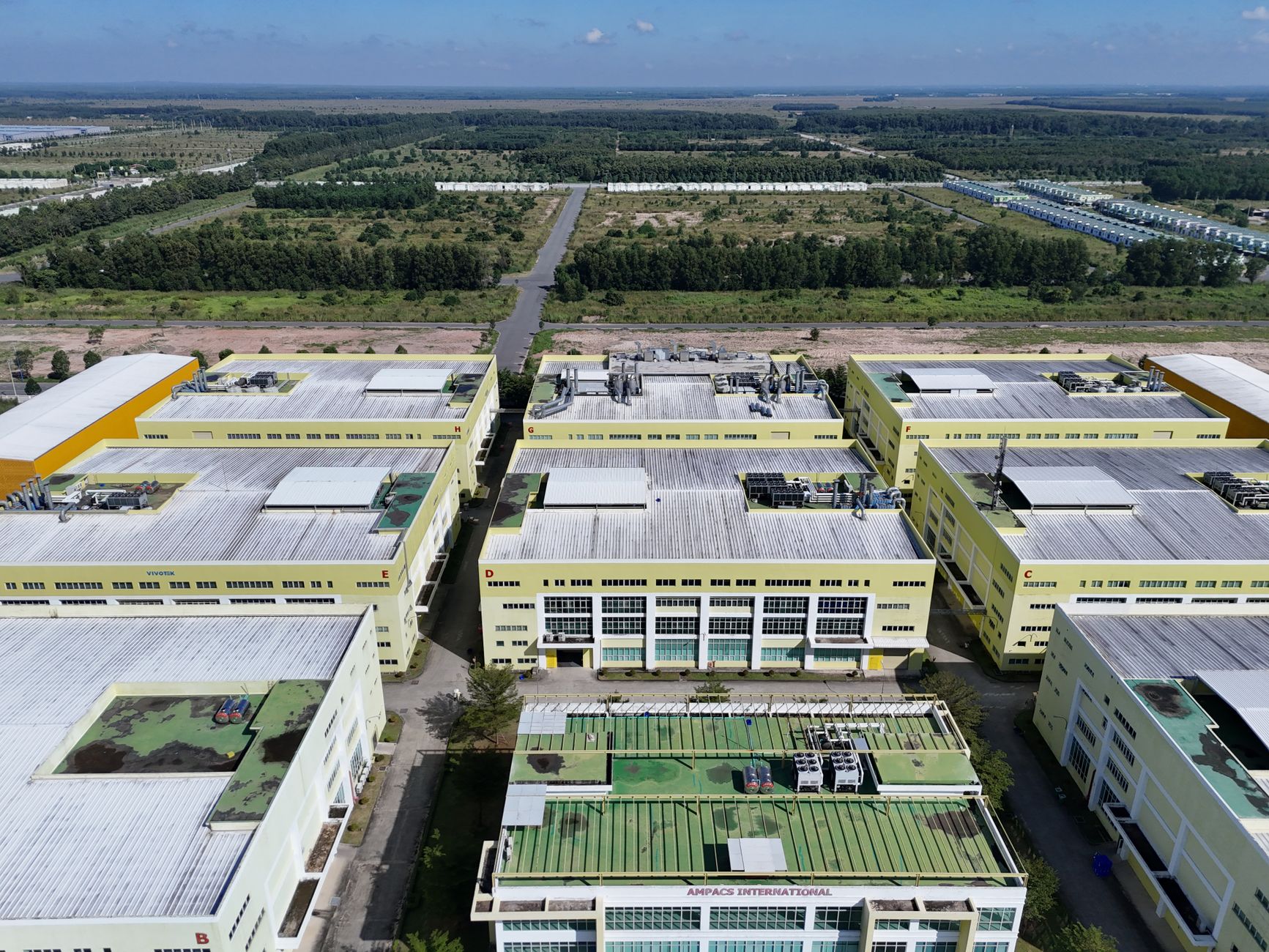
Founder Notes — Lotus Investment Group
Vietnam FDI Transition: From Incentives to Quality
Chuyển dịch FDI của Việt Nam: từ ưu đãi sang chất lượng thể chế
Chiến lược thu hút vốn đầu tư trực tiếp nước ngoài (FDI) của Việt Nam đang bước vào một khúc ngoặt rõ rệt. Suốt nhiều thập niên, đất nước kéo vốn về bằng ưu đãi: miễn giảm thuế, đặc quyền xuất khẩu, lao động giá rẻ. Công thức ấy có hiệu quả, nhưng đang nhường chỗ cho một mô hình khác — dựa vào chất lượng thể chế, tính bền vững và năng lực đổi mới. Bước sang năm 2025, khi nhà đầu tư toàn cầu phải đối mặt với các chế độ thuế mới, sự sắp xếp lại địa chính trị và những yêu cầu về ESG, thì chính việc Việt Nam đặt trọng tâm vào quản trị và nâng cấp công nghiệp mới là lợi thế cạnh tranh bền nhất.
Thành tích của đất nước vẫn rất đáng nể. FDI giải ngân năm 2024 đạt 18,8 tỷ USD, mức cao nhất từ trước tới nay. Nhưng vốn đăng ký mới lại giảm 8,6%, cho thấy đà mở rộng dự án trên toàn cầu đang chậm lại. Sự lệch nhịp này phản ánh ưu tiên của nhà đầu tư đang đổi: từ mở rộng ồ ạt chuyển sang hiệu quả có chọn lọc. Chặng tăng trưởng FDI tiếp theo của Việt Nam vì thế sẽ ít phụ thuộc vào ưu đãi, và nhiều hơn vào sức mạnh cấu trúc.
Bối cảnh toàn cầu: hài hòa thuế và tái cân bằng dòng vốn
Các cuộc cải cách thuế toàn cầu đang vẽ lại bản đồ đầu tư xuyên biên giới. Thuế tối thiểu toàn cầu 15% của OECD cùng những chế độ thuế đối ứng đã thu hẹp dư địa ưu đãi truyền thống dành cho tập đoàn đa quốc gia. Với Việt Nam, nơi từng áp thuế suất thực dưới 10% cho các nhà đầu tư lớn, diễn biến này buộc phải tính lại bài toán chiến lược. Cuộc đua hạ thuế đang mất dần ý nghĩa; quản trị và năng suất nổi lên thành điểm khác biệt mới.
Các nền kinh tế lớn như Hoa Kỳ, Nhật Bản và Hàn Quốc đang nắn lại chuỗi cung ứng về phía những đối tác tin cậy. Ưu tiên chính sách của Việt Nam vì thế dịch chuyển: không còn là hút bất kỳ đồng vốn nào, mà là giành cho được dòng FDI chất lượng cao, dẫn dắt bởi công nghệ. Hướng đi này khớp với khát vọng trở thành nước thu nhập trung bình cao vào năm 2030 và nước thu nhập cao vào năm 2045. Chiến lược FDI 2025 do đó đặt cải cách thể chế, độ sẵn sàng của hạ tầng và nguồn nhân lực làm ba trụ cột trung tâm.
Khu công nghiệp và mệnh lệnh tăng trưởng xanh
Mạng lưới khu công nghiệp của Việt Nam đang chuyển mình về bản chất. Những khu cũ dựng trên lắp ráp giá rẻ nhường chỗ cho các cụm công nghệ cao, sinh thái và thiên về hậu cần. Các tỉnh như Bắc Ninh, Bình Dương và Long An giờ cạnh tranh bằng năng lực bền vững, đo dấu chân carbon, dùng năng lượng tái tạo, tái chế chất thải, chứ không chỉ bằng ưu đãi thuế.
Bước chuyển này trùng nhịp với Chiến lược tăng trưởng xanh quốc gia (2021–2030) và Quan hệ đối tác chuyển dịch năng lượng công bằng của Việt Nam. Các chủ đầu tư lắp điện mặt trời áp mái, tái chế nước thải và hậu cần tiết kiệm năng lượng để đáp ứng chuẩn ESG mà nhà sản xuất toàn cầu đòi hỏi. Hệ quả là nhiều dự án FDI mới được cấu trúc thành liên doanh bền vững thay vì hợp đồng thuê nhà xưởng thuần túy. Việc chính phủ ủng hộ khu công nghiệp sinh thái đánh dấu một khúc ngoặt từ lượng sang chất trong phát triển công nghiệp.
Với nhà đầu tư, bước chuyển đổi này mang lại ổn định vận hành và lợi thế về uy tín. Khi chuỗi cung ứng toàn cầu bị soi xét theo tiêu chí ESG, năng lực tuân thủ môi trường của Việt Nam trở thành tấm vé vào thị trường chứ không còn là gánh nặng pháp lý. Trên thực tế, chính sách FDI 2025 đã biến quy định môi trường thành một hạng mục của hạ tầng đầu tư.
Cải cách chính sách: Quỹ hỗ trợ đầu tư và hiện đại hóa thể chế
Các công cụ chính sách gần đây cho thấy rõ định hướng mới. Nghị định 29/2024 và việc lập Quỹ hỗ trợ đầu tư đã tinh gọn các khoản tài trợ nghiên cứu phát triển, trợ cấp đào tạo và ưu đãi di dời. Thay cho miễn thuế đại trà, hỗ trợ giờ gắn với kết quả — nhà đầu tư phải đạt ngưỡng về giá trị xuất khẩu, chuyển giao công nghệ hoặc phát triển lực lượng lao động. Mô hình dựa trên đầu ra này khớp chi tiêu ngân sách với lợi ích quốc gia đo đếm được.
Song song, số hóa đang thay đổi môi trường đầu tư. Bộ Kế hoạch và Đầu tư đã đưa vào vận hành hệ thống thông tin đầu tư quốc gia, cho phép cấp phép, giám sát và báo cáo trực tuyến. Sự minh bạch này cắt giảm chậm trễ hành chính lẫn rủi ro tham nhũng, đồng thời để nhà đầu tư theo dõi tiến độ dự án theo thời gian thực. Khi thủ tục chạy trơn tru hơn, bản thân chất lượng quản trị của Việt Nam trở thành một tài sản cạnh tranh.
Ưu tiên ngành: công nghệ, năng lượng, chế tạo tiên tiến
Cách chọn ngành trong kế hoạch FDI 2025–2030 phản ánh chiến lược công nghiệp dài hạn của Việt Nam. Các ngành ưu tiên gồm bán dẫn, năng lượng tái tạo, cơ khí chính xác và sản xuất thiết bị y tế. Chuyển giao công nghệ, tuân thủ nội địa hóa dữ liệu và hạ tầng số trở thành điều kiện bắt buộc của các dự án quy mô lớn. Những ràng buộc ấy thúc đẩy hiệu ứng lan tỏa và bồi đắp năng lực trong nước.
Ngành năng lượng tái tạo là ví dụ điển hình cho cách tiếp cận tích hợp này. Khi nhà đầu tư điện mặt trời và điện gió chuyển từ cơ chế giá cố định sang đấu thầu, các chủ đầu tư nước ngoài buộc phải làm việc với nhà cung cấp trong nước và tham gia số hóa lưới điện. Cách làm này bảo đảm công nghệ được hấp thụ thay vì lệ thuộc một chiều. Trong khi đó, các sáng kiến bán dẫn nảy nở từ hợp tác với Hoa Kỳ, Nhật Bản và Singapore đang đưa Việt Nam vào chuỗi giá trị điện tử toàn cầu ở tầng cao hơn khâu lắp ráp.
Nguồn nhân lực và phần thưởng năng suất
Lợi thế lao động của Việt Nam đang dịch từ giá rẻ sang năng lực. Chương trình phát triển nguồn nhân lực 2025–2035 của chính phủ tập trung vào đào tạo kỹ thuật, năng lực ngoại ngữ và khả năng làm chủ tự động hóa. Các trường nghề tại Thành phố Hồ Chí Minh, Đà Nẵng và Hải Phòng nay bắt tay với doanh nghiệp nước ngoài để chương trình học khớp với chuẩn sản xuất toàn cầu. Khi tự động hóa lan rộng, thứ giữ được sức cạnh tranh là năng suất tăng lên, chứ không phải tiền công bị nén.
Vì thế nhà đầu tư ngày càng nhìn Việt Nam như một bệ đỡ cho nghiên cứu phát triển khu vực. Các hãng công nghệ Hàn Quốc và Hoa Kỳ đã bắt đầu đặt bộ phận thiết kế và kiểm thử ngay trong khu công nghiệp Việt Nam, tận dụng cả lao động lành nghề lẫn vị trí gần các thị trường châu Á. Bước xoay trục về nhân lực này định nghĩa lại điều khiến Việt Nam hấp dẫn: chiều sâu nhân tài, sự nhất quán thể chế và khả năng kết nối khu vực.
Hạ tầng và tích hợp số
Hạ tầng vật lý và hạ tầng số đang hội tụ. Việc chính phủ chú trọng kết nối đa phương thức, nối cảng biển, cao tốc và trung tâm hậu cần, kéo giảm chi phí vận chuyển nội địa và rút ngắn thời gian giao hàng. Cùng lúc, đầu tư vào phủ sóng 5G và trung tâm dữ liệu đang đưa Việt Nam thành một đầu mối hậu cần và số của khu vực. Những cải thiện này nâng chất lượng FDI bằng cách hạ rủi ro vận hành và giúp nhà đầu tư nhìn rõ toàn chuỗi cung ứng.
Hạ tầng số còn củng cố khâu tuân thủ. Việc triển khai hải quan điện tử, giám sát theo thời gian thực và xác thực xuất khẩu dựa trên chuỗi khối bảo đảm việc tạo thuận lợi thương mại khớp với chuẩn mực quốc tế. Sự hội tụ giữa công nghệ và quản trị này gia cố uy tín của Việt Nam trong các chuỗi giá trị toàn cầu. Chiến lược FDI 2025 do đó coi số hóa không phải một thứ điểm xuyết, mà là xương sống của thể chế.
Vị thế cạnh tranh trong một thế giới phân mảnh
Sức cạnh tranh của Việt Nam không còn dựa thuần vào ưu đãi hay lợi thế chi phí. Thay vào đó, sức bền của nó đến từ đa dạng hóa, sự tương thích về pháp lý và hội nhập song phương. Việc tham gia CPTPP và RCEP mở cánh cửa tiếp cận miễn thuế tới hơn năm mươi thị trường, trong khi các khuôn khổ gần đây với Hoa Kỳ và Liên minh châu Âu củng cố hợp tác công nghệ và ESG. Khi các hành lang thương mại toàn cầu rạn vỡ, mạng lưới hiệp định chồng lớp của Việt Nam tạo ra lớp đệm trước những cú sốc đơn phương.
Dù vậy, sức ép từ các đối thủ trong khu vực vẫn rất gắt. Indonesia, Thái Lan và Malaysia đều đang chạy đua. Nước nào cũng đang cải cách chế độ đầu tư để hút những ngành giá trị cao. Lợi thế của Việt Nam nằm ở sự linh hoạt thể chế: khả năng cải cách nhanh hơn và thực thi nhất quán hơn. Chính sự thích ứng ấy giúp Việt Nam vẫn là điểm đến được ưa chuộng cho dòng vốn dài hạn, ngay cả khi FDI toàn cầu siết lại.
Sức bền vĩ mô và niềm tin của nhà đầu tư
Nền tảng vĩ mô ổn định càng tô đậm lợi thế này. Lạm phát được giữ quanh 3,5%, còn tỷ giá biến động không nhiều. Chính sách tiền tệ kỷ luật của Ngân hàng Nhà nước duy trì niềm tin của nhà đầu tư giữa những cơn gió ngược từ bên ngoài. Cộng với điều hành tài khóa thận trọng, các điều kiện này tạo ra một môi trường ổn định cho những cam kết sản xuất dài hạn.
Hơn thế, dự trữ ngoại hối của Việt Nam vượt 100 tỷ USD, đủ làm tấm đệm trước biến động dòng vốn. Nền vĩ mô ổn định bổ trợ cho cải cách cấu trúc, dựng nên hai lớp an toàn cho nhà đầu tư: chính sách dễ đoán và nền tảng vững. Cùng nhau, chúng chống đỡ một câu chuyện đáng tin và đáng rót vốn — thứ giúp Việt Nam khác biệt trong kỷ nguyên hậu ưu đãi.
Triển vọng: thể chế mạnh là đồng tiền cạnh tranh
Tương lai FDI tại Việt Nam sẽ được định đoạt bằng chất lượng quản trị chứ không phải bằng cuộc đua thuế. Khi nhà đầu tư toàn cầu xoay về phía tuân thủ, minh bạch và bền vững, thì việc Việt Nam tự định vị như một nền kinh tế kỷ luật, lấy cải cách làm gốc sẽ quyết định thành bại. Giới hoạch định chính sách ngày càng nhận ra rằng thứ kéo được quy mô và độ bền của đầu tư là độ tin cậy của luật chơi, chứ không phải sự hào phóng của nó.
Với nhà đầu tư, bước tiến hóa này có nghĩa là ít méo mó hơn và chính sách rõ ràng hơn. Khi khuôn khổ FDI 2025 chín dần, các thương vụ sẽ xoay quanh hiệu quả tích hợp, quản trị số và độ sẵn sàng ESG. Sự chuyển hướng này đặt mô hình tăng trưởng của Việt Nam vào đúng thực tế của một nền kinh tế toàn cầu vận hành theo luật lệ, biến chính cải cách thành một nguồn lợi thế so sánh lâu bền.
Kết luận
Câu chuyện FDI của Việt Nam không còn là chuyện tăng trưởng nhờ ưu đãi. Nó là chuyện sức bền dựng trên quản trị, nhân tài và minh bạch. Khi thế giới chuyển sang một bối cảnh hậu cạnh tranh thuế, chính sức mạnh thể chế và sự nhất quán chính sách sẽ duy trì đà đầu tư của Việt Nam. Đất nước đã đi từ cạnh tranh bằng chi phí sang cạnh tranh bằng uy tín — và điều đó, hơn bất kỳ ưu đãi nào, mới làm nên một điểm đến đầu tư hiện đại.
Lotus Investment Group tư vấn M&A xuyên biên giới và FDI vào Việt Nam và Đông Nam Á. Nếu quý vị đang thẩm định một vị thế tại Việt Nam, liên hệ với chúng tôi.
Vietnam’s foreign direct investment (FDI) strategy is entering a defining transition. For decades the country pulled in capital through incentives: tax holidays, export privileges, low-cost labour. That formula worked, but it’s now giving way to a model built on institutional quality and innovation. In 2025, as global investors face new tax regimes, geopolitical realignment and ESG mandates, Vietnam’s focus on governance and industrial upgrading has become its most durable competitive edge.
The country’s performance still impresses. Disbursed FDI in 2024 reached USD 18.8 billion, an all-time high. Yet newly registered capital fell 8.6%, a sign that global project expansion is slowing. The mismatch reflects shifting investor priorities — from aggressive expansion toward selective efficiency. Vietnam’s next phase of FDI growth will lean less on incentives and more on structural strength.
Global context: tax harmonisation and capital rebalancing
Global tax reform is redrawing the map of cross-border investment. The OECD’s 15% global minimum tax and reciprocal tax regimes have narrowed the traditional incentives multinationals once enjoyed. For Vietnam, which previously offered effective tax rates below 10% to major investors, that forces a strategic recalibration. Tax competition is losing relevance; governance and productivity are emerging as the new differentiators.
Major economies, the United States, Japan and South Korea among them, are realigning supply chains toward trusted partners. Vietnam’s policy priority is shifting accordingly: not attracting any capital, but securing high-quality, technology-driven FDI. The direction matches its ambition to become an upper-middle-income country by 2030 and a high-income economy by 2045. The 2025 FDI strategy therefore puts institutional reform, infrastructure readiness and human capital at its centre.
Industrial parks and the green-growth imperative
Vietnam’s network of industrial parks is changing in character. Older zones built on low-cost assembly are giving way to high-tech and eco-industrial clusters oriented around logistics. Provinces such as Bắc Ninh, Bình Dương and Long An now compete on sustainability credentials such as carbon tracking, renewable power and waste recycling, rather than tax breaks alone.
The shift runs in step with the National Green Growth Strategy (2021–2030) and Vietnam’s Just Energy Transition Partnership. Developers are adding solar rooftops, wastewater recycling and energy-efficient logistics to meet the ESG standards global manufacturers demand. As a result, more new FDI projects are structured as sustainability ventures rather than plain factory leases. The government’s backing of eco-industrial zones marks a turn from quantity to quality in industrial development.
For investors, the transformation brings operational stability and reputational gain. As global supply chains get ESG-audited, Vietnam’s environmental compliance capacity becomes a passport to market access rather than a regulatory burden. In effect, the 2025 FDI policy turns environmental regulation into a piece of investment infrastructure.
Policy reform: the Investment Support Fund and institutional modernisation
Recent policy instruments make the new orientation plain. Decree 29/2024 and the establishment of the Investment Support Fund streamline R&D grants, training subsidies and relocation incentives. Instead of blanket tax exemptions, support is now performance-linked — investors have to clear thresholds on export value, technology transfer or workforce development. This outcome-based model ties fiscal spending to measurable national benefit.
Digitalisation is reshaping the investment climate alongside it. The Ministry of Planning and Investment has rolled out a national investment information system that handles licensing and monitoring and reporting online. That transparency cuts administrative delay and corruption risk while letting investors track project progress in real time. As procedures run more smoothly, Vietnam’s governance becomes a competitive asset in its own right.
Sectoral priorities: technology, energy, advanced manufacturing
The sector targeting in the 2025–2030 FDI plan reflects Vietnam’s long-term industrial strategy. Priority sectors run from semiconductors and renewable energy to precision mechanics and healthcare manufacturing. Large-scale projects now carry mandatory conditions around technology transfer, data-localisation compliance and digital infrastructure. Those conditions push spillover effects and domestic capacity building.
Renewable energy is the clearest example of the integrated approach. As solar and wind investors move from feed-in tariffs to auction models, foreign developers now have to engage local suppliers and join grid digitalisation. The model ensures technology gets absorbed rather than rented. Meanwhile semiconductor initiatives, growing out of partnerships with the United States, Japan and Singapore, are embedding Vietnam in the global electronics value chain well beyond assembly work.
Human capital and the productivity dividend
Vietnam’s labour advantage is moving from cost to capability. The government’s 2025–2035 workforce agenda concentrates on technical training, language proficiency and automation literacy. Vocational institutes in Ho Chi Minh City, Đà Nẵng and Hải Phòng now partner with foreign firms to align curricula with global production standards. As automation spreads, what sustains competitiveness is productivity gains, not wage suppression.
So investors increasingly see Vietnam as a platform for regional R&D. Technology firms from South Korea and the United States have begun siting design and testing units inside Vietnam’s industrial zones, drawing on both skilled labour and proximity to Asian markets. This human-capital pivot redefines what makes Vietnam attractive: depth of talent, institutional consistency and regional connectivity.
Infrastructure and digital integration
Physical and digital infrastructure are converging. The government’s push on multimodal connectivity, which ties ports to expressways and logistics hubs, lowers internal transport costs and shortens delivery times. Investment in 5G coverage and data centres is positioning Vietnam as a regional logistics and digital hub at the same time. These gains lift FDI quality by reducing operational risk and giving investors clearer visibility across the supply chain.
Digital infrastructure also tightens compliance. Electronic customs, real-time monitoring and blockchain-based export validation keep trade facilitation in line with international norms. The convergence of technology and governance reinforces Vietnam’s credibility within global value chains. The 2025 FDI strategy treats digitalisation not as an add-on but as an institutional backbone.
Competitive position in a fragmented world
Vietnam’s competitiveness no longer rests on incentives or cost alone. Its resilience comes from diversification, regulatory alignment and bilateral integration. Membership in the CPTPP and RCEP opens tariff-free access to more than fifty markets, while recent frameworks with the United States and the EU deepen technology and ESG partnerships. As global trade corridors fracture, Vietnam’s overlapping agreements create a buffer against unilateral shocks.
Regional rivals press hard all the same. Indonesia, Thailand and Malaysia are all reforming their investment regimes to attract high-value industries. Vietnam’s edge lies in institutional agility: reforming faster and implementing more consistently. That adaptability keeps Vietnam a preferred destination for long-horizon capital even as global FDI flows tighten.
Macroeconomic resilience and investor confidence
Stable macro fundamentals deepen the advantage. Inflation sits near 3.5%, and the exchange rate shows limited volatility. The State Bank of Vietnam’s disciplined monetary policy holds investor confidence through external headwinds. Paired with prudent fiscal management, these conditions make a stable setting for long-term manufacturing commitments.
Vietnam’s external reserves also top USD 100 billion, an ample buffer against capital-flow swings. That macro stability complements structural reform, giving investors two layers of security: predictable policy and resilient fundamentals. Together they underpin a credible, investable story that sets Vietnam apart in the post-incentive era.
Outlook: institutional strength as competitive currency
The future of FDI in Vietnam will be settled by governance quality, not tax competition. As global investors turn toward compliance and sustainability, Vietnam’s self-positioning as a disciplined, reform-led economy will decide its success. Policymakers increasingly grasp that what drives the scale and longevity of investment is the credibility of rules, not their generosity.
For investors, that evolution means fewer distortions and clearer policy. As the 2025 FDI framework matures, deals will turn on integration efficiency, digital governance and ESG readiness. The shift aligns Vietnam’s growth model with the realities of a rules-based global economy, making reform itself an enduring source of comparative advantage.
Conclusion
Vietnam’s FDI story is no longer about incentive-driven growth. It’s about resilience built on governance and talent and hard-won transparency. As the world moves to a post-tax-competition landscape, institutional strength and policy coherence will carry Vietnam’s investment momentum. The country has gone from competing on cost to competing on credibility — and that, more than any incentive, is what defines a modern investment destination.
Lotus Investment Group advises on cross-border M&A and FDI into Vietnam and Southeast Asia. If you are underwriting Vietnam exposure, get in touch.
Nguồn / Sources
[1]
Vietnam Investment Review (2025, 27 tháng 10) — Vietnam’s FDI outlook amid worldwide shifts.