


Vietnam Aerospace Supply Chain: How a Supplier Base Scales
March 31, 2026
RCEP Rules of Origin: Cumulation, Tariffs, Customs
April 1, 2026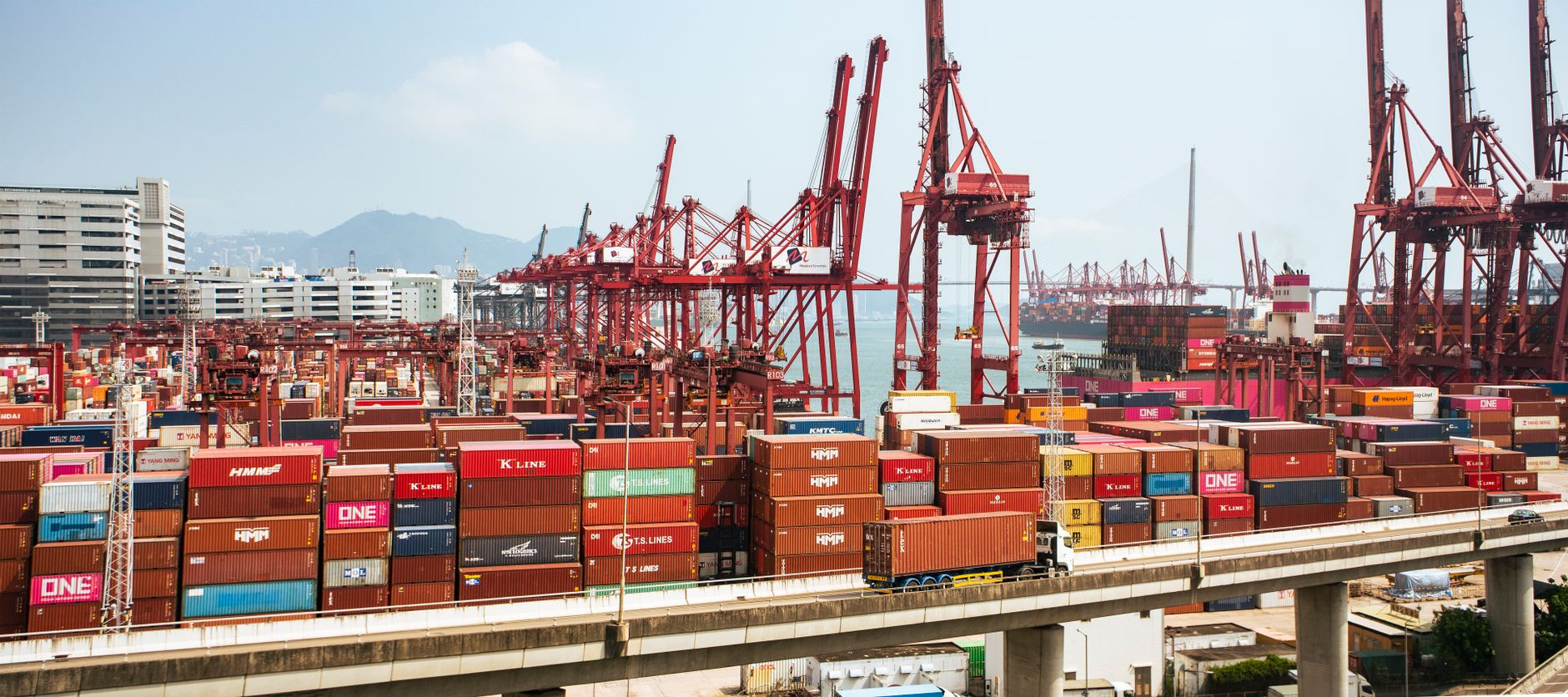
Founder Notes — Lotus Investment Group
Vietnam RCEP Strategy: From Access to Real Utilisation
RCEP và bài toán tận dụng: Việt Nam định hình lại dòng thương mại và dòng vốn khu vực
Việt Nam vừa khởi động chương trình thúc đẩy tận dụng RCEP, và lựa chọn thời điểm này nói lên một điều quan trọng. Ký được hiệp định thương mại không đồng nghĩa với hưởng lợi từ nó. RCEP là một trong những khung hội nhập lớn nhất thế giới, nối các nền kinh tế chủ chốt của châu Á qua thuế quan ưu đãi và quy tắc xuất xứ chung. Nhưng tham gia chỉ mở cánh cửa; ai đi qua được cánh cửa đó lại là chuyện của năng lực vận hành.
Khoảng cách giữa quyền tiếp cận thị trường trên giấy và giá trị kinh tế thật chảy về là chỗ đáng đọc nhất. Nước nào biến điều khoản hiệp định thành hệ thống vận hành thật, với chuỗi cung ứng khớp quy tắc xuất xứ, hậu cần thông suốt và khung pháp lý rõ ràng, sẽ giành phần lợi lớn hơn hẳn so với mức tham gia của mình. Phần còn lại đứng nhìn ưu đãi nằm yên trên văn bản.
Bài này nhìn RCEP của Việt Nam ở cả hai mặt. Cơ hội là thật: hiệp định kéo dòng vốn về, dồn chuỗi cung ứng vào những nơi đáp ứng được tiêu chuẩn, và đẩy đất nước lên nấc cao hơn trong mạng lưới sản xuất khu vực. Cái giá cũng thật: hạ tầng còn nút thắt, hội nhập sâu kéo theo lệ thuộc cơ cấu, và dồn quá nhiều vào một khung có thể trói tay đàm phán. Đọc đủ cả hai mới thấy điều gì quyết định kết quả.
Từ tiếp cận sang tận dụng — phép thử thật của RCEP
Hiệp định thương mại dựng nên khuôn khổ, nhưng giá trị chỉ hiện ra khi doanh nghiệp gắn khuôn khổ ấy vào chuỗi cung ứng đang chạy. Thuế quan giảm và quy tắc xuất xứ gọn hơn tạo động lực, song muốn nắm phần lợi, công ty phải sắp xếp lại nguồn cung, điều chỉnh sản xuất, tối ưu luồng hậu cần. Thiếu khâu vận hành này, hiệp định chỉ là lợi thế trên lý thuyết. Đó là lý do tỷ lệ tận dụng thường thấp hơn nhiều so với kỳ vọng chính sách.
Việc Việt Nam khởi động chương trình thúc đẩy tận dụng RCEP cho thấy đã nhìn ra đúng chỗ nghẽn. Trọng tâm phải là giúp doanh nghiệp đưa điều khoản RCEP vào hệ thống sản xuất: kết nối lại mạng lưới nhà cung cấp, chỉnh quy trình chế tạo cho khớp yêu cầu xuất xứ. Nhà nước đỡ được phần hướng dẫn, hạ tầng và minh bạch pháp lý; doanh nghiệp lo phần triển khai. Công ty nào khớp được sẽ giảm chi phí và mở rộng thị trường. Còn lại, ưu đãi nằm yên.
Quy tắc xuất xứ — đòn bẩy định vị chuỗi cung ứng
Quy tắc xuất xứ là phần lõi của RCEP, và nó nắn cách chuỗi cung ứng được dựng lên. Quy tắc này quyết định sản phẩm có đủ điều kiện hưởng thuế ưu đãi hay không, dựa trên quy trình sản xuất và nguồn linh kiện. Doanh nghiệp phải thiết kế chuỗi vừa đạt yêu cầu xuất xứ vừa giữ được hiệu quả và sức cạnh tranh về chi phí. Vì thế quy tắc xuất xứ chi phối thẳng các quyết định: mua linh kiện ở đâu, đặt nhà máy chỗ nào, hội nhập khu vực tới mức nào.
Việt Nam có thể dùng chính quy tắc này để chắc chân hơn trong chuỗi khu vực, bằng cách đẩy giá trị nội địa và phát triển nhà cung cấp trong nước. Công ty nào chỉnh quy trình cho khớp RCEP sẽ tối ưu được thuế ưu đãi và đan sâu hơn với đối tác trong vùng. Nhưng chiến lược này đòi ngành và chính sách phải đi cùng nhịp — nếu lệch, doanh nghiệp khó đạt chuẩn hoặc bỏ sang nước khác. Dùng khéo quy tắc xuất xứ, Việt Nam nâng được vị thế trong mạng lưới sản xuất khu vực; dùng vụng, nó thành rào cản.
Kiến trúc thương mại giờ định hướng dòng vốn
Khung như RCEP không chỉ chi phối hàng hóa di chuyển; nó định cả nơi vốn đổ về. Nhà đầu tư đọc kiến trúc thương mại khi chọn chỗ đặt sản xuất và phân bổ nguồn lực. Nước nào cho phép tiếp cận hiệu quả nhiều thị trường cùng lúc sẽ hút vốn mạnh hơn, vì doanh nghiệp muốn tối ưu cả mạng lưới chuỗi cung ứng. Tham gia RCEP nâng sức hấp dẫn của Việt Nam như một cứ điểm sản xuất giữa châu Á, mở đường tới một thị trường hội nhập rộng lớn.
Có điều, vốn chảy về theo năng lực vận hành, không theo tấm thẻ thành viên. Nhà đầu tư cân hạ tầng, mức ổn định pháp lý và hiệu quả vận hành song song với quyền tiếp cận thị trường. Một quốc gia có hiệp định đẹp nhưng cảng tắc, thủ tục chậm thì vẫn mất vốn vào tay nước láng giềng gọn gàng hơn. Việt Nam phải làm cho kiến trúc thương mại khớp với điều kiện đầu tư rộng hơn thì dòng vốn mới ở lại bền.
Chuỗi cung ứng dồn lại, vẽ lại bản đồ công nghiệp
Trong RCEP, chuỗi cung ứng đang dồn về những nơi gộp đủ ba thứ: hiệu quả, ổn định và quyền tiếp cận thị trường. Doanh nghiệp sắp xếp lại mạng lưới sản xuất để tối ưu chi phí mà vẫn giữ cửa vào thị trường khu vực. Quá trình này vẽ lại bản đồ công nghiệp, gom hoạt động về số ít quốc gia đáp ứng được tiêu chí. Việt Nam nổi lên như một bên hưởng lợi rõ rệt nhờ lợi thế cạnh tranh sẵn có — vị trí, chi phí, và mạng lưới lắp ráp điện tử đã hình thành.
Nhưng giữ được chỗ đứng ấy là chuyện khác hẳn với giành được nó. Chuỗi cung ứng tưởng thưởng cho nước duy trì được phong độ lâu dài, chứ không cho nước chỉ có lợi thế ban đầu. Việt Nam phải tiếp tục rót vào hậu cần, đào tạo nhân lực và nâng cấp công nghiệp. Hễ độ tin cậy hay hiệu quả tụt xuống, sản xuất dịch ngay sang nơi khác trong vùng — bài học mà các trung tâm chế tạo cũ của châu Á đều từng nếm.
Mặt sau của hội nhập: nút thắt và lệ thuộc cơ cấu
Cách nhìn lạc quan hay bỏ qua phần này. Hậu cần và hạ tầng quyết định hiệp định có biến thành kết quả thật hay không. Thuế quan có ưu đãi đến mấy, mà cảng tắc, thủ tục hải quan rườm rà, năng lực vận tải hụt thì lợi thế bay sạch. Hàng phải chạy nhanh và tin cậy qua biên giới; thiếu mạng lưới ấy, ưu đãi thương mại nằm yên không khai thác được. Đây là nút thắt Việt Nam còn phải gỡ, không phải thứ đã xong.
Hội nhập sâu còn kéo theo một cái giá ít người gọi tên: lệ thuộc cơ cấu. Khi gắn chặt vào một khối, nền kinh tế hứng trọn mỗi cú dịch chuyển bên ngoài, từ đứt nguồn cung cho tới một đối tác lớn đổi chính sách. Hội nhập phải làm nền kinh tế vững hơn chứ không mong manh thêm. Dồn tất cả vào RCEP cũng bó hẹp lựa chọn và làm yếu thế đàm phán. Việt Nam vốn tham gia nhiều hiệp định cùng lúc (EVFTA, CPTPP, cùng RCEP), và chính sự đa khung đó là tấm đệm: rủi ro được rải ra, dư địa xoay xở được giữ lại.
Kỷ luật triển khai quyết định kết quả
Hiệp định cho cái nền; triển khai mới định tác động. Nhà nước phải phối hợp giữa các cơ quan, doanh nghiệp phải chỉnh vận hành để tận dụng điều khoản sẵn có. Chậm thực thi, thiếu thông tin, hay áp dụng pháp lý không nhất quán đều kéo tỷ lệ tận dụng xuống. Muốn triển khai gọn, ba mảng phải khớp nhau: chính sách, ngành sản xuất và hạ tầng.
Việt Nam phải đặt kỷ luật triển khai lên hàng đầu trong chiến lược RCEP: hướng dẫn doanh nghiệp rõ ràng, áp dụng pháp lý nhất quán, và bồi đắp năng lực trên toàn ngành. Làm tốt, RCEP thành động lực cho tăng trưởng và đầu tư bền. Làm dở, dù điều khoản có hời tới đâu, tác động vẫn teo lại. Ranh giới giữa tiếp cận và tận dụng — đó mới là thứ định sức cạnh tranh thương mại của Việt Nam.
Kết luận
RCEP của Việt Nam phản ánh một chuyển dịch rộng hơn: từ chỗ ký hiệp định sang chỗ vận hành được hiệp định để tạo ra kết quả kinh tế. Khung này mở cửa một thị trường khu vực lớn, nhưng giá trị tùy vào mức Việt Nam đan được điều khoản vào chuỗi cung ứng và dòng vốn. Muốn vậy, chính sách, hạ tầng và năng lực ngành phải khớp nhau. Khớp được, Việt Nam chắc chân hơn trong mạng lưới thương mại khu vực; lệch nhịp, ưu đãi vẫn nằm trên giấy.
Kết quả dài hạn treo trên ba điều: kỷ luật triển khai, độ sâu hội nhập chuỗi cung ứng, và sự cân bằng giữa các khung thương mại để không lệ thuộc một mối. Việt Nam phải biến quyền tiếp cận thành dòng sản xuất và đầu tư thật chảy về. Hội đủ điều kiện, RCEP thành đòn bẩy cho tăng trưởng và sức cạnh tranh. Hụt một mắt, nó vẫn chỉ là cánh cửa mở mà ít người bước qua. Cách Việt Nam xử bài toán này sẽ định vai trò của đất nước trong kiến trúc thương mại đang định hình lại của châu Á.
Lotus Investment Group tư vấn M&A xuyên biên giới và FDI vào Việt Nam và Đông Nam Á. Nếu quý vị đang thẩm định một vị thế tại Việt Nam, liên hệ với chúng tôi.
Vietnam has just launched a project to boost RCEP utilisation, and the timing tells you something. Signing a trade agreement is not the same as benefiting from one. RCEP is among the largest integration frameworks in the world, tying together major Asian economies through preferential tariffs and shared rules of origin. But membership only opens the door. Who actually walks through it comes down to execution.
The gap between paper market access and real economic value is the part worth reading. Countries that turn agreement provisions into working systems (chains that meet rules of origin, logistics that flow, regulation that reads clearly) capture far more than their participation alone would suggest. The rest watch their preferences sit idle on the page.
This piece takes Vietnam’s RCEP position from both sides. The opportunity is real: the agreement pulls in capital, concentrates supply chains in the places that meet its standards, and lifts the country to a higher rung in the regional production network. The cost is real too: infrastructure still has bottlenecks, deep integration breeds structural dependency, and leaning too hard on one framework can tie a country’s hands at the negotiating table. You only see what decides the outcome when you read both.
From access to utilisation — RCEP’s real test
A trade agreement builds the framework, but value appears only when firms wire that framework into supply chains already running. Lower tariffs and cleaner rules of origin create the incentive; capturing the gain means restructuring sourcing, adjusting production, and optimising logistics flows. Without that operational layer, an agreement stays a theoretical advantage. It explains why utilisation rates so often trail policy expectations.
Vietnam launching a project to lift RCEP utilisation shows it has read the bottleneck correctly. The focus has to be helping firms embed RCEP provisions into their production systems — reconnecting supplier networks, reshaping manufacturing to meet origin requirements. Government can carry the guidance, the infrastructure and the regulatory clarity; firms carry the execution. Those that align cut costs and widen market access. The rest leave the preference untouched.
Rules of origin as the strategic lever
Rules of origin are the core of RCEP, and they shape how supply chains get built. They decide whether a product qualifies for preferential tariffs, based on its production process and where inputs come from. Firms have to design chains that meet the requirement while staying efficient and cost-competitive. So origin rules drive the real decisions: where to source, where to put the plant, how deep to integrate regionally.
Vietnam can use those same rules to anchor itself more firmly in regional chains, by pushing local value-add and developing domestic suppliers. Firms that align production with RCEP optimise tariff benefits and weave deeper into regional partners. But the strategy needs industry and policy moving in step — out of sync, firms struggle to qualify or move elsewhere. Used well, rules of origin lift Vietnam’s standing in the regional production network. Used badly, they become a wall.
Trade architecture now routes capital
A framework like RCEP governs more than the movement of goods; it shapes where capital lands. Investors read trade architecture when they choose where to produce and allocate resources. A country that offers efficient access to several markets at once draws more investment, because firms want to optimise the whole supply-chain network. RCEP membership sharpens Vietnam’s appeal as a production base in Asia, opening a route into a large integrated market.
Capital, though, follows execution, not the membership card. Investors weigh infrastructure, regulatory stability and operational efficiency alongside market access. A country with a fine agreement but congested ports and slow procedures still loses capital to a tidier neighbour. Vietnam has to make its trade architecture line up with the broader investment conditions before the inflows stay for good.
Supply-chain consolidation redraws the industrial map
Within RCEP, supply chains are consolidating around the places that combine three things: efficiency, stability and market access. Firms reorganise production networks to optimise cost while keeping the door into regional markets open. The process redraws the industrial map, concentrating activity in the few countries that meet the criteria. Vietnam has emerged as a clear beneficiary — its location, its costs, and an electronics assembly network already in place.
Holding that position is a different matter from winning it. Consolidation rewards countries that sustain performance over time, not ones coasting on an early edge. Vietnam has to keep investing in logistics, workforce and industrial upgrading. Let reliability or efficiency slip, and production shifts to another location in the region — a lesson Asia’s older manufacturing centres all learned the hard way.
The other side of integration: bottlenecks and structural dependency
The upbeat read tends to skip this part. Logistics and infrastructure decide whether an agreement turns into real output. However favourable the tariffs, congested ports, cumbersome customs and thin transport capacity wipe the advantage out. Goods have to move fast and reliably across borders; without that network, trade preferences sit unused. This is a bottleneck Vietnam still has to clear, not one it has cleared.
Deep integration carries a cost few name: structural dependency. Bound tightly to one bloc, an economy takes the full force of every external shift, whether a supply rupture or a policy turn by a large partner. Integration should make an economy sturdier, not more fragile. Pouring everything into RCEP also narrows options and weakens negotiating power. Vietnam already sits in several agreements at once (EVFTA, CPTPP, alongside RCEP), and that spread is the cushion: risk gets distributed, room to manoeuvre stays.
Execution discipline decides the outcome
The agreement provides the foundation; execution sets the impact. Government has to coordinate across agencies, firms have to adapt operations to use the provisions on offer. Implementation delays, thin awareness or inconsistent regulation all drag utilisation down. Clean execution needs policy and industry pulling the same way, with infrastructure underneath both.
Vietnam has to put execution discipline at the front of its RCEP strategy — clear guidance for firms, consistent application of the rules, capability built across industries. Done well, RCEP becomes a driver of durable growth and investment. Done badly, the impact shrinks however generous the terms. The line between access and utilisation is what will set Vietnam’s trade competitiveness.
Conclusion
Vietnam’s RCEP push reflects a wider shift: from signing agreements to operating them well enough to produce economic results. The framework opens a large regional market, but the value depends on how far Vietnam threads its provisions into supply chains and capital flows. That asks for policy and infrastructure to move with industrial capability, not ahead of it. Get the alignment, and Vietnam stands firmer in the regional trade network; miss it, and the preference stays on paper.
The long-run result rides on three things: execution discipline, the depth of supply-chain integration, and a balance across trade frameworks that keeps the country from leaning on one. Vietnam has to convert access into production and investment that actually flow in. Get the conditions to hold, and RCEP becomes a lever for growth and competitiveness. Miss one, and it stays an open door few walk through. How Vietnam handles this will define its place in Asia’s reshaping trade architecture.
Lotus Investment Group advises on cross-border M&A and FDI into Vietnam and Southeast Asia. If you are underwriting Vietnam exposure, get in touch.
Nguồn / Sources
[1]
Vietnam Investment Review (2026) — Vietnam launches project to boost RCEP utilisation.