

HCMC Financial Centre Regulation: Reform Test
October 9, 2025
Danang Hoi An Rail: Vietnam’s Coastal Mobility Test
October 13, 2025
Founder Notes — Lotus Investment Group
HCMC Financial Centre Investment: Where Capital Flows Now
TP.HCM thăng hạng trung tâm tài chính: dòng vốn đổi hướng và cơ hội đầu tư mới
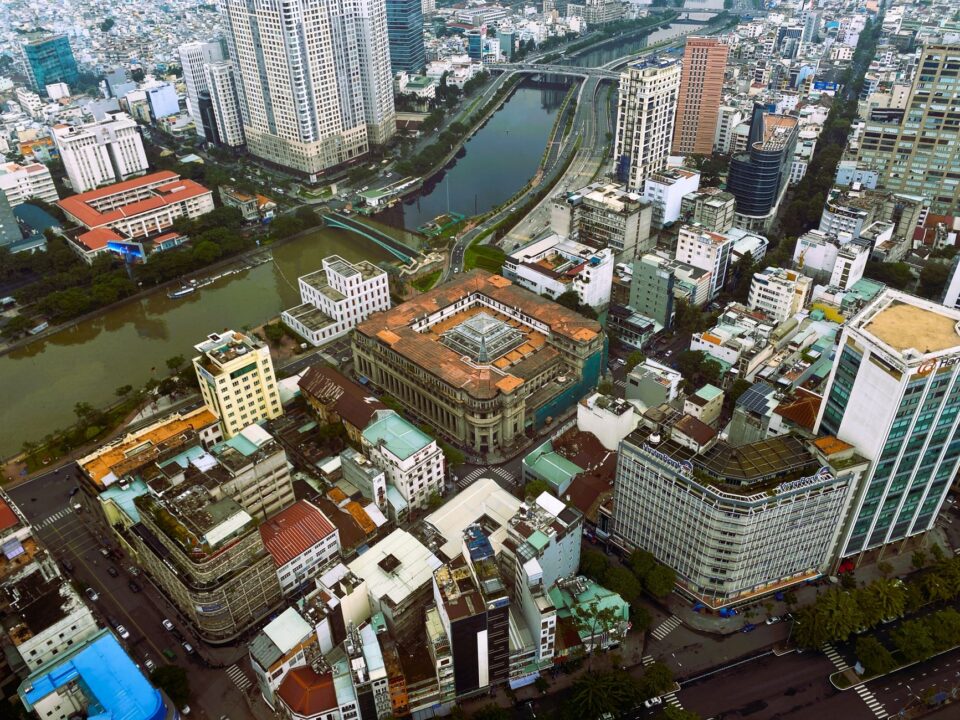
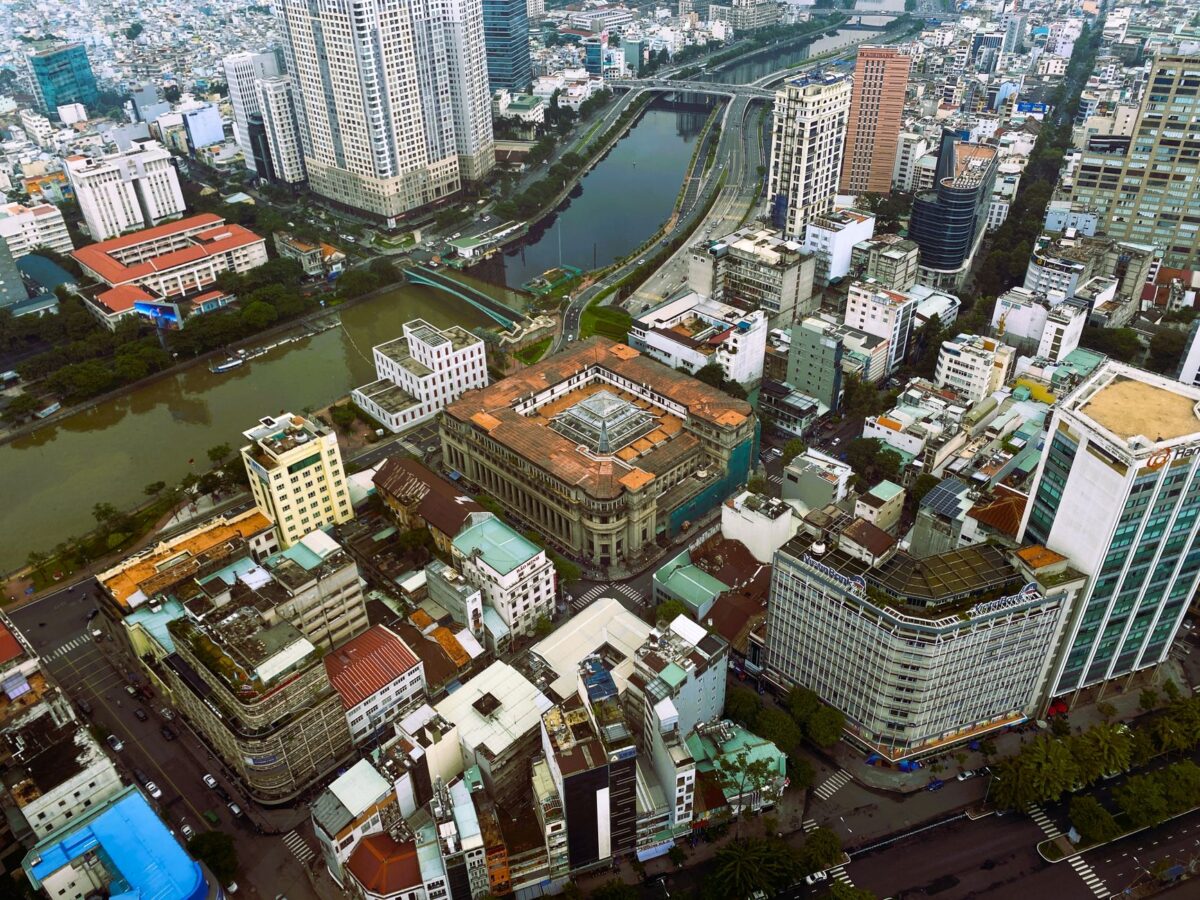
TP.HCM vừa nhích lên hạng 95 trên Chỉ số Trung tâm Tài chính Toàn cầu. Con số ấy nghe khô khan, nhưng nó đang định hình lại cách dòng vốn vào ra một trong những nền kinh tế năng động nhất châu Á. Thứ hạng không phải lời khen mang tính biểu tượng; nó là tín hiệu thị trường gửi tới giới đầu tư tổ chức rằng độ chín của hạ tầng tài chính và uy tín thị trường Việt Nam đã đủ để họ đặt cược nghiêm túc.
Với nhà đầu tư, ý nghĩa nằm xa hơn bảng xếp hạng. Bước tiến này viết lại cách vốn đi vào và luân chuyển trong nước. Nó cũng đánh dấu một chuyển dịch trong bản chất sức hút của Việt Nam: từ một công xưởng lắp ráp giá rẻ sang một điểm đến của ngành tài chính, dịch vụ và đổi mới. Bài này soi vào điều đó từ góc nhìn của người cầm vốn — thị trường vốn đang sâu thêm ở đâu, dòng FDI đang đổi hướng ra sao, và cơ hội nào đáng đặt tiền vào lúc này.
Thứ hạng nói lên điều gì với người cầm vốn
Xếp hạng tài chính quan trọng vì nhận thức quyết định việc người ta có tham gia hay không. Một vị trí cao hơn trên Chỉ số Trung tâm Tài chính Toàn cầu giúp TP.HCM lọt vào tầm ngắm của nhà đầu tư tổ chức, công ty quản lý tài sản và các quỹ đa phương. Bước thăng hạng vừa rồi phản ánh chiều sâu cải cách chứ không phải đánh bóng bề ngoài: năng lực thực thi pháp lý, hạ tầng tài chính và ổn định vĩ mô của Việt Nam giờ đã ghép thành một nền tảng mạch lạc đủ để xây chiến lược đầu tư trên đó.
Giới thị trường đọc tín hiệu này là dấu hiệu của sự sẵn sàng. Nghị quyết 98/2023/QH15 và việc lập Trung tâm Tài chính Quốc tế (IFC) dựng nên khung thể chế mà nhà đầu tư tìm kiếm. Chính sách nhất quán, điều hành tiền tệ ổn định và sự hội nhập với chuẩn mực quốc tế khiến Việt Nam bớt rủi ro hơn so với nhiều thị trường cận biên khác. Niềm tin kéo theo thanh khoản, và thanh khoản thì thúc thị trường vốn lớn nhanh. Vậy nên với nhà đầu tư toàn cầu, thứ hạng vừa xác nhận cái đã đạt được, vừa báo trước một mức tham gia sâu hơn sắp tới.
Thị trường vốn sâu thêm và sản phẩm tài chính mới
Thị trường vốn Việt Nam còn non nhưng đang tinh vi dần. Mảng cổ phiếu, trái phiếu và quản lý quỹ nở rộng nhanh kể từ năm 2020. Khi chuẩn mực pháp lý chín lại, sàn chứng khoán TP.HCM đứng ở vị thế trở thành cửa ngõ chính cho cả nhà đầu tư trong nước lẫn nước ngoài. Vốn hóa thị trường nay đã vượt 100% GDP, nhờ minh bạch doanh nghiệp được cải thiện và khối tổ chức tham gia rộng hơn.
Đổi mới sản phẩm tiếp thêm đà cho xu hướng này. Cơ quan quản lý đã thí điểm khung cho trái phiếu xanh, chứng khoán số và phái sinh. Những sản phẩm ấy giúp đa dạng hóa danh mục, đồng thời nối Việt Nam vào mạng vốn toàn cầu; doanh nghiệp quốc tế xem chúng là điểm vào cho tài chính khí hậu, tín dụng tư nhân và quỹ hạ tầng. Mỗi lớp tài sản mới lại mở rộng phổ chiến lược đầu tư khả dụng.
Thanh khoản kéo theo quy mô. Khi hệ thống thanh toán hiện đại hóa và nền tảng giao dịch số hóa, hiệu quả giao dịch tăng lên. Việc HOSE từng bước khớp với hệ thống giao dịch ASEAN và toàn cầu càng mở rộng tầm với, còn lộ trình nới trần sở hữu nước ngoài thêm một lớp tiếp cận nữa, làm thị trường Việt Nam cạnh tranh hơn trong khu vực.
FDI chuyển hướng: từ nhà máy sang tài chính
Nhiều thập niên qua, sức hút đầu tư của Việt Nam dồn vào chế tạo và xuất khẩu. Câu chuyện ấy đang đổi. Ngành tài chính nay nổi lên thành một điểm đến tự thân. FDI ngày càng nhắm vào ngân hàng, bảo hiểm, fintech và quản lý tài sản — khi thị trường trong nước sâu lại, nhà đầu tư muốn tiếp cận những dịch vụ quản lý vốn chứ không chỉ sản xuất hàng hóa.
TP.HCM giữ vai trò trung tâm trong bước chuyển này. Ngân hàng và quỹ quốc tế nhìn thành phố như một địa điểm đặt trụ sở khu vực, nhờ hạ tầng và môi trường chính sách. Các đợt mở rộng gần đây của định chế Nhật, Singapore và Hàn Quốc minh họa rõ. Dòng vốn từng buộc vào nhà máy nay buộc vào giấy phép tài chính và hạ tầng dữ liệu — dấu hiệu một nền kinh tế đang chín, biết sinh lời qua trung gian tài chính.
Song song, định chế nội cũng lớn nhanh hơn. Ngân hàng, công ty chứng khoán và quỹ đầu tư trong nước củng cố bảng cân đối và cải thiện quản trị. Vốn ngoại cộng với năng lực nội tạo ra chiều sâu, giúp hệ thống tài chính hấp thụ được những giao dịch lớn hơn, phức tạp hơn. Khung IFC cấp sự chắc chắn pháp lý cần thiết để giữ chuyển dịch cấu trúc này không đứt quãng.
Vốn tư nhân và đầu tư thay thế
Quỹ đầu tư tư nhân, quỹ mạo hiểm và văn phòng gia đình nhìn Việt Nam như một biên giới có độ dự báo được. Các chỉ số vĩ mô ổn định tạo điều kiện vào thuận lợi: GDP tăng trên sáu phần trăm, lạm phát trong tầm kiểm soát, tỷ lệ nợ quản lý được. Minh bạch cải thiện và khung giao dịch xuyên biên giới giảm ma sát. Nhờ vậy, Việt Nam ngày càng có mặt trong những danh mục vốn tư nhân khu vực vốn từng chỉ chăm chú vào Indonesia hay Philippines.
Warburg Pincus, Temasek và các quỹ chủ quyền khu vực đã dẫn dắt nhiều thương vụ ở bất động sản, hậu cần và hạ tầng số. Sự quan tâm bền bỉ của họ là một dạng xác nhận của giới tổ chức. Vốn tư nhân sống nhờ lối thoái vốn rõ ràng, và độ tinh vi tài chính đang lên của Việt Nam mở thêm đường ra — niêm yết, bán lại theo thương vụ, quỹ thứ cấp. Mỗi lối thoái mới lại đẩy nhanh vòng tái đầu tư vốn vào chu kỳ kế tiếp.
Đầu tư thay thế cũng đang biến chuyển. Quỹ hạ tầng nay tập trung vào năng lượng tái tạo, trung tâm hậu cần và trung tâm dữ liệu — những lĩnh vực mà sự chắc chắn pháp lý gặp đúng nhu cầu tăng trưởng. Các giải pháp tài chính cấu trúc như chia sẻ doanh thu hay mô hình nhà vận hành cho phép nhà đầu tư tham gia mà không cần nắm trọn vốn chủ. Những cơ chế lai ấy cho thấy đổi mới tài chính đang thích nghi với bối cảnh pháp lý đang định hình của Việt Nam.
Fintech, tài chính số và lớp tài sản xanh
Chuyển đổi số củng cố quỹ đạo tài chính của TP.HCM. Hơn 75% dân số Việt Nam dùng điện thoại thông minh, tạo mảnh đất màu mỡ cho fintech. Thanh toán, cho vay số và dịch vụ trên nền blockchain đang nhân quy mô nhanh. Sáng kiến IFC dành riêng các khu cho doanh nghiệp fintech, cho họ tiếp cận quy trình cấp phép gọn và chương trình thử nghiệm dưới sự giám sát của Ngân hàng Nhà nước.
Vốn đổ vào fintech vượt khỏi mảng thanh toán tiêu dùng. Phân tích dữ liệu, tự động hóa tuân thủ và nền tảng quản lý tài sản số đang hút vốn mạo hiểm lẫn nhà đầu tư chiến lược. Hợp tác giữa start-up nội và định chế tài chính quốc tế ngày một phổ biến, mỗi lần bắt tay lại rút ngắn đường học và thắt chặt sự gắn kết của hệ sinh thái. Hạ tầng dữ liệu khuếch đại cơ hội này: trung tâm dữ liệu mới từ Viettel, CMC và các dự án có Warburg Pincus hậu thuẫn nâng đỡ tài chính trên nền điện toán đám mây, đặt TP.HCM vào vị thế một lựa chọn chi phí thấp so với Singapore cho vận hành số khu vực.
Lớp tài sản xanh là một mặt trận khác. Ưu tiên môi trường, xã hội và quản trị (ESG) nay định hình chiến lược đầu tư toàn cầu, và Việt Nam đã vào sớm qua trái phiếu xanh, quỹ khí hậu và dự án năng lượng tái tạo. Chính sách tín dụng xanh cùng yêu cầu công bố ESG với doanh nghiệp niêm yết kéo vốn tổ chức từ châu Âu, Nhật Bản và các tổ chức đa phương tìm kết quả khí hậu đo đếm được. Dự án năng lượng tái tạo cho dòng tiền dài hạn ổn định, hợp khẩu vị nhà đầu tư tổ chức săn lợi suất; còn khung giao dịch tín chỉ carbon và tài chính chuyển dịch trong IFC bồi thêm một lớp tài sản nữa. Với người cầm vốn, ESG vì thế không còn là chi phí mà thành một luận điểm đầu tư.
Nhà đầu tư tổ chức và dòng vốn khu vực dịch chuyển
Nhà đầu tư tổ chức ngày càng xem Việt Nam như một phần phân bổ mới nổi trong danh mục châu Á. Quỹ hưu trí, công ty bảo hiểm và quỹ chủ quyền đang cân nhắc điểm vào ở cổ phiếu, hạ tầng và tín dụng tư nhân. Thứ khiến Việt Nam khác biệt là sự ăn khớp giữa nền tảng kinh tế và đà cải cách — một sự cân bằng hiếm thấy ở các nền kinh tế cận biên, cho nhà đầu tư mức độ nhìn rõ cao hơn.
Mô hình dòng vốn khu vực đang chuyển theo. Singapore vẫn là trung tâm điều phối cho nơi đăng ký quỹ, nhưng phần vận hành đang dịch về những thành phố chi phí thấp như TP.HCM. Quản trị quỹ, hỗ trợ tuân thủ và dịch vụ hậu cần văn phòng đang di dời khi nhà đầu tư chạy theo lợi suất và năng lực nhân lực. Kết quả là vốn khu vực phân tán ra chứ không dồn về một mối — xu hướng có lợi cho những trung tâm đang lên.
Ổn định chính sách khuếch đại các dòng này. Quy tắc thuế rõ hơn, thủ tục cấp phép cải thiện và kênh đối thoại cởi mở với cơ quan quản lý làm giảm rủi ro cảm nhận. Khi mọi thứ dự báo được, sự quan tâm của nhà đầu tư mới hóa thành giải ngân thật. Dòng vốn vào nhờ đó đa dạng ra khỏi chế tạo và bất động sản, hướng sang dịch vụ tài chính, tài sản xanh và hạ tầng công nghệ.
Kết luận
Việc TP.HCM nổi lên như một trung tâm tài chính làm đổi cả thành phần vốn ngoại đổ vào Việt Nam. Thay vì dòng vốn chủ yếu hướng xuất khẩu, vốn nay nâng đỡ dịch vụ, tài chính và đổi mới. Sự đa dạng ấy củng cố sức bền kinh tế, ổn định hơn động lực tỷ giá và bồi đắp bền vững ngân sách qua nguồn thu phân tán. Với doanh nghiệp nội, thị trường vốn sâu hơn mở ra nhiều lựa chọn gọi vốn ngoài tín dụng ngân hàng; với nhà hoạch định chính sách, thành bại tùy ở việc giữ minh bạch và khung pháp lý dự báo được.
Với nhà đầu tư nước ngoài, thông điệp mang tính chiến lược chứ không phải đầu cơ. Tăng trưởng Việt Nam vẫn mạnh, nhưng thứ tạo khác biệt bây giờ là cải cách cấu trúc. Quỹ đạo trung tâm tài chính của TP.HCM đánh dấu bước chuyển từ lượng tăng trưởng sang chất quản trị. Ai vào sớm hưởng lợi từ thế bất đối xứng của thị trường; ai chờ sẽ trả giá vào cao hơn một khi thành phố chín. Nếu cải cách giữ nhịp hiện tại, Việt Nam có thể đi từ thị trường mới nổi lên hạng trung trước năm 2030 — và uy tín tạo dựng hôm nay sẽ quyết định vốn rót vào lúc này có ở lại lâu dài hay không.
Lotus Investment Group tư vấn M&A xuyên biên giới và FDI vào Việt Nam và Đông Nam Á. Nếu quý vị đang thẩm định một vị thế tại Việt Nam, liên hệ với chúng tôi.
Ho Chi Minh City just edged up to 95th on the Global Financial Centres Index. The number reads dry, but it’s reshaping how capital moves in and out of one of Asia’s most dynamic economies. A ranking isn’t symbolic praise; it’s a signal the market sends to institutional investors that Vietnam’s financial infrastructure and market credibility have matured enough to bet on seriously.
For investors, the meaning runs past the league table. This step rewrites how capital enters and circulates inside the country. It also marks a shift in the nature of Vietnam’s appeal: from a low-cost assembly floor toward a destination for finance and innovation. This piece reads that from the capital holder’s seat — where the markets are deepening, how FDI is changing direction, and which opportunities are worth backing now.
What the ranking tells a capital holder
Financial rankings matter because perception drives participation. A stronger position on the Global Financial Centres Index pulls HCMC into the sightlines of institutional investors, asset managers and multilateral funds. The recent climb reflects reform depth rather than optics: Vietnam’s regulatory execution, financial infrastructure and macro stability now form a coherent base solid enough to build an investment strategy on.
Markets read this as a sign of readiness. Resolution 98/2023/QH15 and the creation of the International Financial Centre (IFC) supply the institutional framework investors look for. Policy continuity, steady monetary management and integration with international standards make Vietnam look less risky than other frontier markets. Confidence draws liquidity, and liquidity speeds up how fast capital markets evolve. So for global investors, the ranking both confirms what’s been achieved and forecasts deeper engagement ahead.
Deeper capital markets and new financial products
Vietnam’s capital markets are young but growing more sophisticated. Equity, bond and fund-management segments have expanded fast since 2020. As regulatory standards mature, the HCMC stock exchange is positioned to become the core gateway for domestic and foreign investors alike. Market capitalisation now exceeds 100% of GDP, lifted by better corporate disclosure and broader institutional participation.
Product innovation adds momentum. Authorities have piloted frameworks for green bonds, digital securities and derivatives. These don’t just diversify portfolios; they wire Vietnam into global capital networks, with international firms treating them as entry points for climate finance, private credit and infrastructure funds. Each new asset class widens the spectrum of strategies available.
Liquidity attracts scale. As settlement systems modernise and trading platforms digitise, transaction efficiency rises. Aligning HOSE with ASEAN and global trading systems broadens reach further, while the gradual loosening of foreign-ownership limits adds another layer of access, making Vietnamese markets more competitive regionally.
FDI shifts: from factories to finance
For decades, Vietnam’s investment appeal centred on manufacturing and export. That story is changing. The financial sector now emerges as a destination in its own right. FDI increasingly targets banking, insurance, fintech and asset management — as domestic markets deepen, investors want exposure to services that manage capital, not just produce goods.
HCMC sits at the centre of this shift. International banks and funds see the city as a regional headquarters location, given its infrastructure and policy environment. Recent expansions by Japanese, Singaporean and Korean institutions show it plainly. Inflows once tied to factories are now tied to financial licences and data infrastructure — the mark of an economy maturing toward returns earned through financial intermediation.
In parallel, local institutions are scaling faster. Domestic banks, securities firms and investment funds have strengthened their balance sheets and improved governance. Foreign capital plus domestic capability builds depth, letting the financial system absorb larger, more complex transactions. The IFC framework supplies the regulatory certainty needed to keep this structural shift on track.
Private capital and alternative investments
Private equity, venture capital and family offices see Vietnam as a frontier with measurable predictability. Stable macro indicators create favourable entry conditions: GDP growth above six percent, controlled inflation, manageable debt ratios. Better transparency and cross-border deal frameworks cut friction. As a result, Vietnam increasingly features in regional private-capital portfolios that once focused only on Indonesia or the Philippines.
Warburg Pincus, Temasek and regional sovereign funds have led transactions across real estate, logistics and digital infrastructure. Their continued interest reads as institutional validation. Private capital lives on clarity of exit, and Vietnam’s rising financial sophistication opens new paths — public listings, trade sales, secondary funds. Each added exit route speeds the recycling of capital into the next cycle.
Alternative investments are evolving too. Infrastructure funds now focus on renewable energy, logistics hubs and data centres, sectors where regulatory certainty meets demand growth. Structured-finance solutions such as revenue-sharing or operator models let investors participate without full equity ownership. These hybrid mechanisms show financial innovation adapting to Vietnam’s evolving legal context.
Fintech, digital finance and the green asset class
Digital transformation reinforces HCMC’s financial trajectory. Over 75% of Vietnam’s population uses smartphones, fertile ground for fintech. Payments, digital lending and blockchain-based services are scaling fast. The IFC initiative carves out dedicated zones for fintech firms, giving them streamlined licensing and sandbox programmes under State Bank supervision.
Investment in fintech reaches beyond consumer payments. Data analytics, compliance automation and digital asset-management platforms draw venture and strategic investors. Partnerships between local start-ups and international financial institutions grow more common, each one shortening the learning curve and tightening ecosystem integration. Data infrastructure amplifies the opportunity: new data centres from Viettel, CMC and Warburg Pincus-backed ventures support cloud-based finance, positioning HCMC as a cost-efficient alternative to Singapore for regional digital operations.
The green asset class is another front. ESG priorities now shape global investment strategy, and Vietnam moved early through green bonds, climate funds and renewable-energy projects. Green-credit policy and ESG disclosure requirements for listed companies pull institutional capital from Europe, Japan and multilateral agencies chasing measurable climate outcomes. Renewable projects throw off stable long-term cash flows that suit yield-hungry institutions, while the IFC’s carbon-credit trading and transition-finance frameworks add yet another asset class. For a capital holder, ESG stops being a cost and becomes an investment thesis.
Institutional investors and shifting capital flows
Institutional investors increasingly treat Vietnam as an emerging allocation within Asia portfolios. Pension funds, insurers and sovereign wealth funds are weighing entry points across equities, infrastructure and private credit. What sets Vietnam apart is the fit between economic fundamentals and reform momentum — a balance rare among frontier economies, and one that gives investors a higher degree of visibility.
Regional capital-flow patterns are shifting accordingly. Singapore remains the command hub for fund domiciles, but operational work is moving toward cost-efficient cities like HCMC. Fund administration, compliance support and back-office services are relocating as investors follow yield and workforce capacity. The result is regional capital dispersion rather than concentration — a trend that favours emerging hubs.
Policy stability amplifies these flows. Clearer tax rules, better licensing procedures and open channels with regulators cut perceived risk. When things become predictable, investor interest turns into actual deployment. Inflows diversify out of manufacturing and real estate toward financial services, green assets and technology infrastructure.
Conclusion
HCMC’s emergence as a financial centre changes the very composition of foreign capital coming into Vietnam. Instead of mostly export-oriented inflows, capital now supports services, finance and innovation. That diversification strengthens economic resilience, steadies currency dynamics and shores up fiscal sustainability through more varied revenue. For domestic firms, deeper capital markets open funding options beyond bank credit; for policymakers, success rests on holding transparency and a predictable framework.
For foreign investors, the message is strategic rather than speculative. Vietnam’s growth stays strong, but structural reform is what differentiates it now. HCMC’s financial-centre trajectory marks a move from quantity of growth to quality of governance. Engage early and you benefit from market asymmetry; wait, and you face higher entry costs once the city matures. If reform holds its current pace, Vietnam could move from emerging to mid-tier market before 2030 — and the credibility built today will decide whether the capital attracted now stays for the long run.
Lotus Investment Group advises on cross-border M&A and FDI into Vietnam and Southeast Asia. If you are underwriting Vietnam exposure, get in touch.
Nguồn / Sources
[1]
Z/Yen Group — Global Financial Centres Index (GFCI), HCMC ranked 95th.
[2]
Quốc hội (2023) — Nghị quyết 98/2023/QH15 về thí điểm cơ chế, chính sách đặc thù phát triển TP.HCM.