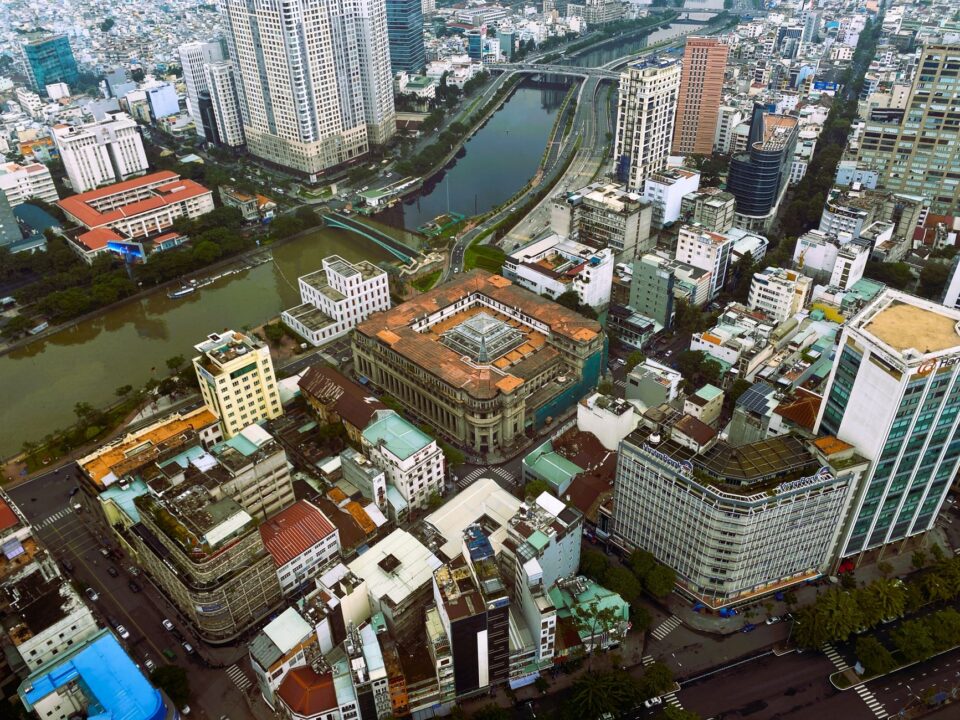


HCMC Financial Centre Investment: Where Capital Flows Now
October 10, 2025
Danang Rail PPP Financing: PPP and TOD Model
October 14, 2025
Founder Notes — Lotus Investment Group
Danang Hoi An Rail: Vietnam’s Coastal Mobility Test
Tuyến đường sắt Đà Nẵng – Hội An: phép thử hạ tầng ven biển kế tiếp của Việt Nam
Tuyến đường sắt 24 km nối Đà Nẵng với Hội An được giới thiệu như một dự án nâng cấp giao thông. Thực chất nó là một phép thử về cách thu xếp vốn. Tuyến gộp đi lại, du lịch và phát triển quỹ đất vào chung một bài toán đầu tư, và cách nó được dựng lên sẽ cho thấy các hành lang du lịch ven biển của Việt Nam có nuôi nổi một công trình hạ tầng đứng vững về thương mại trên nền hợp tác công – tư hay không, hay vẫn phải dựa vào ngân sách nhà nước.
Lưu lượng giữa hai thành phố vốn đã quá tải các tuyến quốc lộ ven biển vào mùa cao điểm, mà mở rộng đường thì đã chạm trần về sinh thái lẫn đô thị. Đường sắt là lời giải sạch hơn: thời gian di chuyển ổn định, phát thải thấp, năng lực vận chuyển quanh năm cho cả khách du lịch lẫn người đi làm. Câu hỏi khó nằm ở chỗ ai trả tiền, và đổi lại lợi suất bao nhiêu.
Khi đi vào vận hành, hành lang này nối hai điểm đến đông khách bậc nhất miền Trung và cắm chúng vào mạng giao thông quốc gia. Về sau tuyến có thể kéo dài tới Tam Kỳ và Chu Lai, tạo thành một trục xương sống ven biển nối vành đai du lịch với các khu kinh tế Quảng Nam. Đoạn thí điểm 24 km vì thế đóng luôn vai trò bài kiểm tra chính sách đường sắt ven biển — và kiểm tra xem đất nước có thu xếp vốn, thi công và vận hành được công trình lớn theo hướng giữ quyền kiểm soát trong nước thay vì lệ thuộc nước ngoài.
Vì sao hành lang này hợp lý
Lý lẽ rất thẳng. Lượng khách cứ tăng đều mà đường bộ hiện hữu không hấp thụ nổi vào mùa cao điểm. Một tuyến đường sắt chở người nhanh hơn, an toàn hơn mà không phải bê tông hóa thêm dải bờ biển. Riêng điều đó đã đủ để làm.
Hệ quả cấp hai nằm ở đất. Dải đất giữa Đà Nẵng và Hội An — khu nghỉ dưỡng, làng mạc rải rác, khu công nghiệp mới nổi đều có được lối tiếp cận giao thông quy củ, kéo theo phát triển đa chức năng và mở ra giá trị cho người giữ đất. Lâu dần hành lang đan thành một dải đô thị liền mạch, cân giữa du lịch, nhà ở và hậu cần. Các nhà quy hoạch còn nhắm tới đoạn nối Tam Kỳ và Chu Lai, biến một tuyến đơn lẻ thành trục xương sống vùng.
Vị trí trong quy hoạch giao thông Đà Nẵng 2030 – 2045
Ủy ban nhân dân thành phố Đà Nẵng đã đưa hành lang này vào quy hoạch giao thông đô thị dài hạn, và trình tự sắp xếp quan trọng không kém gì bản thân tuyến đường. Đến năm 2030, thành phố dự kiến vận hành hai tuyến đường sắt đô thị, tổng cộng 24 km. Con số đó tăng lên mạng lưới 49 km vào năm 2040 và hệ thống mười một tuyến vào năm 2045. Tuyến Đà Nẵng – Hội An là giai đoạn một.
Tuyến được thiết kế để kết nối liên hoàn chứ không đứng một mình. Các tuyến quy hoạch như metro Ngô Quyền – Quảng Nam hay LRT 02 từ sân bay quốc tế tới đường Lê Văn Hiến được tính để khớp với tuyến ven biển, hợp thành lưới đa phương thức nhằm giảm phụ thuộc vào xe cá nhân.
Trình tự bố trí vốn cho thấy ưu tiên nằm ở đâu. Quy hoạch tổng thể phân bổ khoảng 1,06 tỷ USD tới năm 2030, 2,9 tỷ USD trong giai đoạn 2031 – 2040, và thêm 3,3 tỷ USD sau năm 2041. Đặt tuyến Đà Nẵng – Hội An vào đầu lịch trình ấy nghĩa là nó hút được sự chú ý của nhà đầu tư cùng khả năng cấp vốn của nhà nước ngay trong giai đoạn đầu — đồng thời cho phép chính quyền gom khách sạn, bán lẻ và trung tâm hậu cần quanh các nhà ga tương lai, lấy giá trị đất bù lại để bớt lệ thuộc vào doanh thu vé. Chính phần này khiến tuyến có khả năng hoàn vốn thay vì sống nhờ tiền vé.
Du lịch cho tuyến một thứ hiếm: nhu cầu đoán được
Du lịch ven biển là động lực kinh tế quốc gia, và hành lang này giờ giữ vai trò trọng yếu trong việc duy trì nó. Mỗi năm hàng triệu người đi tuyến này bằng đường bộ; thời gian di chuyển dao động theo mức tắc nghẽn. Đường sắt mang lại độ ổn định và hiệu quả carbon mà vẫn giữ nguyên dáng vẻ của dải bờ biển.
Du lịch còn trao cho dự án một lợi thế mà phần lớn các tuyến khác không có: nhu cầu mô hình hóa được. Tỷ lệ lấp đầy cao và lượng khách luân chuyển đều đặn khiến dự báo lưu lượng dễ hơn, thu xếp vốn dễ hơn, nhờ vậy nhà đầu tư có thể bố trí giải ngân và trả nợ theo từng giai đoạn bám sát dòng khách mùa vụ. Các lợi ích kèm theo cũng cộng dồn: giảm phát thải, tạo việc làm thi công, củng cố doanh nghiệp nhỏ và vừa dọc tuyến, tất cả đều hút dòng vốn coi trọng ESG.
Đã có hình mẫu ở nước ngoài. Hành lang Kinh tế phía Đông của Thái Lan, nối Pattaya với U-Tapao, cho thấy đường sắt dựa trên du lịch kích được phát triển vùng phụ cận mà vẫn giữ dòng tiền dương. Phiên bản Việt Nam tựa nhiều hơn vào sở hữu trong nước và vốn ngân hàng nội địa, nhờ đó giá trị tạo ra ở lại trong nền kinh tế.
Liên danh: vốn nội, kỹ thuật ngoại
Nhóm thực hiện do Tập đoàn Đèo Cả dẫn dắt — đơn vị đã làm những dự án cao tốc và hầm phức tạp trên cả nước, mang theo bề dày thi công và uy tín chính trị mà điều đó tạo ra. Đèo Cả đang chuẩn bị hồ sơ nghiên cứu khả thi để trình vào cuối năm 2025, đặt mục tiêu khởi công trước 2030. Tập đoàn KITA và Tập đoàn FUTA tham gia với tư cách đồng đầu tư: mảng vận tải của FUTA và danh mục phát triển của KITA bù vào phần lõi kỹ thuật của Đèo Cả.
VP Bank và TP Bank giữ vai trụ đỡ phía trong nước. Các cam kết tín dụng sớm cho thấy niềm tin vào cấu trúc dự án và tạo thế cho liên danh khi đàm phán với các tổ chức cho vay đa phương. Dựa vào thanh khoản nội địa trước, rồi mới chạm tới nguồn vốn ngoại, là một ưu tiên có chủ ý của nhà nước đối với hạ tầng chiến lược.
Về kỹ thuật, China Design Group, CRRC Trùng Khánh, ARUP và A2Z lo tư vấn và thiết kế, trong khi CRRC Trường Xuân và Kim Long Motors phụ trách sản xuất đầu máy toa xe và nội địa hóa. Các đối tác ngoại mang kinh nghiệm toàn cầu cùng việc tuân thủ chuẩn an toàn quốc tế; đổi lại, doanh nghiệp Việt Nam nhận đào tạo và chuyển giao công nghệ, qua đó dựng dần chuỗi cung ứng đường sắt trong nước. Cả cấu trúc này là một lựa chọn chính sách — rải rủi ro, giữ quyền kiểm soát chiến lược ở trong nước, và nâng năng lực làm dự án lớn mà không phụ thuộc quá mức vào nhà thầu nước ngoài.
Tuyến này tác động gì lên kinh tế vùng
Dòng giá trị sẽ chảy khác đi khắp miền Trung khi tuyến mở. Đất quanh các nhà ga quy hoạch đã hút giới phát triển đặt cược vào dự án đa chức năng và lưu trú, và khi những cụm ấy hình thành, chúng nới rộng nền kinh tế ra ngoài du lịch sang nhà ở và hậu cần — những thứ giữ ổn định việc làm và nguồn thu của địa phương.
Kết nối tốt hơn siết chặt liên kết vùng. Tuyến nối các khu công nghiệp Quảng Nam với cảng và sân bay Đà Nẵng, cắt bớt thời gian di chuyển và chi phí hậu cần; với nhà sản xuất, điều đó rút ngắn chuỗi cung ứng và mài sắc sức cạnh tranh xuất khẩu. Những khoản lợi về hiệu suất ấy ngấm dần vào giá bất động sản và một cơ sở thuế rộng hơn theo thời gian.
Lập luận môi trường củng cố phần còn lại. Chuyển dù chỉ một phần lưu lượng đường bộ sang đường sắt cũng giảm phát thải đáng kể, và đầu máy toa xe chạy điện hoặc lai sẽ đưa dự án về thẳng mục tiêu phát thải ròng bằng không năm 2050 của Việt Nam — mở lối tới các thị trường tín chỉ carbon hay trái phiếu xanh sau này. Về mặt xã hội, kết nối tốt hơn trải lợi ích du lịch tới các cộng đồng nhỏ dọc tuyến thay vì dồn vào trung tâm Đà Nẵng và phố cổ Hội An, nhờ đó mở rộng sự ủng hộ của công chúng và hạ rủi ro chính trị.
Rủi ro và những biến số quyết định thi công
Nền tảng vững, nhưng rủi ro thi công là có thật. Lịch trình từ nghiên cứu khả thi tới vận hành rất gấp, mà giải phóng mặt bằng cộng thẩm định môi trường có thể kéo nó chậm lại nhanh chóng. Thành phố Đà Nẵng và tỉnh Quảng Nam phải phối hợp khâu cấp phép và tái định cư, không thì lịch trình trượt ngay từ chuyện điều phối.
Rồi đến rủi ro vốn. Chi phí xây dựng phơi ra trước giá hàng hóa toàn cầu và biến động tỷ giá, nên nhà đầu tư sẽ muốn có công cụ phòng vệ cùng điều khoản hợp đồng phân bổ rủi ro minh bạch giữa bên công và bên tư. Một cấu trúc PPP linh hoạt, với giải ngân theo giai đoạn và bảo lãnh theo cột mốc, là điều bắt buộc chứ không phải tùy chọn.
Giả định về lưu lượng khách đáng soi kỹ nhất. Nhu cầu du lịch theo mùa và dễ tổn thương trước cú sốc toàn cầu, nên các nhà quy hoạch đang gộp thêm nhu cầu đi lại của người làm ở các khu công nghiệp và sinh viên dọc tuyến để giữ ổn định doanh thu cùng khả năng trả nợ. Quản trị khép vòng lại: nhiều ngân hàng nội địa cùng góp vốn nên giám sát hình thành tự nhiên, nhưng khung kiểm toán chính thức và công bố minh bạch mới là thứ kéo về các nhà đầu tư tổ chức biết định giá phần tuân thủ và độ rõ ràng ESG.
Kết luận
Tuyến Đà Nẵng – Hội An 24 km nhỏ hơn một cao tốc quốc gia nhưng giàu giá trị tích hợp hơn, và đó chính là điểm mấu chốt. Nó gộp giao thông, du lịch và phát triển quỹ đất vào một bài toán duy nhất — kiểu bài hợp với nhà đầu tư dài hạn, quỹ hưu trí và quỹ đầu tư quốc gia đang săn lợi suất gắn với lạm phát mà vẫn khớp ESG. Vào sớm thì quyền chọn cộng dồn: một phần vốn trong liên danh hay một pháp nhân phát triển đất đi kèm có thể sinh lời qua cả tăng giá lẫn thu nhập định kỳ, lại còn dư chỗ để đàm phán hợp tác công nghệ hoặc nhượng quyền bảo trì.
Chính quyền các tỉnh từ Khánh Hòa tới Kiên Giang đang dõi theo, bởi thành công ở đây kiểm chứng cơ chế PPP, hợp vốn ngân hàng nội địa và năng lực kỹ thuật bản địa mà họ sẽ cần cho hệ thống ven biển của riêng mình. Hồ sơ tiến triển trong năm 2025; khâu lập kế hoạch thi công chạy theo sau. Nếu thành, nó định nghĩa lại cách Việt Nam dựng kết nối ven biển — nhỏ hơn về diện tích, khôn hơn về thu xếp vốn, rộng hơn về tác động. Hành lang nối hai thành phố, nhưng cái nó thật sự thử là mối nối giữa tham vọng chính sách và năng lực thực thi.
Lotus Investment Group tư vấn M&A xuyên biên giới và FDI vào Việt Nam và Đông Nam Á. Nếu quý vị đang thẩm định một vị thế tại Việt Nam, liên hệ với chúng tôi.
The proposed 24-kilometre rail link between Danang and Hoi An is being sold as a transport upgrade. It’s really a financing experiment. The line ties mobility, tourism and land development into one investment thesis, and how it gets built will tell you whether Vietnam’s tourism corridors can anchor commercially viable infrastructure on public-private terms — or whether they stay reliant on the state.
Daily traffic between the two cities already overruns the coastal highways through peak season, and road widening has hit its ecological and urban limits. Rail is the cleaner answer: steadier journey times, lower emissions, year-round capacity for both tourists and commuters. The harder question is who pays, and on what return.
Once running, the corridor connects two of central Vietnam’s most-visited destinations and wires them into the national grid. It could later extend toward Tam Ky and Chu Lai, forming a coastal spine that links the tourism belt to Quang Nam’s economic zones. The 24 km pilot doubles as a real-world test of coastal rail policy — and of whether the country can finance, build and run large infrastructure with local control rather than foreign dependence.
Why the corridor makes sense
The logic is plain. Visitor arrivals keep climbing and the existing roads can’t absorb them through high season. A rail corridor moves people faster and more safely without paving over more of the coast. That alone would justify it.
The second-order effect is land. The strip between Danang and Hoi An — resorts, scattered villages, emerging industrial zones all of it gets structured access to mobility, which pulls mixed-use development and lifts value for landholders. Over time the corridor knits into a continuous urban band balancing tourism, housing and logistics. Planners are also eyeing the extension to Tam Ky and Chu Lai, which would turn a single line into a regional spine.
Fit within Danang’s 2030–2045 transport plan
The Danang People’s Committee has slotted this corridor into its long-range urban transport plan, and the sequencing matters as much as the route. By 2030 the city expects two urban rail lines totalling 24 km. That grows to a 49 km network by 2040 and an eleven-line system by 2045. The Danang–Hoi An route is phase one.
It’s designed to interconnect, not stand alone. Planned routes such as the Ngo Quyen–Quang Nam metro and LRT 02 from the international airport to Le Van Hien Street are meant to mesh with the coastal line into a multimodal grid that cuts dependence on private vehicles.
The budget sequencing tells you where the priority sits. The master plan allocates roughly USD 1.06 billion through 2030, USD 2.9 billion between 2031 and 2040, and another USD 3.3 billion after 2041. Placing Danang–Hoi An early in that schedule means it captures investor attention and government financing capacity in the first phase. It also lets authorities cluster hotels, retail and logistics hubs around future stations, capturing land value to diversify revenue away from fares. That’s what makes the line bankable rather than dependent on the farebox.
Tourism gives the line something rare: predictable demand
Coastal tourism is a national economic engine, and this corridor is now central to keeping it running. Millions travel the route by road each year; journey times swing with congestion. Rail brings reliability and carbon efficiency while leaving the coastline’s character intact.
Tourism also hands the project an advantage most lines lack: demand you can model. High occupancy and steady visitor turnover make ridership easier to forecast and financing easier to secure, so investors can structure phased disbursements and repayments against seasonal flows. The co-benefits stack up too: lower emissions, construction jobs, stronger SMEs along the route, all of which draws ESG-focused capital.
There’s a template abroad. Thailand’s Eastern Economic Corridor, linking Pattaya and U-Tapao, showed how tourism-based rail can stimulate adjacent development while holding positive cash flow. Vietnam’s version leans harder on local ownership and domestic-bank financing, which keeps the value creation inside the economy.
The consortium: local capital, foreign engineering
The implementation group is led by Deo Ca Group, which has delivered complex highway and tunnel projects nationwide and carries the execution record and political trust that buys. Deo Ca is preparing the feasibility dossier for submission in late 2025, with construction targeted before 2030. KITA Group and FUTA Group join as co-investors — FUTA’s transport operations and KITA’s development portfolio rounding out Deo Ca’s engineering core.
VP Bank and TP Bank anchor the domestic side. Early credit commitments signal confidence in the structure and give the consortium leverage when it negotiates with multilateral lenders. Leaning on local liquidity first, before tapping foreign sources, is a deliberate government priority for strategic infrastructure.
On the technical side, China Design Group, CRRC Chongqing, ARUP and A2Z handle consulting and design, while CRRC Changchun and Kim Long Motors take rolling-stock production and localisation. The foreign partners bring global know-how and compliance with international safety standards; in exchange, Vietnamese firms get training and technology transfer that builds out the domestic rail supply chain. The whole structure is a policy choice — distribute risk, keep strategic control at home, and lift the country’s capacity to deliver big projects without over-relying on foreign contractors.
What the line does to the regional economy
Value will move differently across central Vietnam once this opens. Land near planned stations is already drawing developers betting on mixed-use and hospitality, and as those clusters form they broaden the economic base beyond tourism into housing and logistics that steady employment and municipal revenue.
Connectivity tightens regional integration. The line ties Quang Nam’s industrial zones to Danang’s port and airport, trimming travel times and logistics costs; for manufacturers that shortens supply chains and sharpens export competitiveness. Those efficiency gains feed through to property values and a wider tax base over time.
The environmental case reinforces the rest. Shifting even part of the road traffic to rail cuts emissions meaningfully, and electric or hybrid rolling stock would line the project up with Vietnam’s 2050 net-zero target — opening a path to future carbon-credit or green-bond markets. Socially, better connectivity spreads tourism benefits to smaller communities along the route instead of concentrating them in central Danang and Hoi An’s old town, which broadens public support and lowers political risk.
Risks and the variables that decide execution
The fundamentals are strong; the execution risk is real. The timeline from feasibility to operation is tight, and land acquisition plus environmental clearance can delay it fast. Danang city and Quang Nam province have to coordinate permitting and resettlement, or the schedule slips on coordination alone.
Then there’s financing risk. Construction costs are exposed to global commodity prices and exchange-rate swings, so investors will want hedging and contract terms that allocate risk transparently between public and private parties. A flexible PPP, built on phased disbursements and milestone-based guarantees, is essential rather than optional.
Ridership assumptions deserve the hardest scrutiny. Tourism demand is seasonal and vulnerable to global shocks, so planners are folding in commuter demand from industrial zones and universities along the route to stabilise revenue and debt-service coverage. Governance closes the loop: engagement with several domestic banks gives natural oversight, but formal audit frameworks and public disclosure are what bring in institutional investors that price compliance and ESG visibility.
Conclusion
The 24 km Danang–Hoi An line is smaller than a national highway but richer in integration value, and that’s the point. It folds transport, tourism and land value into a single thesis, the kind that suits long-horizon investors, pension funds and sovereign vehicles chasing inflation-linked returns with ESG alignment. Get in early and the optionality compounds: a consortium stake or a related land-development vehicle can pay through both appreciation and recurring income, with room to negotiate technology partnerships or maintenance concessions on top.
Provincial governments from Khanh Hoa to Kien Giang are watching, because success here validates the PPP mechanism, domestic-bank syndication and localised engineering they’ll need for their own coastal systems. The dossier advances through 2025; construction planning moves behind it. If it works, it redefines how Vietnam builds coastal connectivity — smaller in footprint, smarter in financing, broader in impact. The corridor links two cities, but the real link it tests is the one between policy ambition and execution.
Lotus Investment Group advises on cross-border M&A and FDI into Vietnam and Southeast Asia. If you are underwriting Vietnam exposure, get in touch.
Nguồn / Sources
[1]
Ủy ban nhân dân thành phố Đà Nẵng — Quy hoạch giao thông đô thị Đà Nẵng đến năm 2030, tầm nhìn 2045.