

VNG Corporation Corporate Profile & Strategic Outlook
August 20, 2025
Trung Nam Renewable Energy: Profile & 2030 Outlook
August 22, 2025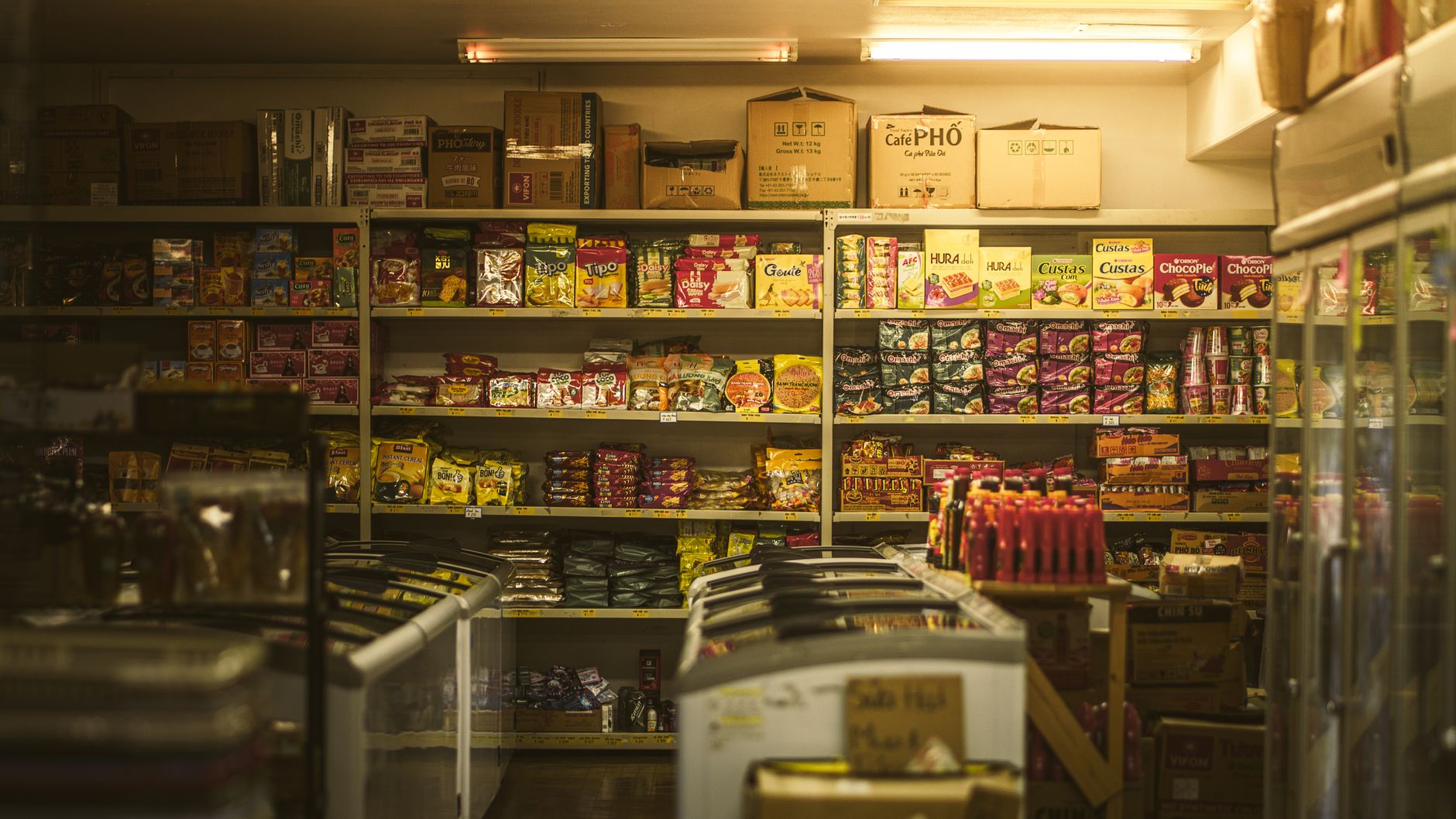
Founder Notes — Lotus Investment Group
Masan Consumer Holdings Profile: Strategy & Outlook
Masan Consumer Holdings — hồ sơ doanh nghiệp và triển vọng chiến lược
Masan Consumer Holdings (MCH) là một trong những doanh nghiệp hàng tiêu dùng nhanh (FMCG) hàng đầu Việt Nam, với danh mục mạnh ở thực phẩm đóng gói, đồ uống, gia vị và dinh dưỡng. Là thành viên của Masan Group, MCH đã tận dụng tốt làn sóng tiêu dùng và quá trình đô thị hóa của Việt Nam, đồng thời chủ động tái định hình danh mục qua M&A và tích hợp nền tảng. Hồ sơ này phân tích có hệ thống cấu trúc sở hữu, bộ máy vận hành, bối cảnh thị trường, kết quả tài chính, các bước đi chiến lược gần đây và vị thế dài hạn của MCH.
20–25%
thuộc nhóm doanh nghiệp FMCG sinh lời cao nhất Việt Nam.
7–9%/năm
tăng trưởng dự báo của FMCG Việt Nam nhờ thu nhập tăng và đô thị hoá.
2030
mục tiêu phủ toàn quốc mọi ngành hàng và vươn ra khu vực qua xuất khẩu.
Tổng quan doanh nghiệp
Masan Consumer Holdings là công ty con của Masan Group, một tập đoàn lớn của Việt Nam niêm yết trên Sở Giao dịch Chứng khoán TP. Hồ Chí Minh. MCH ra đời từ việc hợp nhất các mảng hàng tiêu dùng có thương hiệu của Masan, rồi vươn lên thành doanh nghiệp dẫn đầu phân khúc FMCG cả nước. Danh mục gồm những cái tên quen thuộc trong mỗi gia đình: Chin-su, Nam Ngư, Omachi, Kokomi, Vinacafé. Các thương hiệu này chiếm thị phần áp đảo ở nhóm nước chấm, mì ăn liền và cà phê hòa tan.
Đáng chú ý, MCH đã chuyển từ một doanh nghiệp một ngành hàng thành một nền tảng tiêu dùng đa mảng, trải từ thực phẩm tiện lợi, đồ uống tốt cho sức khỏe đến chăm sóc cá nhân. Tăng trưởng đến từ cả hai hướng, tự thân lẫn mua bán sáp nhập, với nhiều thương vụ chiến lược cùng những đổi mới nội bộ giúp củng cố chỗ đứng của hãng giữa tầng lớp trung lưu đang nở rộng và các thị trường nông thôn.
Nền tảng tài sản và hạ tầng phân phối
MCH hoạt động trên cả nước qua mạng lưới rộng gồm nhà máy, kho và trung tâm phân phối. Hãng sở hữu cơ sở sản xuất ở cả miền Bắc lẫn miền Nam, trong đó có những nhà máy lớn tại Bình Dương và Nghệ An. Khối tài sản này giúp sản xuất tối ưu chi phí, vận hành hậu cần linh hoạt và đáp ứng các chuẩn an toàn thực phẩm ngày càng siết. Năng lực nghiên cứu và phát triển của MCH cũng vững, hậu thuẫn cho đổi mới về hương vị, bao bì và kéo dài hạn sử dụng.
Mạng phân phối phủ hơn 300.000 điểm bán lẻ, chạm tới cả kênh thương mại hiện đại lẫn chợ truyền thống. MCH cũng đưa chuyển đổi số vào khâu hậu cần, dùng phân tích dữ liệu để tối ưu tồn kho, dự báo nhu cầu sát hơn và kết nối với các kênh thương mại điện tử. Bộ khung này cho phép hãng phục vụ thị trường tiêu dùng biến chuyển nhanh của Việt Nam vừa đều tay vừa kịp thời.
Bối cảnh thị trường và vị thế cạnh tranh
Ngành FMCG Việt Nam được dự báo tăng trưởng 7–9% mỗi năm, nhờ thu nhập khả dụng nhích lên, đô thị hóa và một lớp người tiêu dùng trẻ. MCH có chỗ đứng tốt trong bức tranh này, dẫn đầu thị phần ở nhiều ngành hàng. Riêng thị trường mì ăn liền vốn rất cô đặc, MCH đều đặn nằm trong nhóm hai thương hiệu lớn nhất nước.
Dù cạnh tranh gắt với các tập đoàn đa quốc gia như Nestlé và Unilever, MCH vẫn giữ được lợi thế nhờ thấu hiểu người tiêu dùng, gần gũi văn hóa bản địa và hình ảnh thương hiệu nội được tin cậy. Sản phẩm được điều chỉnh hợp khẩu vị người Việt, định giá cạnh tranh và có mặt khắp nơi. Hãng còn hưởng lợi từ việc nội địa hóa chuỗi cung ứng, cho phép phản ứng nhanh hơn trước biến động thị trường và thay đổi pháp lý.
Kết quả tài chính và động lực từng mảng
Tính đến năm 2023, Masan Consumer Holdings ghi nhận doanh thu hằng năm trên 28.000 tỷ đồng. Hãng trụ vững trước gió ngược kinh tế nhờ nhu cầu ổn định với các sản phẩm tiện lợi giá phải chăng. Biên lợi nhuận gộp được giữ đều, phản ánh lợi thế quy mô, sức định giá của thương hiệu và sản xuất hiệu quả.
Xét theo mảng, nước chấm và gia vị đóng góp phần doanh thu lớn nhất, kế đến là thực phẩm tiện lợi và đồ uống. Gần đây hãng mở rộng các dòng sản phẩm hướng tới sức khỏe, gồm phiên bản giảm muối và thức uống bổ sung vitamin, để bắt kịp khẩu vị tiêu dùng đang đổi.
MCH duy trì biên EBITDA lành mạnh quanh mức 20–25%, đứng vào hàng những doanh nghiệp FMCG sinh lời tốt nhất Việt Nam. Dòng tiền hoạt động vẫn mạnh, cho phép tái đầu tư liên tục vào phát triển sản phẩm, tiếp thị và mở rộng công suất. Hãng được lợi từ mua sắm tập trung và bộ máy chi phí cố định tinh gọn, giúp xoay xở linh hoạt khi giá đầu vào biến động.
Bảng cân đối của hãng vững, nợ thấp và tiếp cận được vốn qua hệ sinh thái tài chính của Masan Group. Nhờ đó MCH theo đuổi các thương vụ và đầu tư hạ tầng mà không phải đánh đổi thanh khoản. Những năm qua, vốn được rót vào nâng cấp chuỗi lạnh, hệ thống công nghệ và xây nhà máy mới — tất cả đều hướng tới mục tiêu cạnh tranh dài hạn.
M&A chiến lược và sự tiến hóa của nền tảng
Masan Consumer Holdings chủ động tái định hình danh mục qua M&A. Đáng chú ý, việc thâu tóm nước khoáng Vĩnh Hảo và bột giặt NET đã giúp hãng mở rộng sang các ngành hàng liền kề. Các thương vụ được thiết kế để khai thác sức phân phối của MCH, đồng thời để thương hiệu mua về giữ quyền tự chủ vận hành. Cách làm này giảm rủi ro tích hợp và bảo toàn giá trị thương hiệu.
Song song, MCH ngày càng gắn chặt với WinCommerce, mảng bán lẻ của Masan đang vận hành chuỗi siêu thị WinMart và các cửa hàng minimart. Sự hội tụ nền tảng này tạo ra chuỗi tích hợp dọc từ sản xuất tới quầy kệ, mở ra chia sẻ dữ liệu, phối hợp khuyến mãi và thu thập insight người tiêu dùng. Nó cũng giúp đưa sản phẩm lên kệ tốt hơn và tăng cơ hội dùng thử ngay tại điểm bán.
Hãng còn đầu tư vào năng lực thương mại số, thử nghiệm các kênh bán thẳng tới người tiêu dùng (DTC) và củng cố hiện diện trên những sàn của bên thứ ba. Những bước này nhắm vào lớp người tiêu dùng trẻ vốn quen sống số, bổ trợ cho mạng phân phối truyền thống đang có.
Định vị chiến lược và triển vọng tăng trưởng
Masan Consumer Holdings tự định vị là một danh mục thương hiệu đại chúng – cao cấp, bám rễ sâu trong nước. Chiến lược tăng trưởng cân giữa dẫn đầu sản lượng và cao cấp hóa, nhất là ở nhóm hàng vì sức khỏe và phong cách sống. Hãng cũng đang mở rộng dấu chân quốc tế, xuất khẩu sang cộng đồng người gốc Á tại các thị trường Mỹ, Úc cùng châu Âu.
Giai đoạn 2025–2030, các ưu tiên tăng trưởng gồm mở rộng danh mục sức khỏe và chăm sóc, phủ sâu nông thôn qua phân phối lưu động, và cài cắm các chương trình khách hàng thân thiết trên nền số. Đổi mới sản phẩm sẽ tập trung vào đồ uống chức năng, gia vị tăng cường vi chất và bữa ăn tiện lợi nhãn sạch. Mục tiêu là dịch chuyển từ một công ty thực phẩm thành một nền tảng dinh dưỡng tiêu dùng toàn diện.
Về xây dựng năng lực, MCH dự định đào sâu hạ tầng phân tích dữ liệu, tăng tự động hóa trong nhà máy và mở rộng đội xe phân phối riêng. Phát triển con người cũng là trọng tâm, với các chương trình đào tạo lãnh đạo nhắm vào tầng quản lý cấp trung và các vị trí kỹ thuật. Những sáng kiến ESG quanh việc giảm bao bì và tiết kiệm nước đang ngày càng nổi bật trong lộ trình chiến lược.
Yếu tố rủi ro và cân nhắc đầu tư
Các rủi ro chính gồm biến động giá hàng hóa, cạnh tranh từ nước ngoài và sự dịch chuyển khẩu vị tiêu dùng. Dù vậy, MCH đã chứng tỏ khả năng thích ứng, với năng lực R&D nội bộ mạnh và mua sắm nội địa hóa. Rủi ro pháp lý quanh an toàn thực phẩm và ghi nhãn được hóa giải nhờ các chứng nhận ISO và HACCP áp dụng trên toàn bộ nhà máy.
Tỷ giá biến động có thể tác động tới nguyên liệu nhập khẩu, nhưng hãng phòng ngừa có chọn lọc và ưu tiên nguồn cung trong nước. Thêm vào đó, dù cạnh tranh nhãn riêng từ các nhà bán lẻ hiện đại đang lớn dần, lòng trung thành với thương hiệu và độ phủ toàn quốc của MCH là tấm đệm bảo vệ. Rủi ro tích hợp từ các thương vụ M&A mới được quản qua việc tiếp nhận theo từng giai đoạn và cơ chế quản trị gắn với hiệu quả.
Với nhà đầu tư, Masan Consumer Holdings mở ra cửa tiếp cận đà tiêu dùng của Việt Nam, neo trên nhu cầu bền và giá trị thương hiệu mạnh. Hãng còn mang lại lựa chọn chiến lược như một phần của hệ sinh thái Masan rộng hơn, với tiềm năng cộng hưởng bán lẻ – FMCG và khả năng tiền tệ hóa nền tảng qua IPO hoặc phát hành riêng lẻ.
Tầm nhìn 2025–2030
Trong năm năm tới, MCH đặt mục tiêu nhân đôi doanh thu và nới rộng biên lợi nhuận gộp nhờ đổi mới và quy mô. Đến năm 2030, hãng nhắm tới phủ kín toàn quốc ở mọi ngành hàng FMCG và muốn trở thành một doanh nghiệp tầm khu vực, với xuất khẩu đóng góp ít nhất 15% tổng doanh số. Đầu tư hạ tầng sẽ tiếp tục, gồm các dây chuyền sản xuất mới và chuyển sang năng lượng tái tạo tại các nhà máy chủ chốt.
Về chiến lược, hãng cũng đang tìm hiểu bao bì thông minh và cảm biến nhu cầu dựa trên AI để tăng hiệu quả trên quầy kệ. Tiếp thị sẽ dựa nhiều hơn vào mạng lưới người ảnh hưởng, các lễ hội vùng miền và những chiến dịch sát địa phương. Việc tích hợp với WinCommerce dự kiến sâu thêm, mang lại dữ liệu người tiêu dùng theo thời gian thực và quản lý ngành hàng phối hợp.
Sau cùng, Masan Consumer Holdings đang định vị mình không phải một nhà cung cấp sản phẩm đơn thuần, mà như một người bạn đồng hành trong đời sống thường nhật — phục vụ nhu cầu từ dinh dưỡng tới vệ sinh qua các nền tảng đa kênh, tích hợp số. Hướng đi này đặt MCH vào vị thế một doanh nghiệp tích lũy giá trị dài hạn trong câu chuyện tiêu dùng đang lên của Việt Nam.
Lotus Investment Group tư vấn M&A xuyên biên giới và FDI vào Việt Nam và Đông Nam Á. Nếu quý vị đang thẩm định một vị thế tại Việt Nam, liên hệ với chúng tôi.
Masan Consumer Holdings (MCH) is one of Vietnam’s leading fast-moving consumer goods (FMCG) companies, with a strong portfolio across packaged foods, beverages, condiments and nutrition. As part of the larger Masan Group, MCH has ridden Vietnam’s consumer trends and urbanisation, while actively reshaping its portfolio through M&A and platform integration. This profile offers a structured analysis of MCH’s ownership, operating structure, market context, financial performance, recent strategic moves and long-term positioning.
20–25%
among the most profitable FMCG franchises in Vietnam.
7–9%/yr
forecast growth of Vietnamese FMCG on rising incomes and urbanisation.
2030
the target of full national category penetration and a regional export push.
Company Overview
Masan Consumer Holdings operates as a subsidiary of Masan Group, a major Vietnamese conglomerate listed on the Ho Chi Minh Stock Exchange. MCH was formed by consolidating Masan’s branded consumer businesses and has since grown into a national champion in FMCG. Its portfolio includes household names such as Chin-su, Nam Ngu, Omachi, Kokomi and Vinacafe — brands that hold dominant market shares in sauces, instant noodles and instant coffee.
MCH has evolved from a single-category player into a multi-platform consumer business spanning convenience foods, healthy beverages and personal care. Its growth has been both organic and inorganic, with several strategic acquisitions and internal innovations strengthening its footprint across Vietnam’s growing middle class and rural markets.
Asset Base and Distribution Infrastructure
MCH operates nationwide through an extensive network of factories, warehouses and distribution centres. It owns manufacturing facilities in the North and South, including major plants in Binh Duong and Nghe An. These assets enable cost-efficient production, logistics agility and compliance with tightening food-safety standards. Its R&D function is strong too, with steady work on flavour, packaging and shelf-life.
The distribution platform spans more than 300,000 retail touchpoints, reaching both modern trade channels and traditional wet markets. MCH has also brought digital transformation into logistics, using data analytics to optimise inventory, sharpen demand forecasting and integrate with e-commerce channels. That infrastructure lets the company serve Vietnam’s fast-evolving consumer landscape with consistency and speed.
Market Context and Competitive Position
Vietnam’s FMCG sector is forecast to grow 7–9% a year, driven by rising disposable incomes, urbanisation and a youthful consumer base. MCH is well placed here, holding leading market shares across multiple categories. The instant noodles market, for instance, is highly consolidated, and MCH consistently ranks among the top two brands nationally.
Despite intense competition from multinationals like Nestlé and Unilever, MCH keeps an edge through deep consumer insight, cultural relevance and a trusted local brand image. Its products are formulated to match Vietnamese taste preferences, priced competitively and widely available. The company also benefits from supply-chain localisation, allowing a quicker response to market changes and regulatory shifts.
Financial Performance and Segment Dynamics
As of 2023, Masan Consumer Holdings reported annual revenues of over VND 28 trillion. The company has shown strong resilience despite economic headwinds, supported by demand for affordable convenience products. Gross margins remain stable on the back of scale economics, brand pricing power and efficient manufacturing.
By segment, sauces and condiments contribute the largest share of revenue, followed by convenience foods and beverages. The company has recently expanded its health-focused lines, including reduced-sodium variants and vitamin-enriched drinks, in response to shifting consumer preferences.
MCH has maintained healthy EBITDA margins of around 20–25%, placing it among the most profitable FMCG firms in Vietnam. Operating cash flow stays strong, which funds continued reinvestment in product development and capacity expansion. The business benefits from centralised procurement and a lean overhead model, giving it flexibility when input costs swing.
The company enjoys a strong balance sheet, with low debt and access to capital via Masan Group’s financial ecosystem. That lets MCH pursue acquisitions and infrastructure investments without compromising liquidity. In recent years, capital has gone into cold-chain upgrades, technology systems and new plant construction — all aligned with long-term competitiveness.
Strategic M&A and Platform Evolution
Masan Consumer Holdings has actively reshaped its portfolio through M&A. The acquisitions of Vinh Hao mineral water and NET Detergent helped it expand into adjacent categories. These deals were structured to ride MCH’s distribution muscle while letting acquired brands keep operational autonomy — an approach that minimises integration risk and preserves brand equity.
In parallel, MCH is aligning more closely with WinCommerce, Masan’s retail unit that runs the WinMart supermarket and minimart chains. This platform convergence creates vertical integration from production to retail shelf, which opens up data sharing, promotional coordination and consumer-insight capture. It also strengthens product placement and trial at the point of sale.
MCH is also investing in digital commerce, piloting direct-to-consumer (DTC) channels and building its presence on third-party marketplaces. These initiatives target Vietnam’s digitally native younger consumers and complement the existing offline distribution network.
Strategic Positioning and Growth Outlook
Masan Consumer Holdings positions itself as a mass-premium brand portfolio with deep domestic roots. Its growth strategy balances volume leadership with premiumisation, especially in health-oriented and lifestyle categories. The company is also expanding its international footprint, exporting to Asian diaspora markets in the US, Australia and Europe.
From 2025 to 2030, key growth priorities include expanding the health and wellness portfolio, scaling rural reach through mobile distribution, and embedding digital loyalty programmes. Product innovation will focus on functional beverages, fortified condiments and clean-label convenience meals. The goal is to shift from a food company to a holistic consumer-nutrition platform.
On capability building, MCH plans to deepen its analytics infrastructure, expand factory automation and grow its proprietary distribution fleet. Talent development is central too, with leadership programmes targeting middle management and technical roles. ESG initiatives around packaging reduction and water conservation are gaining prominence in the strategic roadmap.
Risk Factors and Investment Considerations
Key risks include commodity price volatility, foreign competition and shifting consumer trends. MCH has proven adaptive, though, with strong in-house R&D and localised procurement. Regulatory risks around food safety and labelling are mitigated through ISO and HACCP certifications across its plants.
Currency fluctuations may hit imported raw materials, but the company hedges selectively and prioritises local sourcing. And while private-label competition from modern trade players is rising, MCH’s brand loyalty and nationwide presence offer insulation. Integration risk from new M&A is managed through phased onboarding and performance-linked governance.
For investors, Masan Consumer Holdings offers exposure to Vietnam’s consumption growth, anchored in resilient demand and strong brand equity. It also provides strategic optionality within the broader Masan ecosystem, with potential for retail-FMCG synergies and platform monetisation through IPO or private placements.
Forward View (2025–2030)
Over the next five years, MCH aims to double its revenue and widen gross margins through innovation and scale. By 2030, the company targets full national penetration across all FMCG categories and seeks to become a regional player, with exports contributing at least 15% of total sales. Infrastructure investment will continue, including new production lines and renewable-energy transitions at key plants.
Strategically, the company is also exploring smart packaging and AI-driven demand sensing to lift shelf efficiency. Marketing will rely more on influencer networks, regional festivals and hyperlocal campaigns. The integration with WinCommerce is expected to deepen, offering real-time consumer data and collaborative category management.
Ultimately, Masan Consumer Holdings is positioning itself not as a product supplier but as a daily-life enabler — serving consumer needs from nutrition to hygiene through digitally integrated, omnichannel platforms. That sets MCH up as a long-term compounder in Vietnam’s emerging consumption story.
Lotus Investment Group advises on cross-border M&A and FDI into Vietnam and Southeast Asia. If you are underwriting Vietnam exposure, get in touch.