

Vietnam M&A Rebound Recovery: Anatomy of the Cycle Turn
November 17, 2025
Vietnam Capital Structure Reform Drives 2025 M&A
November 19, 2025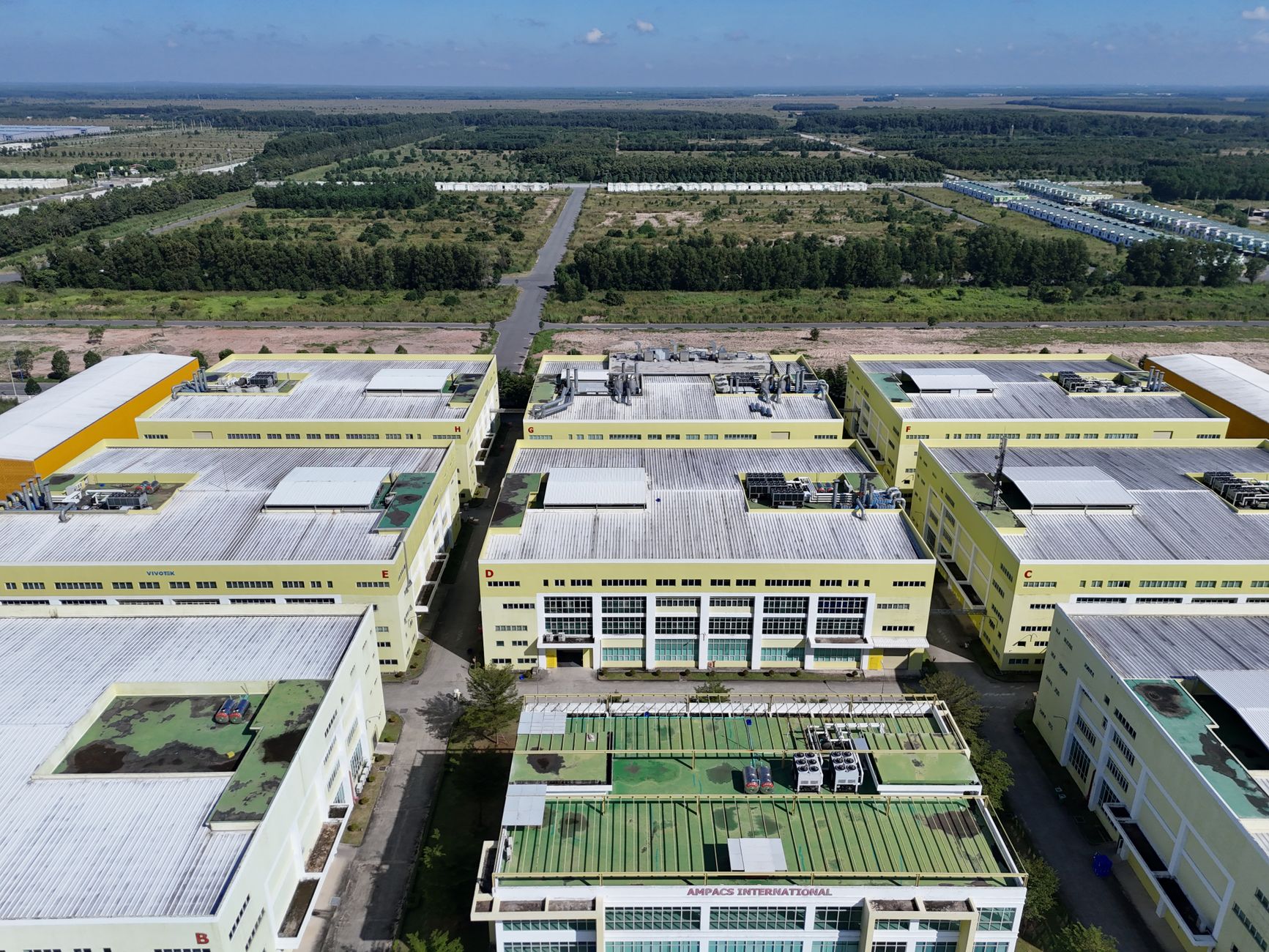
Founder Notes — Lotus Investment Group
Vietnam M&A Sector Breakdown: Where 2025 Capital Flows
Bản đồ thương vụ Việt Nam 2025: vốn tụ về đâu, theo từng ngành
Muốn đọc thị trường thương vụ Việt Nam năm 2025, hãy nhìn theo ngành chứ đừng nhìn theo một con số tổng. Vốn không trải đều. Nó dồn vào vài lĩnh vực có cầu bền và tài sản kiểm chứng được, rồi lảng tránh những nơi định giá còn mơ hồ. Bài này lập bản đồ những điểm tụ đó: bất động sản, y tế, công nghệ, sản xuất, cùng hai mảng tiêu dùng và tài chính đang lớn dần ở rìa bức tranh.
Mỗi ngành kéo vốn về vì một lý do riêng, và chính chỗ khác nhau ấy mới đáng đọc. Bất động sản hút tiền ở mảng công nghiệp chứ không phải nhà ở cao cấp. Y tế hút tiền nhờ đường cầu dài hạn. Công nghệ hút tiền ở phần mềm doanh nghiệp hơn là thương mại số đốt vốn. Sản xuất hút tiền nhờ chuỗi cung ứng dịch về gần. Bản đồ dưới đây đi sâu vào từng mảng nhỏ trong mỗi ngành — nơi nào nóng, nơi nào nguội, và vì sao. Còn nhịp chu kỳ chung và triển vọng phía trước, hai bài cùng chủ đề khác đã bàn riêng.
Bất động sản: tiền chảy về công nghiệp, không phải nhà ở hạng sang
Trong bất động sản, vốn không quay lại đồng đều. Mảng nóng nhất là bất động sản công nghiệp. Cầu về nhà xưởng xây sẵn, trung tâm hậu cần và khu sản xuất hướng xuất khẩu vẫn cao khi các tập đoàn đa quốc gia tăng hiện diện tại Việt Nam. Hạ tầng cải thiện và kết nối liên tỉnh tốt hơn càng dồn dòng tiền về đây. Đơn vị vận hành khu công nghiệp quản trị tốt liên tục được quỹ khu vực và bên thâu tóm chiến lược săn đón.
Mảng nhà ở thì kén hơn hẳn. Dự án tại các đô thị lớn vẫn được quan tâm, nhưng bên mua chỉ nhắm chủ đầu tư tuân thủ tốt, dòng tiền minh bạch và kênh bán hàng đã định hình. Trong số đó, nhà ở phân khúc trung bình hút vốn nhiều nhất vì phục vụ một mảng cầu lớn mà ít biến động. Phân khúc cao cấp gần như đứng ngoài tầm ngắm. Bên mua chiến lược nước ngoài đặc biệt chuộng chủ đầu tư có danh mục dự án đa dạng và đòn bẩy ở mức kiểm soát được.
Du lịch và nghỉ dưỡng là mảng đang ấm trở lại từ nền thấp. Ngành từng chịu sức ép nặng, nên giá trị bây giờ nằm ở những khách sạn, khu nghỉ dưỡng tuy khó khăn mà còn khả thi. Nhà đầu tư tìm các thương vụ tái định vị dựa trên cải thiện vận hành hoặc nâng cấp thương hiệu, hơn là mua tài sản hoàn thiện ở giá đỉnh. Đây là mảng dành cho bên mua chịu xắn tay vận hành, không dành cho bên mua thụ động.
Y tế: cầu cấu trúc kéo vốn vào bốn mảng rõ rệt
Y tế là ngành mà động lực cầu gần như tách khỏi chu kỳ kinh tế: dân số già hóa, bảo hiểm phủ rộng hơn, lối sống thay đổi. Vốn đổ vào đây không dàn trải mà tập trung vào bốn mảng có đặc tính kinh tế riêng.
Bệnh viện tư và chuỗi phòng khám đa điểm là mảng hút vốn tổ chức mạnh nhất, nhờ khả năng mở rộng và cầu dễ dự báo. Bên mua trả giá cao cho đơn vị có đội ngũ y khoa mạnh, phác đồ điều trị chuẩn hóa và cơ cấu chi phí hiệu quả; nền tảng nào tích hợp được công cụ số để quản lý bệnh nhân càng được định giá tốt hơn.
Mạng lưới xét nghiệm chẩn đoán là mảng thứ hai, và là mảng dễ hợp nhất. Doanh thu lặp lại, biên lợi nhuận tốt, cạnh tranh phân mảnh — đúng công thức cho làn sóng mua gom. Vốn vào đây nhằm hiện đại hóa hạ tầng phòng xét nghiệm, mở rộng năng lực và chuẩn hóa hệ thống chất lượng tại các cơ sở thâu tóm.
Hai mảng còn lại là sản xuất dược và phân phối thiết bị. Khi Việt Nam siết chuẩn pháp lý và khuyến khích sản xuất nội địa, bên mua nước ngoài bắt tay liên doanh với nhà sản xuất trong nước, nhắm những nhà máy đã hoặc sắp đạt chuẩn quốc tế như GMP và PIC/S để có bàn đạp xuất khẩu. Song song, nhà phân phối thiết bị và vật tư y tế có mạng lưới toàn quốc và quan hệ nhà cung cấp vững cũng vào tầm ngắm, theo sau làn sóng đầu tư hạ tầng y tế.
Công nghệ: vốn rời tăng trưởng đốt tiền, chuyển sang doanh thu thực
Trong công nghệ, điểm tụ của vốn đã dịch chuyển. Cầu chuyển đổi số từ khối tài chính, hậu cần, bán lẻ và sản xuất giữ ngành này nằm trong nhóm sôi động nhất, nhưng tiền giờ tìm về nơi có doanh thu chứng minh được, không còn chạy theo câu chuyện tăng trưởng bằng mọi giá.
Phần mềm cho khối doanh nghiệp là mảng được chuộng nhất hiện nay. Khi doanh nghiệp nhỏ và vừa dùng công cụ số để tăng năng suất, cầu về phần mềm quản trị nguồn lực, quản lý khách hàng, nhân sự và chuỗi cung ứng tăng đều. Bên mua nhắm mô hình SaaS có doanh thu thuê bao, tỷ lệ rời bỏ thấp và dư địa mở rộng rõ — những đặc tính cho dòng tiền dễ đọc.
Fintech vẫn hút sự chú ý, nhưng khẩu vị đã đổi. Thanh toán số, cho vay doanh nghiệp nhỏ, chấm điểm tín dụng và tài chính nhúng đã thành cấu phần thiết yếu, song nhà đầu tư nay soi kỹ quản trị, kiểm soát rủi ro và mức tuân thủ hơn các chu kỳ trước. Nền tảng có mô hình thẩm định cho vay chắc chắn và nguồn thu đa dạng được giá; nền tảng chỉ có lượng người dùng mà thiếu kinh tế đơn vị thì bị gạt lại.
Thương mại số và công nghệ hậu cần vẫn quan trọng, nhưng tiêu chí chọn đã xoay sang kinh tế đơn vị và lộ trình tới lợi nhuận. An ninh mạng và tuân thủ dữ liệu nổi lên thành một điểm tụ mới: khung pháp lý chặt hơn buộc doanh nghiệp khắp các ngành tăng chi cho bảo mật, lưu trữ và công cụ tuân thủ, nên bên mua nước ngoài thường tìm đối tác nội để rút ngắn đường thâm nhập thị trường.
Sản xuất: chuỗi cung ứng dịch về gần định hình điểm tụ
Sản xuất là trụ neo cho vị thế cạnh tranh của Việt Nam, và xu hướng đa dạng hóa chuỗi cung ứng toàn cầu cùng dịch sản xuất về gần là động lực trung tâm chi phối thương vụ ở đây. Vốn dồn vào ba cụm rõ rệt.
Cụm thứ nhất là điện tử và linh kiện chính xác — mảng được nước ngoài quan tâm đều nhất. Các tập đoàn đa quốc gia mở rộng quan hệ mua hàng với nhà cung cấp nội để bảo đảm công suất và tăng sức bền chuỗi cung ứng, nhắm doanh nghiệp có mức tự động hóa cao, chứng nhận xuất khẩu và tệp khách hàng đa dạng.
Cụm thứ hai là hệ sinh thái phục vụ di chuyển và xe điện, đang lớn nhanh. Giá trị nằm ở doanh nghiệp làm linh kiện xe điện như hệ thống dây dẫn, cảm biến và bộ phận liên quan đến pin. Tiêu thụ xe điện trong nước tăng, các nhà sản xuất thiết bị gốc khu vực mở rộng sản lượng, khiến cụm này mang ý nghĩa chiến lược vượt quy mô hiện tại.
Cụm thứ ba gom bao bì, vật liệu bền vững và chế biến thực phẩm. Doanh nghiệp hướng xuất khẩu phụ thuộc nhiều vào sáng tạo bao bì và vật liệu xanh, nên đơn vị vận hành theo hướng tuân thủ với hệ thống sản xuất hiệu quả đứng ở thế tốt để được thâu tóm. Chế biến thực phẩm vẫn hấp dẫn nhờ tiêu dùng nội địa bền và cơ hội xuất khẩu; nhiều công ty cỡ vừa đang chủ động tìm đối tác chiến lược để nâng cấp nhà máy và mở rộng phân phối, với tiêu chí đánh giá xoay quanh an toàn, tích hợp chuỗi cung ứng và hiệu quả vận hành.
Tiêu dùng và bán lẻ: cầu nội địa bền nâng giá tài sản có thương hiệu
Bên rìa bốn ngành dẫn dắt, tiêu dùng và bán lẻ đang lớn dần thành một điểm tụ riêng. Tầng lớp trung lưu mở rộng và sức mua nội địa bền giữ cho mảng này hấp dẫn ngay cả khi tâm lý vĩ mô dao động. Vốn ở đây tìm về thương hiệu có chỗ đứng và mạng phân phối thật, không tìm về quy mô đơn thuần.
Bên mua chuộng doanh nghiệp hàng tiêu dùng nhanh, chuỗi bán lẻ và nền tảng phân phối có thị phần ổn, biên lợi nhuận đọc được và tệp khách hàng trung thành. Chế biến thực phẩm phục vụ thị trường nội nằm ngay giao điểm giữa tiêu dùng và sản xuất, nên cùng lúc lọt vào tầm ngắm của cả bên mua chiến lược lẫn quỹ tài chính. Mảng này còn phân mảnh, để ngỏ dư địa hợp nhất cho bên nào gây dựng được nền tảng đủ tầm.
Tài chính: vốn nội dẫn dắt, chọn lọc theo chất lượng tài sản
Dịch vụ tài chính là điểm tụ thứ sáu, và là nơi vốn nội tỏ rõ ưu thế nhất. Doanh nghiệp và quỹ đầu tư tư nhân trong nước hiểu sắc thái pháp lý cùng thực tế vận hành hơn bên ngoài, nên xoay xở tốt hơn trong một ngành nhạy cảm với quy định. Nhà đầu tư tài chính nội đặc biệt năng động ở những mảng giao thoa với y tế và công nghệ, nơi tiềm năng tăng trưởng khớp khẩu vị của họ.
Khẩu vị ở đây thiên về chất lượng tài sản hơn là tăng trưởng nhanh. Bên mua soi kỹ chất lượng danh mục, kiểm soát rủi ro và nền tảng tuân thủ trước khi xuống tiền — bài học còn nóng từ những chu kỳ mà tăng trưởng tín dụng chạy trước quản trị. Cách bên mua cấu trúc thương vụ để vào những tài sản tài chính này, một bài cùng chủ đề khác đã mổ xẻ riêng.
Kết luận
Đọc thị trường thương vụ Việt Nam 2025 theo từng ngành cho thấy một điều mà con số tổng che mất: vốn rất kén chỗ. Nó dồn về bất động sản công nghiệp chứ không phải nhà ở hạng sang, về phần mềm doanh nghiệp chứ không phải thương mại số đốt tiền, về xét nghiệm chẩn đoán dễ hợp nhất, về điện tử và xe điện trong sản xuất, rồi lan dần sang tiêu dùng và tài chính. Hiểu được vì sao mỗi ngành kéo vốn theo lối riêng chính là hiểu được nơi đặt vốn năm nay — và nơi nên tránh.
Lotus Investment Group tư vấn M&A xuyên biên giới và FDI vào Việt Nam và Đông Nam Á. Nếu quý vị đang thẩm định một vị thế tại Việt Nam, liên hệ với chúng tôi.
To read Vietnam’s deal market in 2025, look sector by sector — not at one headline number. Capital is not spreading evenly. It clusters in a handful of industries with durable demand and verifiable assets, and steers clear of where valuations stay murky. This piece maps those clusters: real estate, healthcare, technology, manufacturing, plus the consumer and financial-services pockets growing at the edge of the picture.
Each sector pulls capital for a different reason, and the differences are what reward a closer read. Real estate draws money into industrial property, not luxury housing. Healthcare draws it on a long demand runway. Technology draws it into enterprise software more than cash-burning digital commerce. Manufacturing draws it on supply chains moving closer to home. The map below goes inside the sub-segments of each sector — what’s hot, what’s cooling, and why. The broader cycle and the road ahead are handled in two companion pieces.
Real estate: money flows to industrial, not luxury housing
Within real estate, capital is not returning evenly. The hottest pocket is industrial property. Demand for ready-built factories, logistics hubs, and export-driven manufacturing zones stays high as multinationals deepen their Vietnam presence. Improved infrastructure and better interprovincial connectivity push more money here. Well-governed industrial-park operators keep getting courted by regional funds and strategic acquirers.
Residential is far choosier. Projects in the major cities still attract interest, but buyers only target developers with strong compliance, transparent cashflows, and established sales channels. Among those, mid-market housing pulls the most capital because it serves a large demand segment with lower volatility. The luxury tier sits largely outside the frame. Foreign strategic buyers in particular favour developers with diversified portfolios and manageable leverage.
Tourism and hospitality is warming off a low base. The sector took heavy stress, so value now sits in distressed-but-viable hotels and resorts. Investors hunt repositioning plays built on operational improvement or brand upgrades, rather than buying finished assets at peak prices. This is a pocket for buyers willing to roll up their sleeves, not passive ones.
Healthcare: structural demand pulls capital into four clear pockets
Healthcare is the sector where demand drivers sit largely apart from the economic cycle: demographic ageing, wider insurance penetration, lifestyle change. The capital flowing in is not spread thin — it concentrates in four pockets with distinct economics.
Private hospitals and multi-site clinic networks draw the strongest institutional capital, on the back of scalability and predictable demand. Buyers pay up for operators with strong medical leadership, standardised treatment protocols, and efficient cost structures; platforms that integrate digital tools for patient management command better valuations still.
Diagnostics networks are the second pocket — and the easiest to consolidate. Recurring revenue, healthy margins, fragmented competition: the textbook setup for a roll-up. Capital here goes to modernising lab infrastructure, expanding testing capability, and standardising quality systems across acquired facilities.
The remaining two pockets are pharmaceutical manufacturing and device distribution. As Vietnam tightens regulatory standards and encourages domestic production, foreign buyers enter joint ventures with local producers, targeting plants at or near international standards such as GMP and PIC/S for an export springboard. Alongside, medical-equipment and device distributors with nationwide networks and strong supplier ties draw interest, riding the wave of healthcare-infrastructure investment.
Technology: capital leaves cash-burn growth for real revenue
In technology, the centre of gravity has shifted. Digitisation demand from finance, logistics, retail, and manufacturing keeps the sector among the most active, but money now seeks proven revenue rather than growth at any cost.
Enterprise software is today’s favoured pocket. As SMEs adopt digital tools to lift productivity, demand for ERP, CRM, HR, and supply-chain software rises steadily. Buyers target SaaS businesses with subscription revenue, low churn, and clear room to expand — the traits behind readable cashflow.
Fintech still holds attention, but the appetite has changed. Digital payments, SME lending, credit scoring, and embedded finance are now integral, yet investors scrutinise governance, risk controls, and compliance far harder than in earlier cycles. Platforms with solid underwriting and diversified revenue get bid up; those with user counts but thin unit economics get passed over.
Digital commerce and logistics technology still matter, but the selection test has swung to unit economics and path-to-profitability. Cybersecurity and data-compliance has emerged as a fresh pocket: tighter rules force companies across every sector to spend more on secure systems, storage, and compliance tools, so foreign buyers often seek domestic partners to shorten the route to market.
Manufacturing: near-shoring shapes where the money lands
Manufacturing anchors Vietnam’s competitive position, and global supply-chain diversification with near-shoring is the central force driving deals here. Capital concentrates in three clear clusters.
The first is electronics and precision components — the pocket of steadiest foreign interest. Multinationals expand procurement partnerships with local suppliers to secure capacity and harden supply-chain resilience, targeting firms with high automation, export certifications, and diversified customer bases.
The second is the mobility and EV ecosystem, growing fast. Value sits in firms making EV components such as wiring systems, sensors, and battery-related parts. Domestic EV consumption is rising while regional OEMs expand output, giving the cluster strategic weight beyond its current size.
The third bundles packaging, sustainable materials, and food processing. Export-oriented producers lean on packaging innovation and green materials, so compliance-focused operators with efficient production systems sit well for acquisition. Food processing stays attractive on resilient domestic consumption and export opportunity; many mid-sized firms are actively seeking strategic partners to upgrade facilities and widen distribution, assessed on safety, supply-chain integration, and operational efficiency.
Consumer and retail: durable domestic demand lifts branded assets
At the edge of the four lead sectors, consumer and retail is growing into a pocket of its own. An expanding middle class and durable domestic spending keep it attractive even when macro mood wobbles. Capital here chases established brands and real distribution, not size alone.
Buyers favour fast-moving consumer-goods companies, retail chains, and distribution platforms with stable share, readable margins, and loyal customers. Food processing for the domestic market sits right at the seam between consumer and manufacturing, so it lands on the radar of strategic buyers and financial funds at once. The space is still fragmented, leaving consolidation room for whoever builds a platform of scale.
Financial services: domestic capital leads, picking on asset quality
Financial services is the sixth pocket, and the one where domestic capital shows its clearest edge. Vietnamese corporates and private-equity funds read regulatory nuance and operational reality better than outsiders, so they navigate a rules-sensitive sector more deftly. Local financial investors are especially active where the sector overlaps healthcare and technology, where growth potential fits their mandates.
The appetite here tilts toward asset quality over fast growth. Buyers scrutinise portfolio quality, risk controls, and compliance before committing — a lesson still fresh from cycles where credit growth ran ahead of governance. How buyers structure their way into these financial assets is dissected in a companion piece.
Conclusion
Reading Vietnam’s 2025 deal market sector by sector reveals what the headline number hides: capital is highly choosy about where it lands. It flows to industrial property over luxury housing, to enterprise software over cash-burning commerce, to easily consolidated diagnostics, to electronics and EVs within manufacturing, and then spills outward into consumer and financial services. Understanding why each sector pulls capital in its own way is exactly how you find where the money sits this year — and where to stay clear.
Lotus Investment Group advises on cross-border M&A and FDI into Vietnam and Southeast Asia. If you are underwriting Vietnam exposure, get in touch.
Nguồn / Sources
[1]
Vietnam Investment Review (2025) — Dealmaking recovery building towards end of 2025.