

AI Data Centre Capital Stack: Debt, Equity and Returns
April 15, 2026
Agri-Industrial Deal Structuring: Inside the Be Milk Model
April 16, 2026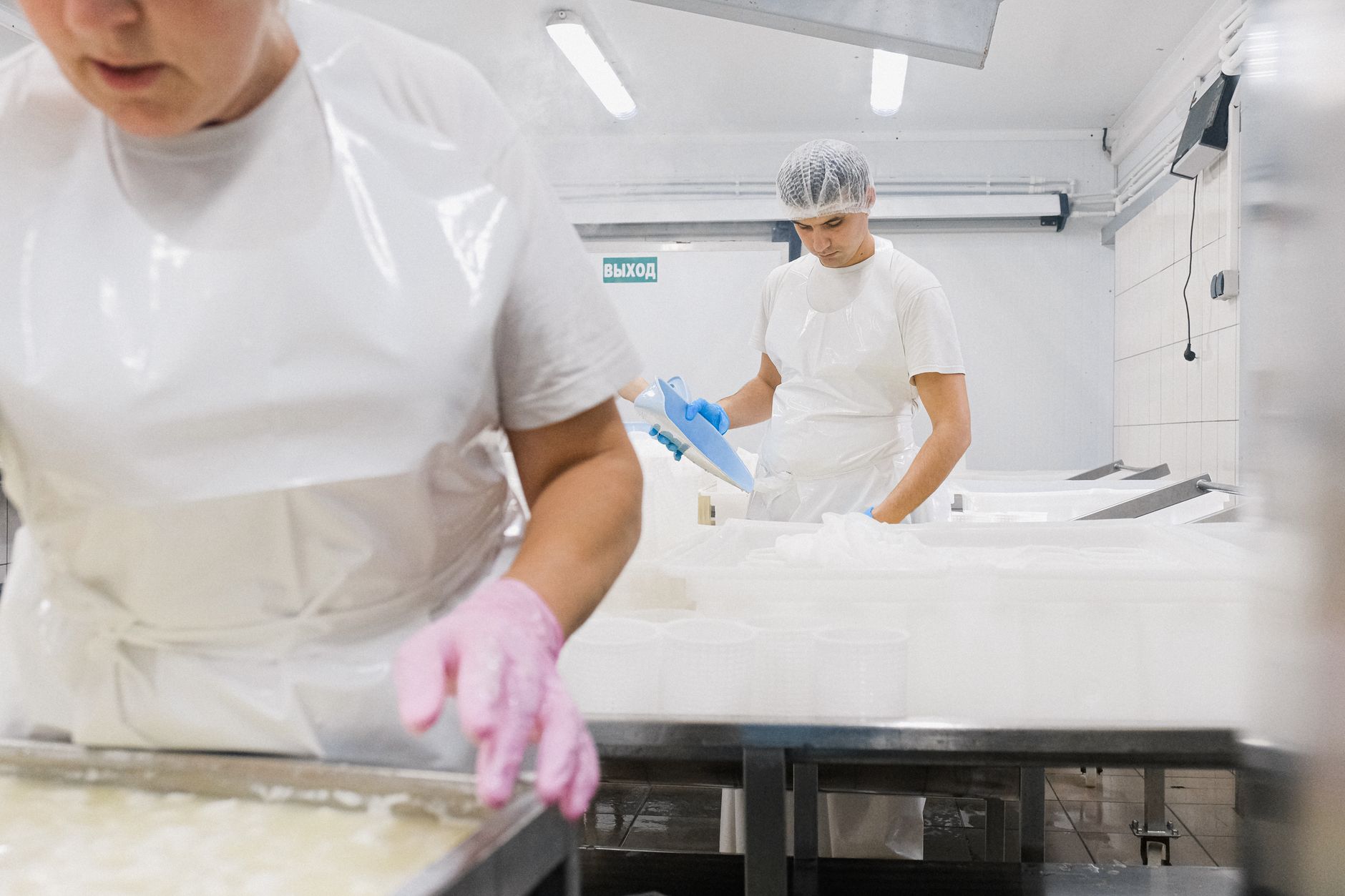
Founder Notes — Lotus Investment Group
Vietnam Agri-Industrial Investment: The Be Milk Test
Vốn nông–công nghiệp vào Việt Nam: cơ hội thật và những nút thắt khó né
Một quỹ Thụy Sĩ rót 100 triệu USD vào nhà máy sữa Be Milk cùng Prodezi. Nhìn kỹ, đây không phải khoản đầu tư nhà máy đơn lẻ; nó là một lát cắt cho thấy dòng vốn nông–công nghiệp đang đọc lại Việt Nam như thế nào. Tiền không còn chảy vào riêng năng lực chế biến. Nó tìm những dự án nắm được giá trị dọc cả chuỗi — từ vùng nguyên liệu, qua chế biến, tới phân phối và bán lẻ. Tầng lớp trung lưu phình ra, thói quen tiêu dùng đổi, cầu thực phẩm và sữa chất lượng cao tăng đều. Nhà đầu tư nhìn cầu đó như một động lực tăng trưởng ổn định và có thể nhân rộng. Nhưng cầu lớn chưa bao giờ là điều kiện đủ.
Khoản vốn của Swiss Asia mang theo nhiều thứ hơn tiền. Nó mang theo kỷ luật cấu trúc và năng lực thẩm định mà một định chế tài chính quốc tế quen làm. Khi ghép được hiểu biết thị trường nội địa với chuẩn vốn toàn cầu, dự án chạy nhanh hơn. Đổi lại, nó đặt ra kỳ vọng mới về quản trị, hiệu suất và độ rõ của lợi nhuận. Nhà đầu tư sẽ soi xem dự án có giữ được hiệu suất ổn định trong môi trường vận hành thực của Việt Nam hay không. Câu trả lời nằm ở chỗ vốn và người vận hành tại chỗ khớp với nhau tới đâu.
Bài này nhìn cả hai phía. Một bên là cơ hội: vì sao một mô hình tích hợp dọc lại hấp dẫn vốn ngoại đúng lúc này. Bên kia là cái giá phải trả để mô hình đó đứng vững — chuỗi cung ứng còn manh mún, phụ thuộc nguyên liệu nhập, và bài toán cân giữa thị trường nội địa với xuất khẩu. Cơ hội thật. Nhưng nó treo trên những điều kiện chưa hiển nhiên đã có sẵn.
Be Milk và sức hút của mô hình tích hợp dọc
Thương vụ Be Milk đáng đọc không vì con số 100 triệu USD, mà vì hình dạng của khoản vốn. Đây là tiền đặt vào một chuỗi giá trị tích hợp, không phải một dây chuyền chế biến tách rời. Logic rất rõ. Một dự án chỉ nắm khâu chế biến sẽ để giá trị rò ra ngoài ở cả đầu nguyên liệu lẫn đầu phân phối; một dự án nắm được nhiều khâu giữ lại phần biên lợi nhuận lớn hơn và kiểm soát chất lượng tốt hơn.
Ngành sữa là ví dụ sạch nhất cho logic ấy. Từ đàn bò, qua nhà máy, tới kệ siêu thị — mỗi mắt xích đứt đoạn đều ăn vào biên lợi nhuận và làm chất lượng dao động. Vốn nông–công nghiệp đời mới vì thế không hỏi ‘nhà máy này chế biến được bao nhiêu’, mà hỏi ‘dự án này nắm được bao nhiêu phần của chuỗi’. Khác biệt nhỏ trong cách đặt câu hỏi, nhưng nó định cả cách định giá lẫn cách rót vốn.
Tiêu dùng nội địa: động lực ổn định, không phải tấm bảo hiểm
Thu nhập tăng, đô thị hóa nhanh, khẩu vị người tiêu dùng đổi — cả ba đang đẩy cầu về sản phẩm chất lượng cao và có thương hiệu. Đó là nền cho làn vốn vào sữa và chế biến thực phẩm. Cầu nội địa có một thứ mà thị trường xuất khẩu không cho: tính ổn định. Doanh thu đều, giá tương đối dễ đoán, ít phụ thuộc vào biến động bên ngoài.
Nhưng ổn định không có nghĩa là dễ. Cầu lớn chỉ thành lợi nhuận khi chuỗi cung ứng giao được đúng chất lượng ở đúng quy mô — đều đặn, năm này qua năm khác. Một chuỗi manh mún không làm được điều đó, dù thị trường có rộng tới đâu. Nhà đầu tư hiểu chuyện này, nên họ ưu tiên dự án gắn được sản xuất với chế biến và phân phối thành một hệ thống. Cầu phải đi kèm năng lực giao hàng, nếu không nó chỉ là con số trên slide.
Cân giữa nội địa và xuất khẩu định hình rủi ro
Đây là chiều mà cách nhìn lạc quan hay bỏ qua. Thị trường nội địa ổn định nhưng tăng trưởng có trần và giá bị ràng. Xuất khẩu mở ra quy mô lớn hơn và biên lợi nhuận cao hơn, đổi lại là rủi ro giá thế giới, chính sách thương mại và tỷ giá. Dồn hết vào một phía nào cũng tạo điểm yếu: lệ thuộc nội địa thì mất biên cao, lệ thuộc xuất khẩu thì hứng trọn cú sốc bên ngoài.
Lợi thế của Việt Nam nằm ở chỗ vừa là cơ sở sản xuất, vừa là thị trường tiêu thụ. Hai vai cùng lúc cho phép nhà đầu tư rải doanh thu ra nhiều kênh và bớt rủi ro. Nhưng muốn xoay được giữa hai thị trường, dự án cần hệ thống đủ chắc cho tiếp cận thị trường, tuân thủ chuẩn và hậu cần. Khả năng chuyển hướng giữa nội địa và xuất khẩu khi cầu đổi mới là lợi thế cạnh tranh thật. Cân lệch thì rủi ro tăng và lợi nhuận giảm — đơn giản vậy.
Biên lợi nhuận là chuyện thiết kế hệ thống, không phải tiết kiệm lẻ
Trong ngành như sữa, giá nguyên liệu và áp lực giá bán dao động mạnh, nên giữ biên lợi nhuận là mối lo trung tâm. Chuỗi tích hợp cho nhà đầu tư kiểm soát chi phí và chất lượng tốt hơn, nhờ đó biên ổn định hơn. Quản được sản xuất, chế biến và phân phối trong một hệ thống, dự án bớt lệ thuộc nhà cung cấp và trung gian bên ngoài — và phản ứng nhanh hơn khi thị trường đổi chiều.
Cái giá là phối hợp và vốn. Tích hợp dọc không rẻ, không nhanh, đòi hạ tầng và hậu cần đi kèm. Khi hệ thống yếu, chi phí dao động và lợi nhuận mỏng đi. Khi hệ thống mạnh, sức chống chịu tăng và tăng trưởng dài hạn có chỗ dựa. Nói cách khác, biên lợi nhuận của những dự án này là hàm của thiết kế hệ thống, không phải của vài khoản tiết kiệm rời rạc. Đó là lý do vốn ngoại chuộng nơi tích hợp được, và né nơi chuỗi vẫn rời rạc.
Vốn ngoại mang kỷ luật, nhưng phải khớp năng lực tại chỗ
Vốn ngoại vào nông–công nghiệp không chỉ là tiền. Nó mang theo cách làm có cấu trúc trong thẩm định dự án, quản trị rủi ro và giám sát hiệu suất. Một định chế như Swiss Asia áp những chuẩn đó vào, và chúng có thể nâng hiệu quả lẫn minh bạch cho ngành trong nước. Nhưng cùng lúc, chúng đòi sự khớp với điều kiện thị trường và năng lực thực thi tại chỗ.
Đây là điểm gãy quen thuộc. Đối tác trong nước phải đáp được kỳ vọng đi kèm vốn quốc tế — chuẩn sản xuất, tuân thủ, báo cáo. Lệch nhau thì dự án trễ, chi phí đội, hiệu suất tụt. Khớp được thì hút thêm vốn và mở đường nhân rộng; không khớp thì nhà đầu tư chất lượng cao rút lui. Kỷ luật vốn và năng lực vận hành phải đi cùng nhau, chứ kỷ luật áp lên một bộ máy chưa theo kịp chỉ tạo ma sát.
Những nút thắt cấu trúc còn ghìm chân
Phần này là cái giá phải trả, và nó thật. Phần lớn giá trị giữ lại trong nước phụ thuộc vào độ chắc của chuỗi cung ứng. Dự án nào tựa nặng vào nguyên liệu nhập hay hậu cần manh mún sẽ chỉ tạo ra giá trị nội địa mỏng. Ngành sữa cần phối hợp xuyên suốt từ chăn nuôi, chế biến đến phân phối mới đạt hiệu quả — mà phối hợp đó ở Việt Nam vẫn còn lỗ hổng.
Hậu cần chưa đồng đều, vùng nguyên liệu phân tán, liên kết giữa các bên còn lỏng. Đây là chỗ chính sách và hạ tầng phải vào: mạng lưới hậu cần tốt hơn, hỗ trợ phát triển nông nghiệp, và cơ chế gắn kết các bên trong chuỗi. Thêm vào đó là kỷ luật thực thi — dự án phải chạy đều qua từng khâu, từ sản xuất tới phân phối; một mắt xích trục trặc là cả hệ thống lệch nhịp. Nhà đầu tư theo dõi rất sát điểm này, vì nó tách dự án nhân rộng được khỏi dự án mãi kẹt ở quy mô nhỏ.
Kết luận
Vốn nông–công nghiệp vào Việt Nam đang dịch về phía những cấu trúc phức tạp hơn: chuỗi tích hợp, cân giữa cầu nội địa và xuất khẩu, biên lợi nhuận đến từ thiết kế hệ thống. Be Milk là một lát cắt cho xu hướng đó. Thành công của những mô hình này phụ thuộc vào ba thứ khớp nhau cùng lúc — cách cấu trúc vốn, độ chắc của chuỗi cung ứng, và kỷ luật thực thi tại chỗ.
Cơ hội thật, nhưng không miễn phí. Nó treo trên một chuỗi cung ứng còn manh mún cần được vá, một bộ máy vận hành trong nước phải bắt kịp chuẩn vốn quốc tế, và sự khéo léo cân giữa hai thị trường khi cầu đổi chiều. Vá được những nút thắt đó, Việt Nam vừa củng cố ngành thực phẩm trong nước vừa chắc chân hơn trên bản đồ nông sản khu vực. Để hở, dòng vốn vẫn vào — nhưng phần giá trị cao sẽ rò ra ngoài biên giới.
Lotus Investment Group tư vấn M&A xuyên biên giới và FDI vào Việt Nam và Đông Nam Á. Nếu quý vị đang thẩm định một vị thế tại Việt Nam, liên hệ với chúng tôi.
A Swiss fund is putting $100 million into the Be Milk dairy plant alongside Prodezi. Look closely and this isn’t a single-factory deal; it’s a window into how agri-industrial capital now reads Vietnam. The money no longer flows to processing capacity on its own. It hunts for projects that capture value down the whole chain — from raw-material base, through processing, to distribution and retail. A swelling middle class and shifting consumption are pushing steady demand for higher-quality food and dairy. Investors see that demand as a stable, scalable growth driver. But large demand has never been a sufficient condition.
Swiss Asia’s capital carries more than money. It brings the structuring discipline and diligence an international financial institution does by habit. Pair local market knowledge with global capital standards and a project moves faster. The trade-off is a new set of expectations around governance and the visibility of returns. Investors will watch whether the project holds consistent performance inside Vietnam’s real operating environment. The answer turns on how well capital and local operators actually fit.
This piece takes both sides. One is the opportunity: why a vertically integrated model pulls in foreign capital right now. The other is the price of making that model stand up — a supply chain still fragmented, a reliance on imported inputs, and the balancing act between domestic and export markets. The opportunity is real. It just rides on conditions that aren’t obviously in place yet.
Be Milk and the pull of vertical integration
The Be Milk deal is worth reading not for the $100 million but for the shape of the capital. This is money placed into an integrated value chain, not a stand-alone processing line. The logic is plain. A project that owns only processing leaks value at both ends — at the raw-material side and the distribution side; a project that owns several stages keeps a larger slice of the margin and controls quality better.
Dairy is the cleanest illustration of that logic. From the herd, through the plant, to the supermarket shelf — every broken link eats into margin and lets quality drift. New-model agri-industrial capital therefore doesn’t ask how much a plant can process. It asks how much of the chain a project owns. A small shift in the question, but it sets both how the deal gets priced and how the capital gets deployed.
Domestic consumption is a steady driver, not an insurance policy
Rising incomes, fast urbanisation, changing taste — all three are pushing demand toward higher-quality, branded products. That’s the floor under the wave of capital into dairy and food processing. Domestic demand offers something export markets can’t: stability. Revenue runs even, pricing stays relatively predictable, exposure to outside shocks is lighter.
Stable doesn’t mean easy. Large demand turns into profit only when the supply chain delivers the right quality at the right scale, consistently, year after year. A fragmented chain can’t do that, however wide the market. Investors know it, so they back projects that bind production to processing and distribution as one system. Demand has to come paired with delivery capability, or it stays a number on a slide.
The domestic-versus-export balance shapes the risk
This is the dimension the upbeat read tends to skip. The domestic market gives stability but caps growth and constrains pricing. Export gives larger scale and higher margins, in exchange for exposure to world prices, trade policy, and currency swings. Lean too hard on either side and you build a weakness: domestic reliance surrenders the high margin, export reliance takes the full force of an external shock.
Vietnam’s edge is that it’s both a production base and a consumption market. Two roles at once let an investor spread revenue across channels and dilute risk. But pivoting between markets needs systems sturdy enough to handle market access and the compliance load that export carries. The capacity to swing between domestic and export as demand shifts is the real competitive advantage. Tip the balance and risk rises while returns fall. It’s that direct.
Margin is a question of system design, not stray savings
In a sector like dairy, where input costs and price pressure move sharply, holding margin is the central worry. An integrated chain hands the investor tighter control over cost and quality, and steadier margins follow. Manage production, processing, and distribution inside one system, and the project leans less on outside suppliers and intermediaries — and reacts faster when the market turns.
The cost is coordination and capital. Vertical integration isn’t cheap or quick; it demands matching infrastructure and logistics. When the system is weak, costs swing and profit thins. When it’s strong, resilience rises and long-term growth has something to stand on. Put another way, margin on these projects is a function of system design, not of a few scattered efficiencies. That’s why foreign capital favours places where integration is possible and steers clear of places where the chain stays loose.
Foreign capital brings discipline, but it has to fit local capability
Foreign capital in agri-industrial sectors isn’t just money. It carries a structured way of working through project diligence, risk management, and performance monitoring. An institution like Swiss Asia applies those standards, and they can lift efficiency and transparency across a domestic industry. At the same time, they demand a fit with local market conditions and execution capability.
This is the familiar fault line. Local partners have to meet the expectations that travel with international capital — production standards, compliance, reporting. A mismatch drags out timelines, inflates cost, and saps performance. A good fit pulls in more capital and clears the path to scale; a poor one drives high-quality investors away. Capital discipline and operating capability have to move together. Discipline laid over a system that can’t keep up just produces friction.
The structural constraints still pinning it down
This part is the price, and it’s real. How much value stays in the country hinges on how sturdy the supply chain is. A project that leans heavily on imported inputs or fragmented logistics generates only thin local value. Dairy needs coordination across farming, processing, and distribution to reach efficiency — and in Vietnam that coordination still has gaps.
Logistics is uneven, raw-material zones are scattered, links between players stay loose. This is where policy and infrastructure have to step in: better logistics networks, support for agricultural development, and mechanisms that bind chain participants together. On top of that sits execution discipline — a project has to run evenly through every stage, from production to distribution; one link stumbles and the whole system loses its rhythm. Investors track this closely, because it separates the projects that scale from the ones stuck at small size for good.
Conclusion
Agri-industrial capital in Vietnam is shifting toward more complex structures: integrated chains, a balance between domestic and export demand, margin that comes from system design. Be Milk is one slice of that trend. Whether these models succeed depends on three things lining up at once — how the capital is structured, how sturdy the supply chain is, and how disciplined execution is on the ground.
The opportunity is real, but it isn’t free. It rides on a fragmented supply chain that needs mending, a domestic operating base that has to catch up to international capital standards, and the skill to balance two markets as demand shifts. Mend those constraints and Vietnam strengthens its domestic food industry while firming up its place on the regional agricultural map. Leave them open, and the capital still arrives — but the high-value share leaks across the border.
Lotus Investment Group advises on cross-border M&A and FDI into Vietnam and Southeast Asia. If you are underwriting Vietnam exposure, get in touch.
Nguồn / Sources
[1]
Vietnam Investment Review (2026) — Swiss Asia partner SA joins Prodezi on $100 million Be Milk plant.