

UK Vietnam Rail Financing: Export Credit, Blended Capital, PPP
February 19, 2026
Vietnam Industrial Infrastructure Strategy: The FDI Moat
February 20, 2026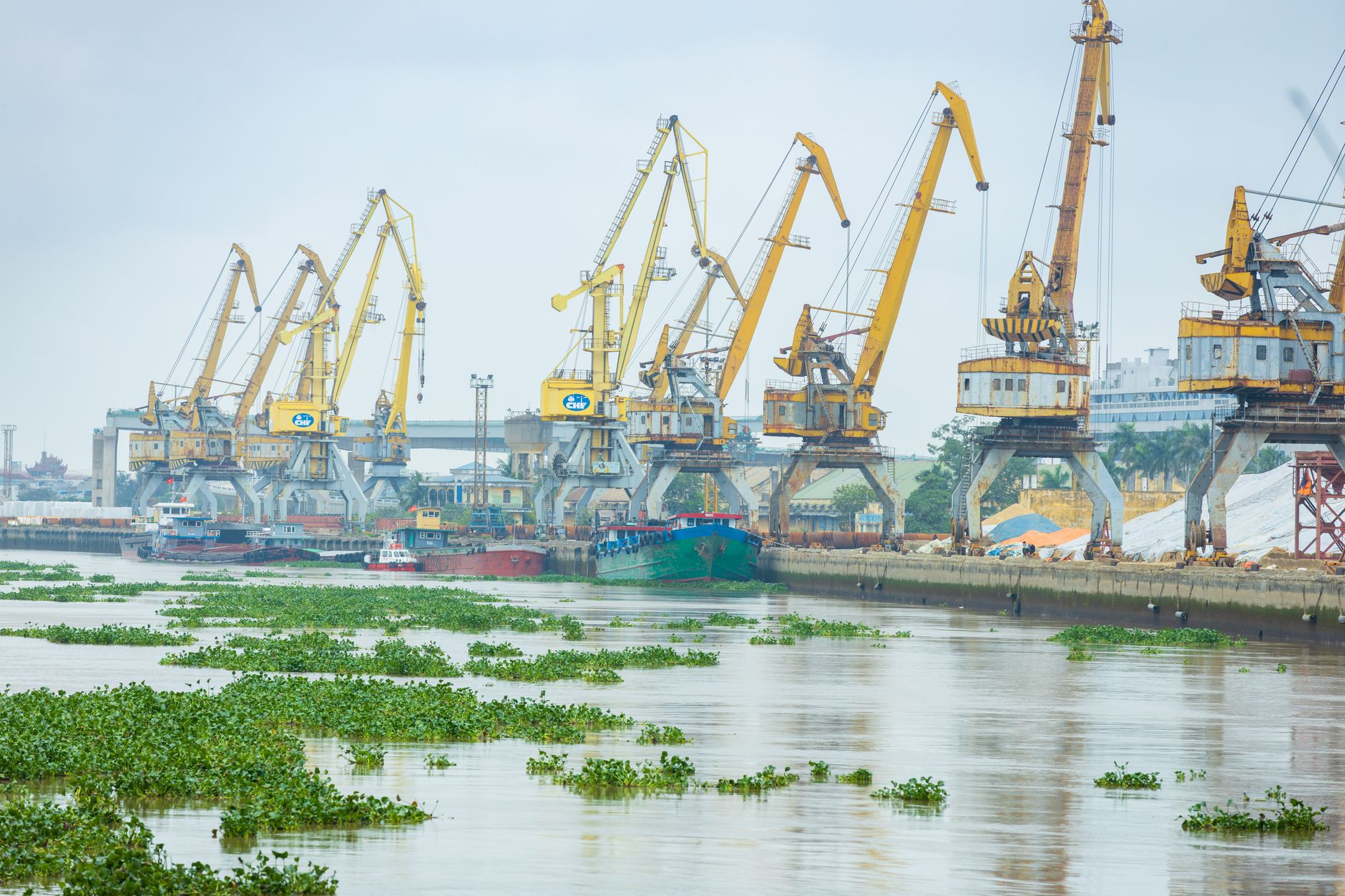
Founder Notes — Lotus Investment Group
Haiphong Supporting Industry: Depth Over Cost Advantage
Hải Phòng dồn sức cho công nghiệp hỗ trợ: chiều sâu công nghiệp thay chỗ lợi thế chi phí
Câu chuyện công nghiệp của Hải Phòng đang đổi từ bên dưới. Thành phố dựng danh tiếng buổi đầu trên đất rẻ và chi phí thấp. Lợi thế ấy giờ nhường chỗ cho thứ khó sao chép hơn: chiều sâu chuỗi cung ứng, năng lực kỹ thuật, và sự phối hợp thể chế giữ cho một hệ sinh thái công nghiệp hỗ trợ đứng vững. Khi các nhà chế tạo toàn cầu định giá lại rủi ro và khả năng chống chịu, sức của nhà cung cấp nội địa ngày càng quyết định một trung tâm chế tạo còn giữ được vị thế hay không.
Hải Phòng đã hút được những khoản đầu tư trụ cột trải khắp điện tử, ô tô, công nghiệp nặng và hậu cần. Nhưng giữ được đà ấy cần hơn một thông báo nhà máy mới. Nó đòi một mạng lưới dày các đơn vị làm linh kiện, nhà cung cấp dịch vụ và đối tác kỹ thuật đủ sức đỡ phần sản xuất giá trị cao và đáp ứng chuẩn tuân thủ quốc tế. Công nghiệp hỗ trợ trở thành tầng quyết định nằm dưới những dự án tên tuổi.
Câu hỏi chiến lược không còn là Hải Phòng có hút được FDI hay không. Mà là thành phố có thể chế hóa được một hệ sinh thái công nghiệp hỗ trợ hay không — một hệ kéo giảm lệ thuộc vào đầu vào nhập khẩu, mài sắc hiệu quả chuỗi cung ứng, và nâng hàm lượng giá trị nội địa hóa trong sản phẩm làm ra ngay tại chỗ.
Từ đỡ lắp ráp sang tích hợp hệ thống
Ở những giai đoạn công nghiệp đầu của Hải Phòng, công nghiệp hỗ trợ chỉ lo phần đầu vào cơ bản — bao bì, linh kiện đơn giản, hậu cần. Mảng việc ấy rút ngắn thời gian giao hàng và cắt được vài khoản chi phí vận hành, nhưng hiếm khi chạm tới kiến trúc của hệ thống sản xuất hay cách sản phẩm được thiết kế.
Giờ đòi hỏi cao hơn nhiều. Nhà sản xuất đa quốc gia cần nhà cung cấp giao được linh kiện chính xác, giữ chất lượng đều tay, và khớp với hệ thống quản lý kho số hóa. Đơn vị làm công nghiệp hỗ trợ phải đồng bộ chu kỳ sản xuất, đạt các khung chứng nhận toàn cầu, và xoay nhanh mỗi khi thiết kế thay đổi. Việc đó đòi chiều sâu kỹ thuật, kỷ luật quản trị, và một lực lượng lao động được đào tạo theo chuẩn chế tạo tiên tiến.
Việc gom cụm tiếp sức cho bước chuyển này. Nhà cung cấp đặt gần nhà chế tạo trụ cột thì vòng phản hồi siết lại, sản phẩm cải tiến nhanh hơn, kiểm soát chất lượng thành thứ gắn sẵn chứ không phải chữa cháy. Những khoản tiết kiệm nhỏ ấy dồn lại thành lợi ích hệ thống, củng cố sức cạnh tranh theo thời gian.
Có điều, chiều sâu không tự sinh ra. Các nhà cung cấp nhỏ, manh mún thường thiếu vốn hoặc thiếu năng lực quản trị để một mình đạt chuẩn OEM toàn cầu. Chương trình nâng cấp nhà cung cấp, đào tạo kỹ thuật và quy hoạch công nghiệp đồng bộ phải được thiết kế vào ngay từ đầu, đừng mặc định nó sẽ tự có.
Mạng lưới cung ứng dày giảm rủi ro khi thương mại chao đảo
Những cú đứt gãy gần đây đã đổi cách các tập đoàn cân nhắc nơi đặt nhà máy. Chuỗi cung ứng mỏng, dựa vào nhiều đầu vào xuyên biên giới, để nhà sản xuất phơi mình trước thay đổi thuế quan, sai lệch pháp lý và nghẽn hậu cần. Nhà cung cấp thượng nguồn ở xa thì một cú sốc lan rất nhanh, rủi ro vận hành nhân lên.
Một hệ sinh thái công nghiệp hỗ trợ dày của Hải Phòng làm dịu các điểm yếu đó. Sản xuất linh kiện tại chỗ giảm ma sát hải quan và rút ngắn tuyến vận chuyển; giấy tờ tuân thủ dễ quản hơn trong một mạng lưới tập trung. Nhà chế tạo nằm trong những hệ ấy chỉnh hướng nhanh hơn khi biến động ập tới.
Vị thế cửa ngõ hàng hải phía Bắc của Hải Phòng làm luận điểm này mạnh thêm. Cảng nước sâu, các khu công nghiệp đã hình thành và hành lang thương mại xuyên biên giới biến thành phố thành điểm tựa hậu cần cho miền Bắc. Một chuỗi cung ứng vừa gắn kết theo vùng vừa dày tại chỗ cho nhà sản xuất vừa linh hoạt vừa ổn định.
Phần thưởng cho khả năng chống chịu ấy ngày càng nắn dòng phân bổ vốn. Nhà đầu tư nay định giá độ bền chuỗi cung ứng song song với chi phí sản xuất, và nơi nào phô được vừa mật độ hệ sinh thái vừa độ tin cậy thể chế thì giành lợi thế cơ cấu khi kéo các cam kết dài hạn.
Quản trị và phối hợp định độ tín nhiệm của hệ sinh thái
Phát triển công nghiệp hỗ trợ cần hơn ưu đãi thuế và đất. Nó tựa vào chất lượng quản trị và sự phối hợp thể chế. Quy trình thẩm định nhà cung cấp phải khớp chuẩn quốc tế, đào tạo lao động phải bám theo yêu cầu kỹ thuật đang đổi, và thực thi tiêu chuẩn môi trường phải nhất quán, đoán định được.
Chính quyền Hải Phòng giữ vai trung tâm trong việc nối nhà chế tạo trụ cột, doanh nghiệp nhỏ và vừa trong nước, các cơ sở dạy nghề và cơ quan quản lý. Khi những bên này cùng làm trong một khuôn khổ chung, năng lực nhà cung cấp khá lên nhanh hơn. Khi phối hợp rời rạc, việc nâng cấp khựng lại và niềm tin nhà đầu tư sụt theo.
Các nền tảng phát triển nhà cung cấp có cấu trúc giúp bắc cầu qua khoảng cách lòng tin giữa tập đoàn đa quốc gia và doanh nghiệp địa phương. Chính sách đất đai minh bạch, hạ tầng đáng tin và cơ chế giải quyết tranh chấp có hiệu lực càng làm hệ vững thêm. Gộp lại, chúng định đoạt công nghiệp hỗ trợ sẽ trưởng thành thành đối tác sản xuất đáng cậy, hay mãi là nhà thầu phụ bên rìa.
Vốn chạy theo độ chín của hệ sinh thái, không theo dự án đơn lẻ
Nhà đầu tư đọc một dự án công nghiệp qua hệ sinh thái của nó. Một nhà máy nằm trong mạng công nghiệp hỗ trợ đã chín thì dựa được vào nguồn cung đa dạng, hậu cần ổn định và đường ống nhân lực được phối hợp. Những đặc tính ấy dập bớt biến động vận hành và cải thiện khả năng vay vốn của dự án.
Nhà máy đặt trong hệ sinh thái mỏng thì gánh rủi ro tích hợp cao hơn. Thiết bị về trễ, lệch pha hải quan hay nhà cung cấp đứt đoạn đều có thể đổ dây chuyền sang cả lịch sản xuất, và bên cấp vốn gài phần bất định đó vào phần bù rủi ro lẫn cấu trúc tài chính.
Vậy nên hệ sinh thái công nghiệp hỗ trợ của Hải Phòng nâng sức hút vốn theo đường gián tiếp. Bằng cách kéo độ tin cậy hệ thống lên, thành phố cải thiện điều kiện tài chính cho các khoản đầu tư về sau. Nhà cung cấp phục vụ được nhiều nhà chế tạo trụ cột thì đa dạng được nguồn thu và bền hơn, và theo thời gian, độ chín ấy đỡ cho việc tái đầu tư.
Định vị trong hành lang công nghiệp miền Bắc
Hải Phòng nằm trong một hành lang công nghiệp phía Bắc rộng hơn, chạy qua Hà Nội, Bắc Ninh, Thái Nguyên và Quảng Ninh. Nổi bật trong mạng lưới ấy đòi sự rõ ràng về chiến lược. Vị thế cửa ngõ hàng hải và nền công nghiệp nặng của thành phố là những lợi thế tự nhiên mà phát triển công nghiệp hỗ trợ có thể khuếch đại.
Nhà cung cấp gom cụm gần cảng thì chu kỳ xuất khẩu nhanh lên, thời gian lưu kho co lại, giấy tờ khớp gọn với lịch tàu. Những hiệu quả ấy củng cố sức cạnh tranh trên cả mảng ô tô, điện tử lẫn chế tạo máy.
Cạnh tranh trong vùng vẫn gắt; nhiều tỉnh khác cũng đang đuổi theo cùng một cuộc nâng cấp. Muốn giữ vai dẫn dắt lâu dài, Hải Phòng phải dồn sức vào những ngành mình đã có chiều sâu trụ cột và hệ số nhân mạnh. Tập trung phát triển nhà cung cấp quanh linh kiện ô tô, điện tử chính xác và máy móc công nghiệp sẽ cho lợi ích hệ thống lớn nhất.
Kết luận: chiều sâu công nghiệp định sức cạnh tranh dài hạn
Hải Phòng đang chuyển từ tăng trưởng nhờ mở rộng sang phát triển bền nhờ chiều sâu. Thành phố đã chứng minh được khả năng hút những dự án chế tạo lớn; bước kế tiếp là cắm chúng vào một mạng lưới nhà cung cấp dày, vững kỹ thuật và bền bỉ.
Công nghiệp hỗ trợ là phần nền cấu trúc nằm dưới sản lượng công nghiệp. Nền ấy chín thì sức cạnh tranh thành bền và biết thích nghi. Nền còn nông thì lợi thế chi phí bị bào mòn dưới sức ép toàn cầu. Kỷ luật quản trị và nâng cấp có phối hợp vì thế định đoạt thành công công nghiệp của Hải Phòng bền tới đâu.
Tiếp tục củng cố hệ sinh thái công nghiệp hỗ trợ, Hải Phòng sẽ chắc chân hơn trong các chuỗi cung ứng vùng và tăng sức hút vốn dài hạn. Suy cho cùng, chính các hệ sinh thái công nghiệp quyết định đà tăng trưởng có chuyển thành sức chống chịu kinh tế lâu bền hay không.
Lotus Investment Group tư vấn M&A xuyên biên giới và FDI vào Việt Nam và Đông Nam Á. Nếu quý vị đang thẩm định một vị thế tại Việt Nam, liên hệ với chúng tôi.
Haiphong’s industrial story is changing underneath it. The city built its early reputation on cheap land and low costs. That edge is now giving way to something harder to copy: supply-chain depth, technical capability, and the institutional coordination that holds a supporting-industry ecosystem together. As global manufacturers re-price risk and resilience, the strength of local suppliers increasingly decides whether a manufacturing hub stays relevant.
Haiphong has already landed major anchor investments across electronics, automotive, heavy industry and logistics. Holding that growth, though, takes more than another factory announcement. It needs a dense network of component makers, service providers and technical partners able to support high-value production and meet international compliance standards. The supporting industry becomes the decisive layer beneath the headline projects.
The strategic question is no longer whether Haiphong can attract FDI. It’s whether the city can institutionalise a supporting-industry ecosystem that cuts dependence on imported inputs, sharpens supply-chain efficiency, and lifts the value content of what’s produced locally.
From assembly support to system integration
In Haiphong’s earlier industrial phases, supporting industries handled basic inputs — packaging, simple components, logistics. That work shortened delivery times and trimmed some operating costs, but it rarely touched how production systems were structured or how products were designed.
The bar is higher now. Multinational producers want suppliers who can deliver precision components, hold consistent quality, and plug into digital inventory systems. Supporting firms have to synchronise production cycles, satisfy global certification frameworks, and adapt fast when a design changes. That asks for technical depth, disciplined governance, and a workforce trained to advanced-manufacturing standards.
Clustering helps the shift. When suppliers sit close to anchor manufacturers, feedback loops tighten, product iteration speeds up, and quality control becomes built-in rather than reactive. Those small efficiencies compound into systemic gains that reinforce competitiveness over time.
Depth doesn’t appear on its own, though. Fragmented small suppliers often lack the capital or the management capacity to meet global OEM standards alone. Supplier-upgrading programmes, technical training, and coordinated industrial planning have to be designed in, not assumed.
Supply-chain density cuts vulnerability when trade turns volatile
Recent disruptions have changed how corporations weigh manufacturing locations. Thin supply chains that lean on multiple cross-border inputs leave producers exposed to tariff shifts, regulatory divergence, and logistics bottlenecks. When upstream suppliers sit far away, a shock travels fast and operational risk multiplies.
A dense Haiphong supporting-industry ecosystem softens those vulnerabilities. Local component manufacturing reduces customs friction and shortens transport routes; compliance paperwork is easier to manage inside a concentrated network. Manufacturers embedded in such ecosystems adjust faster when volatility hits.
Haiphong’s position as a northern maritime gateway strengthens the case. Deep-water ports, established industrial parks and cross-border trade corridors make it a logistics anchor for northern Vietnam. A supply chain that stays regionally integrated yet locally dense gives producers both flexibility and stability.
That resilience premium increasingly drives capital allocation. Investors now price supply-chain robustness alongside production cost, and jurisdictions that can show ecosystem density plus institutional reliability gain a structural edge in winning long-term commitments.
Governance and coordination define the ecosystem’s credibility
Supporting-industry development takes more than tax breaks and land. It rests on governance quality and institutional coordination. Supplier qualification has to align with international standards, workforce training has to track evolving technical requirements, and environmental enforcement has to stay consistent and predictable.
Haiphong’s authorities sit at the centre of coordinating anchor manufacturers, domestic SMEs, vocational institutions and regulators. When those actors work within a shared framework, supplier capability improves faster. When coordination fragments, upgrading stalls and investor confidence slips.
Structured supplier-development platforms can bridge the trust gap between multinationals and local firms. Transparent land-use policy, reliable infrastructure, and enforceable dispute resolution reinforce stability. Together these decide whether supporting industries mature into dependable production partners or stay peripheral subcontractors.
Capital follows ecosystem maturity, not isolated projects
Investors read an industrial project through its ecosystem. A factory embedded in a mature supporting-industry network draws on diversified suppliers, stable logistics and a coordinated workforce pipeline. Those traits dampen operational volatility and improve bankability.
Plants in thin ecosystems carry higher integration risk. Equipment delays, customs misalignment or supplier disruption can cascade across production schedules, and capital providers fold that uncertainty into risk premiums and financing structures.
So the Haiphong supporting-industry ecosystem lifts capital attractiveness indirectly. By raising systemic reliability, the city improves financing conditions for future investment. Suppliers able to serve several anchor manufacturers diversify revenue and strengthen resilience, and over time that maturity supports reinvestment.
Positioning within northern Vietnam’s industrial corridor
Haiphong sits inside a broader northern corridor that runs through Hanoi, Bac Ninh, Thai Nguyen and Quang Ninh. Standing out in that network takes strategic clarity. The city’s maritime-gateway status and heavy-industry base are natural advantages that supporting-industry development can amplify.
When suppliers cluster near port access, export cycles speed up, inventory holding periods shrink, and documentation lines up neatly with shipping schedules. Those efficiencies strengthen competitiveness across automotive, electronics and machinery manufacturing.
Regional competition stays fierce; other provinces are chasing the same upgrade. Sustained leadership will require Haiphong to back the sectors where it already has anchor depth and strong multiplier potential. Focused supplier development around automotive components, precision electronics and industrial machinery offers the largest systemic payoff.
Conclusion: industrial depth decides long-term competitiveness
Haiphong is moving from expansion-led growth to depth-led sustainability. It has proven it can attract major manufacturing projects; the next stage is embedding them in a dense, technically capable, resilient supplier network.
Supporting industries form the structural base beneath industrial output. When that base matures, competitiveness becomes durable and adaptive. When it stays shallow, cost advantages erode under global pressure. Governance discipline and coordinated upgrading therefore decide how durable Haiphong’s industrial success turns out to be.
Keep strengthening the supporting-industry ecosystem, and Haiphong consolidates its role in regional supply chains and improves its long-term pull on capital. Industrial ecosystems ultimately decide whether growth momentum converts into lasting economic resilience.
Lotus Investment Group advises on cross-border M&A and FDI into Vietnam and Southeast Asia. If you are underwriting Vietnam exposure, get in touch.
Nguồn / Sources
[1]
Vietnam Investment Review (2026) — Haiphong steps up supporting industry ecosystem efforts.