

HCMC Data Centre Working Group: City Coordination
December 4, 2025
Vietnam Deal Market Momentum: A Strategic Shift
December 10, 2025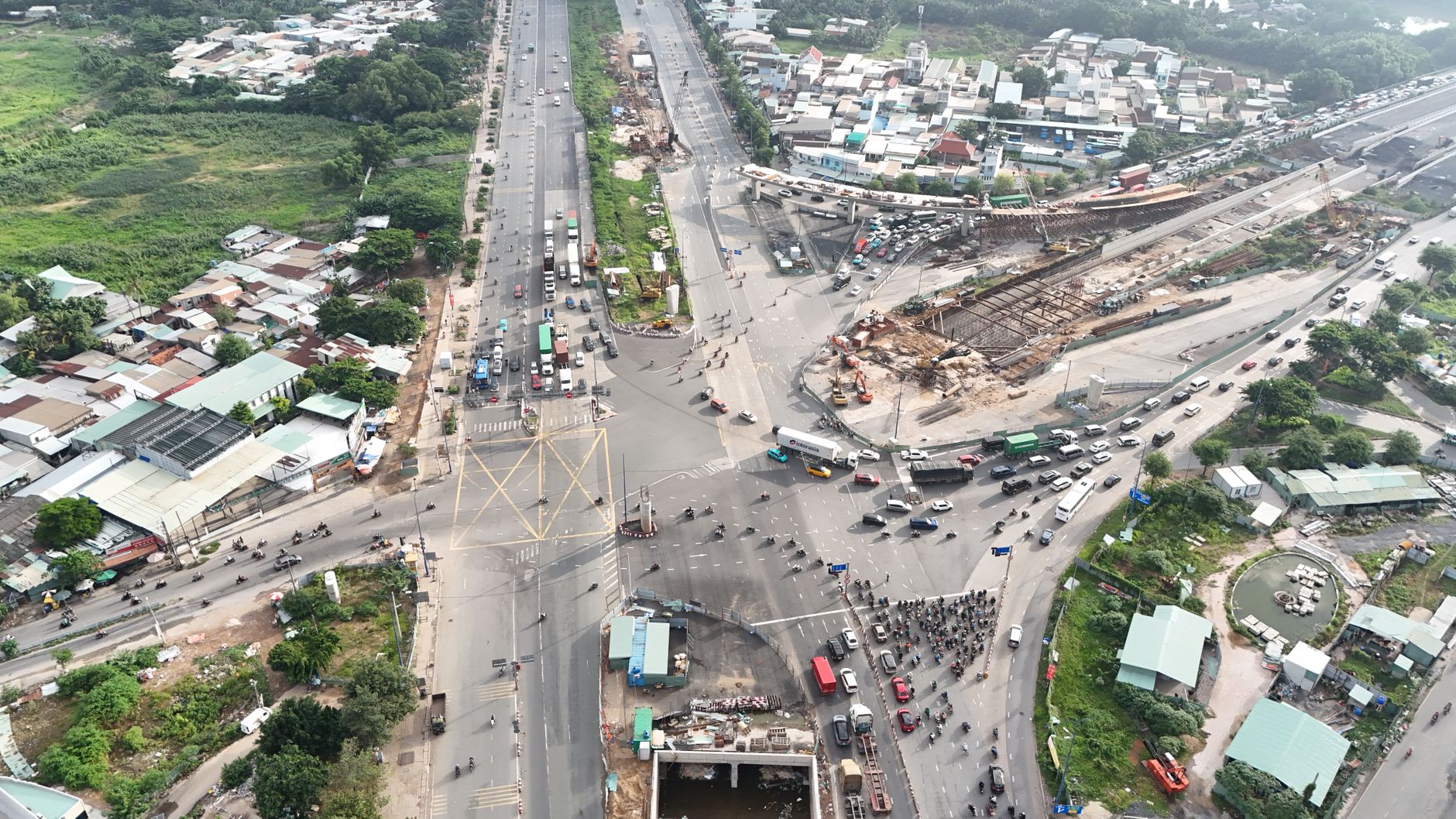
Founder Notes — Lotus Investment Group
Vietnam Infrastructure Finance: Fixing the PPP Core
Rủi ro, tài chính, quy hoạch: vì sao mô hình PPP của Việt Nam cần một lõi thể chế vững hơn
Việt Nam xây không ngừng, và hóa đơn vẫn chạy nhanh hơn ngân sách. Cao tốc, cảng nước sâu, hệ thống điện, nhà máy xử lý nước thải, hạ tầng xã hội — số vốn những công trình ấy đòi nằm xa quá tầm với của tài chính công. Chính khoảng trống đó khiến hợp tác công – tư (PPP) vẫn là chuyện hệ trọng. Bộ khung pháp lý phần lớn đã dựng xong; câu hỏi khó hơn là cái lõi thể chế phía sau có gánh nổi sức nặng của nhà đầu tư hay không. Bài toán tài chính hạ tầng giờ xoay quanh ba thứ mà riêng luật không vá được — chia rủi ro thế nào, cấp vốn ra sao, và quy hoạch tốt đến đâu.
Giới hoạch định chính sách chưa bao giờ thôi xem PPP là then chốt của phát triển đất nước. Cái những cuộc trao đổi gần đây giữa nhà nước, nhà đầu tư và đối tác phát triển liên tục đẩy lên bề mặt là đòi hỏi về sự tiên liệu được — lợi nhuận ổn định, phân bổ rủi ro minh bạch, cơ chế xử lý tranh chấp đáng tin. Nhà đầu tư quan tâm tới danh mục dự án. Họ cũng nói rõ điều gì mới khiến họ rót vốn: bảo vệ doanh thu rõ ràng hơn, và một mặt bằng pháp lý đứng vững suốt vòng đời mấy chục năm của dự án. Thu hẹp khoảng cách giữa cải cách thể chế và kỳ vọng nhà đầu tư mới là phần việc thật sự còn ở phía trước.
Nhu cầu đã vượt khả năng cấp vốn của ngân sách
Tăng trưởng đang làm đúng cái việc dễ đoán với hạ tầng Việt Nam: kéo căng nó ra. Khu công nghiệp nở rộng, kim ngạch xuất khẩu leo cao, đô thị đông dần. Mỗi xu hướng lại đòi thêm cao tốc, cảng biển hiện đại, hệ thống điện nâng cấp, hành lang hậu cần tốt hơn. Ngân sách công không kham nổi mức đầu tư cỡ ấy, nên vốn tư nhân thôi là tùy chọn. Khoảng trống tài chính chính là toàn bộ lý do PPP nằm ở trung tâm chiến lược.
Nhu cầu còn dịch chuyển về chất, không chỉ về lượng. Hạ tầng số, năng lượng tái tạo, hệ thống chống chịu khí hậu và giao thông đô thị — mỗi loại đều mang thời gian hoàn vốn dài và một hồ sơ rủi ro khó nhằn. Đó đúng là những dự án mà chuyên môn tư nhân phát huy giá trị: giao nhanh hơn, vận hành chặt hơn. Đối tác phát triển bổ thêm một điểm đáng lưu tâm: hạ tầng phải được quy hoạch như một hệ thống. Dự án cần ăn khớp với chiến lược hậu cần vùng, phân khu công nghiệp và quy hoạch năng lượng dài hạn, thay vì mọc lên như những tài sản rời rạc. Việt Nam đã siết chặt phần tích hợp ấy; nó chưa xong.
Phân bổ rủi ro mới quyết định dự án có vay được vốn
Hỏi nhà đầu tư điều gì định đoạt một dự án PPP, câu trả lời rất nhất quán: ai gánh rủi ro. Ở nhiều thị trường, nhà nước hứng phần rủi ro nhu cầu, rủi ro pháp lý và một số nghĩa vụ bồi thường. Khung của Việt Nam vẫn dồn phần nặng sang phía tư nhân. Sự lệch ấy không phải tiểu tiết — nó định đoạt khả năng vay vốn và làm dự án bò chậm như rùa. Phân bổ cân bằng là điều kiện tiên quyết cho mọi thứ còn lại.
Rủi ro doanh thu cắn đau nhất. Nhiều dự án dựa vào phí người dùng, nhưng dự báo lưu lượng, cơ chế định giá và cam kết doanh thu hiếm khi trụ vững khi thị trường đổi chiều. Nhà đầu tư cứ đòi đúng mấy công cụ ấy: cam kết doanh thu tối thiểu, công thức điều chỉnh thuế phí, điều khoản bồi thường rõ ràng. Rủi ro đất đai và môi trường kéo về cùng một hướng. Giải phóng mặt bằng có thể kéo dài, làm dự án trễ và đội vốn, còn nhà đầu tư vẫn vấp những khoảng vênh giữa chính sách trung ương và cách một tỉnh thực sự diễn giải nó. Mỗi khoảng vênh đó là một phần bù rủi ro mà đất nước phải trả.
Cấu trúc tài chính phải khớp nhu cầu vốn nhiều thập niên
PPP cần dòng tiền nằm lại đường dài — vượt quá kỳ hạn mà phần lớn ngân hàng trong nước muốn ôm. Ngân hàng Việt Nam đã bồi đắp năng lực tài trợ dự án, nhưng khoản vay hạ tầng vẫn dài hơn vùng an toàn của họ. Vốn ổn định, kéo dài mấy chục năm phải đến từ chỗ khác: quỹ hưu trí, công ty bảo hiểm, định chế tài chính quốc tế. Hút được nhóm này về là một nhiệm vụ cấu trúc, không phải chuyện tiếp thị.
Tài chính hỗn hợp giúp được. Trộn vốn công với vốn tư và định chế tài chính phát triển làm dịu rủi ro và nâng khả năng vay, còn các đối tác như Ngân hàng Thế giới và Ngân hàng Phát triển châu Á mang theo hỗ trợ kỹ thuật, công cụ bảo lãnh tín dụng và vốn ưu đãi, kéo vốn tư nhân vào theo. Tài chính xanh mở thêm một làn nữa. Dự án năng lượng tái tạo, giao thông đô thị và xử lý nước thải có thể đủ điều kiện phát hành trái phiếu xanh hay vay gắn mục tiêu bền vững — những công cụ cắt chi phí vốn và chạm tới một lớp nhà đầu tư đang chủ động tìm tài sản gắn với khí hậu.
Chuẩn bị dự án yếu làm mất niềm tin nhà đầu tư từ sớm
Quy hoạch là chỗ nhiều dự án âm thầm hỏng trước khi kịp tới ngày đóng tài chính. Báo cáo khả thi mỏng, mô hình doanh thu mơ hồ, tiêu chuẩn kỹ thuật thiếu nhất quán — chỉ vậy thôi đã đủ làm dự án khó cấp vốn. Việt Nam đã cải thiện khâu chuẩn bị dự án, nhưng chất lượng vênh nhau giữa các ngành, và bên cho vay nhận ra. Chuẩn bị kỹ không phải tiểu xảo hậu trường; nó là cửa chính.
Quy hoạch tích hợp làm thêm một việc thứ hai: buộc dự án dính chặt vào ưu tiên quốc gia. Quy hoạch giao thông, công nghiệp, số và năng lượng cắt ngang nhiều bộ và chính quyền địa phương, và phối hợp mới là thứ chặn không cho phạm vi dự án trôi xa khỏi nhu cầu thật. Kéo khối tư nhân vào sớm cũng đỡ. Nhà đầu tư hoan nghênh việc tham vấn cho họ chỉnh mô hình tài chính, điều khoản rủi ro và thông số kỹ thuật trước khi vấn đề chai cứng — thời điểm sửa dự án rẻ nhất là trước khi xây.
Luật PPP đã ổn; chỗ sờn là khâu thực thi
Khung pháp lý cho PPP của Việt Nam đã đi được một quãng dài. Luật PPP cho một nền tảng có cấu trúc về chia sẻ rủi ro, minh bạch đấu thầu và thực thi hợp đồng. Điều nhà đầu tư nêu không phải bản thân đạo luật mà cách nó hạ cánh: diễn giải khác nhau giữa tỉnh này tỉnh nọ, và sự khác ấy đọc ra thành bất định. Cái còn thiếu là sự nhất quán, không phải thêm luật.
Cơ chế xử lý tranh chấp phải trở nên tiên liệu được hơn. Nhà đầu tư muốn trọng tài và quy trình minh bạch mà họ tính trước được, còn Việt Nam vẫn đang tinh chỉnh bộ khung theo hướng công bằng và bảo vệ nhà đầu tư. Ổn định pháp lý cũng nặng cân không kém. Chính sách đổi liên tục hay hướng dẫn lờ mờ đẩy phần bù rủi ro lên; áp dụng chính sách quốc gia đều tay, nhất quán mới giữ được một dự án PPP hấp dẫn qua suốt mấy chục năm nó phải sống.
Tỉnh và bộ ngành phải bước cùng nhịp
Phần lớn hạ tầng được xây ở cấp tỉnh, nên chính quyền địa phương mang tính quyết định. Giải phóng mặt bằng, cấp phép, chuẩn bị mặt bằng — những chức năng cấp tỉnh ấy có thể làm nên hoặc phá vỡ tiến độ dự án. Tỉnh nào có năng lực hành chính thực và chiến lược phát triển rõ thường hút được dự án PPP tốt hơn, vì họ đưa ra thủ tục minh bạch, hỗ trợ nhà đầu tư đúng nghĩa và quy hoạch ăn khớp. Khoảng cách năng lực giữa các tỉnh tự nó là một tín hiệu đầu tư.
Cái mạnh ở địa phương chỉ phát huy nếu ăn khớp với trung ương. Tỉnh phải thẳng hàng với các bộ ngành để dự án đáp ứng đồng thời chuẩn pháp lý, kỹ thuật và tài chính. Thiếu phối hợp đó, thực thi vỡ vụn và xung đột pháp lý dễ nảy hơn — đúng loại ma sát bào mòn cái khả năng tiên liệu mà nhà đầu tư tìm đến.
Nhà vận hành tư nhân mang theo nhiều hơn tiền
Nhà phát triển tư nhân thêm vào kiến thức vận hành, công nghệ và kỷ luật quản lý dự án. Họ thường giao nhanh hơn nhờ kỹ thuật xây dựng hiện đại, công cụ số và thông lệ quốc tế, và giá trị lộ rõ nhất qua suốt vòng đời tài sản. Hợp đồng PPP thường gài luôn trách nhiệm vận hành, nên bảo trì được tổ chức bài bản chứ không phải chuyện tính sau — khác hẳn mua sắm công truyền thống, nơi việc duy tu thường bị bỏ bê một khi đã cắt băng khánh thành.
Đổi mới là đóng góp thứ hai. Nền tảng giám sát số, hệ thống hạ tầng thông minh và thiết kế tiết kiệm năng lượng có thể cắt chi phí và nâng hiệu năng qua mấy chục năm vận hành. Sự góp mặt quốc tế củng cố điểm này: nhà đầu tư từ Nhật Bản, Hàn Quốc, Singapore và châu Âu vẫn hoạt động khắp các ngành hạ tầng Việt Nam, và sự hiện diện ấy là một lá phiếu tin vào quỹ đạo dài hạn. Đối tác phát triển bổ thêm năng lực, chuẩn mua sắm và độ chặt trong đánh giá môi trường, kéo các bộ khung của Việt Nam gần chuẩn mực toàn cầu — và làm đất nước cạnh tranh hơn trong cuộc hút vốn hạ tầng.
Một thập niên tới phụ thuộc vào việc thực thi tới cùng
Việt Nam có huy động được vốn tư nhân ở quy mô lớn hay không quy về sức mạnh của bộ khung chính sách, không phải tầm vóc của tham vọng. Nhà đầu tư muốn chia rủi ro cân bằng, pháp lý tiên liệu được và cấu trúc dự án thật sự vay được vốn. Khi Việt Nam siết chặt những yếu tố ấy, độ sẵn sàng của dự án tăng và rủi ro thực thi giảm: chuẩn bị tốt hơn, năng lực thể chế mạnh hơn, phối hợp sạch hơn giữa trung ương và địa phương.
Nhu cầu sẽ không hạ nhiệt. Hiện đại hóa hậu cần, mở rộng năng lượng tái tạo, giao thông đô thị và hạ tầng số đều cần đầu tư nhiều thập niên, và PPP sẽ gánh một phần quyết định trong đó. Giai đoạn tới phải tập trung vào những nền tảng kém hào nhoáng: ổn định chính sách, quản lý hợp đồng hiệu quả, quy hoạch tích hợp. Làm đúng mấy thứ đó, Việt Nam giao hạ tầng gọn ghẽ mà vẫn cạnh tranh trong khu vực.
Kết luận
Việt Nam đang ở một điểm bước ngoặt thật trong cách xây dựng. PPP vẫn thiết yếu để cấp vốn cho dự án lớn và giao chúng cho tốt, nhưng mô hình chỉ chạy tốt ngang với thể chế đứng sau. Phân bổ rủi ro vững hơn, cấu trúc tài chính sâu hơn, quy hoạch sắc hơn và thực thi nhất quán hơn — đó là những đòn bẩy đáng kể, và chúng thuộc về thể chế, không phải pháp luật. Giữ cải cách chuyển động và giữ nhà đầu tư gắn bó, Việt Nam có cơ hội thật để dựng một hệ thống hạ tầng chống chịu tốt hơn, hiện đại hơn, xây để đỡ tăng trưởng đường dài.
Lotus Investment Group tư vấn M&A xuyên biên giới và FDI vào Việt Nam và Đông Nam Á. Nếu quý vị đang thẩm định một vị thế tại Việt Nam, liên hệ với chúng tôi.
Vietnam keeps building, and the bill keeps outrunning the budget. Expressways, deep-water ports, power systems, wastewater plants, social infrastructure: the capital these projects need sits well beyond what public finance can cover. That gap is why public–private partnerships (PPPs) still matter. The legal scaffolding is largely in place; the harder question is whether the institutional core behind it can carry investor weight. Vietnam infrastructure finance now turns on three things the law alone cannot fix — how risk is shared, how projects are funded, and how well they are planned.
Policymakers have not stopped treating PPPs as central to national development. What recent conversations between government, investors and development partners keep surfacing is a demand for predictability — stable returns, transparent risk allocation, dependable dispute resolution. Investors are interested in the pipeline. They are also clear about what would let them commit: clearer revenue protection and regulatory consistency that holds across a project’s multi-decade life. Closing that distance between institutional reform and investor expectation is the real work ahead.
Demand has outgrown what public budgets can finance
Growth is doing the obvious thing to Vietnam’s infrastructure: stretching it. Industrial parks keep expanding, export volumes climb, cities fill out. Each trend asks for new expressways, modern seaports, upgraded power, better logistics corridors. Public budgets cannot fund investment on that scale, so private capital stops being optional. The financing gap is the whole reason PPPs sit at the centre of the strategy.
The needs are also shifting in kind, not just size. Digital infrastructure, renewable energy, climate-resilient systems and urban transit each carry long payback periods and awkward risk profiles. Those are exactly the projects where private expertise earns its keep — faster delivery, tighter operations. Development partners add one more point worth taking seriously: infrastructure has to be planned as a system. Projects need to lock into regional logistics strategies, industrial zoning and long-term energy plans rather than land as isolated assets. Vietnam has tightened that integration; it is not yet finished.
Risk allocation is what makes a project bankable
Ask investors what decides a PPP and the answer is consistent: who carries the risk. In many markets the state absorbs demand risk, regulatory risk and certain compensation obligations. Vietnam’s framework still pushes a heavy share onto the private side. That imbalance is not a detail — it shapes bankability and slows projects to a crawl. Balanced allocation is the precondition for everything else.
Revenue risk is where it bites hardest. Many projects lean on user fees, but traffic forecasts, pricing rules and revenue guarantees rarely hold up when conditions move. Investors keep asking for the same tools: minimum revenue guarantees, tariff-adjustment formulas, clear compensation provisions. Land and environmental risk pull in the same direction. Clearance can run long, delaying projects and blowing out costs, and investors still hit gaps between central policy and how a province actually reads it. Each of those gaps is a risk premium the country pays.
Financing structures have to match multi-decade capital needs
PPPs need money that stays in for the long haul — beyond the maturity profiles most domestic banks want to hold. Vietnamese banks have built up their project-finance capability, but infrastructure loans still run longer than their comfort zone. Stable, multi-decade capital has to come from somewhere else: pension funds, insurers, international financiers. Pulling those investors in is a structural task, not a marketing one.
Blended finance helps. Mixing public money with private capital and development-finance institutions cushions risk and lifts bankability, and partners like the World Bank and the Asian Development Bank bring technical assistance, credit enhancements and concessional finance that crowd in private money. Green finance opens a second lane. Renewable energy, urban transit and wastewater projects can qualify for green bonds or sustainability-linked financing — instruments that cut funding costs and reach a pool of investors who are specifically looking for climate-aligned assets.
Weak project preparation kills investor confidence early
Planning is where a lot of projects quietly fail before they ever reach financial close. Thin feasibility studies, vague revenue models and inconsistent technical standards make a project hard to fund, full stop. Vietnam has improved project preparation, but the quality is uneven across sectors, and lenders notice. Solid preparation is not a back-office nicety; it is the front door.
Integrated planning does a second job: it keeps projects tied to national priorities. Transport, industrial, digital and energy plans cut across ministries and local authorities, and coordination is what stops a project’s scope from drifting away from real demand. Pulling the private sector in early helps too. Investors welcome consultation that lets them adjust financial models, risk provisions and technical specs before problems harden — the cheapest time to fix a project is before it is built.
The PPP Law is sound; implementation is where it frays
Vietnam’s legal framework for PPPs has come a long way. The PPP Law gives a structured base for risk-sharing, bidding transparency and contract enforcement. The problem investors flag is not the statute but how it lands: interpretation varies province to province, and that variance reads as uncertainty. Consistency, not more legislation, is the missing piece.
Dispute resolution has to become more predictable. Investors want arbitration and transparent processes they can model in advance, and Vietnam continues to refine the framework toward fairness and investor protection. Regulatory stability matters just as much. Frequent policy changes or fuzzy guidance push risk premiums up; steady, consistent application of national policy is what keeps a PPP attractive across the decades it has to survive.
Provinces and ministries have to move in step
Most infrastructure gets built at provincial level, which makes local government decisive. Land clearance, licensing, site preparation — these provincial functions can make or break a project’s timeline. Provinces with real administrative capacity and a clear development strategy tend to attract better PPP projects, because they offer transparent procedures, genuine investor facilitation and coordinated planning. The capability gap between provinces is itself an investment signal.
That local strength only works if it lines up with the centre. Provinces have to align with national ministries so a project clears its legal, technical and financial standards in one piece rather than three. Without that coordination, implementation fragments and regulatory conflict becomes likelier — the kind of friction that erodes the predictability investors came for.
Private operators bring more than money
Private developers add operational knowledge, technology and project-management discipline. They tend to deliver faster by using modern construction methods, digital tools and international practice, and the value shows up most clearly over the life of the asset. PPP contracts usually fold in operating responsibility, so maintenance is structured rather than an afterthought — a real contrast with traditional public procurement, where upkeep often gets neglected once ribbons are cut.
Innovation is the other contribution. Digital monitoring platforms, smart-infrastructure systems and energy-efficient design can cut costs and lift performance over decades of operation. International participation reinforces the point: investors from Japan, South Korea, Singapore and Europe stay active across Vietnam’s infrastructure sectors, and that presence is a vote of confidence in the long-term trajectory. Development partners add capacity-building, procurement standards and environmental-assessment rigour that bring Vietnam’s frameworks closer to global norms — and make the country more competitive for infrastructure capital.
The next decade rides on institutional follow-through
Whether Vietnam can mobilise private capital at scale comes down to the strength of its policy framework, not the size of its ambition. Investors want balanced risk-sharing, predictable regulation and project structures that actually bank. As Vietnam tightens those elements, project readiness rises and implementation risk drops: better preparation, stronger institutional capacity, cleaner coordination between national and provincial authorities.
The demand will not let up. Logistics modernisation, renewable-energy expansion, urban transit and digital infrastructure all need multi-decade investment, and PPPs will carry a decisive share of it. The next phase has to focus on the unglamorous fundamentals: policy stability, effective contract management, integrated planning. Get those right and Vietnam delivers infrastructure efficiently while staying competitive across the region.
Conclusion
Vietnam is at a real inflection point in how it builds. PPPs remain essential for financing large projects and delivering them well, but the model only works as well as the institutions behind it. Stronger risk allocation, deeper financing structures, sharper planning and more consistent implementation are the levers that matter — and they are institutional, not legislative. Keep the reforms moving and keep investors engaged, and Vietnam has a genuine shot at infrastructure that is more resilient, more modern and built to support growth for the long term.
Lotus Investment Group advises on cross-border M&A and FDI into Vietnam and Southeast Asia. If you are underwriting Vietnam exposure, get in touch.
Nguồn / Sources
[1]
Vietnam Investment Review (2025) — PPP success in Vietnam relies on risk, finance, and planning.