
Vietnam Legal Reform: Protecting Honest Business
November 5, 2025
Vietnam Infrastructure Investment: Ports, Rail, Power
November 7, 2025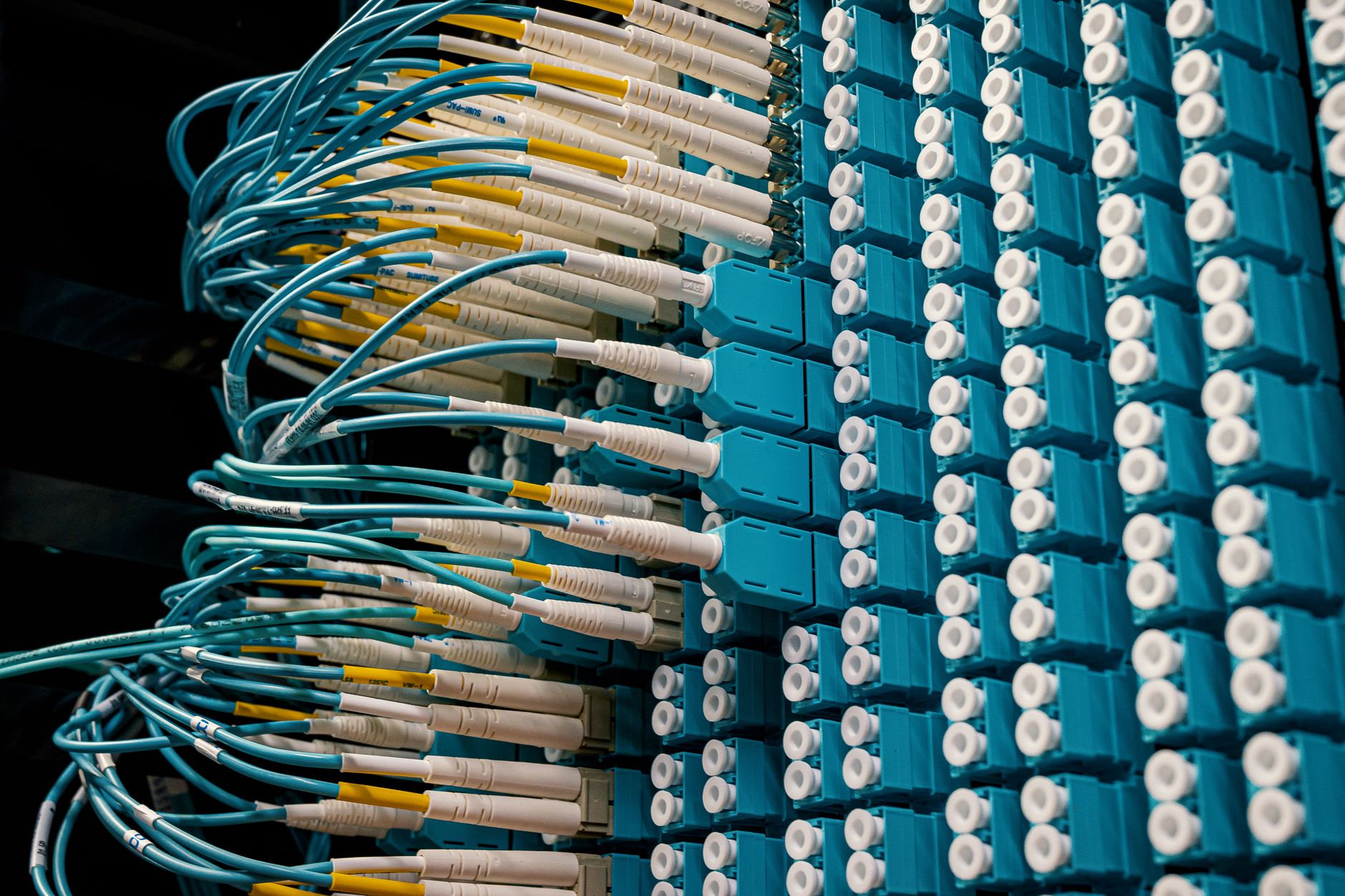
Founder Notes — Lotus Investment Group
HCMC IFC Infrastructure: The Market Plumbing Behind Thu Thiem
Đường ống thị trường: hạ tầng vật lý và kỹ thuật số nào đỡ Trung tâm Tài chính TP.HCM
Một trung tâm tài chính sống bằng hệ ống ngầm của nó: nơi lệnh khớp, tiền chuyển, chứng khoán lưu ký và dữ liệu chạy qua những đường cáp mà không ai thấy. Khi TP.HCM dựng Trung tâm Tài chính Quốc tế (IFC), phần dễ chụp ảnh là tháp kính trên bán đảo Thủ Thiêm. Phần quyết định thành bại lại nằm dưới: sàn giao dịch, hệ thanh toán bù trừ, kho lưu ký, trung tâm dữ liệu và những tuyến cáp quang nối thành phố ra thế giới. Bài này soi lớp hạ tầng đó, lớp khiến một khu tài chính chạy được thật chứ không chỉ trông giống.
Vốn quốc tế không khớp lệnh trên một tầm nhìn. Nó khớp trên một hệ thống đo độ trễ bằng mili-giây, tính rủi ro đối tác bằng quy tắc bù trừ, và lưu tài sản trong một kho ai cũng tin. Singapore, Hồng Kông hay Dubai khác nhau ở chính sách, nhưng giống nhau ở một điểm: đường ống thị trường của họ chạy trơn, liên tục, kết nối thẳng vào mạng lưới thanh toán và lưu ký toàn cầu. Đó là thứ Việt Nam phải dựng từ đầu.
Khung pháp lý, tòa tài chính, cơ chế tiền tệ và lựa chọn thể chế của IFC được bàn trong các bài đồng hành khác. Ở đây chỉ một câu hỏi: phần cứng và phần mềm nào phải có sẵn để một lệnh mua trái phiếu từ Luân Đôn vào tới Thủ Thiêm, khớp, thanh toán và lưu ký xong trong vài giây, an toàn và truy vết được? Trả lời được câu đó mới biết IFC là một trung tâm vận hành hay một khu đô thị đẹp ven sông.
Thủ Thiêm: chọn địa điểm là chọn hạ tầng
IFC sẽ đặt trên bán đảo Thủ Thiêm, đối diện lõi tài chính cũ qua sông Sài Gòn. Lựa chọn này không thuần thẩm mỹ. Thủ Thiêm là quỹ đất sạch đủ rộng để quy hoạch một khu chuyên biệt từ con số không: lưới điện riêng, dự phòng nguồn kép, đường trục viễn thông đi ngầm, và mặt bằng cho các tòa nhà tải được trọng lượng kỹ thuật của một sàn giao dịch và trung tâm dữ liệu.
Một khu tài chính đòi những thứ một khu văn phòng thường không cần: nguồn điện không gián đoạn ở cấp công trình trọng yếu, làm mát đủ cho mật độ máy chủ cao, và lối tiếp cận vật lý kiểm soát chặt cho khu vực lưu trữ dữ liệu nhạy cảm. Quy hoạch Thủ Thiêm từ móng cho phép cài sẵn các lớp này, thay vì chắp vá vào hạ tầng cũ của trung tâm thành phố vốn đã quá tải.
Vị trí cũng định hình lối kết nối. Sát Thủ Thiêm là các trục giao thông lớn và tuyến metro đầu tiên của thành phố, rút ngắn đường đi của nhân sự tài chính. Quan trọng hơn với dòng vốn là khoảng cách tới các điểm cập bờ cáp quang biển và các trung tâm dữ liệu trung lập, nơi độ trễ tính từng mili-giây quyết định một sàn có hấp dẫn nhà giao dịch tần suất cao hay không.
Xương sống số: cáp quang, trung tâm dữ liệu, độ trễ
Tài chính hiện đại là một ngành dữ liệu. Một lệnh đi từ máy chủ của quỹ tới sàn, qua hệ bù trừ, rồi vào sổ lưu ký, tất cả là các gói tin chạy trên cáp. Vì thế xương sống số của IFC quan trọng ngang phần móng bê tông: kết nối băng thông rộng dư tải, định tuyến dự phòng nhiều hướng, và liên kết tới các tuyến cáp quang biển nối Việt Nam với Singapore, Hồng Kông và xa hơn.
Lõi của lớp này là các trung tâm dữ liệu đặt ngay trong hoặc sát IFC. Định chế tài chính cần đặt máy chủ gần điểm khớp lệnh để giảm độ trễ, cần phòng máy đạt chuẩn an toàn vận hành cao, và cần môi trường dữ liệu kiểm soát được để đáp ứng yêu cầu lưu trú dữ liệu. Một trung tâm tài chính thiếu hạ tầng đặt máy chủ tại chỗ buộc các định chế lưu trú ở nơi khác, và phần lớn giá trị giao dịch sẽ trôi theo.
Độ tin cũng quan trọng ngang tốc độ. Hệ thống giao dịch và thanh toán phải chạy gần như không gián đoạn, nên IFC cần thiết kế dự phòng ở mọi tầng: nguồn điện kép, đường truyền kép, và một trung tâm dữ liệu dự phòng ở vị trí tách biệt để gánh tải nếu khu chính gặp sự cố. Đây là loại hạ tầng âm thầm, không ai nhắc tới khi nó chạy, nhưng đủ sức làm sụp niềm tin nếu nó ngã giữa phiên.
Sàn giao dịch và nơi khớp lệnh
Trái tim của một trung tâm tài chính là nơi người mua gặp người bán. IFC sẽ cần một hoặc nhiều nền tảng giao dịch cho cổ phiếu, trái phiếu, ngoại hối và phái sinh, vận hành theo chuẩn kỹ thuật mà nhà đầu tư quốc tế quen dùng. Điều đó nghĩa là một động cơ khớp lệnh đủ nhanh, một sổ lệnh minh bạch, và giao diện kết nối theo giao thức chuẩn để hệ thống của các quỹ nước ngoài cắm thẳng vào.
Sàn không tồn tại một mình. Nó phải gắn với hệ phân phối dữ liệu thị trường thời gian thực để giá yết ra ngoài tức thì, và với hệ giám sát thị trường để phát hiện thao túng hay giao dịch bất thường. Lớp hạ tầng giám sát này là phần mềm, nhưng là phần mềm quyết định độ liêm chính của thị trường, thứ nhà đầu tư tổ chức nhìn trước khi rót vốn.
Một câu hỏi thiết kế lớn là IFC dựng hạ tầng giao dịch mới hay nối vào hạ tầng chứng khoán hiện hữu của Việt Nam. Nối vào tận dụng được hệ thống đã chạy, nhưng phải nâng cấp để đạt chuẩn quốc tế về tốc độ và kết nối. Dựng mới cho tự do thiết kế theo chuẩn cao nhất, nhưng tốn vốn và thời gian. Lựa chọn này định hình toàn bộ kiến trúc ống ngầm phía sau.
Thanh toán, bù trừ và quyết toán
Khớp lệnh chỉ là bước đầu. Sau mỗi giao dịch là một chuỗi việc ít ai thấy: xác nhận, bù trừ rủi ro đối tác, rồi quyết toán chuyển tiền đổi lấy chứng khoán. Đây là tầng ống ngầm dễ vỡ nhất. Một trung tâm tài chính đáng tin cần một đối tác bù trừ trung tâm đứng giữa người mua và người bán, gánh rủi ro nếu một bên vỡ nợ, và một cơ chế quyết toán theo nguyên tắc giao tiền nhận hàng để không bên nào mất trắng.
Phần tiền của chuỗi này phải nối được vào hệ thanh toán giá trị lớn. Với giao dịch nội tệ, IFC cần liên thông với hệ thanh toán liên ngân hàng của Ngân hàng Nhà nước. Với giao dịch ngoại tệ, cái khó hơn là khớp với các hệ quyết toán quốc tế và xử lý rủi ro lệch múi giờ khi hai chân của một giao dịch ngoại hối quyết toán ở hai nơi, hai thời điểm.
Chuẩn nhắn tin tài chính quốc tế là chất keo của tầng này. Để hệ thống của Việt Nam đối thoại được với ngân hàng và kho lưu ký toàn cầu, đường ống của IFC phải nói cùng ngôn ngữ kỹ thuật mà mạng lưới quyết toán thế giới đang dùng. Thiếu khớp nối này, mỗi giao dịch xuyên biên giới biến thành một thao tác thủ công chậm và dễ lỗi, đủ để đẩy nhà đầu tư đi nơi khác.
Lưu ký và bảo quản tài sản
Nhà đầu tư tổ chức không giữ chứng khoán dưới dạng giấy trong két. Họ giữ qua một chuỗi lưu ký: tài sản ghi sổ điện tử tại một kho lưu ký trung tâm, rồi soi xuống qua các ngân hàng lưu ký tới chủ sở hữu cuối. Cả chuỗi này là hạ tầng, và là thứ một quỹ hưu trí hay quỹ chủ quyền soi kỹ trước khi cho phép tiền vào một thị trường mới.
IFC cần một kho lưu ký trung tâm vận hành theo chuẩn quốc tế: ghi sổ tài sản chính xác, phân tách rõ tài sản khách hàng khỏi tài sản của định chế, và liên thông được với các kho lưu ký quốc tế để nhà đầu tư nước ngoài nắm giữ và chuyển nhượng tài sản Việt Nam qua chính hệ thống lưu ký họ đang dùng. Khả năng liên thông này thường là điều kiện thầm lặng để một thị trường được các quỹ lớn xếp vào nhóm đầu tư được.
Bảo quản tài sản còn là bài toán an ninh, cả vật lý lẫn số. Hệ thống lưu ký phải chống được tấn công mạng, có nhật ký truy vết đầy đủ cho mọi thao tác, và có cơ chế khôi phục nếu dữ liệu hỏng. Khi tài sản ngày càng số hóa, ranh giới giữa hạ tầng lưu ký và hạ tầng an ninh mạng mờ dần, và IFC phải coi cả hai là một.
Lớp công nghệ tài chính và vận hành
Trên cùng các đường ống lõi là một lớp công nghệ vận hành mà phần lớn giao dịch hiện đại chạy qua: hệ định danh và xác thực khách hàng điện tử, nền tảng báo cáo cho cơ quan quản lý, và các giao diện lập trình để hệ thống của các bên cắm vào nhau mà không cần thao tác tay. Lớp này biến một khu tài chính từ tập hợp tòa nhà thành một nền tảng vận hành liền mạch.
Định danh điện tử là điểm vào. Một nhà đầu tư mở tài khoản tại IFC cần được xác minh nhanh nhưng chặt, qua hệ thống định danh số nối với cơ sở dữ liệu định danh quốc gia. Làm tốt, khâu này rút thời gian gia nhập từ nhiều tuần xuống còn vài ngày, một lợi thế cạnh tranh thật so với các thị trường nơi mở tài khoản vẫn là một hành trình giấy tờ.
Lớp này cũng nơi các ý tưởng mới như sổ cái phân tán hay tài sản số có thể được thử nghiệm trong một vùng kiểm soát. Giá trị không nằm ở từ khóa công nghệ, mà ở chỗ IFC có thể dựng một khu thử nghiệm có giám sát để các định chế chạy thử hạ tầng giao dịch và quyết toán thế hệ mới trước khi đưa ra thị trường rộng.
Vận hành, an ninh mạng và năng lực con người
Hạ tầng tốt vẫn cần người chạy nó. Một sàn giao dịch và một hệ quyết toán phải có đội vận hành trực ca, theo dõi hệ thống suốt phiên, xử lý sự cố trong vài phút và có kịch bản khôi phục đã diễn tập. Đây là năng lực mà Việt Nam phải xây song song với phần cứng, vì một trung tâm dữ liệu tối tân trong tay đội vận hành non kinh nghiệm vẫn là một rủi ro vận hành.
An ninh mạng là mặt trận thường trực. Hạ tầng tài chính là mục tiêu giá trị cao của tấn công mạng, nên IFC cần một trung tâm điều hành an ninh giám sát liên tục, quy trình ứng cứu sự cố, và các đợt kiểm thử xâm nhập định kỳ. Một vụ rò rỉ dữ liệu hay gián đoạn hệ thống giữa phiên đủ sức xóa nhiều năm gây dựng niềm tin.
Vì thế nhân lực vận hành và an ninh là một phần của hạ tầng, không phải phần phụ. Các chương trình đào tạo kỹ sư hệ thống giao dịch, chuyên gia an ninh mạng tài chính và đội vận hành quyết toán cần khởi động cùng lúc với việc dựng phần cứng, để khi tòa nhà sáng đèn thì đã có người đủ sức giữ cho đường ống chạy.
Lằn ranh hạ tầng và lộ trình triển khai
Dựng cả hệ ống ngầm này cùng lúc là bất khả thi và không cần thiết. Cách hợp lý là phân kỳ: trước hết là hạ tầng vật lý nền và xương sống số ở Thủ Thiêm, rồi tới sàn và hệ quyết toán cho một nhóm sản phẩm hẹp, sau đó mới mở rộng sang lưu ký liên thông quốc tế và các lớp công nghệ phức tạp hơn. Mỗi tầng phải chạy ổn định trước khi chồng tầng tiếp theo lên.
Rủi ro lớn nhất ở tầng hạ tầng là khớp nối. Sàn, hệ bù trừ, kho lưu ký và hệ thanh toán đến từ nhiều nhà cung cấp và nhiều thế hệ công nghệ; nếu chúng không nói chuyện trơn với nhau, mỗi điểm nối thành một nút nghẽn. Vì thế chuẩn kỹ thuật chung và kiểm thử khớp nối đầu cuối phải được đặt ra ngay từ khâu thiết kế, không để tới lúc vận hành mới phát hiện hai hệ thống không hiểu nhau.
Phụ thuộc nhà cung cấp cũng là một lằn ranh. Phần lớn công nghệ sàn, lưu ký và quyết toán cấp quốc tế nằm trong tay một nhóm hẹp nhà cung cấp nước ngoài. IFC được lợi khi mua hệ thống đã kiểm chứng, nhưng phải tránh khóa cứng vào một nhà cung cấp tới mức mất quyền chủ động về chi phí và nâng cấp. Cân bằng giữa nhập hạ tầng đã trưởng thành và giữ năng lực làm chủ trong nước là một quyết định kiến trúc, không phải kỹ thuật thuần túy.
Kết luận
Một trung tâm tài chính được nhớ bằng những tòa tháp, nhưng được tin bằng những đường ống không ai thấy. Với IFC TP.HCM, phần quyết định là một hệ vận hành chạy liền mạch từ Thủ Thiêm: cáp quang dư tải, trung tâm dữ liệu độ trễ thấp, một sàn nối được vào mạng lưới toàn cầu, một chuỗi bù trừ và quyết toán an toàn, và một kho lưu ký liên thông quốc tế.
Khung pháp lý và cơ chế tiền tệ, được bàn trong các bài đồng hành, vẽ ra luật chơi. Hạ tầng quyết định cuộc chơi có chạy được hay không. Việt Nam có thể nhập phần lớn công nghệ này, nhưng phải tự dựng năng lực vận hành, an ninh và khớp nối quanh nó. Làm tới nơi, đường ống thị trường của Thủ Thiêm sẽ là thứ âm thầm thuyết phục dòng vốn quốc tế ở lại, lâu sau khi sự chú ý dành cho những tòa tháp đã nguội.
Lotus Investment Group tư vấn M&A xuyên biên giới và FDI vào Việt Nam và Đông Nam Á. Nếu quý vị đang thẩm định một vị thế tại Việt Nam, liên hệ với chúng tôi.
A financial centre lives by its plumbing: the place where orders match, money moves, securities settle into custody, and data runs through cables no one ever sees. As Ho Chi Minh City builds the Vietnam International Financial Centre (IFC), the photogenic part is the glass towers rising on the Thu Thiem peninsula. The part that decides whether it works sits underneath them — the exchange, the clearing and settlement systems, the custody depository, the data centres, and the fibre that connects the city to the world. This piece looks at that layer, the one that makes a financial zone actually run rather than merely resemble one.
International capital doesn’t match orders against a vision. It matches against a system measured in milliseconds, prices counterparty risk through clearing rules, and parks assets in a depository everyone trusts. Singapore, Hong Kong and Dubai differ on policy, but they share one thing: their market plumbing runs smoothly, continuously, wired straight into the global settlement and custody network. That is what Vietnam has to build from scratch.
The IFC’s legal framework and currency regime, along with its proposed financial court, are covered in companion pieces. Here the question is narrower: what hardware and software has to exist for a bond order from London to reach Thu Thiem, match, then settle into custody within seconds, safely and traceably? Answer that and you know whether the IFC is an operating centre or a handsome riverside district.
Thu Thiem: choosing a site is choosing infrastructure
The IFC will sit on the Thu Thiem peninsula, facing the old financial core across the Saigon River. The choice isn’t purely aesthetic. Thu Thiem is a clean, large-enough land bank to plan a dedicated zone from zero: a discrete power grid, dual redundant supply, telecom trunk lines run underground, and floor plates that can carry the engineering weight of an exchange and a data centre.
A financial zone needs things an ordinary office district doesn’t: uninterruptible power at critical-facility grade, cooling for high server density, and tightly controlled physical access to areas holding sensitive data. Planning Thu Thiem from the foundation lets these layers be designed in, rather than retrofitted onto the city centre’s older, already-strained infrastructure.
Location also shapes connectivity. Thu Thiem sits beside major arterials and the city’s first metro line, shortening the commute for financial staff. More important for capital flows is the distance to submarine-cable landing points and neutral data centres, where latency measured in milliseconds decides whether an exchange appeals to high-frequency traders at all.
The digital backbone: fibre, data centres, latency
Modern finance is a data business. An order travels from a fund’s server to the exchange, through clearing, then into the custody ledger — all packets moving over cable. So the IFC’s digital backbone matters as much as its concrete foundations: surplus broadband capacity, multi-path redundant routing, and links to the submarine cables connecting Vietnam to Singapore, Hong Kong and beyond.
At the core of this layer are data centres in or beside the IFC. Financial institutions need to place servers close to the matching engine to cut latency, need machine halls built to high operational-resilience standards, and need a controlled data environment to meet residency requirements. A financial centre without on-site colocation forces institutions to host elsewhere, and most of the trading value drifts with them.
Reliability matters as much as speed. Trading and settlement systems have to run with near-zero downtime, so the IFC needs redundancy at every tier: dual power, dual links, and a backup data centre on a separate site ready to carry the load if the primary fails. This is the quiet kind of infrastructure no one mentions while it works, yet it can break confidence the moment it falls over mid-session.
The exchange and market venue
The heart of a financial centre is where buyers meet sellers. The IFC will need one or more trading venues for equities, bonds, foreign exchange and derivatives, run to the technical standards international investors take for granted. That means a matching engine fast enough, an order book transparent enough, and connectivity over standard protocols so foreign funds’ systems can plug straight in.
An exchange doesn’t stand alone. It has to sit alongside a real-time market-data distribution system that pushes quotes out instantly, and a market-surveillance system that detects manipulation or anomalous trading. This surveillance layer is software, but it’s the software that decides market integrity — the thing institutional investors check before committing capital.
A big design question is whether the IFC builds new trading infrastructure or connects to Vietnam’s existing securities platforms. Connecting reuses systems already running, but they’d need upgrading to international standards for speed and connectivity. Building new gives freedom to design to the highest standard, at a cost in capital and time. That choice shapes the entire plumbing architecture behind it.
Payments, clearing and settlement
Matching is only the first step. Behind every trade is a chain few people see: confirmation, clearing of counterparty risk, then settlement that swaps cash for securities. This is the most fragile tier of the plumbing. A credible financial centre needs a central counterparty standing between buyer and seller, absorbing the risk if one side defaults, and a settlement mechanism run on delivery-versus-payment so neither party can be left empty-handed.
The cash leg of this chain has to wire into a large-value payment system. For domestic-currency trades, the IFC needs to interoperate with the State Bank’s interbank settlement system. For foreign-currency trades, the harder problem is meshing with international settlement systems and handling time-zone risk when the two legs of an FX trade settle in two places, at two moments.
International financial-messaging standards are the glue of this tier. For Vietnam’s systems to talk to global banks and depositories, the IFC’s pipes have to speak the same technical language the world’s settlement network already uses. Without that fit, every cross-border trade becomes a slow, error-prone manual operation — enough to push investors elsewhere.
Custody and asset safekeeping
Institutional investors don’t hold securities as paper in a vault. They hold them through a custody chain: assets recorded electronically at a central depository, then mirrored down through custodian banks to the ultimate owner. This whole chain is infrastructure, and it’s what a pension or sovereign fund scrutinises before letting money into a new market.
The IFC needs a central securities depository run to international standards: accurate book-entry of assets, clean segregation of client assets from the institution’s own, and interoperability with international depositories so foreign investors can hold and transfer Vietnamese assets through the custody systems they already use. That interoperability is often the quiet condition for a market to be rated investable by large funds.
Safekeeping is also a security problem, physical and digital. The custody system has to withstand cyberattack while keeping a full audit trail of every operation. It also needs recovery mechanisms ready if data is corrupted. As assets grow more digital, the line between custody infrastructure and cybersecurity infrastructure blurs, and the IFC has to treat them as one.
The fintech and operating layer
On top of the core pipes sits an operating-technology layer most modern transactions pass through: electronic identity and customer onboarding systems, regulatory reporting platforms, and application interfaces that let parties’ systems plug into each other without manual steps. This layer turns a financial zone from a collection of buildings into a working operating platform.
Electronic identity is the entry point. An investor opening an account at the IFC needs to be verified fast but rigorously, through a digital identity system linked to the national identity database. Done well, this cuts onboarding from weeks to days — a real competitive edge over markets where opening an account is still a paper journey.
This layer is also where newer ideas like distributed ledgers or digital assets can be tested inside a controlled space. The value isn’t in the technology buzzwords; it’s that the IFC can run a supervised sandbox where institutions trial next-generation trading and settlement infrastructure before releasing it to the wider market.
Operations, cybersecurity and people
Good infrastructure still needs people to run it. An exchange and a settlement system need an operations team on shift, watching systems through every session, fixing incidents in minutes, and rehearsing recovery scenarios. This is a capability Vietnam has to build alongside the hardware, because a state-of-the-art data centre in the hands of an inexperienced operations team is still an operational risk.
Cybersecurity is a permanent front. Financial infrastructure is a high-value target, so the IFC needs a security operations centre monitoring continuously, an incident-response process, and regular penetration testing. A single data breach or mid-session outage can erase years of accumulated trust.
So operations and security staff are part of the infrastructure, not an afterthought. Training programmes for trading-systems engineers, financial cybersecurity specialists and settlement-operations teams need to start in parallel with building the hardware, so that when the lights come on, there are people able to keep the pipes running.
The infrastructure risk edge and a build sequence
Building all of this plumbing at once is impossible and unnecessary. The sensible path is phased: first the base physical infrastructure and digital backbone at Thu Thiem, then the exchange and settlement systems for a narrow product set, and only later the internationally linked custody and the more complex technology layers. Each tier has to run stably before the next is stacked on top.
The biggest risk at the infrastructure tier is integration. The exchange, the clearing and settlement chain, the depository — these come from different vendors and different technology generations; if they don’t talk to each other cleanly, every join becomes a bottleneck. Common technical standards and end-to-end integration testing have to be set at the design stage, not discovered in production when two systems turn out not to understand each other.
Vendor dependence is another edge. Most international-grade technology for exchanges, custody and settlement sits with a narrow group of foreign vendors. The IFC benefits from buying proven systems, but has to avoid locking so hard into a single vendor that it loses control over cost and upgrades. Balancing imported mature infrastructure against retained domestic capability is an architectural decision, not a purely technical one.
Conclusion
A financial centre is remembered for its towers but trusted for the pipes no one sees. For the HCMC IFC, the decisive part is an operating system that runs without a stumble out of Thu Thiem: surplus fibre, low-latency data centres, an exchange wired into the global network, a safe clearing-and-settlement chain, and an internationally linked custody depository.
The legal framework and currency regime, covered in companion pieces, draw the rules of the game. Infrastructure decides whether the game can be played at all. Vietnam can import most of this technology, but has to build the operations and security capability around it, and make the parts integrate. Done well, Thu Thiem’s market plumbing will be the thing that quietly persuades international capital to stay, long after the attention on the towers has cooled.
Lotus Investment Group advises on cross-border M&A and FDI into Vietnam and Southeast Asia. If you are underwriting Vietnam exposure, get in touch.
Nguồn / Sources
[1]
VOV (2025) — Cần có tòa án chuyên biệt ở Trung tâm Tài chính Quốc tế Việt Nam tại TP.HCM. Đài Tiếng nói Việt Nam.