
Danang Rail PPP Financing: PPP and TOD Model
October 14, 2025
Vietnam Urban Rail Development: Danang’s 2045 Plan
October 16, 2025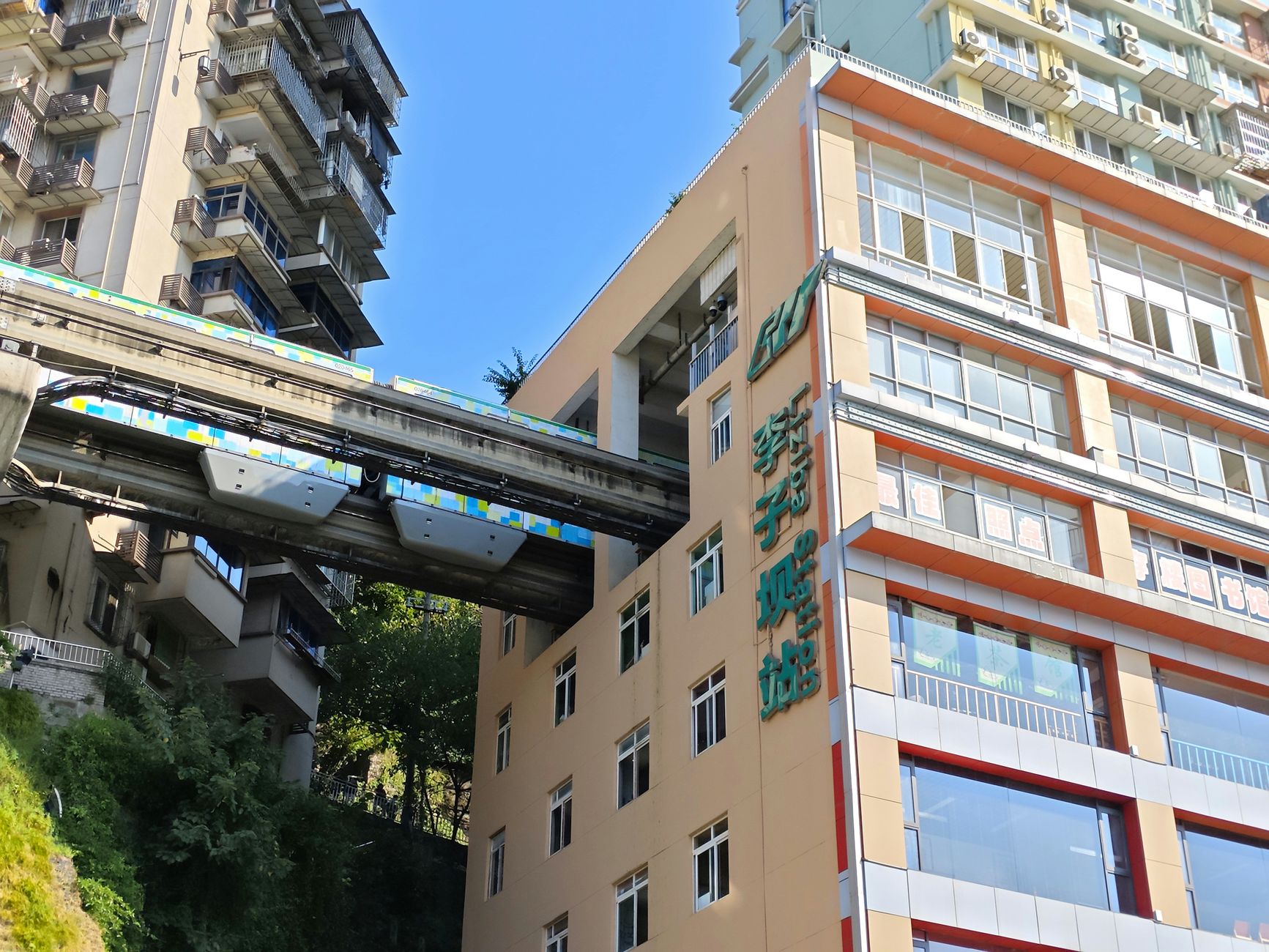
Founder Notes — Lotus Investment Group
Danang Rail Engineering Partners: Building the Pilot Line
Đối tác cơ khí và công nghệ: dựng năng lực đường sắt hiện đại qua tuyến Đà Nẵng – Hội An
Năng lực đường sắt hiện đại của Việt Nam đang được dựng bằng liên minh, không phải bằng đấu thầu mua sắm. Phép thử rõ nhất là hành lang Đà Nẵng – Hội An, tuyến thí điểm dài 24 km gộp du lịch, công nghệ và phát triển bền vững vào một dự án. Các đối tác cơ khí và công nghệ đứng sau tuyến này — nhà cung cấp công nghệ toàn cầu làm việc cùng doanh nghiệp và viện trường trong nước — cho thấy đất nước đang biến tham vọng chính sách thành năng lực kỹ thuật thật.
Điểm chuyển ở đây là từ chỗ mua một tuyến đường sắt hoàn thiện sang dựng cho được khả năng tự vận hành và mở rộng nó. Nhà thầu nước ngoài mang theo chuyên môn tín hiệu, đầu máy toa xe và tích hợp hệ thống; doanh nghiệp và trường nghề Việt Nam hấp thụ kỹ năng, tiêu chuẩn và bí quyết tích hợp. Thành phẩm là hai thứ cùng lúc: một tuyến đường chạy được, và một nền tảng quốc gia mạnh hơn cho thiết kế, vận hành và bảo trì đường sắt.
Vì sao yêu cầu tự chủ kỹ thuật giờ chi phối hợp đồng
Ngành đường sắt Việt Nam đang ở điểm bước ngoặt. Nhiều thập niên thiếu đầu tư để lại năng lực trong nước mỏng ở mảng tín hiệu, chế tạo đầu máy toa xe và tích hợp hệ thống. Vì thế đợt tăng tốc gần đây dựa vào những hợp tác ghép chuyên môn toàn cầu với việc học của địa phương, và tuyến Đà Nẵng – Hội An chính là khuôn mẫu — chuyển giao năng lực và nội địa hóa làm song song chứ không nối tiếp.
Chính sách giờ ép phải làm vậy. Quy hoạch đường sắt 2030 của Bộ Giao thông Vận tải yêu cầu điều khoản chuyển giao công nghệ trong hợp đồng mới, để doanh nghiệp trong nước dự phần vào lắp ráp, kiểm thử và bảo trì. Mỗi dự án phải đào tạo kỹ sư và kỹ thuật viên Việt Nam vận hành độc lập hệ thống hiện đại trong vòng một thập niên. Liên danh Đà Nẵng – Hội An dựng đúng trên điều kiện đó, hòa công nghệ quốc tế với phần thực thi của người Việt.
Với nhà đầu tư, đây là chuyện rủi ro chứ không phải cảm tính. Một lực lượng lao động địa phương tự chủ làm tăng độ tin cậy, giảm lệ thuộc nhập khẩu và giữ ổn định chi phí vòng đời. Chính sự khớp giữa chính sách công nghiệp và tài chính dự án khiến ngành ngày càng hấp dẫn các quỹ hạ tầng chiến lược tìm tăng trưởng có gốc rễ tại chỗ.
Các đối tác cơ khí và phần việc mỗi bên gánh
Dự án quy tụ một liên minh hiếm thấy giữa doanh nghiệp toàn cầu và trong nước. Ba cái tên nằm ở trung tâm — CRRC Trùng Khánh, ARUP và Kim Long Motors — mỗi bên nắm một mảng riêng trong thiết kế, chế tạo và tích hợp.
CRRC Trùng Khánh lo thiết kế đầu máy toa xe và kỹ thuật hệ thống. Dựa trên kinh nghiệm với điều kiện ven biển độ ẩm cao, hãng cung cấp đoàn tàu điện nhiều toa được hiệu chỉnh cho khí hậu Việt Nam, đồng thời mở chương trình đào tạo kỹ sư Việt về hệ truyền động, hãm và điều khiển số. Phần việc đó đổ thẳng vào năng lực quản lý đội tàu trong nước.
ARUP là đối tác thiết kế và tư vấn đa ngành, phụ trách thiết kế kết cấu, đánh giá bền vững và tích hợp hệ thống. Danh mục tàu điện ngầm và monorail trên toàn cầu cho phép hãng điều chỉnh các công cụ mô hình hóa và mô phỏng tiên tiến theo bối cảnh pháp lý và môi trường của Việt Nam, nâng chuẩn an toàn lẫn chất lượng và giữ dự án khớp tiêu chuẩn ESG quốc tế.
Kim Long Motors gánh phần nội địa hóa và tích hợp công nghiệp. Là một trong những nhóm kỹ thuật ô tô và cơ khí đang lên của Việt Nam, công ty đảm nhận lắp ráp trong nước, chế tạo linh kiện và điều phối hậu cần. Các nhà máy ở miền Trung sẽ sản xuất tấm vỏ thân tàu và cấu kiện khung gầm theo giấy phép của CRRC — và chính ở khâu sản xuất chung này, năng lực chế tạo trong nước cho các dự án đường sắt về sau mới thật sự tích lũy.
Ba doanh nghiệp ấy cùng nhau lập nên một mô hình vận hành: chuyển giao tri thức xuyên thiết kế, vận hành và bảo trì, với lợi ích kéo dài quá giai đoạn xây dựng.
Tàu điện ngầm hay monorail: quyết định công nghệ được chốt thế nào
Hành lang ban đầu được khảo sát cho cả tàu điện ngầm lẫn monorail. Tàu điện ngầm cho năng lực vận chuyển cao hơn nhưng cần đào sâu và khối lượng xây dựng nặng, đẩy chi phí và xáo trộn môi trường lên. Monorail nhẹ hơn, lắp nhanh hơn và hợp với khu đô thị mật độ trung bình như vùng ven biển Đà Nẵng.
ARUP và CRRC so chi phí vòng đời, lưu lượng hành khách và dấu chân môi trường, và cấu hình lai monorail – đường sắt nhẹ thắng thế. Nó cân được nhu cầu, địa hình và sự hòa nhập đô thị mà vẫn chừa chỗ mở rộng mạng lưới về sau. Bản thân việc ra quyết định dựa trên bằng chứng đã cho thấy quy hoạch giao thông Việt Nam trưởng thành đến đâu.
Quá trình đánh giá còn đóng vai trò học chính sách. Dữ liệu mô phỏng và phân tích chi phí – lợi ích từ Đà Nẵng – Hội An góp vào hướng dẫn quốc gia cho các thành phố khác cân nhắc hành lang tương tự, nên mỗi dự án thành một bệ phóng cho tri thức kỹ thuật cộng dồn, rút ngắn chu kỳ phát triển kế tiếp.
Chuyển giao công nghệ và chiến lược nội địa hóa
Chuyển giao công nghệ là cốt lõi, không phải sản phẩm phụ. Hợp tác này nhúng chuyên môn toàn cầu vào trong hệ thống nội địa thay vì nhập về giải pháp trọn gói, với đào tạo, đồng chế tạo và nội địa hóa phần mềm được ghi thành hạng mục bàn giao trong hợp đồng.
CRRC và Kim Long sẽ cùng dựng dây chuyền lắp ráp đủ sức sản xuất tới bốn đoàn tàu mỗi năm, có kỹ thuật viên Việt Nam tham gia ở mọi công đoạn, từ chế tạo, hàn cho tới kiểm thử cuối. Theo thời gian, nội địa hóa cho phép Việt Nam sản xuất phụ tùng tại chỗ thay vì mua ngoài, và rồi xuất khẩu linh kiện sang thị trường lân cận — tự chủ bảo trì ngang với quy mô chế tạo.
Phần ARUP lấn sang kỹ thuật số. Hãng đưa vào giao thức Mô hình Thông tin Công trình (BIM) và nền tảng quản lý tài sản điều chỉnh theo quy định Việt Nam, những công cụ phục vụ lập kế hoạch vòng đời, bảo trì dự báo và hạch toán carbon. Một khi nội hóa được các năng lực đó, cơ quan đường sắt có thể áp dụng quản lý dựa trên dữ liệu trên nhiều hành lang.
Hiệu ứng lan tỏa chạm tới trường học. Chương trình đào tạo kỹ thuật đang được cập nhật cùng đối tác dự án để khớp công nghệ đường sắt hiện đại, neo việc phát triển nhân lực vượt xa một tuyến đường này.
Chiều sâu chuỗi cung ứng và tác động lên chế tạo nội địa
Mức tham gia của chuỗi cung ứng trong nước là một thước đo thành công cứng ở đây. Dự án đặt mục tiêu ít nhất 40% hàm lượng nội địa trong thiết bị và vật tư, ngưỡng kéo theo các ngành phụ trợ — gia công thép, điện tử, vật liệu composite.
Kim Long Motors và các nhà cung cấp địa phương đang xây quan hệ với doanh nghiệp nhỏ và vừa khắp miền Trung, từ hệ thống cửa cho tới bó dây điện. Những hợp đồng đó nới rộng nền tảng công nghiệp, trải đều việc làm và đẩy chất lượng lên qua các chương trình chứng nhận.
Hệ số nhân chạy quá khâu chế tạo. Đơn vị hậu cần, nhà phát triển phần mềm và doanh nghiệp bảo trì có thêm cơ hội mới, và mỗi giai đoạn sinh ra tiêu chuẩn chuyển được sang cảng biển, đường cao tốc và các ngành khác — mở rộng năng lực hạ tầng tổng thể của Việt Nam chứ không riêng đường sắt.
Hợp tác xuyên biên giới và hội nhập khu vực
Mô hình hợp tác này bám theo một xu hướng khu vực rộng hơn về xây dựng hạ tầng theo cách phối hợp. Bắt tay với các đơn vị kỹ thuật hàng đầu từ Trung Quốc, Anh và Nhật cho Việt Nam kinh nghiệm thiết kế để đối chiếu trong khi vẫn giữ quyền tự chủ. Nó cũng cải thiện khả năng tương thích khu vực, điều có ý nghĩa khi ASEAN cân nhắc mạng lưới đường sắt tích hợp.
Chi tiết nói lên điều đó: chuẩn tín hiệu và liên lạc dùng trên tuyến Đà Nẵng – Hội An tương thích với hệ đường sắt thuộc Hành lang Kinh tế phía Đông của Thái Lan, giúp đơn giản hóa hậu cần xuyên biên giới và dòng du lịch. Việc này đặt Việt Nam vào vai bên góp phần định hình chuẩn giao thông Đông Nam Á, chứ không chỉ tham gia.
Ở tầm ngoại giao, những hợp tác như vậy biến hạ tầng thành kênh cho thương mại, giáo dục và đầu tư. Khi chuỗi cung ứng toàn cầu phân tán, năng lực đồng sản xuất tài sản hạ tầng công nghệ cao trao cho Việt Nam đòn bẩy địa chính trị thật sự.
ESG, hệ thống số và bài toán đầu tư
Hiệu quả ESG nay là một phần của thẩm định dự án chứ không phải phần ghi chú thêm. Hệ truyền động tiết kiệm năng lượng, giảm ồn và vật liệu tái chế cắt dấu chân carbon; mô hình bản sao số dự báo phát thải vận hành và tối ưu mức dùng năng lượng. Tiêu chí xã hội nặng ngang vậy — hạn ngạch tuyển lao động địa phương, đào tạo tại chỗ và chuẩn an toàn lao động trải đều lợi ích, còn bảng dữ liệu công khai mang lại sự minh bạch quản trị mà công cụ tài chính xanh đòi hỏi.
Số hóa là đòn bẩy còn lại. Bảo trì dự báo dựa trên cảm biến IoT và phân tích AI, do CRRC và doanh nghiệp công nghệ thông tin Việt Nam cùng triển khai, sẽ giảm thời gian dừng máy và kéo dài tuổi thọ tài sản, đưa ngành lên gần đầu nhóm đổi mới khu vực. Dữ liệu thu qua nhiều tuyến sau đó cho phép lập kế hoạch thật sự dựa trên bằng chứng.
Với nhà đầu tư, tất cả đọc ra là giảm thiểu rủi ro. Chuỗi cung ứng nội địa rút ngắn thời gian chờ và ổn định lịch trình; chuyển giao năng lực hạ chi phí bảo trì và nâng lợi suất ròng suốt vòng đời nhượng quyền. Nhưng phần thưởng lớn nhất là khả năng nhân rộng — kinh nghiệm Đà Nẵng – Hội An nhân được sang hành lang ở Nha Trang, Huế và Cần Thơ, mỗi lần nhân lại hạ chi phí biên và cho phép Việt Nam chạy nhiều dự án mà không vắt kiệt đội ngũ kỹ sư.
Kết luận
Con đường tới năng lực đường sắt hiện đại của Việt Nam đi qua hợp tác, không phải sao chép. Đà Nẵng – Hội An cho thấy đối tác cơ khí và công nghệ phù hợp có thể giao cả hạ tầng tức thì lẫn năng lực dài hạn trong cùng một dự án, ghép thiết kế toàn cầu với đổi mới trong nước để dựng một hệ sinh thái đường sắt hiệu quả, bền vững và tự chủ.
Khi xây dựng tiến lên, khung hợp tác này thành khuôn mẫu cho các dự án trên cả nước — mục tiêu công khớp với đổi mới tư nhân, để mỗi cây số đường ray đặt xuống cũng bồi thêm năng lực quốc gia. Bước chuyển từ nước nhập khẩu hạ tầng sang nước sản xuất khu vực mới là phần thưởng lớn, và với đối tác nước ngoài, nó mở ra một thị trường tăng nhanh, sẵn lòng tiếp nhận, thích nghi rồi xuất khẩu công nghệ giao thông tiên tiến.
Lotus Investment Group tư vấn M&A xuyên biên giới và FDI vào Việt Nam và Đông Nam Á. Nếu quý vị đang thẩm định một vị thế tại Việt Nam, liên hệ với chúng tôi.
Vietnam’s modern rail effort is being built by coalition, not procurement. The clearest test case is the Danang–Hoi An corridor, a 24 km pilot line that ties tourism, technology and sustainability into one project. The Danang rail engineering partners behind it — global technology providers working alongside domestic firms and institutions — show how the country is turning policy ambition into actual technical capability.
The shift here is from buying a finished rail line to building the ability to run and extend one. Foreign suppliers bring signalling, rolling-stock and systems expertise; Vietnamese companies and schools absorb the skills, standards and integration know-how. The product is two things at once: a working line, and a stronger national base for rail engineering, operations and maintenance.
Why technical autonomy now drives the contracts
Vietnam’s railway sits at an inflection point. Decades of under-investment left thin domestic capacity in signalling, rolling-stock manufacturing and systems integration. The recent acceleration has therefore leaned on partnerships that pair global expertise with local learning, and the Danang–Hoi An line is the template — capability transfer and localisation pursued together rather than in sequence.
Policy now forces the issue. The Ministry of Transport’s 2030 railway plan requires technology-transfer clauses in new contracts, so domestic firms take part in assembly, testing and maintenance. Each project has to train Vietnamese engineers and technicians to run modern systems independently within the decade. The Danang–Hoi An consortium is built on exactly that condition, blending international technology with Vietnamese implementation.
For investors the logic is risk, not sentiment. A self-sufficient local workforce raises reliability, cuts import dependence and steadies lifecycle costs. That alignment of industrial policy with project finance is what makes the sector increasingly bankable for strategic infrastructure funds looking for locally grounded growth.
The engineering partners and what each one carries
The project brings together an unusual coalition of global and domestic firms. Three sit at its centre — CRRC Chongqing, ARUP and Kim Long Motors — each owning a distinct slice of design, manufacturing and integration.
CRRC Chongqing handles rolling-stock design and systems engineering. Drawing on experience in high-humidity coastal conditions, it supplies electric multiple units tuned to Vietnam’s climate, and it runs training for Vietnamese engineers across traction, braking and digital control. That work feeds directly into domestic fleet-management capacity.
ARUP is the multidisciplinary design and advisory partner, covering structural design, sustainability assessment and systems integration. Its global metro and monorail portfolio lets it adapt advanced modelling and simulation tools to Vietnam’s regulatory and environmental context, lifting safety and quality benchmarks and keeping the project aligned with international ESG standards.
Kim Long Motors carries localisation and industrial integration. As one of Vietnam’s emerging automotive and mechanical engineering groups, it takes on domestic assembly, component fabrication and logistics. Its central-Vietnam factories will produce car-body panels and underframe components under CRRC’s licence, and that joint production is where domestic manufacturing competence for future rail work actually accumulates.
Between them the three firms set a working model: knowledge transfer across design, operation and maintenance, with benefit that outlasts the construction phase.
Metro or monorail: how the technology call was made
The corridor was first assessed for both metro and monorail. Metro offers higher capacity but needs deeper excavation and heavier civil works, which lift cost and environmental disruption. Monorail is lighter, faster to install and better suited to medium-density urban areas like Danang’s coastal zones.
ARUP and CRRC compared lifecycle cost, passenger throughput and environmental footprint, and a hybrid monorail-light rail configuration came out ahead. It balances demand, topography and urban integration while keeping room for later network extensions. The evidence-based call is itself a sign of how much Vietnam’s transport planning has matured.
The evaluation also doubles as policy learning. Simulation and cost-benefit data from Danang–Hoi An feed national guidelines for other cities weighing similar corridors, so each project becomes a platform for cumulative technical learning that shortens the next development cycle.
Technology transfer and the localisation strategy
Technology transfer is the point, not a by-product. The collaboration embeds global expertise inside domestic systems rather than importing turnkey solutions, with training, co-manufacturing and software localisation written in as contractual deliverables.
CRRC and Kim Long will co-develop assembly lines capable of producing up to four trainsets a year, with Vietnamese technicians involved at every stage from fabrication and welding through final testing. Over time that localisation lets Vietnam produce spare parts at home rather than abroad, and eventually export components to neighbouring markets — maintenance autonomy as much as manufacturing scale.
ARUP’s contribution runs into digital engineering. It is introducing Building Information Modelling (BIM) protocols and asset-management platforms tuned to Vietnamese regulation, tools that support lifecycle planning, predictive maintenance and carbon accounting. Once those capabilities are internalised, rail authorities can apply data-driven management across multiple corridors.
The spill-over reaches the schools. Engineering curricula are being updated with project partners to match modern rail technologies, which anchors workforce development well beyond this one line.
Supply-chain depth and the local manufacturing effect
Domestic supply-chain participation is a hard metric of success here. The project targets at least 40 percent local content in equipment and materials, a threshold that pulls in auxiliary industries — steel fabrication, electronics, composite materials.
Kim Long Motors and other local suppliers are building relationships with SMEs across central Vietnam for everything from door systems to wiring harnesses. Those contracts widen the industrial base, spread employment and push quality up through certification programmes.
The multiplier runs past manufacturing. Logistics providers, software developers and maintenance firms gain new openings, and each phase generates standards transferable to ports, highways and other sectors — broadening Vietnam’s overall infrastructure competence rather than just its rail stock.
Cross-border collaboration and regional integration
The partnership model tracks a wider regional move toward collaborative infrastructure. Engaging engineering leaders from China, the United Kingdom and Japan gives Vietnam comparative design experience while it keeps sovereign control. It also improves regional interoperability, which matters as ASEAN weighs integrated rail networks.
The detail makes the point: signalling and communication standards adopted on Danang–Hoi An are compatible with Thailand’s Eastern Economic Corridor rail systems, which simplifies cross-border logistics and tourism flows. That positions Vietnam as a contributor to Southeast Asia’s transport standards, not just a participant in them.
At a diplomatic level these partnerships convert infrastructure into channels for trade and investment. As global supply chains diversify, the capacity to co-produce high-technology infrastructure assets hands Vietnam real geopolitical weight.
ESG, digital systems and the investment case
ESG performance is now part of project appraisal rather than a postscript. Energy-efficient traction, noise reduction and recyclable materials cut the carbon footprint; digital-twin modelling forecasts operational emissions and optimises energy use. Social criteria carry equal weight — local hiring quotas, on-the-job training and workplace safety standards spread the benefit, while public data dashboards give the governance transparency that green-finance instruments require.
Digitalisation is the other lever. Predictive maintenance built on IoT sensors and AI analytics, implemented jointly by CRRC and Vietnamese IT firms, will cut downtime and extend asset life, putting the sector toward the front of regional innovation. Data gathered across multiple lines then enables genuinely evidence-based planning.
For investors all of this reads as risk mitigation. Localised supply chains shorten lead times and stabilise schedules; capability transfer lowers maintenance costs and lifts net yields over a concession’s life. The real payoff, though, is scalability — the Danang–Hoi An experience can be replicated in corridors across Nha Trang, Hue and Can Tho, each replication cutting marginal cost and letting Vietnam run several projects without over-stretching its engineering workforce.
Conclusion
Vietnam’s path to modern rail capability runs through collaboration, not imitation. Danang–Hoi An shows that the right engineering and technology partners can deliver immediate infrastructure and long-term competence in the same project, pairing global design with domestic innovation to build a rail ecosystem that is efficient, sustainable and sovereign.
As construction advances, the framework becomes a template for projects nationwide — public objectives aligned with private innovation, so every kilometre of track also builds national capacity. The country’s shift from infrastructure importer to regional producer is the larger prize, and for foreign partners it opens a fast-growing market eager to adopt, adapt and eventually export advanced transport technology.
Lotus Investment Group advises on cross-border M&A and FDI into Vietnam and Southeast Asia. If you are underwriting Vietnam exposure, get in touch.
Nguồn / Sources
[1]
Bộ Giao thông Vận tải — Quy hoạch phát triển đường sắt đến năm 2030.