
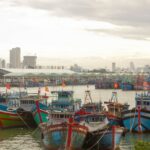
Vietnam Urban Rail Development: Danang’s 2045 Plan
October 16, 2025
Why the Vietnam IFC Court Matters to Investors
October 21, 2025
Founder Notes — Lotus Investment Group
Central Vietnam Coastal Rail: A Strategic Outlook
Đường sắt ven biển và hành lang miền Trung: bài toán chiến lược cho hạ tầng xanh Việt Nam
Tuyến đường sắt ven biển Đà Nẵng – Hội An không chỉ là một đoạn nối giao thông. Nó là chỉ dấu cho cách Việt Nam đang đọc lại vai trò của hành lang ven biển miền Trung: nơi giao thông, môi trường và công nghệ chụm vào nhau thành một bài toán phát triển dài hạn tới 2050. Khi một địa phương như Đà Nẵng chọn dựng mạng đường sắt đô thị 11 tuyến lấy trục Đà Nẵng – Hội An làm xương sống, họ không chỉ giải bài giao thông; họ định vị cả vùng kinh tế trên bản đồ hạ tầng xanh khu vực.
Vì thế tuyến đường sắt này đáng đọc như một tuyên ngôn chiến lược hơn là một dự án giao thông đơn lẻ. Việt Nam đang xếp mình vào nhóm những nền kinh tế đô thị hóa nhanh nhất châu Á, và miền Trung ven biển là nơi cam kết phát thải ròng bằng không, quản trị số và đô thị thông minh phải cùng chứng minh được tính khả thi. Đường sắt ven biển gộp kỹ thuật xanh với quy hoạch bao trùm, bắc cầu giữa mục tiêu công và vốn tư.
Với nhà đầu tư, đây là cơ hội tiếp cận có cấu trúc vào hạ tầng gắn khí hậu và tăng trưởng đô thị dựa trên dữ liệu. Nhưng cơ hội ấy không miễn phí. Đọc cho ra ý nghĩa của hành lang miền Trung, phải soi nó qua mấy chiều quyết định cùng lúc: tầm nhìn đô thị thông minh, áp lực tăng trưởng xanh, cách huy động vốn, và vị thế khu vực của cả vùng ven biển. Bài này nhìn cả triển vọng lẫn điều kiện phải hội đủ để giữ được nó.
Đô thị thông minh đặt nền trên trục giao thông
Chính sách đô thị thông minh ở Việt Nam không còn dừng ở nền tảng số. Giao thông giờ là phần xương sống vật lý của nó. Mạng đường sắt 11 tuyến của Đà Nẵng, lấy trục Đà Nẵng – Hội An làm lõi, cho thấy giao thông đỡ cả kết nối dữ liệu, hiệu suất năng lượng lẫn cung ứng dịch vụ. Cảm biến trên mạng lưới, hệ bảo trì dự báo và vé tích hợp dựng nên nền móng số của một đô thị hiện đại.
Mỗi nhà ga vừa là điểm trung chuyển vừa là một nút dữ liệu. Luồng hành khách thời gian thực, mức tiêu thụ điện và phân tích bảo trì đổ về hệ quản lý đô thị của thành phố, biến giao thông công cộng thành một dòng thông tin liên tục đỡ cho hoạch định chính sách dựa trên bằng chứng. Quan trọng hơn, hạ tầng giao thông thông minh còn nắn lại hình hài đô thị: gom các khu mật độ cao, đa chức năng quanh nhà ga giúp giảm dàn trải và lệ thuộc xe cá nhân, để tăng trưởng bám theo hạ tầng thay vì ngược lại.
Áp lực tăng trưởng xanh và cam kết phát thải ròng bằng không
Cam kết đạt phát thải ròng bằng không vào 2050 đặt giao thông vào trung tâm chiến lược khí hậu của Việt Nam, và đường sắt là một trong những đòn bẩy giảm phát thải mạnh nhất. Tuyến điện khí hóa thải ít hơn 70 đến 80% lượng CO₂ trên mỗi hành khách-km so với đường bộ. Trục Đà Nẵng – Hội An, nếu tích hợp được nguồn điện tái tạo, sẽ góp thẳng vào mục tiêu đó.
Đánh giá vòng đời cho thấy phát thải hàm chứa trong hạ tầng đường sắt có thể bù lại trong vòng một thập niên vận hành. Ưu tiên vật liệu phát thải thấp và điện tái tạo giúp hệ thống khớp Chiến lược Tăng trưởng Xanh quốc gia 2021–2030, đồng thời đủ điều kiện chứng nhận trái phiếu xanh theo hướng dẫn của Bộ Tài chính. Mối liên kết tài chính ấy cho dự án một lợi thế ESG đo đếm được khi hút vốn tổ chức. Đường sắt còn tăng khả năng chống chịu khí hậu: thiết kế nâng cao, kháng bão giữ giao thông thông suốt qua mùa lũ và bão, mối lo thường trực của các tỉnh ven biển. Giá trị thích ứng này hay bị bỏ qua, nhưng nó củng cố tiếng tốt của Việt Nam về quy hoạch hạ tầng nhìn xa.
Huy động vốn xanh và đổi mới tài chính
Chuyển sang hạ tầng bền vững buộc phải có cách huy động vốn mới. Trục Đà Nẵng – Hội An cho thấy mục tiêu môi trường vẫn sống chung được với kỷ luật tài chính. Khung đối tác công-tư trộn với tài trợ trái phiếu xanh dẫn cả vốn nội lẫn vốn ngoại vào tài sản gắn khí hậu. Trái phiếu xanh phát hành cho dự án đường sắt hút nhà đầu tư muốn lợi suất ổn định đi kèm tác động môi trường; nguồn huy động qua khung được kiểm chứng có thể tài trợ tích hợp điện tái tạo, tấm pin trên mái ga và công nghệ giảm tiếng ồn.
Gắn lãi suất trái phiếu với chỉ số ESG tạo trách nhiệm giải trình và hạ chi phí vốn. Ngân hàng đa phương và quỹ chủ quyền ngày càng quan tâm cơ chế này; khi họ tham gia, rủi ro giai đoạn đầu giảm và đồng tài trợ bằng nội tệ được khuyến khích. Càng nhiều tỉnh áp dụng công cụ tương tự, hành lang ven biển càng dần thành một lớp tài sản được công nhận trong hệ sinh thái tài chính bền vững của Đông Nam Á. Đó mới là phần khiến mô hình miền Trung nhân rộng được.
Hội tụ công nghệ và giá trị kinh tế – xã hội
Dự án đường sắt ven biển giờ là phòng thí nghiệm cho hội tụ công nghệ. Nó gộp quản lý điện tái tạo, kết nối 5G và vận hành dựa trên AI. Hệ lưu trữ năng lượng tại depot cân tải lưới và đẩy điện dư trả về mạng địa phương; tự động hóa và tín hiệu số cho phép chạy dày chuyến hơn với rủi ro vận hành thấp hơn. Hợp tác với Viettel, FPT trong nước và các hãng như Siemens hay CRRC mở rộng năng lực đổi mới, củng cố chuỗi cung ứng nội địa và nuôi start-up nội về phân tích giao thông, an ninh mạng và mô hình hóa AI.
Lợi ích kinh tế thì đo được. Theo dự phóng của Đà Nẵng, mỗi đồng vốn rót vào đường sắt đô thị tạo tới 1,6 đồng hoạt động kinh tế vùng, con số xác nhận đường sắt vừa là giải pháp giao thông vừa là chất xúc tác tăng trưởng. Du lịch và bất động sản hưởng lợi ngay: trục Đà Nẵng – Hội An nối khách quốc tế thẳng tới resort ven biển và di sản, nhà phát triển dồn quanh nhà ga để bắt lưu lượng và phần tăng giá đất. Đường sắt giá phải chăng còn mở đường tới việc làm, giáo dục cho dân vùng ven, và khi gắn thiết kế nhạy giới cùng chuẩn tiếp cận phổ quát, dự án khớp cả chính sách xã hội quốc gia lẫn chuẩn ESG toàn cầu.
Phối hợp chính sách và vị thế khu vực
Muốn ra kết quả liên ngành phải có quản trị phối hợp. Bộ Giao thông, Bộ Xây dựng và Bộ Tài nguyên đang đồng bộ chính sách về đường sắt, sử dụng đất và môi trường, một bước rời khỏi quy hoạch cát cứ sang quản lý đô thị tích hợp. Ở cấp tỉnh, Đà Nẵng và Quảng Nam lập ban chỉ đạo chung lo thu hồi đất, tuân thủ môi trường và làm việc với bên liên quan; quy trình minh bạch cùng nền cấp phép số giúp giảm chậm trễ và rủi ro tiêu cực, điều kiện cần để giữ niềm tin nhà đầu tư. Quản trị dữ liệu cũng đổi: chuẩn thông tin chung mở đường cho liên thông giữa các cơ quan và khuyến khích khu vực tư đổi mới.
Hành lang ven biển còn có ý nghĩa vượt biên giới quốc gia. Nó đưa Việt Nam thành hình mẫu khu vực về hạ tầng xanh tích hợp — bài toán đô thị hóa nhanh, áp lực khí hậu và eo hẹp ngân sách mà nhiều nền kinh tế ASEAN cùng đối mặt. Kết nối giữa duyên hải miền Trung với Lào, Thái Lan và Campuchia có thể tiến hóa thành hành lang đường sắt xuyên Đông Dương, tăng luồng du lịch và sức chống chịu của chuỗi cung ứng. Chứng minh được mức giảm phát thải đo đếm qua đầu tư đường sắt còn nâng vị thế của Việt Nam trong mạng lưới tài chính xanh và ngoại giao khí hậu.
Góc nhìn nhà đầu tư: cơ hội dài hạn
Đứng từ phía nhà đầu tư, chiến lược đường sắt ven biển mở ra tiếp cận nhiều chủ đề tăng trưởng cùng lúc — đô thị hóa, giảm phát thải và chuyển đổi số. Tài sản gộp hạ tầng giao thông, điện tái tạo và dịch vụ dữ liệu cho lợi suất đa dạng, hợp khẩu vị quỹ chủ quyền và quỹ hưu trí tìm khoản đầu tư bền vững, chống lạm phát. Nhà phát triển nội hưởng cầu ổn định cho dự án đô thị quanh nhà ga; nhà cung thiết bị nắm hợp đồng bảo trì, nâng cấp dài hạn; tổ chức tài chính cơ cấu được khoản vay gắn bền vững theo hiệu quả ESG.
Rủi ro vẫn quản được nhờ tính nhất quán chính sách. Cam kết tăng trưởng xanh của Việt Nam ghi trong chiến lược quốc gia tới 2050, cho một chân trời pháp lý ổn định; đồng tài trợ qua ngân hàng nội giúp giảm rủi ro tỷ giá. Sự rõ ràng phía công cộng cộng với năng lực phía tư nhân — đó mới là thứ định hình mô hình hạ tầng mới của miền Trung.
Kết luận: triển vọng tới 2050
Nhìn về phía trước, đường sắt ven biển sẽ là trục chủ chốt trong lộ trình năng lượng và phát triển đô thị của Việt Nam. Tới 2035, nhiều thành phố ven biển như Đà Nẵng, Nha Trang, Quy Nhơn được kỳ vọng vận hành các hệ đường sắt liên thông chạy phần lớn bằng năng lượng tái tạo, dựng nên một xương sống phát thải thấp dọc bờ Đông. Tới 2050, vận hành dựa trên dữ liệu, tàu tự hành và tích hợp lưới thông minh sẽ thành chuẩn mực.
Kết quả rộng hơn là tự chủ chiến lược. Qua nội địa hóa bền bỉ và hợp tác, Việt Nam giảm lệ thuộc nhiên liệu và công nghệ nhập trong khi nâng ảnh hưởng khu vực. Đường sắt ven biển, từng chỉ là tuyến nối du lịch, trở thành nền của một nền kinh tế tăng trưởng xanh dựng trên đổi mới, bao trùm và sức chống chịu. Với người làm chính sách, bài học rõ: tích hợp giao thông, năng lượng và hệ thống số nhân lên tác động phát triển. Với nhà đầu tư, câu chuyện hạ tầng Việt Nam giờ không còn chỉ về tốc độ, mà về sự bền vững và độ tinh vi của cả hành lang miền Trung.
Lotus Investment Group tư vấn M&A xuyên biên giới và FDI vào Việt Nam và Đông Nam Á. Nếu quý vị đang thẩm định một vị thế tại Việt Nam, liên hệ với chúng tôi.
The Danang–Hoi An coastal rail line is more than a transport link. It signals how Vietnam is re-reading its central coastal corridor, the place where mobility and the environment now converge with technology into a long-horizon development question that runs to 2050. When a city like Danang commits to an 11-line urban network anchored on the Danang–Hoi An spine, it isn’t only solving mobility. It is placing a whole region on the regional map of green infrastructure.
So the line reads better as a strategic statement than as a standalone transport project. Vietnam is positioning itself among Asia’s fastest-urbanising economies, and the central coast is where its net-zero pledge, digital governance and smart-city ambitions all have to prove they work in practice. Coastal rail fuses green engineering with inclusive planning, bridging public goals and private capital.
For investors it offers structured exposure to climate-aligned infrastructure and data-driven urban growth. But that opportunity isn’t free. To read the central corridor properly you have to weigh several deciding dimensions at once: the smart-city vision, green-growth pressure, how capital gets mobilised, and the coastal region’s standing across ASEAN. This piece takes both the outlook and the conditions needed to hold it.
A smart-city vision anchored in mobility
Smart-city policy in Vietnam no longer stops at digital platforms. Mobility now forms its physical backbone. Danang’s 11-line rail network, built around the Danang–Hoi An line, shows how transport underpins data connectivity, energy efficiency and service delivery. The network’s sensors, predictive-maintenance systems and integrated ticketing build the digital foundation of a modern city.
Each station works as both a transport hub and a data node. Real-time passenger flow, energy consumption and maintenance analytics feed into the city’s urban-management cloud, turning public transport into a continuous information stream that supports evidence-based policymaking. More importantly, smart-mobility infrastructure also reshapes urban form: clustering high-density, mixed-use districts around stations cuts sprawl and car dependency, so growth follows infrastructure rather than the reverse.
Green-growth pressure and the net-zero commitment
Vietnam’s pledge to reach net-zero emissions by 2050 puts transport at the centre of its climate strategy, and rail is one of the strongest decarbonisation levers available. Electrified lines emit 70 to 80 percent less CO₂ per passenger-kilometre than road transport. The Danang–Hoi An line, if it integrates renewable power, contributes directly to that goal.
Lifecycle assessments show that the embodied emissions in rail infrastructure can be offset within a decade of operation. Prioritising low-carbon materials and renewable electricity aligns the system with the National Green-Growth Strategy 2021–2030 and qualifies it for green-bond certification under Ministry of Finance guidelines. That financial linkage gives the project a measurable ESG advantage in attracting institutional capital. Rail also raises climate resilience: raised, storm-resistant design keeps transport running through floods and typhoons, a constant worry in coastal provinces. This adaptation value gets overlooked often, yet it reinforces Vietnam’s reputation for forward-looking infrastructure planning.
Mobilising green capital and financial innovation
Moving to sustainable infrastructure forces new ways of raising capital. The Danang–Hoi An line shows that environmental goals can still coexist with financial discipline. A public-private partnership framework, blended with green-bond financing, channels both domestic and foreign capital into climate-aligned assets. Green bonds issued for rail projects attract investors who want stable yields alongside environmental impact; funds raised under verified frameworks can finance renewable-power integration, station solar panels and noise-reduction technologies.
Linking coupon rates to ESG indicators creates accountability and lowers financing costs. Multilateral banks and sovereign funds are increasingly interested in these mechanisms; their participation de-risks early phases and encourages local-currency co-financing. As more provinces adopt similar instruments, the coastal corridor becomes a recognised asset class within Southeast Asia’s sustainable-finance ecosystem — and that is what lets the central model scale.
Technology convergence and socio-economic value
Coastal rail projects are now laboratories for technological convergence. They integrate renewable-energy management, 5G connectivity and AI-based operations. Energy-storage systems at depots balance grid loads and feed surplus electricity back into the local network; automation and digital signalling allow higher frequency at lower operational risk. Partnerships with Viettel and FPT at home and firms like Siemens or CRRC abroad extend innovation capacity, strengthen domestic supply chains, and nurture local start-ups in transport analytics, cybersecurity and AI modelling.
The economic dividend is quantifiable. By Danang’s projections, every dollar invested in urban rail generates up to USD 1.6 in regional economic activity, a figure that confirms rail as both a transport solution and a growth catalyst. Tourism and real estate benefit immediately: the Danang–Hoi An corridor connects international visitors directly to coastal resorts and heritage sites, and developers cluster around stations to capture foot traffic and land-value uplift. Affordable rail also widens access to jobs and education for peri-urban populations, and with gender-sensitive design and universal accessibility standards it aligns with both national social policy and global ESG benchmarks.
Policy coordination and regional standing
Cross-sector outcomes need coordinated governance. The Ministry of Transport, Ministry of Construction and Ministry of Natural Resources are synchronising policy on rail, land use and the environment — a move away from siloed planning toward integrated urban management. At provincial level, Danang and Quang Nam are setting up joint steering committees for land acquisition, environmental compliance and stakeholder engagement; transparent processes and digital permitting reduce delays and corruption risk, an essential condition for investor trust. Data governance is shifting too: shared information standards open the way for interoperability across agencies and invite private-sector innovation.
The coastal corridor also carries weight beyond national borders. It positions Vietnam as a regional exemplar of integrated green infrastructure, facing the rapid urbanisation, climate pressure and fiscal constraints that many ASEAN economies share. Connectivity between the central coast and Laos, Thailand and Cambodia could evolve into a trans-Indochina rail corridor, lifting tourism flows and supply-chain resilience. Demonstrating measurable emission cuts through rail investment also strengthens Vietnam’s standing in green-finance networks and climate diplomacy.
The investor view: long-term opportunities
From an investor standpoint, the coastal rail strategy opens exposure to several growth themes at once: urbanisation and decarbonisation, plus the digital transformation riding on both. Assets that combine transport infrastructure with renewable energy and data services yield diversified returns, fitting the mandates of sovereign-wealth and pension funds chasing sustainable, inflation-hedged investments. Local developers gain steady demand for transit-oriented projects around stations; equipment suppliers win long-term maintenance and upgrade contracts; financial institutions can structure sustainability-linked loans tied to ESG performance.
Risk stays manageable thanks to policy continuity. Vietnam’s green-growth commitment is written into national strategy through 2050, giving a stable regulatory horizon, and local-bank syndication helps mitigate currency risk. Public clarity paired with private capability — that is what defines the central region’s new infrastructure paradigm.
Conclusion: the outlook to 2050
Looking ahead, coastal rail will be a central spine in Vietnam’s energy and urban-development roadmap. By 2035, several coastal cities such as Danang, Nha Trang and Quy Nhon are expected to run interconnected rail systems powered largely by renewables, forming a low-carbon backbone along the eastern seaboard. By 2050, data-driven operation, autonomous trains and smart-grid integration become standard practice.
The broader outcome is strategic sovereignty. Through sustained localisation and partnership, Vietnam cuts dependence on imported fuel and technology while raising its regional influence. Coastal rail, once just a tourism connector, becomes the foundation of a green-growth economy built on innovation and resilience. For policymakers the lesson is clear: integrate transport with energy and digital systems, and you multiply development impact. For investors, Vietnam’s infrastructure story is no longer about speed alone, but about the sustainability and sophistication of its central corridor.
Lotus Investment Group advises on cross-border M&A and FDI into Vietnam and Southeast Asia. If you are underwriting Vietnam exposure, get in touch.