

Vietsovpetro Corporate Profile and Strategic Outlook
September 16, 2025
CP Vietnam Livestock Profile: Strategy to 2030
September 18, 2025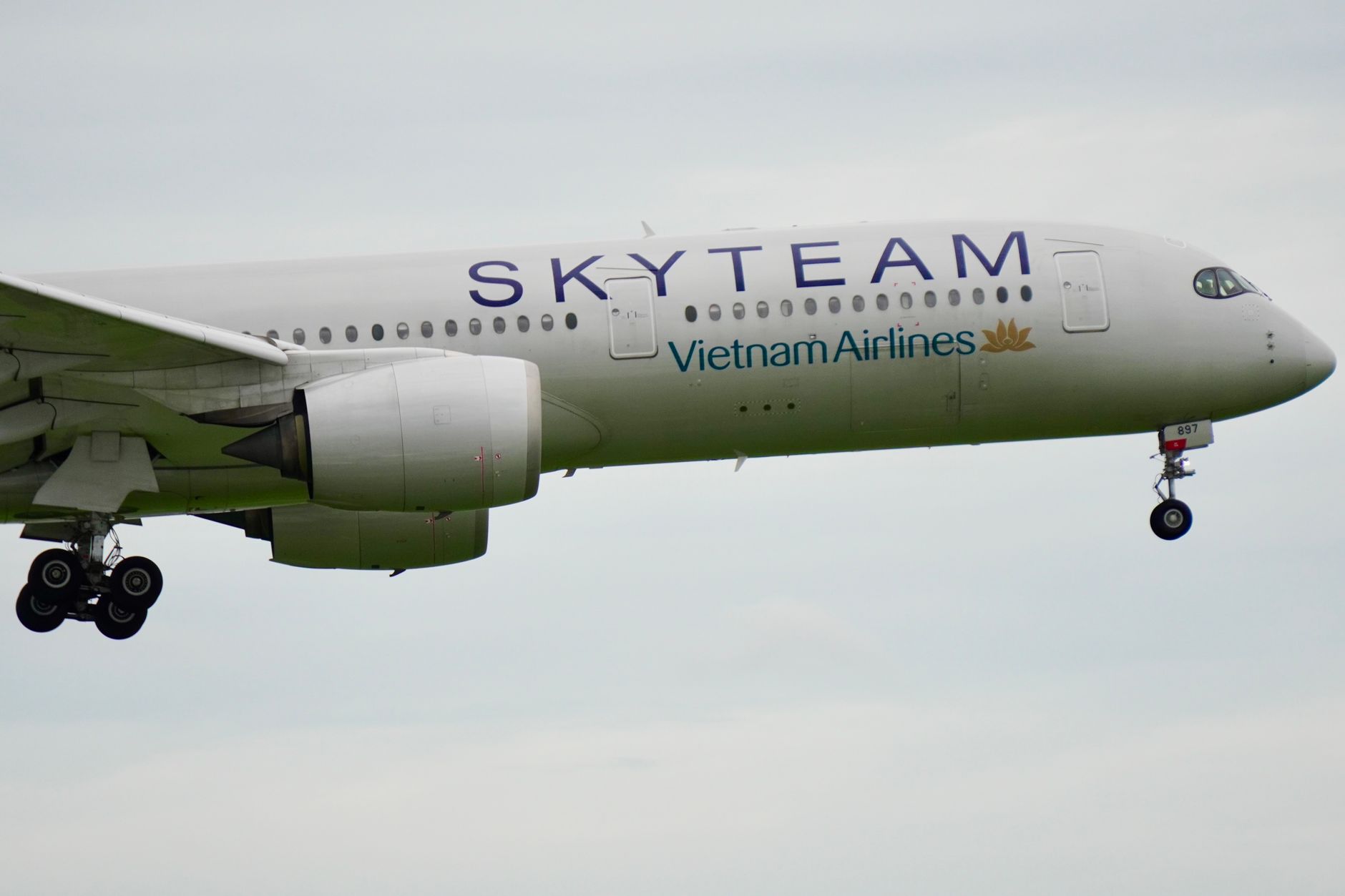
Founder Notes — Lotus Investment Group
Vietnam Airlines Corporate Profile & 2030 Outlook
Vietnam Airlines: hồ sơ doanh nghiệp và triển vọng chiến lược đến 2030
Vietnam Airlines là hãng hàng không quốc gia và là một mắt xích chịu lực trong hệ sinh thái hàng không Việt Nam. Đại dịch giáng cho hãng một đòn nặng. Những gì diễn ra sau đó là một cuộc dựng lại trên cả đội bay, mạng đường bay quốc tế lẫn tài chính, và 2024 là năm các con số mới thật sự đổi chiều. Hồ sơ này đi qua cơ cấu sở hữu, chiến lược đội bay và đường bay, thị trường hãng cạnh tranh, tình hình tài chính, năng lực vận hành, rủi ro, và đích hãng nhắm tới vào năm 2030.
Tổng quan doanh nghiệp
Vietnam Airlines thành lập năm 1956, được tổ chức lại chính thức dưới hình thức sở hữu nhà nước năm 1993. Tổng công ty Đầu tư và Kinh doanh vốn Nhà nước (SCIC) cùng Bộ Giao thông Vận tải nắm phần đa số; ANA Holdings của Nhật Bản và các nhà đầu tư tổ chức liên quan giữ phần thiểu số. Tập đoàn vận hành các công ty con và đơn vị liên kết trải khắp vận tải hàng hóa, kỹ thuật và bảo dưỡng (VAECO), khai thác mặt đất, đào tạo và dịch vụ phụ trợ. Là thành viên liên minh SkyTeam, hãng có được hợp tác liên danh xuyên biên giới, mạng khách hàng thường xuyên và phối hợp lịch bay toàn cầu.
Ban lãnh đạo dành mấy năm qua để tái cấu trúc: tăng vốn, đàm phán lại hợp đồng thuê máy bay, siết quản trị và kiểm soát chi phí. Giám sát của SCIC chặt hơn, còn chiến lược chuyển hướng về phục hồi lợi nhuận trong khi vẫn gánh trọng trách kết nối quốc gia — các tỉnh xa, kiều bào về nước, các hành lang du lịch.
Phạm vi địa lý và chiến lược đội bay – mạng bay
Trong nước, hãng vươn tới mọi thành phố lớn và nhiều điểm thứ cấp, dồn về hai trung tâm Nội Bài (Hà Nội) và Tân Sơn Nhất (TP. Hồ Chí Minh), với Đà Nẵng và một số sân bay khác lo phần kết nối vùng. Quốc tế, mạng bay phủ Đông Nam Á, Đông Á (Nhật Bản, Hàn Quốc), Úc và châu Âu, còn các đường bay đi Mỹ và Trung Đông đang được dựng lại. Những đường bay ngưng trong giai đoạn COVID-19 đang trở lại, và ở đâu cầu đủ lớn, hãng thêm chặng bay thẳng đường dài.
Chiến lược đội bay trộn hiện đại hóa với điều chỉnh quy mô hợp lý. Máy bay thân rộng (Dreamliner, Airbus A350) bay các chặng đường dài; dòng thân hẹp mới hơn như A321neo lo đường bay vùng và nội địa. Kế hoạch là bổ sung khoảng 50 máy bay thân hẹp trong hai đến ba năm tới để gỡ nút thắt năng lực, loại bỏ các dòng cũ kém hiệu quả, và tăng năng lực chở hàng bằng cách hoán cải một số máy bay. Hiệu suất nhiên liệu và giảm phát thải đã được cài sẵn trong những lựa chọn đó.
Bối cảnh thị trường và ngành
Ngành hàng không Việt Nam đã bật lại mạnh từ đáy đại dịch. Lượng hành khách nội địa nhiều tháng vượt mức trước COVID, và khách quốc tế bám theo, nhất là vào các thị trường du lịch chính. Du lịch xuất và nhập cảnh, xuất khẩu chế tạo và chuỗi cung ứng toàn cầu đều nuôi cầu cho cả vận tải hành khách lẫn hàng hóa.
Có điều, cạnh tranh vẫn khốc liệt. Các hãng giá rẻ như VietJet và Bamboo Airways định giá rất rát trên đường bay nội địa và khu vực. Đối thủ quốc tế là những hãng vốn dày bán dịch vụ cao cấp. Hạ tầng sân bay (slot, dịch vụ mặt đất, năng lực điều hành bay) cùng trần pháp lý trên các hiệp định song phương đều ghìm tốc độ mở rộng. Và hành khách giờ chấm điểm trên dịch vụ, độ tin cậy lẫn trải nghiệm số, chứ không riêng giá vé.
Kết quả tài chính
Vietnam Airlines ghi nhận doanh thu hợp nhất khoảng 112,78 nghìn tỷ đồng năm 2024, vượt mục tiêu năm, và lợi nhuận sau thuế kỷ lục gần 7,96 nghìn tỷ đồng — cao nhất từ trước tới nay. Lực đẩy đến từ giá vé bình quân tốt hơn, đà phục hồi quốc tế mạnh hơn và lượng khách cao hơn. Khách nội địa bật lại rõ, còn đường bay quốc tế gánh nhiều hơn hẳn so với mấy năm trước.
Nửa đầu 2025, doanh thu tăng khoảng 10% so với cùng kỳ, đạt chừng 58,68 nghìn tỷ đồng, lợi nhuận trước thuế tăng gần 19%. Cầu mùa vụ quanh Tết Nguyên đán và cao điểm hè nâng các con số lên. Vận tải hàng hóa cũng cải thiện hệ số khai thác và đạt giá cước trên mức trung bình ở các hành lang xuất khẩu lớn.
Bước ngoặt sang có lãi năm 2024 đến sau những năm thua lỗ thu hẹp dần, nhờ hệ số sử dụng ghế tốt hơn và việc tinh giản đường bay. Biên EBITDA chuyển dương, một phần nhờ đàm phán lại hợp đồng bảo dưỡng và điều khoản thuê. Nhiên liệu vẫn là khoản chi biến động mạnh; hãng phòng ngừa giá ở đâu làm được thì làm. Hãng cũng đẩy mạnh hơn định giá linh hoạt và doanh thu phụ trợ — chọn chỗ ngồi, phí hành lý.
Bảng cân đối vẫn căng. Tổng nợ phải trả (thuê máy bay, vay nợ, nghĩa vụ bảo dưỡng treo lại) còn cao. Hãng cam kết huy động khoảng 22 nghìn tỷ đồng vốn điều lệ trong giai đoạn 2025–2026 để tài trợ mở rộng đội bay và trả nợ. Thanh khoản đã khá lên nhờ dòng tiền từ hoạt động và việc bán bớt một số tài sản. Nhưng rủi ro tỷ giá và lạm phát chi phí chuỗi cung ứng vẫn còn nguyên đó.
Chỉ số vận hành và năng lực khai thác
Năm 2023, hãng chở hơn 24 triệu lượt khách, gộp cả bay nội địa lẫn quốc tế. Hệ số sử dụng ghế vượt 80% trên nhiều đường bay, đặc biệt là các chặng quốc tế. Hiệu suất khai thác máy bay tăng khi các dòng cũ kém hiệu quả rời đội bay và lịch bay được siết lại. Tỷ lệ đúng giờ nhích lên từng bước, nhờ đầu tư vào khai thác mặt đất và phần mềm xếp lịch.
Vận tải hàng hóa, gồm máy bay chở hàng chuyên dụng cộng phần bụng máy bay chở khách, vận chuyển vài trăm nghìn tấn trong năm 2023. Bảo dưỡng qua VAECO và dịch vụ mặt đất nhận thêm việc từ bên thứ ba. Việc hoán cải một số máy bay thân hẹp thành máy bay chở hàng đã khởi động hoặc đang được cân nhắc, thêm độ linh hoạt. Hãng cũng đưa khâu bán vé, khách hàng thân thiết, chăm sóc khách và theo dõi vận hành lên nền tảng số để rút ngắn thời gian quay đầu và nâng độ hài lòng.
Định vị chiến lược và động lực tăng trưởng
Vietnam Airlines giữ một vị thế chiến lược riêng. Sự gắn kết với nhà nước bảo đảm quyền khai thác đường bay, ưu tiên slot và hậu thuẫn chính sách. Tư cách thành viên SkyTeam mở rộng tầm với mạng bay và độ nhận diện thương hiệu. Ở nhiều thị trường quốc tế, hãng cạnh tranh bằng giá trị dịch vụ trọn gói: khoang hạng sang, chương trình khách thân thiết, trải nghiệm trên không, chứ không đơn thuần bằng giá.
Các đòn bẩy tăng trưởng là phục hồi đường bay quốc tế, làm mới đội bay, mở rộng vận tải hàng hóa và cải thiện trải nghiệm số. Hãng theo đuổi các chặng bay thẳng đường dài ở đâu cầu đỡ được giá vé. Hoán cải máy bay chở hàng và năng lực chở hàng chuyên dụng đáp ứng thương mại và thương mại điện tử đang bùng nổ. Về công nghệ, hãng đang làm hệ thống đặt chỗ, lên máy bay bằng sinh trắc và di động, tích hợp khách thân thiết và phân tích vận hành. Các chỉ số bền vững, từ hiệu suất nhiên liệu tới phát thải trên mỗi ghế-km, đang đi vào lõi chiến lược khi áp lực pháp lý và người tiêu dùng tăng lên.
Rủi ro và biện pháp giảm thiểu
Giá nhiên liệu tăng vọt đe dọa biên lợi nhuận trực tiếp. Nhiều khoản chi (nhiên liệu, thuê máy bay, vật tư bảo dưỡng) tính bằng ngoại tệ, nên tỷ giá đảo chiều là dính đòn ngay. Một cú sốc cầu, kinh tế toàn cầu giảm tốc hay hạn chế đi lại mới, có thể khoét sâu lưu lượng quốc tế. Ràng buộc về sân bay và điều hành bay ghìm khả năng mở rộng trên các đường bay then chốt. Máy bay già cần bảo dưỡng và thay thế, kéo theo vốn đầu tư lớn và dễ trễ tiến độ.
Đối lại, hãng tăng phòng ngừa giá nhiên liệu, đàm phán điều khoản thuê linh hoạt hơn, và cân nhắc giữa sở hữu với thuê đội bay. Hãng đa dạng hóa sang vận tải hàng hóa, dịch vụ và sản phẩm phụ trợ. Hợp tác trong liên minh và liên danh giúp chia sẻ rủi ro. Hậu thuẫn của nhà nước làm trơn các nút thắt pháp lý và hạ tầng — dù dựa vào chính sách nhà nước cũng mang theo rủi ro riêng là chậm trễ hoặc lệch nhịp.
Định giá và góc nhìn thương vụ
Vietnam Airlines niêm yết với mã HVN, nhưng các đơn vị do nhà nước kiểm soát nắm phần lớn cổ phần, bóp nghẹt thanh khoản và gạt nhà đầu tư chiến lược cỡ lớn ra ngoài. Giá cổ phiếu thường bám theo rủi ro vĩ mô, nỗi lo nợ và lạm phát chi phí hơn là tăng trưởng. Nhà đầu tư theo sát giá vé bình quân trên mỗi khách, tỷ trọng quốc tế so với nội địa, hệ số sử dụng ghế và xu hướng biên lợi nhuận.
Giá trị có thể đến từ cổ phần hóa một phần các đơn vị phụ trợ (hàng hóa, MRO, dịch vụ mặt đất), liên doanh trong khai thác máy bay chở hàng hay hậu cần, các cấu trúc tài chính đẩy rủi ro ra khỏi bảng cân đối, và các thỏa thuận hỗ trợ hạ tầng cho mở rộng sân bay. Minh bạch tốt hơn, công bố môi trường và các chỉ số kiểm soát chi phí rõ ràng sẽ giúp tâm lý thị trường và bội số định giá.
Tầm nhìn phía trước (2025–2030)
Đến năm 2030, Vietnam Airlines đặt mục tiêu chở 45–50 triệu lượt khách mỗi năm, vượt mốc trước COVID. Hãng kỳ vọng đội bay tăng khoảng 30–40%, nghiêng về các dòng thân rộng và thân hẹp tiết kiệm nhiên liệu hơn cùng máy bay chở hàng chuyên dụng. Các điểm đến đường dài mới khắp châu Âu, Mỹ và Trung Đông đang được tính tới, tùy quyền bay song phương và giấy phép pháp lý.
Bền vững và công nghệ leo cao hơn trong nghị trình: thử nghiệm nhiên liệu hàng không bền vững (SAF), cải thiện chỉ số phát thải, hành trình khách hàng số mượt hơn, bảo dưỡng dự báo bằng AI, dịch vụ không tiếp xúc và tích hợp di động sâu hơn. Hạ tầng mặt đất và mở rộng slot sân bay phải ăn khớp với quy hoạch và đầu tư của nhà nước. Còn thanh khoản và huy động vốn vẫn là điểm sống còn — hãng phải tài trợ tăng trưởng mà không chất quá tải đòn bẩy.
Kết luận
Vietnam Airlines dành 2024–2025 để biến phục hồi thành đà đi lên. Những cơn gió ngược là thật: nhiên liệu, chi phí, cạnh tranh, hạ tầng. Nhưng lợi thế cũng thật, đó là quy mô, hậu thuẫn pháp lý, và một chiến lược giờ chĩa vào hiệu quả, hiện đại hóa và tăng trưởng.
Giá trị dài hạn rốt cuộc nằm ở thực thi: phục hồi đường bay quốc tế, làm mới đội bay, giữ chi phí, bám sát bền vững. Làm đúng những việc đó, Vietnam Airlines có thể đứng vào hàng hãng dịch vụ trọn gói dẫn đầu Đông Nam Á và là cầu nối vững giữa Việt Nam với các thị trường lớn của thế giới.
Lotus Investment Group tư vấn M&A xuyên biên giới và FDI vào Việt Nam và Đông Nam Á. Nếu quý vị đang thẩm định một vị thế tại Việt Nam, liên hệ với chúng tôi.
Vietnam Airlines is the country’s flag carrier and a load-bearing piece of its aviation ecosystem. The pandemic hit it hard. What’s happened since is a rebuild across fleet, international connectivity and finances, and 2024 was the year the numbers finally turned. This profile walks through ownership, fleet and route strategy, the market it competes in, the financials, operating capacity, the risks, and where the airline is trying to be by 2030.
Company Overview
Vietnam Airlines was founded in 1956 and formally reorganised under state ownership in 1993. The State Capital Investment Corporation (SCIC) and the Ministry of Transport hold the majority; ANA Holdings of Japan and related institutional investors hold minority stakes. The group runs subsidiaries and affiliates across air cargo, engineering and maintenance (VAECO), ground operations, training, and auxiliary services. Membership in the SkyTeam alliance gives it cross-border code shares, frequent-flyer networks, and global scheduling coordination.
Leadership has spent recent years on restructuring: raising capital, renegotiating fleet leases, tightening governance and cost control. SCIC oversight has firmed up, and the strategy has shifted toward restoring profitability while still carrying the national connectivity mandate — remote provinces, diaspora travel, tourism corridors.
Geographic Footprint and Fleet & Network Strategy
Domestically the airline reaches every major city and many secondary points, feeding the hubs at Noi Bai (Hanoi) and Tan Son Nhat (Ho Chi Minh City), with Da Nang and other airports handling regional links. Internationally the network spans Southeast Asia, East Asia (Japan, Korea), Australia and Europe, with U.S. and Middle East services being rebuilt. Routes suspended during COVID-19 are coming back, and where demand carries it, the airline is adding non-stop long-haul segments.
Fleet strategy mixes modernisation with right-sizing. Wide-body aircraft (Dreamliners, Airbus A350s) fly the long-haul legs; newer narrow-bodies such as A321neos cover regional and domestic routes. The plan is to add roughly 50 narrow-body aircraft over the next two to three years to ease capacity constraints, retire older inefficient models, and grow freighter capacity by converting select aircraft. Fuel efficiency and lower emissions are built into those choices.
Market and Sector Context
Vietnam’s aviation sector has rebounded sharply from the worst of the pandemic. Domestic passenger volumes have run past pre-COVID levels in many months, and international travel has followed, especially into the main tourism markets. Outbound and inbound tourism, manufacturing exports and global supply chains all feed demand for passenger and airfreight alike.
Competition stays brutal, though. Low-cost carriers like VietJet and Bamboo Airways price aggressively on domestic and regional routes. International competition comes from well-capitalised carriers selling premium service. Airport infrastructure (slots, ground services, air-traffic capacity) and the regulatory ceiling on bilateral agreements both cap how fast the airline can expand. And passengers now judge on service and reliability and the digital experience, not just fare.
Financial Performance
Vietnam Airlines posted consolidated revenue of roughly VND 112.78 trillion in 2024, beating its annual target, and a record profit after tax of nearly VND 7.96 trillion — its highest ever. Better yields, a stronger international recovery and higher passenger volumes drove the result. Domestic traffic bounced back hard, and international routes pulled more weight than they had in years.
In the first half of 2025 revenue rose about 10% year-on-year to roughly VND 58.68 trillion, with pre-tax profit up nearly 19%. Seasonal demand around Lunar New Year and the summer peak lifted the numbers. Cargo also improved utilisation and earned above-average yields on the major export corridors.
The turn to profit in 2024 came off narrower losses in the prior years, helped by better load factors and route rationalisation. EBITDA margins went positive, partly on renegotiated maintenance contracts and lease terms. Fuel stays a volatile cost line; the airline hedges where it can. It has also leaned harder into dynamic pricing and ancillary revenue — seat selection, baggage fees.
The balance sheet is still under strain. Total liabilities (aircraft leases, debt, deferred maintenance) remain high. The airline has committed to raising about VND 22 trillion in charter capital across 2025–2026 to fund fleet expansion and debt service. Liquidity has improved on operating cash flow and some asset monetisation. Foreign-exchange exposure and supply-chain cost inflation remain live risks.
Operational Metrics & Capacity Profile
In 2023 the airline carried more than 24 million passengers across domestic and international flying. Load factors cleared 80% on many routes, international ones especially. Aircraft utilisation rose as older, less-efficient models left the fleet and schedules tightened. On-time performance improved in steps, helped by spending on ground operations and scheduling software.
Cargo, both dedicated freighters and passenger-aircraft bellyhold, moved several hundred thousand tonnes in 2023. VAECO maintenance and ground handling picked up more third-party work. Converting some narrow-bodies into freighters has begun or is under evaluation, adding flexibility. The airline has also pushed ticketing, loyalty, customer service and operational tracking onto digital platforms to cut turnaround times and lift satisfaction.
Strategic Positioning & Growth Drivers
Vietnam Airlines holds a distinct strategic position. Government alignment secures route rights, slot priority and policy support. SkyTeam membership widens its network reach and brand recognition. In many international markets it competes on full-service value (premium cabins, loyalty programmes, in-flight experience) rather than price alone.
The growth levers are international route restoration, fleet renewal, cargo expansion and a better digital experience. The airline is chasing non-stop long-haul where demand supports the yield. Freighter conversions and dedicated cargo capacity answer booming trade and e-commerce. On technology, work is under way on booking systems, biometric and mobile boarding, loyalty integration and operational analytics. Sustainability metrics (fuel efficiency, emissions per seat-km) are moving into the core of strategy as regulatory and consumer pressure builds.
Risks and Mitigation
Fuel-price spikes threaten margins directly. Many costs (fuel, leases, maintenance parts) are priced in foreign currency, so exchange-rate swings hit hard. A demand shock, a global slowdown or fresh travel restrictions, could gut international traffic. Airport and air-traffic-control constraints cap scaling on key routes. Ageing aircraft need maintenance and replacement, which carries heavy CAPEX and can slip on timing.
Against that, the airline is hedging more fuel, negotiating leases with more flexibility, and weighing fleet ownership against leasing. It is diversifying into cargo, services and other ancillary products. Alliance and code-share partnerships spread the risk. Government support smooths regulatory and infrastructure bottlenecks — though leaning on state policy carries its own risk of delay or misalignment.
Valuation & Deal Considerations
Vietnam Airlines is listed under the ticker HVN, but state-controlled entities hold most of the shares, which throttles liquidity and keeps large strategic investors out. The share price tends to track macro risk, debt worries and cost inflation more than growth. Investors watch yield per passenger, the international-versus-domestic split, load factor and margin trend closely.
Value could come from partial privatisation of ancillary units (cargo, MRO, ground handling), JV partnerships in freighter operations or logistics, financing structures that shift risk off the balance sheet, and infrastructure support deals for airport expansion. Better transparency, environmental disclosure and visible cost-control metrics would help sentiment and valuation multiples.
Forward View (2025–2030)
By 2030 Vietnam Airlines aims to carry 45–50 million passengers a year, past its pre-COVID benchmarks. It expects the fleet to grow roughly 30–40%, weighted toward more fuel-efficient wide- and narrow-bodies plus specialist freighters. New long-haul destinations across Europe, the U.S. and the Middle East are on the table, subject to bilateral air rights and regulatory clearance.
Sustainability and technology move up the agenda: trials of sustainable aviation fuel (SAF), better emissions metrics, a smoother digital customer journey, predictive maintenance via AI, contactless services and deeper mobile integration. Ground infrastructure and airport slot expansion will have to line up with government planning and investment. And liquidity and capital raising stay critical — the airline has to fund growth without overloading leverage.
Conclusion
Vietnam Airlines spent 2024–2025 turning recovery into momentum. The headwinds are real: fuel, cost, competition, infrastructure. But so are the advantages, namely scale, regulatory backing, and a strategy now pointed at efficiency, modernisation and growth.
Long-term value comes down to execution: restore the international routes, renew the fleet, hold costs, line up with sustainability. Get that right and Vietnam Airlines becomes a leading full-service carrier in Southeast Asia and a strong link between Vietnam and the major global markets.
Lotus Investment Group advises on cross-border M&A and FDI into Vietnam and Southeast Asia. If you are underwriting Vietnam exposure, get in touch.