

Agribank: Strategic Profile and Rural Banking Outlook
September 4, 2025
Vietnam M&A Surge: $786M July 2025 Signals Confidence
September 8, 2025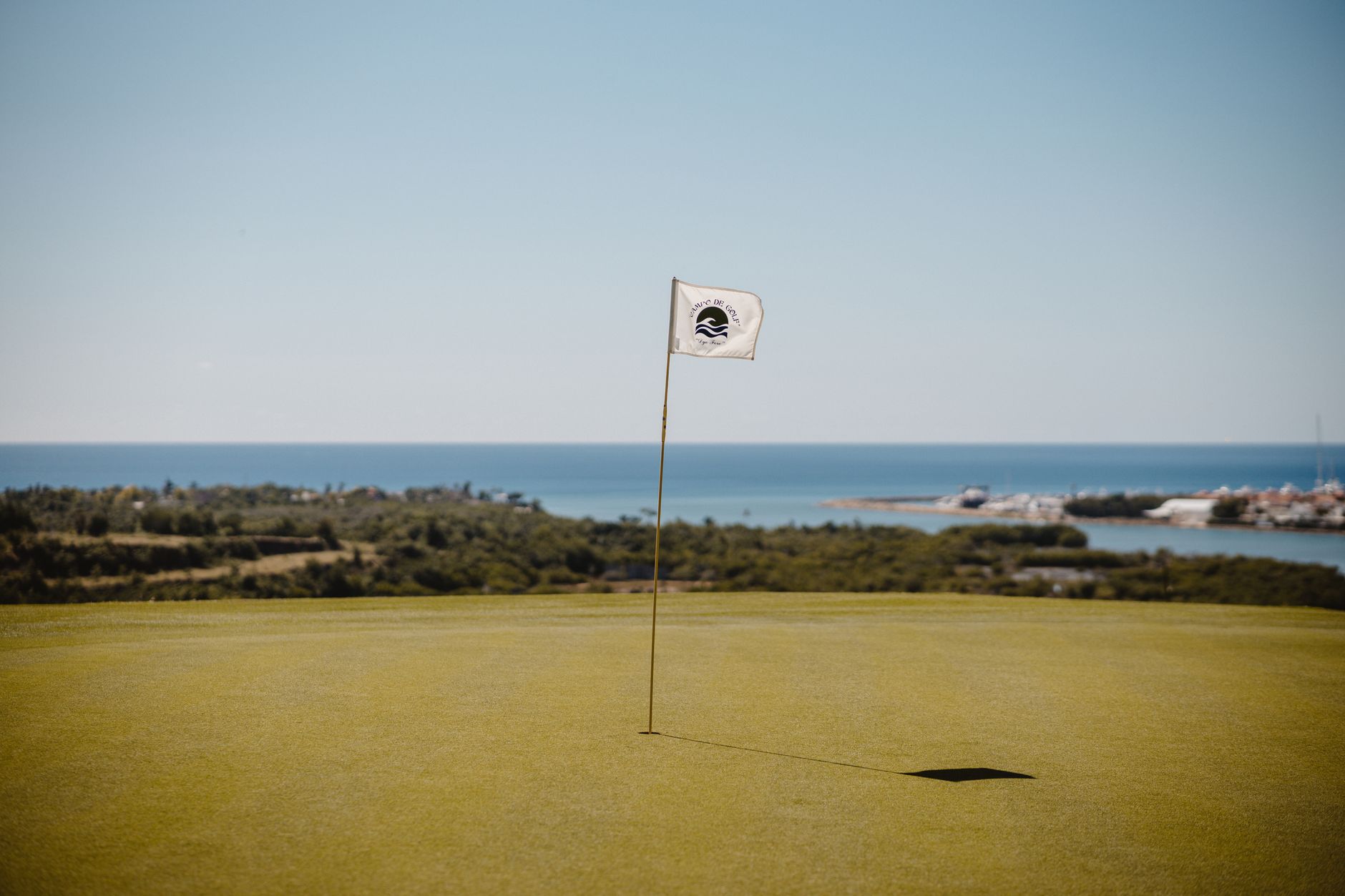
Founder Notes — Lotus Investment Group
KN Cam Ranh Group: Corporate Profile & Outlook
Tập đoàn KN Cam Ranh — Hồ sơ doanh nghiệp và triển vọng chiến lược
KN Cam Ranh là nhà phát triển chủ lực đặt trụ sở tại Cam Lâm, tỉnh Khánh Hòa, được biết đến nhiều nhất qua dự án đầu tàu KN Paradise — một khu nghỉ dưỡng, hậu cần và đô thị nhà ở tích hợp quy mô lớn, lấy sân golf KN Golf Links do Greg Norman thiết kế làm điểm tựa. Nằm ngay cạnh Sân bay Quốc tế Cam Ranh, tập đoàn tự đặt mình vào nơi giao nhau của du lịch hạng sang, đầu tư hạ tầng và mở rộng đô thị ven biển. Hồ sơ này trình bày mô hình phát triển, danh mục tài sản, vị thế thị trường, các bước đi chiến lược và triển vọng dài hạn của KN Cam Ranh đến năm 2030.
Tổng quan doanh nghiệp
KN Cam Ranh là một pháp nhân phát triển bất động sản tư nhân của Việt Nam, lập ra để khai mở giá trị dọc hành lang ven biển phía nam Khánh Hòa. Dự án nền móng của tập đoàn là KN Paradise, khu phức hợp 800 ha kết hợp bất động sản, lưu trú, hậu cần và giải trí. Công ty vận hành theo mô hình tích hợp dọc, bao trùm gom quỹ đất, quy hoạch, xây dựng hạ tầng và phát triển công trình trên nhiều nhóm tài sản.
Cấu trúc sở hữu thuộc về vốn trong nước, có hậu thuẫn chiến lược từ các cơ quan quy hoạch quốc gia và sự phối hợp với các sở ngành cấp tỉnh. KN Cam Ranh chưa niêm yết, nhưng đã thu hút quan tâm từ các nhà điều hành lưu trú quốc tế, nhà thầu hạ tầng và bên cấp vốn muốn tiếp cận làn sóng đô thị hóa ven biển và dòng khách du lịch quốc tế đến Việt Nam.
Phạm vi địa lý và nền tảng tài sản
Tài sản cốt lõi của KN Cam Ranh là quy hoạch tổng thể KN Paradise tại Cam Lâm, sát ngay Sân bay Quốc tế Cam Ranh. Khu đất rộng hơn 800 ha, với hơn 5 km bờ biển liền mạch. Dự án có kết nối trực tiếp bằng đường cao tốc và đường hàng không tới TP. Hồ Chí Minh, Hà Nội, Đà Nẵng và các điểm đến trọng yếu khác trong vùng.
Bên trong KN Paradise, các cấu phần chính gồm KN Golf Links (sân golf 27 hố tiêu chuẩn vô địch), biệt thự ven biển, nhà phố thương mại, lô đất nghỉ dưỡng và hạ tầng hậu cần dự kiến. Sân golf do Greg Norman thiết kế là điểm tựa của cả khu, từng nhận giải thưởng quốc tế về thiết kế sân và tính bền vững. Tập đoàn đã hoàn thiện hạ tầng nội khu cho Giai đoạn 1 gồm đường, tiện ích và thoát nước, rồi tiếp tục phân lô để phát triển theo từng giai đoạn, gắn với khả năng hấp thụ của thị trường và mức độ tham gia của đối tác.
Bối cảnh thị trường và ngành
Vùng duyên hải nam trung bộ của Việt Nam đã trở thành một cực tăng trưởng của bất động sản nghỉ dưỡng, nhờ giao thông hàng không thuận lợi hơn, chính sách thị thực nới lỏng và nhu cầu trong nước đi lên. Nhà ga quốc tế mới của Cam Ranh khai trương năm 2018, nay đón hơn 10 triệu lượt khách mỗi năm. Tỉnh Khánh Hòa, bao gồm cả Cam Ranh lẫn Nha Trang, nằm trong nhóm điểm đến hàng đầu cho khách nội địa và cho du khách Nga, Hàn Quốc, Trung Quốc.
Dù vậy, thị trường bất động sản đã gặp ngược gió từ năm 2022: du lịch phục hồi chậm, cải cách pháp lý trong cấp đất và tín dụng siết lại. Bất chấp điều đó, các khu phát triển tích hợp như KN Paradise vẫn giữ được giá trị dài hạn nhờ vị trí đất chiến lược, hạ tầng sẵn sàng và công năng đa dạng. Nhu cầu đang dịch khỏi condotel đầu cơ sang lô đất có quy hoạch bài bản, khu nghỉ dưỡng gắn thương hiệu và tài sản hậu cần đạt chuẩn định chế. Lợi thế tiếp cận biển, mặt tiền sân golf và sát sân bay đặt KN Cam Ranh vào thế cạnh tranh tốt trong cuộc tái sắp xếp này.
Tình hình tài chính và mô hình doanh thu
Là tập đoàn tư nhân, KN Cam Ranh không công bố tài chính đầy đủ. Doanh thu đến từ bán lô đất, phát triển nhà phố thương mại, vận hành sân golf và cho các nhà điều hành lưu trú thuê. Tập đoàn chia bán hàng thành nhiều đợt để điều tiết dòng vốn và ứng với chu kỳ thị trường. Các cấu phần biên lợi nhuận cao gồm lô đất ven biển và biệt thự nhìn ra sân golf. Hoạt động golf tạo dòng tiền từ cả phí hội viên lẫn phí ra sân, còn các giải đấu quốc tế đem lại lực đẩy truyền thông.
Trong năm năm qua, tập đoàn đã đầu tư mạnh vào xây dựng hạ tầng, tập trung vào làm đường, tiện ích, bảo vệ bờ biển và công trình golf. Đầu tư nội bộ đến nay vượt 5.000 tỷ đồng (~200 triệu USD). Chi tiêu sắp tới sẽ dồn vào phát triển sản phẩm công trình, đồng phát triển khu nghỉ dưỡng và hạ tầng đô thị thông minh. Nguồn vốn dựa trên kết hợp giữa góp vốn chủ sở hữu, bán hàng hình thành trong tương lai và các quan hệ hợp tác có cấu trúc. Tập đoàn không lệ thuộc nợ ngân hàng, nhưng vẫn duy trì quan hệ ngân hàng để lo vốn lưu động và tuân thủ ký quỹ.
Chỉ số vận hành và phân kỳ phát triển
KN Paradise được chia thành nhiều phân khu. Cấu phần golf đã vận hành đầy đủ, có nhà câu lạc bộ, sân tập và cửa hàng dụng cụ. Các khu biệt thự thấp tầng và nhà phố thương mại đã bàn giao một phần, với hạ tầng hoàn thiện cho hơn 150 ha. Khoảng 300 ha còn để ngỏ cho sản phẩm công trình hoặc tham gia liên doanh. Tập đoàn dùng cách cấp phép theo mô-đun để bám sát mốc thời gian pháp lý và giúp nhà đầu tư gia nhập thuận lợi.
Hiệu quả vận hành dựa vào các đội quản lý dự án tại chỗ, hệ thống giám sát số và triển khai tiện ích theo từng giai đoạn. Phê duyệt môi trường, giấy chứng nhận quyền sử dụng đất (LURC) và sự khớp quy hoạch đã có đủ cho mọi phân khu đã kích hoạt. Tiếp thị số, tham quan thực tế ảo (VR) và công cụ bán hàng bằng máy bay không người lái hỗ trợ tương tác, nhất là với nguồn vốn nước ngoài. Bố cục cho phép gom cụm các khu lưu trú, hậu cần và nhà ở, kèm hành lang đệm cho giao thông và tích hợp dịch vụ.
Vị thế chiến lược và động lực tăng trưởng
Vị thế cạnh tranh của KN Cam Ranh tựa trên ba yếu tố: sát sân bay, kiểm soát đất tích hợp và quy hoạch tài sản đa dạng. Đây là một trong số ít dự án quy mô lớn có tiếp cận trực tiếp Sân bay Quốc tế Cam Ranh, mở ra hành lang tự nhiên cho hậu cần, du lịch và dịch vụ. Pháp lý đất thống nhất giúp tránh tình trạng sở hữu manh mún vốn cản trở nhiều dự án ven biển ở Việt Nam.
Động lực tăng trưởng tới đây gồm hợp tác lưu trú, xây dựng khu hậu cần và đô thị nghỉ dưỡng. Tập đoàn dự kiến chào thầu các lô đất cho thương hiệu khách sạn quốc tế, đang đàm phán với các nhà điều hành phân khúc trung và cao cấp. Một trung tâm hậu cần nội địa theo kế hoạch sẽ hỗ trợ hàng hóa qua sân bay và phân phối ven biển. Quy hoạch tổng thể còn có khu bến du thuyền, giải trí và chăm sóc sức khỏe, hướng tới phân khúc khách lưu trú dài ngày và thu nhập cao. KN Golf Links vừa là tiện ích vừa là động lực hút khách, làm điểm tựa cho du lịch cuối tuần và MICE (hội họp, khen thưởng, hội nghị và triển lãm).
Rủi ro và biện pháp giảm thiểu
Các rủi ro chính gồm độ bất định của đà phục hồi du lịch, nhịp cải cách pháp lý và mức độ phơi nhiễm với chu kỳ vốn vĩ mô. Luật Đất đai mới của Việt Nam (hiệu lực 2025) có thể làm chậm việc cấp giấy chứng nhận thứ cấp hoặc buộc điều chỉnh quy hoạch sử dụng đất. Tập đoàn ứng phó bằng cách ra hàng theo giai đoạn, giữ kỷ luật dòng tiền và làm việc trực tiếp với chính quyền tỉnh.
Các rủi ro cấp công trình như xói lở bờ biển, khả năng chống chịu khí hậu và tải trọng hạ tầng được xử lý qua vùng đệm kỹ thuật và đầu tư theo từng bước. Đánh giá tác động môi trường (EIA) và tuân thủ quy hoạch được duy trì theo hướng dẫn của tỉnh. Rủi ro tốc độ bán hàng được bù một phần nhờ vận hành golf và cho thuê dịch vụ. Tập đoàn tránh mô hình condotel đầu cơ, chọn các giao dịch đất đòn bẩy thấp và hợp tác tài sản gắn thương hiệu.
Định giá và các yếu tố giao dịch
KN Cam Ranh hoạt động ngoài sàn, không có lượng cổ phần niêm yết. Tuy vậy, một số lô đất chọn lọc để ngỏ cho liên doanh hoặc đồng đầu tư. Nhà đầu tư có cơ hội tiếp cận quỹ đất sát sân bay hiếm có, nơi rủi ro hạ tầng đã được gỡ bỏ đáng kể. Các yếu tố định giá gồm mức giá ven biển cao cấp, phần gia tăng nhờ kề sân golf và độ rõ ràng pháp lý. Mức giá tham chiếu trong khu vực dao động từ 250–700 USD mỗi mét vuông cho khu nghỉ dưỡng và thương mại, tùy tầm nhìn và khả năng tiếp cận.
Cấu trúc giao dịch có thể gồm chuyển nhượng quyền sử dụng đất (LURC), liên doanh, thuê dài hạn hoặc các biến thể BOT (xây dựng/vận hành/chuyển giao) tùy nhóm tài sản. Tập đoàn để ngỏ cho vốn nước ngoài thông qua công ty mục đích đặc biệt (SPV), bán hàng hình thành trong tương lai có ký quỹ bảo đảm, hoặc thỏa thuận phát triển với góp vốn theo mốc tiến độ. Yếu tố thẩm định gồm tuân thủ quy hoạch, chứng nhận hạ tầng và tiến độ cấp LURC. Giao dịch thường diễn ra qua đàm phán trực tiếp với ban lãnh đạo tập đoàn, được tư vấn pháp lý và kỹ thuật địa phương hỗ trợ.
Tầm nhìn phía trước (2025–2030)
Đến năm 2030, KN Cam Ranh đặt mục tiêu hoàn thiện toàn bộ hơn 500 ha khu đã kích hoạt, gồm hơn 2.000 căn nhà ở, hơn 5 khách sạn gắn thương hiệu và một khu hậu cần đi vào hoạt động. Tập đoàn cũng hướng tới tích hợp dịch vụ số trên toàn đô thị — tiện ích thông minh, ứng dụng du lịch và hệ thống di chuyển xanh. Vốn sẽ tiếp tục đổ vào việc bàn giao tài sản công trình và nâng cấp hệ sinh thái.
Quỹ đạo tăng trưởng của dự án sẽ bám theo việc mở rộng Sân bay Cam Ranh và chính sách hỗ trợ du lịch vùng được duy trì bền bỉ. Các biện pháp chống chịu vùng ven biển, nâng cấp môi trường và tuân thủ chuyển đổi năng lượng sẽ định hình quy hoạch. Nếu triển khai đúng ý đồ, KN Paradise sẽ trở thành một trong những trung tâm ven biển tích hợp lớn nhất Việt Nam, nối liền nghỉ dưỡng, hậu cần và chất lượng sống trên một nền tảng được kiểm soát thống nhất. Độ chín của dự án phụ thuộc vào sự phối hợp pháp lý liên tục, việc kích hoạt quan hệ đối tác nước ngoài và đà phục hồi vĩ mô của ngành bất động sản.
Kết luận
Tập đoàn KN Cam Ranh là một nền tảng tích hợp hiếm có dọc vùng duyên hải nam trung bộ Việt Nam. Quy mô, vị trí chiến lược và quy hoạch tổng thể được kiểm soát chặt tạo nền móng cho phát triển nghỉ dưỡng và hạ tầng dài hạn. Điều kiện ngành còn nhiều biến động, nhưng nền tảng cốt lõi của dự án, gồm kiểm soát đất, vị trí sát sân bay và tích hợp đa tài sản, đỡ cho quá trình hiện thực hóa giá trị theo từng bước.
Với nhà đầu tư muốn tiếp cận làn sóng đô thị hóa ven biển của Việt Nam, KN Cam Ranh mở ra điểm vào có cấu trúc, nhóm tài sản đa dạng và hạ tầng đồng bộ. Việc triển khai sẽ phụ thuộc vào kỷ luật vốn bền bỉ, độ rõ ràng chính sách và đồng phát triển chiến lược. Nếu hoàn thành như kế hoạch, KN Paradise có thể trở thành một cực tăng trưởng ven biển mới giữa Nha Trang và Phan Rang, định nghĩa lại một hành lang đô thị gắn nghỉ dưỡng có thể vươn tới đâu.
Lotus Investment Group tư vấn M&A xuyên biên giới và FDI vào Việt Nam và Đông Nam Á. Nếu quý vị đang thẩm định một vị thế tại Việt Nam, liên hệ với chúng tôi.
KN Cam Ranh Group is a master developer based in Cam Lam, Khanh Hoa Province, best known for its flagship KN Paradise — a large integrated resort, logistics and residential township anchored by the Greg Norman-designed KN Golf Links. Sitting next to Cam Ranh International Airport, the group places itself where luxury tourism, infrastructure investment and coastal urban expansion meet. This profile sets out KN Cam Ranh’s development model, asset footprint, market positioning, strategic moves and long-term outlook through 2030.
Company Overview
KN Cam Ranh Group is a private Vietnamese development entity set up to draw out value along the southern coastal corridor of Khanh Hoa. Its foundation project is KN Paradise, an 800-hectare mixed-use zone that combines real estate, hospitality, logistics and entertainment assets. The company runs a vertically integrated model covering landbank aggregation, planning, infrastructure build-out and vertical development across several asset classes.
Ownership sits with a domestic structure, with strategic backing from national planning authorities and coordination with provincial departments. KN Cam Ranh is not listed, yet it has drawn interest from international hospitality operators, infrastructure contractors and capital providers seeking exposure to Vietnam’s coastal urbanisation and inbound tourism flows.
Geographic Footprint and Asset Base
KN Cam Ranh’s core holding is the KN Paradise masterplan in Cam Lam, directly adjacent to Cam Ranh International Airport. The site spans over 800 hectares with more than 5 kilometres of uninterrupted beachfront. It enjoys direct highway and aviation links to Ho Chi Minh City, Hanoi, Da Nang and other regional destinations.
Inside KN Paradise, the main components include KN Golf Links (a 27-hole championship course), coastal villas, shophouses, resort plots and proposed logistics infrastructure. The Greg Norman-designed golf course anchors the site and has won international awards for course design and sustainability. The group has completed internal infrastructure for Phase 1, covering roads, utilities and drainage, and continues to parcel land for phased development aligned with market absorption and partner engagement.
Market and Sector Context
Vietnam’s south-central coast has become a growth hub for resort development, helped by better airport access, looser visa policy and rising domestic demand. Cam Ranh’s new international terminal opened in 2018 and now handles over 10 million passengers a year. Khanh Hoa province, which spans both Cam Ranh and Nha Trang, ranks among the top destinations for domestic visitors and for Russian, Korean and Chinese tourists.
The real estate market, though, has faced headwinds since 2022: a slow tourism recovery, regulatory reform in land issuance and tighter credit. Even so, integrated developments like KN Paradise keep their long-term value thanks to strategic land positioning, infrastructure readiness and diversified use cases. Demand is shifting away from speculative condotels toward structured land plots, branded resorts and institutional-grade logistics assets. KN Cam Ranh’s beach access, golf frontage and airport proximity place it competitively in that realignment.
Financial Position and Revenue Model
As a privately held group, KN Cam Ranh does not disclose full financials. Revenue has come from land plot sales, shophouse development, golf operations and leasing to hospitality operators. The group structures sales into tranches to manage capital flow and ride market cycles. High-margin components include beachfront plots and golf-facing villas. Golf operations generate cashflow from both membership and green fees, with international tournaments adding marketing lift.
Over the past five years the group has invested heavily in infrastructure build-out, focused on roadworks, utilities, coastal protection and golf facilities. Internal investment exceeds VND 5 trillion (~USD 200 million) to date. Future spending will centre on vertical product build-out, resort co-development and smart city infrastructure. Financing draws on a mix of equity injection, presales and structured partnerships. The group does not rely on bank debt, but keeps banking relationships for working capital and escrow compliance.
Operational Metrics and Development Phasing
KN Paradise is divided into several subzones. The golf component is fully operational, with a clubhouse, driving range and pro shop. Landed villa and shophouse zones have reached partial handover, with infrastructure completed for over 150 hectares. Roughly 300 hectares remain open for vertical product or JV participation. The group uses a modular permitting approach to track regulatory timelines and ease investor onboarding.
Operational efficiency rests on on-site project management teams, digital monitoring systems and phased utilities deployment. Environmental approvals, land-use certificates (LURCs) and zoning alignment are in place for every activated zone. Digital marketing, VR walkthroughs and drone-based sales tools support engagement, especially with foreign capital sources. The layout allows hospitality, logistics and residential zones to cluster, with buffer corridors for traffic and service integration.
Strategic Position and Growth Drivers
KN Cam Ranh’s competitive position rests on three factors: airport adjacency, integrated land control and diversified asset planning. It is one of the few large-scale projects with direct exposure to Cam Ranh International Airport, opening a natural corridor for logistics, tourism and services. Its unified land title avoids the fragmented ownership that hampers many coastal projects in Vietnam.
Future growth drivers include hospitality partnerships, logistics park build-out and resort urbanism. The group plans to tender parcels to international hotel brands, with talks underway for mid- and upper-scale operators. A planned inland logistics hub will support airport cargo and coastal distribution. The masterplan also includes marina, entertainment and medical wellness zones aimed at long-stay and high-income tourism segments. KN Golf Links works as both an amenity and a destination driver, anchoring weekend and MICE (meetings, incentives, conferences, and exhibitions) tourism.
Risks and Mitigation
Key risks include tourism-recovery volatility, the pace of regulatory reform and macroeconomic exposure to capital cycles. Vietnam’s new Land Law (effective 2025) may delay issuance of secondary titles or require adjustments to land-use planning. The group counters these risks through phased launches, cashflow discipline and direct engagement with provincial authorities.
Site-level risks such as coastal erosion, climate resilience and infrastructure load are handled through engineering buffers and staged investment. Environmental impact assessments (EIA) and zoning compliance are maintained under provincial guidelines. Sales-velocity risk is partly offset by golf operations and service leasing. The group avoids speculative condotel models, favouring low-leverage land transactions and branded asset partnerships.
Valuation and Deal Considerations
KN Cam Ranh operates off-market, with no public float. Select parcels, however, are open to joint venture or co-investment. Investors gain exposure to a rare airport-adjacent landbank where infrastructure risk has been substantially removed. Valuation considerations include premium beachfront pricing, golf adjacency uplift and regulatory clarity. Pricing benchmarks in the area run from USD 250–700 per square metre for resort and commercial zones, depending on view and access.
Transaction structures can include land-use rights transfer (LURC), joint ventures, leaseholds or BOT (build-operate-transfer) variants depending on asset class. The group stays open to foreign capital via SPVs, escrow-secured presales or development agreements with milestone-based equity injection. Due diligence factors include zoning compliance, infrastructure certification and LURC issuance timelines. Deals usually move via direct negotiation with the group’s leadership, supported by local legal and engineering consultants.
Forward View (2025–2030)
By 2030, KN Cam Ranh targets full build-out of over 500 hectares of activated zones, including 2,000+ residential units, 5+ branded hotels and a working logistics park. The group also aims to integrate digital services across the township — smart utilities, tourism apps and green mobility systems. Capital will keep flowing to vertical asset delivery and ecosystem enhancement.
Its growth path will track the expansion of Cam Ranh Airport and continued policy support for regional tourism. Coastal resilience measures, environmental upgrades and energy-transition compliance will shape planning. Delivered as intended, KN Paradise becomes one of Vietnam’s largest integrated coastal hubs, linking leisure, logistics and liveability on one controlled platform. The project’s maturity depends on continued regulatory coordination, active foreign partnerships and macro recovery in the real estate sector.
Conclusion
KN Cam Ranh Group is a rare integrated platform along Vietnam’s south-central coast. Its scale, strategic siting and controlled masterplan give a foundation for long-term resort and infrastructure development. Sector conditions stay fluid, but the project’s fundamentals (land control, airport proximity and multi-asset integration) support gradual value realisation.
For investors seeking exposure to Vietnam’s coastal urbanisation, KN Cam Ranh offers structured entry points, diversified asset classes and aligned infrastructure. Execution will hinge on sustained capital discipline, policy clarity and strategic co-development. Delivered as planned, KN Paradise could anchor a new coastal growth node between Nha Trang and Phan Rang, redefining what a resort-linked urban corridor can be.
Lotus Investment Group advises on cross-border M&A and FDI into Vietnam and Southeast Asia. If you are underwriting Vietnam exposure, get in touch.