

Vietnam Private Sector Globalisation: Roadmap Beyond 2025
September 24, 2025
Vietnam ESG Supply Chain: What Costco Means
September 26, 2025
Founder Notes — Lotus Investment Group
Costco Vietnam Market Entry: A Retail Giant’s Bet
Costco vào Việt Nam: nước cờ thâm nhập thị trường tiêu dùng của một ông lớn bán lẻ toàn cầu
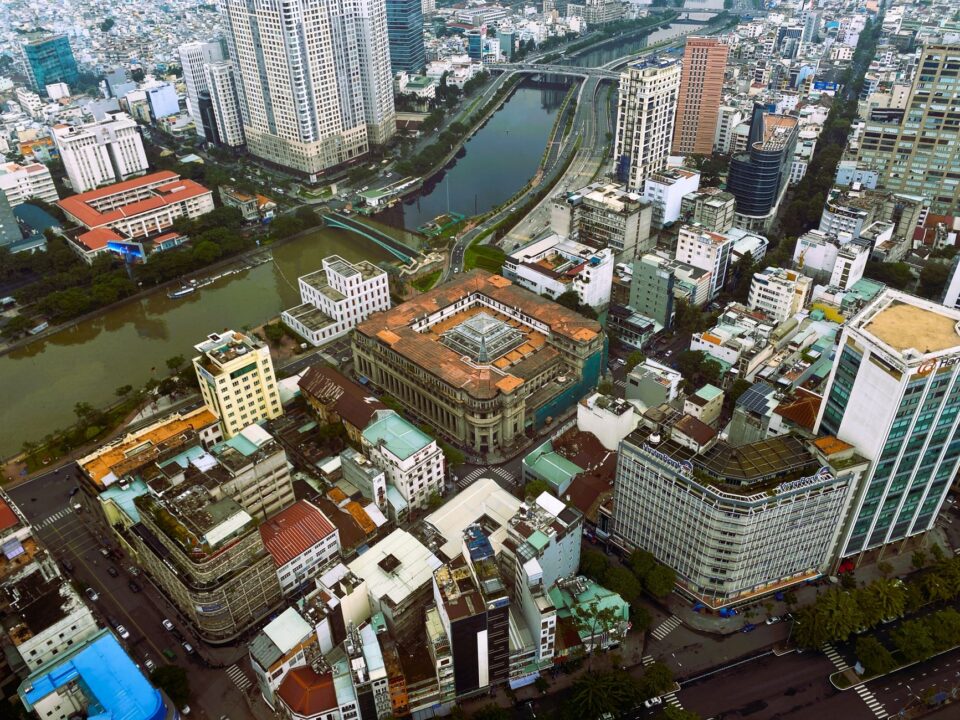
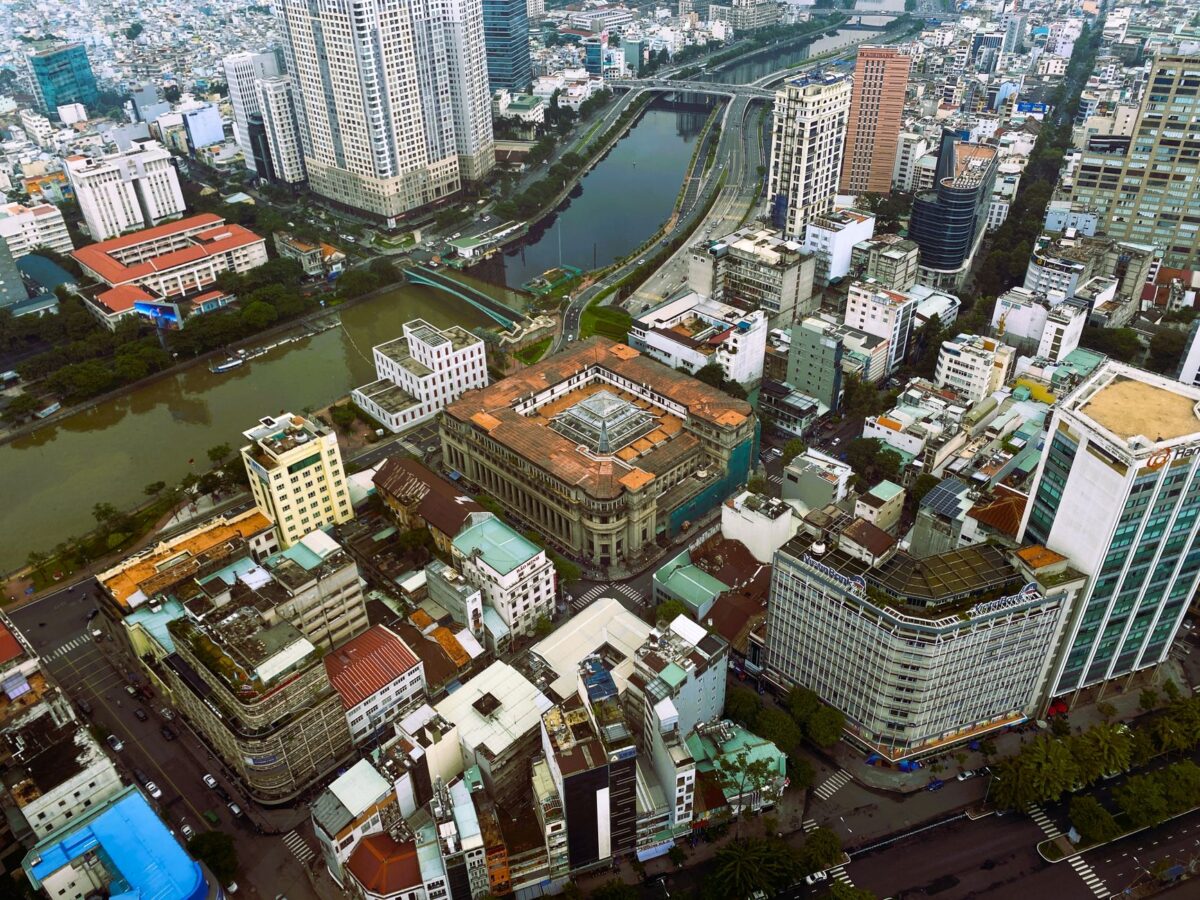
Costco đã phát tín hiệu chính thức về ý định mở rộng hoạt động vào Việt Nam — một trong những diễn biến đáng chú ý nhất của thị trường tiêu dùng trong nước năm nay. Bước đi này nối tiếp nhiều năm Costco nhập hơn 1 tỷ USD hàng Việt mỗi năm: dệt may, da giày, đồ gỗ, cà phê, hạt điều, thủy sản. Giờ họ tính chuyện đặt chân vào bán lẻ trực tiếp, và điều đó kéo theo nhiều hệ quả cho ngành bán lẻ, chuỗi cung ứng và môi trường M&A của Việt Nam.
Một nhà mua mỗi năm rút cả tỷ USD hàng ra khỏi một nước rồi quyết định bán ngay trong nước đó là kiểu thâm nhập rất khác với cuộc ra mắt thường thấy của các hãng bán lẻ ngoại. Costco không đọc thị trường Việt Nam từ con số không. Họ đã thuộc nguồn cung, và lần này họ đặt cược vào phía cầu.
Điều gì khiến thị trường tiêu dùng Việt Nam đáng để đặt cược
Suốt một thập niên qua, bán lẻ Việt Nam thuộc nhóm thị trường tăng nhanh nhất châu Á. Năm 2025, GDP vẫn giữ trên sáu phần trăm bất chấp biến động toàn cầu, nhờ tiêu dùng tư nhân khỏe. Tầng lớp trung lưu nở rộng nhanh — ước tính đến năm 2030 Việt Nam sẽ có hơn 50 triệu người tiêu dùng thu nhập trung bình. Đô thị hóa, lương tăng và hạ tầng cải thiện đẩy chi tiêu hộ gia đình cho hàng bán lẻ, hàng phong cách sống và hàng tiện ích đi lên đều đặn.
Tám tháng đầu năm 2025, doanh thu bán lẻ tăng hơn 10 phần trăm so với cùng kỳ, dẫn dắt bởi thương mại điện tử và kênh thương mại hiện đại. Các hãng ngoại đã có mặt như AEON của Nhật hay Central Group của Thái Lan đều tăng trưởng đều. Trên nền ấy, Costco không phải thêm một hãng ngoại nữa. Họ tới với tầm cỡ toàn cầu và một vị thế mà chưa ai trên thị trường này chiếm giữ.
Mô hình của họ dựa trên thẻ thành viên, bán hàng theo lô và định giá theo giá trị, khớp với khát vọng đang lên của tầng lớp trung lưu. Các thương hiệu quốc tế cao cấp săn nhóm khách giàu; Costco nhắm vào hộ gia đình cần giá trị ở quy mô lớn và một cái tên đáng tin. Vị thế đó có thể vẽ lại bản đồ cạnh tranh của bán lẻ Việt Nam chứ không chỉ thêm một quân cờ.
Vì sao là Việt Nam, và vì sao lúc này
Quan hệ cung ứng là cái nền. Costco vốn đã mua hơn 1 tỷ USD hàng Việt mỗi năm, từ đồ gỗ tới nông sản. Chuỗi sẵn có ấy cho thấy sự tin cậy và giảm rủi ro thâm nhập. Khi đưa hoạt động bán lẻ về tại chỗ, Costco tiến sát hơn tới nguồn cung của mình, đồng thời khai thác chính thị trường nội địa mà lâu nay họ mới chỉ mua hàng.
Việt Nam còn là cửa ngõ chiến lược vào Đông Nam Á. Dân số gần 100 triệu, liên kết thương mại mạnh và các đô thị đang phình ra cho Costco đủ quy mô để làm. Gần các trung tâm sản xuất ở Thành phố Hồ Chí Minh, Bình Dương và Đồng Nai càng làm chắc lý lẽ: đặt kho ở những vùng này, Costco gắn kết được khâu bán lẻ với khâu cung ứng, cắt chi phí và nâng hiệu suất.
Chính sách cũng nghiêng về cùng một hướng. Việt Nam chào đón hãng bán lẻ ngoại như một phần cam kết tự do hóa thương mại rộng hơn. Nhà nước nhìn sự hiện diện của Costco như cách làm sâu hội nhập chuỗi giá trị, tạo việc làm và mở rộng lựa chọn cho người tiêu dùng — đồng thời hút nhà đầu tư ngoại tên tuổi vào những ngành ngoài chế tạo và bất động sản.
Một sân bán lẻ đã in dấu cạnh tranh
Costco bước vào một thị trường mà các đối thủ ngoại đã cày xới. AEON dựng được chỗ đứng đô thị vững ở mảng siêu thị và trung tâm thương mại. Central Group của Thái Lan mở rộng mạnh tay, nhất là ở thời trang và bán lẻ phong cách sống. Các tay chơi nội như Saigon Co.op hay WinCommerce của Masan vẫn đáng kể nhưng chịu sức ép phải hiện đại hóa và lớn về quy mô.
Cấu trúc của Costco lại khác. Bán theo lô và thẻ thành viên được thiết kế để đẩy sản lượng trong khi giữ biên mỏng. Cách ấy có thể bắt sóng người mua Việt vốn nhạy giá, nhất là khi chi tiêu hộ gia đình tăng mà nỗi lo lạm phát vẫn lởn vởn. Làm khéo, Costco có thể gây dựng tệp thành viên trung thành, những người thấy đáng tiền ở việc mua lô, ở hàng nhập và ở chuẩn sản phẩm đáng tin.
Sự xuất hiện của họ cũng ép các tên tuổi sẵn có phải xoay. Chuỗi nội có thể phải tăng tốc hiện đại hóa, rót vốn vào hậu cần và mài lại trải nghiệm khách hàng. Đối thủ ngoại thì sẽ điều chỉnh — củng cố vị thế cao cấp hoặc tìm liên kết để vươn xa hơn. Với giới làm thương vụ, sự xáo trộn đó mở chỗ trống khi các nhà bán lẻ nhỏ tính chuyện hợp nhất để sống sót trong một cuộc chơi gắt hơn.
Cấu trúc thương vụ và cách đọc M&A
Costco vào thị trường khó theo một khuôn duy nhất. Họ có thể thăm dò liên doanh với nhà phân phối hoặc đơn vị hậu cần Việt Nam để vào nhanh hơn — những hợp tác giúp họ luồn qua quy định pháp lý, kiếm đất làm kho và mượn được chuyên môn bản địa. Mua một phần cổ phần trong công ty bán lẻ hay hậu cần sẵn có cũng là một nước đi, đổi lấy quy mô và năng lực phân phối ngay tức thì.
Với doanh nghiệp Việt, cuộc đổ bộ này có cả hai chiều. Nhà cung cấp nào đáp ứng được chuẩn chất lượng và tuân thủ ngặt nghèo của Costco sẽ giành thêm hợp đồng. Còn nhà bán lẻ và phân phối có thể bị siết, khi Costco mang theo hiệu suất mua hàng toàn cầu và niềm tin của người tiêu dùng. Kết cục dễ thấy là một làn sóng hợp tác, thâu tóm và hợp nhất, khi các hãng hoặc đứng vào hệ sinh thái Costco, hoặc lo gia cố chỗ đứng của riêng mình.
Hậu cần là bên hưởng lợi rõ nhất. Mô hình Costco dựa vào kho bãi và phân phối hiệu quả, nên kéo theo nhu cầu về cơ sở hiện đại, kho lạnh cho thực phẩm và quản lý tồn kho bằng công nghệ. Nhà đầu tư vào M&A hậu cần sẽ thấy cơ hội mới khi Costco và đối thủ giăng rộng mạng lưới chuỗi cung ứng.
Người tiêu dùng Việt có chịu mô hình này không
Hành vi tiêu dùng đang đổi nhanh. Mua sắm trực tuyến tăng hai con số, nhưng bán lẻ trực tiếp vẫn áp đảo — thực phẩm, đồ gia dụng, đồ chăm sóc cá nhân. Thách thức thật của Costco là gọt mô hình thẻ thành viên cho hợp thói quen địa phương. Người Việt còn lạ với lối mua theo lô, và khoảng cách thu nhập khiến không phải hộ nào cũng kham nổi những khoản chi lớn trả trước.
Lời giải nằm ở thích nghi. Hạng thẻ linh hoạt, mô hình lai giữa cửa hàng và trực tuyến, vị trí đô thị chọn lọc đều sẽ giúp ích. Bắt tay với nền tảng thanh toán và ngân hàng trong nước có thể quan trọng không kém, mở đường cho khách vay tiêu dùng để mua giỏ hàng lớn hơn. Những bước đó cho phép Costco giữ mô hình toàn cầu mà vẫn đáp được nét riêng của cầu Việt Nam.
Với đối thủ, cuộc thâm nhập này nhắc rằng sự nhanh nhạy giờ đáng giá đến mức nào. Hãng nào chuyển động kịp theo thị hiếu đổi thay, bằng đa kênh hay dịch vụ tốt hơn, sẽ giữ được thị phần. Hãng nào chần chừ thì có nguy cơ bị đẩy khỏi một thị trường ngày càng đông tay đua.
Kết luận
Bước đi của Costco vào Việt Nam đánh dấu một khúc ngoặt cho ngành bán lẻ, và bài học cho nhà đầu tư khá thẳng. Bán lẻ đang dịch từ một thị trường phân mảnh, do tay chơi nội dẫn dắt, sang một thị trường định hình bởi cạnh tranh toàn cầu và hợp nhất. Chuỗi cung ứng và hậu cần đang trở thành tài sản chiến lược, mở ra M&A ở phân phối, kho bãi và công nghệ. Hành vi tiêu dùng đang biến chuyển, và những hãng đứng đúng vào các xu hướng ấy sẽ gặt giá trị vượt trội.
M&A trong bán lẻ và hậu cần nhiều khả năng sẽ tăng tốc. Tay chơi nội có thể gọi vốn để hiện đại hóa; các tập đoàn ngoại có thể mua đứt để lớn nhanh. Nhà đầu tư rành chuyện chuyển mình bán lẻ, tích hợp hậu cần hay tài chính tiêu dùng sẽ ở thế thuận nhất. Sự hiện diện của Costco không hẳn là một sự kiện cạnh tranh đơn lẻ, mà là chất xúc tác cho thay đổi cấu trúc khắp nền kinh tế tiêu dùng Việt Nam — cơ hội lớn, nhưng chỉ trả công cho ai biết đứng đúng chiến lược, đủ nhanh nhạy và hiểu thật người tiêu dùng Việt đang đổi ra sao.
Lotus Investment Group tư vấn M&A xuyên biên giới và FDI vào Việt Nam và Đông Nam Á. Nếu quý vị đang thẩm định một vị thế tại Việt Nam, liên hệ với chúng tôi.
Costco has formally signalled it intends to expand into Vietnam, one of the most significant developments in the country’s consumer market this year. The move follows years of the company importing more than US$1 billion in Vietnamese goods annually — textiles, footwear, furniture, coffee, cashews, seafood. Its next step is a direct retail presence, and that carries wide implications for Vietnam’s retail sector, its supply chains, and the M&A environment around both.
A buyer that already pulls a billion dollars of product out of a country each year deciding to sell inside it is a different kind of arrival than the usual foreign-retailer launch. Costco isn’t reading Vietnam cold. It knows the supply base, and it’s now betting on the demand side.
What makes Vietnam’s consumer market worth the bet
Vietnam’s retail sector has been one of Asia’s fastest-growing markets over the past decade. GDP growth held above six percent in 2025 despite global volatility, carried by strong private consumption. The middle class is widening fast — by 2030, estimates put Vietnam at more than 50 million middle-income consumers. Urbanisation, higher wages and better infrastructure have lifted household spending on retail and lifestyle goods on a steady curve.
Retail sales rose more than 10 percent year-on-year in the first eight months of 2025, led by e-commerce and modern trade. International retailers already here, AEON from Japan and Central Group from Thailand, have grown consistently. Against that backdrop, Costco is not just another foreign entrant. It arrives as a global-scale operator with a positioning no one else in the market quite occupies.
Its model is membership-based, built on bulk sales and value-driven pricing, and it fits the rising aspirations of the middle class. Premium international brands chase affluent shoppers; Costco targets households that want value at scale and a name they can trust. That positioning could reshape the competitive map of Vietnamese retail rather than simply add to it.
Why Vietnam, and why now
The supply relationship is the foundation. Costco already sources over US$1 billion of goods from Vietnam each year, from furniture to agricultural products. That existing chain signals trust and cuts entry risk. By localising retail operations, Costco moves closer to its supply base while tapping the domestic market it has so far only bought from.
Vietnam also works as a strategic gateway to Southeast Asia. A population near 100 million, strong trade links and growing urban centres give the company scale to work with. Proximity to production hubs in Ho Chi Minh City, Binh Duong and Dong Nai strengthens the case further: warehouses in those areas let Costco fuse retail and supply-chain functions, trimming cost and lifting efficiency.
Policy points the same way. Vietnam has welcomed foreign retailers as part of a broader commitment to trade liberalisation. The government reads Costco’s presence as a way to deepen value-chain integration, create jobs and widen consumer choice — and to draw marquee foreign investors into sectors beyond manufacturing and real estate.
A retail landscape already shaped by competition
Costco walks into a market international rivals have already worked. AEON has built a strong urban presence in supermarkets and malls. Thailand’s Central Group has expanded aggressively, especially in fashion and lifestyle retail. Domestic players such as Saigon Co.op and Masan’s WinCommerce stay significant but face pressure to modernise and scale up.
Costco’s structure is different. Bulk-buying and membership are built to drive volume while keeping margins thin. That can resonate with cost-conscious Vietnamese shoppers, particularly as household spending climbs while inflation worries linger. Done well, Costco could build a loyal membership base that values bulk purchases, imported goods and trusted product standards.
Its arrival also pressures incumbents to adapt. Domestic chains may have to accelerate modernisation, invest in logistics and sharpen the customer experience. International competitors will likely adjust — reinforcing premium positioning or seeking partnerships to extend reach. For dealmakers, that churn opens room as smaller retailers look to consolidate to survive a tougher field.
Deal structures and the M&A read
Costco’s entry is unlikely to follow one template. The company may explore joint ventures with Vietnamese distributors or logistics providers to speed market access — partnerships that help it navigate regulation, secure warehouse land and draw on local expertise. Acquiring a stake in an existing retail or logistics company is also on the table, buying immediate scale and distribution capacity.
For Vietnamese firms, the arrival cuts both ways. Suppliers that can meet Costco’s strict quality and compliance standards stand to win expanded contracts. Retailers and distributors, though, may feel the squeeze as Costco imports global procurement efficiency and consumer trust. The likely result is a wave of partnerships, acquisitions and consolidation, as firms either align with Costco’s ecosystem or move to fortify their own positions.
Logistics is the clearest winner. Costco’s model leans on efficient warehousing and distribution, which spurs demand for modern facilities, cold storage for food, and technology-driven inventory management. Investors in logistics M&A will find fresh openings as Costco and its competitors build out their supply-chain networks.
Will Vietnamese shoppers buy the model
Consumer behaviour is shifting quickly. Online shopping has grown by double digits, yet physical retail still dominates — food, household goods, personal care. Costco’s real challenge is fitting its membership format to local habits. Vietnamese shoppers are less used to bulk-buying, and income gaps mean not every household can afford large upfront purchases.
Adaptation is the answer. Flexible membership tiers, hybrid physical-and-online models and well-chosen urban locations would help. Tie-ups with local payment platforms and banks could matter just as much, opening consumer financing for bigger baskets. Those moves let Costco keep its global model while answering the specifics of Vietnamese demand.
For rivals, the entry is a reminder of how much agility now counts. Firms that move fast on changing preferences, whether through omnichannel reach or better service, keep their share. Those that stall risk being pushed out of a market that keeps getting more competitive.
Conclusion
Costco’s move into Vietnam marks a turn for the country’s retail sector, and the lesson for investors is fairly direct. Retail is shifting from a fragmented, locally led market toward one defined by global competition and consolidation. Supply chains and logistics are becoming strategic assets, opening M&A in distribution, warehousing and technology. Consumer behaviour is evolving, and the firms that align with these shifts will capture outsized value.
Expect M&A in retail and logistics to accelerate. Domestic players may raise capital to modernise; international groups may buy their way to scale quickly. Investors fluent in retail transformation, logistics integration or consumer finance are best placed to benefit. Costco’s presence is less a single competitive event than a catalyst for structural change across Vietnam’s consumer economy — substantial opportunity, but one that rewards strategic alignment, agility and a real grasp of how Vietnamese consumers are changing.
Lotus Investment Group advises on cross-border M&A and FDI into Vietnam and Southeast Asia. If you are underwriting Vietnam exposure, get in touch.